.webp)
%2B(7).webp)
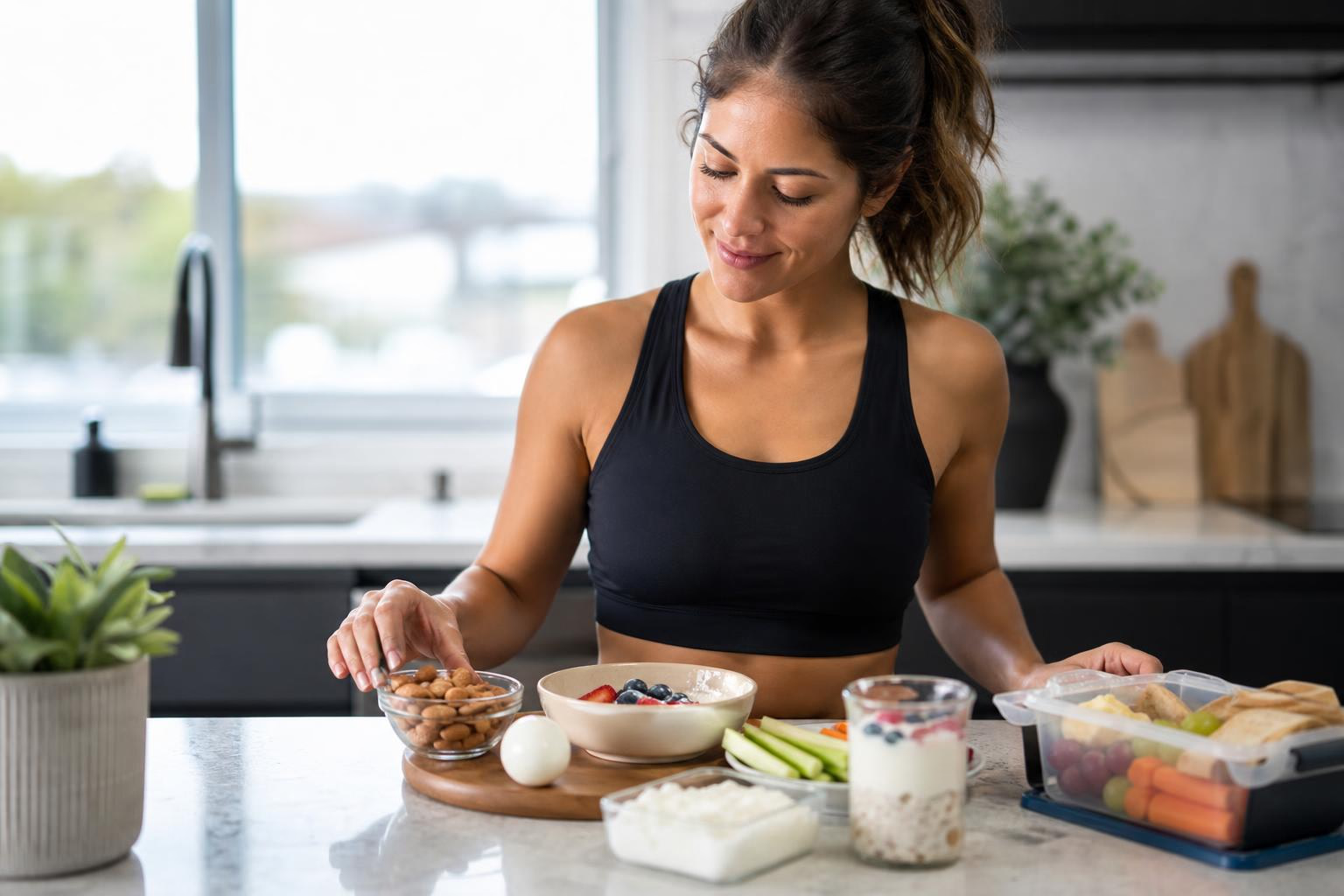
The best healthy snacks for weight loss combine protein (8-15g), fiber (3-5g), and healthy fat in the 100-200 calorie range. Greek yogurt with berries, hard-boiled eggs, and cottage cheese with fruit top the list for satiety and muscle preservation. This guide includes 24 specific snacks with full macro breakdowns, plus condition-specific tags for GLP-1 medication users, PCOS, and blood sugar management. If you want personalized guidance, Vedic’s registered dietitians can build a snacking plan around your health goals and insurance typically covers it.
Snacking isn’t the enemy of weight loss. Bad snacking is.
A 2026 survey of 1,000 U.S. adults found that 53.2% say they snack less than they used to, with many swapping indulgent options for nutrient-forward choices. That shift matters because research consistently shows snacking contributes close to one-third of daily energy intake, and most of those snacks are energy-dense and nutrient-poor. The fix isn’t eliminating snacks. It’s choosing the right ones.
The 2025-2030 U.S. Dietary Guidelines raised the recommended protein intake to 1.2-1.6 grams per kilogram of body weight per day, a significant jump from the old 0.8 g/kg target. That higher number means snacks need to pull their weight nutritionally, not just fill time between meals.
This article breaks down 24 dietitian-backed healthy snacks for weight loss, complete with calorie counts, protein and fiber grams, and condition-specific tags for people managing PCOS, diabetes, or taking GLP-1 medications like Wegovy, Zepbound, or Ozempic.
How to Build a Weight-Loss-Friendly Snack
Before the list, here’s the framework. Every effective weight loss snack follows a simple formula:
Protein (8-15g) + Fiber (3-5g) + Healthy Fat = Satiety Between Meals
Registered dietitian Samantha Cassetty recommends aiming for 5-15 grams of protein per snack, depending on how many snacks you eat daily. For calorie targets, most adults in a calorie deficit should keep snacks between 100-200 calories. Going closer to 150 calories is often the sweet spot for consistent fat loss without constant hunger.
Why does protein matter more than raw calorie count? The thermic effect of protein accounts for 20-30% of the calories consumed, meaning your body spends significantly more energy digesting protein than carbs or fat. A critical review of six studies confirmed greater energy expenditure on higher-protein diets across the board. That’s a real metabolic advantage, small but consistent.
When to snack: Honor your hunger cues. For most people, that means mid-morning and mid-afternoon. The goal is to bridge the gap between meals so you don’t arrive at dinner ravenous and overeat.
How many snacks per day: One to two is typical for someone eating three meals. If you’re eating on a tighter window or following a protein-forward meal plan, one well-constructed snack may be enough.
At-a-Glance: Top 24 Healthy Snacks for Weight Loss
#SnackCaloriesProteinFiberBest ForProtein-Forward Snacks1Greek yogurt + berries~15015-20g2gOverall satiety2Cottage cheese + fruit~13014g1-2gSlow-release protein3Hard-boiled eggs (2)~14012g0gGLP-1 users4Turkey + cheese roll-ups~12015g0gLow-carb snacking5Tuna pouch + crackers~15016g1gBudget protein6Edamame (½ cup)~1009g4gPlant-based protein7String cheese + almonds~17012g2gOn-the-goProduce and Protein Combos1Apple + peanut butter~2007g5gSweet + savory craving2Celery + almond butter~1505g2gPCOS-friendly3Bell pepper + hummus~1204g4gHigh volume, low cal4Cucumber + Tajín + yogurt dip~805g1gCultural inclusion5Guacamole + baked chips~1803g5gHeart-healthy fatsCrunchy and Satisfying Snacks1Air-popped popcorn (3 cups)~903g3.5gHigh-volume crunch2Roasted chickpeas (¼ cup)~1206g5gChip replacement3Pumpkin seeds (1 oz)~1507g2gMagnesium for PCOSSweet Craving Snacks (Controlled)1Dark chocolate + walnuts~1904g2gControlled sweet craving2Chia seed pudding~1505g10gBlood sugar stability3Frozen banana + dark chocolate~1301g2gDessert substituteOn-the-Go and Store-Bought Options1Protein bar~20015-20g3-5gEmergency backup2Turkey jerky (low-sodium)~8010g0gPortable protein3Fruit + cheese plate~1507g1gOffice-friendlyLatin-Inspired and Culturally Inclusive Snacks1Ceviche (small portion)~12015g1gLatin-inspired protein2Jicama + lime + chili~501g6gUltra-low calorie crunch3Black bean dip + veggies~1207g5gFiber-rich, culturally familiar
Protein-Forward Snacks
These are the heavy hitters for satiety and muscle preservation, each delivering 9g or more of protein per serving.
1. Greek Yogurt with Berries
Best for: Overall satiety and gut health
Greek yogurt is the single most recommended weight loss snack across dietitian circles, and for good reason. The combination of casein and whey protein creates slow-release satiety that keeps hunger quiet for hours. Medical experts note that the protein and fat in Greek yogurt slow carbohydrate digestion, leading to a gradual release of glucose into the bloodstream rather than a spike and crash.
Quick tip: Choose plain, nonfat or 2% varieties and add your own berries. Flavored versions often contain 12-15g of added sugar, which defeats the purpose.
2. Cottage Cheese with Fruit
Best for: Slow-release protein between meals
Cottage cheese has had a major comeback, and the nutrition backs it up. Half a cup delivers roughly 14g of protein, mostly casein, which digests slowly and keeps you fuller longer than fast-digesting protein sources. Pair it with pineapple, berries, or sliced tomatoes and everything bagel seasoning for a savory twist.
Practitioners on Reddit frequently mention cottage cheese as a go-to when protein targets feel hard to hit, especially for people learning to eat a high-protein diet for the first time.
3. Hard-Boiled Eggs (2)
Best for: GLP-1 medication users who need easy, protein-dense options
Two hard-boiled eggs deliver 12g of complete protein with zero carbs, making them one of the most blood-sugar-stable snacks available. They require almost no prep (batch-cook a dozen on Sunday), they’re portable, and they’re dirt cheap. For people on Wegovy or Zepbound whose appetite is already suppressed, eggs are easy to eat in small amounts without triggering GI discomfort.
4. Turkey and Cheese Roll-Ups
Best for: Low-carb snacking with high protein density
Roll two slices of deli turkey around a stick of cheese, or wrap them around cucumber spears or bell pepper strips for added crunch. This snack is nearly zero-carb and packs 15g of protein into about 120 calories. Look for low-sodium, nitrate-free turkey if you’re watching blood pressure.
5. Canned Tuna Pouch with Crackers
Best for: Budget-friendly protein with omega-3s
Single-serve tuna pouches (like StarKist or Bumble Bee) cost roughly a dollar, need no draining, and deliver 16g of protein plus omega-3 fatty acids. Pair with 5-6 whole grain crackers. This is one of the most affordable healthy snacks for weight loss on this entire list.
6. Edamame (½ Cup Shelled)
Best for: Plant-based complete protein
Edamame is one of the few plant foods that’s a complete protein, containing all essential amino acids. Half a cup shelled gives you 9g of protein and 4g of fiber for just 100 calories. Buy frozen, steam for 3 minutes, sprinkle with sea salt or everything bagel seasoning.
7. String Cheese with Almonds (10)
Best for: Grab-and-go portability
This combination is the ultimate desk drawer snack. One string cheese stick plus 10 almonds gives you protein, calcium, and healthy fats in a completely shelf-stable (well, the almonds are) package. Keep the cheese in the office fridge and the almonds in your bag.
Produce and Protein Combos
These snacks pair fruits or vegetables with a protein or fat source to hit the satiety formula.
1. Apple Slices with Peanut Butter
Best for: Satisfying sweet and savory cravings simultaneously
The classic. The apple provides fiber and volume while the peanut butter adds protein and fat to slow digestion. The critical detail: stick to 2 tablespoons of peanut butter. That’s about the size of a golf ball. Use natural peanut butter (ingredients: peanuts, salt) to avoid added sugars and hydrogenated oils.
2. Celery with Almond Butter
Best for: PCOS-friendly, very low carb
Celery is mostly water, making it an extremely low-carb vehicle for almond butter. This matters for women with PCOS, where keeping carbs under 20g per serving per snack is a commonly recommended threshold. Almond butter provides monounsaturated fats and vitamin E without spiking insulin.
3. Bell Pepper Strips with Hummus
Best for: High-volume snacking with antioxidants
Bell peppers are high in vitamin C and fiber while being very low in calories. Combined with hummus (chickpea-based protein plus tahini fat), this snack checks every box of the satiety formula. Red and yellow peppers tend to be sweeter, which makes them more satisfying if you’re craving something beyond raw vegetables.
4. Cucumber with Tajín and Greek Yogurt Dip
Best for: Culturally familiar, ultra-low-calorie base
Cedars-Sinai dietitians note that many people already snack on cucumbers with Tajín and lime, and suggest mixing the dried spice into nonfat Greek yogurt for an upgraded dip that adds protein. Cucumbers are 95% water, making them one of the most hydrating snack bases you can choose.
5. Guacamole with Baked Tortilla Chips
Best for: Heart-healthy fats with fiber
A whole avocado contains roughly 10g of fiber, and even a quarter-cup serving of guacamole delivers meaningful amounts of fiber, potassium, and monounsaturated fat. Baked tortilla chips keep the calorie count from ballooning. This is a solid option when you want something that feels indulgent but still supports weight loss.
Crunchy and Satisfying Snacks
For people who need that crunch factor to feel like they’ve actually eaten something.
1. Air-Popped Popcorn (3 Cups)
Best for: Maximum volume for minimum calories
Three full cups of air-popped popcorn clock in at just 90 calories, making this one of the highest-volume healthy snacks for weight loss. Sprinkle with nutritional yeast (2 tbsp adds 4g protein) or a light dusting of parmesan for extra flavor without many additional calories.
Important note on portions: Research on mindless eating found that people consumed 53% more popcorn when given larger containers, even when the popcorn was stale. Pre-portion popcorn into a bowl. Never eat from the bag.
2. Roasted Chickpeas (¼ Cup)
Best for: Crunchy chip replacement with real nutrition
Roasted chickpeas scratch the same itch as chips but deliver 6g of protein and 5g of fiber per quarter cup. You can buy them pre-made (Biena, The Good Bean) or roast a can at 400°F for 25-30 minutes with olive oil and spices. Ranch seasoning, smoky paprika, and za’atar are all great options.
3. Pumpkin Seeds (1 Oz)
Best for: Magnesium support, especially for PCOS and insulin resistance
One ounce of pumpkin seeds delivers about 37% of the daily value for magnesium, a mineral that plays a key role in insulin sensitivity. For women with PCOS (where 30-70% have insulin resistance), this is a particularly strategic choice. They’re also portable and don’t need refrigeration.
Sweet Craving Snacks (Controlled)
Weight loss doesn’t mean eliminating all sweetness. These options satisfy cravings without derailing progress.
1. Dark Chocolate (1 Oz, 70%+) with Walnuts
Best for: Controlled indulgence with anti-inflammatory fats
One ounce of dark chocolate (about 3-4 squares depending on the brand) paired with a small handful of walnuts provides flavanols that may improve insulin sensitivity, plus omega-3 fatty acids from the walnuts. The key is buying 70% cacao or higher, where sugar content drops significantly. Pre-portion this one, because a full dark chocolate bar is still 500+ calories.
2. Chia Seed Pudding
Best for: Blood sugar stability and fiber loading
Mix 2 tablespoons of chia seeds with ½ cup of unsweetened almond milk, refrigerate overnight, and top with berries in the morning. The result is a pudding-like texture that delivers a staggering 10g of fiber per serving. Given that only 5% of Americans meet the recommended daily fiber intake, chia pudding is one of the easiest ways to close that gap.
3. Frozen Banana Slices Dipped in Dark Chocolate
Best for: Dessert substitute with whole-food base
Slice a banana, dip each piece halfway in melted dark chocolate, freeze on parchment paper. You get the sweetness and cold treat satisfaction of ice cream for a fraction of the calories. This is lower in protein than most snacks on this list, so pair it with a glass of milk or a few nuts if you need to hit your protein target.
On-the-Go and Store-Bought Options
Real life doesn’t always allow for prep. These options work straight out of a bag, box, or convenience store cooler.
1. Protein Bar (15-20g Protein, Under 10g Added Sugar)
Best for: Emergency backup when nothing else is available
Not all protein bars are created equal. Many are candy bars with a protein label. Look for options with 15-20g protein, under 10g added sugar, and a short ingredient list. RXBar, Built Bar, and ONE bars tend to score well on these criteria. Treat protein bars as a backup, not a daily default, because whole foods provide micronutrients that bars simply can’t match.
2. Turkey or Beef Jerky (Low-Sodium)
Best for: Portable, shelf-stable protein
Jerky is pure protein in pocket form. The catch: many brands load their products with added sugars and sodium. Read labels carefully. Country Archer, Chomps, and Epic make cleaner versions. One ounce delivers about 10g of protein for just 80 calories, making it one of the most protein-efficient healthy snacks for weight loss you can buy at a gas station.
3. Fruit and Cheese Plate
Best for: Office-friendly, requires zero cooking
An ounce of cheddar or gouda plus half a cup of grapes is simple, satisfying, and looks more like a real snack than most “diet foods.” The cheese provides protein and fat while the grapes add natural sweetness and hydration. This combo works well for people who find traditional “health food” snacks unappetizing.
Latin-Inspired and Culturally Inclusive Snacks
Most weight loss snack lists default to the same narrow set of foods. That’s a problem when your cultural background includes an entirely different food vocabulary. Harvard Health notes that healthy Latin American food choices include beans, corn tortillas, plantains, avocados, and tropical fruits, all of which fit a weight loss framework when portioned correctly.
1. Ceviche (Small Portion)
Best for: Lean protein with Latin flair
Ceviche is essentially raw fish cured in citrus juice with onion, cilantro, and chili. It’s extremely lean, high in protein, and naturally low in carbs. Pair a small portion with a few corn tortilla chips for crunch. This is one of the most underrated high-protein snacks in any cuisine.
2. Jicama Sticks with Lime and Chili
Best for: Ultra-low calorie crunchy snack with impressive fiber
Jicama delivers 6g of fiber per cup for only 50 calories. That fiber-to-calorie ratio is hard to beat. The texture is similar to a water chestnut, crunchy and mildly sweet, and it pairs perfectly with lime juice and chili powder. For a more substantial snack, dip jicama sticks in black bean dip or guacamole.
3. Black Bean Dip with Vegetables
Best for: Fiber-rich, heart-healthy, culturally familiar
Blend canned black beans with cumin, garlic, lime juice, and a pinch of salt for a dip that rivals hummus in protein and beats it in fiber. Serve with bell pepper strips, jicama, or baked tortilla chips. Black beans are a staple across Latin American cuisines, making this a snack that feels familiar rather than like a “diet food.”
Special Considerations for Specific Conditions
Snacking on GLP-1 Medications (Wegovy, Zepbound, Ozempic)
GLP-1 receptor agonists suppress appetite dramatically. Most users eat 30-50% less food, and gastric emptying slows considerably. That reduced intake makes every bite count, especially for protein.
The National Institutes of Health emphasizes that adequate protein intake is critical during GLP-1-assisted weight loss to preserve lean muscle mass. The target: 15-20g of protein per snack when taking these medications. Snacks with under 10g protein are essentially just calories, while snacks over 25g may be too filling between meals when your appetite is already significantly suppressed.
Practical tips for GLP-1 users:
For a complete eating plan while on these medications, read our guide on what to eat on GLP-1s.
Snacking with PCOS or Insulin Resistance
Approximately 30-70% of women with PCOS have insulin resistance, which means insulin levels stay chronically elevated. Insulin is an appetite stimulant, which explains why many women with PCOS feel hungry even shortly after eating. That constant hunger drives overeating and makes snacking particularly tricky.
The rules for PCOS-friendly snacking:
Look for the ✅ PCOS friendly tag throughout this list for the best options.
Blood Sugar and Diabetes-Friendly Snacking
Snacks that keep glucose steady follow a predictable pattern: protein-forward with some fiber and modest carbs, minimal processing. The combination of protein and fat slows carbohydrate digestion and blunts the glucose spike that follows eating.
Best low-glycemic snack combos from this list: Greek yogurt with berries (Protein-Forward #1), hard-boiled eggs (Protein-Forward #3), chia seed pudding (Sweet Craving #2), and black bean dip with vegetables (Latin-Inspired #3). For a deeper list tailored to diabetes, see our guide on snacks for diabetics.
Common Snacking Mistakes That Stall Weight Loss
Even with the right snacks, certain habits undermine progress. Here are the five most common.
Eating straight from the bag. Research shows we eat about 92% of whatever we put on our plate. When the “plate” is a family-sized bag of almonds, that means hundreds of untracked calories. Always portion snacks into a bowl or container before eating.
Falling for “healthy halo” snacks. Granola bars, trail mix with chocolate chips, açaí bowls with granola toppings. These foods wear a health costume but often pack 300-500 calories with significant added sugar. Read labels. Every time.
Skipping snacks entirely, then overeating at dinner. Going 6-7 hours between lunch and dinner while running on willpower almost always backfires. A 150-calorie afternoon snack prevents the 400-calorie overshoot at dinner.
Only eating carbs. Crackers alone, pretzels alone, fruit alone. These all spike blood sugar, provide minimal satiety, and leave you hungrier 30 minutes later. Every snack needs a protein or fat component.
Not counting snack calories in your daily total. Two “small” snacks at 250 calories each add 500 calories to your day. If those aren’t accounted for in your overall intake, you’re not in a calorie deficit no matter how clean those snacks look.
When to Work with a Registered Dietitian
A snack list is a starting point. It’s not a personalized plan. Consider working with a registered dietitian if:
Vedic’s team of registered dietitian nutritionists specialize in weight management, PCOS, diabetes, and GLP-1 companion care through telehealth. Insurance covers visits for 95% of clients at $0 out of pocket.
Check your coverage and get started here →
Frequently Asked Questions
How many snacks per day should I eat for weight loss?
One to two snacks per day works for most adults eating three meals. The total calorie count matters more than the number of snacks. If you eat two snacks, aim for 100-150 calories each. If you eat one, you can go up to 200 calories. The key is building each snack around the protein + fiber + fat formula so it actually holds you over until your next meal.
Are snacks bad for weight loss?
No. Research shows that whole foods high in protein, fiber, and whole grains enhance satiety when consumed as snacks. The problem is what people typically snack on (chips, cookies, candy), not the act of snacking itself. Strategic snacking actually prevents the overeating that happens when you go too long without food.
What is the best late-night snack for weight loss?
Greek yogurt with berries or cottage cheese with fruit are strong choices because the casein protein digests slowly overnight. Avoid high-carb, high-sugar snacks before bed, as they can spike blood sugar and disrupt sleep quality. Keep late-night snacks under 150 calories and protein-forward.
How much protein should a weight loss snack have?
The updated 2025-2030 Dietary Guidelines support 5-15g of protein per snack for most adults. If you’re on GLP-1 medications, aim higher at 15-20g per snack to preserve muscle mass. Snacks with less than 5g of protein are essentially just carbs and fat, which won’t keep you full.
What are good snacks for someone with PCOS?
Choose snacks with under 20g of carbs, paired with protein or healthy fat. Celery with almond butter, pumpkin seeds, edamame, hard-boiled eggs, and Greek yogurt are all strong options. Avoid snacking on carbs alone, as this spikes insulin and worsens insulin resistance, a core driver of PCOS symptoms. For a full eating plan, explore our PCOS nutrition guide.
Can I eat healthy snacks for weight loss while on Ozempic or Wegovy?
Yes, and you should. GLP-1 medications suppress appetite so significantly that many users under-eat protein, which leads to muscle loss. Aim for 15-20g protein per snack, keep portions small to avoid GI discomfort, and have options prepped in advance since your hunger cues may be unreliable. Read more about eating well on GLP-1 medications.
Are protein bars a good snack for weight loss?
They can be, as a backup. Look for bars with 15-20g protein, under 10g added sugar, and recognizable ingredients. But whole food snacks (eggs, yogurt, cheese, nuts) provide micronutrients and satiety that bars can’t fully replicate. Use bars when you’re traveling or caught without better options, not as your daily default.
How do I stop mindless snacking?
Pre-portion everything. Studies show people eat significantly more when given larger containers, regardless of hunger or food quality. Put your snack in a bowl, put the bag away, sit down, and eat without screens. It sounds simple, but this single habit change can eliminate hundreds of untracked daily calories.
.svg)
.svg)
