.webp)
.png)
%2B(7).webp)
.png)
The USDA releases new guidelines for healthy Americans every five years. Here are the most recent updates for 2025–2030—marking the most significant reset of federal nutrition policy in our nation's history.
1. The Core Message: "Eat Real Food"
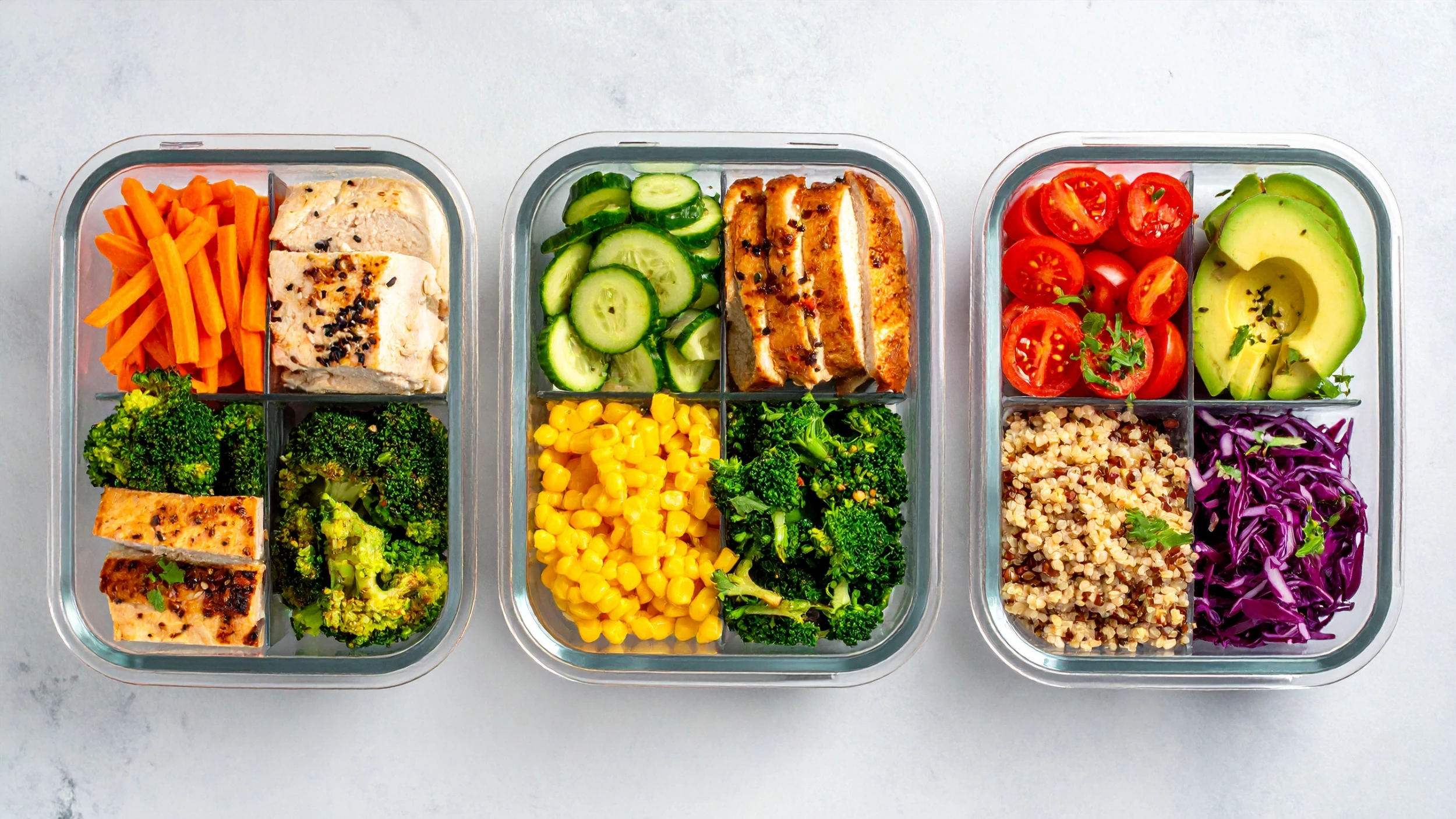
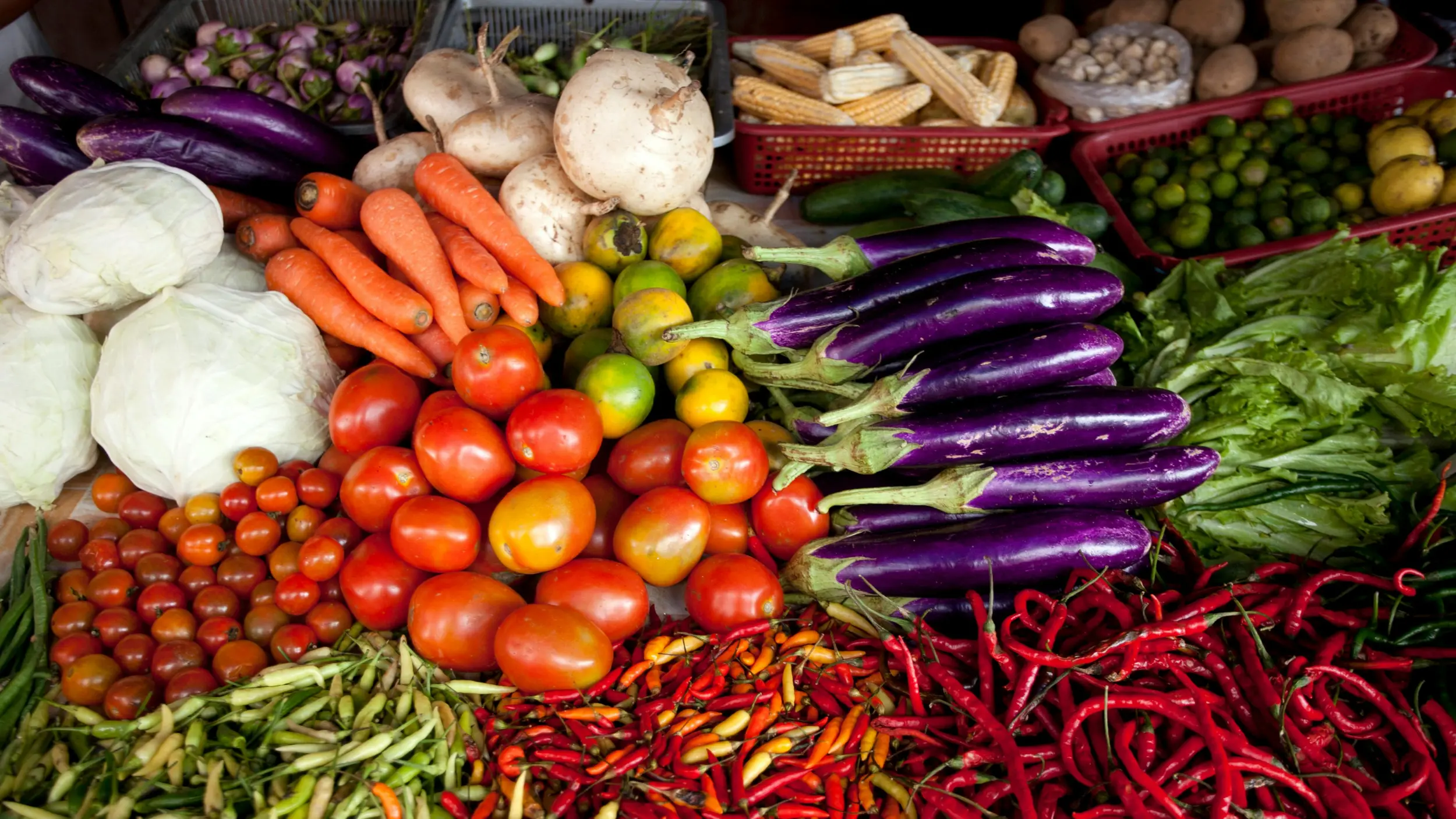
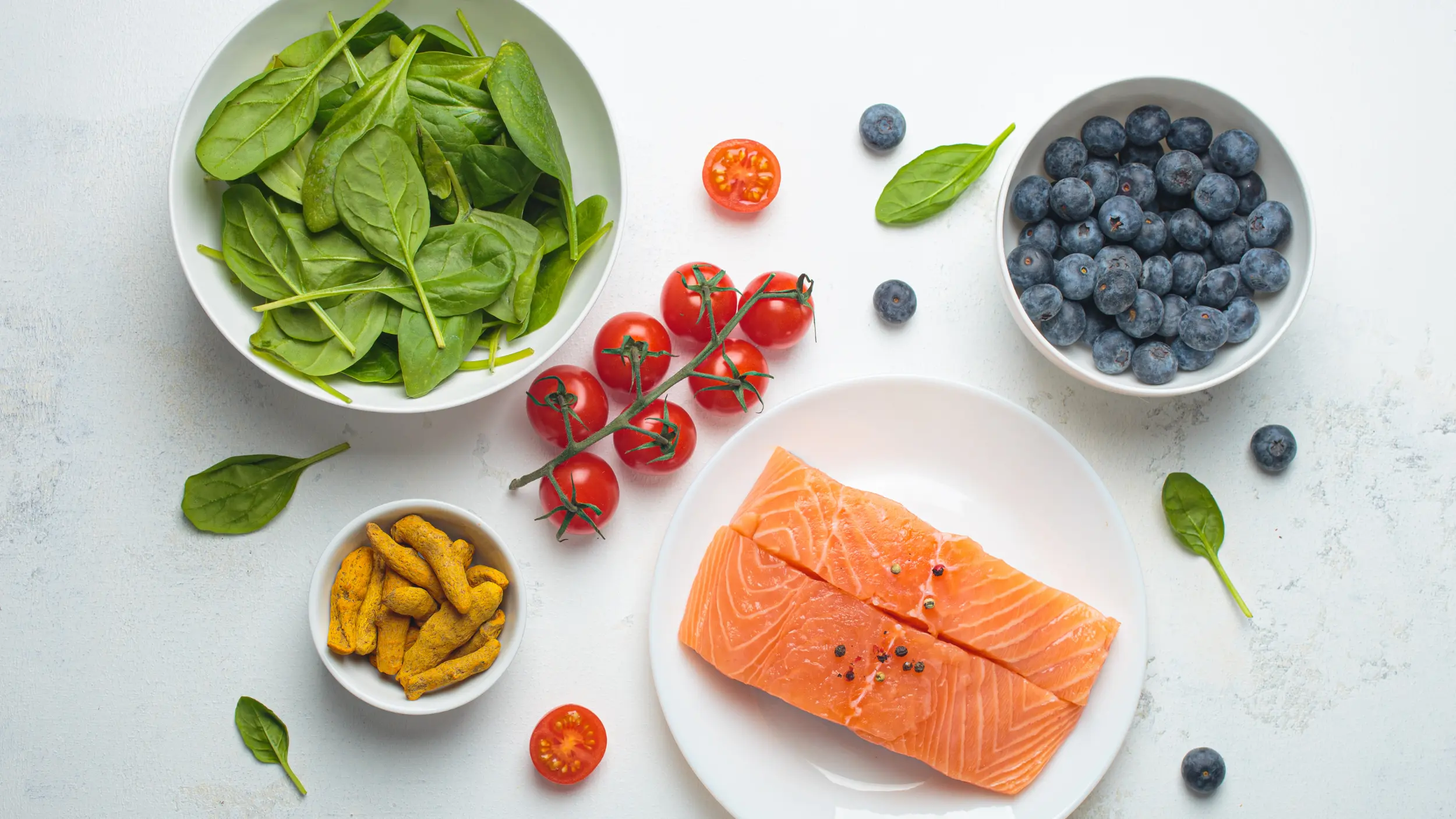
The biggest shift is moving away from the "counting calories" obsession and toward a simple mandate: eat real food. The goal is a return to basics—prioritizing whole, nutrient-dense items like protein, dairy, vegetables, fruits, and whole grains.
We are moving away from a food system that has relied on highly processed options for decades. The new guidelines explicitly tell us to dramatically reduce "highly processed foods" laden with:
- Chemical additives
- Petroleum-based dyes
- Artificial preservatives
- Non-nutritive sweeteners (like aspartame or sucralose)
2. Protein is a Priority
For years, protein was almost an afterthought. Now, it’s the anchor of every meal.
- Increased protein targets: The guidelines now recommend 1.2–1.6 grams of protein per kilogram of body weight daily.
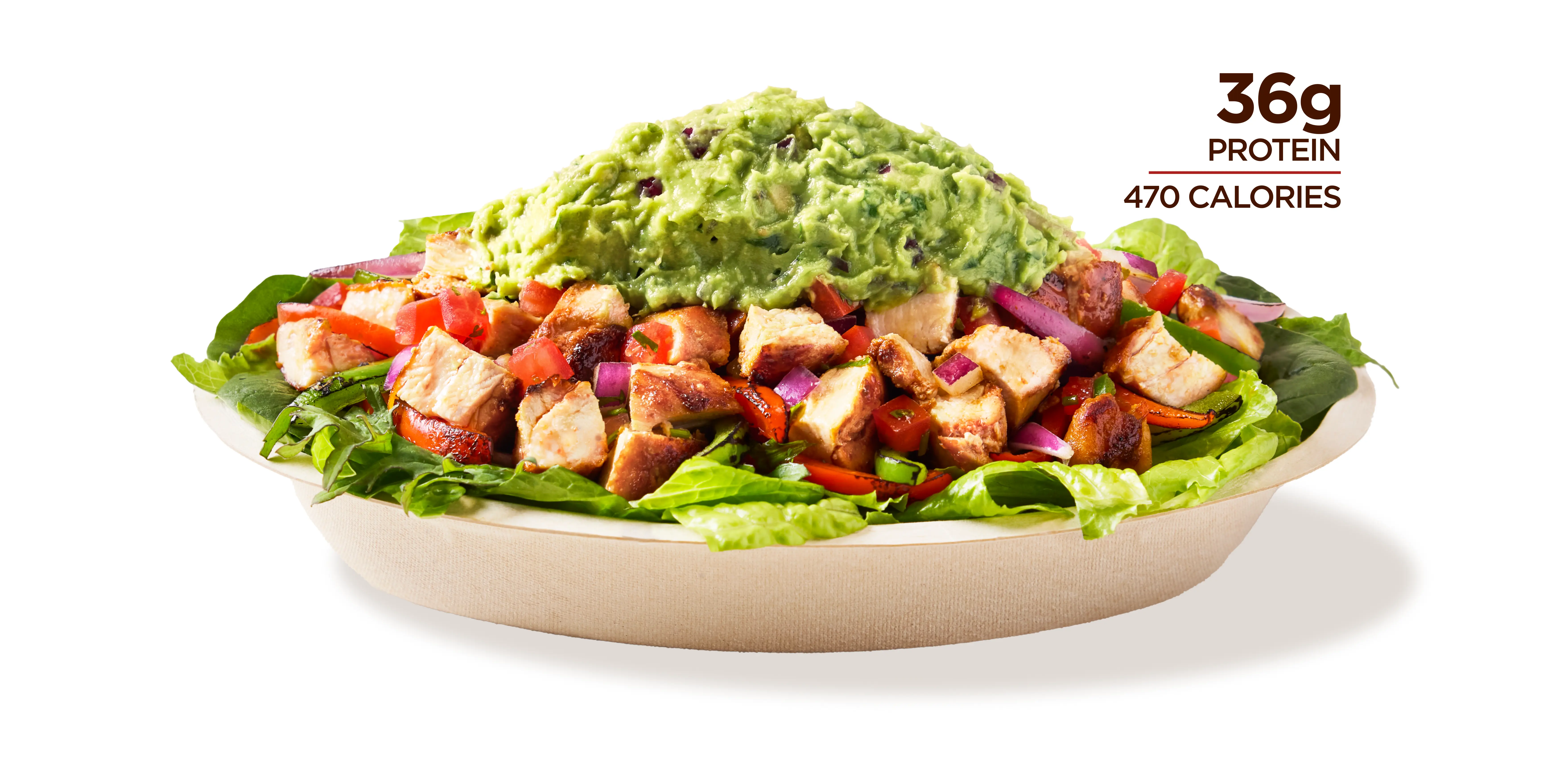
- The Sources: We are encouraged to eat a variety of animal proteins, including eggs, poultry, seafood, and red meat, alongside plant sources like lentils and soy.
3. Full-Fat Dairy
If you grew up being told that skim milk was the only "healthy" option, you can officially let that go.
- The Change: When consuming dairy, the guidelines now recommend full-fat dairy with no added sugars.
- The Why: It is recognized as an excellent source of healthy fats and minerals that help meet energy needs.
Focus in slightly reducing protion sizes to compensate for additional caliries.
4. A New Stance on Healthy Fats
We are seeing a major shift in how "healthy fats" are defined. Along with the usual suspects like olive oil and avocado, the guidelines now include other whole-food fat options:
- Cooking Fats: Butter and even beef tallow are now listed as options for cooking or adding to meals.
- The Limit: Saturated fat should still generally not exceed 10% of total daily calories, but the guidelines suggest that simply limiting highly processed foods will help you naturally meet this goal.
5. Strict Limits on Sugar
The stance on added sugar has become much firmer, especially for those of us with kids.
- For Kids (0-10): The guidelines recommend zero added sugar for children from birth through age 10.
- For Adults: No single meal should contain more than 10 grams of added sugar.
- Identifying "Sneaky" Sugars: You’re encouraged to look for ingredients ending in "-ose" or any form of syrup (agave, rice, maltose, etc.) on labels.
.svg)
.svg)




.jpg)
.jpg)






















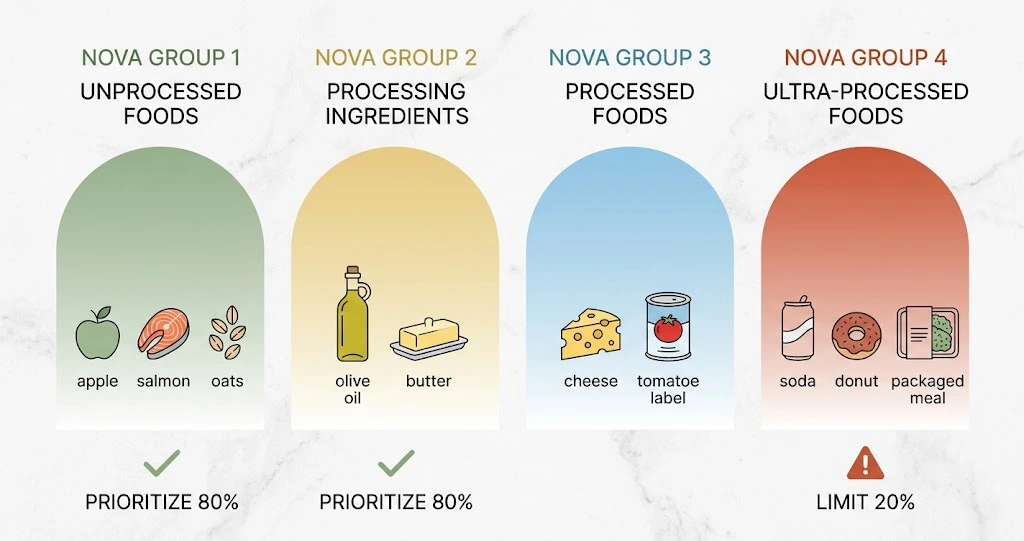
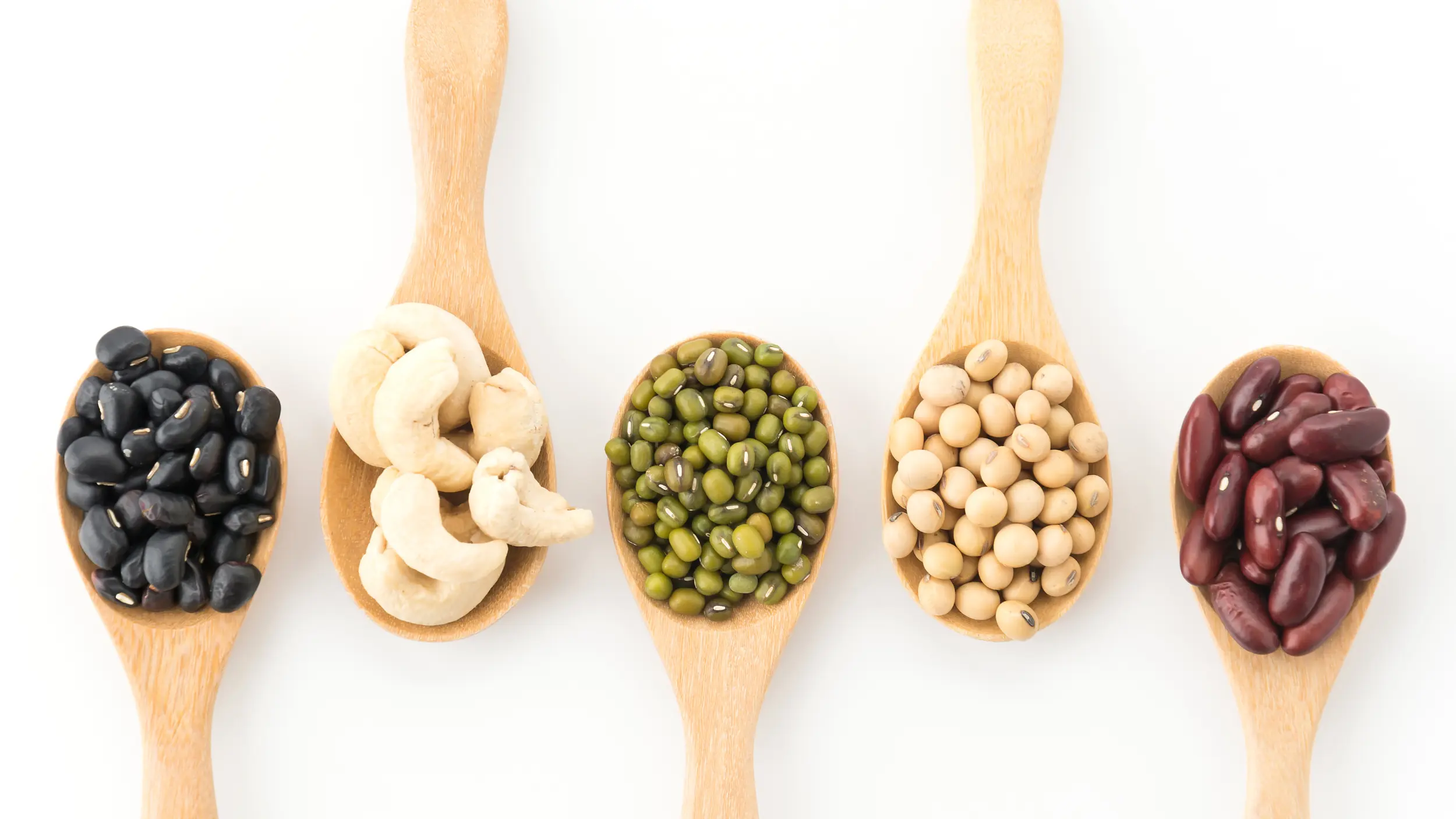

.webp)


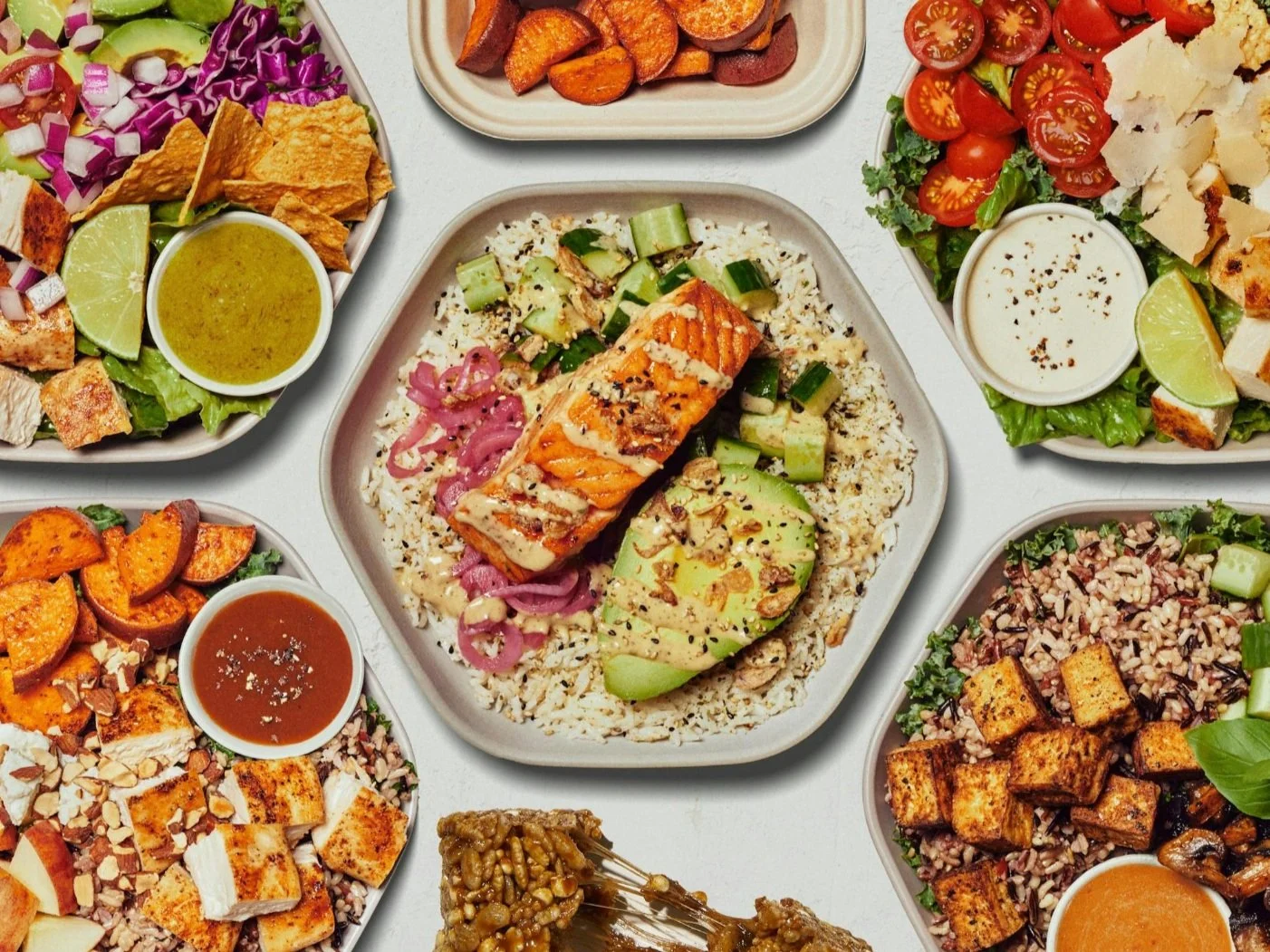


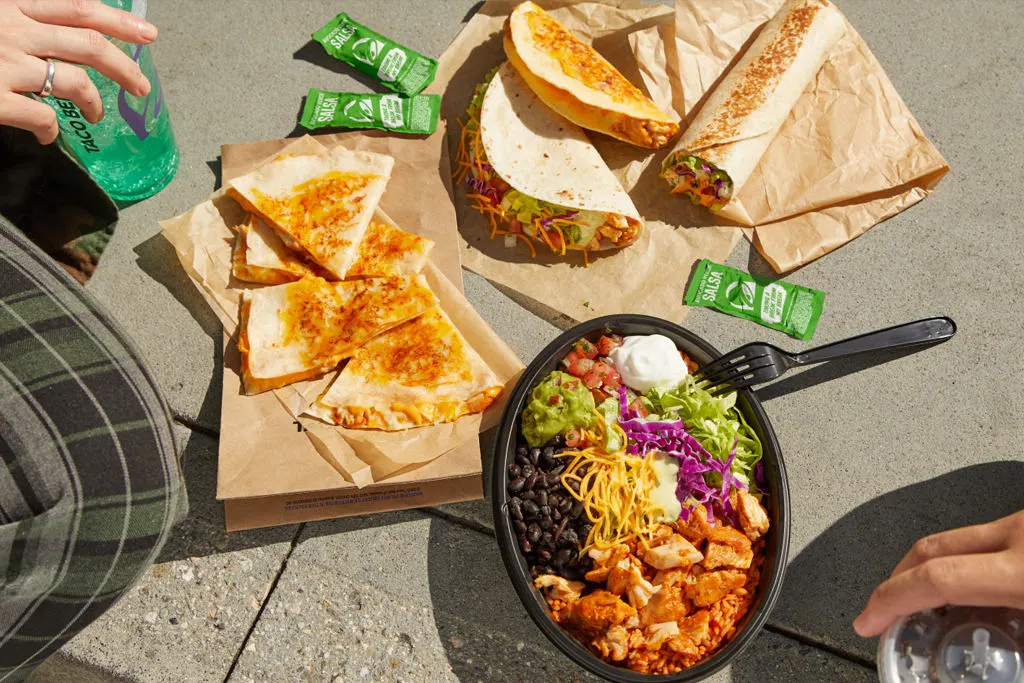

























.webp)
.webp)
.webp)
.webp)
.webp)
.webp)
.webp)
.png)
.webp)
.webp)

.webp)
.png)
.webp)
.webp)
.webp)
.webp)
.webp)
.webp)
.webp)
.webp)
.webp)


.webp)