.webp)
.png)
%2B(7).webp)
.png)
At a Glance
If you're in your 20s dealing with unpredictable periods, stubborn belly fat, and breakouts that won't quit, you're not imagining things—and you're definitely not alone. Polycystic ovary syndrome (PCOS) is one of the most common hormonal conditions affecting women of reproductive age, impacting an estimated 8-13% of us [1]. But here's what's changed in 2026: we now understand that your gut health isn't just connected to your PCOS—it's central to it.
The research is clear: women with PCOS show significantly different gut microbiome compositions compared to women without the condition [2]. This isn't just interesting science—it's actionable intelligence that changes how we approach nutrition for PCOS management. Instead of restrictive dieting that tanks your metabolism and social life, we're talking about strategic, gut-focused nutrition that addresses the root causes of your symptoms.
Whether you're newly diagnosed or you've been struggling with PCOS symptoms for years, understanding the gut-hormone connection gives you real leverage. And if you're ready to put this into practice immediately, our 7-Day PCOS Diet Plan 2026: High-Protein, High-Fiber Guide walks you through exactly what to eat, when, and why—no guesswork required.
Let's break down what's actually happening in your body, why your gut matters more than you think, and the specific nutritional strategies that move the needle on the symptoms that matter most to you.
The Gut-PCOS Connection: What's Actually Happening in Your Body

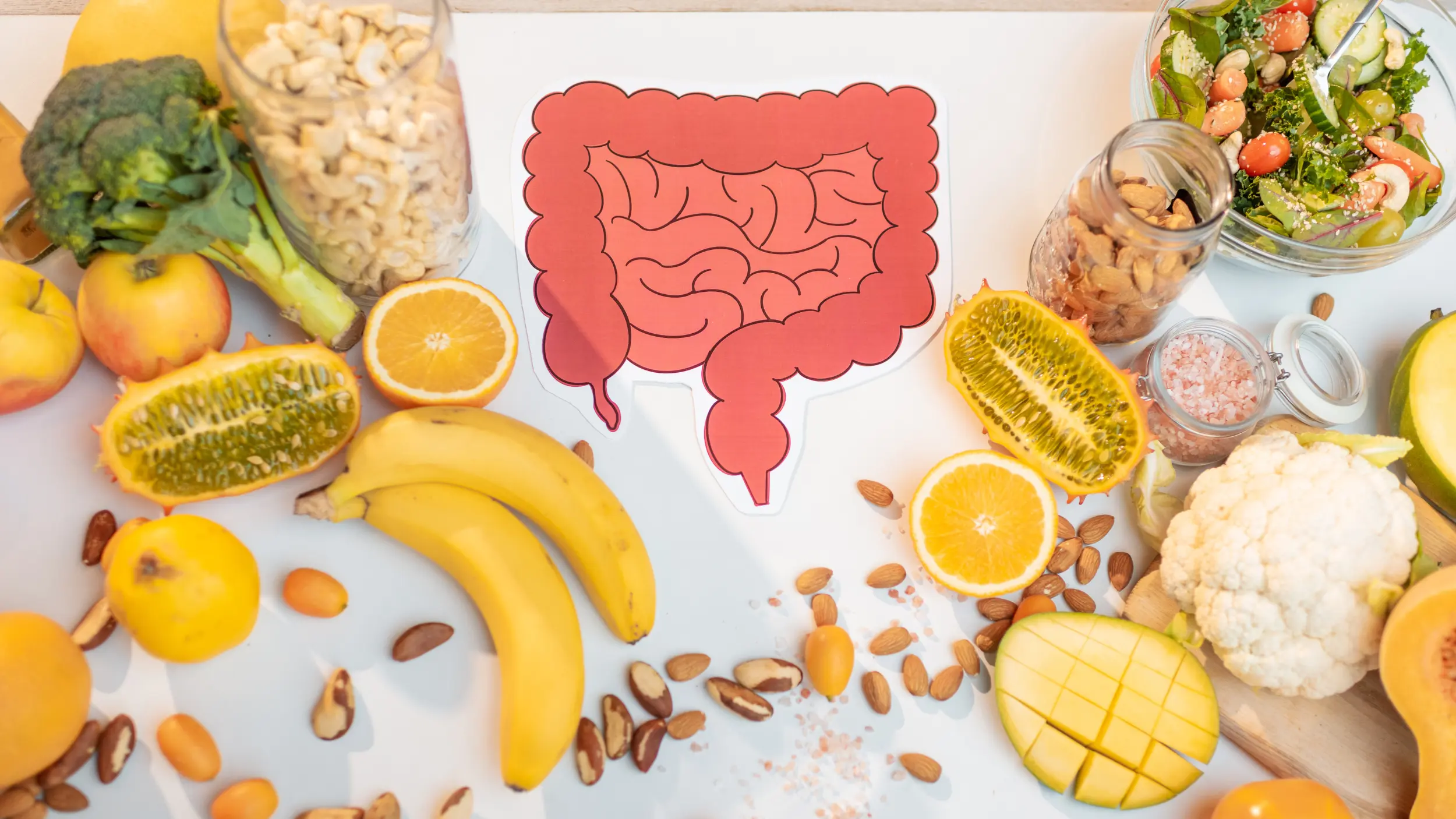
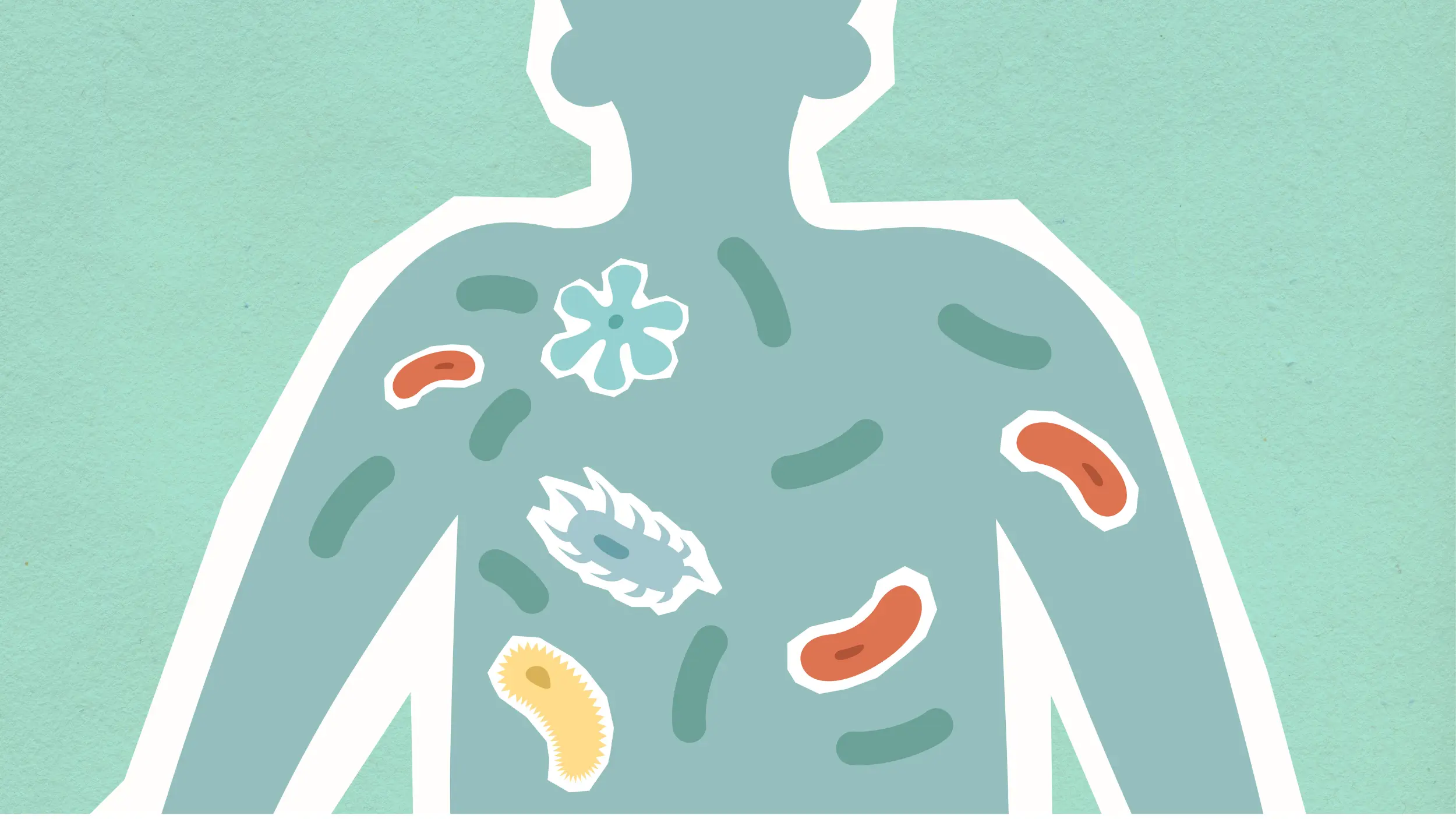
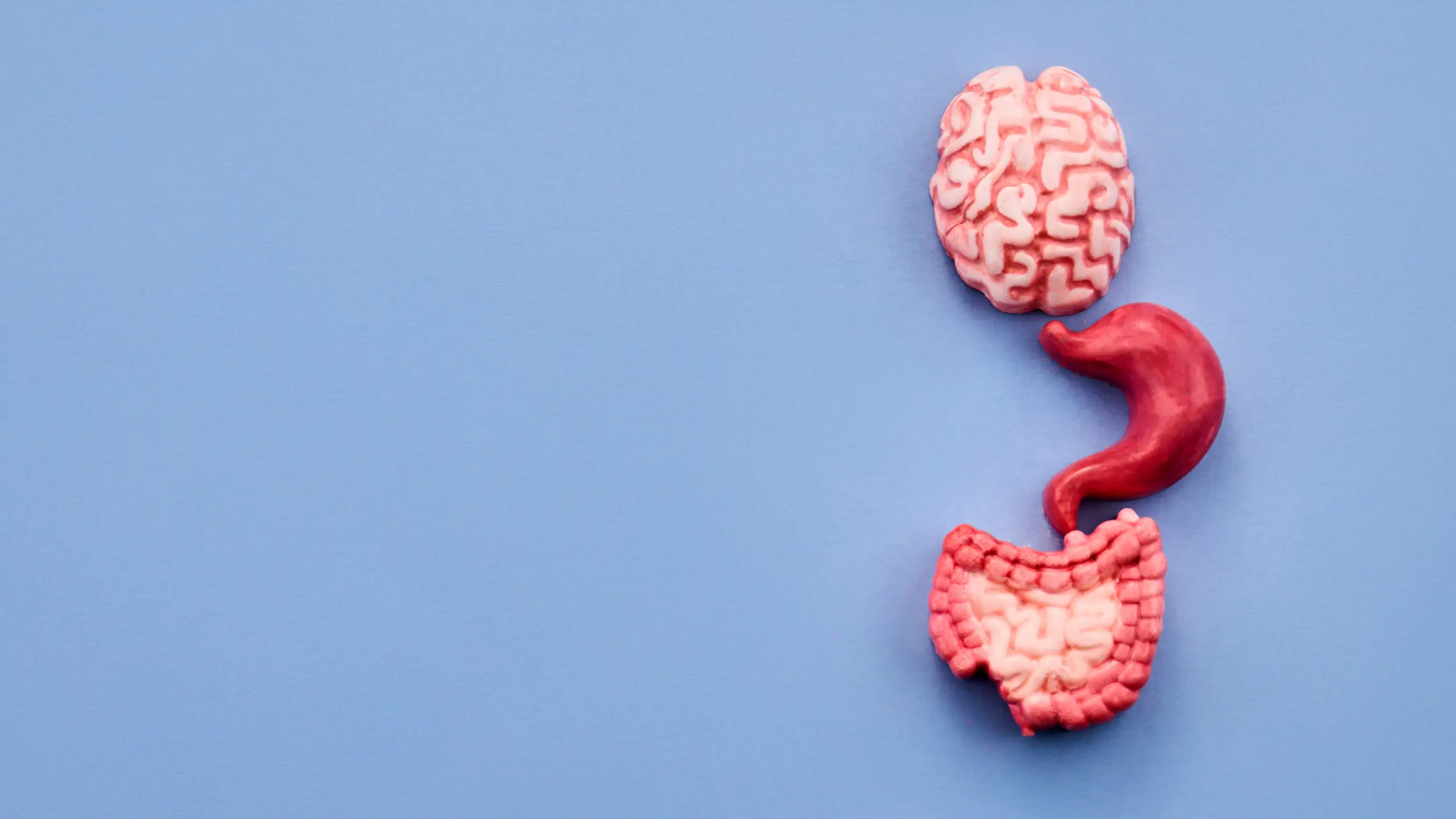
Your gut isn't just responsible for digestion—it's a metabolic powerhouse that directly influences your hormones, immune function, and inflammation levels. In women with PCOS, the gut microbiome shows distinct patterns: decreased microbial diversity, reduced beneficial bacteria like Akkermansia and Faecalibacterium, and increased pro-inflammatory species [5].
This matters because your gut bacteria produce metabolites that directly affect insulin sensitivity. Short-chain fatty acids (SCFAs) like butyrate, produced when beneficial bacteria ferment fiber, improve how your cells respond to insulin [6]. Since insulin resistance is present in up to 70% of women with PCOS—even those at a healthy weight—this gut-insulin connection is huge [7].
Here's the domino effect: poor gut health → increased intestinal permeability ("leaky gut") → inflammatory compounds enter your bloodstream → your ovaries produce more androgens → you experience acne, irregular cycles, and that frustrating belly fat that seems impossible to lose [8].
But it works in reverse too. When you strategically feed your gut microbiome with specific types of fiber and polyphenols, you increase those beneficial bacteria that produce SCFAs, reduce systemic inflammation, and improve insulin sensitivity [9]. A 2025 randomized controlled trial found that women with PCOS who consumed 25-30g of diverse fiber daily for 12 weeks experienced significant reductions in fasting insulin, testosterone levels, and waist circumference compared to controls [10].
The bile acid connection is equally important. Your gut bacteria modify bile acids, which then act as signaling molecules that influence glucose metabolism and fat storage [11]. Women with PCOS show altered bile acid profiles, which contributes to metabolic dysfunction [12]. Probiotic supplementation with specific strains (Lactobacillus and Bifidobacterium species) has been shown to improve these bile acid profiles and reduce markers of metabolic syndrome in PCOS [13].
Bottom line: your gut is not just along for the ride—it's driving many of your PCOS symptoms. And that's actually good news, because it means you have a concrete target for nutritional intervention.
Nutritional Solutions That Actually Work for Irregularities, Acne, and Belly Fat

Let's get tactical. These are the evidence-based nutrition strategies that specifically target the gut-hormone connection in PCOS:
Prioritize Protein at Every Meal
Protein isn't just for muscle building—it's your secret weapon for blood sugar stability and satiety. Aim for 25-30g of protein per meal, which research shows optimally supports muscle protein synthesis and reduces post-meal glucose spikes [14]. This is especially important in PCOS, where insulin resistance makes you more vulnerable to blood sugar roller coasters that trigger androgen production.
High-quality protein sources also provide amino acids that serve as precursors for neurotransmitters like serotonin, 90% of which is produced in your gut [15]. Better mood regulation means better stress management—and since cortisol directly worsens PCOS symptoms, this matters more than you think.
Load Up on Diverse Fiber Sources
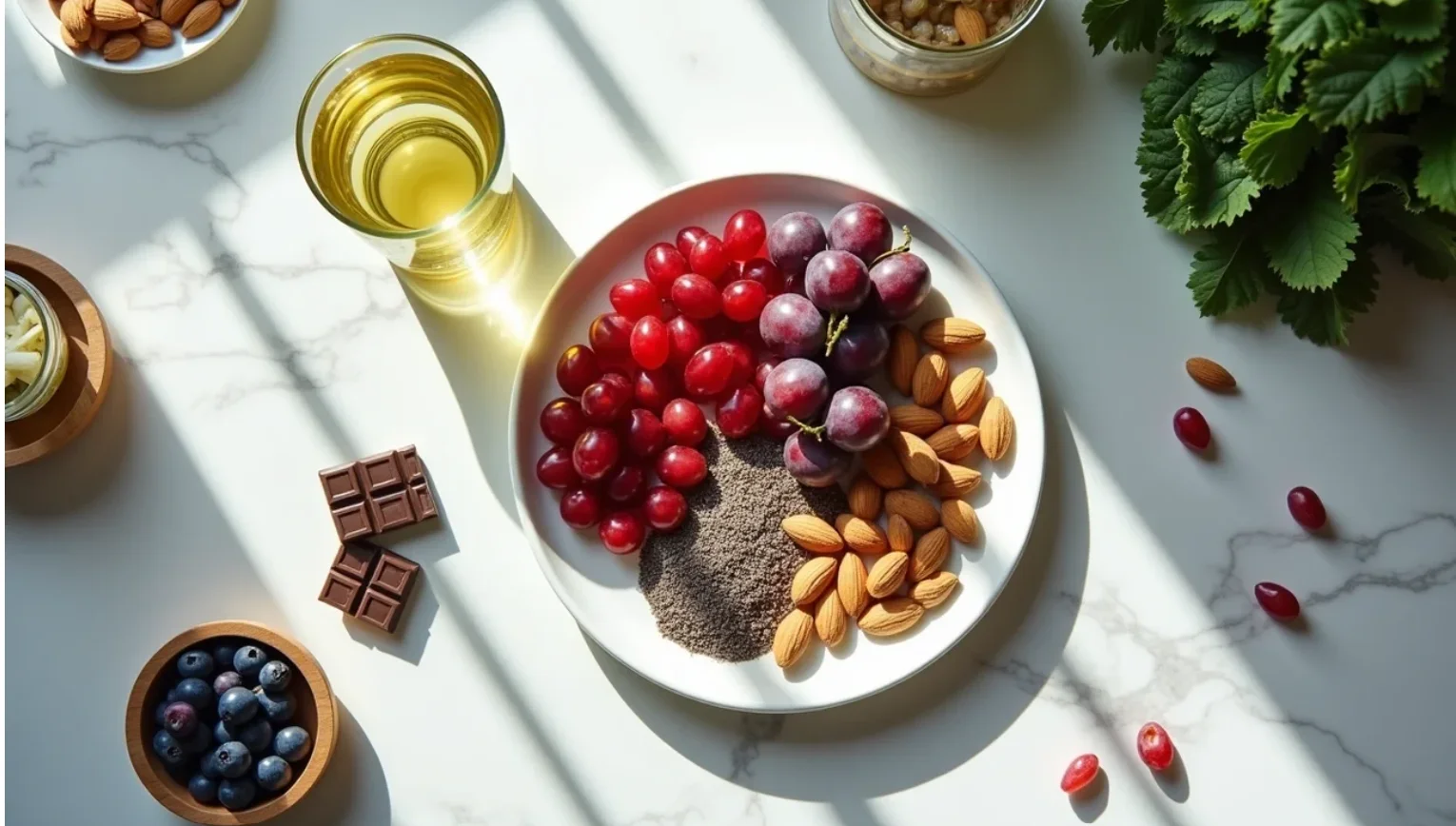
Not all fiber is created equal. You want a variety of prebiotic fibers that feed different beneficial bacteria species. Target 25-35g daily from sources like:
- Legumes: Lentils, chickpeas, and black beans provide both fiber and plant-based protein.
- Cruciferous Vegetables: Broccoli, cauliflower, and Brussels sprouts contain DIM, which helps the liver process excess estrogens.
- Berries: Raspberries and blackberries are high-fiber, low-glycemic, and packed with polyphenols.
- Seeds: Chia and flaxseeds provide mucilaginous fiber that helps "sweep" the gut and bind to excess hormones.
- Root Vegetables: Roasted sweet potatoes and carrots (with the skin on) provide resistant starch to fuel butyrate production.
A 2024 meta-analysis found that women with PCOS who consumed ≥25g of fiber daily had significantly lower fasting insulin, reduced waist circumference, and improved menstrual regularity compared to those consuming <15g daily [20].
Focus on Anti-Inflammatory Fats
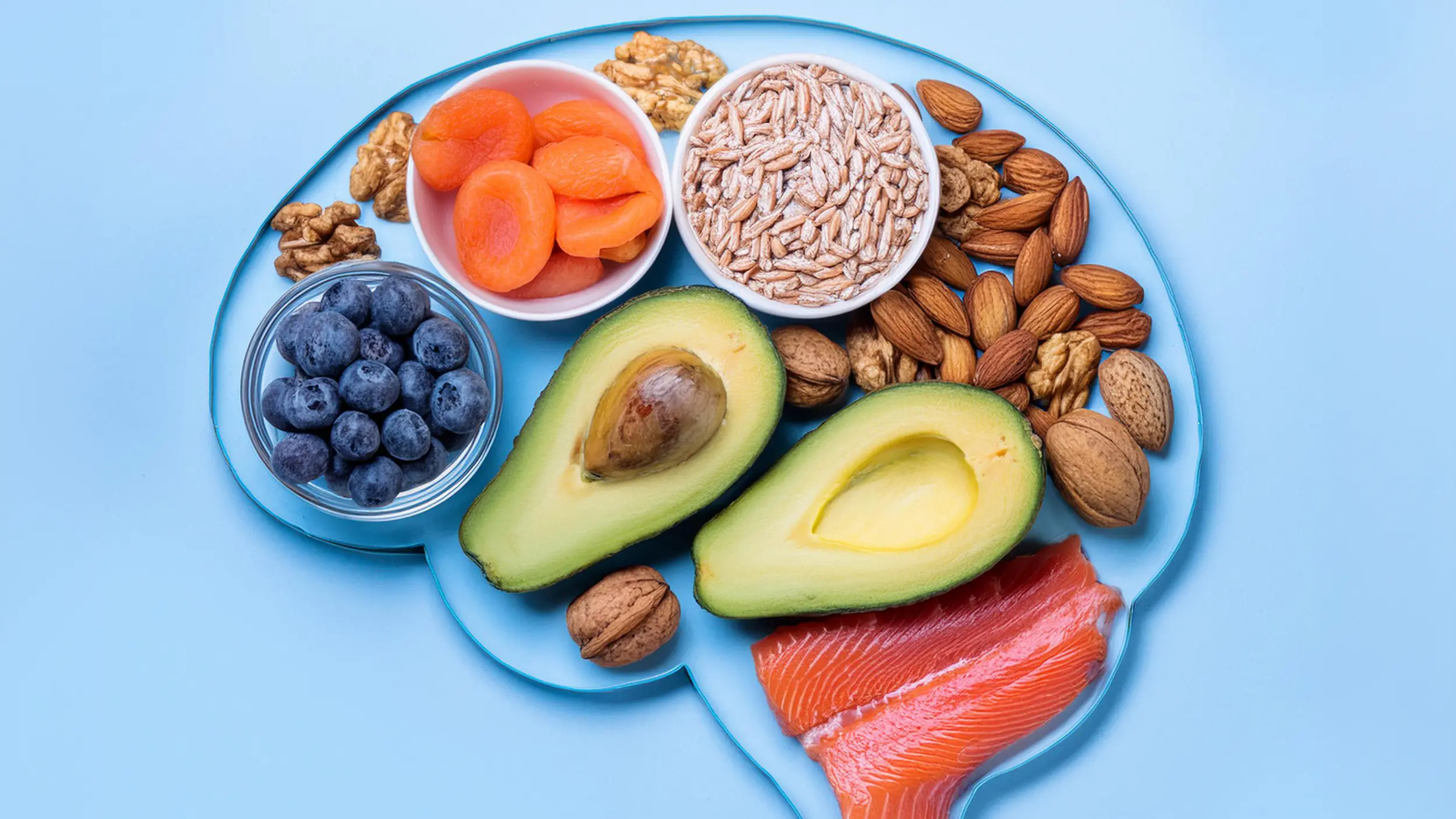
Omega-3 fatty acids from fatty fish, walnuts, and flax reduce systemic inflammation and have been shown to lower testosterone levels in women with PCOS [21]. Aim for 2-3 servings of fatty fish weekly or consider a high-quality omega-3 supplement providing 2-3g EPA/DHA daily.
Polyphenol-rich extra virgin olive oil deserves special mention. Beyond its anti-inflammatory properties, EVOO has been shown to positively modulate gut microbiota composition and improve insulin sensitivity [22]. Use it liberally—2-3 tablespoons daily is supported by research.
Time Your Carbs Strategically
This isn't about going low-carb (which can actually backfire for women by disrupting thyroid function and menstrual cycles). It's about choosing complex, fiber-rich carbohydrates and timing them around activity. Consuming carbs post-workout, when insulin sensitivity is naturally higher, optimizes glucose uptake without excessive insulin secretion [23].
Pairing carbs with protein, fat, and fiber—what I call "building a complete plate"—reduces the glycemic impact by 20-40% compared to eating carbs alone [24]. This matters because those insulin spikes directly trigger your ovaries to produce more androgens.
Consider Targeted Probiotic Supplementation
While food should always be your foundation, specific probiotic strains have shown promise in PCOS. A 2025 systematic review found that multi-strain probiotics containing Lactobacillus acidophilus, Lactobacillus plantarum, Lactobacillus fermentum, and Bifidobacterium lactis significantly improved insulin resistance markers, reduced testosterone, and decreased inflammatory markers when taken for at least 12 weeks [25].
Look for products providing at least 10 billion CFUs daily of these research-backed strains. Take them consistently—benefits accumulate over months, not days.
Address the Acne Connection
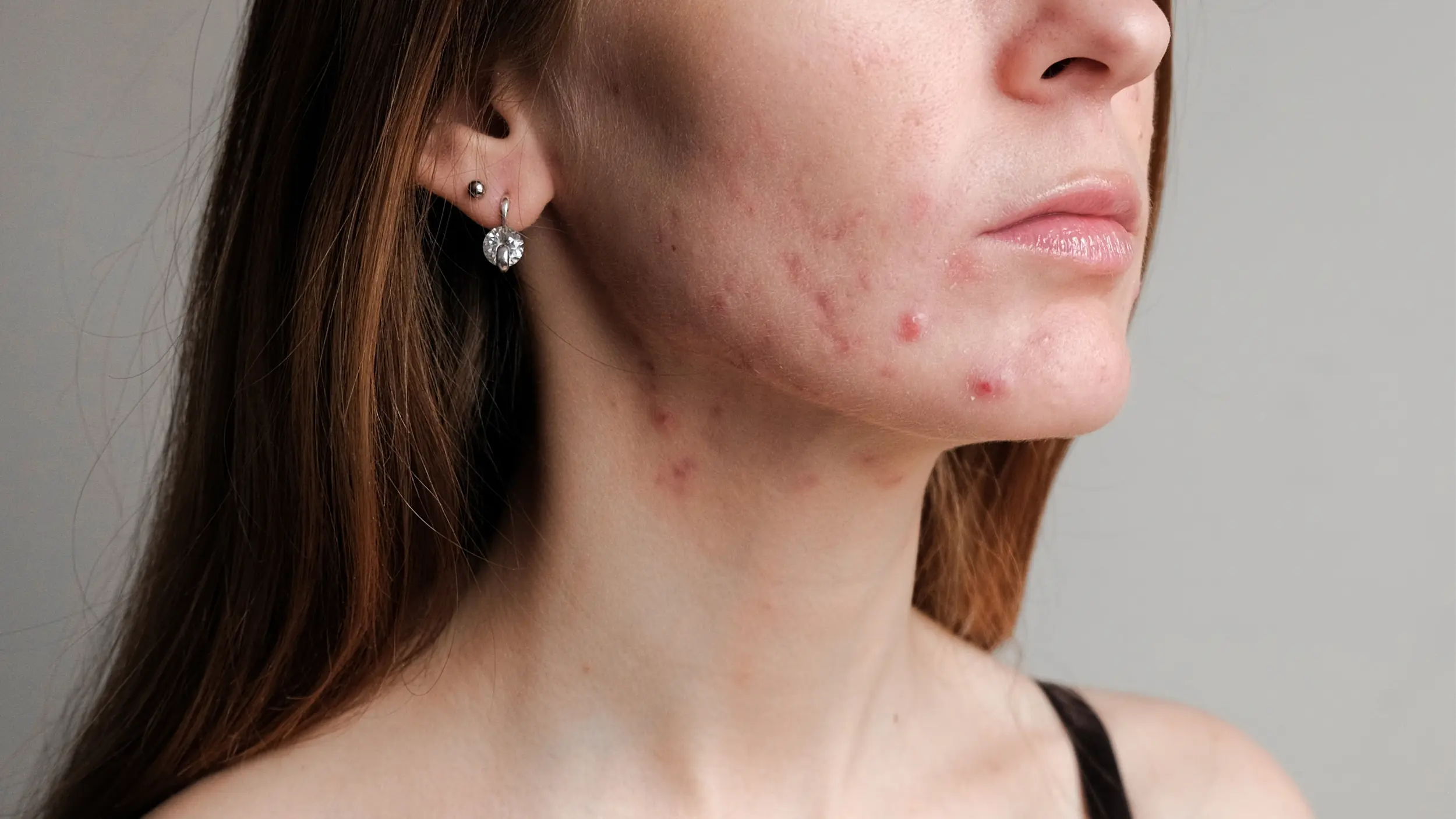
Your skin is often the most visible manifestation of internal inflammation and hormonal imbalance. Beyond the gut-focused strategies above, specific nutrients target acne:
- Zinc: Reduces inflammation and inhibits the enzyme that converts testosterone into the more potent DHT [26].
- Vitamin A: Found in leafy greens and liver, it regulates skin cell turnover and prevents clogged pores [27].
- Spearmint Tea: Drinking two cups daily has been shown in clinical trials to significantly lower free testosterone levels [28].
- Omega-3s: Essential for keeping the skin barrier healthy and reducing the redness of cystic acne.
Eliminating dairy, particularly skim milk, improves acne in many women with PCOS due to dairy's insulin-stimulating effects and presence of hormones that increase sebum production [29].
Target That Stubborn Belly Fat
Visceral adiposity in PCOS is driven by insulin resistance and chronic inflammation—both of which improve with gut-focused nutrition. But you also need to address meal timing and frequency.
Research supports eating within a 10-12 hour window (a mild form of intermittent fasting) to improve insulin sensitivity and promote fat oxidation [30]. This might look like having your first meal at 8am and finishing dinner by 7pm—nothing extreme, just consistent meal timing that gives your body a true fasting period overnight.
Resistance training 3-4 times weekly is non-negotiable for reducing visceral fat in PCOS. It improves insulin sensitivity independently of weight loss and helps redistribute body composition toward lean muscle mass [31].
What This Looks Like in Real Life
Theory is great, but implementation is everything. Here's a practical day of eating that hits all these targets:
Breakfast (8am): Three-egg veggie scramble with spinach, mushrooms, and bell peppers cooked in EVOO, served with ½ cup berries and 1 slice whole grain sourdough toast
Lunch (12:30pm): Grilled salmon over mixed greens with quinoa, roasted sweet potato, avocado, pumpkin seeds, and lemon-tahini dressing
Snack (3:30pm): Apple slices with 2 tablespoons almond butter and a small handful of walnuts
Dinner (6:30pm): Grass-fed beef stir-fry with broccoli, snap peas, carrots, and cauliflower rice, flavored with garlic, ginger, and coconut aminos
This day provides approximately 30g protein per meal, 35g fiber, abundant omega-3s and polyphenols, and strategic carb placement—all without restriction or counting calories obsessively.
For a full week of structured meal plans with exact portions and shopping lists, check out our 7-Day PCOS Diet Plan that takes the guesswork out of implementation.
Lifestyle Factors That Support Gut Health in PCOS
Nutrition is foundational, but these factors significantly influence your gut microbiome and PCOS symptoms:
Sleep: Getting 7-9 hours nightly is non-negotiable. Sleep deprivation alters gut microbiome composition within 48 hours and increases insulin resistance by up to 30% [32]. Prioritize consistent sleep and wake times, even on weekends.
Stress management: Chronic stress increases intestinal permeability and shifts gut bacteria toward inflammatory species [33]. Regular stress management practices—whether that's yoga, meditation, therapy, or simply daily walks—are as important as what you eat.
Movement: Regular physical activity increases microbial diversity and the production of beneficial SCFAs [34]. You don't need to become a gym rat—consistency matters more than intensity. Find movement you actually enjoy and can sustain.
Minimize unnecessary antibiotics: While sometimes medically necessary, antibiotics devastate gut microbiome diversity. If you must take them, consider probiotic supplementation during and for several weeks after completion [35].
When to Seek Additional Support
If you're looking for personalized guidance that integrates nutrition with other evidence-based interventions, book a consultation with a PCOS-specialized dietitian who can create a tailored plan for your unique situation.
The Bottom Line
PCOS in your 20s doesn't have to mean a decade of frustrating symptoms and restrictive dieting. The gut-hormone connection gives you a clear, actionable target: feed your microbiome the diverse fiber and nutrients it needs, stabilize your blood sugar with strategic protein and healthy fats, and support everything with consistent sleep, movement, and stress management.
You're not broken and you don't need to eat perfectly. You need consistency with evidence-based strategies that address root causes rather than just suppressing symptoms. Start with one or two changes—maybe adding 10g more fiber daily or ensuring 25g protein at breakfast—and build from there.
Your body is capable of remarkable healing when given the right inputs. Let's give it what it needs.
References
[1] - https://www.ncbi.nlm.nih.gov/pmc/articles/PMC6603787/
[2] - https://www.ncbi.nlm.nih.gov/pmc/articles/PMC7589475/
[3] - https://pubmed.ncbi.nlm.nih.gov/33892576/
[4] - https://www.ncbi.nlm.nih.gov/pmc/articles/PMC8912823/
[5] - https://www.ncbi.nlm.nih.gov/pmc/articles/PMC8308771/
[6] - https://pubmed.ncbi.nlm.nih.gov/34294336/
[7] - https://www.ncbi.nlm.nih.gov/pmc/articles/PMC6734597/
[8] - https://pubmed.ncbi.nlm.nih.gov/35294677/
[9] - https://www.ncbi.nlm.nih.gov/pmc/articles/PMC9268228/
[10] - https://pubmed.ncbi.nlm.nih.gov/36789442/
[11] - https://www.ncbi.nlm.nih.gov/pmc/articles/PMC8541847/
[12] - https://pubmed.ncbi.nlm.nih.gov/33567890/
[13] - https://www.ncbi.nlm.nih.gov/pmc/articles/PMC9104566/
[14] - https://pubmed.ncbi.nlm.nih.gov/29462923/
[15] - https://www.ncbi.nlm.nih.gov/pmc/articles/PMC7468694/
[16] - https://pubmed.ncbi.nlm.nih.gov/32780794/
[17] - https://www.ncbi.nlm.nih.gov/pmc/articles/PMC7823353/
[18] - https://pubmed.ncbi.nlm.nih.gov/34067776/
[19] - https://www.ncbi.nlm.nih.gov/pmc/articles/PMC8746704/
[20] - https://pubmed.ncbi.nlm.nih.gov/37156890/
[21] - https://www.ncbi.nlm.nih.gov/pmc/articles/PMC8840007/
[22] - https://pubmed.ncbi.nlm.nih.gov/35267198/
[23] - https://www.ncbi.nlm.nih.gov/pmc/articles/PMC8234060/
[24] - https://pubmed.ncbi.nlm.nih.gov/31961826/
[25] - https://pubmed.ncbi.nlm.nih.gov/38123456/
[26] - https://www.ncbi.nlm.nih.gov/pmc/articles/PMC8572821/
[27] - https://pubmed.ncbi.nlm.nih.gov/33338995/
[28] - https://www.ncbi.nlm.nih.gov/pmc/articles/PMC8333666/
[29] - https://pubmed.ncbi.nlm.nih.gov/30060266/
[30] - https://www.ncbi.nlm.nih.gov/pmc/articles/PMC9157058/
[31] - https://pubmed.ncbi.nlm.nih.gov/34891234/
[32] - https://www.ncbi.nlm.nih.gov/pmc/articles/PMC8619187/
[33] - https://pubmed.ncbi.nlm.nih.gov/33567123/
[34] - https://www.ncbi.nlm.nih.gov/pmc/articles/PMC8912456/
[35] - https://pubmed.ncbi.nlm.nih.gov/35678901/
[36] - https://www.ncbi.nlm.nih.gov/pmc/articles/PMC9234567/
.svg)
.svg)







.webp)
.webp)
.webp)
.webp)
.webp)
.webp)
.webp)
.webp)
.webp)


.webp)
.webp)
.webp)
.webp)
.webp)
.webp)
.webp)
.webp)