.webp)
.webp)
%2B(7).webp)
.png)
A heart-healthy breakfast built around soluble fiber, healthy fats, and lean protein can measurably lower LDL cholesterol and reduce cardiovascular risk. Oatmeal remains the gold standard, and a 2026 clinical trial found that an oat-based diet cut LDL by 10% in just two days, with effects lasting six weeks. Skipping breakfast entirely raises coronary heart disease risk by 27%. The 15 ideas below pair specific foods with the science behind each, so you can make smarter choices even on your busiest mornings.
Why Your Morning Meal Matters for Your Heart
Heart disease is the leading cause of death in the United States, killing one person every 34 seconds according to the CDC. In 2023, more than 919,000 Americans died from cardiovascular disease. Those numbers are staggering, but they also point to an opportunity: many risk factors for heart disease, including high cholesterol, elevated blood pressure, and chronic inflammation, respond directly to dietary changes.
Breakfast is where those changes start. A prospective cohort study of U.S. health professionals found that men who skipped breakfast had a 27% higher risk of coronary heart disease compared with men who ate it regularly. A separate national study published in Frontiers in Cardiovascular Medicine confirmed a significant increase in cardiovascular mortality among people who habitually skip their morning meal.
But not just any breakfast qualifies. A plate of bacon, white toast, and juice does more harm than good. A truly heart-healthy breakfast delivers three things: soluble fiber to bind and remove cholesterol, healthy fats to support HDL and lower triglycerides, and lean protein to stabilize blood sugar and prevent overeating later. These pillars align closely with the DASH diet, the most evidence-based eating pattern for heart health, and they’re the foundation of every item on this list.
At-a-Glance Comparison
| Breakfast Idea | Prep Time | Heart Nutrient | Best For | Meal Prep? |
|---|---|---|---|---|
| Oatmeal with berries/walnuts | 5 min | Beta-glucan | Lowering LDL cholesterol. | Yes |
| Overnight oats (chia/flax) | 5 min (night) | Fiber + Omega-3 | Busy weekday mornings. | Yes |
| Avocado toast | 5 min | Monounsaturated fat | Blood pressure + HDL. | No |
| Greek yogurt parfait | 5 min | Probiotics | Blood pressure reduction. | Partially |
| Salmon on whole-grain toast | 10 min | EPA/DHA Omega-3 | Lowering triglycerides. | No |
| Veggie-packed egg scramble | 10 min | Potassium | Balanced cardiovascular nutrition. | No |
| Berry-spinach protein smoothie | 5 min | Whey + Anthocyanins | Fastest portable option. | Partially |
| Breakfast burrito with beans | 10 min | Soluble fiber | Culturally aligned, high-fiber. | Yes |
| Chia seed pudding | 5 min (night) | ALA Omega-3 + Fiber | 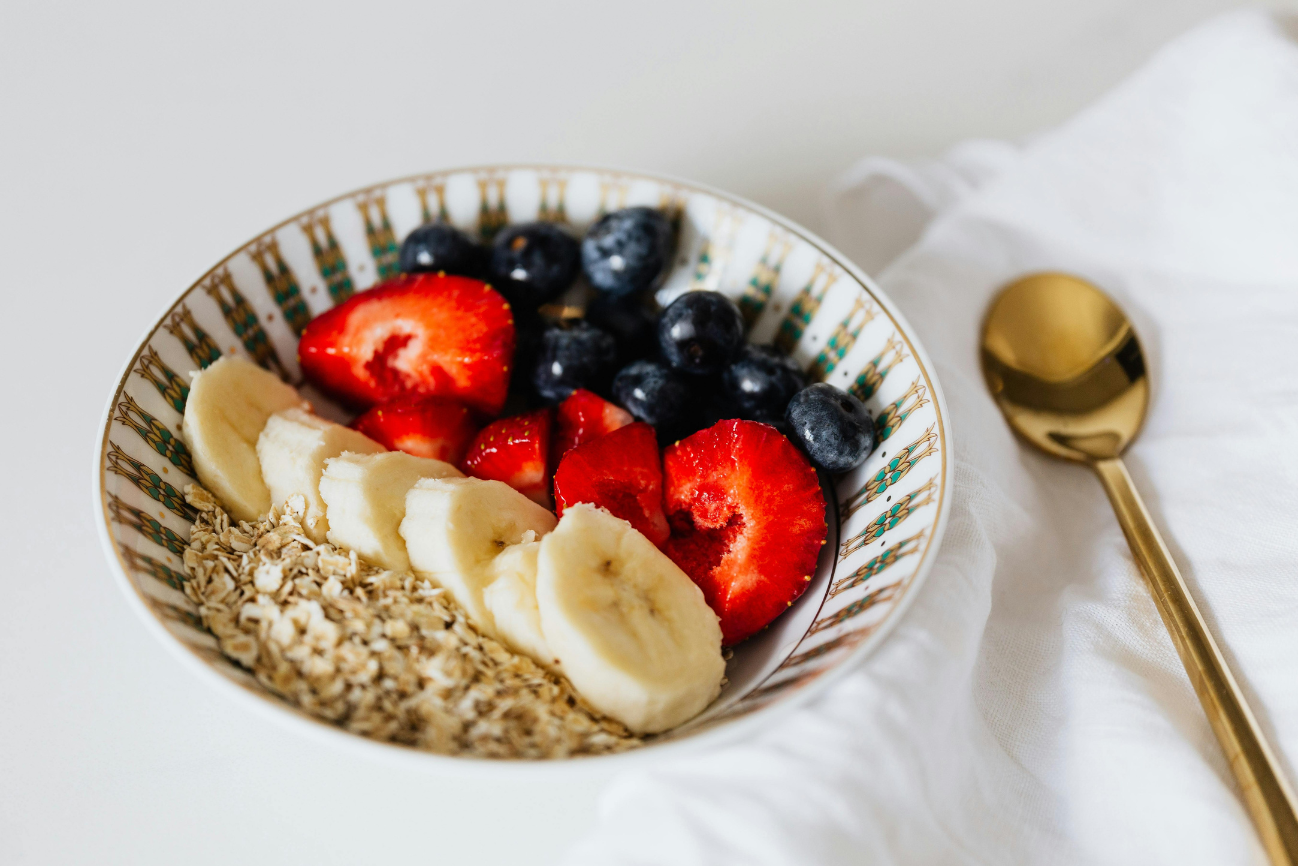 Best for: Lowering LDL cholesterol (most evidence-backed heart-healthy breakfast food) Oatmeal is the single most studied breakfast for cardiovascular protection. The FDA approved a health claim for oat beta-glucan in 1997, recognizing that 3 or more grams per day reduces plasma cholesterol and heart disease risk. A meta-analysis in the American Journal of Clinical Nutrition confirmed that this threshold lowered LDL by 0.25 mmol/L and total cholesterol by 0.30 mmol/L.
How to make it: Cook ½ cup steel-cut or rolled oats, top with ½ cup mixed berries and 1 ounce walnuts. Use cinnamon instead of sugar. Watch out for:
Cardiologists frequently cite oats as their own go-to breakfast, according to the American Heart Association. Steel-cut oats have a lower glycemic impact than instant, but all types deliver the same beta-glucan. For a deeper look at how oat-based dietary protocols affect metabolic health, see this metabolic reset guide. 2. Overnight Oats with Chia Seeds and Flaxseed Best for: Zero-cooking weekday mornings This is the meal-prep version of a heart-healthy breakfast. You get beta-glucan from oats plus two seed powerhouses. Chia seeds provide about 5 grams of fiber and 2.5 grams of ALA omega-3 per tablespoon. Ground flaxseed reduced LDL cholesterol by 13% in a five-week randomized controlled trial.
How to make it: Combine ½ cup rolled oats, 1 tablespoon chia seeds, 1 tablespoon ground flaxseed, and ¾ cup unsweetened almond milk in a jar. Refrigerate overnight. Top with berries or sliced banana. Watch out for:
3. Avocado Toast on Whole-Grain Bread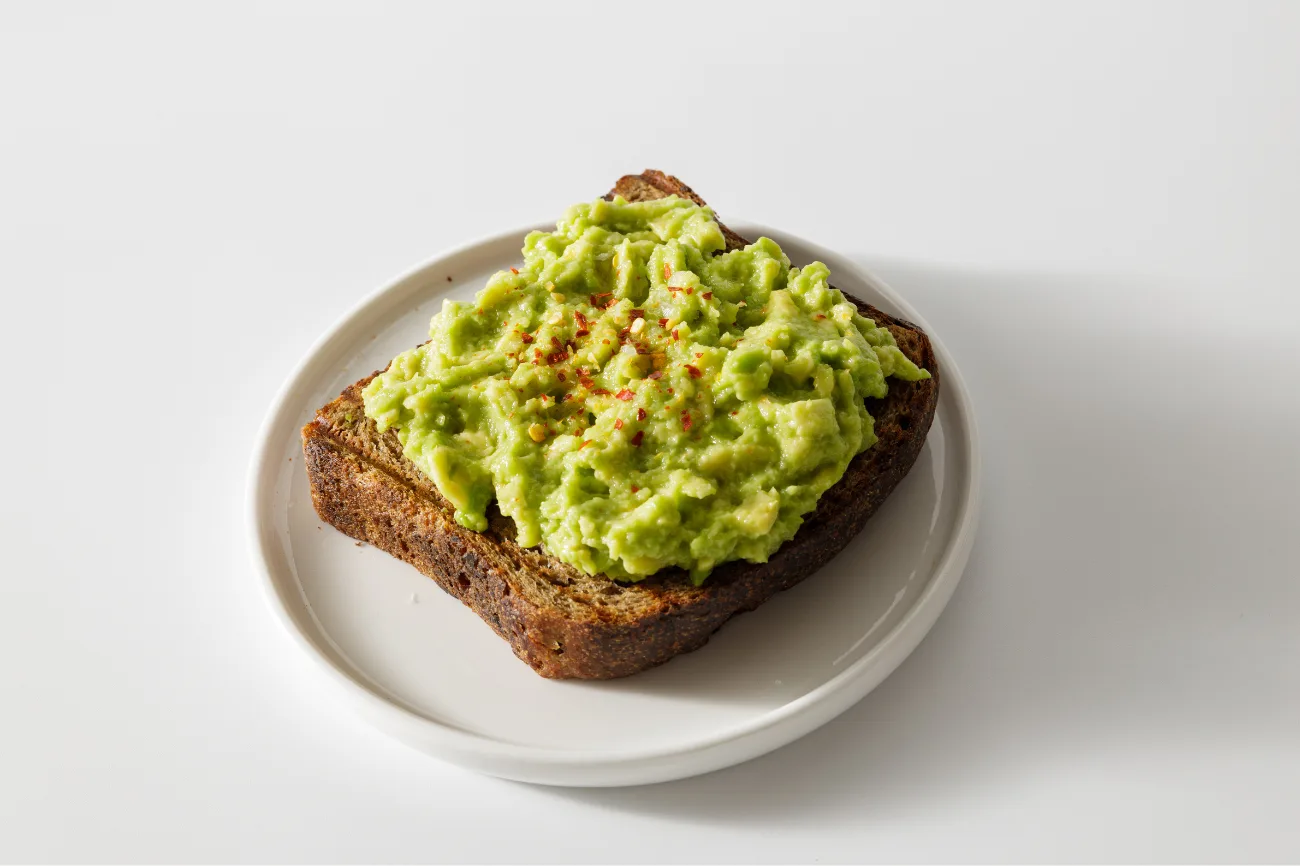 Best for: Raising HDL and supporting healthy blood pressure A 30-year Harvard study of more than 110,000 health professionals found that eating at least two servings of avocado per week was linked to lower cardiovascular disease risk. A systematic review also showed avocado intake significantly increased HDL cholesterol by an average of 2.84 mg/dL.
How to make it: Mash half an avocado on toasted whole-grain bread. Add tomato slices, a squeeze of lemon, and everything-bagel seasoning. For protein, add a poached egg. Watch out for:
4. Greek Yogurt Parfait with Nuts and Berries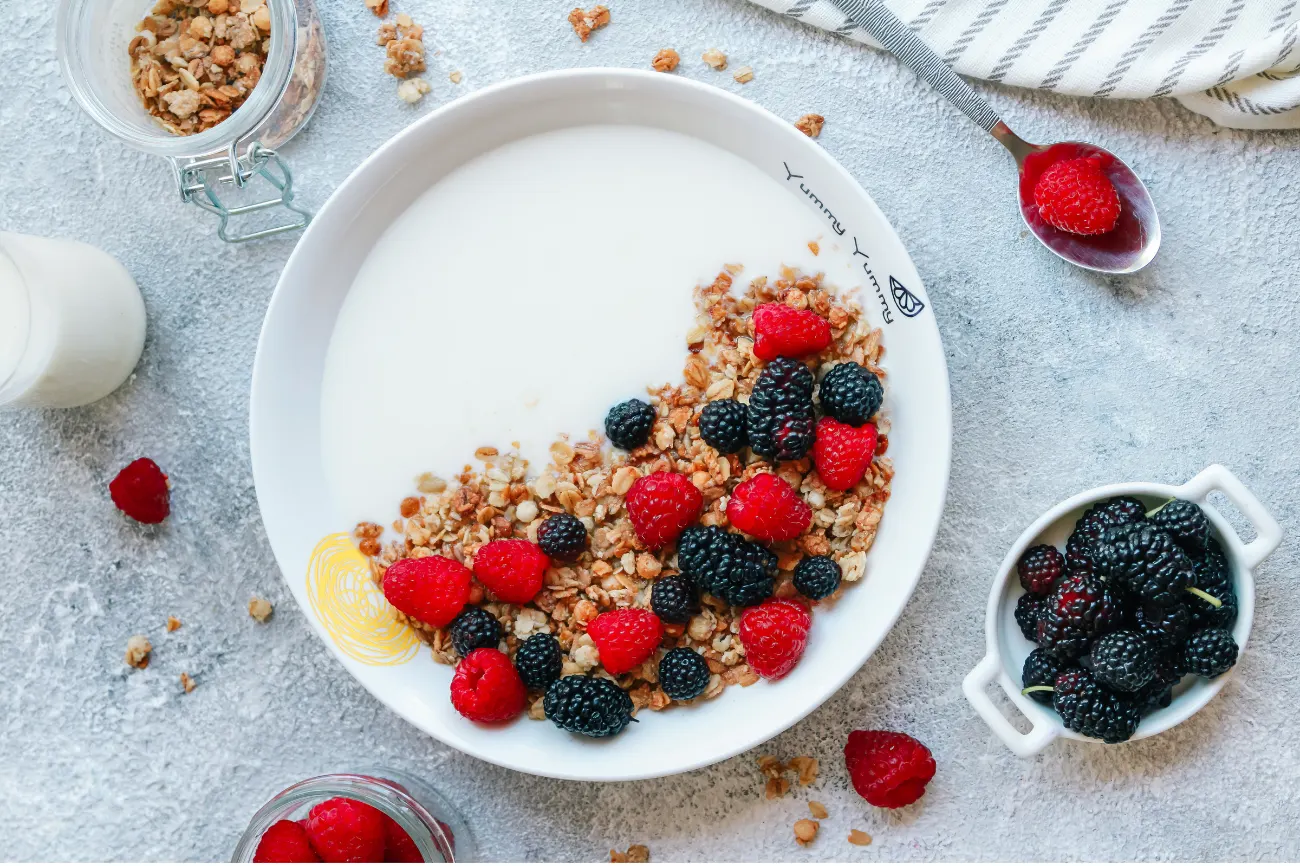 Best for: Reducing blood pressure through probiotics A meta-analysis of 13 randomized controlled trials found that probiotic fermented milk reduced systolic blood pressure by 3.98 mmHg in hypertensive adults. Pair that with berries, which a separate meta-analysis linked to a 2.72 mmHg drop in systolic blood pressure, and you have a heart-healthy breakfast that targets two cardiovascular risk factors at once.
How to make it: Layer ¾ cup plain unsweetened Greek yogurt with ½ cup mixed berries, a handful of slivered almonds, and a small drizzle of honey. Watch out for:
5. Salmon on Whole-Grain ToastBest for: Lowering triglycerides Fatty fish provides the most potent dietary source of omega-3 fatty acids. A 3.5-ounce serving of salmon delivers roughly 2,150 mg of combined EPA and DHA. According to the Mayo Clinic, these omega-3s reduce triglycerides, lower blood pressure, and decrease blood clot risk.
How to make it: Top whole-grain toast with 2 ounces smoked salmon, a thin spread of cream cheese (or avocado for less saturated fat), capers, red onion, and fresh dill. Watch out for:
6. Veggie-Packed Egg Scramble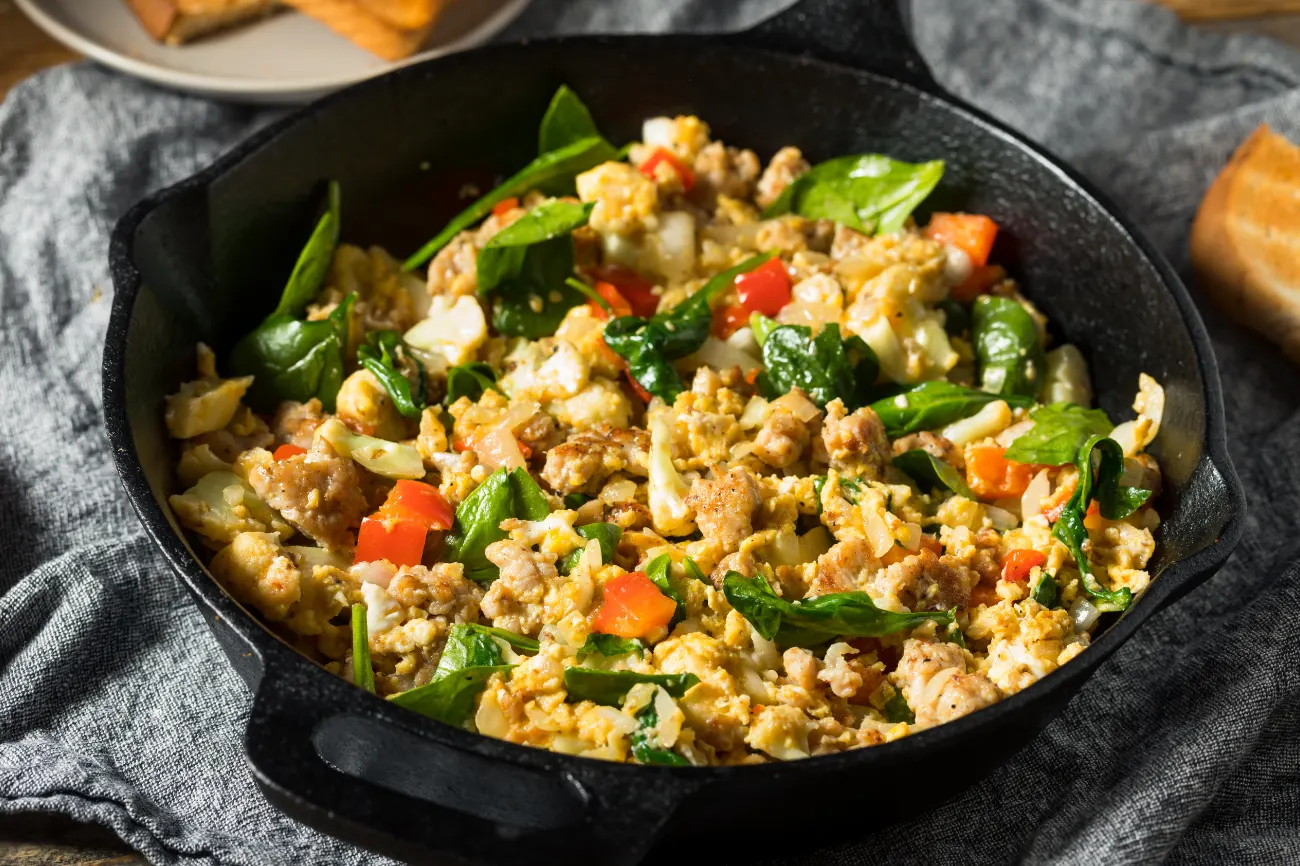 Best for: Balanced cardiovascular nutrition with antioxidants Eggs have a complicated reputation. Recent research showed that eating two eggs daily as part of a low-saturated-fat diet can actually help reduce LDL cholesterol. However, a separate large study found that higher egg and cholesterol consumption increased cardiovascular disease risk by 6% and all-cause mortality by 8%. The takeaway: moderation matters, and individual lipid profiles determine the right answer.
How to make it: Scramble 1 to 2 whole eggs with a handful of spinach, diced bell peppers, and onions in a teaspoon of olive oil. Watch out for:
Practitioners on nutrition forums frequently note that eggs are the most asked-about food by patients with high cholesterol. The answer is almost always “it depends on your numbers,” which is exactly why personalized nutrition counseling matters more than a generic food list. 7. Berry-Spinach Protein Smoothie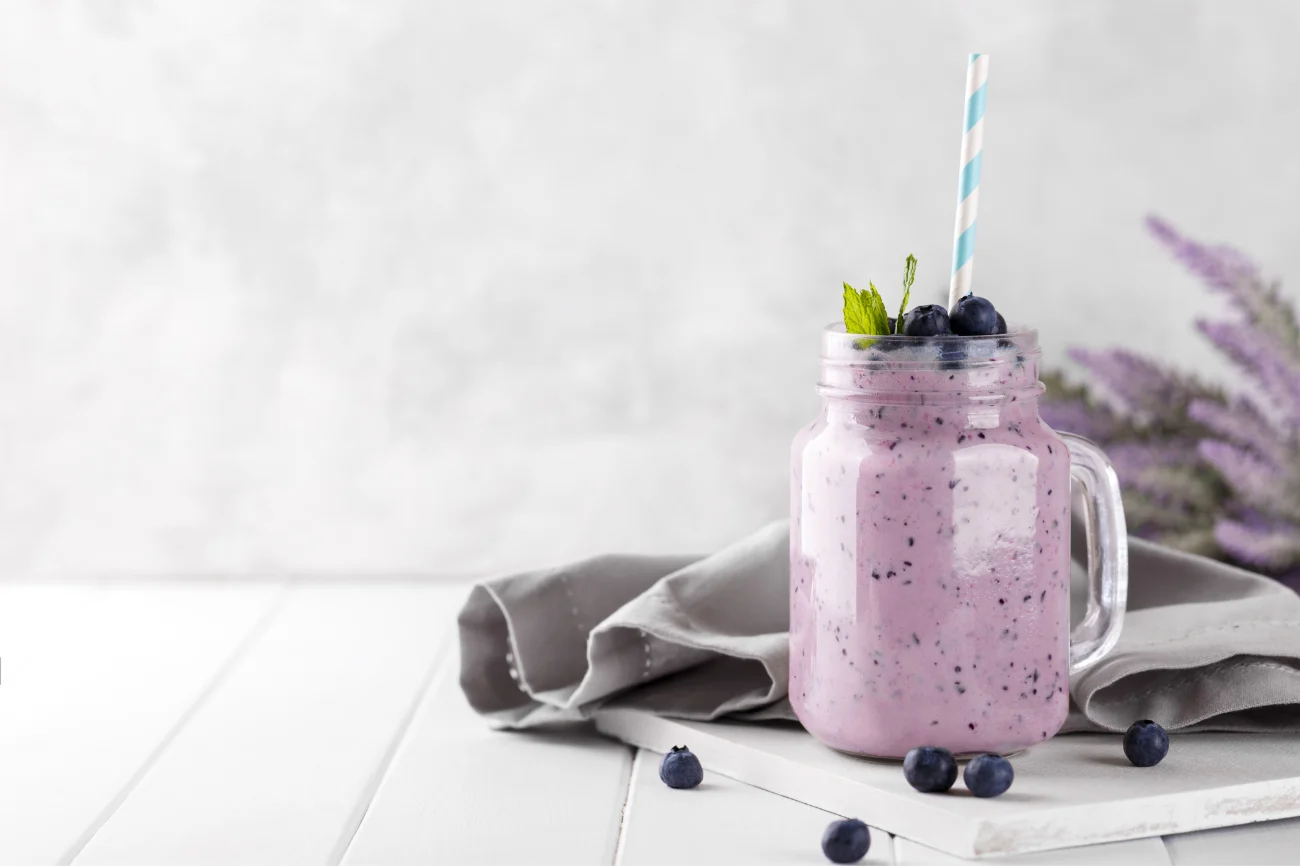 Best for: Fastest portable heart-healthy breakfast option The Mayo Clinic notes that whey protein supplementation has been shown to lower both LDL and total cholesterol as well as blood pressure. Blend it with berries (which reduce oxidative stress) and spinach (which adds potassium without changing the flavor), and you get a complete heart-protective meal in under five minutes.
How to make it: Blend 1 cup spinach, 1 cup frozen mixed berries, 1 scoop whey protein, and 1 cup unsweetened almond milk. Watch out for:
For anyone trying to manage weight alongside heart health, understanding why protein at breakfast matters can shape better choices about how much to include. 8. Whole-Grain Breakfast Burrito with Beans and Salsa Best for: Culturally aligned, high-fiber heart-healthy breakfasts Black beans are a DASH diet staple, delivering roughly 7.5 grams of fiber per half cup, including a significant amount of the soluble fiber that binds cholesterol. This makes the breakfast burrito one of the most heart-protective meals on this list when built with the right ingredients.
How to make it: Fill a whole-wheat tortilla with scrambled eggs, ½ cup black beans, pico de gallo, and a few slices of avocado. Watch out for:
This option is especially valuable for Hispanic and Latino food traditions, where beans, salsa, and tortillas are already staples. A heart-healthy breakfast doesn’t require abandoning cultural preferences. Vedic Nutrition’s team includes bilingual registered dietitians who build meal plans that respect cultural food traditions while protecting cardiovascular health. 9. Chia Seed Pudding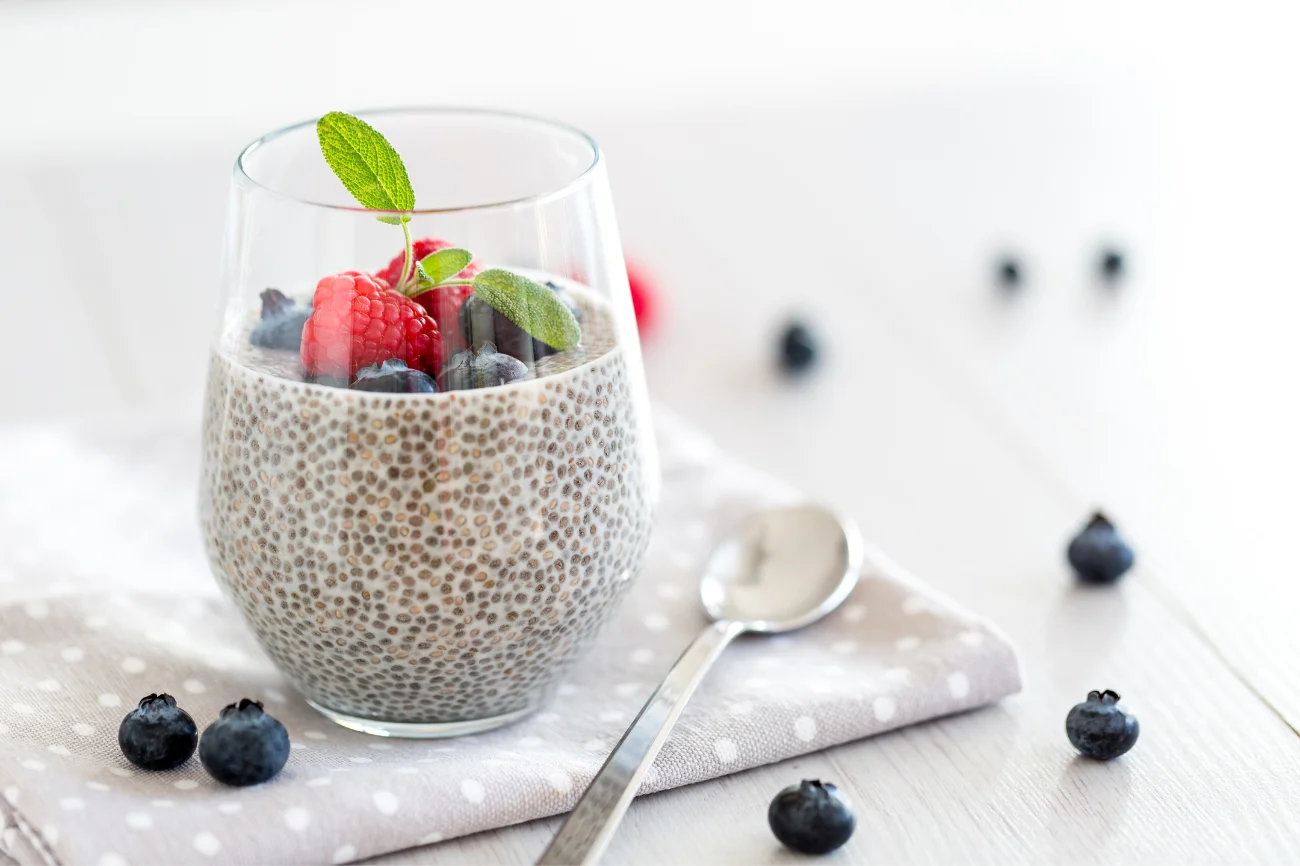 Best for: No-cook, naturally gluten-free option Chia seeds punch above their weight. Each tablespoon provides approximately 5 grams of fiber and 2.5 grams of ALA omega-3 fatty acids. ALA intake has been consistently linked to reduced ischemic heart disease risk in observational studies.
How to make it: Stir 3 tablespoons chia seeds into ¾ cup milk (dairy or plant-based). Refrigerate overnight. Top with mango, coconut flakes, or berries. Watch out for:
10. Oat Bran Muffins with Walnuts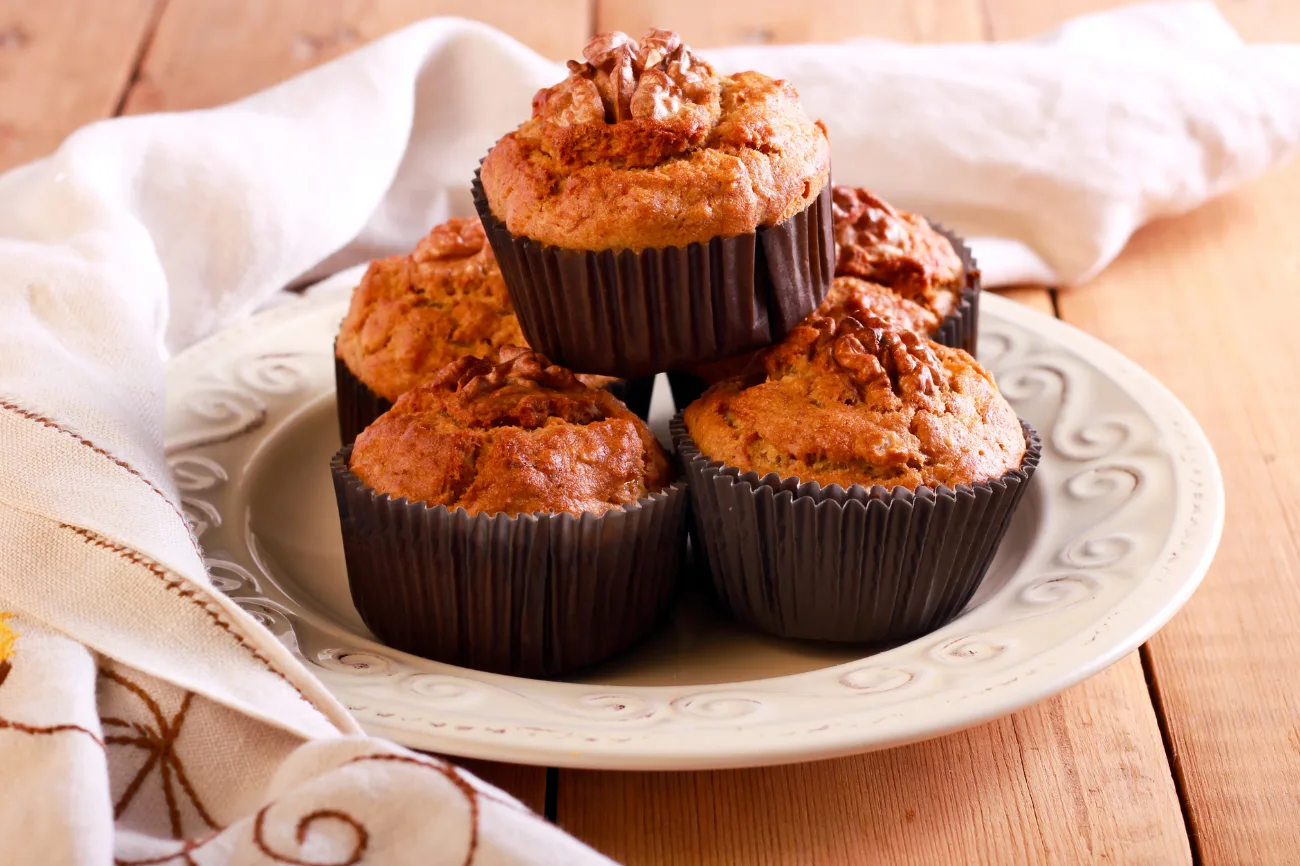 Best for: Weekend batch cooking for grab-and-go weeks Oat bran contains even more beta-glucan per serving than rolled oats, making it exceptionally efficient at lowering LDL. Combined with walnuts (which carry the FDA’s qualified heart-health claim), a homemade muffin becomes a grab-and-go breakfast that’s genuinely heart-protective.
How to make it: Combine oat bran, mashed banana or applesauce, eggs, chopped walnuts, and cinnamon. Bake at 350°F for 20 minutes. Freeze individually for weekday mornings. Watch out for:
11. Cottage Cheese Bowl with Fruit and Seeds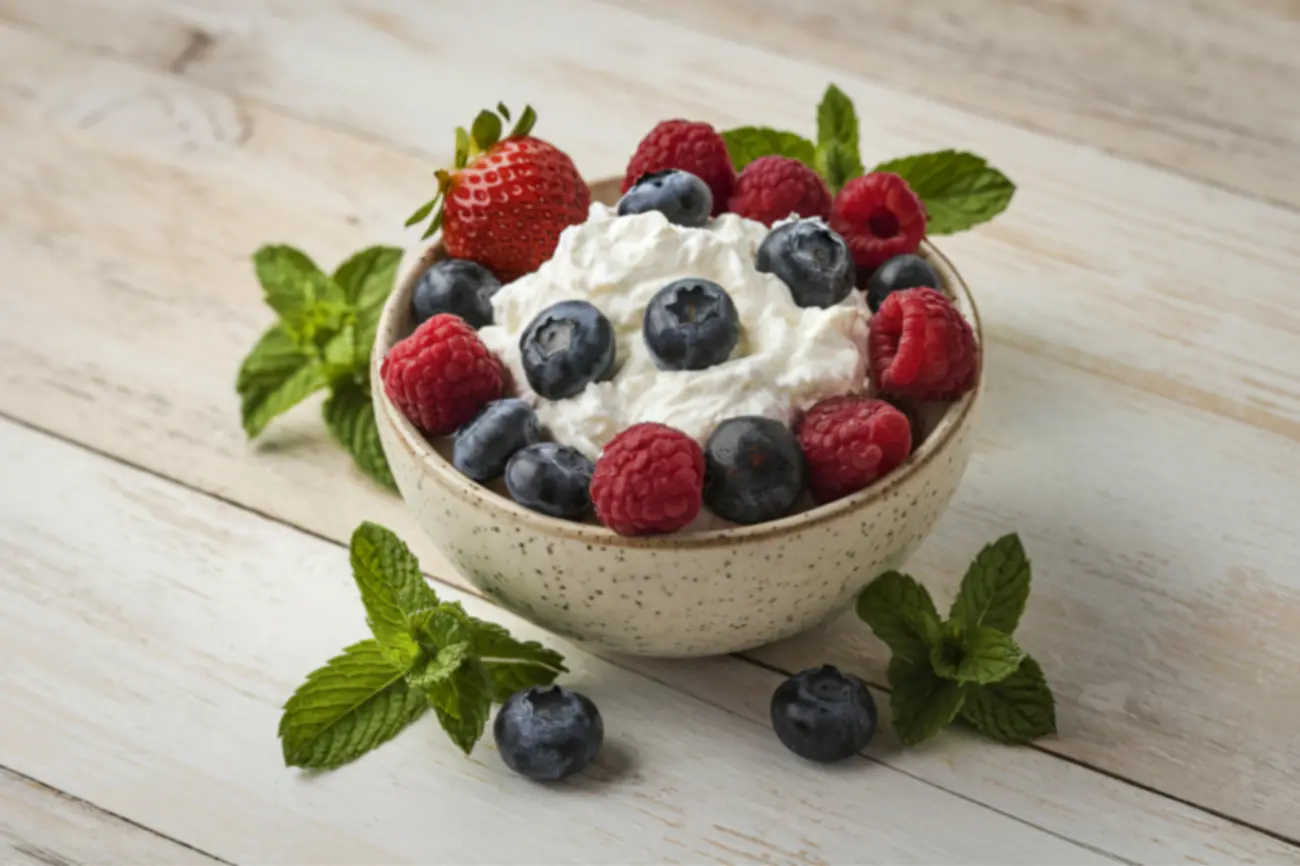 Best for: High-protein alternative when you’re tired of yogurt Cottage cheese has made a well-deserved comeback. A half cup delivers roughly 14 grams of protein with minimal saturated fat, making it an excellent base for a heart-healthy breakfast centered on lean protein.
How to make it: Scoop ¾ cup low-sodium cottage cheese into a bowl. Top with sliced peaches or berries, pumpkin seeds, and a light drizzle of honey. Watch out for:
If heart health and weight management are both goals, high-protein breakfasts like this one become especially important for preserving lean mass while reducing calorie intake. 12. Quinoa Breakfast Bowl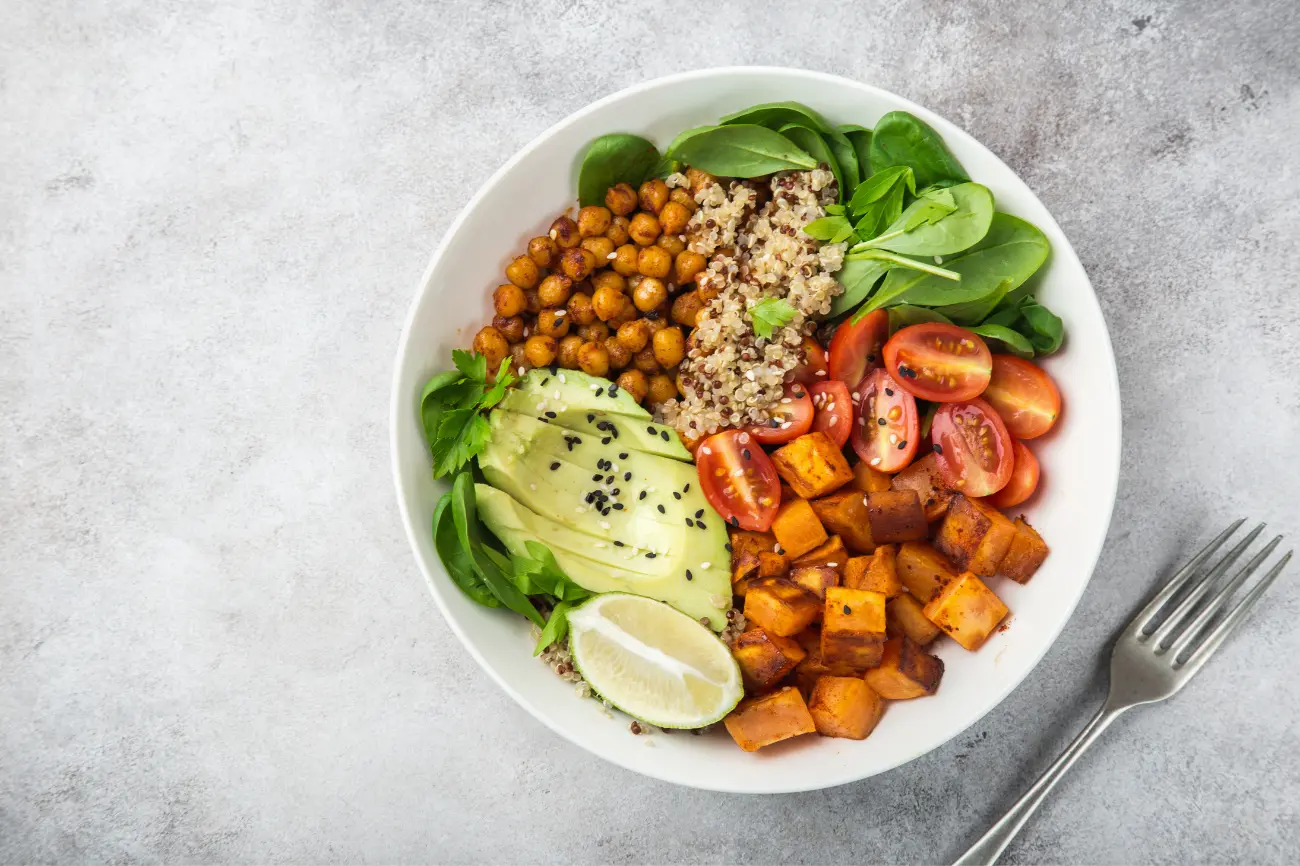 Best for: Oatmeal variety when you need something different Quinoa is a complete protein containing all nine essential amino acids, plus about 5 grams of fiber per cooked cup. Its lower glycemic index compared to most grains makes it a smart option for people managing both blood sugar and cholesterol.
How to make it: Cook quinoa in milk (dairy or plant-based) with a pinch of cinnamon. Top with sliced banana, pecans, and a drizzle of maple syrup. Watch out for:
EatingWell named a quinoa breakfast bowl their top heart-healthy pick, and it’s easy to see why. If oatmeal monotony has you reaching for sugary cereal instead, quinoa keeps you on track. 13. Whole-Grain English Muffin Breakfast Sandwich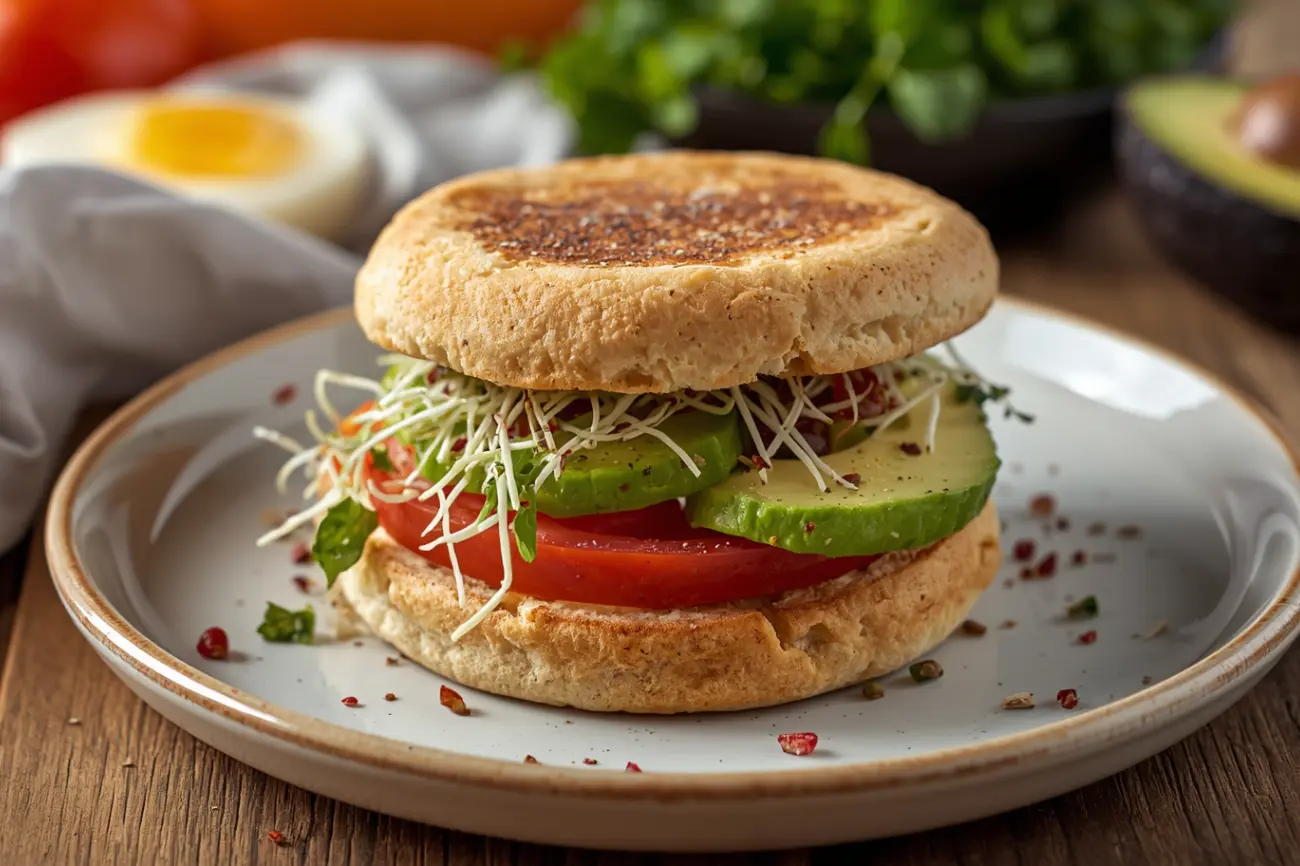 Best for: Satisfying the breakfast sandwich craving without fast-food risk Swapping a white-flour biscuit for a whole-grain English muffin adds roughly 3 grams of fiber to your morning. Add avocado and an egg, and you’ve built a balanced meal that checks multiple heart-health boxes.
How to make it: Toast a whole-grain English muffin. Add one scrambled egg, avocado slices, a thick tomato slice, and black pepper. Watch out for:
14. Flaxseed-Banana Pancakes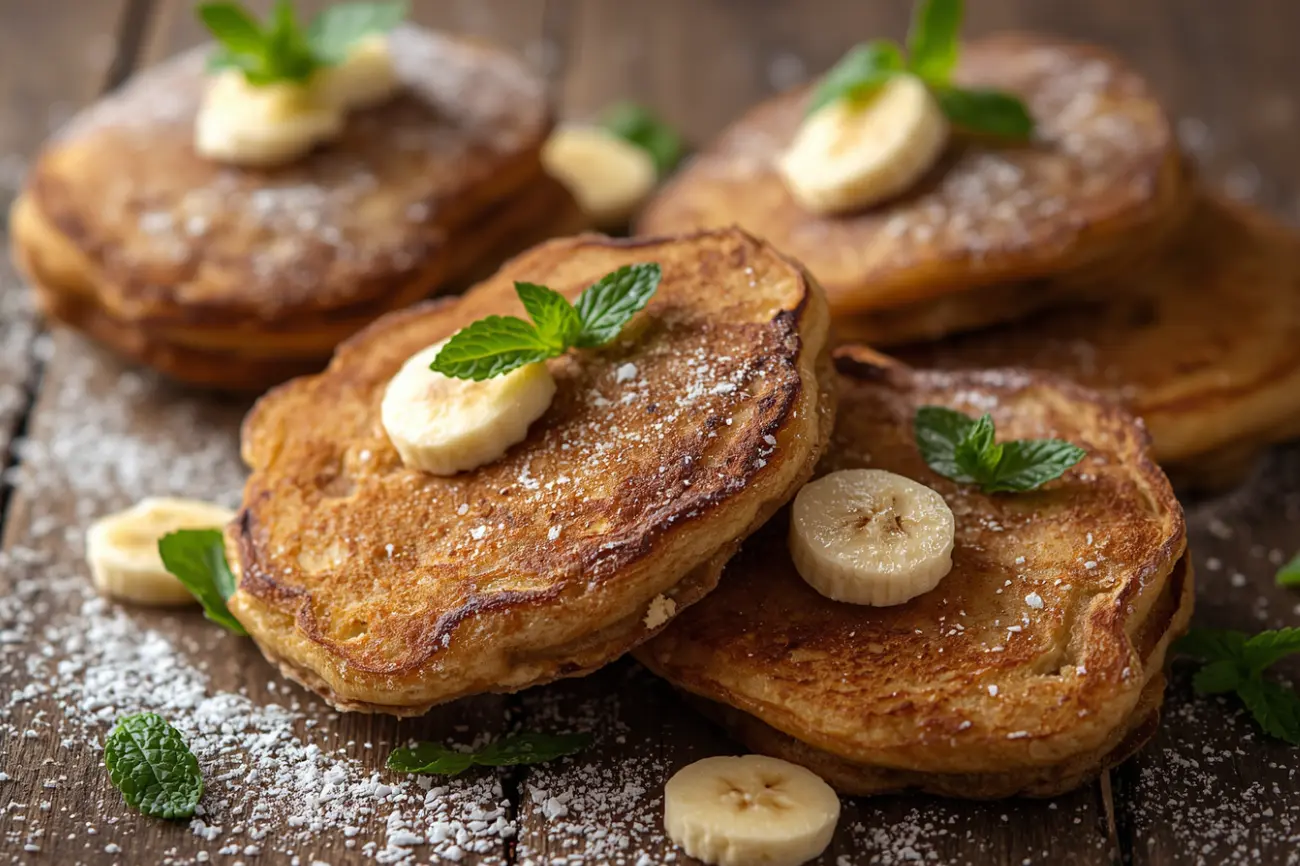 Best for: Kid-friendly, flour-free option Ground flaxseed reduced LDL cholesterol by 13% in just five weeks in a randomized controlled trial. Bananas contribute potassium, critical for blood pressure regulation. Together, they form a simple pancake that’s naturally sweet enough for kids.
How to make it: Mash 1 ripe banana with 2 eggs and 1 tablespoon ground flaxseed. Cook as small pancakes on a nonstick pan over medium heat. Watch out for:
15. Green Tea or Black Coffee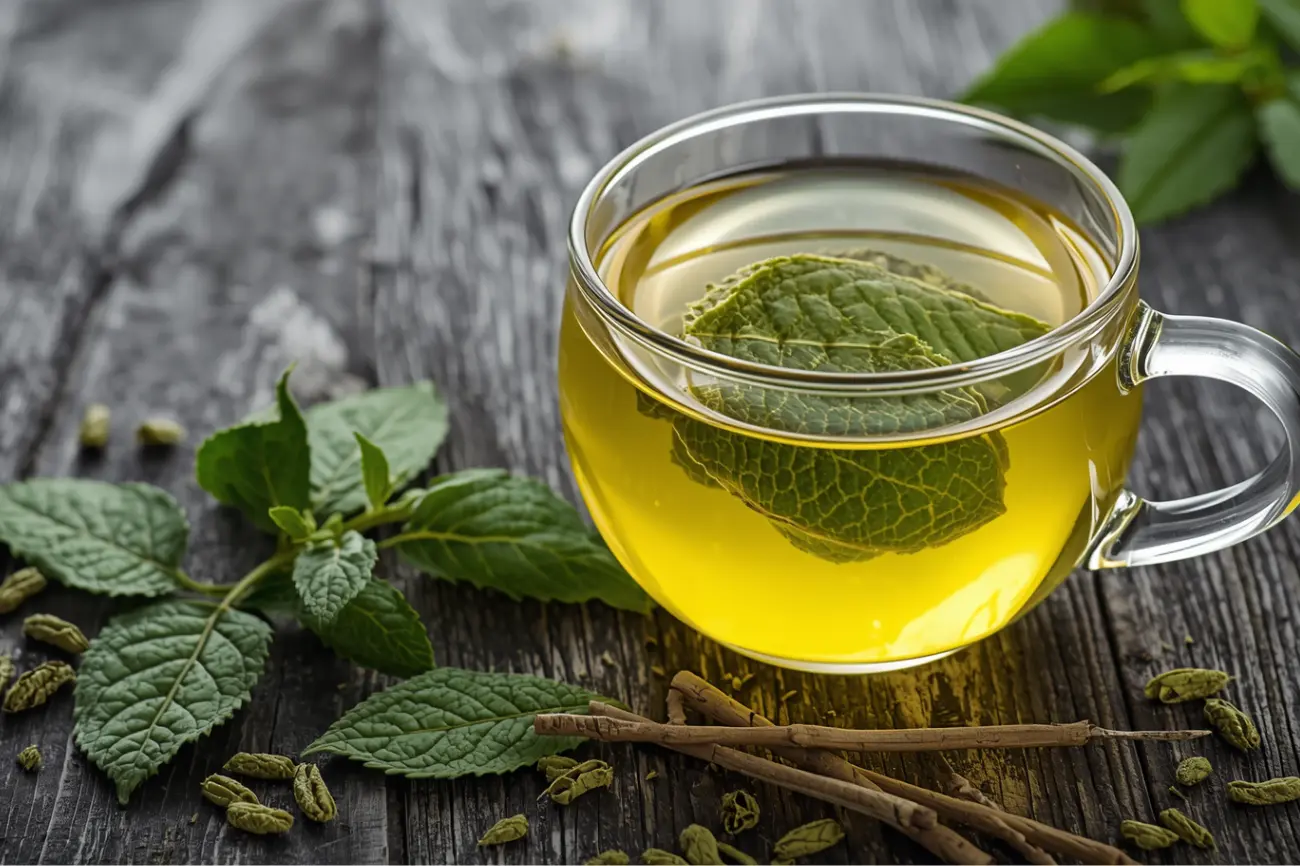 Best for: A simple pairing that adds cardiovascular benefit to any meal above This isn’t a standalone breakfast, but what you drink alongside your morning meal matters. Green tea catechins are linked to lower LDL and triglycerides, while moderate coffee consumption may benefit heart health according to Harvard Health. The critical detail: keep it unsweetened.
How to make it: Brew green tea or black coffee. Skip the sugar, flavored syrups, and whipped cream. Watch out for:
Why a Generic Breakfast List Isn’t EnoughThese 15 ideas are a strong starting point. But the right heart-healthy breakfast for you depends on your specific lab values (LDL particle size, triglycerides, A1c, blood pressure), any medications you take, and the conditions you’re managing. Someone with high triglycerides needs to prioritize omega-3-rich foods and limit refined carbohydrates differently than someone with isolated high LDL who benefits most from soluble fiber. A person with PCOS faces elevated cardiovascular risk and may need a different dietary framework altogether. If you’re on a GLP-1 medication, protein quantity at breakfast matters even more to prevent muscle loss. A registered dietitian can review your labs, medications, and health history to build a breakfast plan (and a full eating pattern) tailored to your specific cardiovascular risk profile. Vedic Nutrition’s team of registered dietitian nutritionists specializes in heart and cholesterol health, with insurance-covered telehealth visits where 95% of clients pay $0 out of pocket. Get started with a personalized nutrition plan to move beyond generic advice and build a morning routine matched to your numbers. Frequently Asked QuestionsWhat is the number one best breakfast for heart health? Oatmeal with berries and walnuts. The FDA recognized oat beta-glucan’s cholesterol-lowering ability in 1997, and a 2026 University of Bonn clinical trial showed a 10% reduction in LDL cholesterol from a short oat-based protocol. Adding walnuts and berries layers on additional benefits for cholesterol and blood pressure. Are eggs bad for your heart? Not necessarily, but the answer depends on your cholesterol levels. One study found that two eggs daily within a low-saturated-fat diet did not raise LDL. A separate large study linked higher egg consumption to a 6% increase in cardiovascular disease risk. For most people, one to two eggs per day is fine. If your LDL is already elevated, a registered dietitian can help determine the right amount based on your labs. What should you avoid eating for breakfast if you have high cholesterol? Processed meats (bacon, sausage), sugary cereals and pastries, flavored yogurts with added sugar, and fruit juice in place of whole fruit. These foods are high in saturated fat, refined carbohydrates, or both, all of which worsen cholesterol profiles. How much soluble fiber per day lowers cholesterol? The Mayo Clinic recommends 5 to 10 grams of soluble fiber per day to decrease LDL cholesterol. A single bowl of oatmeal with chia seeds can deliver 6 to 8 grams, getting you most of the way there before lunch. Can changing your breakfast actually lower cholesterol? Yes. The 2026 University of Bonn study found that a short oat-based diet reduced LDL by 10%, with effects persisting six weeks. Other research shows that 3 or more grams of oat beta-glucan daily consistently lowers both LDL and total cholesterol. Breakfast alone won’t fix everything, but it’s one of the highest-impact single changes available. Is skipping breakfast bad for your heart? The evidence strongly suggests yes. A Harvard cohort study found that skipping breakfast raised coronary heart disease risk by 27%. A separate national study found an 87% increased risk of cardiovascular mortality. These are observational findings, not proof of direct causation, but the pattern is consistent. Breakfast skipping is associated with higher blood pressure, worse lipid profiles, and greater insulin resistance over time. This article is for informational purposes only and does not constitute medical advice. Consult a healthcare provider or registered dietitian before making significant dietary changes, especially if you have existing cardiovascular conditions or take medication. .svg) Meet Your DietitianBrowse our directory of experts to find a dietitian who specializes in your unique goals. View ProvidersFrom our dietitians |
.svg)

.webp)


.webp)