.webp)
%2B(7).webp)
.png)
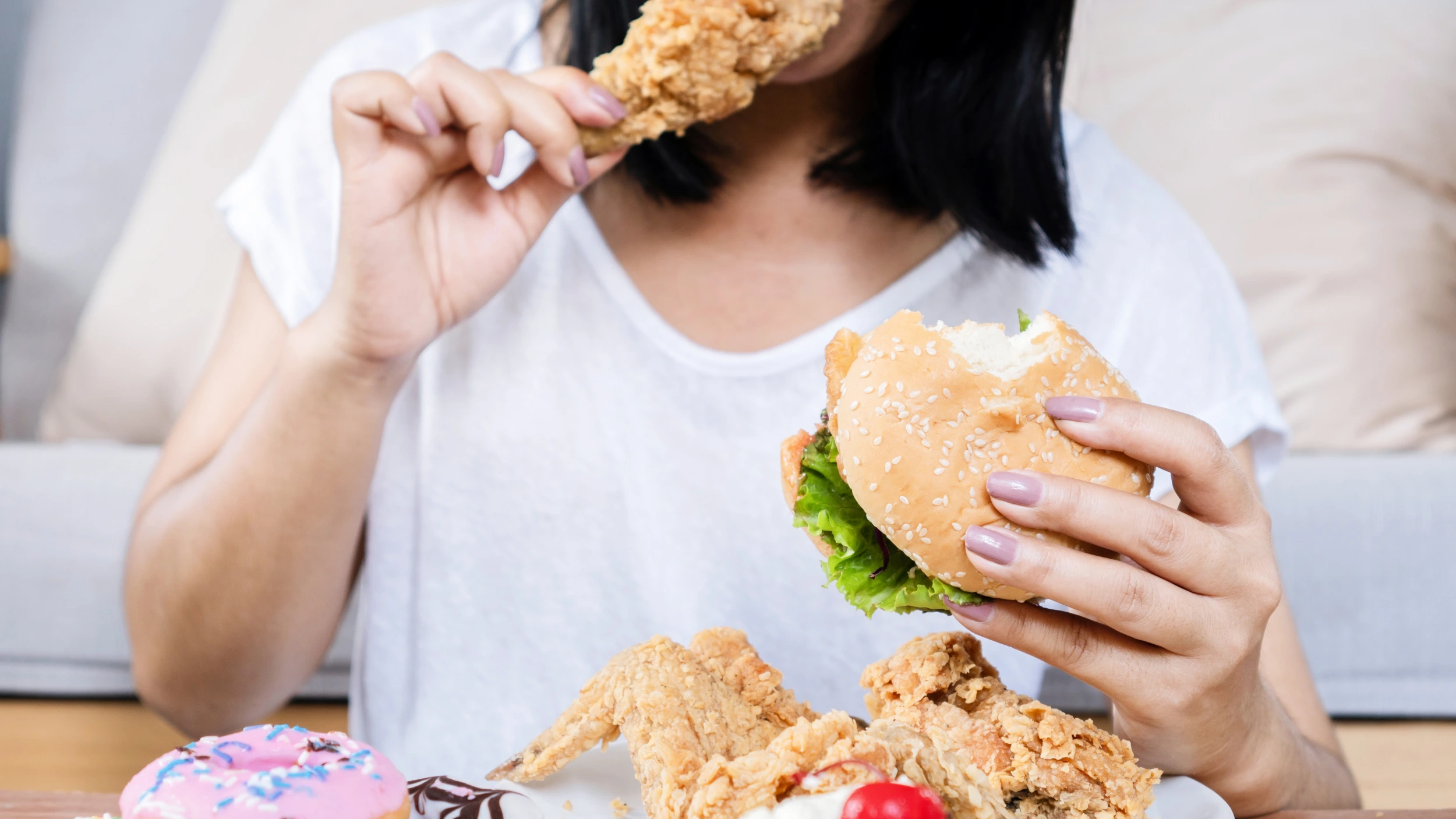
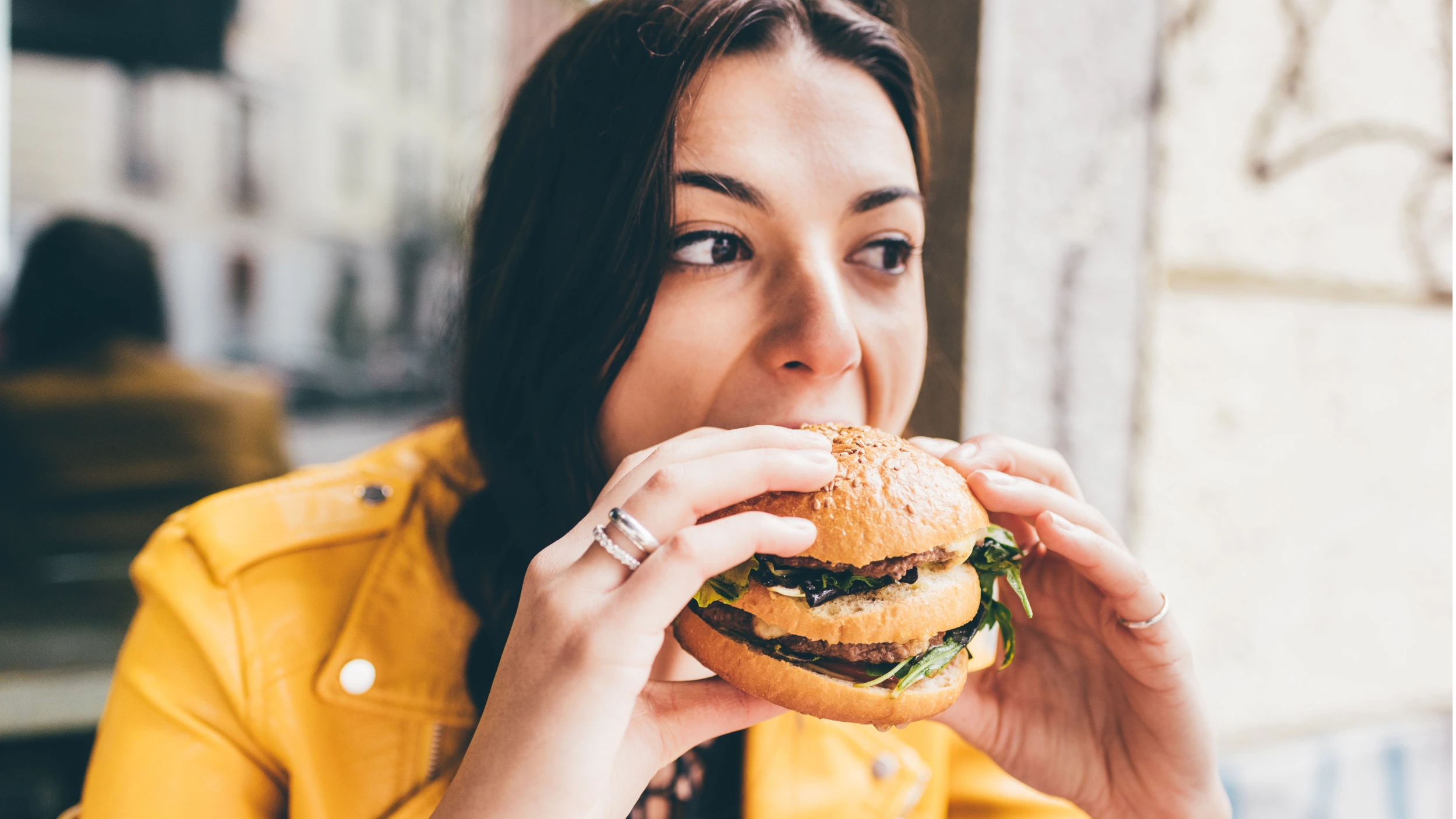
Have you ever finished a large plate of pasta only to find yourself rummaging through the pantry an hour later? It’s not a lack of willpower; it’s a biology.
Your body operates on a surprisingly simple principle known as the Protein Leverage Hypothesis. Research shows that your appetite will remain "on" until your specific amino acid requirements are met [3]. If your meal is low in protein, your brain will nudge you to keep eating—often leading you to consume hundreds of extra calories from fats and carbs while "chasing" that protein target [1].
In fact, even a small drop in protein percentage can trigger a calorie increase of up to 500 extra calories per day [1, 2].
The Biology of the "Protein Chase"
When protein intake is insufficient, your body holds your satiety hostage. This creates a frustrating cycle:
- The Hunger Hormone Spike: Low protein intake fails to suppress ghrelin (the hunger hormone) and doesn't adequately trigger GLP-1 (the fullness hormone) [13].
- Increased cravings for refined carbs: Refined carbohydrates spike insulin and then crash, leaving you tired, irritable, and reliant on snacks to stay focused [6, 7].
- Metabolic Flexibility: By hitting your protein targets, you allow insulin levels to stabilize between meals, teaching your body to tap into stored fat for energy rather than demanding a constant stream of sugar [16].
Easy Ways to Boost Your Protein
Reaching a goal of 1.2 to 1.5 grams of protein per kilogram of body weight (roughly 100-130g for many adults) can feel daunting if you’re only thinking about chicken breasts [14, 15].
As a dietitian, I recommend these protein swaps to hit your targets without feeling like you're overeating:
1. Upgrade Your Cooking Liquids
Don't just use water. Sub in bone broth or stock when cooking rice, quinoa, or grains. It adds roughly 7–10g of protein per cup and a rich, savory flavor to otherwise carb-heavy sides.
2. The Collagen Boost
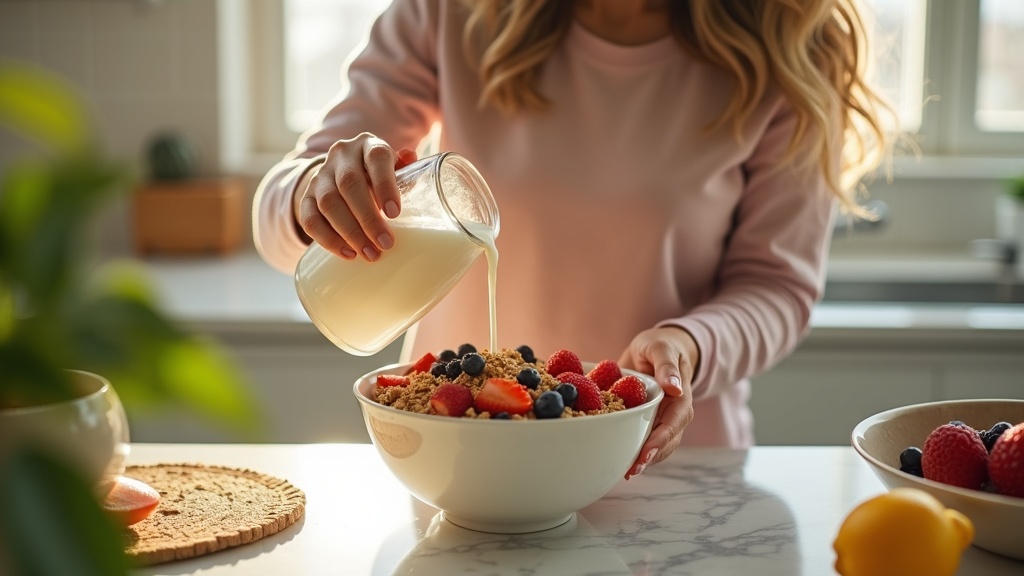
Add unflavored collagen powder to your morning coffee, tea, or oatmeal. It dissolves completely without changing the texture or taste, providing an easy 10g of protein before your day even fully begins.
3. Greek Yogurt-Based Sauces
Stop using mayo or sour cream as your base. Use plain Greek yogurt to create high-protein dressings and sauces. A dollop of Greek yogurt mixed with lemon and herbs over fish or tacos can add 5–10g of protein to a meal [13].
4. Smart "Anchors" for Every Meal
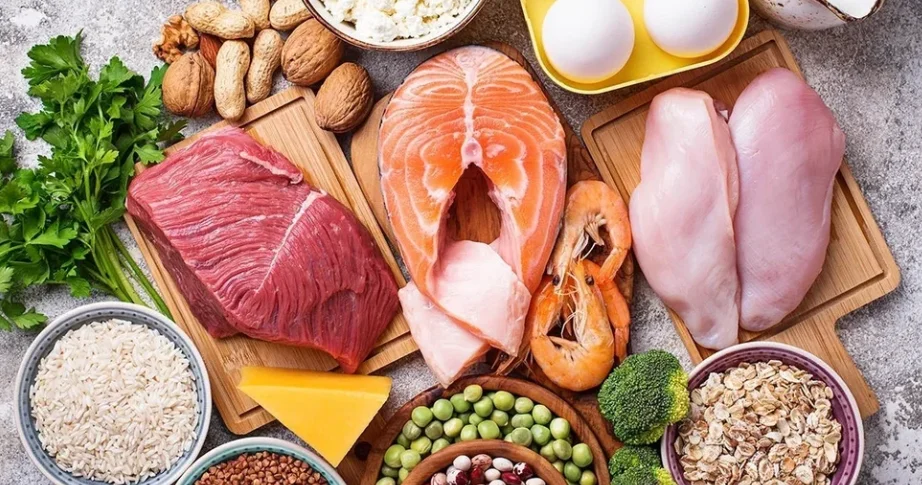
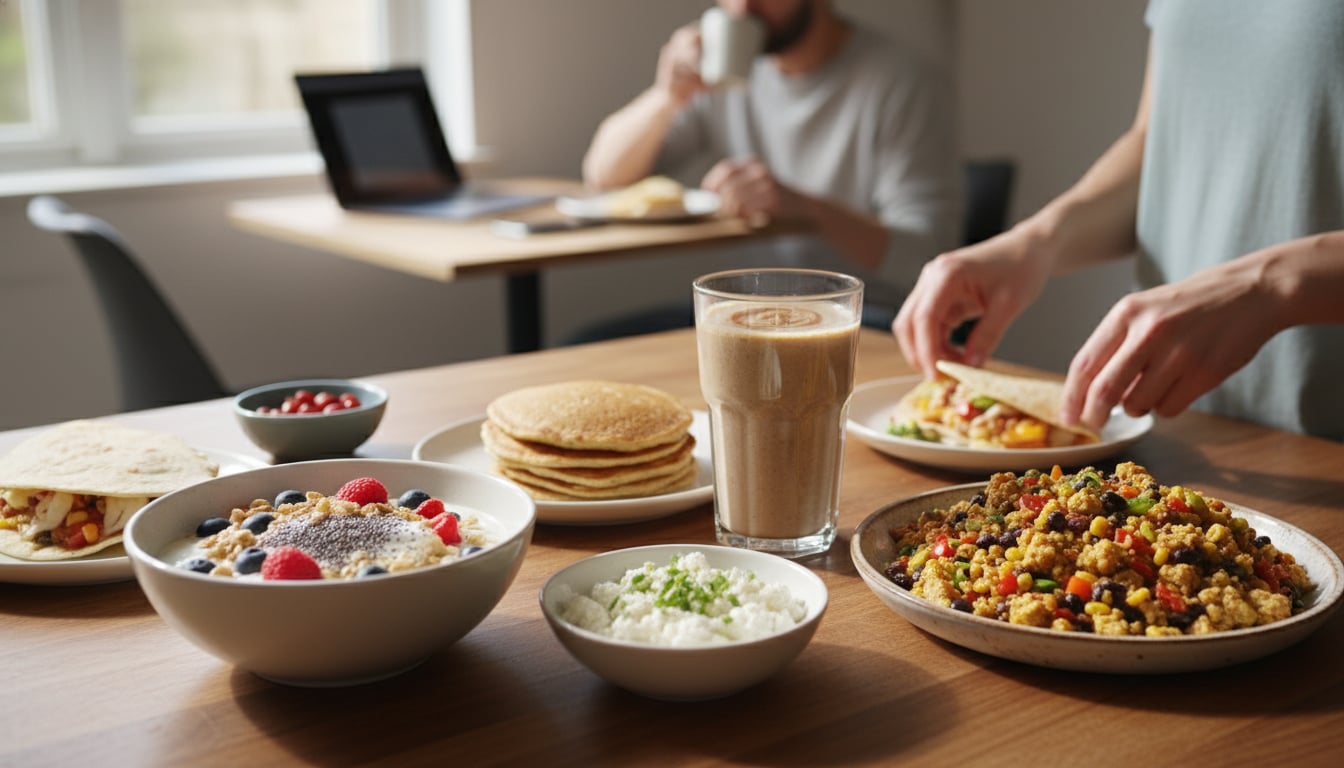
- Breakfast: Aim for at least 3 eggs, or egg whites or a Greek yogurt bowl [13, 17].
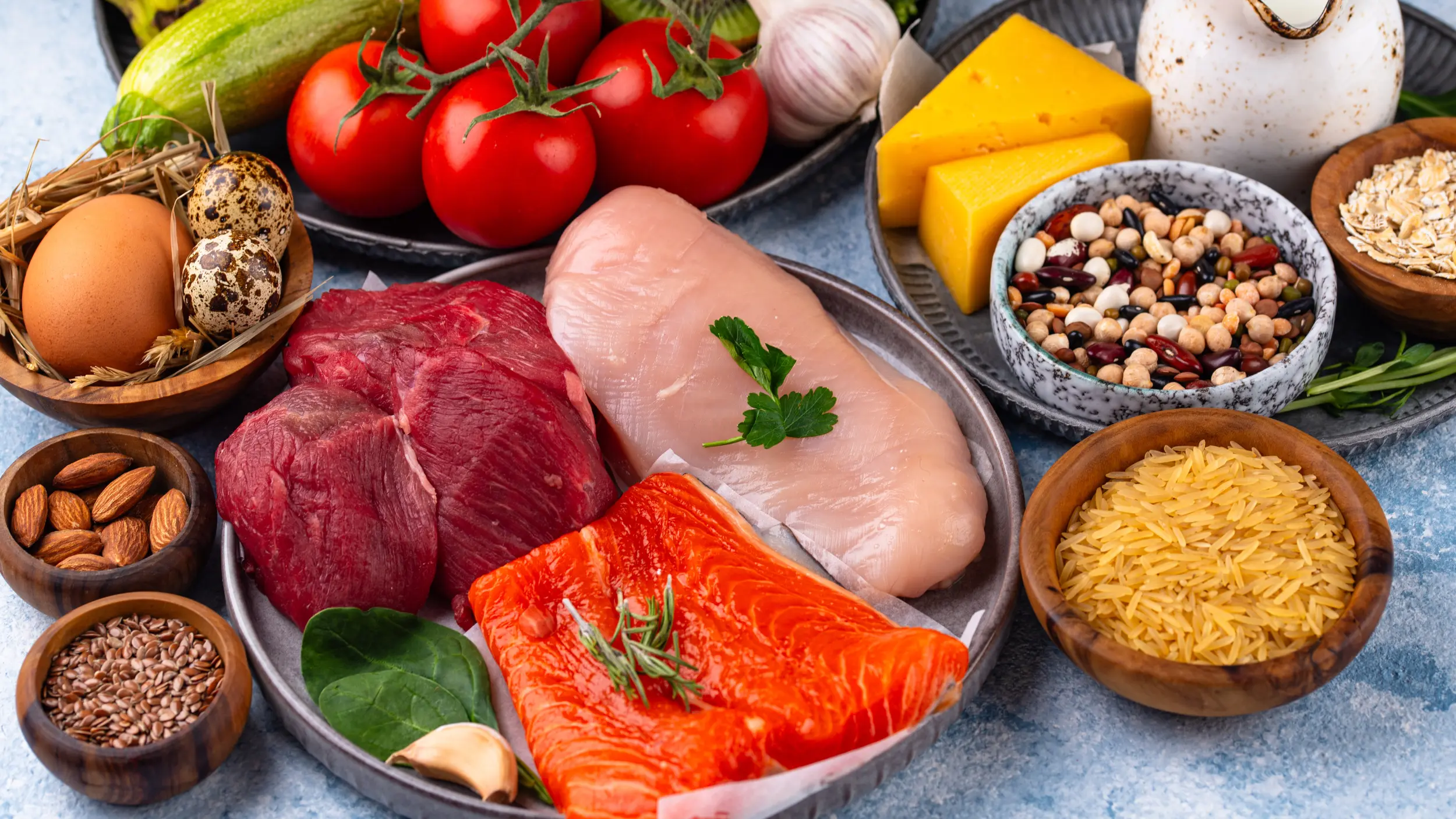
- Lunch/Dinner: Prioritize "powerhouses" like salmon, lean beef, or tofu [14].
- Plant-Based Options: Incorporate beans and quinoa as your carbohydrate source for a dual hit of protein and fiber [13].
Structuring Your Day for Success
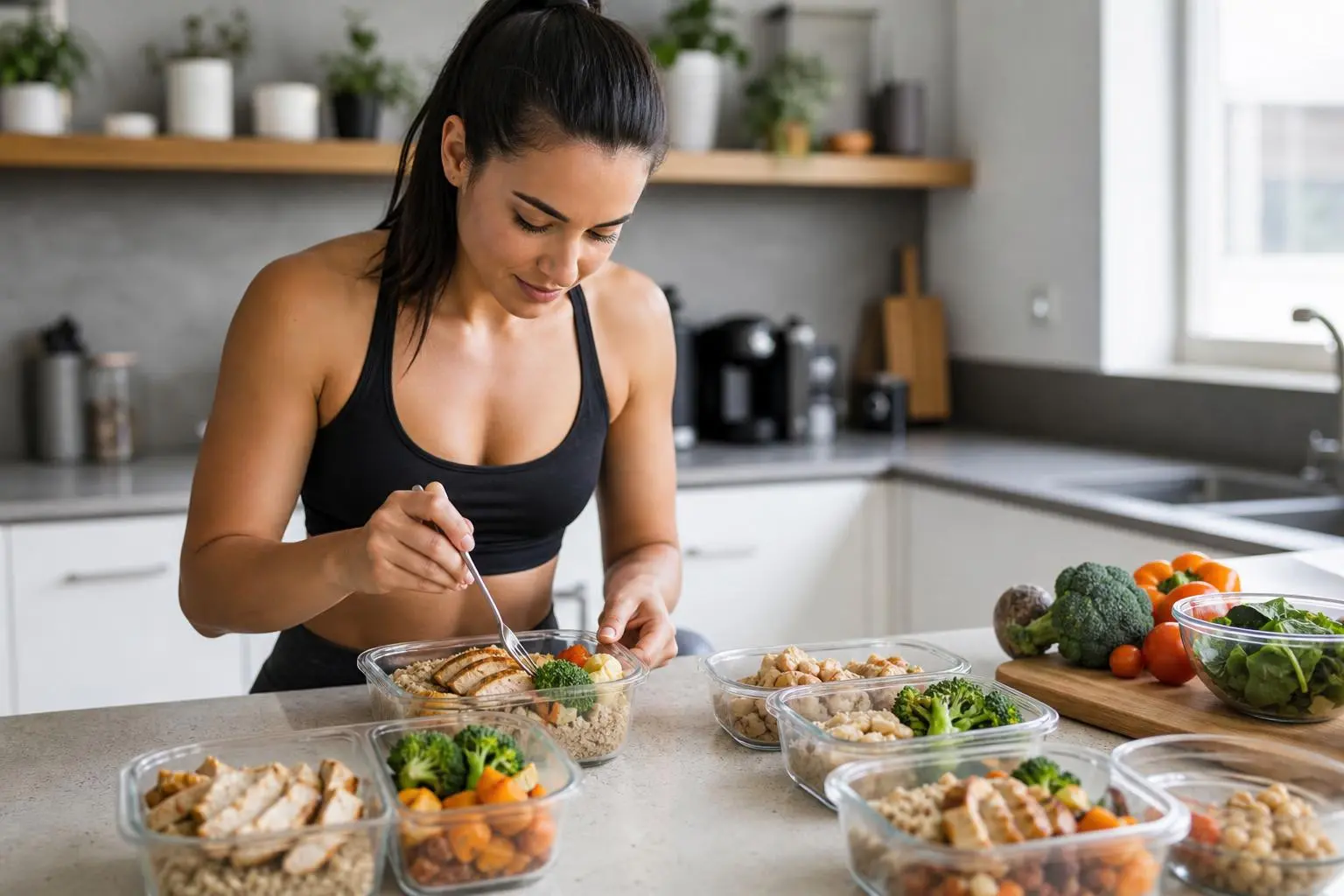
To end the snacking cycle, structure beats grazing. Instead of constant small bites, build your day around three "protein-anchored" meals [16]. This allows insulin levels to drop, shifting your body toward fat burning.
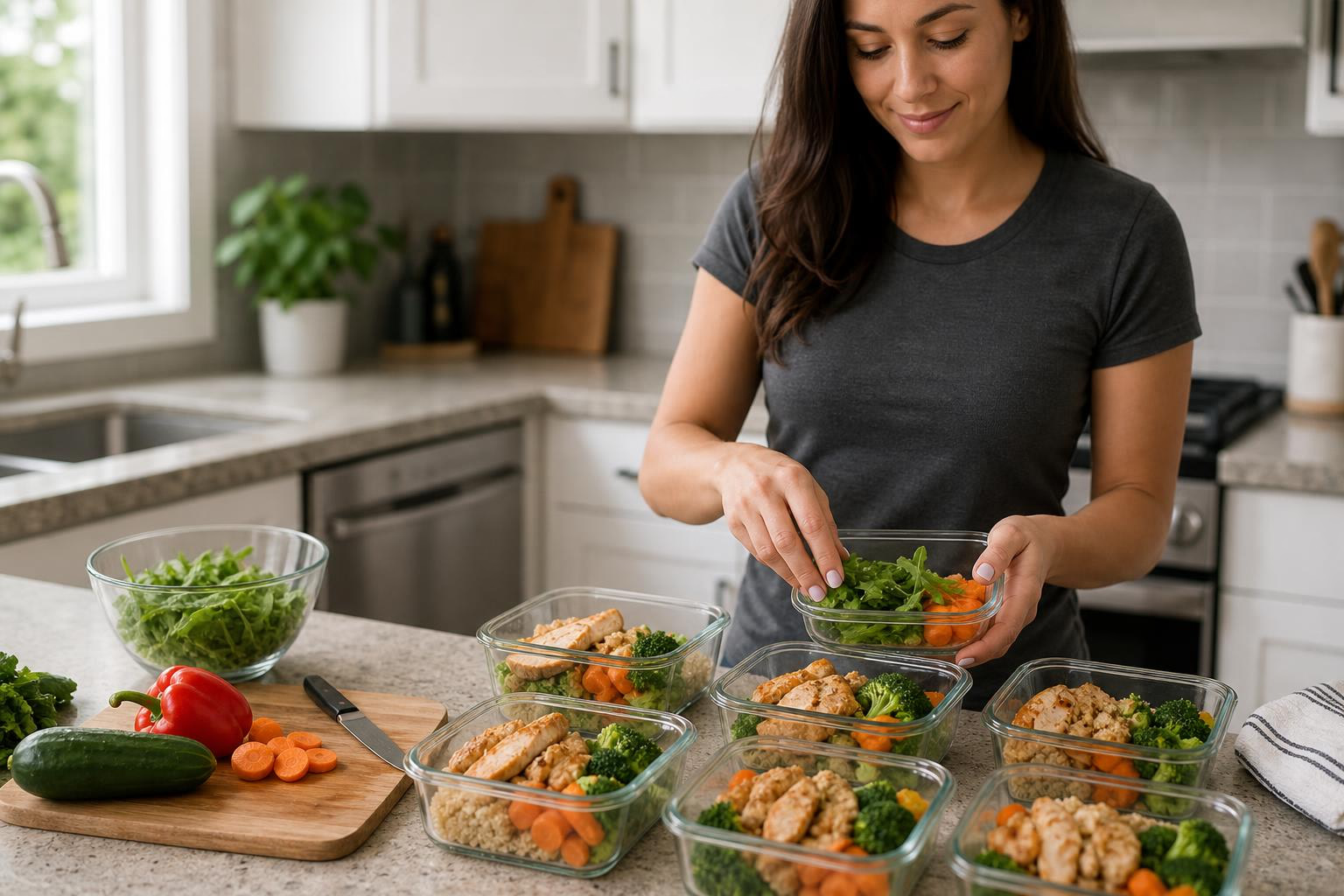
A Sample Protein-Leverage Day:
- Breakfast (18-25g): 3 eggs vegetable egg omelette with whole-grain toast + 1 cup raspberries, collagen in coffee.
- Lunch (30-35g): 4 oz grilled chicken or tofu over quinoa cooked in bone broth with roasted zatar cauliflower [17].
- Dinner (35-40g): 6 oz salmon with roasted vegetables and a Greek yogurt-based dill sauce [17].
Conclusion
Your hunger isn't a character flaw—it's a data point. When you prioritize protein-dense foods and reach your biological "threshold," the constant urge to snack naturally disappears. You stop fighting your biology and start working with it.
Ready to stop the hunger cycle for good? Every body is different. Book an appointment with one of our registered dietitians to find out if you are eating enough protein.
References
[2] - https://www.sciencedirect.com/science/article/pii/S0002916523053765
[3] - https://pmc.ncbi.nlm.nih.gov/articles/PMC6566799/
[4] - https://pmc.ncbi.nlm.nih.gov/articles/PMC2259459/
[5] - https://pmc.ncbi.nlm.nih.gov/articles/PMC3192127/
[6] - https://radiancefunctionalmedicine.com/prioritizing-protein-for-whole-body-health/
[7] - https://selfdecode.com/articles/are-carbs-the-reason-youre-always-hungry/
[8] - https://pmc.ncbi.nlm.nih.gov/articles/PMC5912158/
[9] - https://optimisingnutrition.com/protein-energy-ratio/
[10] - https://www.simplysnackin.com/blog/ted-naiman-pe-diet-book
[11] - https://drhyman.com/blogs/content/the-surprising-link-between-protein-intake-and-cravings
[12] - https://pubmed.ncbi.nlm.nih.gov/23221572/
[13] - https://www.healthline.com/nutrition/15-incredibly-filling-foods
[15] - https://www.nourishmovelove.com/high-protein-meal-plan/
[17] - https://www.healthline.com/nutrition/high-protein-diet-plan
.svg)
.svg)












.webp)
.webp)
.webp)
.webp)
.webp)

.webp)
.webp)
.webp)
.webp)

.webp)
.webp)
.webp)
.webp)

.webp)