.webp)
%2B(7).webp)
.png)
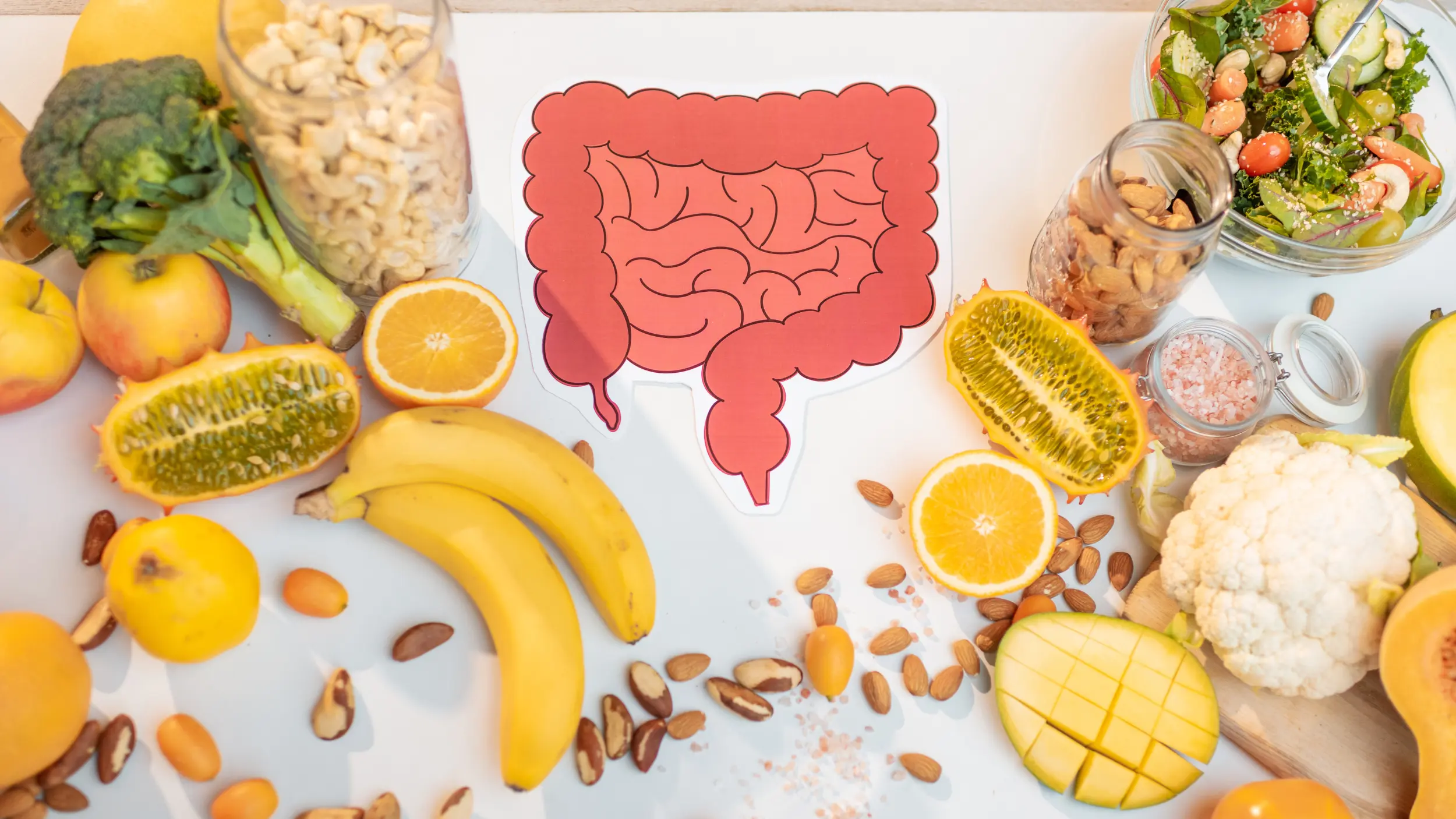
Have you ever wondered why some people seem to manage their weight more effortlessly than others? Science is pointing toward a microscopic hero living in our digestive tract: Akkermansia muciniphila.
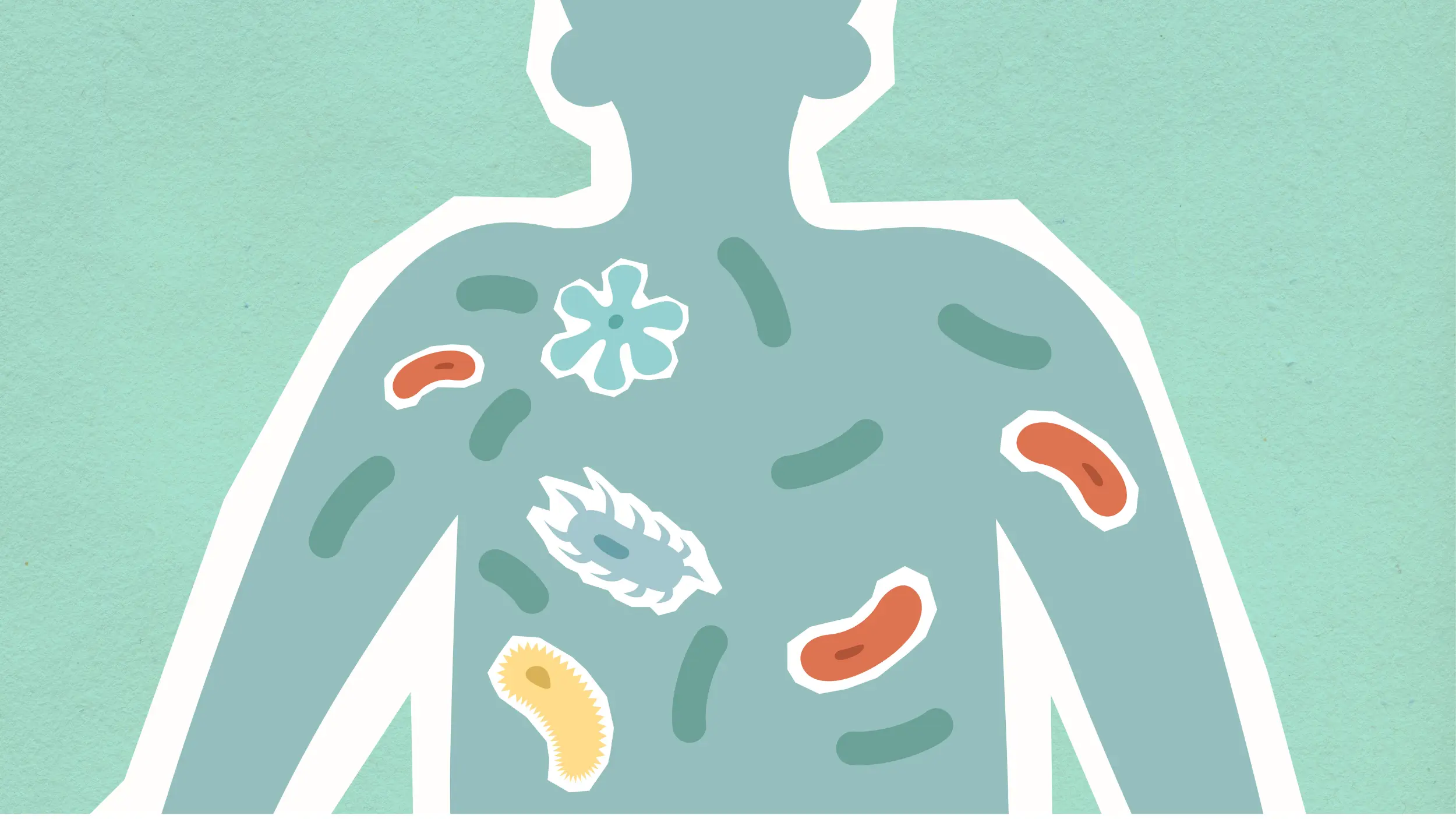
While its name is a mouthful, its job is simple: keeping your gut lining strong and your metabolism sharp. Found in about 90% of healthy adults, this "peacekeeper" bacterium usually makes up about 1% to 4% of a balanced gut microbiome [1]. However, research shows that when these levels drop, weight often goes up.
Why This Tiny Bacterium is a Big Deal
Akkermansia is unique because it lives in the protective mucus layer of your intestinal walls [2]. Instead of just waiting for the food you eat, it actually "cleans" and strengthens your gut lining by breaking down mucin (the gel that protects your intestines) and creating beneficial metabolites in the process [2].
The Weight Connection:
- Lower Obesity Risk: An analysis of over 10,000 participants revealed that a 10% increase in Akkermansia levels was linked to a 26% reduction in obesity risk [4].
- Blood Sugar Balance: People with healthy blood sugar levels tend to have much higher amounts of this microbe compared to those with prediabetes or Type 2 diabetes [5].
- The "Lean" Difference: In clinical studies, lean subjects had significantly higher levels of Akkermansia than those on high-fat diets, where levels often plummeted 100-fold [3].
How It Helps You Manage Weight
Akkermansia acts like a metabolic thermostat for your body through three main pathways:
- Strengthens the "Gut Barrier": It helps seal the gaps in your intestinal wall by increasing "tight junction" proteins [2]. This prevents inflammatory substances from slipping into your bloodstream and stalling your metabolism.
- Powers Your Natural GLP-1: You’ve likely heard of weight-loss medications that mimic the hormone GLP-1. Akkermansia naturally produces a protein called P9, which triggers your body’s own GLP-1 to help control appetite and blood sugar [7]. This is a natural way to boost GLP-1 hormone naturally in the body.
- Boosts Insulin Sensitivity: In human trials, even pasteurized versions of this bacteria improved insulin sensitivity by roughly 30%, helping the body process carbohydrates more efficiently rather than storing them as fat [6].
How to Boost Your Levels Naturally
You don't need a complex protocol to invite more Akkermansia into your GI tract:
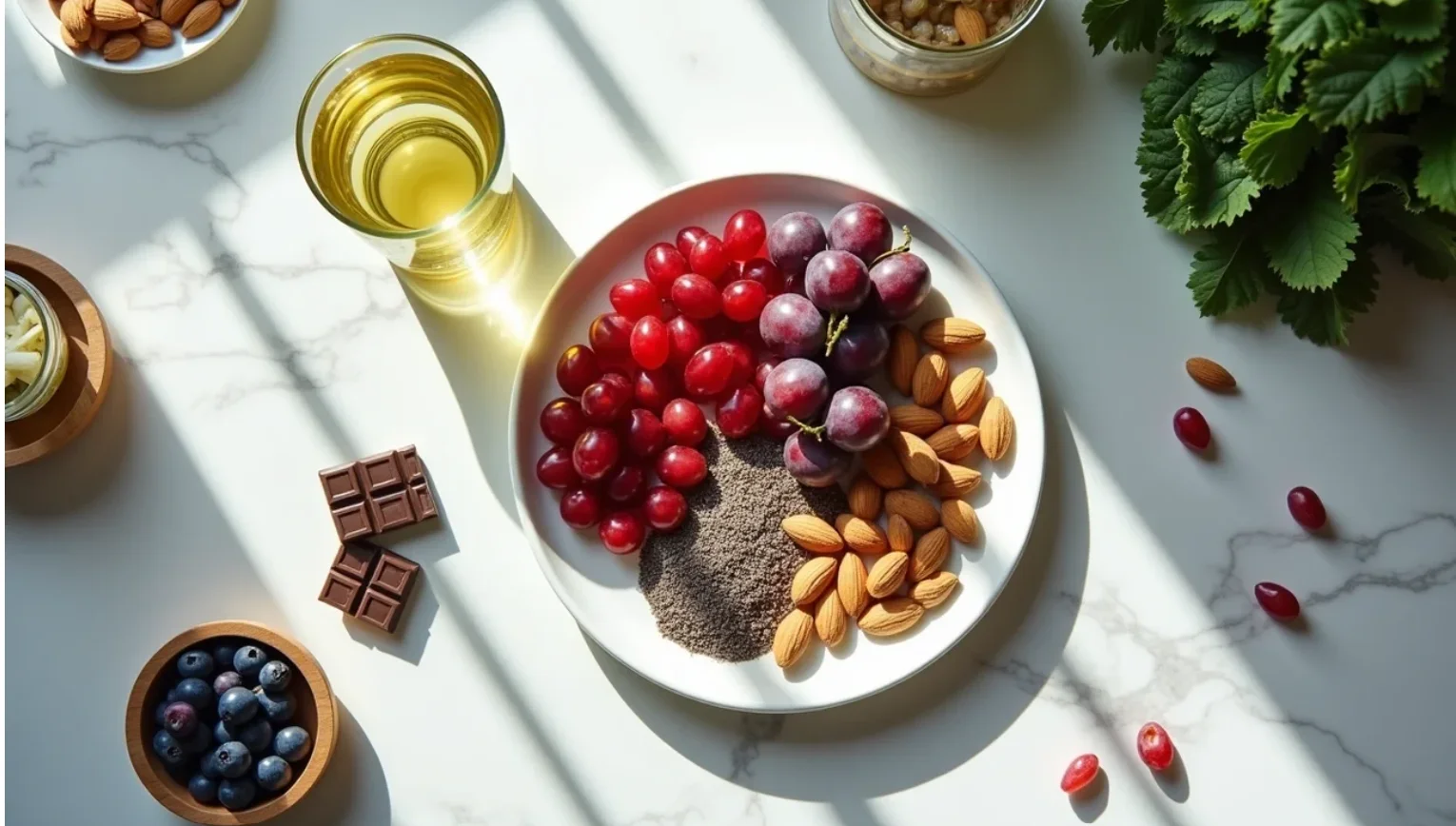
- Load Up on Polyphenols: These colorful plant compounds are "superfoods" for Akkermansia. Reach for cranberries, blueberries, pomegranates, green tea, and dark cocoa [4, 8].
- Focus on Prebiotic Fibers: Certain fibers reach the deep parts of the colon where these bacteria live and act as food. Akkermasia primary feeds on Inulin and fructo-oligosaccharides (FOS). Sources include: garlic, leeks, onions, and Jerusalem artichokes [3].
- Embrace Resistant Starch: Enjoy potatoes that have been cooked and then cooled (like a potato salad) or slightly green bananas. These significantly increase Akkermansia levels [9].
- Keep Moving: Regular aerobic exercise—like a brisk walk or a bike ride—has been shown to measurably increase Akkermansia abundance [10].
Ready for a Tailored Weight Loss Plan?
While the science is clear, every gut microbiome is as unique as a fingerprint. Akkermansia works most effectively when it’s part of a personalized nutrition plan that addresses your specific health history and metabolic goals.
If you are ready to stop guessing and start supporting your metabolism from the inside out, our team is here to help.
Book an appointment with our specialized dietitians to create a customized plan designed for your unique biology.
References
[1] Clinical Nutrition Journal (2022) - Gut microbiota and metabolic health.
[2] PMC PubMed Central (2023) - Akkermansia muciniphila and intestinal barrier function.
[3] Observatoire de la Prévention (2023) - Essential bacterium for maintaining health.
[4] Frontiers in Immunology (2017) - Akkermansia and its role in obesity and inflammation.
[5] Gut BMJ (2016) - Connection between glucose tolerance and gut microbes.
[6] Nature Medicine (2019) - Supplementation of Akkermansia in humans: A randomized trial.
[7] Nature Microbiology (2021) - The P9 protein and GLP-1 secretion.
[8] Journal of Nutritional Biochemistry (2016) - Pomegranate and gut microbiota.
[9] Food & Function (2023) - Resistant starch and the microbiome.
[10] PMC PubMed Central (2023) - Exercise and gut microbial composition.
.svg)
.svg)

























.webp)
.webp)
.webp)
.webp)
.webp)
.webp)
.webp)
.webp)
.webp)



.webp)

.webp)
.webp)
.webp)

.webp)
.webp)
.png)
.webp)
.webp)

.webp)
.webp)
.webp)

.webp)

.webp)