.webp)
.webp)
%2B(7).webp)
.png)
The best foods to eat with Ozempic prioritize lean protein (aim for 1.2 to 1.6 g/kg of body weight daily), fiber-rich vegetables, complex carbohydrates, and hydrating foods. About 40% of weight lost on semaglutide can come from lean mass, so getting enough protein at every meal is the single most important dietary choice you can make. Avoid high-fat, fried, and spicy foods that worsen the GI side effects nearly half of users experience.
There is no official “Ozempic diet.” But clinical evidence makes it very clear that certain foods help you get better results, feel less miserable, and protect your health while on this medication.
GLP-1 medications like Ozempic can reduce caloric intake by 16 to 39%. When you’re eating that much less, every bite carries more weight. The wrong foods worsen side effects. The right foods preserve muscle, steady your blood sugar, and keep your body nourished through significant weight change.
In 2025, a joint advisory from the AACE, TOS, ASN, and OMA outlined eight nutritional priorities for people on GLP-1 medications. That guidance, along with research presented at ENDO 2025, forms the backbone of this reference.
This guide organizes the foods to eat with Ozempic into a glossary you can bookmark and return to. Each entry explains what the food category is, why it matters specifically for someone on a GLP-1, and which foods to reach for. If you’re wondering why you’re not seeing results on Ozempic, your diet is the first place to look.
How Ozempic Changes Your Relationship with Food
Understanding what Ozempic does to your body explains why certain foods matter more than others.
Appetite suppression. Semaglutide mimics GLP-1, a hormone that signals fullness. You feel satisfied sooner and stay satisfied longer. This is the main driver of weight loss, but it also means you have fewer opportunities to get adequate nutrition.
Delayed gastric emptying. Food sits in your stomach longer than it normally would. This is why heavy, greasy, and large meals cause so much nausea and bloating on Ozempic. As Cleveland Clinic explains, “certain foods can contribute more to GI side effects, like spicy and high-fat foods” because of this slower digestion.
Reduced food noise. GLP-1 medications quiet the repetitive, intrusive thoughts about food that many people experience. If you want to understand this phenomenon better, read more about what food noise actually is and how these medications affect it.
Shifted food preferences. Many people on GLP-1 medications report that fatty, rich foods become less appealing. Meat can feel heavy or unappealing. People naturally gravitate toward lighter options like fruits, vegetables, and crackers. Practitioners on Reddit and in online GLP-1 communities describe this shift consistently, with some reporting near-complete meat aversion in the early months. No top-ranking page addresses this directly, but it shapes what and how you should eat.
These changes mean that choosing the right foods to eat with Ozempic isn’t just about nutrition. It’s about working with your body’s new signals instead of fighting them.
The Glossary: Foods to Eat with Ozempic, Organized A to Z
Each entry below defines the food category, explains why it matters for someone on Ozempic specifically, lists practical examples, and includes a tip you can use today.
Bland Foods
What they are: Low-fat, low-fiber, mild-flavored foods that are easy on the stomach.
Why they matter on Ozempic: Nausea is the most common side effect, affecting 43.9% of semaglutide users compared to 16.1% on placebo in the STEP clinical trials. Bland foods are first-line nausea management, particularly during the first few weeks and after dose increases.
Best examples: Plain toast, saltine crackers, white rice, bananas, applesauce, plain baked potatoes, oatmeal, broth-based soups.
Tip: Keep a stash of crackers and bananas accessible for the 1 to 2 days after each injection when nausea tends to peak. Eating a small amount of bland food before taking your dose can also help.
Bone-Supporting Foods
What they are: Foods rich in calcium and vitamin D that support bone mineral density.
Why they matter on Ozempic: New research suggests GLP-1 medications may increase the risk of osteoporosis. The appetite-suppressing effects lead to reduced calorie intake, which can mean lower calcium and vitamin D absorption. Women in their 50s and 60s face compounded risk as declining estrogen already threatens bone density.
Best examples: Fortified dairy (milk, yogurt, cheese), sardines with bones, canned salmon, leafy greens (kale, collard greens, bok choy), fortified plant milks, eggs (for vitamin D).
Tip: A cup of plain Greek yogurt delivers around 200mg of calcium and 15 to 20g of protein, making it one of the most efficient foods to eat with Ozempic. It covers two priorities in one serving.
Complex Carbohydrates and Whole Grains
What they are: Unrefined carbohydrates with their fiber, vitamins, and minerals intact.
Why they matter on Ozempic: Unlike refined carbs (white bread, pastries, sugary cereals), complex carbohydrates provide sustained energy and steady blood sugar. Since Ozempic is often prescribed alongside diabetes management, pairing the medication’s glucose-lowering effects with low-glycemic carbs amplifies blood sugar stability. The AACE advisory specifically counsels individuals to avoid refined carbohydrates and emphasizes whole grains as part of a nutrient-dense pattern.
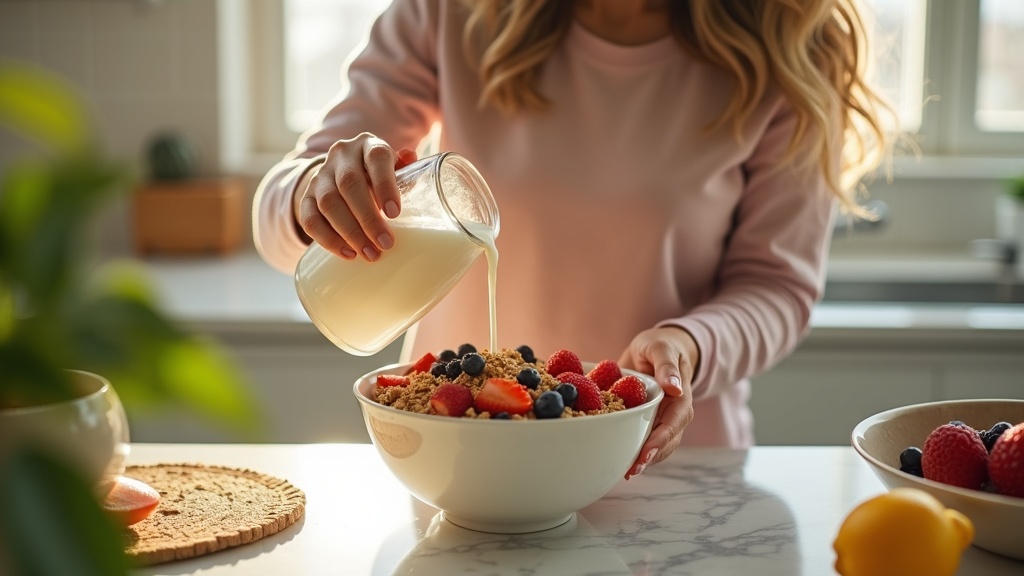
Best examples: Quinoa, brown rice, oats, farro, barley, whole wheat bread, sweet potatoes, bulgur.
Tip: If you’re working on a broader metabolic reset, swapping refined carbs for whole grains is one of the highest-impact changes you can make.
Electrolyte-Rich Foods
What they are: Foods that provide sodium, potassium, and magnesium, the key minerals that regulate fluid balance and muscle function.
Why they matter on Ozempic: GLP-1 medications raise dehydration concerns through multiple pathways: reduced food intake means less incidental fluid from meals, and GI side effects like vomiting and diarrhea can deplete electrolytes. When you’re eating less overall, you need to be more intentional about getting these minerals.
Best examples: Bananas, avocados, coconut water, spinach, sweet potatoes, oranges, yogurt, nuts (almonds, cashews), seeds (pumpkin, sunflower).
Tip: If you’re experiencing diarrhea or vomiting, add a pinch of salt to your water or sip bone broth rather than reaching for sugary sports drinks.
Fermented Foods
What they are: Foods that contain beneficial live bacteria (probiotics) produced during fermentation.
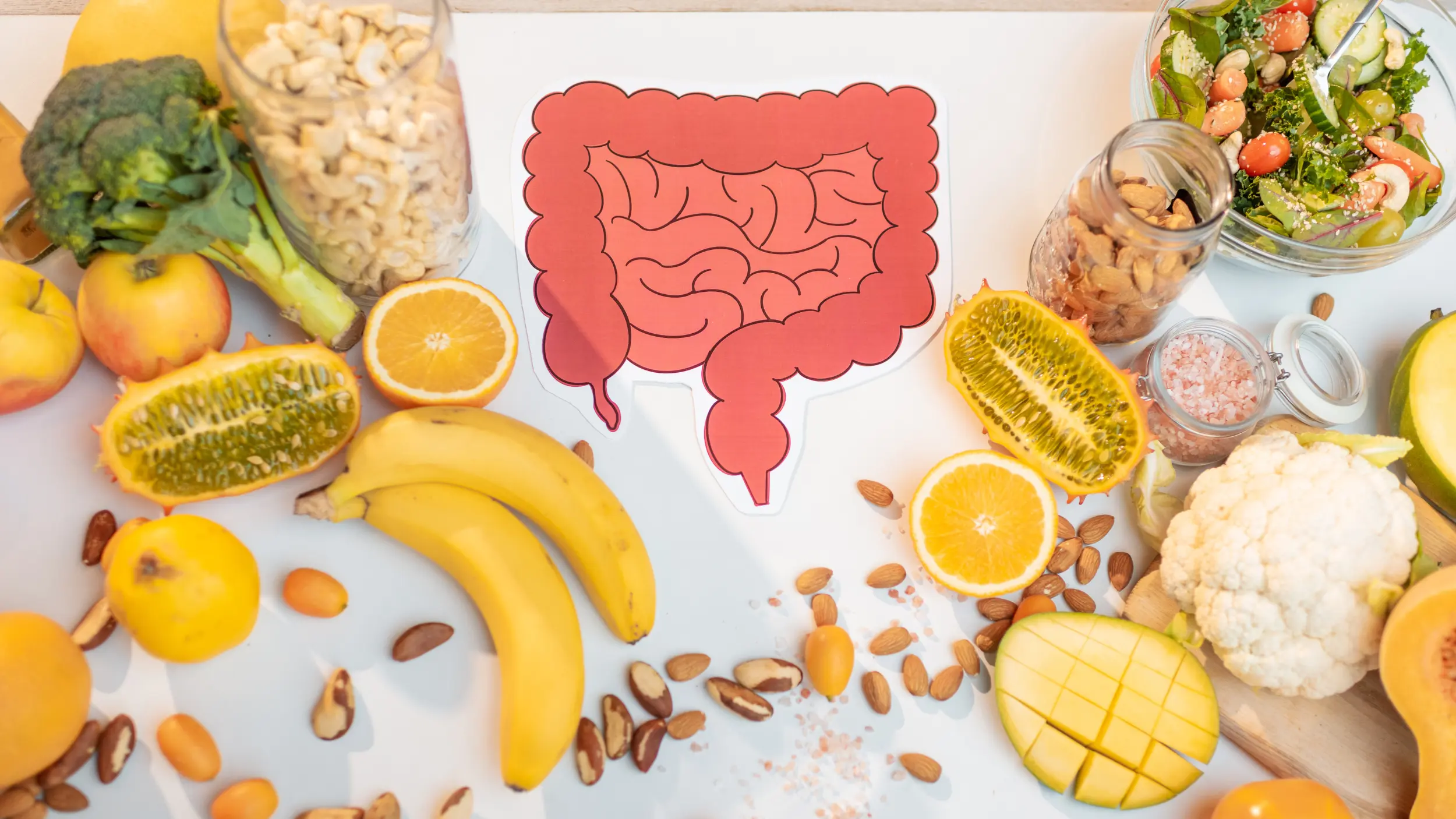
Why they matter on Ozempic: The GI disruption that comes with GLP-1 therapy can affect your gut microbiome. Fermented foods introduce beneficial bacteria that may ease digestive adjustment. Health Loft’s registered dietitians specifically recommend fermented foods during the early treatment period as the body adapts.
Best examples: Plain yogurt with live cultures, kefir, sauerkraut, kimchi, miso, tempeh, kombucha (watch for added sugar).
Tip: Start with small servings. If your stomach is already sensitive, large amounts of fermented foods can temporarily increase bloating before things improve.
Fiber-Rich Foods
What they are: Foods high in dietary fiber, which comes in two forms: soluble (dissolves in water, forms a gel) and insoluble (adds bulk to stool).
Why they matter on Ozempic: Constipation affects over 5% of Ozempic users per the prescribing information, and anecdotal reports suggest the real number is much higher. Fiber helps, but it must be introduced gradually. The general target is 25 to 38 grams per day, though many GLP-1 users fall well short because they’re eating so much less food overall.
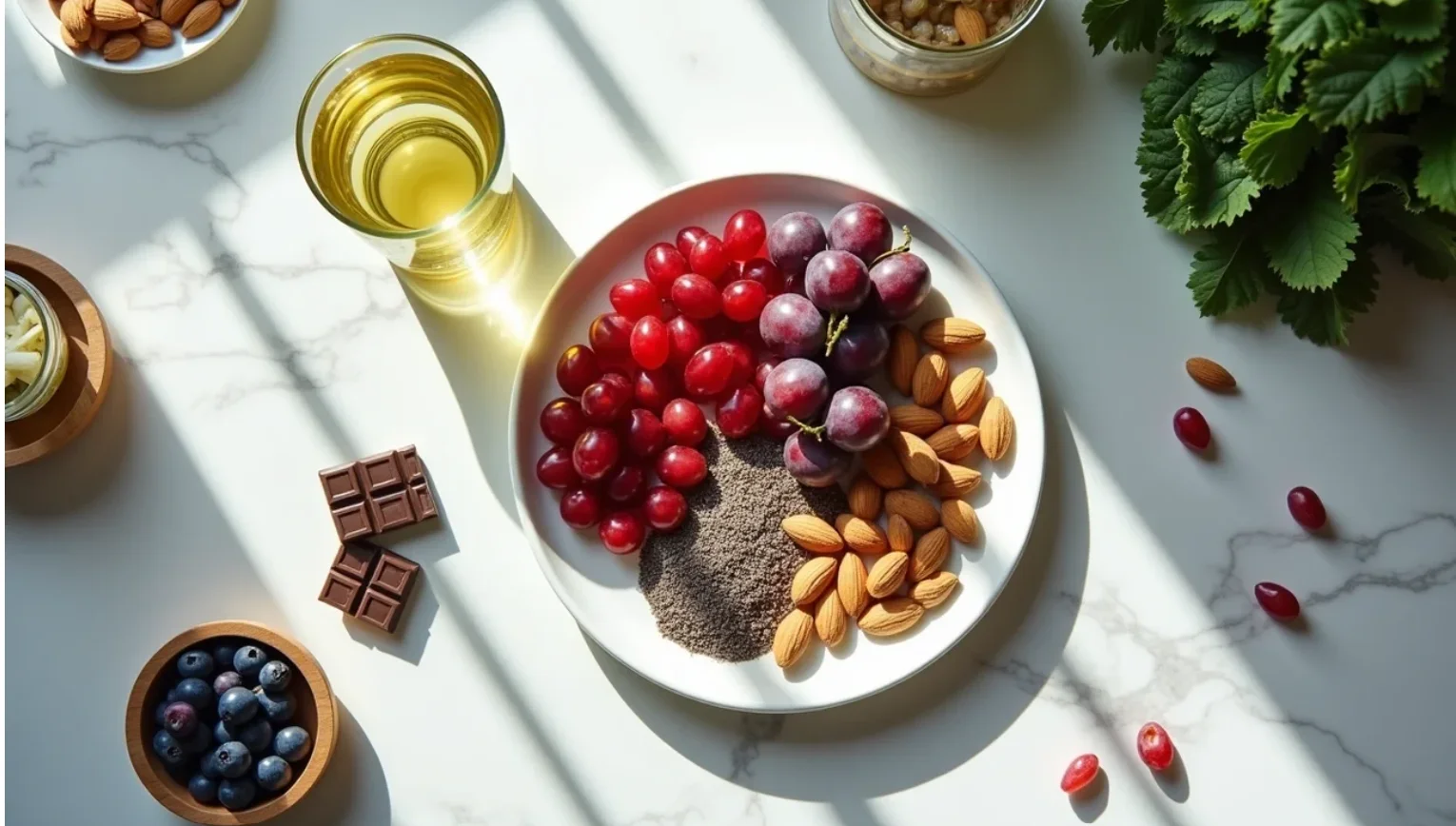
Best examples: Chia seeds, lentils, black beans, oats, berries (raspberries are especially high), broccoli, Brussels sprouts, pears, flaxseeds.
Caution: Increasing fiber too quickly worsens bloating and gas. Add 3 to 5 grams per day over a couple of weeks, and drink plenty of water alongside it. Soluble fiber (oats, chia, lentils) tends to be gentler than insoluble fiber (wheat bran, raw vegetables) for people with sensitive stomachs.
Healthy Fats
What they are: Unsaturated fats from whole food sources, primarily monounsaturated and polyunsaturated fats.
Why they matter on Ozempic: Fat is essential for absorbing vitamins A, D, E, and K. But here’s the tension: high-fat meals slow digestion, and your digestion is already delayed from the medication. Too much fat at once is one of the fastest routes to nausea and discomfort. The goal is moderate, consistent intake spread across meals rather than large fatty portions.
Best examples: Avocado (a quarter to a half at a time), olive oil, nuts (almonds, walnuts, pistachios), seeds (hemp, chia, flax), nut butters.
Tip: Cook with a tablespoon of olive oil rather than pouring it freely. Use nuts and seeds as toppings rather than eating handfuls. Small amounts at each meal beat one large fatty meal.
Hydrating Foods and Fluids
What they are: Water-rich foods and beverages that contribute to your daily fluid intake.
Why they matter on Ozempic: When you eat less food, you lose a surprising amount of incidental hydration. Think about how much water comes from a full plate of food versus a few bites. Combined with GI side effects that deplete fluids, dehydration is a real and underappreciated risk. As one WebMD expert put it, people sometimes forget that they’re thirsty when appetite is suppressed.
Best examples: Cucumber, watermelon, strawberries, celery, lettuce, tomatoes, soups and broths, herbal teas, infused water.
Tip: Sip fluids throughout the day rather than drinking large amounts with meals. Large volumes of liquid during a meal can worsen the feeling of fullness and trigger nausea when your stomach is already slow to empty.
Lean Protein
What it is: High-protein, lower-fat protein sources that deliver maximum protein per calorie.
Why it matters on Ozempic: This is the most important category on this entire list. Research presented at ENDO 2025 found that approximately 40% of the weight lost on semaglutide comes from lean mass, including muscle. Being older, female, or eating less protein was linked to even greater muscle loss. And losing more muscle was associated with less improvement in blood sugar levels.
The numbers are stark. One research review found that semaglutide users consuming less than 1.0 g/kg of protein daily lost roughly 39% of their weight as lean mass, while those consuming 1.6 g/kg or higher lost only about 22%. The AACE/TOS joint advisory recommends 1.2 to 2.0 g/kg of adjusted body weight per day, and advises that intake should not fall below 0.4 to 0.5 g/kg per day under any circumstances.
For a 180-pound person, that means roughly 98 to 164 grams of protein daily. Spread across meals, that’s 30 to 40 grams per meal.
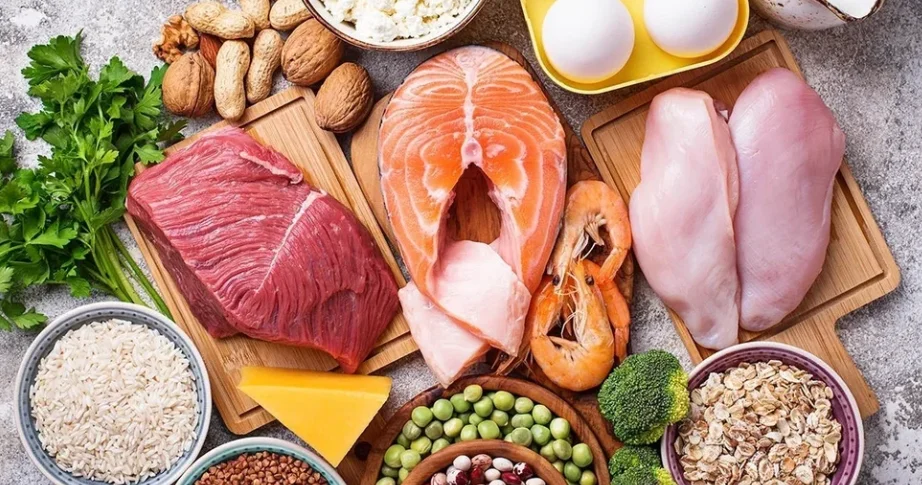
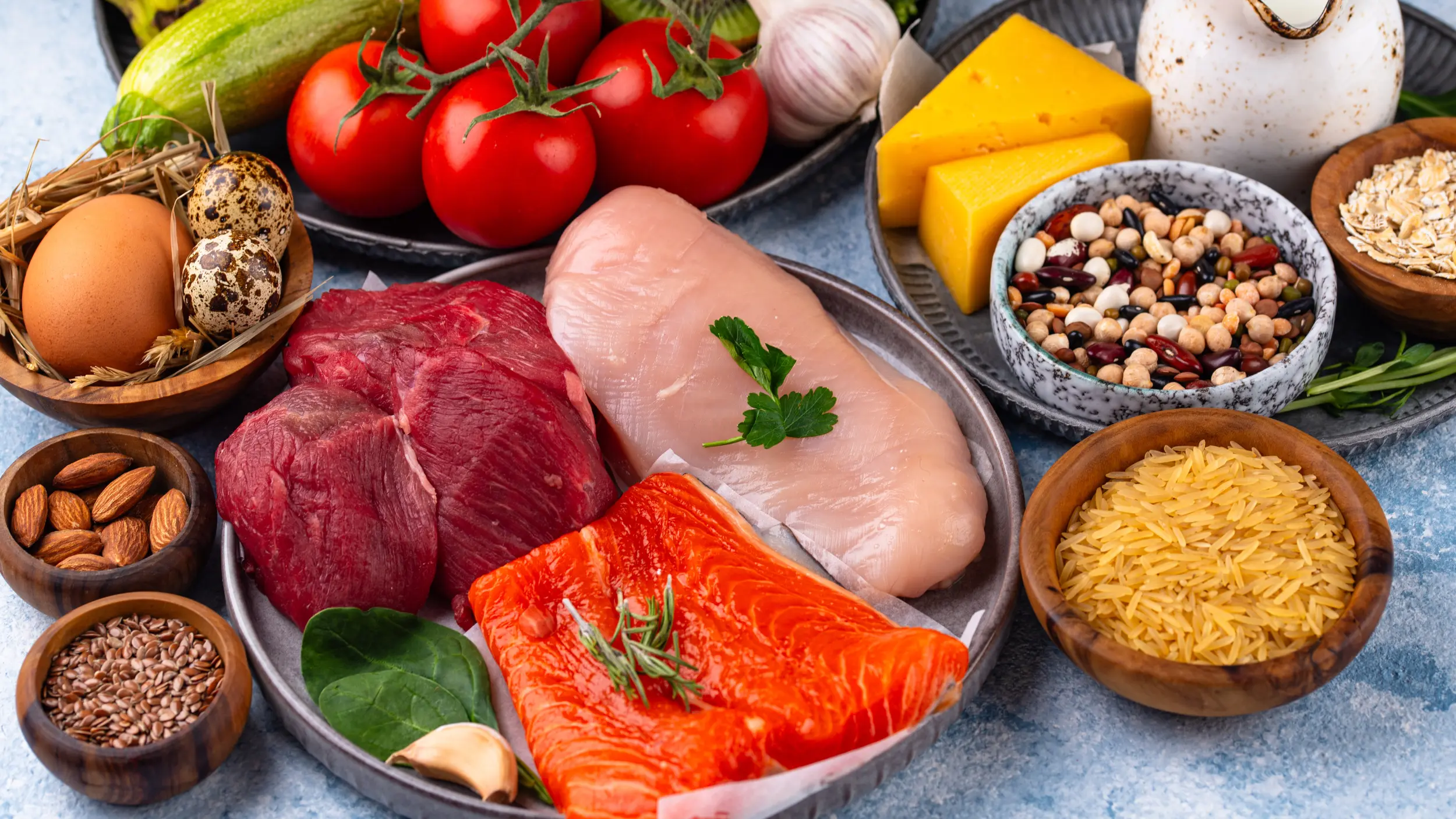
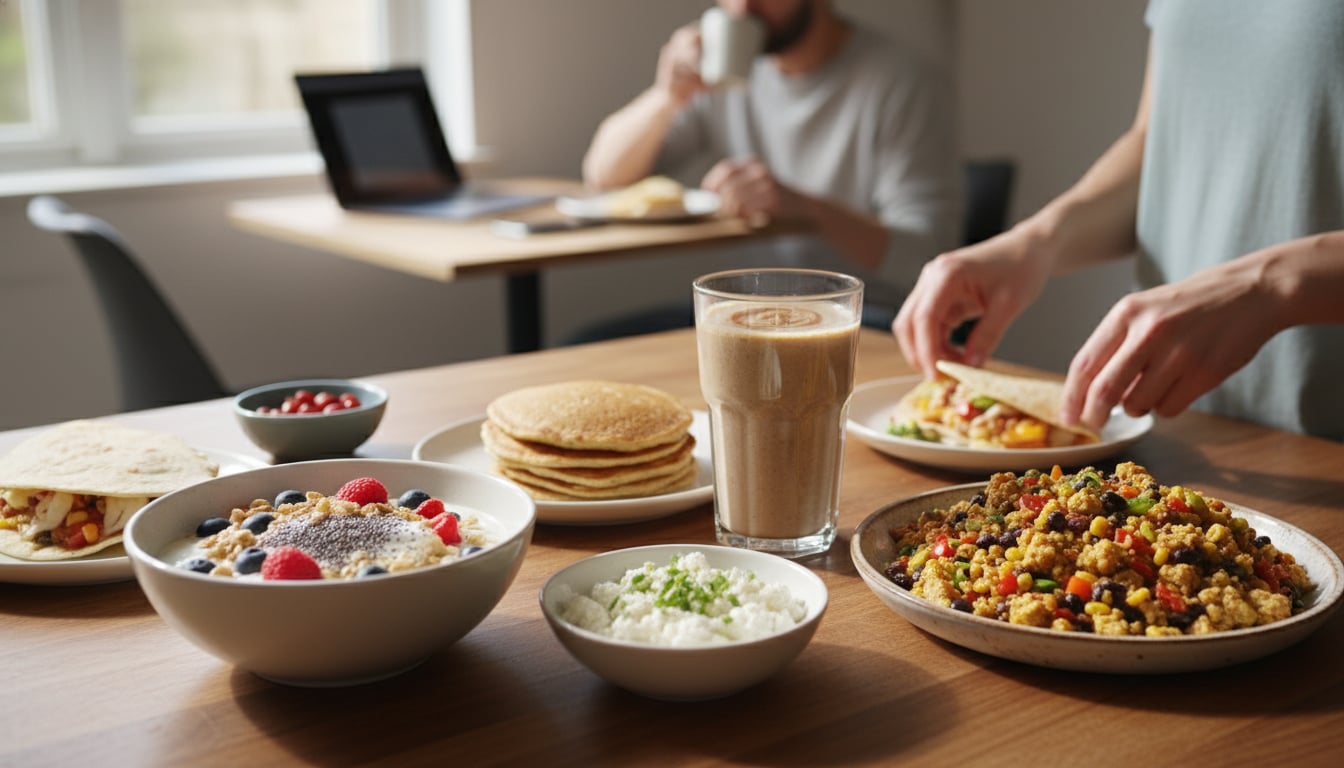
Best examples: Chicken breast, turkey breast, white fish (tilapia, cod, halibut), shrimp, eggs, egg whites, plain Greek yogurt, cottage cheese, tofu, tempeh.
Tip: Eat protein first at every meal. When your stomach capacity is limited by the medication, you need to prioritize protein before filling up on anything else. For a deeper look at why this matters and how to do it, read about preserving muscle while using GLP-1 medications.
Legumes
What they are: Beans, lentils, and chickpeas, a plant-based food group that delivers both protein and fiber.
Why they matter on Ozempic: Legumes are one of the most efficient foods to eat with Ozempic because they address two critical needs at once: protein for muscle preservation and fiber for digestive regularity. They’re also low-glycemic, meaning they support steady blood sugar. For many cultures, legumes are already a dietary staple. Rice and beans together form a complete protein, making them a familiar and nutritionally sound pairing.
Best examples: Black beans, lentils (red, green, brown), chickpeas, edamame, kidney beans, pinto beans, split peas.
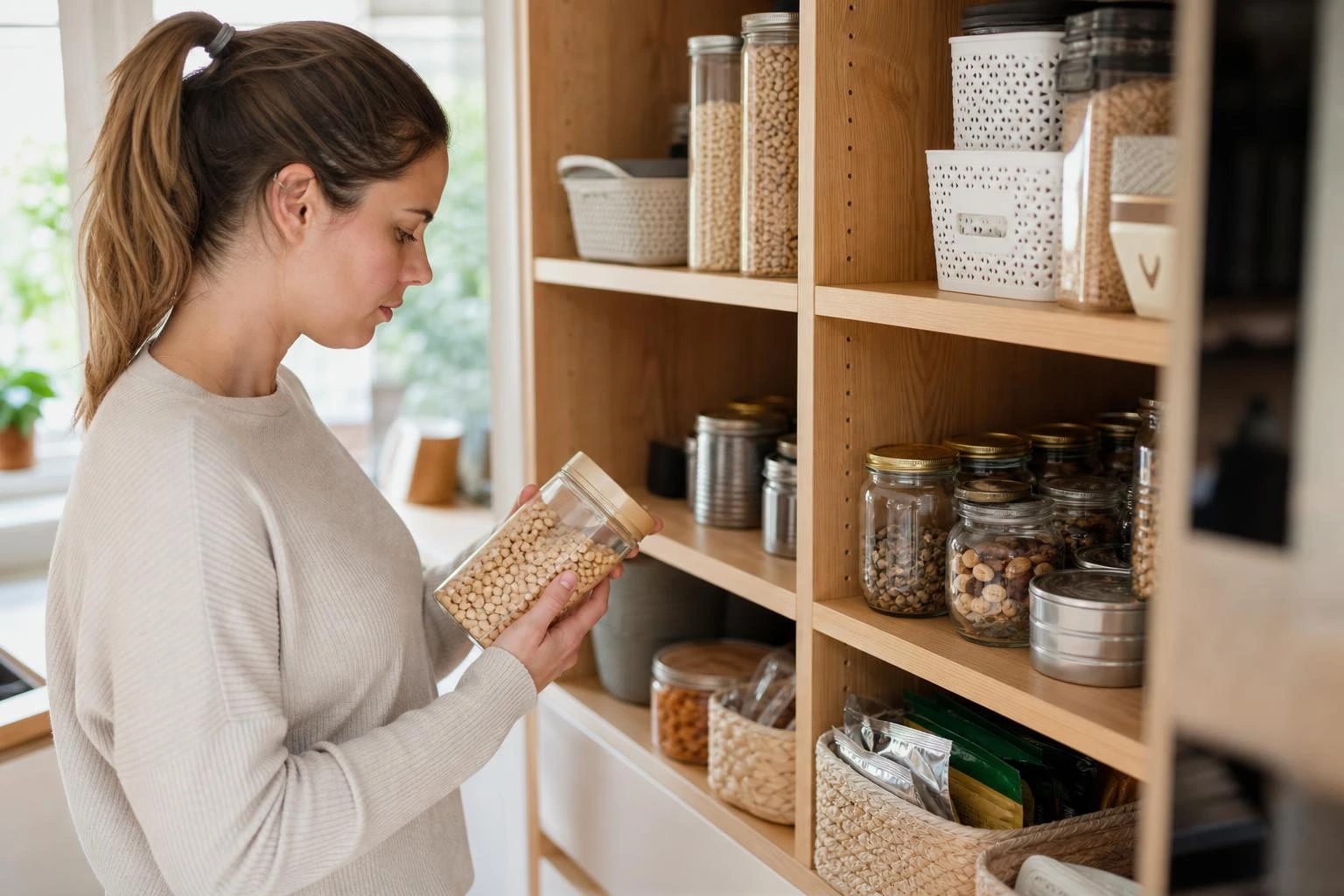
Tip: Canned beans (rinsed to reduce sodium) are a perfectly good option. When cooking feels like too much effort because your appetite is low, canned legumes make it easy to add protein and fiber to any meal in under a minute.
Low-Glycemic Foods
What they are: Foods that raise blood sugar slowly and gradually rather than causing sharp spikes.
Why they matter on Ozempic: Ozempic is FDA-approved for type 2 diabetes management. Even for people using it primarily for weight loss, steady blood sugar reduces energy crashes, cravings, and the metabolic stress that comes with glucose roller coasters. Low-glycemic foods complement what the medication is already doing.
Best examples: Most non-starchy vegetables, berries, apples, pears, legumes, whole grains, nuts, seeds, plain yogurt.
What to limit: White bread, sugary cereals, fruit juice, candy, white rice in large portions, and processed snack foods. These spike blood sugar quickly and provide minimal nutrition.
Micronutrient-Dense Foods
What they are: Foods that pack a high concentration of vitamins and minerals per calorie.
Why they matter on Ozempic: This is one of the most overlooked concerns. Researchers from UCL and the University of Cambridge warn that many people on GLP-1 medications may not be receiving adequate nutrition guidance, and that reduced food intake can compromise dietary quality. Separate research has found that deficiencies in vitamin D, B12, folic acid, copper, and zinc are detected among people with obesity taking GLP-1 receptor agonists.
When you’re eating 16 to 39% fewer calories, nutrient-poor foods carry a real cost. Every meal needs to deliver.
Best examples:
- B12: Eggs, fortified cereals, nutritional yeast, dairy, fish
- Vitamin D: Fatty fish, fortified milk, egg yolks, sunlight exposure
- Iron: Spinach, lentils, lean red meat, fortified cereals
- Zinc: Pumpkin seeds, chickpeas, cashews, beef
- Folic acid: Leafy greens, legumes, fortified grains, asparagus
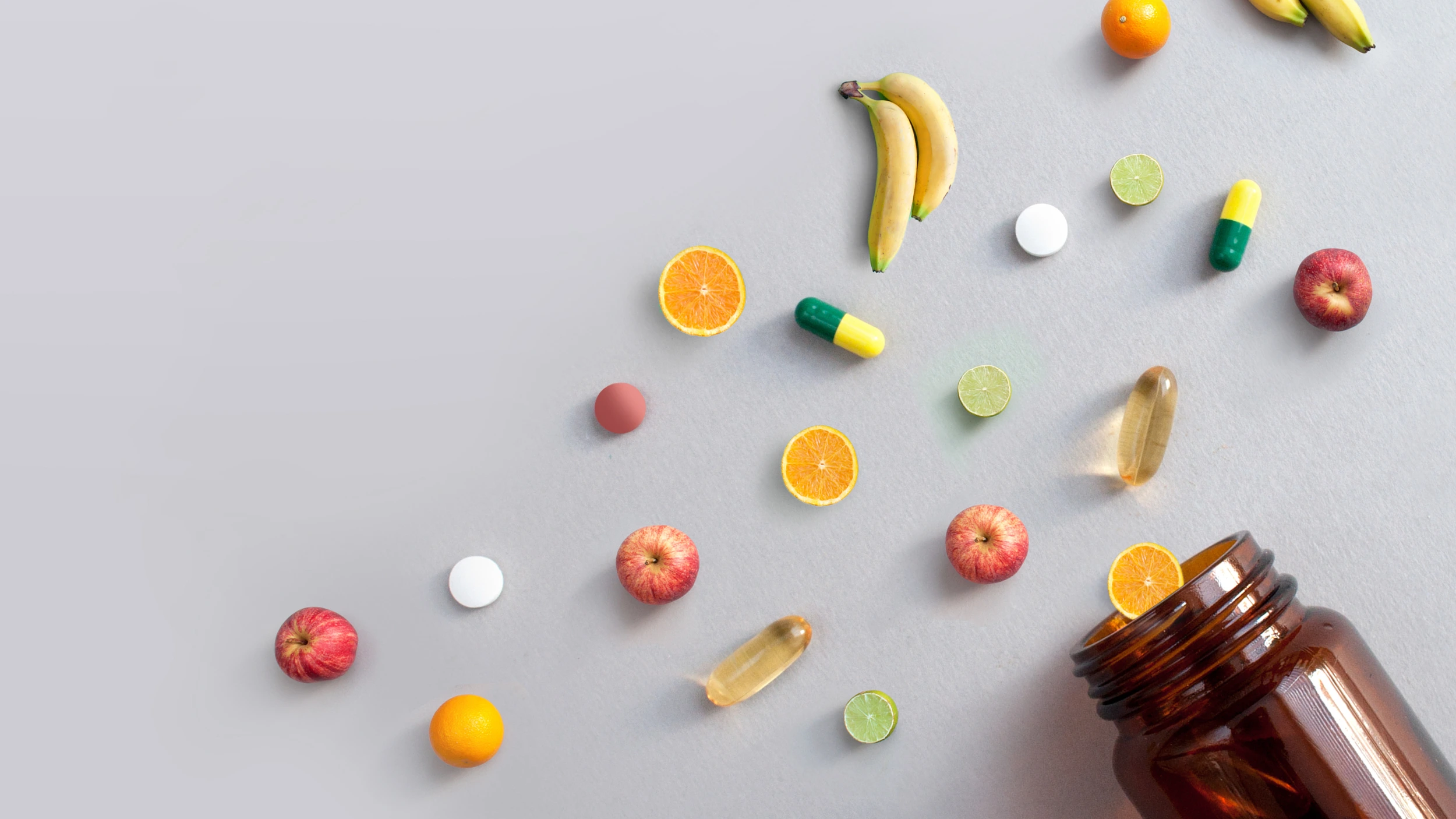
Tip: A daily multivitamin can serve as insurance, but it shouldn’t replace food sources. Whole foods provide fiber, phytonutrients, and absorption advantages that supplements can’t replicate.
Non-Starchy Vegetables
What they are: Vegetables that are low in calories and carbohydrates but high in volume, fiber, and micronutrients.
Why they matter on Ozempic: These vegetables let you fill your plate without overwhelming your stomach. They provide the fiber and vitamins your body needs while keeping caloric density low. The AACE advisory emphasizes a diversity of fruits and vegetables as central to eating well on GLP-1 medications.
Best examples: Broccoli, spinach, cauliflower, bell peppers, zucchini, asparagus, mushrooms, green beans, tomatoes, cucumbers, cabbage.
Tip: Fill half your plate with non-starchy vegetables at lunch and dinner. If raw vegetables feel too harsh on your stomach, lightly steaming or roasting them makes them easier to digest while preserving most nutrients.
Omega-3-Rich Foods
What they are: Foods that provide omega-3 fatty acids, a type of polyunsaturated fat with anti-inflammatory properties.
Why they matter on Ozempic: Omega-3s support heart health, which matters because many Ozempic users have overlapping cardiovascular risk factors. Fish also happens to be one of the better-tolerated protein sources on GLP-1 medications. Its softer texture and lighter feel make it more appealing than heavier meats for people experiencing shifts in food preferences.
Best examples: Salmon, mackerel, sardines, herring, trout, walnuts, flaxseeds, chia seeds, hemp seeds.
Tip: Canned salmon and sardines (with bones) deliver omega-3s, protein, and calcium in one inexpensive, shelf-stable package. Keep a few cans in the pantry for days when cooking feels impossible.
Plant-Based Proteins
What they are: Protein sources derived from plants rather than animals.
Why they matter on Ozempic: Many GLP-1 users report that meat becomes unappealing, sometimes intensely so. Practitioners in online communities describe this as one of the more surprising side effects, with chicken and red meat being the most commonly rejected foods. Plant-based proteins tend to be lighter and easier to digest, making them an important backup (or primary source) for hitting protein targets.
Best examples: Tofu, tempeh, edamame, lentils, chickpeas, hemp seeds, nutritional yeast, seitan, black beans.
Tip: If meat aversion hits you, don’t force it. Switch to plant-based options and supplement with eggs, Greek yogurt, and protein shakes. The goal is total daily protein, not the source. For more ideas, check out these high-protein breakfasts that don’t require eggs.
Protein Shakes and Smoothies
What they are: Liquid meals or supplements that deliver concentrated protein in drinkable form.
Why they matter on Ozempic: When solid food feels heavy or unappealing (which happens often on GLP-1 medications), liquid protein is the most practical way to hit your daily targets. A well-made smoothie can deliver 30 to 40 grams of protein in a format that goes down easier than a chicken breast.
Best examples: Whey protein powder blended with fruit and spinach, plant-based protein powder (pea, hemp, or rice) with banana and nut butter, collagen peptides stirred into coffee, Greek yogurt-based smoothies.
Caution: Read labels carefully. Many premade protein shakes contain added sugars, artificial sweeteners, and fillers that can worsen GI symptoms. Look for options with minimal ingredients and at least 20 grams of protein per serving.
Tip: Blend a smoothie the night before and refrigerate it. On mornings when you have zero appetite, sipping something cold and pre-made removes the barrier of having to think about food.
Foods to Limit or Avoid on Ozempic
Knowing what foods to eat with Ozempic is half the equation. Knowing what to avoid is the other half.
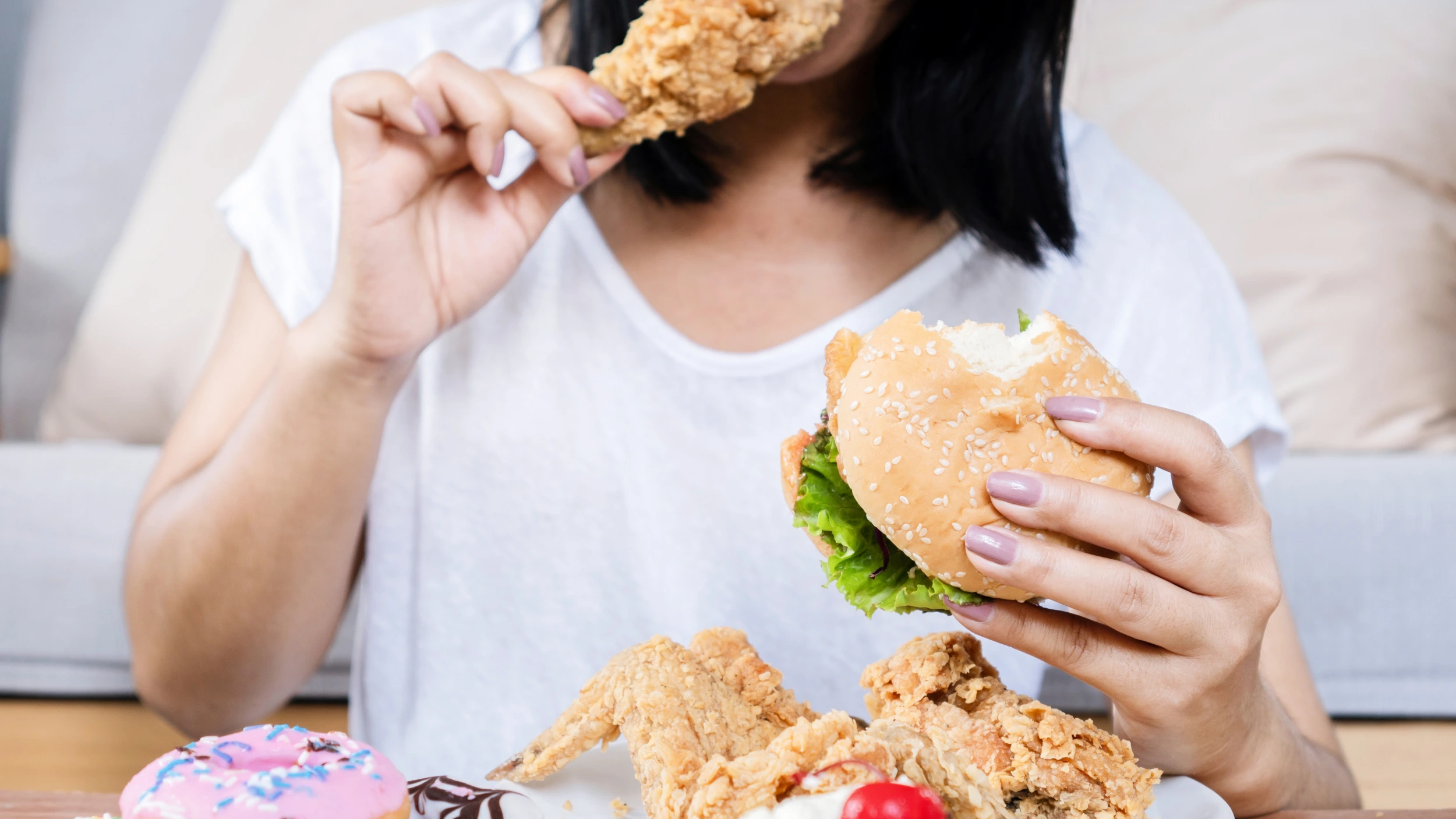
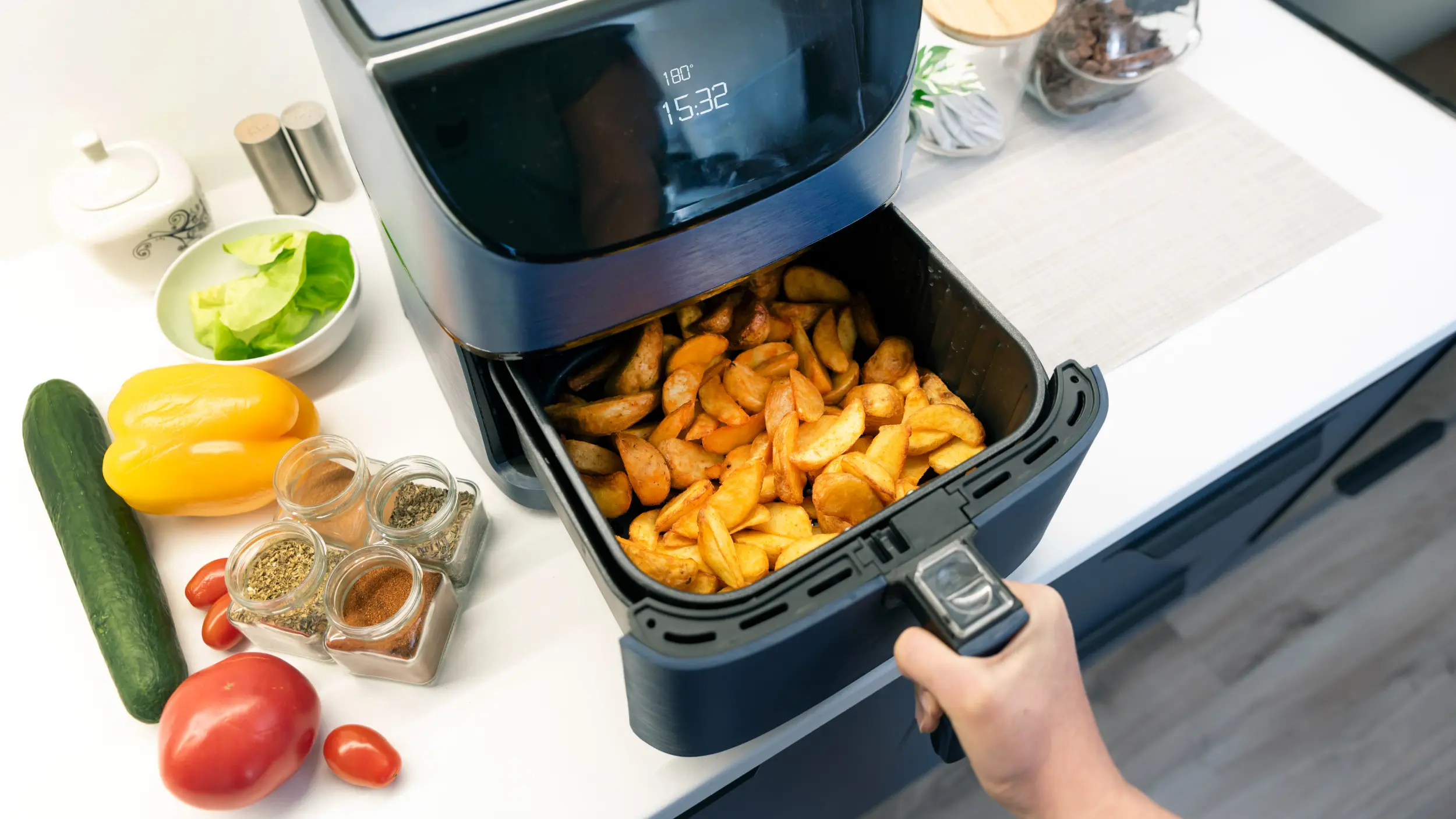
High-fat and fried foods. These slow an already-delayed digestive system. French fries, fried chicken, heavy cream sauces, and fast food are among the most commonly reported nausea triggers among GLP-1 users.
Sugary foods and drinks. Soda, candy, pastries, and fruit juice spike blood sugar, deliver empty calories, and provide almost no nutritional value during a period when every calorie needs to count.
Highly processed foods. Chips, packaged snacks, frozen meals loaded with sodium and preservatives. These take up precious stomach capacity without delivering the protein, fiber, or micronutrients your body needs.
Alcohol. Many GLP-1 users report reduced tolerance to alcohol. Beyond that, alcohol interferes with blood sugar management, adds empty calories, and can worsen nausea. If you drink, do so sparingly and never on an empty stomach.
Spicy foods. Capsaicin and strong spices can amplify nausea, heartburn, and abdominal discomfort, particularly in the first few months or after dose increases.
Carbonated beverages. The gas from carbonation compounds the bloating many users already experience. Swap sparkling water for still water, at least during the adjustment period.
Large portions of anything. Even healthy foods cause problems in large quantities when your stomach empties slowly. Four to five smaller meals beat three large ones every time.
A note on “GLP-1 Friendly” food labels. Companies like Conagra and Nestlé have started adding “GLP-1 friendly” labels to packaged foods. Conagra’s Healthy Choice line features an “On Track” badge on 26 products. This sounds helpful, but as one registered dietitian told NPR, “there is absolutely no regulated or medically defined standard, so the labels are just marketing.” Don’t let a label replace actual nutritional awareness. Check the protein, fiber, and calorie content yourself.
Practical Eating Strategies on Ozempic
Knowing the right foods only helps if you can actually eat them consistently. These strategies address the real-world challenges of eating well while your appetite is suppressed.
Eat protein first. With limited stomach capacity, protein must come before carbs and vegetables on your plate. If you can only eat half a meal, make sure the protein half gets eaten.
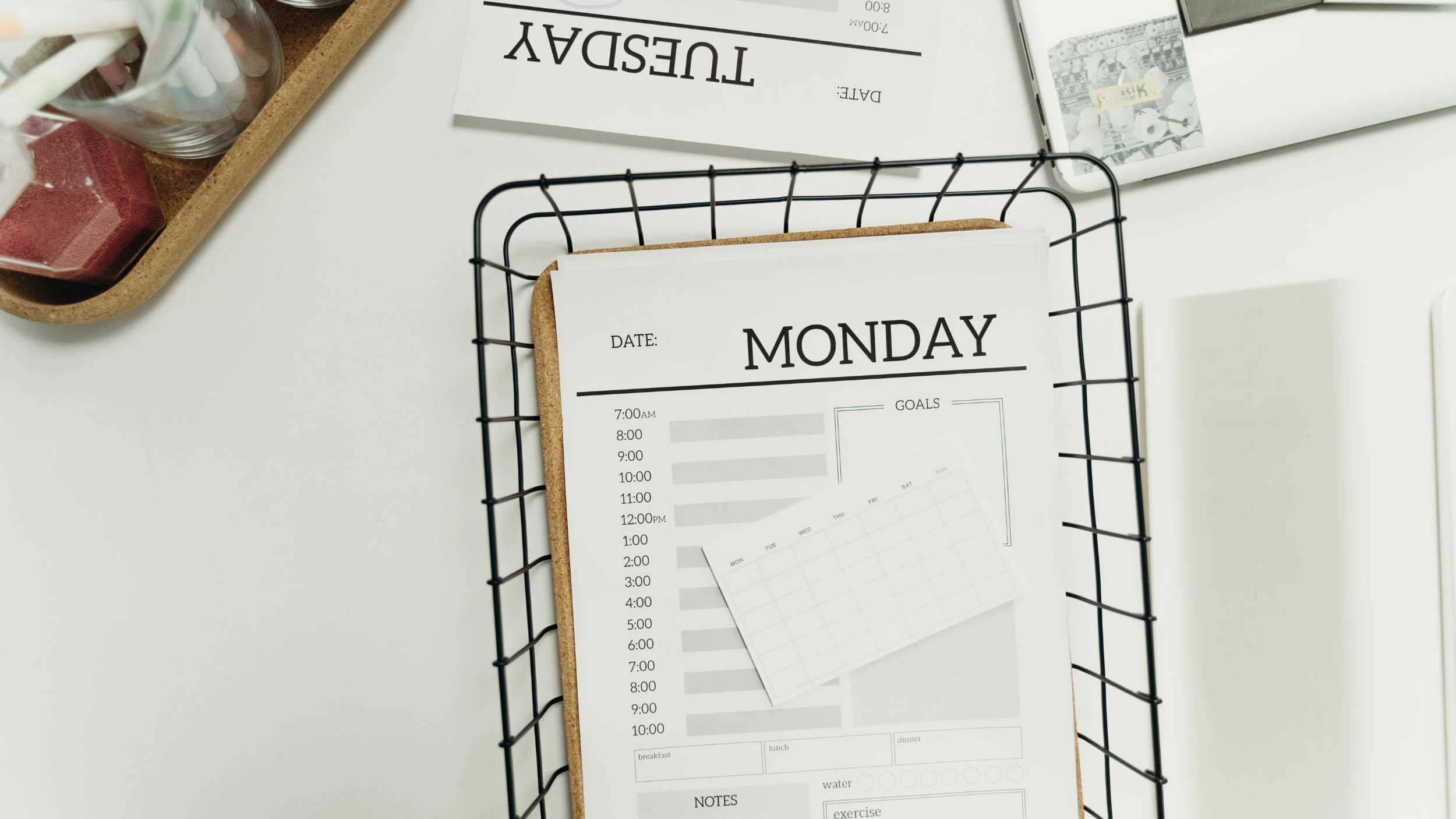
Smaller meals, more often. Four to five smaller meals spread throughout the day reduce nausea and help you absorb more total nutrition than trying to force three normal-sized meals.
Plan around your injection. Many users find GI side effects are worst in the 24 to 48 hours after injection. Stock bland, easy-to-digest foods for those days and save more adventurous eating for later in the week.
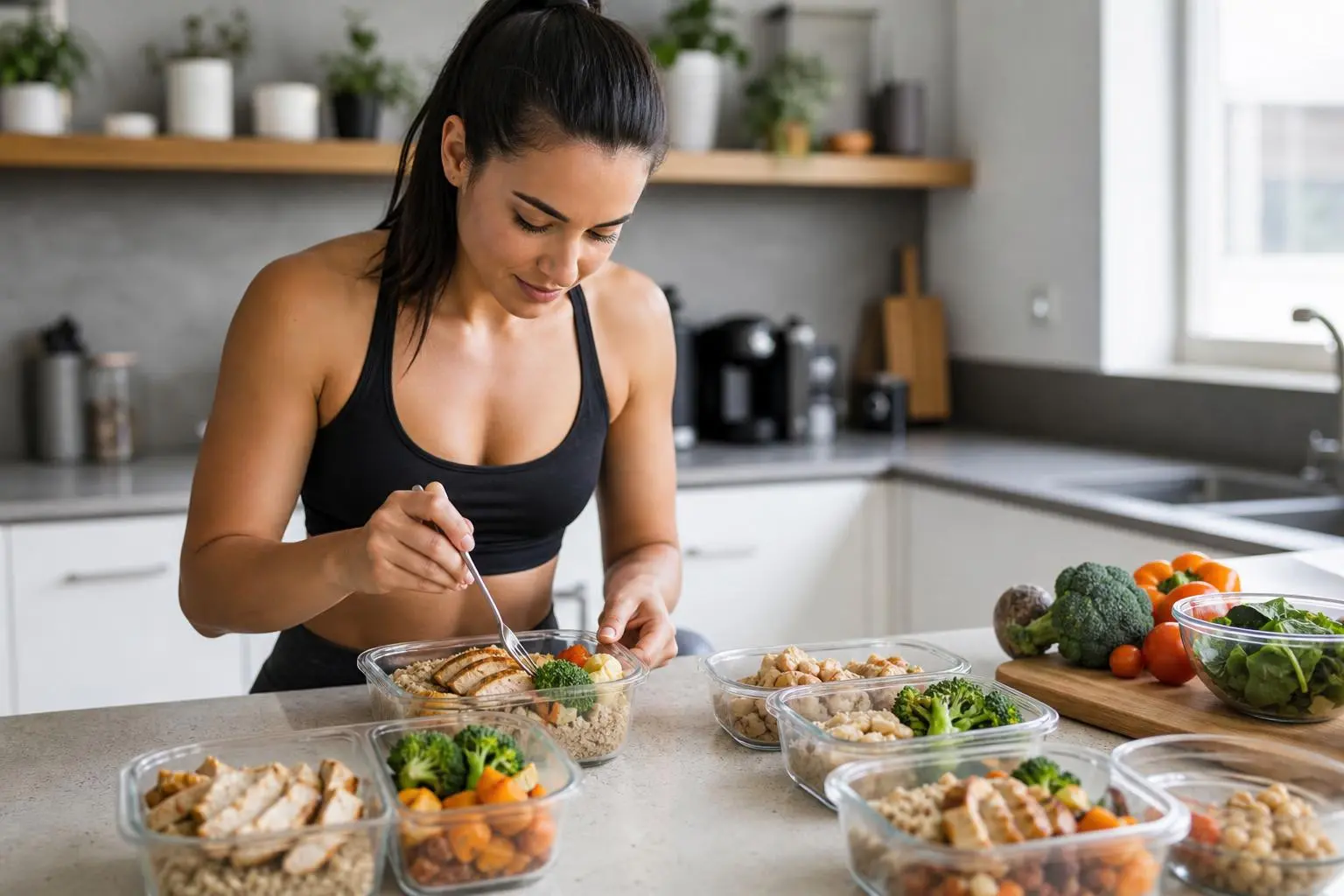
Meal prep when you can. Reduced appetite makes it easy to skip meals entirely. Having prepared food in the fridge removes the decision-making barrier. Even simple prep (grilled chicken portioned out, washed vegetables, pre-made smoothie ingredients) makes a difference.
Track protein for a few weeks. Most people dramatically overestimate their protein intake. Tracking it (even with a simple app) for two to three weeks reveals whether you’re actually hitting 1.2 to 1.6 g/kg. If you’re interested in why protein has such an outsized effect on appetite and body composition, the protein leverage hypothesis explains the science.
Build habits that last beyond the medication. Research shows that patients receiving both GLP-1 therapy and structured nutrition guidance were more likely to sustain weight loss after discontinuation. What you eat on Ozempic should be the foundation of how you eat afterward. For more on this, read about keeping weight off after stopping weight loss medication.
When to Work with a Registered Dietitian
The 2025 AACE/TOS joint advisory is direct on this point: structured nutrition guidance alongside GLP-1 therapy produces greater weight loss, better adherence, and more sustainable outcomes. Meanwhile, researchers from UCL and Cambridge found that most GLP-1 users simply aren’t getting adequate nutritional support, creating a real risk that reduced food intake could compromise dietary quality.
Consider working with an RD if you’re dealing with persistent nausea that limits your food intake, visible muscle loss or weakness, confusion about how to hit protein targets, weight loss plateaus, or difficulty planning meals that account for the medication’s effects.
Nearly one-fifth of patients in semaglutide clinical trials discontinued treatment due to GI side effects. A dietitian who understands GLP-1 therapy can help you manage those side effects with targeted food strategies so you can stay on the medication long enough for it to work.
Vedic’s registered dietitians provide GLP-1 companion nutrition support, including protein-forward meal planning, side effect management, and personalized guidance based on your labs and medical history. Visits are covered by most major insurance plans, with 95% of clients paying $0 out of pocket. You can verify your benefits and get started here.
FAQ
How much protein should I eat per day on Ozempic?
The AACE/TOS/ASN/OMA joint advisory recommends 1.2 to 2.0 g/kg of adjusted body weight per day for people on GLP-1 medications during significant weight loss. For practical purposes, aim for at least 30 to 40 grams of protein per meal. Research shows that higher protein intake is directly linked to less muscle loss and better blood sugar outcomes.
Can I eat rice and beans on Ozempic?
Yes, and this is actually one of the most efficient food combinations for GLP-1 users. Together they form a complete protein while providing fiber and complex carbohydrates. Choose brown rice over white when possible for lower glycemic impact and more fiber.
What foods help with Ozempic nausea?
Bland, low-fat foods are most helpful: crackers, plain toast, bananas, applesauce, broth, and plain rice. Eat small amounts frequently rather than large meals. Ginger tea can also settle the stomach. Avoid greasy, spicy, or heavily seasoned foods, especially in the 1 to 2 days following your injection.
Should I take vitamins while on Ozempic?
Research shows that deficiencies in vitamin D, B12, zinc, folic acid, and copper are more common among people on GLP-1 medications. A multivitamin can help fill gaps, but prioritize getting these nutrients from food first. Ask your doctor or dietitian about specific supplementation based on your labs.
Why does meat taste bad on Ozempic?
Many GLP-1 users experience shifts in food preferences, particularly an aversion to rich, fatty foods and heavier meats like chicken and beef. This is related to how the medication affects reward pathways in the brain and changes your relationship with food. Plant-based proteins, fish, eggs, and protein shakes are good alternatives if meat becomes unappealing.
Are “GLP-1 friendly” foods on store shelves worth buying?
Not necessarily. There is no regulated or medically defined standard for this label. It’s a marketing term. Some of these products may happen to be high-protein and high-fiber, which is genuinely helpful. But check the nutrition label yourself rather than trusting the badge.
How many meals should I eat per day on Ozempic?
Most dietitians and clinical guidelines recommend 4 to 5 smaller meals rather than 3 standard-sized ones. This approach reduces nausea, helps your body absorb nutrients more effectively, and prevents the discomfort that comes from filling an already slow-to-empty stomach.
Can a dietitian really help with Ozempic side effects?
Yes. The 2025 AACE/TOS advisory specifically recommends professional nutrition guidance alongside GLP-1 therapy. A registered dietitian can create a personalized eating plan that manages GI side effects, ensures adequate protein and micronutrient intake, and helps you build habits that last beyond the medication.
.svg)
.svg)









.webp)







.webp)
.webp)
.webp)
.webp)
.webp)
.webp)
.webp)
.webp)
.webp)
.webp)
.webp)



.webp)

.webp)
.webp)
.webp)
.webp)


.webp)

.webp)
.webp)