.webp)

%2B(7).webp)
.png)
About 12% of U.S. adults have now utilized a GLP-1 medication for weight management. However, data shows that half of users stop within a year, and nearly 85% of those without type 2 diabetes quit by year two [1].
Whether due to insurance changes, side effects, or reaching a goal, the question is the same: How do you keep weight off when the medication is gone? To succeed, you must replace the biological "heavy lifting" of the drug with a strategic, habit-based foundation.
1. GLP-1 Receptor Agonists (The Mechanism)
GLP-1 receptor agonists (semaglutide, tirzepatide) mimic a natural gut hormone to suppress appetite and slow gastric emptying. When you stop taking brands like Wegovy or Zepbound, these biological effects reverse. Understanding that the medication was managing a biological signaling issue—not just "melting fat"—is key to replacing it with nutritional strategies.
2. Weight Regain (The GLP-1 Rebound)
The "GLP-1 rebound" is a significant concern, but the data is evolving:
- Clinical Trials: The STEP 1 trial extension found that one year after stopping 2.4 mg of semaglutide, patients regained roughly two-thirds of their lost weight [2].
- 2025 Meta-Analysis: Research published in the BMJ showed an average regain of $0.88 \text{ lbs}$ per month after cessation [3].
- 2026 Real-World Data: A Cleveland Clinic study of nearly 8,000 adults found that 45% maintained or continued to lose weight after one year [4].
The Difference? Real-world success stories involve "next-step" planning—switching medications, adding structured lifestyle interventions, or working with a dietitian before the last injection.
3. Metabolic Adaptation
After significant weight loss, your body burns fewer calories at rest than predicted. This persistent drop in resting metabolic rate (RMR) is a physiological response to an energy deficit.
- The Math: If you ate $1,800 \text{ kcal}$ to lose weight, your adapted metabolism might require only $1,600 \text{ kcal}$ to maintain it.
- The Fix: You must build metabolically active muscle through resistance training to "turn the thermostat" back up.
4. Set Point Theory
Your body is biologically programmed to defend a specific weight range. When you drop below this "set point," your brain increases hunger hormones and makes food feel more rewarding. Dr. Susan Wolver (VCU Health) notes that the body treats weight loss as a "catastrophe" and fights to restore the status quo [5]. Maintenance requires strategies strong enough to counteract this survival programming.
5. Food Noise
One of the most reported benefits of GLP-1s is the "silencing" of food noise—the intrusive mental preoccupation with eating.
- The Return: The return of food noise is the single hardest part of stopping medication.
- Management: Pre-made meal decisions and high-protein/high-fiber intake can help dampen these signals.
6. Lean Body Mass (Muscle Preservation)
Roughly 25–40% of weight lost during caloric restriction can come from muscle rather than fat [6]. Muscle is metabolically active; losing it makes weight maintenance significantly harder.
Expert View: Dr. Caroline Apovian (Brigham and Women’s Hospital) emphasizes that the brain needs glucose, and if you don't eat enough protein, your body will break down muscle to get it.
7. Tapering (Dose Reduction)
Stopping "cold turkey" can cause an overnight surge in appetite. Tapering involves gradually stepping down through dose tiers. This gives your body—and your habits—time to adjust. Note: Never adjust your dosage without your prescriber’s guidance.
8. The Maintenance Phase
Maintenance is psychologically harder than losing. You lose the "positive reinforcement" of a dropping scale, but the biological pressure to regain remains. This phase requires shifting your focus from "the goal" to "the system."
The Post-Medication Action Plan
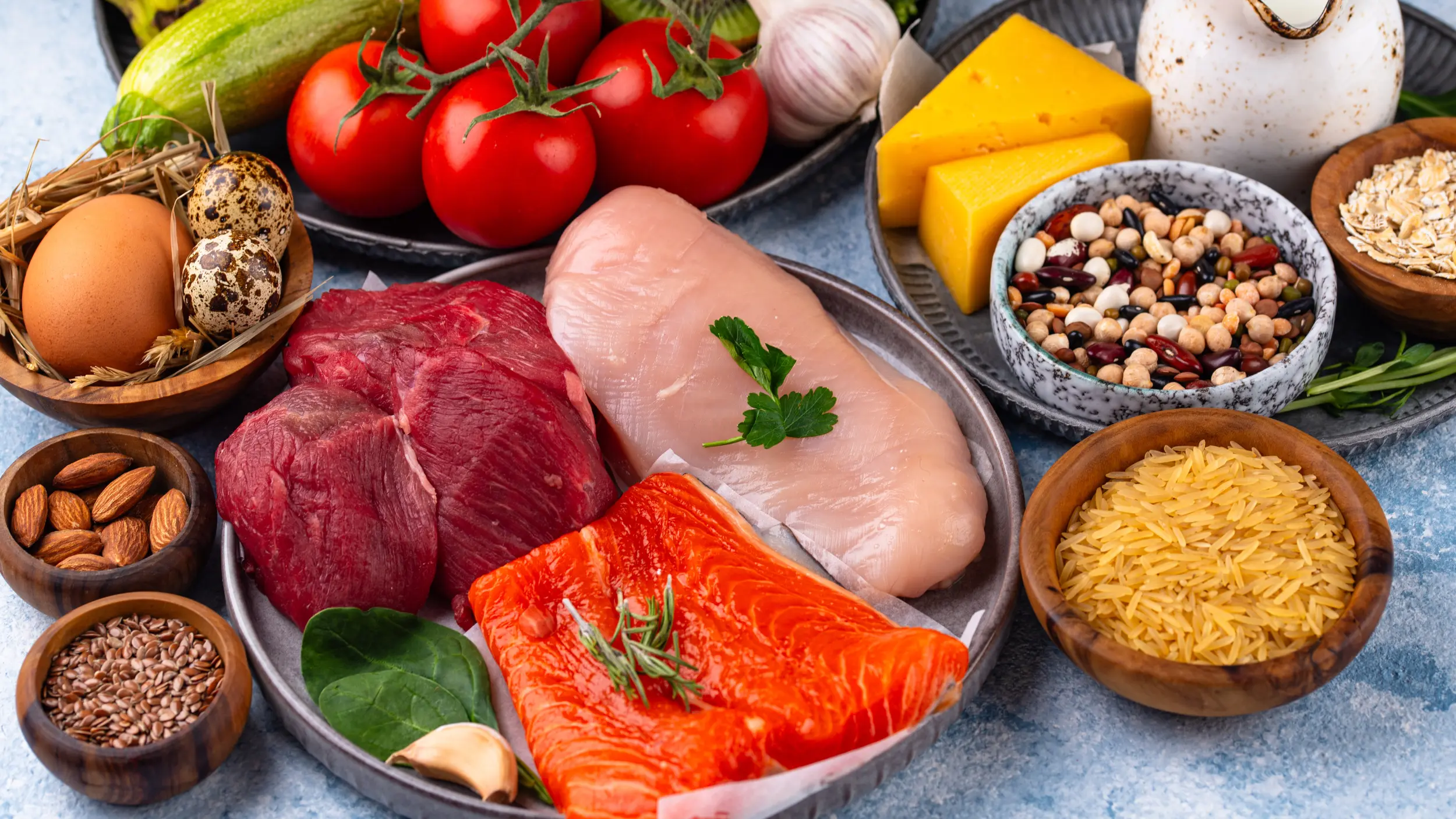
9. Protein-Forward Eating
Protein is the most satiating macronutrient and partially fills the gap left by medication.
- Daily Total: 1.2 - 1.5 g per kg of ideal body weight
- Minimum: 90 g per day (VCU Health Recommendation)
- Per meal: 25-30 g
10. Fiber and Natural GLP-1 Production
Certain fermentable fibers stimulate your gut's L-cells to release natural GLP-1. Aim for 25–30 grams of fiber per day from beans, lentils, oats, and chia seeds to promote satiety naturally [7].
11. Strength Training
Strength training is the most-cited factor among successful weight maintainers. It preserves muscle and counteracts metabolic adaptation.
- Target: 2–3 sessions of resistance training per week.
- Benefit: Muscle burns calories around the clock, whereas cardio only burns them during the activity.
12. Medical Nutrition Therapy (MNT)
Working with a Registered Dietitian for MNT provides a clinical plan for your transition. Cleveland Clinic data confirms that patients who added structured lifestyle interventions like MNT were the most likely to maintain their loss [4].
At Vedic Nutrition, we provide GLP-1 companion care covered by insurance—95% of our clients pay $0 out of pocket.
Frequently Asked Questions
How much weight do people regain after stopping Wegovy?
Clinical trials suggest two-thirds of the weight returns within a year, but real-world data from 2026 shows that 45% of patients maintain their weight when utilizing lifestyle support or alternative medications.
What is the "Protein Leverage Hypothesis"?
It suggests your body will drive hunger until it meets a specific protein threshold. If you hit your protein targets, you are less likely to experience excessive "food noise."
Is tapering off Wegovy better than stopping suddenly?
Yes. Tapering allows for a gradual return of appetite, providing a window to solidify the exercise and nutrition habits needed for maintenance.
References
- JAMA Network Open. (2024). "Persistence with GLP-1 medications in real-world settings."
- Wilding, J. P. H., et al. (2022). "Weight regain and cardiometabolic effects after withdrawal of semaglutide: The STEP 1 trial extension." Diabetes, Obesity and Metabolism.
- BMJ. (2025). "Weight trajectories following discontinuation of GLP-1 receptor agonists: A meta-analysis."
- Cleveland Clinic. (2026). "Real-world weight maintenance after GLP-1 discontinuation: A study of 7,938 adults."
- Wolver, S. (2024). "The Biology of the Set Point in Obesity Management." VCU Health Clinical Review.
- Apovian, C. (2023). "Muscle loss during GLP-1 treatment." Brigham and Women’s Hospital Rounds.
- Swick, L. (2025). "Fiber-induced GLP-1 secretion and satiety." Journal of Nutritional Biochemistry.
.svg)
.svg)






.webp)

.webp)
.webp)
.webp)
.webp)

.webp)
.webp)
.webp)
.webp)

.webp)