.webp)
.webp)
%2B(7).webp)
.png)
At a Glance
The Oatzempic weight loss trend has exploded across social media in 2026, promising rapid results with a simple oatmeal-based drink. As a registered dietitian specializing in women's metabolic health, I'm breaking down exactly what Oatzempic is, how it claims to work, and the real science (or lack thereof) behind this viral trend. You deserve the full picture before jumping on any weight loss bandwagon.
Understanding the Oatzempic Trend: More Than Just Oatmeal?
Let's get straight to it: what is Oatzempic, exactly? The Oatzempic trend centers around a blended drink typically made with rolled oats, water, and lime juice—sometimes with added cinnamon or other spices. The name is a clever (and intentionally misleading) play on Ozempic, the GLP-1 medication that's been making headlines for its weight loss effects.
The Oatzempic ingredients are deceptively simple:
- 1/2 cup rolled oats
- 1 cup water
- Juice from 1/2 lime
- Optional: cinnamon, vanilla extract
You blend everything together and drink it on an empty stomach, usually first thing in the morning. Proponents claim this concoction keeps you full for hours, reduces cravings, and leads to significant weight loss—some reports suggest 10-15 pounds in a month.
The supposed Oatzempic benefits stem from oats' high soluble fiber content, specifically beta-glucan. This fiber does form a gel-like substance in your digestive tract, which can slow gastric emptying and promote satiety [1]. The problem? You're getting about 4 grams of fiber in that drink—helpful, yes, but hardly revolutionary.
Here's what's actually happening: The Oatzempic diet essentially functions as an extreme calorie restriction approach disguised as a wellness hack. When you replace breakfast (and sometimes lunch) with a 150-200 calorie oat drink, you're creating a significant calorie deficit.
The trend gained explosive traction because it capitalizes on three powerful psychological triggers: it's easy to make, it name-drops a celebrity weight loss drug, and early adopters posted dramatic before-and-after photos. But correlation isn't causation, and viral doesn't equal validated.
Oatzempic vs. Ozempic: What's the Real Difference?
I need you to understand this clearly: Oatzempic vs Ozempic is not a fair comparison. They're fundamentally different interventions operating through completely separate mechanisms.
Ozempic (semaglutide) is an FDA-approved GLP-1 receptor agonist that mimics a hormone naturally produced in your gut. It regulates blood sugar, slows gastric emptying, and directly impacts appetite centers in your brain [2]. It's a pharmaceutical intervention prescribed by physicians for type 2 diabetes and, in higher doses as Wegovy, for obesity management.
Oatzempic is... oatmeal. In liquid form. With lime.
The Oatzempic results people are reporting typically fall into two categories:
- Initial water weight loss: When you dramatically cut calories, your body depletes glycogen stores, which hold water. This creates rapid scale movement that feels exciting but isn't fat loss.
- Actual fat loss from severe restriction: If you're replacing multiple meals with a low-calorie drink, yes, you'll lose weight. But you're also likely losing muscle mass, disrupting your metabolism, and setting yourself up for rebound weight gain.
I've seen clients come to me after trying the Oatzempic diet for 3-4 weeks, initially thrilled with their results, then confused and frustrated when their weight loss stalled or reversed. What they experienced was adaptive thermogenesis—your body's protective response to perceived starvation [3]. Your metabolic rate slows, hunger hormones surge, and your body becomes incredibly efficient at storing any extra calories you consume.
The potential Oatzempic dangers aren't about the oats themselves—they're about the restrictive eating pattern this trend promotes. I'm talking about:
- Nutrient deficiencies (particularly protein, healthy fats, and micronutrients)
- Blood sugar instability and energy crashes
- Muscle loss that further slows metabolism
- Disordered eating patterns and unhealthy relationships with food
- Digestive distress from sudden fiber increases without adequate hydration
If you've been struggling with cortisol belly or stress-related weight gain, severe calorie restriction can actually worsen your cortisol dysregulation, making weight loss even harder long-term.
Is Oatzempic a Safe and Sustainable Weight Loss Strategy?
Let me be your straight-shooting bestie here: the Oatzempic weight loss approach is neither particularly safe nor remotely sustainable for most women.
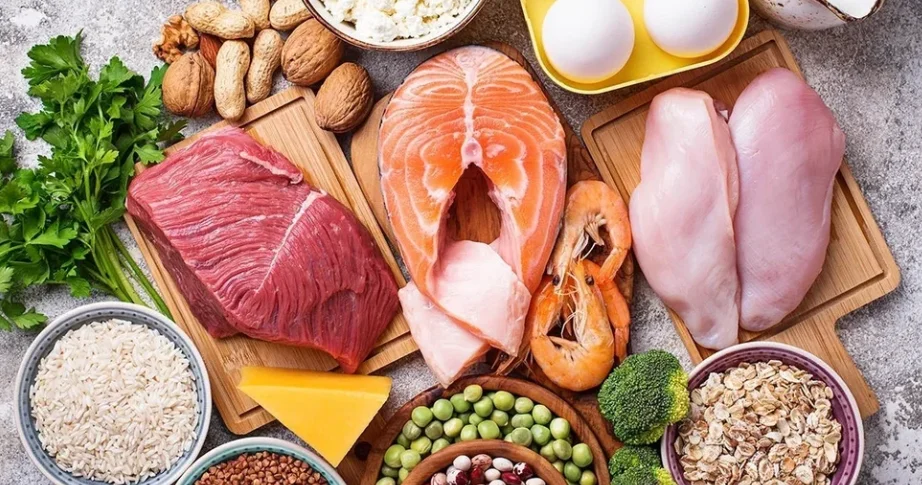
From a nutritional adequacy standpoint, replacing meals with this drink creates significant gaps. Women aged 24-45 need adequate protein (at least 0.8-1.2g per pound of ideal body weight) to maintain muscle mass, support hormone production, and sustain metabolic function. A typical Oatzempic oatmeal recipe provides maybe 5-6 grams of protein—nowhere near sufficient.
The Oatzempic side effects I've observed in clinical practice include:
- Intense hunger and food preoccupation by mid-afternoon
- Bloating and gas from sudden fiber intake without proper titration
- Fatigue and brain fog from inadequate calories and nutrients
- Hair thinning (appears 2-3 months after starting, due to nutrient deficiency)
- Menstrual irregularities in women who restrict too aggressively
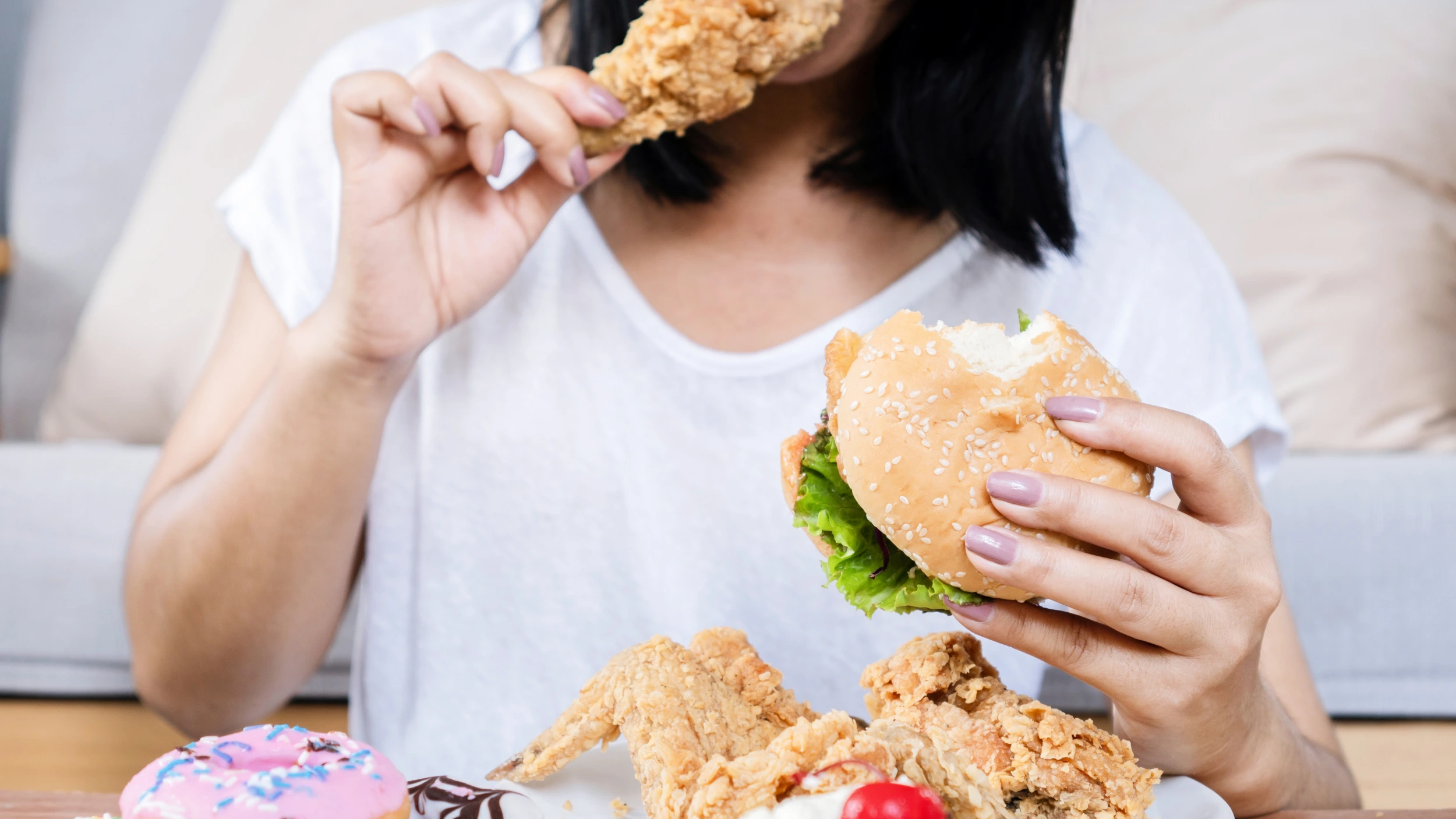
- Binge eating episodes as a physiological response to restriction
Here's what actually works for sustainable weight loss in women: addressing the root metabolic factors that influence your body's set point. This includes optimizing your stress response, improving insulin sensitivity, supporting thyroid function, and building metabolic flexibility through adequate nutrition and strategic movement.
If you're dealing with a sluggish metabolism, you might benefit from understanding how to implement a proper metabolic reset rather than jumping into another restrictive trend.
That said, if you genuinely enjoy oatmeal and want to include it in a balanced approach, here's how I'd modify the concept:
The Dietitian-Approved Version:
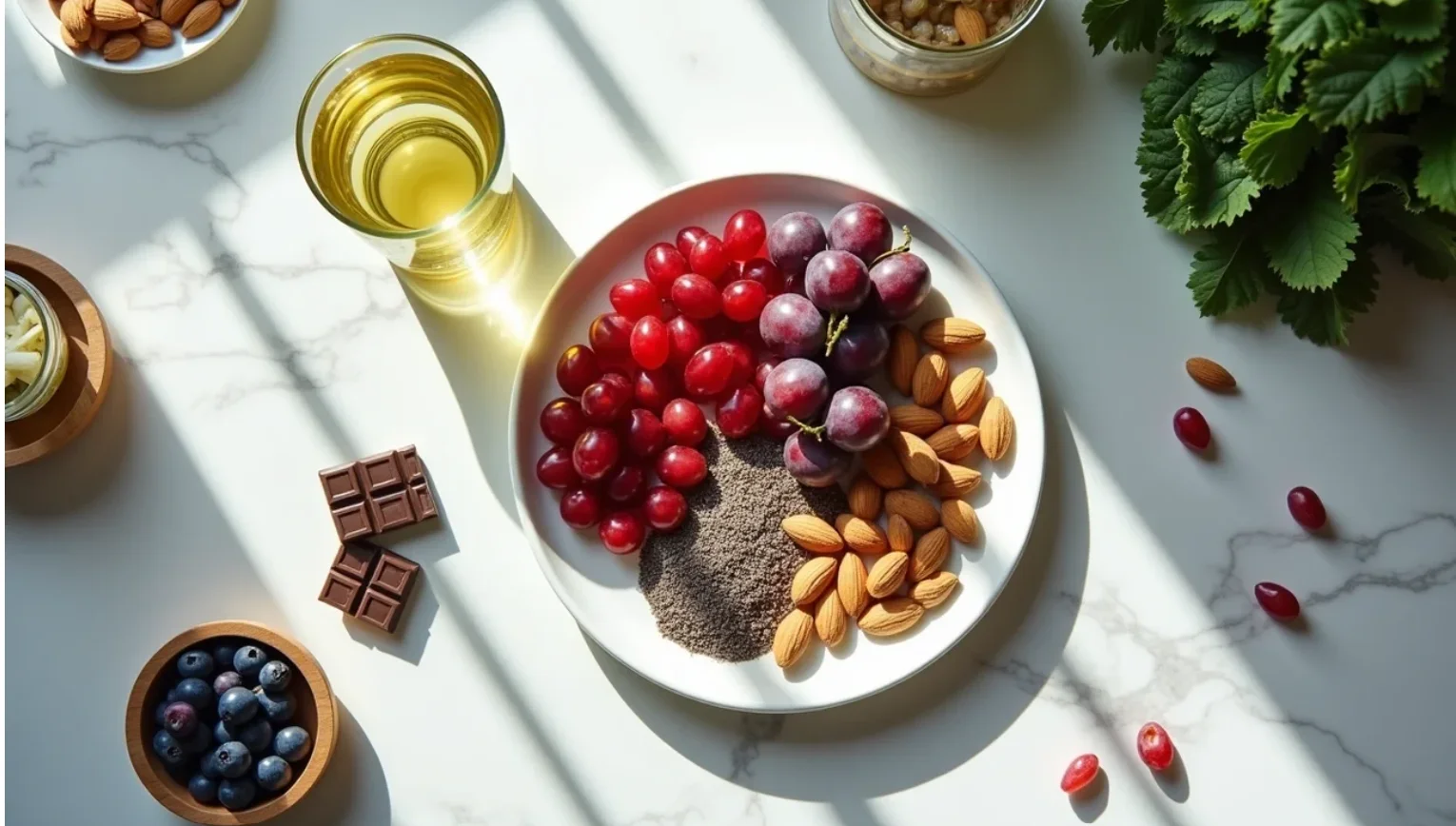
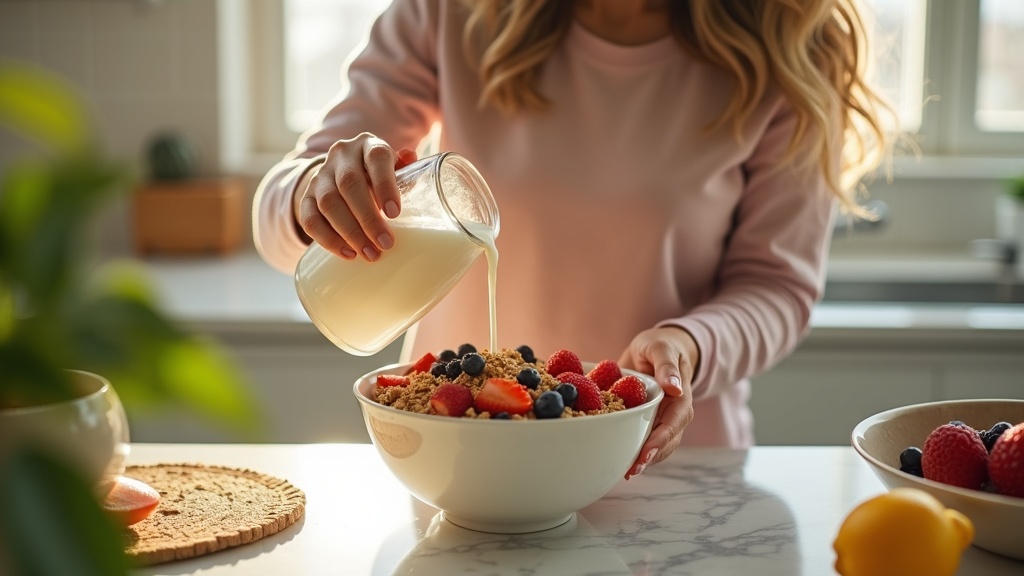
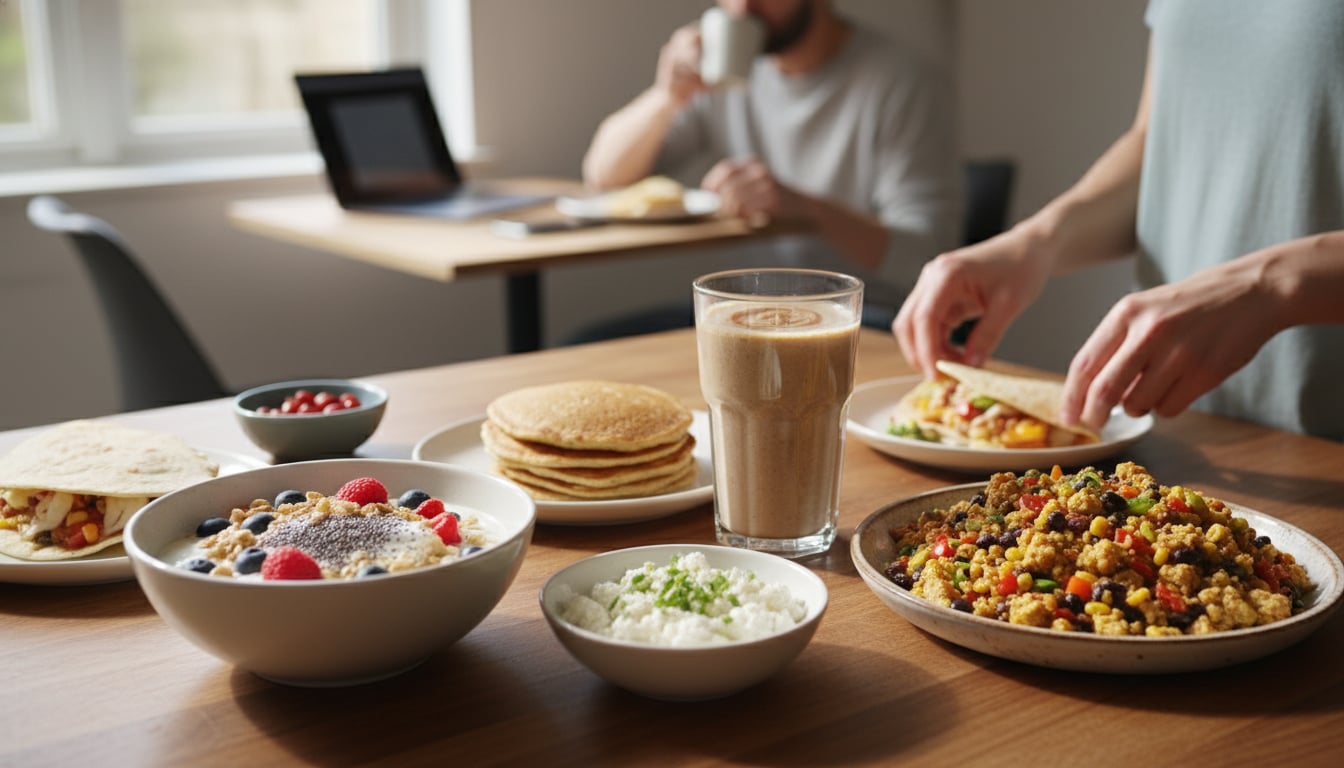
Start with overnight oats as an accompaniment to a protein-rich breakfast, not a meal replacement. Combine 1/2 cup oats with Greek yogurt or protein powder (20-25g protein), chia seeds for omega-3s, berries for antioxidants, and nuts for healthy fats. This creates a genuinely satiating meal that supports rather than sabotages your metabolism.
The soluble fiber in oats does offer legitimate benefits: it can improve cholesterol levels, support gut microbiome diversity, and provide steady energy [4]. But these benefits emerge from consistent, moderate intake as part of a varied diet—not from chugging an oat smoothie while skipping actual meals.
I've worked with hundreds of women who've cycled through restrictive trends, each time hoping this will be the one that finally works. What I've learned: your body doesn't respond to tricks or hacks. It responds to consistent, adequate nourishment, stress management, quality sleep, and movement that feels sustainable. Boring? Maybe. Effective? Absolutely.
If you're interested in evidence-based approaches to metabolic health, techniques like cold plunge therapy for brown fat activation have emerging research support—though they work best as part of a comprehensive strategy, not isolated interventions.
Frequently Asked Questions
What exactly is the Oatzempic oatmeal recipe and how do I make it?
The viral recipe calls for blending 1/2 cup rolled oats, 1 cup water, and juice from half a lime. Some versions add cinnamon. You're supposed to drink it first thing in the morning on an empty stomach, then wait 1-2 hours before eating. While there's nothing inherently harmful about this drink, using it as a meal replacement creates nutritional gaps and isn't a sustainable weight loss strategy.
Can Oatzempic actually lead to significant weight loss?
Yes, but not for the reasons claimed. Any significant weight loss from the Oatzempic diet comes from severe calorie restriction, not from any special property of the drink itself. Initial results might seem impressive due to water weight loss and a dramatic calorie deficit, but this approach typically backfires within 4-8 weeks as your metabolism adapts, hunger hormones surge, and muscle loss occurs. The weight often returns quickly once normal eating resumes.
Are there any serious Oatzempic dangers I should be aware of?
The primary dangers aren't from the oats themselves, but from the restrictive eating pattern this trend promotes. Replacing multiple meals with a low-calorie drink can lead to nutrient deficiencies (especially protein, healthy fats, iron, and B vitamins), muscle loss, metabolic slowdown, blood sugar instability, and disordered eating patterns. Women may experience menstrual irregularities, hair loss, and increased stress hormone production. If you have a history of eating disorders, diabetes, or are pregnant or breastfeeding, this approach is particularly risky.
Ready to explore sustainable weight loss solutions tailored to your unique metabolic needs? Let's chat! Book a consultation and we'll create a personalized nutrition strategy that actually works with your body, not against it.
References
[1] Rebello CJ, O'Neil CE, Greenway FL. Dietary fiber and satiety: the effects of oats on satiety. Nutrition Reviews, 2016.
[2] Wilding JPH, Batterham RL, Calanna S, et al. Once-Weekly Semaglutide in Adults with Overweight or Obesity. New England Journal of Medicine, 2021.
[3] Rosenbaum M, Leibel RL. Adaptive thermogenesis in humans. International Journal of Obesity, 2010.
[4] Whitehead A, Beck EJ, Tosh S, Wolever TM. Cholesterol-lowering effects of oat β-glucan: a meta-analysis of randomized controlled trials. American Journal of Clinical Nutrition, 2014.
.svg)
.svg)










.webp)








.webp)
.webp)
.webp)
.webp)
.webp)
.webp)
.webp)

.webp)
.webp)
.webp)



.webp)

.webp)
.webp)
.webp)
.webp)
.webp)


.webp)

.webp)
.webp)