.webp)
%2B(7).webp)
.png)
At a Glance
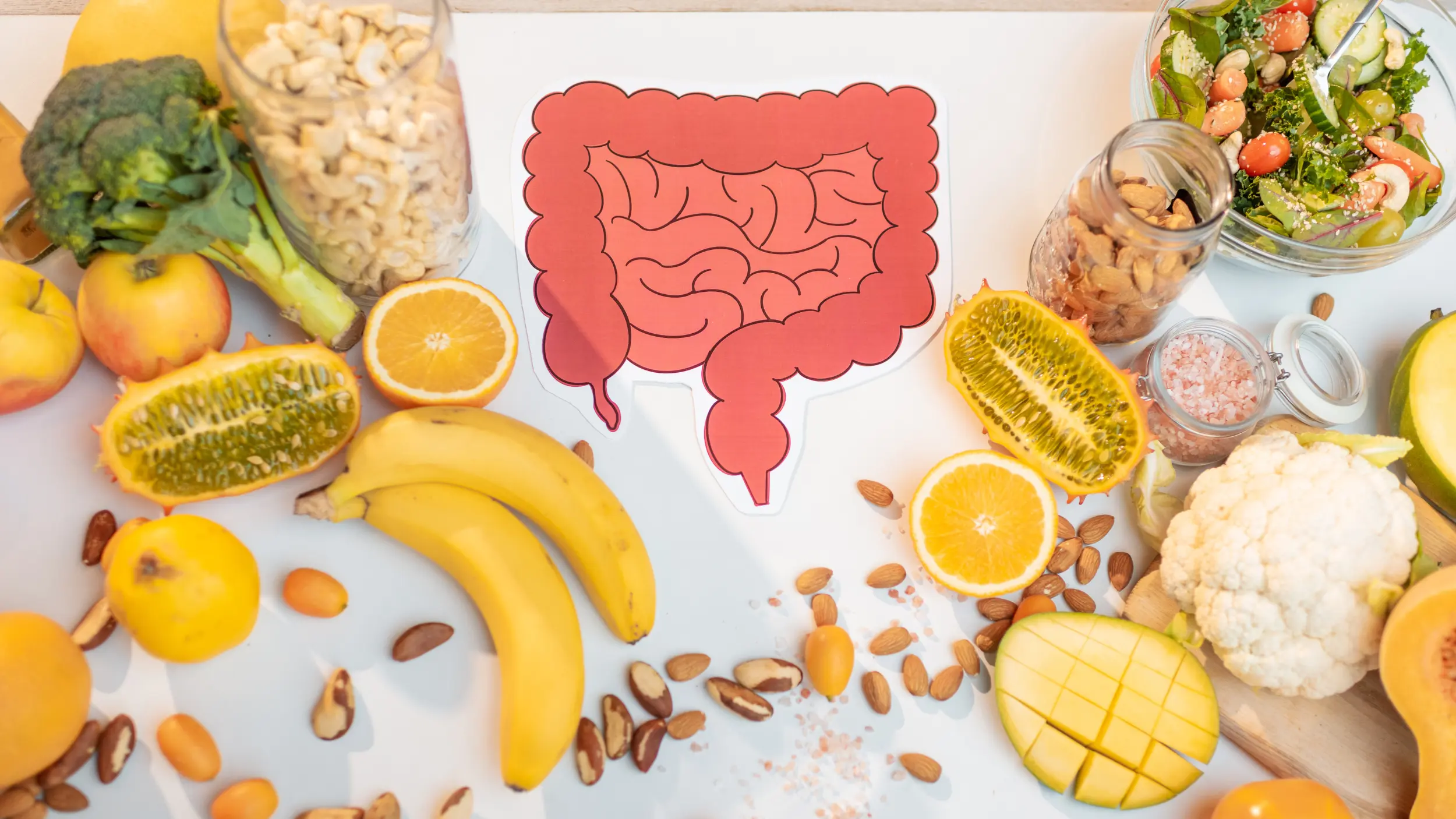
Your metabolism isn't just about calories in versus calories out—it's deeply influenced by the trillions of bacteria living in your gut. The relationship between metabolism and microbiome determines how efficiently you extract energy from food, regulate blood sugar, and even manage your weight. This guide breaks down the science and gives you practical, dietitian-approved strategies to optimize both for lasting energy and well-being.
Introduction: Your Gut's Hidden Influence on Your Energy
Ever feel like your metabolism is stuck in slow motion, no matter what you do? You're counting macros, hitting the gym, prioritizing sleep—yet your energy stays flat and the scale won't budge. Here's what most people don't realize: the answer might not be in your workout plan or meal timing, but in the trillions of microorganisms living inside your digestive tract.
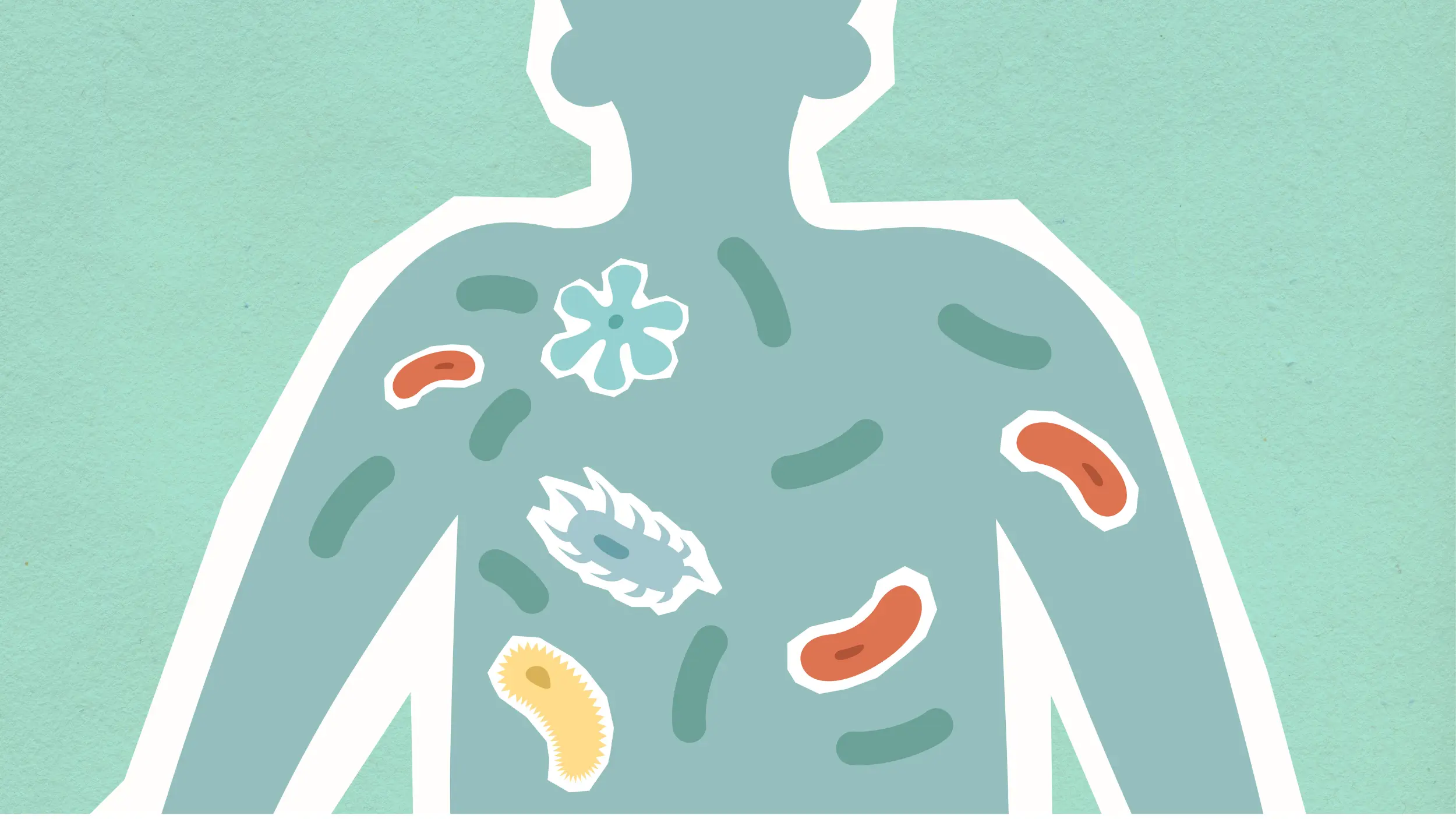
Your gut microbiome—that complex ecosystem of bacteria, fungi, and other microbes—isn't just along for the ride. These tiny organisms are active participants in how your body processes food, stores fat, and generates energy [1]. The connection between microbiome and metabolism is so powerful that researchers now consider your gut bacteria a metabolic organ in its own right [2].
Think of it this way: you're not just feeding yourself when you eat—you're feeding trillions of bacterial cells that, in turn, produce compounds affecting everything from your insulin sensitivity to your inflammatory response. When this relationship is balanced, your metabolism hums along efficiently. When it's disrupted, you might experience stubborn weight gain, unpredictable energy crashes, and frustrating metabolic resistance despite doing everything "right."
Let's explore how these two systems work together and what you can actually do about it.
What Exactly is the Microbiome and How Does it Talk to Your Metabolism?
Your gut microbiome is home to approximately 100 trillion microbial cells—that's roughly the same number as all the human cells in your body [3]. But here's the fascinating part: the composition of these bacteria varies dramatically from person to person, and this variation directly influences metabolic outcomes.
The Bacterial Players in Your Metabolic Story
Not all gut bacteria affect metabolism equally. Two dominant bacterial groups—Firmicutes and Bacteroidetes—play starring roles in how your body extracts and stores energy from food. Research shows that people with obesity tend to have a higher ratio of Firmicutes to Bacteroidetes, suggesting these bacteria are exceptionally efficient at harvesting calories from food [4].
But the microbiome metabolism connection goes way beyond simple calorie extraction:
- Your gut bacteria produce short-chain fatty acids (SCFAs) like butyrate, propionate, and acetate when they ferment fiber. These compounds directly influence how your cells respond to insulin and regulate fat storage [5].
- Certain bacterial strains produce hormones and neurotransmitters that communicate with your brain about hunger, satiety, and energy expenditure—essentially helping to set your metabolic thermostat [6].
- The gut microbiome influences bile acid metabolism, which affects how you digest fats and absorb fat-soluble vitamins crucial for hormone production and cellular energy [7].
When your microbiome is diverse and balanced, these processes work synergistically to support healthy metabolism and gut bacteria communication. You absorb nutrients efficiently, maintain steady blood sugar, and experience consistent energy throughout the day.
How Gut Bacteria Directly Impact Energy Production
Here's where it gets really practical. The relationship between gut health and metabolism shows up in your daily life in three major ways:
- Nutrient bioavailability: A healthy microbiome helps you actually use the vitamins and minerals you consume. Certain bacteria synthesize B vitamins and vitamin K, both essential for energy metabolism at the cellular level [8].
- Inflammatory regulation: An imbalanced gut produces lipopolysaccharides (LPS) that trigger low-grade inflammation—a known driver of insulin resistance and metabolic dysfunction [9]. This chronic inflammation can make your cells less responsive to insulin, leading to blood sugar instability and fat storage.
- Mitochondrial function: Emerging research suggests that bacterial metabolites influence how well your cellular powerhouses (mitochondria) generate ATP, the energy currency your body runs on [10].
If you've been struggling with hormone balance and metabolic wellness, understanding this gut-metabolism axis is absolutely crucial. Your hormones and microbiome are in constant conversation, each influencing the other in ways that directly impact your energy and weight.
Nurturing Your Gut for a Brighter Metabolism: Simple Diet & Lifestyle Tips
Now for the good stuff—what can you actually do to optimize this relationship? The beauty of the microbiome and weight loss connection is that it responds relatively quickly to dietary and lifestyle changes. You can start seeing shifts in energy and digestion within days, though deeper metabolic changes take a few weeks to months.
Foods That Feed Your Metabolic Microbes
Your gut bacteria thrive on diversity. The more varied your plant food intake, the more diverse your microbiome becomes—and diversity is strongly associated with metabolic health [11].
Prioritize these microbiome-boosting foods:
- Prebiotic-rich vegetables like asparagus, garlic, onions, leeks, and Jerusalem artichokes provide the specific fibers that beneficial bacteria ferment into metabolism-supporting SCFAs
- Colorful polyphenol sources including berries, dark leafy greens, green tea, and extra virgin olive oil—these plant compounds selectively feed beneficial bacteria while inhibiting problematic strains [12]
- Fermented foods such as unsweetened yogurt, kefir, sauerkraut, kimchi, and miso deliver live beneficial bacteria while also providing bioavailable nutrients
- Resistant starches found in cooked and cooled potatoes, rice, and green bananas act as powerful prebiotics that support butyrate-producing bacteria
Limit these microbiome disruptors:
Ultra-processed foods, artificial sweeteners, and excessive added sugars can reduce microbial diversity and promote inflammation. You don't need to be perfect, but being mindful of these makes a real difference [13].
One practical approach: aim for 30 different plant foods per week. This isn't as hard as it sounds—herbs, spices, nuts, seeds, and various vegetables all count. This single habit can dramatically improve both microbiome health and metabolic function.
Beyond Food: Lifestyle Factors That Shape Your Gut-Metabolism Connection
Your diet matters enormously, but metabolism and gut health are also influenced by how you live day-to-day.
Sleep quality directly impacts your microbiome. Studies show that just two nights of sleep deprivation can alter gut bacterial composition in ways that promote insulin resistance and weight gain [14]. Prioritizing 7-9 hours of quality sleep isn't just about feeling rested—it's about maintaining the bacterial balance that supports healthy metabolism.
Stress management is non-negotiable. Chronic stress alters gut motility, increases intestinal permeability, and shifts bacterial populations toward inflammatory profiles [15]. If you're dealing with ongoing stress, understanding how functional nutrition supports stress and energy can be transformative for both your gut and your metabolism.
Movement and exercise create positive shifts in gut bacterial diversity, independent of diet changes [16]. You don't need to become a marathon runner—even moderate regular activity like brisk walking supports beneficial bacterial growth.
Supplementation: When and What Actually Works
The probiotic supplement industry is booming, but not all products are created equal. Here's what the research actually supports:
- Specific strains like Lactobacillus gasseri and certain Bifidobacterium species show promise for supporting healthy weight management and reducing visceral fat [17]
- Multi-strain probiotics tend to be more effective than single-strain products for overall gut microbiome metabolism support
- Prebiotics and synbiotics (combinations of probiotics and prebiotics) often outperform probiotics alone for metabolic outcomes [18]
That said, supplements work best as part of a comprehensive approach—not as a replacement for the dietary and lifestyle foundations we just covered. For personalized guidance on which specific strains might benefit your unique situation, working with a specialized dietitian makes all the difference.
When to Seek Expert Help: Recognizing Signs of Imbalance and Taking Action
Sometimes despite your best efforts, your gut microbiome and metabolism need professional support. Recognizing when to get help can save you months of frustration.
Common Signs Your Microbiome Might Be Out of Balance
Pay attention to these patterns:
- Persistent digestive issues like bloating, irregular bowel movements, or uncomfortable gas that doesn't improve with basic dietary changes
- Unexplained weight gain or inability to lose weight despite consistent healthy eating and exercise
- Chronic fatigue that isn't resolved by adequate sleep
- Frequent infections or slow recovery from illness, suggesting compromised immune function
- Skin issues like eczema, acne, or rashes that correlate with digestive symptoms
- Brain fog, mood instability, or anxiety—remember, your gut produces neurotransmitters that directly affect mental clarity and emotional well-being [19]
These symptoms can indicate dysbiosis (microbial imbalance) that's impacting your metabolism and overall health.
When DIY Approaches Aren't Enough
If you've implemented gut-healthy dietary changes for 6-8 weeks without noticeable improvement in energy, digestion, or metabolic markers, it's time for professional assessment. Similarly, if you have a history of antibiotic use, chronic illness, or autoimmune conditions, your microbiome may need more targeted support than general recommendations can provide.
A specialized dietitian can offer:
- Comprehensive assessment of your dietary patterns, lifestyle factors, and health history to identify specific imbalances
- Personalized nutrition protocols tailored to your unique bacterial composition and metabolic needs
- Strategic supplement recommendations based on your individual situation rather than generic advice
- Ongoing support and troubleshooting as your body responds to interventions
For a truly comprehensive approach, check out this complete guide to optimizing gut health and microbiome for deeper strategies you can implement alongside professional guidance.
Taking the Next Step
Your metabolism and microbiome relationship is unique to you. While the general principles we've covered apply broadly, the specific foods, supplements, and lifestyle modifications that will work best for your body depend on your individual bacterial composition, health history, hormonal status, and metabolic baseline.
The good news? Once you understand this connection and start working with your microbiome rather than against it, you can experience sustainable improvements in energy, weight management, and overall well-being. You're not broken, and your metabolism isn't permanently stuck—it just needs the right support to function optimally.
FAQ
How does the gut microbiome affect weight loss?
Your gut microbiome influences weight loss through multiple mechanisms. Beneficial bacteria produce short-chain fatty acids that improve insulin sensitivity and reduce fat storage, while also regulating appetite hormones like ghrelin and leptin [20]. The bacterial composition in your gut determines how efficiently you extract calories from food—some bacterial profiles are associated with greater calorie harvest and weight gain. Additionally, certain gut bacteria influence inflammation levels, which directly impact metabolic rate and fat accumulation. This is why two people eating identical diets can have very different weight outcomes based on their microbiome composition.
Can probiotics improve my metabolism?
Specific probiotic strains can support metabolic health, though results vary by individual and strain. Research shows that certain Lactobacillus and Bifidobacterium species can improve insulin sensitivity, reduce visceral fat, and support healthy weight management [21]. However, probiotics work best when combined with prebiotic fiber intake and overall healthy dietary patterns. They're not a magic solution on their own, but they can be a valuable tool as part of a comprehensive gut health strategy. The key is choosing research-backed strains at therapeutic doses—something a specialized dietitian can help you navigate.
What are the first signs of an unhealthy gut microbiome?
The earliest signs of microbiome imbalance often include digestive symptoms like bloating, gas, irregular bowel movements, or abdominal discomfort after meals. You might also notice unexplained fatigue, difficulty losing weight despite healthy habits, or more frequent colds and infections due to compromised immune function [22]. Skin issues like acne or eczema, food sensitivities that seem to develop suddenly, and mood changes including anxiety or brain fog can also signal dysbiosis. If you're experiencing several of these symptoms simultaneously, it's worth investigating your gut health more thoroughly with professional support.
Ready to take control of your energy and metabolism? Book a personalized consultation at www.usevedic.com to create a plan that's perfect for you!
References
[1] Turnbaugh PJ, Ley RE, Mahowald MA, et al. An obesity-associated gut microbiome with increased capacity for energy harvest. Nature, 2006.
[2] Bäckhed F, Ding H, Wang T, et al. The gut microbiota as an environmental factor that regulates fat storage. Proceedings of the National Academy of Sciences, 2004.
[3] Sender R, Fuchs S, Milo R. Revised Estimates for the Number of Human and Bacteria Cells in the Body. PLOS Biology, 2016.
[4] Ley RE, Turnbaugh PJ, Klein S, Gordon JI. Microbial ecology: human gut microbes associated with obesity. Nature, 2006.
[5] Canfora EE, Jocken JW, Blaak EE. Short-chain fatty acids in control of body weight and insulin sensitivity. Nature Reviews Gastroenterology & Hepatology, 2015.
[6] Fetissov SO. Role of the gut microbiota in host appetite control: bacterial growth to animal feeding behaviour. Frontiers in Endocrinology, 2017.
[7] Wahlström A, Sayin SI, Marschall HU, Bäckhed F. Intestinal Crosstalk between Bile Acids and Microbiota and Its Impact on Host Metabolism. Cell Metabolism, 2016.
[8] LeBlanc JG, Milani C, de Giori GS, et al. Bacteria as vitamin suppliers to their host: a gut microbiota perspective. Frontiers in Microbiology, 2013.
[9] Cani PD, Amar J, Iglesias MA, et al. Metabolic endotoxemia initiates obesity and insulin resistance. Diabetes, 2007.
[10] Clark A, Mach N. Exercise-induced stress behavior, gut-microbiota-brain axis and diet: a systematic review for athletes. Frontiers in Physiology, 2016.
[11] Heiman ML, Greenway FL. A healthy gastrointestinal microbiome is dependent on dietary diversity. Molecular Metabolism, 2016.
[12] Tomás-Barberán FA, Selma MV, Espín JC. Interactions of gut microbiota with dietary polyphenols and consequences to human health. Advances in Nutrition, 2016.
[13] Schnorr SL, Candela M, Rampelli S, et al. Gut microbiome of the Hadza hunter-gatherers. Nature Communications, 2014.
[14] Benedict C, Vogel H, Jonas W, et al. Gut microbiota and glucometabolic alterations in response to recurrent partial sleep deprivation in normal-weight young individuals. Molecular Metabolism, 2016.
[15] Foster JA, Rinaman L, Cryan JF. Stress & the gut-brain axis: Regulation by the microbiome. Nature Reviews Neuroscience, 2017.
[16] Allen JM, Mailing LJ, Niemiro GM, et al. Exercise Alters Gut Microbiota Composition and Function in Lean and Obese Humans. Journal of Applied Physiology, 2018.
[17] Kadooka Y, Sato M, Imaizumi K, et al. Regulation of abdominal adiposity by probiotics (Lactobacillus gasseri SBT2055) in adults with obese tendencies in a randomized controlled trial. European Journal of Clinical Nutrition, 2010.
[18] Sergeant MJ, Constantinidou C, Cogan TA, et al. Extensive microbial and functional diversity within the chicken cecal microbiome. Gut, 2014.
[19] Cryan JF, O'Riordan KJ, Cowan CSM, et al. The Microbiota-Gut-Brain Axis. Physiological Reviews, 2019.
[20] Batterham RL, Bloom SR. The gut hormone peptide YY regulates appetite. Nature, 2003.
[21] Sanchez M, Darimont C, Drapeau V, et al. Effect of Lactobacillus rhamnosus CGMCC1.3724 supplementation on weight loss and maintenance in obese men and women. British Journal of Nutrition, 2014.
[22] Vighi G, Marcucci F, Sensi L, et al. Allergy and the gastrointestinal system. Clinical & Experimental Immunology, 2008.
.svg)
.svg)


























.webp)
.webp)
.webp)
.webp)
.webp)
.webp)
.webp)
.webp)
.webp)



.webp)

.webp)
.webp)
.webp)

.webp)
.webp)
.png)
.webp)
.webp)

.webp)
.webp)
.webp)

.webp)

.webp)