.webp)

%2B(7).webp)
.png)
At a Glance
Bad body image days happen to everyone, and they're often triggered by hormonal fluctuations, social comparison, or stress rather than actual changes in your body. Self-compassion and body acceptance practices are clinically proven to reduce negative body image more effectively than forced positivity [1]. Strategic mindset shifts, gentle movement, and understanding your emotional triggers can help you navigate these tough days with more resilience and kindness toward yourself.
Understanding Your Feelings: It's Okay to Not Feel Okay
Let me be real with you: those days when you feel disconnected from your body, when nothing fits right, when the mirror feels like your enemy? They're not a character flaw. They're a completely normal response to living in a culture that profits from your insecurity.
Negative body image doesn't exist in a vacuum. Research shows that approximately 91% of women report feeling dissatisfied with their bodies at some point [2], and these feelings often intensify during specific physiological windows.
Common Triggers You Need to Know About
- Hormonal fluctuations throughout your menstrual cycle can dramatically shift how you perceive your body, particularly during the late luteal phase when progesterone peaks and causes temporary fluid retention.
- Social media exposure increases body dissatisfaction by up to 60% in women aged 18-35, with comparison being the primary mechanism.
- Stress and sleep deprivation both elevate cortisol, which affects how your brain processes self-perception and emotional regulation.
Here's something important: your body image struggles aren't really about your body most of the time. They're often your nervous system's way of expressing something deeper—anxiety about control, perfectionism, unprocessed emotions, or feeling unsafe in other areas of your life.
When you're dealing with body image issues, your brain is trying to solve an emotional problem with a physical solution. That's why restriction, over-exercise, or appearance-fixing rarely makes the feelings go away. Understanding this connection between your hormone balance and body perception can be transformative.
The emotional impact runs deeper than vanity. Body dissatisfaction is linked to increased rates of anxiety, depression, disordered eating behaviors, and avoidance of social activities [6]. Acknowledging these feelings without judgment is actually the most scientifically sound first step you can take.
Cultivating Self-Compassion and Body Acceptance
Self-compassion isn't about pretending everything's fine or forcing yourself to love every inch of your body on command. It's about treating yourself with the same kindness you'd offer your best friend having a rough day.
The research here is solid: self-compassion interventions reduce body dissatisfaction, disordered eating, and appearance anxiety more effectively than traditional body positivity approaches [7]. Why? Because body positivity often becomes another standard to fail at ("I should love my body, what's wrong with me?"), while self-compassion meets you exactly where you are.
Shifting From Criticism to Compassion
- Start by noticing your self-talk without trying to change it immediately. When you catch yourself thinking "I look terrible," pause and ask: "Would I say this to someone I care about?"
- Practice the three components of self-compassion identified by researcher Kristin Neff: self-kindness (versus self-judgment), common humanity (versus isolation), and mindfulness (versus over-identification).
- Write down three things your body did for you today, not how it looked. Your body digested your breakfast, regulated your temperature, fought off pathogens, and carried you through your day—that's remarkable.
Body acceptance doesn't mean resignation or giving up on health goals. It means recognizing that your worth isn't conditional on your appearance, and that you can pursue wellness from a place of care rather than punishment.
One practical reframe: instead of "I need to fix my body," try "I'm learning to support my body through different seasons." This acknowledges that bodies naturally change with stress, age, hormones, and life circumstances. Your gut health affects inflammation, your hormones affect water retention, your sleep affects metabolism—these are dynamic biological processes, not moral failures.
Building a Foundation of Acceptance
Body acceptance develops gradually through repeated small acts:
- Unfollow social media accounts that trigger comparison (yes, even the "wellness" influencers)
- Wear clothes that actually fit and feel comfortable right now
- Challenge appearance-focused conversations by redirecting to other topics
- Engage in joyful movement rather than punitive exercise
- Seek out diverse body representation in your media consumption
A 2024 meta-analysis found that body acceptance practices decrease the link between body dissatisfaction and mental health outcomes by approximately 40% [9]. You're literally rewiring neural pathways when you practice these skills consistently.
Practical Strategies for Mindset Shifts
When a bad body image day hits hard, you need concrete tools—not platitudes. Here are evidence-based strategies that actually work when you're in the thick of it.
Immediate Interventions for Acute Distress
Ground yourself in sensory experience rather than visual assessment. Close your eyes and notice: What does your body feel like from the inside? Can you feel your heartbeat, your breath, the contact points where you're sitting or standing? This shifts you from external evaluation to internal awareness, which reduces body image anxiety by engaging different neural circuits [10].
Use values-based affirmations instead of appearance-based ones. Instead of forcing yourself to say "I'm beautiful" (which your brain might reject), try statements like:
- "My body deserves nourishment regardless of how I feel about it today"
- "I can feel uncomfortable in my skin and still show up for my life"
- "This feeling is temporary, and it doesn't define my worth"
Research shows that values-affirmations reduce stress response and improve self-esteem more reliably than appearance-focused positive statements [11].
Move your body in ways that feel good, not punitive. Exercise performed for appearance-based motivation actually increases body dissatisfaction over time, while movement for enjoyment, stress relief, or strength improves body image [12]. This might look like:
- Dancing to your favorite playlist in your living room
- A gentle walk while listening to a podcast
- Stretching or yoga focused on how your body feels
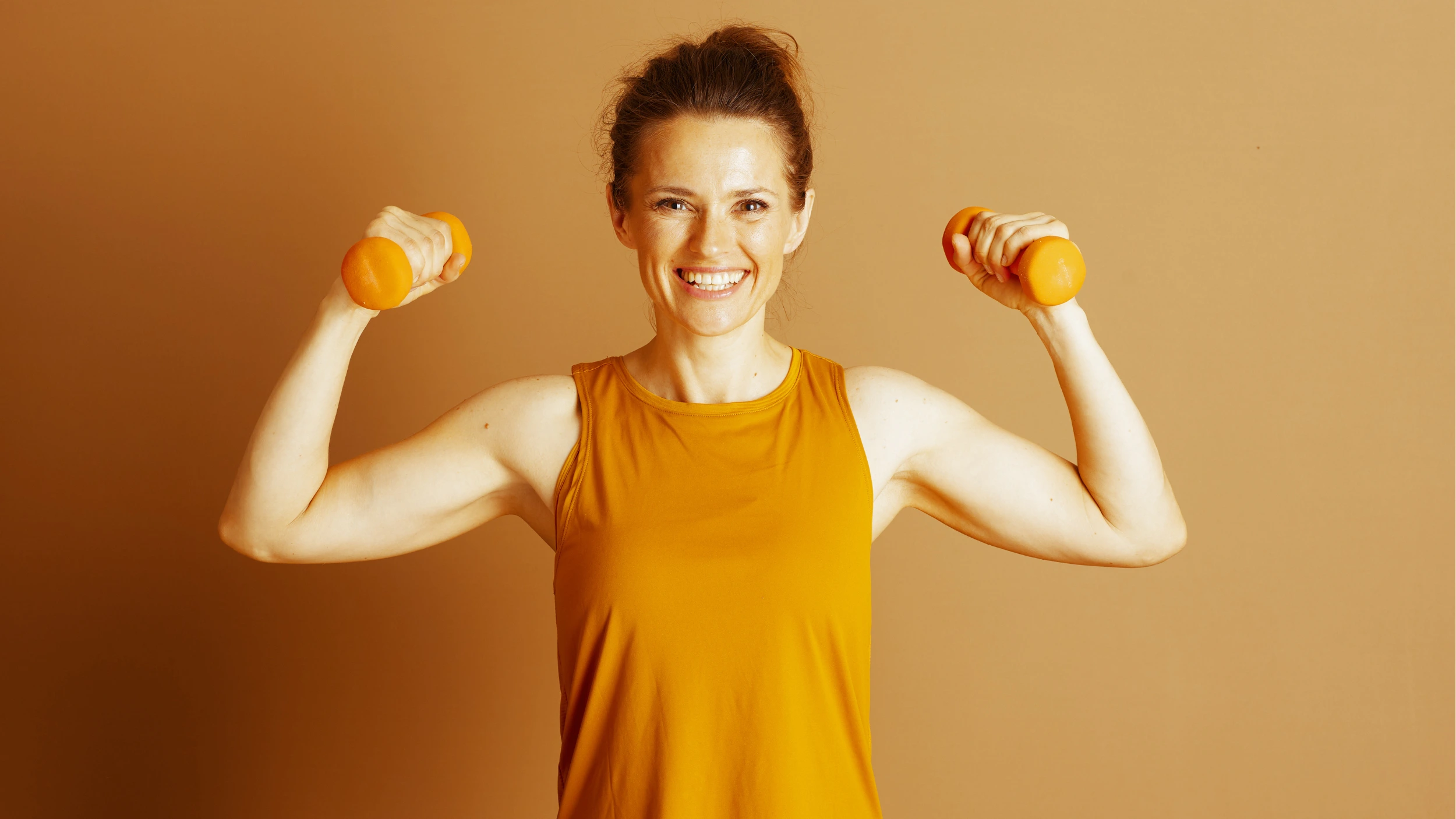
- Strength training that celebrates what your body can do
Building Long-Term Resilience
Consistent practices create lasting change. Think of these as your maintenance protocol:
- cycle, stress levels, sleep quality, or social media use. Pattern recognition gives you predictive power and reduces the feeling that these days come out of nowhere.
- Develop a "bad body image day" toolkit. Literally write down a list of what helps when you're struggling—specific playlists, supportive friends to text, comforting activities, grounding techniques. When you're in distress, decision-making is harder, so having a pre-made plan helps.
- Practice gratitude for function over form. A daily practice of acknowledging your body's functional capabilities shifts focus from aesthetic to instrumental body appreciation, which is protective against negative body image.
- Build your support system. Connecting with others who understand body image struggles reduces shame and isolation. Whether that's therapy, support groups, or trusted friends, social connection is therapeutic.
- Address the root causes. If your body image issues are connected to chronic stress, poor sleep, or nutritional deficiencies, working with a professional to address these functional nutrition concerns can create meaningful shifts in both your physiology and your mental state.
Remember: building better self-esteem body image is a practice, not a destination. You're not trying to never have another bad body image day. You're building the skills to move through those days with more compassion, less suffering, and quicker recovery.
Frequently Asked Questions
Q: How can I stop negative thoughts about my body?
You probably can't stop them completely, and that's actually okay. The goal isn't to eliminate negative thoughts but to change your relationship with them. When a critical thought appears, practice noticing it without engaging: "There's that thought again." Then consciously redirect your attention to something values-based or functional. Cognitive defusion techniques from Acceptance and Commitment Therapy show that observing thoughts without believing them reduces their emotional impact [14]. It's like watching clouds pass rather than grabbing onto each one.
Q: What's the difference between body positivity and body acceptance?
Body positivity encourages loving and celebrating your body, which sounds great but can feel impossibly far from where you are on a bad day. Body acceptance is more realistic—it means respecting your body and treating it well even when you don't feel particularly positive about it. You can accept your body the same way you accept the weather: you don't have to love a rainy day to dress appropriately for it and continue with your plans. Body acceptance is associated with better long-term outcomes because it doesn't require constant emotional performance [15].
Q: How do I build better self-esteem related to my body?
Start by diversifying where you derive your self-worth. When your entire self-esteem rests on appearance, you're incredibly vulnerable to bad body image days. Invest time in competencies, relationships, values, and contributions that have nothing to do with how you look. Additionally, challenge appearance-based self-worth by actively appreciating your body's non-aesthetic qualities: strength, resilience, pleasure capacity, healing ability. Studies show that functional body appreciation is one of the strongest predictors of stable self-esteem [16].
Ready to develop a more peaceful relationship with your body and build sustainable wellness habits rooted in self-compassion rather than criticism? Our registered dietitians specialize in helping women navigate the complex intersection of nutrition, hormones, and body image. Book your consultation at Vedic and start building practices that actually support both your physical and emotional wellbeing.
References
[1] Braun TD, Park CL, Gorin A. Self-compassion, body image, and disordered eating: A review of the literature. Body Image, 2016.
[2] Fallon EA, Harris BS, Johnson P. Prevalence of body dissatisfaction among a United States adult sample. Eating Behaviors, 2014.
[3] Klump KL, Keel PK, Racine SE, et al. The interactive effects of estrogen and progesterone on changes in emotional eating across the menstrual cycle. Journal of Abnormal Psychology, 2013.
[4] Fardouly J, Vartanian LR. Social media and body image concerns: Current research and future directions. Current Opinion in Psychology, 2016.
[5] Robson L, et al. The relationship between stress and body image in young women. Body Image, 2020.
[6] Stice E, Shaw HE. Role of body dissatisfaction in the onset and maintenance of eating pathology: A synthesis of research findings. Journal of Psychosomatic Research, 2002.
[7] Albertson ER, Neff KD, Dill-Shackleford KE. Self-compassion and body dissatisfaction in women: A randomized controlled trial of a brief meditation intervention. Mindfulness, 2015.
[8] Neff KD. The development and validation of a scale to measure self-compassion. Self and Identity, 2003.
[9] Turk F, Waller G. Is self-compassion relevant to the pathology and treatment of eating and body image concerns? A systematic review and meta-analysis. Clinical Psychology Review, 2024.
[10] Piran N, Teall TL. The developmental theory of embodiment and its implications for practice. Body Image, 2012.
[11] Cohen GL, Sherman DK. The psychology of change: Self-affirmation and social psychological intervention. Annual Review of Psychology, 2014.
[12] Homan KJ, Tylka TL. Appearance-based exercise motivation moderates the relationship between exercise frequency and positive body image. Body Image, 2014.
[13] Alleva JM, Martijn C, Van Breukelen GJ, Jansen A, Karos K. Expand Your Horizon: A programme that improves body image and reduces self-objectification by training women to focus on body functionality. Body Image, 2015.
[14] Pearson AN, Follette VM, Hayes SC. A pilot study of acceptance and commitment therapy as a workshop intervention for body dissatisfaction and disordered eating attitudes. Cognitive and Behavioral Practice, 2012.
[15] Tylka TL, Wood-Barcalow NL. What is and what is not positive body image? Conceptual foundations and construct definition. Body Image, 2015.
[16] Swami V, Barron D, Weis L, Furnham A. Bodies in nature: Associations between exposure to nature, connectedness to nature, and body image in U.S. adults. Body Image, 2016.
.svg)
.svg)












.webp)
.webp)
.webp)
.webp)

.webp)

.webp)
.webp)
.webp)

.webp)

.webp)
.webp)
.webp)
.webp)
.webp)