.webp)

%2B(7).webp)
.png)
At a Glance
- Your gut microbiome affects everything from digestion and energy to skin clarity and mood—it's the command center you didn't know you had.
- Real gut health starts with diversity: Aim for 30+ different plant foods weekly and fermented favorites, rather than expensive supplement regimens.
- Stress management isn't optional—chronic stress directly disrupts your microbiome composition and degrades your gut lining.
- Lasting change takes time: Most women notice subtle improvements within weeks, but sustainable relief requires 2–3 months of consistent, personalized nutrition habits.
Feeling Bloated Again? Let's Talk Gut Health!
Let me guess: you've Googled "why am I so bloated" at 2 PM on a Wednesday while unbuttoning your jeans under your desk. Or maybe you're wondering why your skin is breaking out despite your meticulous routine, or why you're inexplicably cranky even though nothing's technically wrong. Here's the thing—your gut might be sending you an SOS.
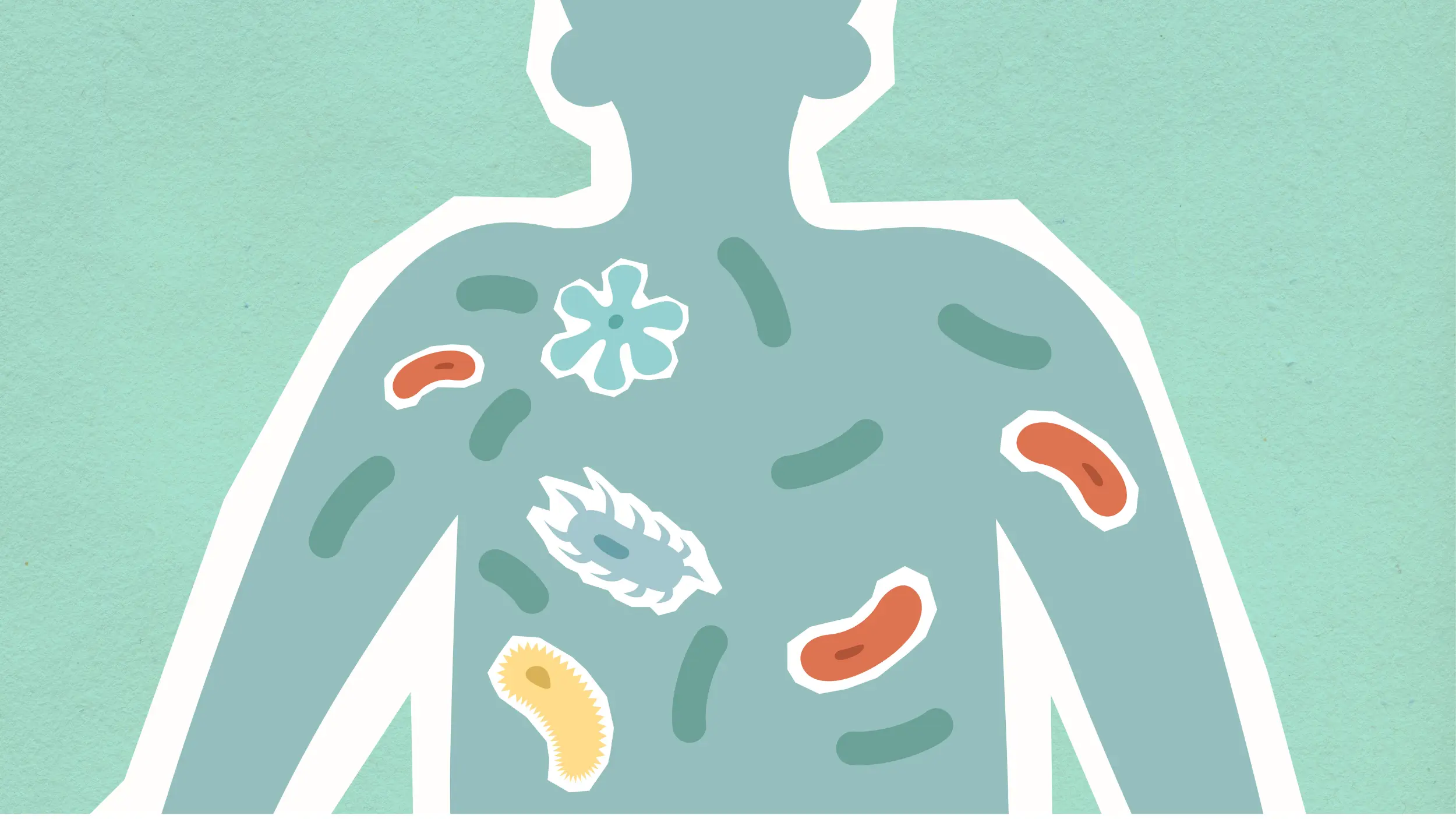
Your microbiome (that's the trillions of bacteria living in your digestive tract) is like your body's control panel. When it's thriving, you feel energized, clear-headed, and comfortable in your skin. When it's struggling? Everything feels off. The good news is that you have way more control over this than you think, and it doesn't require a complete life overhaul or a second mortgage for supplements.
If you're also dealing with unpredictable periods, PMS that knocks you sideways, or hormonal symptoms that seem connected to your digestive issues, you're not imagining things. Your gut and hormones are in constant conversation, which is why addressing both together makes such a difference. Check out our guide on hormone balance through nutrition to see how these systems work together.
Daily Frustrations & Struggles
Are you constantly battling bloating, gas, or unpredictable bathroom trips that throw off your whole day? There's nothing like planning your entire schedule around bathroom access or feeling like you're six months pregnant by dinnertime when you weren't at breakfast.
Do you find yourself feeling sluggish and low on energy, even after a full night's sleep? That 3 PM crash isn't just about needing more coffee—your gut produces about 90% of your body's serotonin, and when your microbiome is out of balance, your energy and mood pay the price [2].
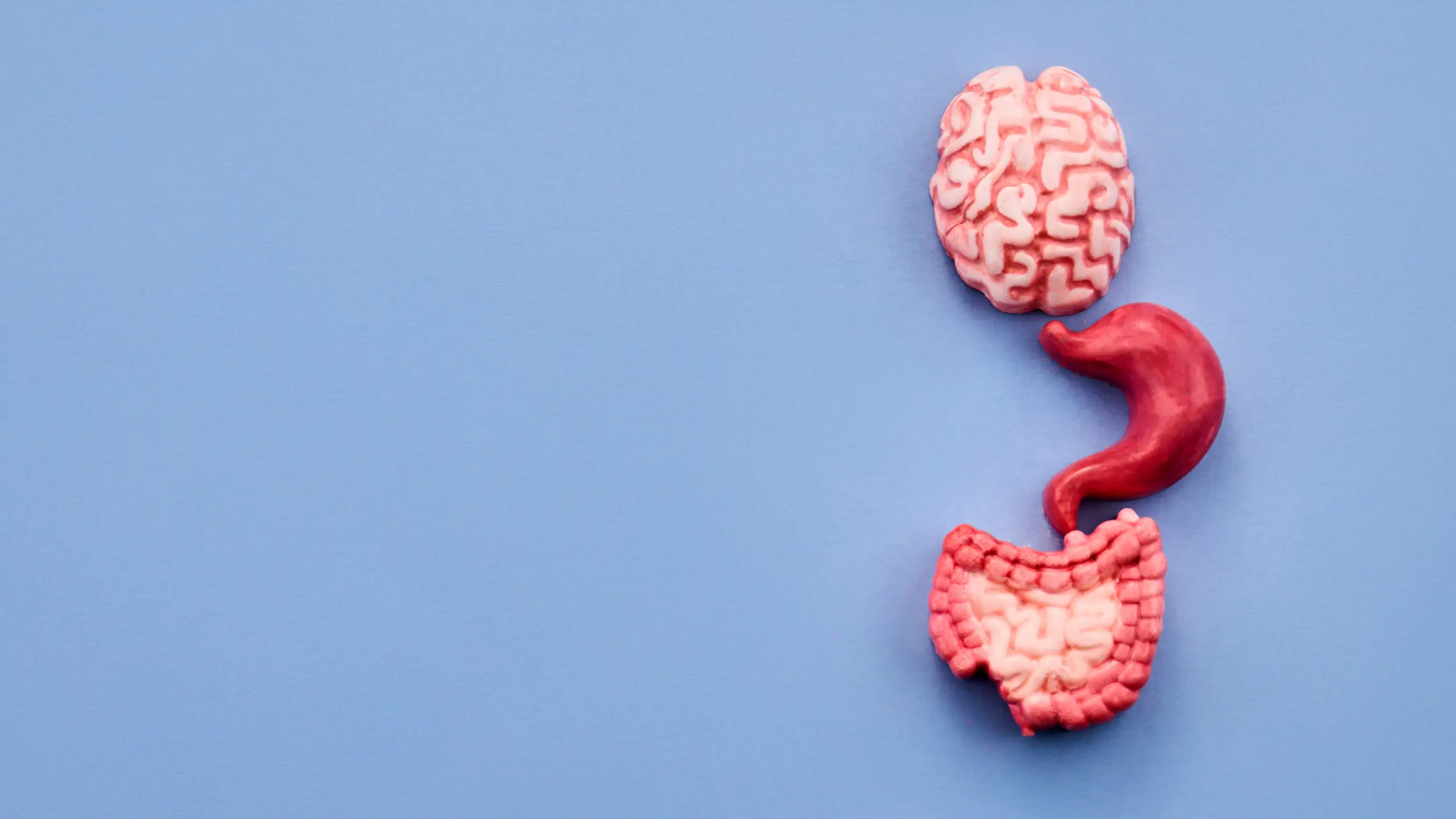
Is your skin acting up, or are you noticing mood swings that seem to come out of nowhere? Research shows that gut inflammation can trigger skin conditions like acne and eczema, and the gut-brain axis means your microbiome directly influences your emotional state [3]. When clients tell me they feel like they're losing their minds, I often start by looking at what's happening in their gut.
Common Misconceptions
Myth: You need expensive supplements to fix your gut.
Truth: While some supplements can help, the foundation of a healthy gut lies in whole foods and lifestyle habits. Focus on what you can control first! The supplement industry loves to convince you that you need their $80 probiotic blend, but studies show that dietary diversity is actually more predictive of a healthy microbiome than supplementation alone [4]. I'm not anti-supplement—I recommend them strategically—but they're the cherry on top, not the whole sundae.
Myth: All fiber is good fiber.
Truth: Different types of fiber feed different gut bacteria. Understanding which ones benefit your unique microbiome is key, and sometimes, too much of a good thing can cause discomfort. Soluble fiber (found in oats, beans, and apples) feeds certain beneficial bacteria, while insoluble fiber (in wheat bran and vegetables) helps with motility [5]. If you've ever tried to "eat healthier" by adding tons of fiber overnight and ended up more bloated than before, this is why. Your gut needs time to adapt, and your bacterial populations need to shift gradually.
What to Do (Dietitian Recommendations)
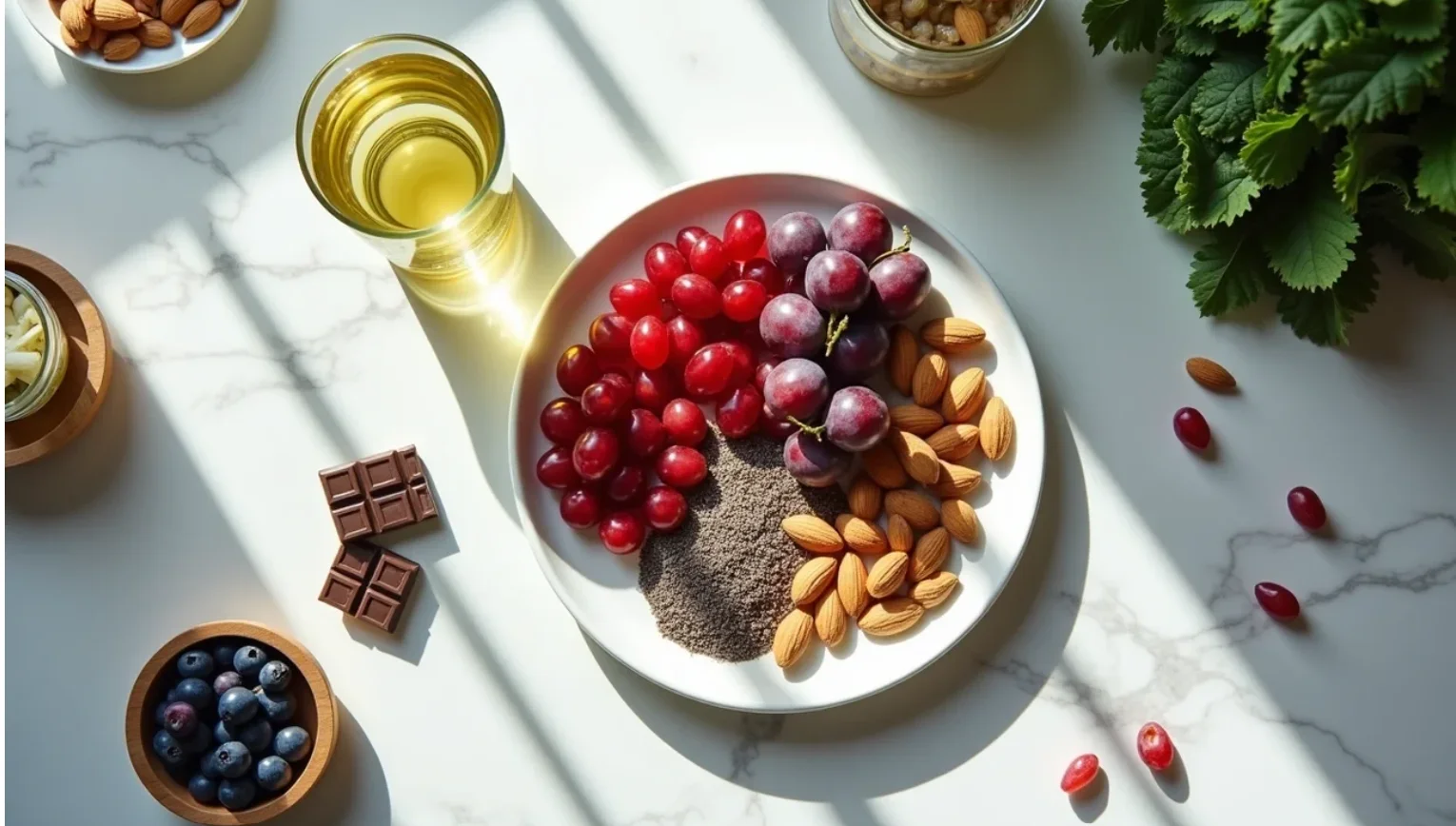
Eat the Rainbow: Aim for at least 30 different plant-based foods per week—think fruits, veggies, nuts, seeds, and whole grains. This diversity feeds a diverse microbiome. Research from the American Gut Project found that people who eat 30+ different plant foods weekly have significantly more diverse gut bacteria than those eating 10 or fewer [6]. This isn't about perfection; count everything. That sprinkle of pumpkin seeds on your salad? It counts. The blueberries in your smoothie? They count too.
Fermented Foods Power-Up: Include options like yogurt with live cultures, kefir, sauerkraut, or kimchi a few times a week to introduce beneficial bacteria. Even small amounts make a difference—a 2021 Stanford study found that just a few servings of fermented foods daily increased microbiome diversity and decreased inflammatory markers [7]. Start with what appeals to you. Not into kimchi? No problem. A good quality Greek yogurt with live cultures works beautifully.
Hydration Hero: Drink plenty of water throughout the day to keep things moving smoothly and support your gut lining. Water helps maintain the mucosal lining of your intestines and supports the balance of good bacteria [8]. Aim for half your body weight in ounces as a baseline, and adjust based on activity level and climate.
Mindful Eating Matters: Slow down, savor your meals, and pay attention to your body's hunger and fullness cues. This can improve digestion and nutrient absorption. When you eat stressed or rushed, your body stays in "fight or flight" mode, which literally shuts down optimal digestion [9]. Put your phone away, chew thoroughly, and give your body the chance to do its job.
Stress Less, Gut More: Chronic stress wreaks havoc on your gut. Incorporate stress-management techniques like deep breathing, gentle yoga, or spending time in nature. The gut-brain connection runs both ways—stress changes your gut bacteria composition, and those changes can make you more anxious, creating a vicious cycle [10]. Breaking that cycle is non-negotiable for real gut healing.
Next Steps
It's fantastic that you're taking charge of your gut health! Remember, these are general tips, and what works wonders for one person might be different for another. Your unique body deserves a personalized plan.
Maybe you're dealing with specific food sensitivities, or you've tried everything and still feel off. Maybe you need help figuring out which fermented foods to start with, or how to hit that 30-plant-foods goal without spending your entire Sunday meal prepping. That's exactly where personalized nutrition comes in.
A Vedic Nutrition dietitian can help you navigate your specific needs and create a sustainable path to gut happiness, often with 100% insurance coverage. We're talking about someone who actually gets to know your life, your schedule, your food preferences, and your unique symptoms—then builds a plan that works for you, not against you. Ready to stop guessing and start feeling better? Book a free consultation and let's create your personalized gut health roadmap.
Frequently Asked Questions (FAQ)
Q: How quickly can I expect to see gut health improvements?
A: Many people notice subtle shifts within a few weeks—less bloating, more regular bathroom habits, slightly better energy. But significant changes often take a couple of months of consistent effort. Your gut bacteria populations need time to shift, and your intestinal lining needs time to heal if it's been compromised. Be patient with your body! It took time to get here; it'll take time to improve.
Q: What are the best foods for gut health?
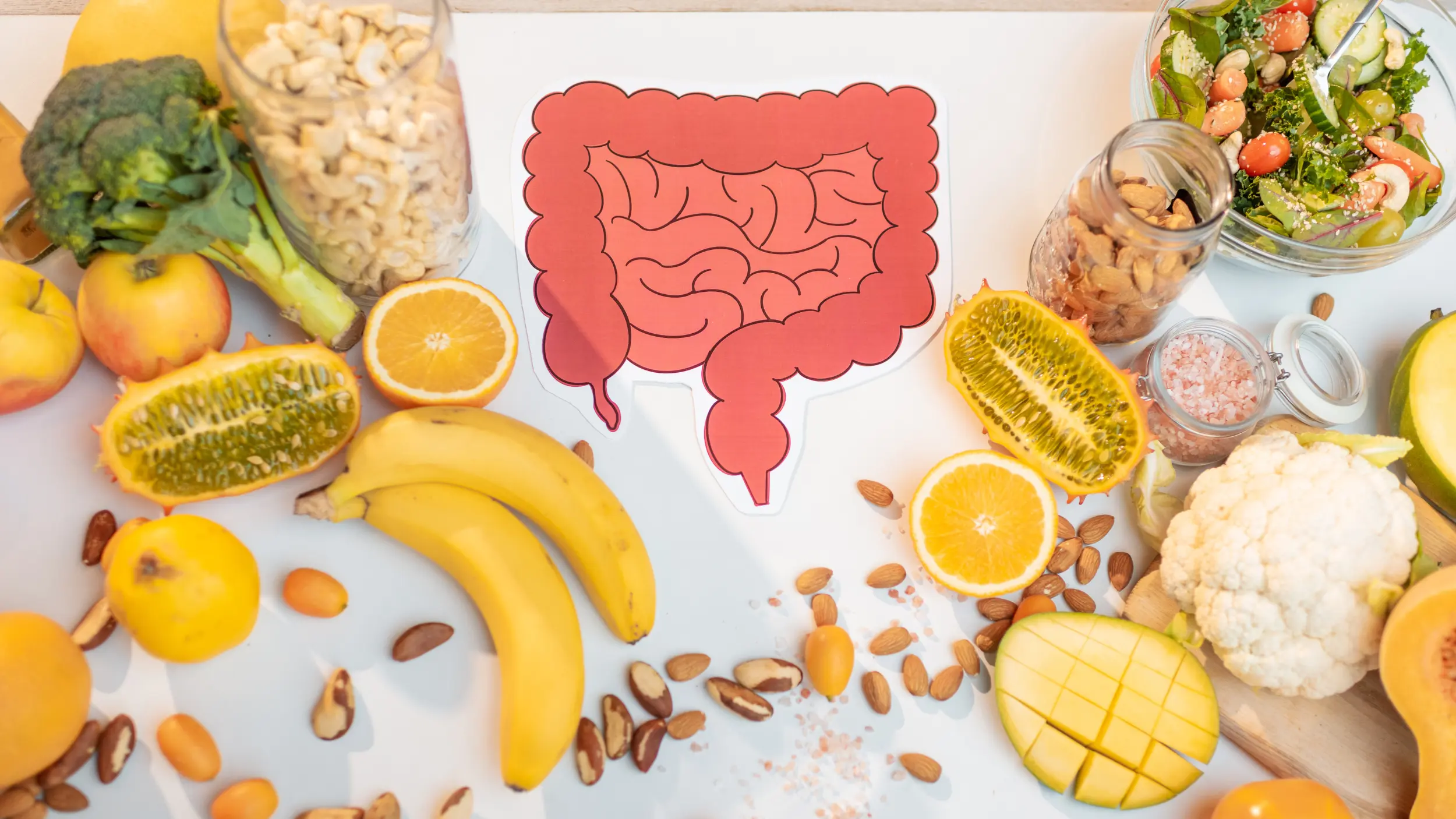
A: Think fiber-rich foods like berries, leafy greens, beans, lentils, and whole grains, plus fermented options like yogurt and kimchi. Also, don't sleep on prebiotic foods like garlic, onions, leeks, asparagus, and bananas—these feed your good bacteria [11]. The "best" foods are the ones you'll actually eat consistently, so start with what sounds good to you.
Q: Can stress really mess with my gut?
A: Absolutely! Stress can alter gut bacteria composition, increase intestinal permeability ("leaky gut"), and ramp up inflammation throughout your digestive system [12]. It's why you get diarrhea before a big presentation or feel nauseous during conflict. Managing stress isn't a nice-to-have; it's essential for gut health.
Q: Is a gut health detox necessary?
A: Your body naturally detoxifies—that's what your liver and kidneys are for. Focusing on a nutrient-dense diet and healthy habits is far more effective than restrictive detoxes, which often do more harm than good by depriving your body of necessary nutrients and potentially disrupting your microbiome further [13]. Skip the juice cleanse; nourish your body instead.
References
[1] - https://www.ncbi.nlm.nih.gov/pmc/articles/PMC5736941/
[2] - https://www.apa.org/monitor/2012/09/gut-feeling
[3] - https://www.ncbi.nlm.nih.gov/pmc/articles/PMC6836118/
[4] - https://www.nature.com/articles/s41586-021-03532-0
[5] - https://www.ncbi.nlm.nih.gov/pmc/articles/PMC7589116/
[6] - https://www.ncbi.nlm.nih.gov/pmc/articles/PMC6042969/
[7] - https://www.cell.com/cell/fulltext/S0092-8674(21)00754-6
[8] - https://www.ncbi.nlm.nih.gov/pmc/articles/PMC6209729/
[9] - https://www.health.harvard.edu/staying-healthy/mindful-eating
[10] - https://www.ncbi.nlm.nih.gov/pmc/articles/PMC8955608/
[11] - https://www.ncbi.nlm.nih.gov/pmc/articles/PMC6463098/
[12] - https://www.ncbi.nlm.nih.gov/pmc/articles/PMC4367209/
[13] - https://www.health.harvard.edu/staying-healthy/the-dubious-practice-of-detox
.svg)
.svg)







.webp)
.webp)
.webp)
.webp)
.webp)

.webp)
.webp)
.png)
.webp)
.webp)