.webp)
.webp)
%2B(7).webp)
.png)
At a Glance
Celery powder is widely used as a "natural" preservative, but it contains concentrated nitrites that function identically to synthetic versions in processed meats. Current research shows that when nitrites interact with protein during high-heat cooking or digestion, they can form N-nitroso compounds (NOCs), which are linked to increased colorectal cancer risk [1]. Understanding the nuance between eating whole celery and consuming celery powder as a meat additive is essential for making informed choices about your gut health and long-term wellness.
What Are Nitrites and Where Do They Come From?
Let's start with the basics. Nitrites (NO₂⁻) are nitrogen-oxygen compounds that exist in two main forms in our food supply: naturally occurring in vegetables and synthetically added as preservatives.
Vegetables like spinach, arugula, beets, and celery naturally accumulate nitrates (NO₃⁻) from soil. Your body converts some of these nitrates into nitrites through bacterial action in your mouth and digestive tract [2]. This is a normal physiological process.
Here's where it gets interesting:
- When you eat a fresh celery stalk in your afternoon snack, you're consuming nitrates in their whole-food matrix alongside fiber, vitamin K, folate, and protective antioxidants.
- When manufacturers concentrate celery into a powder and add it to bacon or deli meat, they're extracting and concentrating those nitrates specifically for their preservative properties.
- During meat curing, bacteria convert the concentrated celery-derived nitrates into nitrites, which then inhibit bacterial growth (especially Clostridium botulinum) and give cured meats their characteristic pink color [3].
The critical distinction isn't whether the nitrite came from a vegetable or a lab. It's about concentration, food context, and what happens during cooking and digestion.
Celery Powder's Role and Natural Nitrites
.webp)
Celery powder has become the darling of the "clean label" movement. You'll see it on ingredient lists for organic hot dogs, uncured bacon, and natural deli meats, often accompanied by reassuring phrases like "no nitrates or nitrites added except those naturally occurring in celery powder."
Let's be honest about what's happening here.
Celery powder is produced by dehydrating celery juice or celery stalks, creating a concentrated source of naturally occurring nitrates. Manufacturers specifically select celery because of its high nitrate content—it can contain 1,103 to 2,400 mg of nitrate per kilogram [4].
When this powder is added to meat products along with a bacterial starter culture, the nitrates are rapidly converted to nitrites, functioning identically to sodium nitrite (the synthetic preservative). The end result? The same chemical compound (NO₂⁻), the same preservation mechanism, and the same potential for forming problematic compounds during cooking.
Regarding celery powder dangers and side effects: the issue isn't toxicity from the celery itself. Fresh celery is wonderfully nutritious. The concern arises when we isolate and concentrate its nitrate content, strip away the protective plant compounds, and combine it with protein and heat.
Some people do report digestive discomfort from high-nitrate foods, but this is relatively uncommon and usually related to individual gut microbiome composition. The more pressing concern is the long-term cancer risk associated with processed meat consumption, regardless of whether the nitrites came from celery or a chemistry lab.
Connecting the Dots: Nitrites and Colon Cancer Risk
Now for the part you're probably most concerned about: what does the science actually say about celery powder colon cancer risk?
The International Agency for Research on Cancer (IARC) classified processed meat as a Group 1 carcinogen in 2015, meaning there's sufficient evidence that it causes colorectal cancer in humans [5]. This classification doesn't differentiate between conventionally cured and "naturally" cured (celery powder) products.
Here's the mechanism:
- When nitrites encounter amino acids from protein (especially heme iron in red meat) in the acidic environment of your stomach or during high-heat cooking, they form N-nitroso compounds [6].
- These NOCs are genotoxic, meaning they can damage the DNA in your intestinal cells.
- Over time and with repeated exposure, this DNA damage can contribute to the development of colorectal adenomas (precancerous polyps) and eventually cancer [7].
A 2019 study published in Nutrients found no significant difference in NOC formation between meats cured with synthetic sodium nitrite versus those cured with natural vegetable sources like celery powder [8]. The chemical reactions are essentially identical.
What about nitrites from vegetables eaten in their whole form? This is where context becomes crucial. When you eat arugula or celery sticks, you're also consuming vitamin C, vitamin E, polyphenols, and other antioxidants that can inhibit NOC formation [9]. These protective compounds aren't present in isolated celery powder added to meat.
Large prospective cohort studies consistently show that high vegetable intake (including high-nitrate vegetables) is associated with reduced cancer risk, while processed meat intake increases risk [10]. It's not the nitrite molecule itself that's the problem in isolation—it's the food matrix, cooking method, and what the nitrites are reacting with.
Regarding celery powder cancer risk specifically: while we don't have decades of isolated research on celery powder versus synthetic nitrite in human populations, the mechanistic studies suggest they behave identically in cured meats. The "uncured" label may provide psychological comfort, but it doesn't appear to offer meaningful health protection.
Making Informed Choices for Your Health
So where does this leave you when you're standing in the grocery aisle trying to make the best choice for your family?
Here's my practical, evidence-based guidance:
Prioritize whole food sources. Eating celery, beets, leafy greens, and other nitrate-rich vegetables is genuinely beneficial for your health. These foods support cardiovascular function (nitrates convert to nitric oxide, which helps regulate blood pressure), provide essential nutrients, and deliver protective phytochemicals [11]. Don't avoid vegetables because of nitrate content.
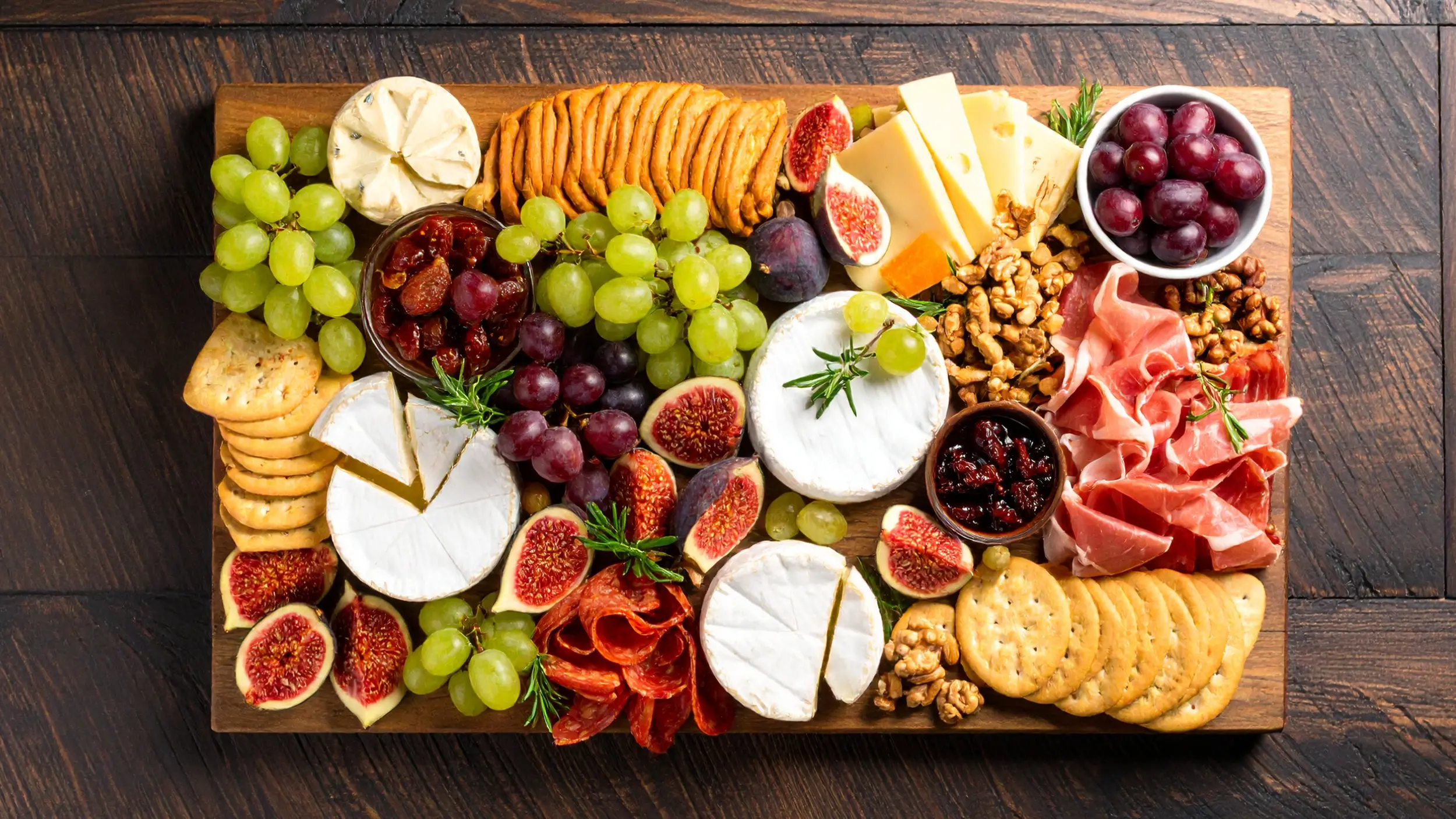
Limit all processed meats, regardless of labeling. Whether your bacon is cured with sodium nitrite or celery powder, it's still processed meat. The World Cancer Research Fund recommends consuming little to no processed meat for cancer prevention [12]. If you do choose to eat it, treat it as an occasional food rather than a dietary staple.
When you do purchase processed meats:
- Choose products that are minimally processed
- Look for lower sodium options
- Avoid high-heat cooking methods like frying or grilling at very high temperatures, which can increase NOC formation
- Pair processed meats with foods high in vitamin C and other antioxidants (like a side of sautéed greens or fresh fruit)
Understand that "natural" doesn't automatically mean "safer." This is perhaps the most important takeaway. The clean label trend has created a health halo around products that may not deserve it. Celery powder performs the same function as synthetic nitrite, and current evidence suggests similar risks.
For those interested in exploring how dietary choices impact your overall wellness, understanding your hormone balance through nutrition can provide additional context for making food decisions that support your body.
Celery Powder vs. Celery Juice: What's the Difference?
This is a common question I get from clients who are fans of the celery juice trend.
Fresh celery juice contains naturally occurring nitrates, but in their whole-food context with water, minerals, vitamins, and flavonoids. The concentration is much lower than dehydrated celery powder, and you're not combining it with protein and heat.
Drinking celery juice as part of a varied diet rich in vegetables is very different from consuming celery powder as a preservative in cured meats. The former provides hydration, some micronutrients, and fits into a pattern of plant-forward eating. The latter is a concentrated extraction used specifically for its chemical preservative properties.
That said, celery juice isn't a miracle cure, despite social media claims. It's a fine addition to your routine if you enjoy it, but it won't "detox" your liver or cure autoimmune conditions. Think of it as one tool among many for supporting your wellness.
Celery Powder for Gut Health: Sorting Fact from Fiction
Some wellness sources suggest celery powder offers gut health benefits due to its prebiotic properties or anti-inflammatory effects.
Let's clarify: whole celery does contain fiber and plant compounds that can support digestive health. The fiber acts as a prebiotic, feeding beneficial bacteria in your gut microbiome [13]. Fresh celery also contains apigenin and luteolin, flavonoids with anti-inflammatory properties.
However, celery powder used in processed meats is typically not providing meaningful amounts of fiber or these protective compounds. It's been processed specifically to concentrate nitrates for preservation purposes.
If you're genuinely interested in supporting your gut health, focus on eating a diverse array of whole plant foods, including fresh celery if you enjoy it. Consider learning more about comprehensive strategies for optimizing your gut microbiome through evidence-based nutrition.
The bottom line: don't rely on celery powder in processed meats to provide gut health benefits. Those benefits come from eating actual vegetables.
Frequently Asked Questions
Is celery powder safe to consume regularly?
Celery powder as an isolated ingredient in processed meats should be treated the same as conventionally cured processed meats—consumed sparingly. The research doesn't support a meaningful safety difference between "natural" celery powder curing and synthetic nitrite curing [8]. If you're eating fresh celery or celery in whole food forms regularly, that's a completely different situation and is perfectly safe and nutritious.
Can natural nitrites in vegetables cause cancer?
Nitrates and nitrites from whole vegetables have not been linked to increased cancer risk when consumed as part of a balanced diet rich in fruits and vegetables. In fact, vegetable consumption is consistently associated with reduced cancer risk [10]. The protective antioxidants, fiber, and phytochemicals in whole vegetables appear to prevent the formation of harmful N-nitroso compounds. The concern arises specifically when concentrated nitrites interact with meat proteins during processing, cooking, and digestion.
What are the best ways to reduce nitrite intake from food?
Here's a practical action plan:
- Reduce processed meat consumption to occasional rather than daily. This includes bacon, sausage, hot dogs, deli meats, and cured products—whether they're labeled "uncured" or not.
- Increase your intake of vegetables, including nitrate-rich options like leafy greens, beets, and yes, fresh celery. The protective compounds in these foods outweigh any theoretical nitrite concerns.
- Choose fresh, minimally processed proteins as your primary sources: poultry, fish, eggs, legumes, and fresh (not processed) cuts of meat.
- When you do eat processed meats, pair them with vitamin C-rich foods (citrus, berries, bell peppers, tomatoes) which can inhibit NOC formation [9].
- Avoid high-heat cooking methods for processed and red meats when possible. Grilling, frying, and broiling at very high temperatures increase NOC formation.
- Support your body's natural detoxification systems through adequate hydration, fiber intake, and stress management. Learning about functional nutrition approaches to stress and energy can help you build sustainable habits.
Moving Forward with Confidence
I know this information might feel overwhelming, especially if you've been choosing products with celery powder thinking you were making a healthier choice. Please don't beat yourself up about past decisions—you were working with the information you had at the time.
The beautiful thing about nutrition is that every meal is a fresh opportunity to nourish your body. Small, consistent changes in your eating patterns have far more impact than perfection.
If you're feeling uncertain about how to apply this information to your unique situation—whether you're managing specific health concerns, navigating dietary restrictions, or just wanting to optimize your nutrition for long-term wellness—I'd love to support you.
Personalized nutrition guidance takes into account your individual health history, preferences, lifestyle, and goals. Together, we can create a realistic, sustainable approach to eating that supports your gut health, reduces your cancer risk, and helps you feel genuinely energized.
Ready to stop second-guessing your food choices and build a nutrition approach that actually works for your life? Book a consultation with me today at www.usevedic.com and let's create your personalized plan.
References
[1] International Agency for Research on Cancer. IARC Monographs evaluate consumption of red meat and processed meat. World Health Organization, 2015.
[2] Lundberg JO, Weitzberg E, Gladwin MT. The nitrate-nitrite-nitric oxide pathway in physiology and therapeutics. Nature Reviews Drug Discovery, 2008.
[3] Sindelar JJ, Milkowski AL. Human safety controversies surrounding nitrate and nitrite in the diet. Meat Science, 2012.
[4] Hord NG, Tang Y, Bryan NS. Food sources of nitrates and nitrites: the physiologic context for potential health benefits. American Journal of Clinical Nutrition, 2009.
[5] Bouvard V, Loomis D, Guyton KZ, et al. Carcinogenicity of consumption of red and processed meat. The Lancet Oncology, 2015.
[6] Mirvish SS. Role of N-nitroso compounds (NOC) and N-nitrosation in etiology of gastric, esophageal, nasopharyngeal and bladder cancer. Cancer Letters, 1995.
[7] Santarelli RL, Pierre F, Corpet DE. Processed meat and colorectal cancer: a review of epidemiologic and experimental evidence. Nutrition and Cancer, 2008.
[8] Crowe W, Elliott CT, Green BD. A Review of the In Vivo Evidence Investigating the Role of Nitrite Exposure from Processed Meat Consumption in the Development of Colorectal Cancer. Nutrients, 2019.
[9] Tannenbaum SR, Wishnok JS, Leaf CD. Inhibition of nitrosamine formation by ascorbic acid. American Journal of Clinical Nutrition, 1991.
[10] World Cancer Research Fund/American Institute for Cancer Research. Diet, Nutrition, Physical Activity and Cancer: a Global Perspective. Continuous Update Project Expert Report, 2018.
[11] Bryan NS, Loscalzo J. Nitrite and nitrate in human health and disease. Circulation Research, 2011.
[12] World Cancer Research Fund International. Limit red and processed meat. Cancer Prevention Recommendations, 2023.
[13] Gibson GR, Hutkins R, Sanders ME, et al. Expert consensus document: The International Scientific Association for Probiotics and Prebiotics (ISAPP) consensus statement on the definition and scope of prebiotics. Nature Reviews Gastroenterology & Hepatology, 2017.
.svg)
.svg)







.webp)
.webp)
.webp)
.webp)


.webp)
.webp)
.png)
.webp)
.webp)