.webp)

%2B(7).webp)
.png)
At a Glance
Your gut microbiome directly regulates how your body metabolizes estrogen through specialized bacteria called the estrobolome. When your digestive health is compromised, estrogen can recirculate improperly, leading to hormonal imbalances that affect your mood, energy, and cycle regularity. This evidence-based guide reveals exactly how the gut-estrogen axis works and provides clinical nutrition strategies to optimize both.
The Gut-Estrogen Axis
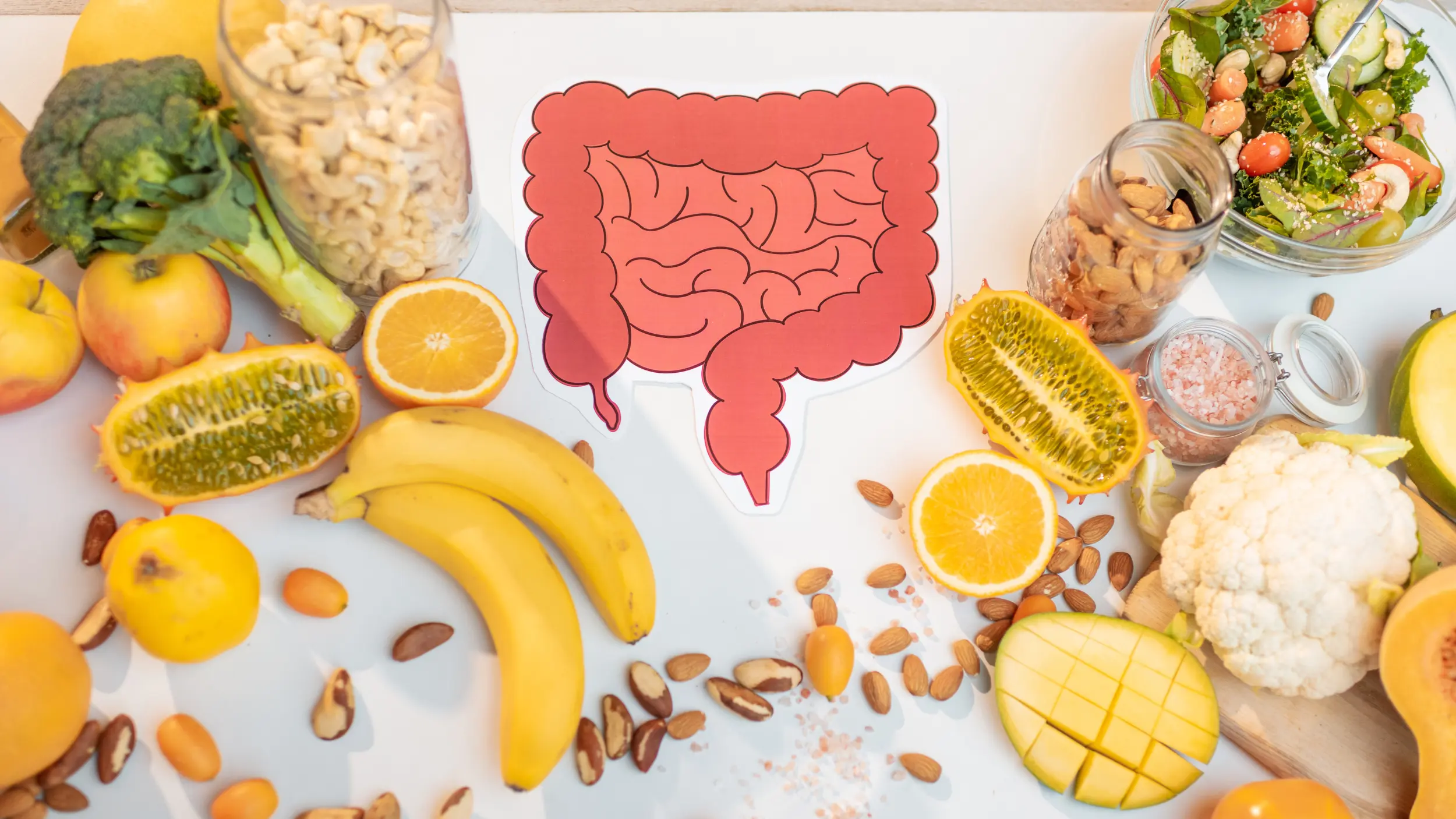
The gut microbiome is a critical regulator of estrogen metabolism. This bidirectional relationship, known as the gut-estrogen axis, significantly influences physiological states ranging from mood stability to systemic energy levels. Understanding this complex interaction is essential for maintaining hormonal equilibrium.
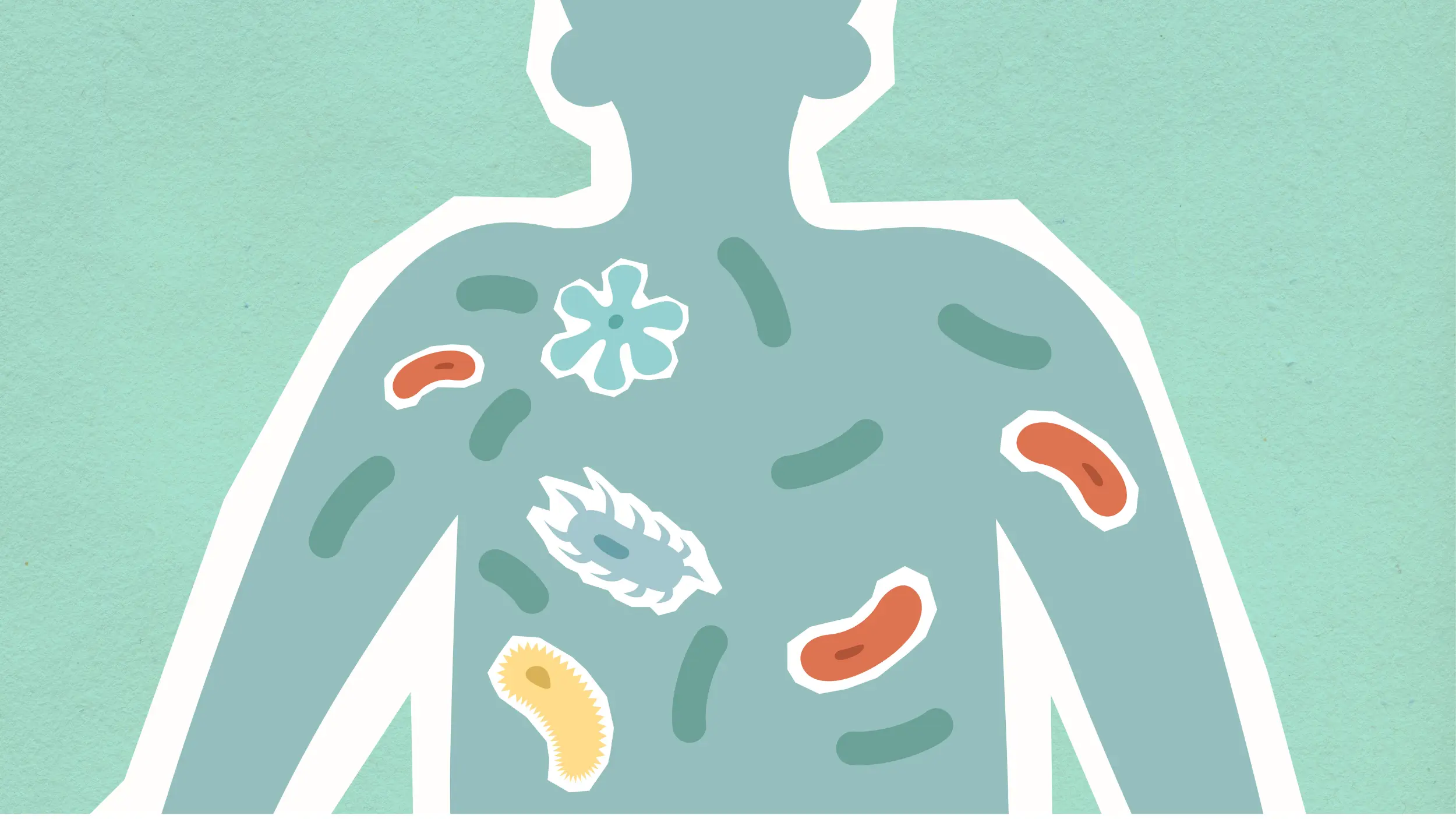
The human gastrointestinal tract contains trillions of microorganisms that perform functions beyond basic digestion. A specific group of these bacteria, identified as the estrobolome, secretes enzymes that directly modulate estrogen metabolism [1]. A healthy microbial community enables the efficient processing and excretion of excess estrogen. Conversely, disruptions—caused by antibiotics, chronic stress, or low fiber intake—can lead to the reabsorption and recirculation of estrogen at elevated levels [2].
Clinical research indicates that individuals with altered gut microbiome compositions exhibit measurable differences in circulating estrogen levels [3]. Consequently, gut bacteria significantly impact the hormonal landscape, influencing premenstrual symptoms, reproductive health, and general physical well-being.
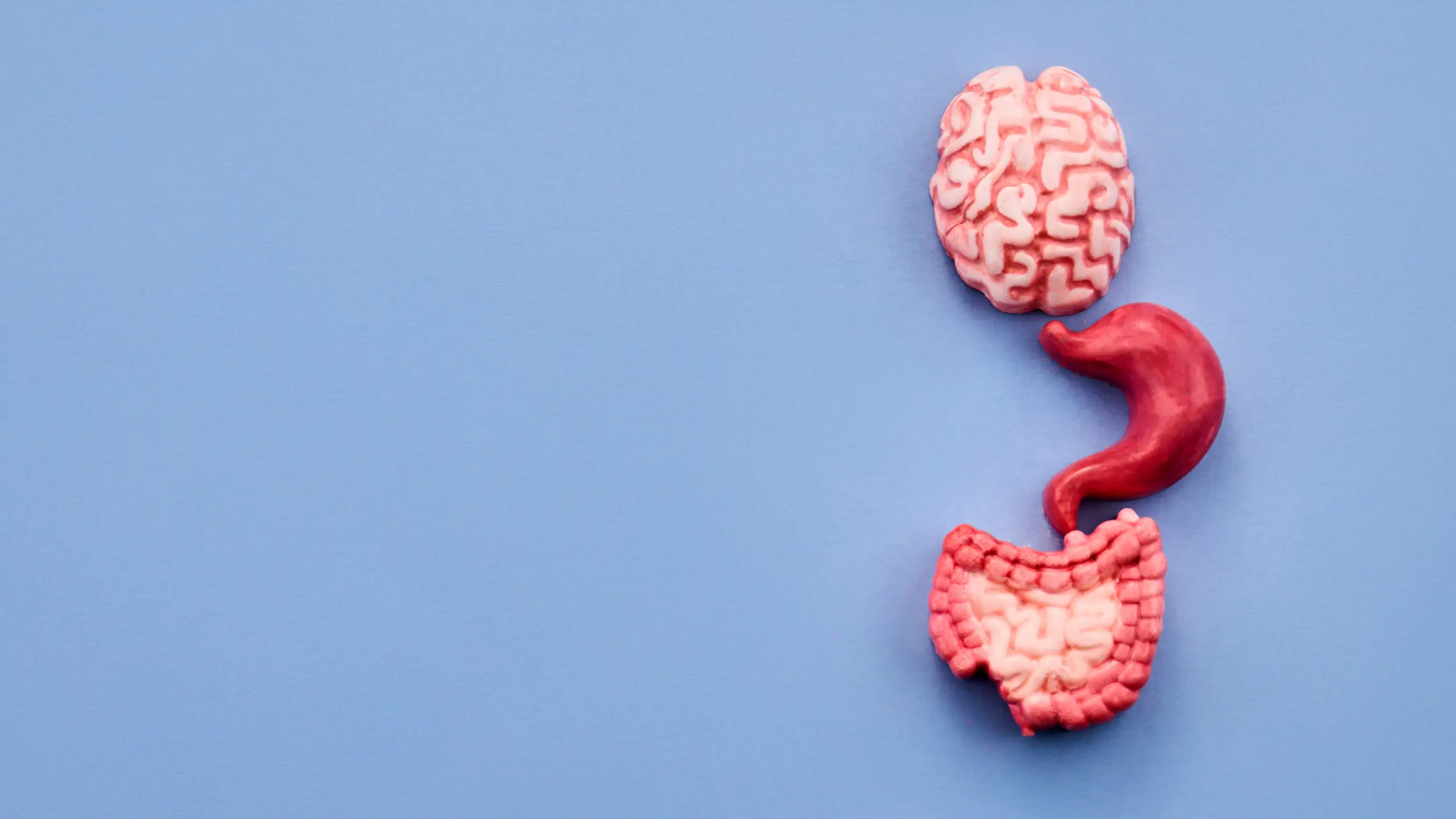
The gut-brain axis further complicates this physiological narrative. The microbiome synthesizes neurotransmitters, such as serotonin and GABA, which are also regulated by estrogen [4]. When gut health is compromised, both neurological function and hormonal balance may be negatively affected simultaneously.
Your Gut's Role in Estrogen Metabolism: What's Happening Inside?
Let's get specific about what's actually happening in your digestive tract. After your liver processes used estrogen and packages it for elimination, it sends it to your gut via bile. Here's where the plot thickens.
The estrobolome's critical job
Your estrobolome produces an enzyme called beta-glucuronidase, which can either liberate estrogen for reabsorption or allow it to exit your body through stool [5]. Think of it like a metabolic gatekeeper. When your gut microbiome is balanced, this process works beautifully. But when dysbiosis (microbial imbalance) occurs, beta-glucuronidase activity can become excessive, causing too much estrogen to recirculate [6].
This recirculation is one mechanism behind estrogen dominance—a condition where estrogen levels are disproportionately high relative to progesterone. Women experiencing this often report:
- Heavy or irregular periods
- Breast tenderness and fibrocystic changes
- Stubborn weight gain, especially around the hips and thighs
- Brain fog and mood swings
- Fatigue that doesn't improve with sleep
Understanding your hormone balance through targeted nutrition becomes essential when you realize how directly your gut influences these symptoms.
Pathways that matter for your body
Estrogen metabolism isn't a single road—it's multiple pathways with different endpoints [7]. Your gut bacteria influence which pathways dominate:
- The 2-hydroxy pathway produces protective estrogen metabolites that are quickly eliminated and don't overstimulate tissues.
- The 4-hydroxy and 16-hydroxy pathways create more potent metabolites that, when excessive, are associated with increased proliferative activity in breast and reproductive tissues [8].
- Your microbiome affects the balance between these pathways through its influence on inflammation, bile acid metabolism, and nutrient availability for liver detoxification enzymes.
When you support your gut health, you're literally steering your body toward safer, more balanced estrogen metabolism. This is precision nutrition at work, and it's backed by solid science.
Supporting a Happy Gut for Balanced Hormones
Now for the good stuff—what you can actually do about all this. As a dietitian who works exclusively with women, I've seen these strategies create measurable improvements in both digestive health and hormonal symptoms.
Fiber is your estrogen-balancing superpower
Dietary fiber binds to excess estrogen in your gut and escorts it out of your body [9]. I recommend my clients aim for 25-35 grams daily from whole food sources. This isn't about eating bland salads—think:
- Raspberries and blackberries stirred into Greek yogurt
- Lentil pasta with roasted vegetables
- Chia seed pudding made with coconut milk
- Roasted chickpeas as a crunchy snack
Cruciferous vegetables deserve special mention. Broccoli, cauliflower, Brussels sprouts, and cabbage contain indole-3-carbinol, which supports that protective 2-hydroxy estrogen pathway we discussed earlier [10]. Aim for at least one serving daily.
Probiotics and prebiotics: the dynamic duo
Fermented foods deliver beneficial bacteria directly to your gut. Clinical studies show that regular consumption of fermented foods increases microbiome diversity, which is strongly associated with better hormone balance [11]. Start with:
- Full-fat plain yogurt or kefir
- Sauerkraut or kimchi (refrigerated varieties)
- Miso paste stirred into soups or dressings
- Kombucha as an occasional beverage
Prebiotics feed your existing beneficial bacteria. Garlic, onions, asparagus, slightly green bananas, and Jerusalem artichokes are all excellent sources of prebiotic fibers that specifically nourish estrobolome bacteria [12].
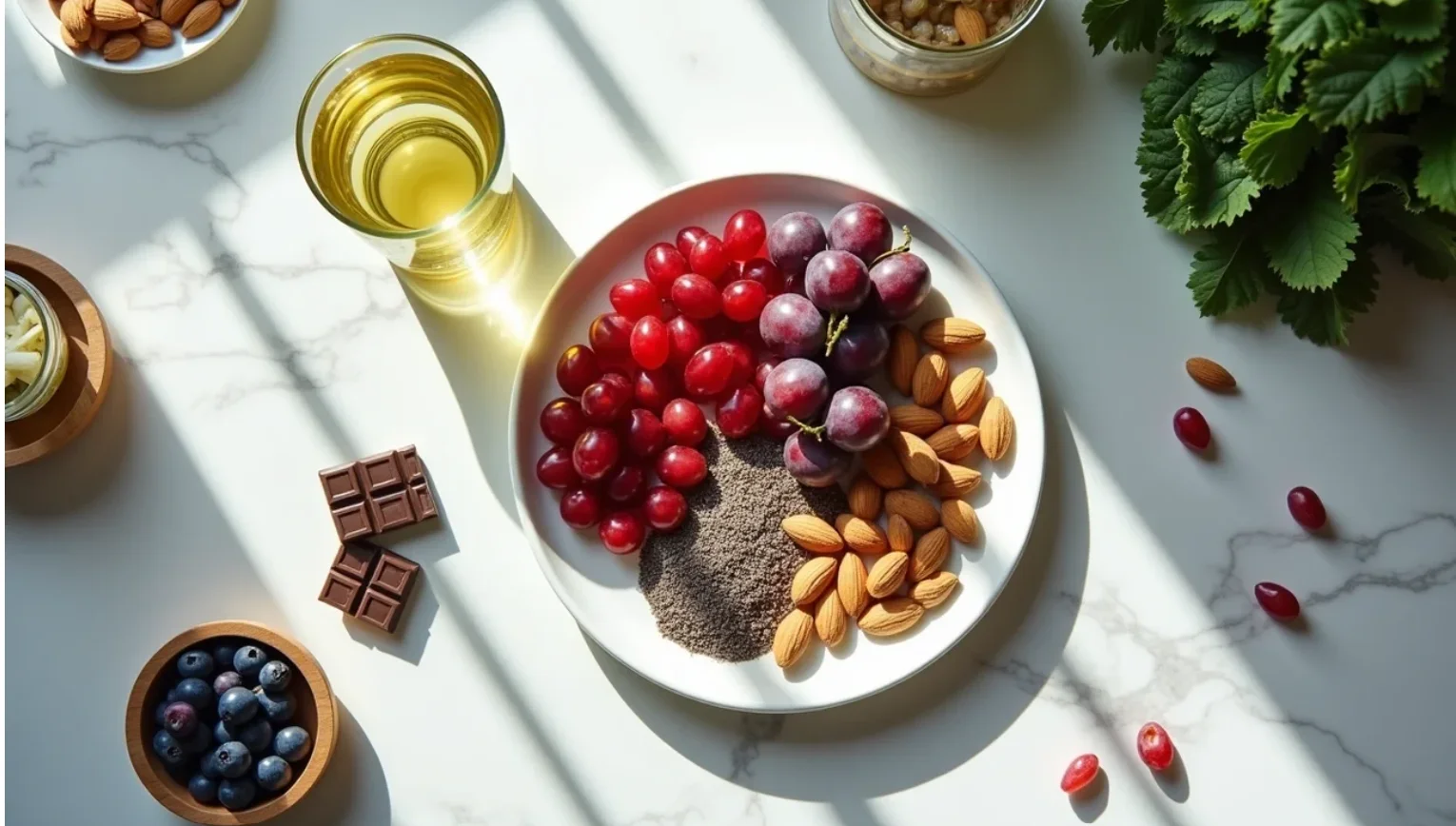
Polyphenols: colorful compounds with big benefits
Plant polyphenols act as both antioxidants and microbiome modulators. They reduce gut inflammation while promoting the growth of beneficial bacterial strains [13]. Focus on:
- Deeply pigmented berries
- Green tea
- Extra virgin olive oil
- Dark chocolate with at least 70% cacao
- Herbs and spices like turmeric, ginger, and oregano
These aren't supplements you need to buy—they're delicious foods you get to enjoy. To optimize your gut health and microbiome effectively, focus on variety and consistency rather than perfection.
Lifestyle factors that quietly sabotage your gut-estrogen axis
Nutrition is huge, but it's not everything. Your daily habits matter enormously:
Chronic stress elevates cortisol, which directly alters gut microbiome composition and increases intestinal permeability [14]. This allows bacterial endotoxins to enter your bloodstream, triggering inflammation that disrupts estrogen metabolism. Managing stress through functional nutrition becomes a hormonal strategy, not just a mental health one.
Inadequate sleep (less than seven hours) reduces microbiome diversity and increases inflammatory markers that interfere with healthy hormone balance [15]. Your gut bacteria actually follow a circadian rhythm—when your sleep is disrupted, so is their function.
Overuse of antibiotics and NSAIDs can significantly damage beneficial gut bacteria, including those in your estrobolome [16]. I'm not saying never take them—they're sometimes medically necessary—but use them judiciously and always follow up with probiotic-rich foods.
Navigating Common Concerns: Gut Health & Women's Health
Let's address what I hear from clients all the time. These questions come from real women navigating the complex intersection of digestive health and hormonal wellness.
"I have regular periods, but I feel awful before them. Could this be gut-related?"
Absolutely. PMS severity is correlated with gut microbiome composition [17]. Women with more diverse, balanced microbiomes report significantly fewer premenstrual symptoms. The mechanism likely involves both direct estrogen metabolism and the gut's production of mood-regulating neurotransmitters.
If you're experiencing intense PMS, start by reducing inflammatory foods (refined sugar, excessive alcohol, processed oils) while increasing fiber and fermented foods for at least two complete cycles. Many of my clients see noticeable improvement in that timeframe.
"Can gut health affect fertility and reproductive outcomes?"
The research here is compelling. Microbiome composition influences estrogen levels, which directly affect ovulation regularity, endometrial development, and even implantation success [18]. Studies have found distinct microbiome patterns in women with conditions like PCOS and endometriosis compared to healthy controls [19].
If you're trying to conceive, optimizing your gut-estrogen axis is a foundational step that supports all other fertility interventions.
"I'm in perimenopause and everything feels chaotic. Will gut support actually help?"
Yes, and here's why: during perimenopause, your ovarian estrogen production becomes erratic. This makes the estrogen being recirculated via your gut proportionally more significant to your total estrogen exposure [20]. Supporting healthy gut function can help smooth out some of those hormonal fluctuations.
Additionally, a healthy microbiome supports the production of equol, a metabolite of soy isoflavones that has gentle estrogenic activity and may help with hot flashes and bone density [21]. Not everyone's microbiome can produce equol, but supporting overall gut health increases the likelihood.
"What about bloating and digestive symptoms—are those related to my hormones?"
The relationship goes both ways. Estrogen and progesterone directly affect gut motility, visceral sensitivity, and even the integrity of your intestinal barrier [22]. Many women notice their digestion changes throughout their cycle—constipation during the luteal phase or looser stools during menstruation are common patterns.
Simultaneously, gut dysbiosis can worsen hormonal symptoms by promoting estrogen dominance. Addressing both together—improving gut function while supporting hormone balance—creates a positive feedback loop where each improvement reinforces the other.
Frequently Asked Questions
Q1: Can my gut health really affect my energy levels and mood?
Absolutely, and the mechanism is well-established. Your gut microbiome produces approximately 90% of your body's serotonin, along with other neurotransmitters like dopamine and GABA [23]. When gut dysbiosis occurs, neurotransmitter production becomes dysregulated, directly affecting mood, motivation, and mental clarity. Additionally, an imbalanced gut-estrogen axis can create hormonal fluctuations that manifest as fatigue, irritability, and brain fog. Supporting your microbiome through targeted nutrition often produces noticeable improvements in both energy and emotional stability within 4-6 weeks.
Q2: What are the first steps to improving my gut-estrogen axis?
Start with these three evidence-based foundations: First, increase your fiber intake to 25-35 grams daily from whole food sources like vegetables, fruits, legumes, and seeds—this helps bind and eliminate excess estrogen [24]. Second, add one serving of fermented foods daily (yogurt, kefir, sauerkraut, or kimchi) to introduce beneficial bacteria. Third, include cruciferous vegetables (broccoli, cauliflower, Brussels sprouts) at least four times weekly to support protective estrogen metabolism pathways. These aren't extreme changes, but they create measurable shifts in both gut composition and hormone balance when practiced consistently.
Q3: How do specific foods impact my hormone balance through the gut?
Foods influence your hormones through multiple gut-mediated mechanisms. Fiber-rich foods bind excess estrogen and prevent reabsorption, directly lowering circulating levels [25]. Fermented foods deliver probiotics that modulate estrobolome activity, optimizing the balance between estrogen elimination and recirculation. Polyphenol-rich foods like berries and green tea reduce gut inflammation, which otherwise disrupts hormone signaling pathways [26]. Cruciferous vegetables provide compounds that shift estrogen metabolism toward protective pathways. Conversely, high-sugar and high-fat processed foods promote inflammatory bacterial strains that worsen estrogen dominance. Your food choices literally reshape your microbiome within days, which then alters your hormonal landscape.
Ready to dive deeper and create a personalized plan for your unique needs?
Understanding the gut-estrogen axis is powerful, but translating that knowledge into a protocol designed specifically for your body, symptoms, and lifestyle—that's where transformation happens.
As a specialized Registered Dietitian for women's hormonal health, I work with clients one-on-one.
You don't have to figure this out alone or guess which supplements to buy. Let's build a science-backed, food-first approach that actually works for your life.
Book your consultation today and start optimizing your gut-estrogen axis with expert guidance.
References
[1] Baker JM, Al-Nakkash L, Herbst-Kralovetz MM. Estrogen-gut microbiome axis: Physiological and clinical implications. Maturitas, 2017.
[2] Plottel CS, Blaser MJ. Microbiome and malignancy. Cell Host & Microbe, 2011.
[3] Fuhrman BJ, Feigelson HS, Flores R, et al. Associations of the fecal microbiome with urinary estrogens and estrogen metabolites in postmenopausal women. The Journal of Clinical Endocrinology & Metabolism, 2014.
[4] Cryan JF, O'Riordan KJ, Cowan CSM, et al. The microbiota-gut-brain axis. Physiological Reviews, 2019.
[5] Kwa M, Plottel CS, Blaser MJ, Adams S. The intestinal microbiome and estrogen receptor-positive female breast cancer. Journal of the National Cancer Institute, 2016.
[6] Flores R, Shi J, Fuhrman B, et al. Fecal microbial determinants of fecal and systemic estrogens and estrogen metabolites: a cross-sectional study. Journal of Translational Medicine, 2012.
[7] Zhu BT, Conney AH. Functional role of estrogen metabolism in target cells: review and perspectives. Carcinogenesis, 1998.
[8] Yager JD, Davidson NE. Estrogen carcinogenesis in breast cancer. New England Journal of Medicine, 2006.
[9] Rose DP, Goldman M, Connolly JM, Strong LE. High-fiber diet reduces serum estrogen concentrations in premenopausal women. The American Journal of Clinical Nutrition, 1991.
[10] Bradlow HL, Sepkovic DW, Telang NT, Osborne MP. Multifunctional aspects of the action of indole-3-carbinol as an antitumor agent. Annals of the New York Academy of Sciences, 1999.
[11] Wastyk HC, Fragiadakis GK, Perelman D, et al. Gut-microbiota-targeted diets modulate human immune status. Cell, 2021.
[12] Gibson GR, Hutkins R, Sanders ME, et al. Expert consensus document: The International Scientific Association for Probiotics and Prebiotics (ISAPP) consensus statement on the definition and scope of prebiotics. Nature Reviews Gastroenterology & Hepatology, 2017.
[13] Ozdal T, Sela DA, Xiao J, Boyacioglu D, Chen F, Capanoglu E. The reciprocal interactions between polyphenols and gut microbiota and effects on bioaccessibility. Nutrients, 2016.
[14] Karl JP, Hatch AM, Arcidiacono SM, et al. Effects of psychological, environmental and physical stressors on the gut microbiota. Frontiers in Microbiology, 2018.
[15] Smith RP, Easson C, Lyle SM, et al. Gut microbiome diversity is associated with sleep physiology in humans. PLOS ONE, 2019.
[16] Ramirez J, Guarner F, Bustos Fernandez L, et al. Antibiotics as major disruptors of gut microbiota. Frontiers in Cellular and Infection Microbiology, 2020.
[17] Cengiz H, Dagdeviren H, Caypinar SS, Kanawati A, Guler T, Ekin M. Assessing the relationship between gut microbiota and premenstrual syndrome. Archives of Gynecology and Obstetrics, 2019.
[18] Moreno I, Codoñer FM, Vilella F, et al. Evidence that the endometrial microbiota has an effect on implantation success or failure. American Journal of Obstetrics and Gynecology, 2016.
[19] Qi X, Yun C, Sun L, et al. Gut microbiota–bile acid–interleukin-22 axis orchestrates polycystic ovary syndrome. Nature Medicine, 2019.
[20] Santen RJ, Allred DC, Ardoin SP, et al. Postmenopausal hormone therapy: an Endocrine Society scientific statement. The Journal of Clinical Endocrinology & Metabolism, 2010.
[21] Setchell KDR, Clerici C. Equol: history, chemistry, and formation. The Journal of Nutrition, 2010.
[22] Meleine M, Matricon J. Gender-related differences in irritable bowel syndrome: potential mechanisms of sex hormones. World Journal of Gastroenterology, 2014.
[23] O'Mahony SM, Clarke G, Borre YE, Dinan TG, Cryan JF. Serotonin, tryptophan metabolism and the brain-gut-microbiome axis. Behavioural Brain Research, 2015.
[24] Aubertin-Leheudre M, Gorbach S, Woods M, et al. Fat/fiber intakes and sex hormones in healthy premenopausal women in USA. The Journal of Steroid Biochemistry and Molecular Biology, 2008.
[25] Gaskins AJ, Mumford SL, Zhang C, et al. Effect of daily fiber intake on reproductive function: the BioCycle Study. The American Journal of Clinical Nutrition, 2009.
[26] Nsupplements E, Cardona F, Andrés-Lacueva C, Tulipani S, Tinahones FJ, Queipo-Ortuño MI. Benefits of polyphenols on gut microbiota and implications in human health. The Journal of Nutritional Biochemistry, 2013.
.svg)
.svg)






.webp)
.webp)
.webp)
.webp)
.webp)
%20(1).webp)
.webp)
.webp)



.webp)
.webp)
.png)
.webp)
.webp)