.webp)

%2B(7).webp)
.png)
At a Glance
Feeling uncomfortably full after summer indulgences? Post-summer bloat is incredibly common and usually stems from travel-related digestive disruption, increased sodium and alcohol intake, and shifts in your eating patterns. This evidence-based guide provides practical, natural strategies to restore digestive comfort and reclaim that light, energized feeling you've been missing.
Understanding Why You're Feeling Bloated
Let's get real about what's happening in your body right now. That uncomfortable tightness isn't just in your head, and it's definitely not a reflection of your willpower. Summer brings unique digestive challenges that can leave even the healthiest eaters feeling off.
The Science Behind Summer Bloat
Your digestive system thrives on consistency, and summer typically throws that out the window. When you travel, your gut microbiome faces multiple stressors simultaneously. Airplane cabin pressure can cause gas expansion in your intestinal tract [1], while crossing time zones disrupts your circadian rhythm, which directly influences digestive enzyme secretion and gut motility [2].
But here's what most people don't realize: even without flying, summer eating patterns create the perfect storm for bloating. Increased alcohol consumption (hello, rosé season) inhibits the production of digestive enzymes and slows gastric emptying [3]. Meanwhile, restaurant meals typically contain 2-3 times your daily sodium needs, causing significant water retention that can last 48-72 hours [4].
Common Summer Bloat Causes
- Dehydration disguised as bloating. When you're not drinking enough water—especially in hot weather—your body actually holds onto fluid as a protective mechanism. This creates that puffy, uncomfortable sensation.
- Irregular eating schedules. Skipping breakfast to "save calories" for a big dinner, eating at wildly different times, or going too long between meals all disrupt your digestive rhythm. Your gut produces digestive enzymes on a predictable schedule, and when you eat off-cycle, food sits longer in your system.
- The fiber whiplash effect. Many of my clients dramatically reduce their fiber intake while traveling (fewer vegetables, more refined carbs), then return home and overcompensate with massive salads. This sudden fiber increase, while well-intentioned, can actually worsen bloating.
- High-FODMAP vacation favorites: Think about what you ate this summer. Ice cream? Wheat-based foods? Garlic-heavy restaurant dishes? These are all high in fermentable carbohydrates that produce gas as they're digested.
- Carbonated everything: Seltzer, champagne, and sodas introduce air directly into your digestive tract. Combined with swallowing more air while eating quickly or talking while eating, you're literally inflating your gut.
- The stress factor: Yes, even "fun" travel creates physiological stress. Elevated cortisol levels alter gut permeability and slow digestion, which is why you might notice constipation during trips followed by bloating when you return home.
Understanding your hormone balance and its connection to digestion can also shed light on why bloating feels worse at certain times of the month, especially after disrupted routines.
Your Action Plan for Post-Summer Bloat Relief
Now that you understand why you're bloated, let's focus on what actually works. I'm sharing the exact protocols I use with my private clients who need fast, effective relief without restrictive cleanses or sketchy supplements.
Immediate Relief Strategies (24-48 Hours)
Start with strategic hydration. I know it seems counterintuitive when you feel like a water balloon, but adequate hydration is essential for reducing water retention. Aim for half your body weight in ounces daily, and add a pinch of sea salt and lemon to your first glass of the morning. This supports proper fluid balance and stimulates digestive enzymes [7].
Movement is non-negotiable. You don't need an intense workout—in fact, that might make things worse. Instead, take a 15-20 minute walk after meals. This simple practice increases gastric motility and helps move gas through your system more efficiently [8]. Gentle yoga poses like child's pose, supine twist, and cat-cow specifically target digestive discomfort.
Embrace bitter foods. Arugula, dandelion greens, and radicchio stimulate bile production and support liver function, which helps your body process the extra fat and alcohol from summer indulgences [9]. Add a small handful to your meals rather than forcing down huge salads that might overwhelm your system.
Foods That Cause Bloating (What to Reduce)
Let me be clear: I'm not telling you to eliminate these foods forever. But temporarily reducing them while your gut recovers makes a significant difference.
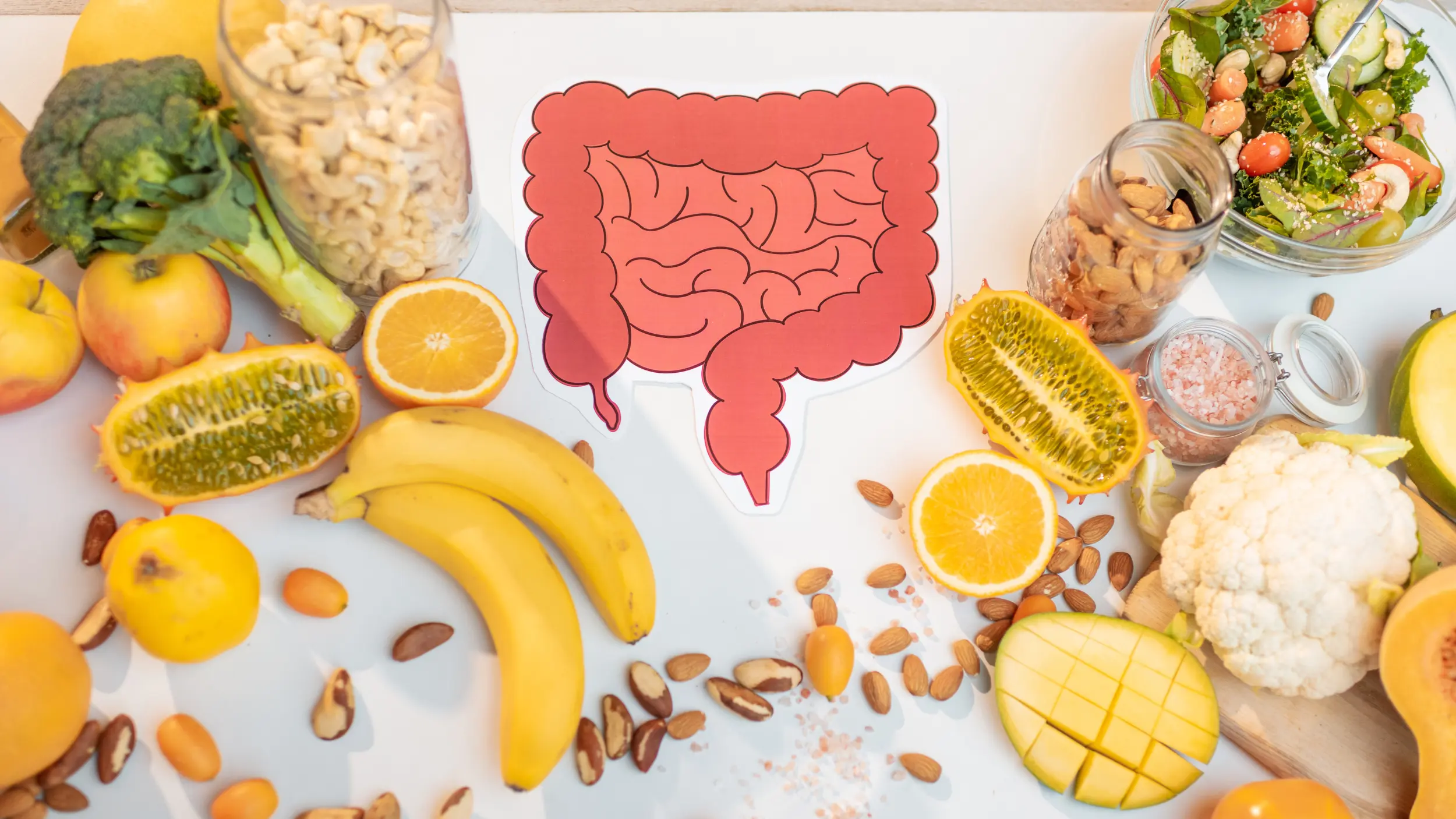
- Cruciferous vegetables in large quantities (broccoli, cauliflower, Brussels sprouts)
- Beans and legumes if you haven't been eating them regularly
- Sugar alcohols hiding in "healthy" protein bars (erythritol, xylitol, sorbitol)
- Dairy if you're even slightly lactose sensitive
- Raw onions and garlic in concentrated amounts
Instead of a massive kale salad, which sounds healthy but can be hard to digest, try lightly steamed or sautéed greens. Cooking begins the breakdown process, making vegetables easier on your system.
Natural Ways to Relieve Bloating
Herbal support that actually works: Peppermint tea contains menthol, which relaxes the smooth muscles of your GI tract and can reduce bloating within 30-45 minutes [10]. Ginger tea stimulates digestive enzyme production and reduces inflammation. Fennel seeds have carminative properties that help expel gas.
Strategic meal timing: Eat your largest meal when your digestive fire is strongest—typically between 11am and 2pm. Your body produces more digestive enzymes and stomach acid during this window [11]. Keep dinner lighter and finish eating at least 3 hours before bed to prevent overnight bloating.
The power of digestive bitters: Taking a few drops of digestive bitters 15 minutes before meals signals your body to prepare for digestion. This centuries-old practice has solid modern research backing its effectiveness for reducing post-meal bloating [12].
For a deeper dive into supporting your digestive system, check out this comprehensive guide to optimizing gut health and your microbiome.
Nourishing Your Gut for Lasting Comfort
Quick fixes are great, but let's talk about sustainable digestive wellness. Think of this as your post-vacation recalibration rather than a restrictive detox.
Building a Diet for Bloating Prevention
Probiotic-rich foods are your foundation. I recommend incorporating one serving daily of fermented foods like plain Greek yogurt, kefir, sauerkraut, or kimchi. These provide beneficial bacteria that support optimal digestion and reduce bloating over time [13]. Start small—just a tablespoon of sauerkraut or a few ounces of kefir—and gradually increase.
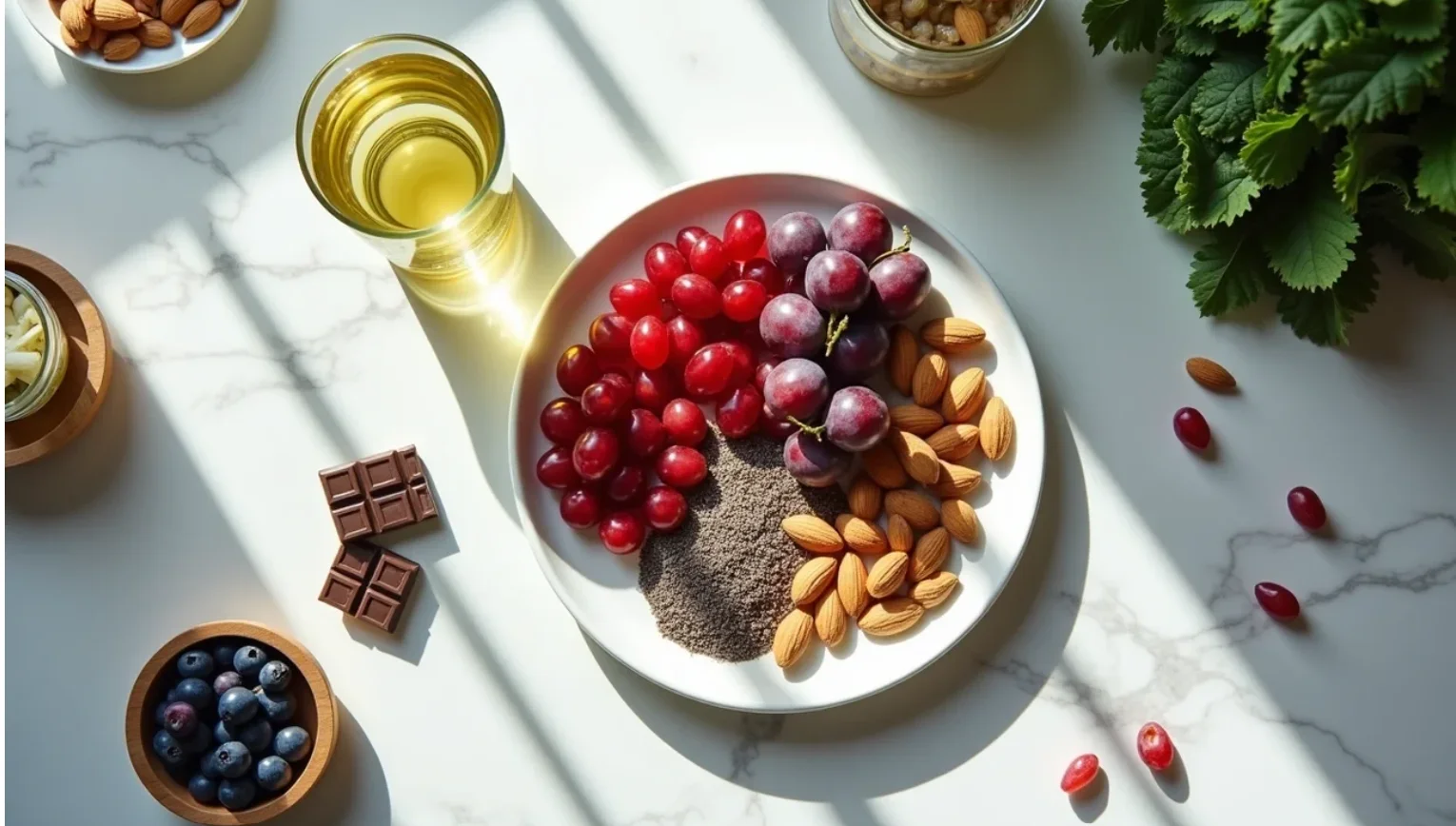
Prebiotic fiber feeds your good bacteria. Foods like cooked and cooled potatoes, oats, bananas, and asparagus contain resistant starch and prebiotic fiber that nourish your microbiome [14]. The key? Introduce these gradually if they haven't been regular parts of your diet.
Adequate protein at every meal stabilizes blood sugar and supports the production of digestive enzymes. Aim for 25-35 grams per meal, from sources like eggs, fish, chicken, or plant-based options like hemp seeds and organic tofu.
Healthy Eating After Travel: Your Week-One Template
Instead of a rigid meal plan, I'm giving you a flexible framework:
- Morning: Start with warm lemon water, followed by a simple breakfast with protein, healthy fat, and easy-to-digest carbs. Think scrambled eggs with avocado and sourdough toast, or Greek yogurt with berries and ground flaxseed.
- Midday: Your largest meal should include palm-sized protein, two fists of cooked vegetables, a thumb of fat, and a cupped handful of complex carbs. Grilled salmon with roasted sweet potato and sautéed greens checks all the boxes.
- Evening: Keep it lighter and simpler. A vegetable-based soup with chicken or a simple stir-fry allows your digestive system to rest overnight.
Hydration strategy: Between meals, not with meals. Drinking large amounts of liquid during eating dilutes digestive enzymes. Sip during meals if needed, but do your heavy hydrating 30 minutes before or after eating.
Gut Health Tips for Long-Term Success
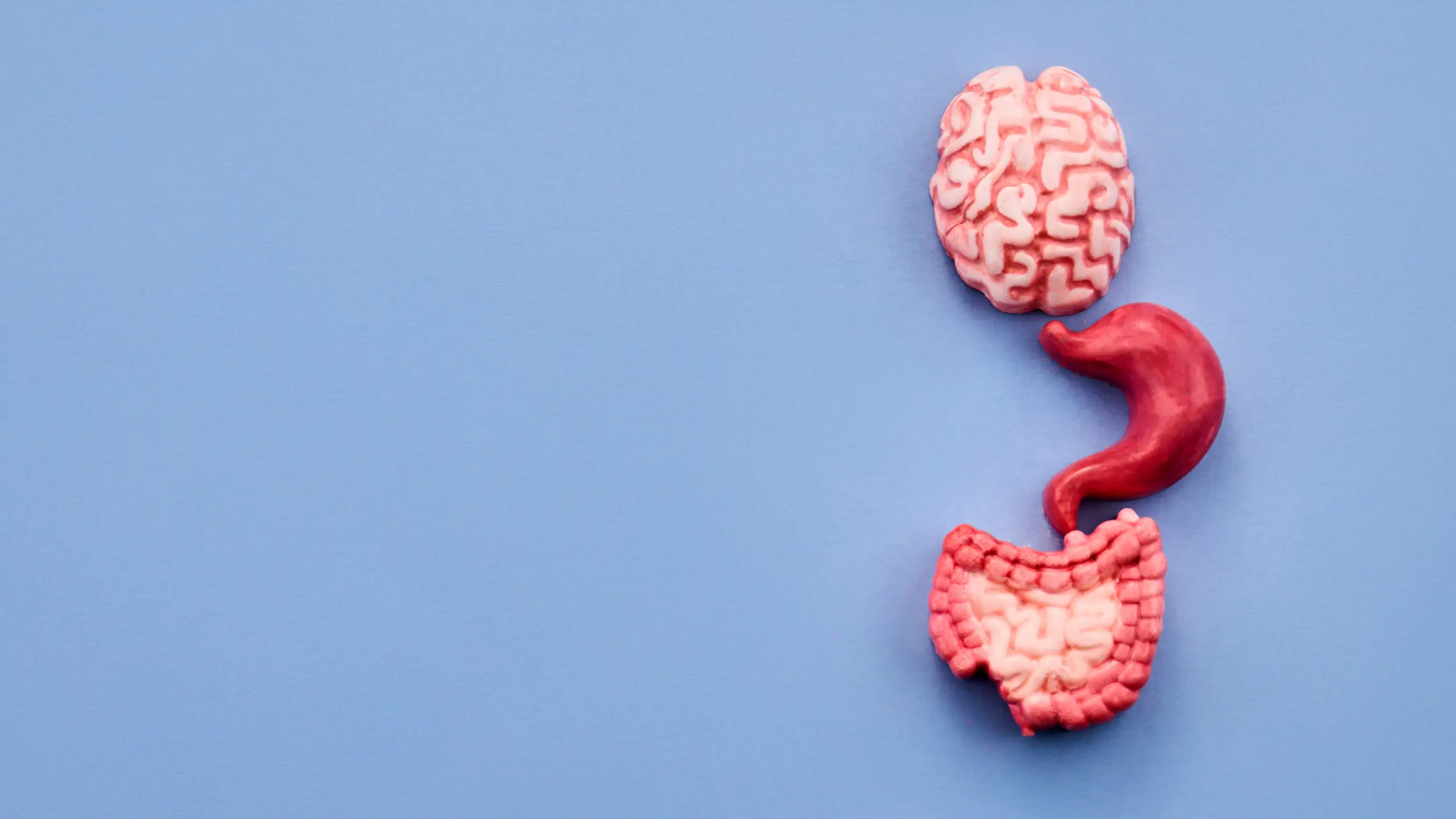
Managing stress isn't just wellness fluff—it's essential for digestive health. Your gut and brain communicate constantly via the vagus nerve, and chronic stress literally changes your gut motility and microbiome composition [15]. Even five minutes of deep breathing before meals activates your parasympathetic nervous system, which optimizes digestion.
Sleep matters more than you think. Poor sleep disrupts the gut-brain axis and alters your microbiome diversity [16]. Aim for 7-9 hours nightly, and try to maintain consistent sleep and wake times to support your circadian rhythm.
Chewing thoroughly is underrated. Digestion begins in your mouth, where mechanical breakdown and salivary enzymes start the process. Aim to chew each bite 20-30 times. This simple practice can dramatically reduce bloating by decreasing the work your stomach and intestines need to do.
If you're dealing with concurrent stress and low energy that might be impacting your digestion, exploring functional nutrition approaches can provide additional support.
Beat Post-Holiday Bloat: When to Seek Professional Help
While most post-summer bloating resolves within 1-2 weeks with these strategies, certain symptoms warrant professional evaluation:
- Bloating that progressively worsens rather than improves
- Severe pain or bloating that wakes you from sleep
- Unexplained weight loss accompanying digestive symptoms
- Blood in stool or significant changes in bowel habits
- Bloating accompanied by severe fatigue or other systemic symptoms
These could indicate conditions like SIBO (small intestinal bacterial overgrowth), food intolerances, or other digestive disorders that benefit from personalized testing and treatment protocols.
Frequently Asked Questions
What are the quickest ways to relieve bloating?
The fastest relief comes from combining movement with strategic hydration. Take a 15-minute walk, drink warm water with lemon, and sip peppermint tea. These three actions work synergistically to stimulate digestion and reduce gas. Avoid lying down immediately after eating, which slows gastric emptying and worsens bloating.
Are there specific foods I should avoid after summer to prevent bloat?
Temporarily reduce high-FODMAP foods, carbonated beverages, sugar alcohols in processed "health" foods, and excessive raw cruciferous vegetables. Focus instead on easily digestible proteins, cooked vegetables, and moderate portions of complex carbohydrates. This isn't about restriction—it's about giving your digestive system space to recalibrate.
How can I improve my gut health after a period of indulgent eating?
Focus on consistency over perfection. Include one probiotic-rich food daily, eat meals at regular times, prioritize 7-9 hours of sleep, and manage stress through movement or breathwork. Your microbiome can shift positively within just 24-48 hours of dietary changes [17], but sustainable improvement takes 2-4 weeks of consistent habits.
Your Next Step to Digestive Freedom
You now have the evidence-based tools to address post-summer bloat effectively and sustainably. But here's what I know from working with hundreds of women: personalized guidance accelerates your results and addresses your unique digestive patterns, food preferences, and lifestyle factors.
If you're tired of generic advice that doesn't account for your body, hormones, and health history, let's work together. I'll help you identify your specific bloating triggers, create a customized nutrition protocol, and support you in building lasting digestive wellness.
Ready to feel comfortable in your body again? Book your personalized consultation today and let's create your roadmap to lasting digestive comfort.
References
[1] Hinninghofen H, Enck P. Passenger well-being in airplanes: Effect of cabin pressure on gastric volume. Physiology & Behavior, 2006.
[2] Hoogerwerf WA. Role of clock genes in gastrointestinal motility. American Journal of Physiology-Gastrointestinal and Liver Physiology, 2010.
[3] Bode C, Bode JC. Effect of alcohol consumption on the gut. Best Practice & Research Clinical Gastroenterology, 2003.
[4] Rakova N, et al. Increased salt consumption induces body water conservation and decreases fluid intake. Journal of Clinical Investigation, 2017.
[5] Eswaran S, et al. Fiber and functional gastrointestinal disorders. American Journal of Gastroenterology, 2013.
[6] Konturek PC, et al. Stress and the gut: pathophysiology, clinical consequences, diagnostic approach and treatment options. Journal of Physiology and Pharmacology, 2011.
[7] Bothe G, et al. Efficacy and safety of a natural mineral water rich in magnesium and sulphate for bowel function. European Journal of Nutrition, 2017.
[8] Johannesson E, et al. Physical activity improves symptoms in irritable bowel syndrome. American Journal of Gastroenterology, 2011.
[9] McMullen MK, et al. Bitters: Time for a New Paradigm. Evidence-Based Complementary and Alternative Medicine, 2017.
[10] Khanna R, et al. Peppermint oil for the treatment of irritable bowel syndrome: a systematic review and meta-analysis. Journal of Clinical Gastroenterology, 2014.
[11] Ruddick-Collins LC, et al. The Big Breakfast Study: Chrono-nutrition influence on energy expenditure and bodyweight. Nutrition Bulletin, 2020.
[12] McMullen MK, et al. Bitter tastants alter gastric-phase postprandial haemodynamics. Journal of Ethnopharmacology, 2016.
[13] Dimidi E, et al. Fermented Foods: Definitions and Characteristics, Impact on the Gut Microbiota and Effects on Gastrointestinal Health and Disease. Nutrients, 2019.
[14] Slavin J. Fiber and prebiotics: mechanisms and health benefits. Nutrients, 2013.
[15] Carabotti M, et al. The gut-brain axis: interactions between enteric microbiota, central and enteric nervous systems. Annals of Gastroenterology, 2015.
[16] Smith RP, et al. Gut microbiome diversity is associated with sleep physiology in humans. PLoS ONE, 2019.
[17] David LA, et al. Diet rapidly and reproducibly alters the human gut microbiome. Nature, 2014.
.svg)
.svg)



.webp)
.webp)
.webp)
.webp)
.webp)


.webp)
.webp)
.png)
.webp)
.webp)