.webp)
%2B(7).webp)
.png)
At a Glance
Brain fog isn't just in your head—it might be stemming from your gut. Intestinal permeability, commonly called leaky gut, allows inflammatory compounds to enter your bloodstream and disrupt cognitive function. This article breaks down the science connecting your gut health to mental clarity and provides actionable steps to heal both.
What is Intestinal Permeability and Why Should You Care?
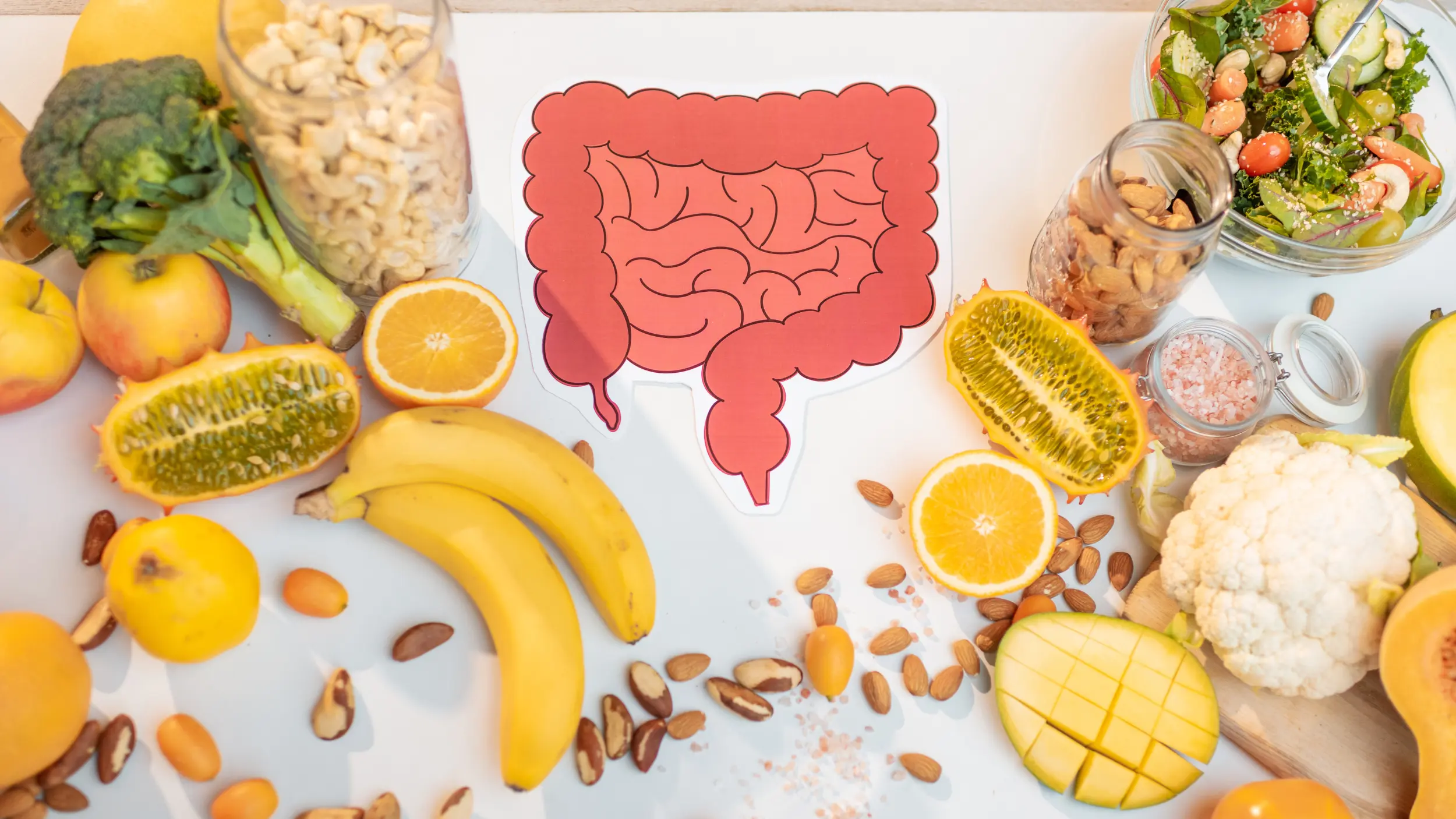
Let's get real about what's happening in your digestive tract. Intestinal permeability refers to the compromised integrity of your intestinal lining—specifically, the tight junctions between epithelial cells that normally act as selective gatekeepers [1]. When these junctions become loose or damaged, partially digested food particles, bacterial endotoxins, and other molecules slip through into your bloodstream where they absolutely don't belong.
This condition, popularly known as leaky gut, triggers a cascade of inflammatory responses throughout your body. Your immune system recognizes these escaped compounds as foreign invaders and launches an attack [2]. The result? Systemic inflammation that doesn't just stay in your gut—it travels everywhere, including straight to your brain.
What causes this breakdown in the first place?
- Chronic stress elevates cortisol, which directly degrades tight junction proteins
- Processed foods high in emulsifiers and additives physically damage the intestinal barrier
- Excessive alcohol consumption increases permeability within hours of intake
- Certain medications, particularly NSAIDs and antibiotics, compromise gut lining integrity
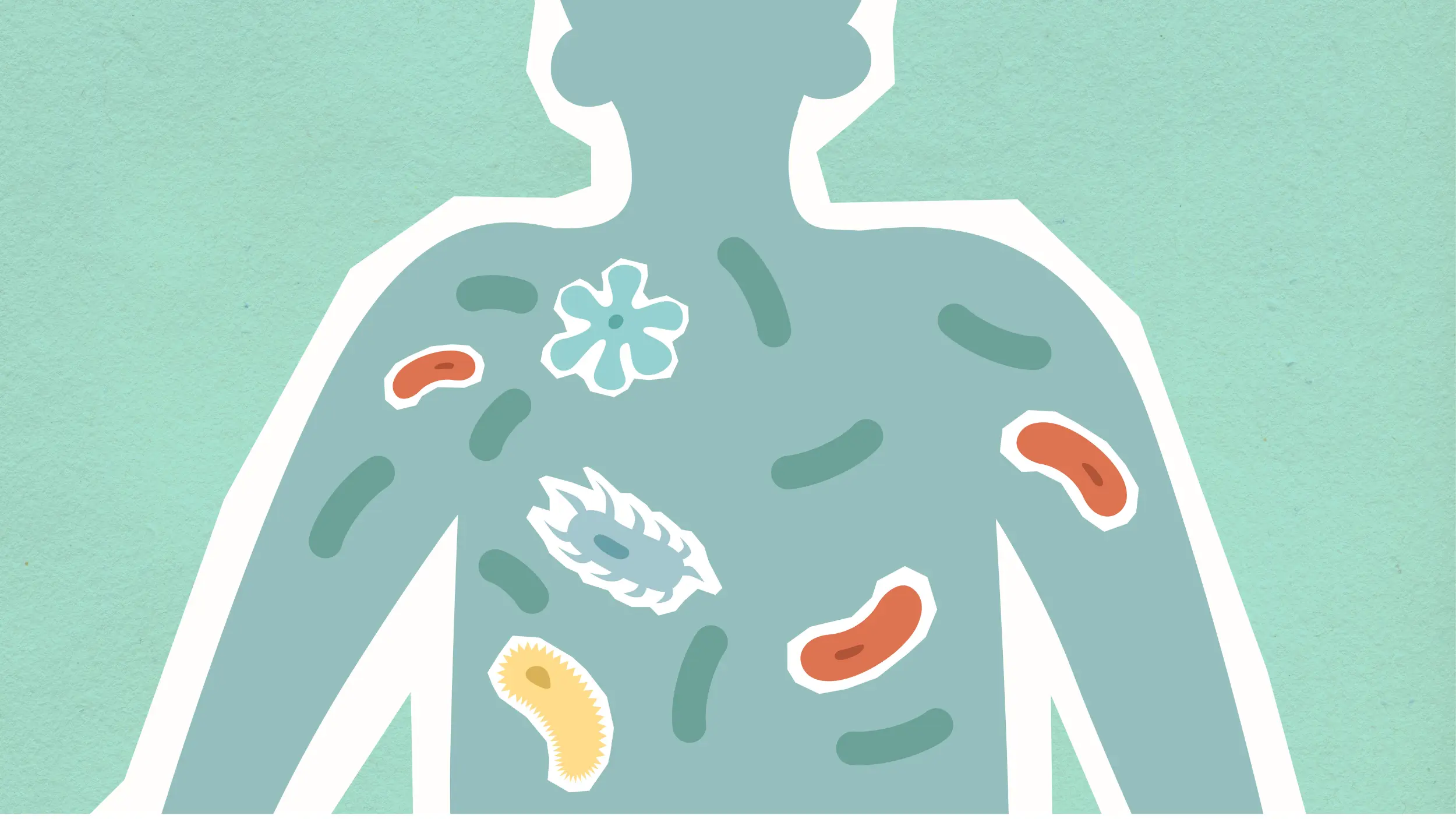
- Imbalanced gut microbiome with insufficient beneficial bacteria
The symptoms of leaky gut extend far beyond digestive discomfort. While bloating, gas, and irregular bowel movements are common, many women experience fatigue, joint pain, skin issues like eczema, and yes—that frustrating brain fog that makes you forget why you walked into a room [3].
Here's what makes this so relevant for you: emerging research shows that women between 24-45 face unique vulnerabilities. Hormonal fluctuations during your menstrual cycle, pregnancy, postpartum, and perimenopause directly influence gut barrier function [4]. Estrogen has protective effects on intestinal permeability, which means when levels drop during certain cycle phases or life stages, your gut becomes more susceptible to damage.
Understanding gut health optimization becomes absolutely essential when you realize your intestinal barrier is your body's first line of immune defense. About 70% of your immune system resides in your gut [5], so when that barrier fails, you're looking at widespread consequences that touch every system in your body.
The Gut-Brain Axis: A Two-Way Street
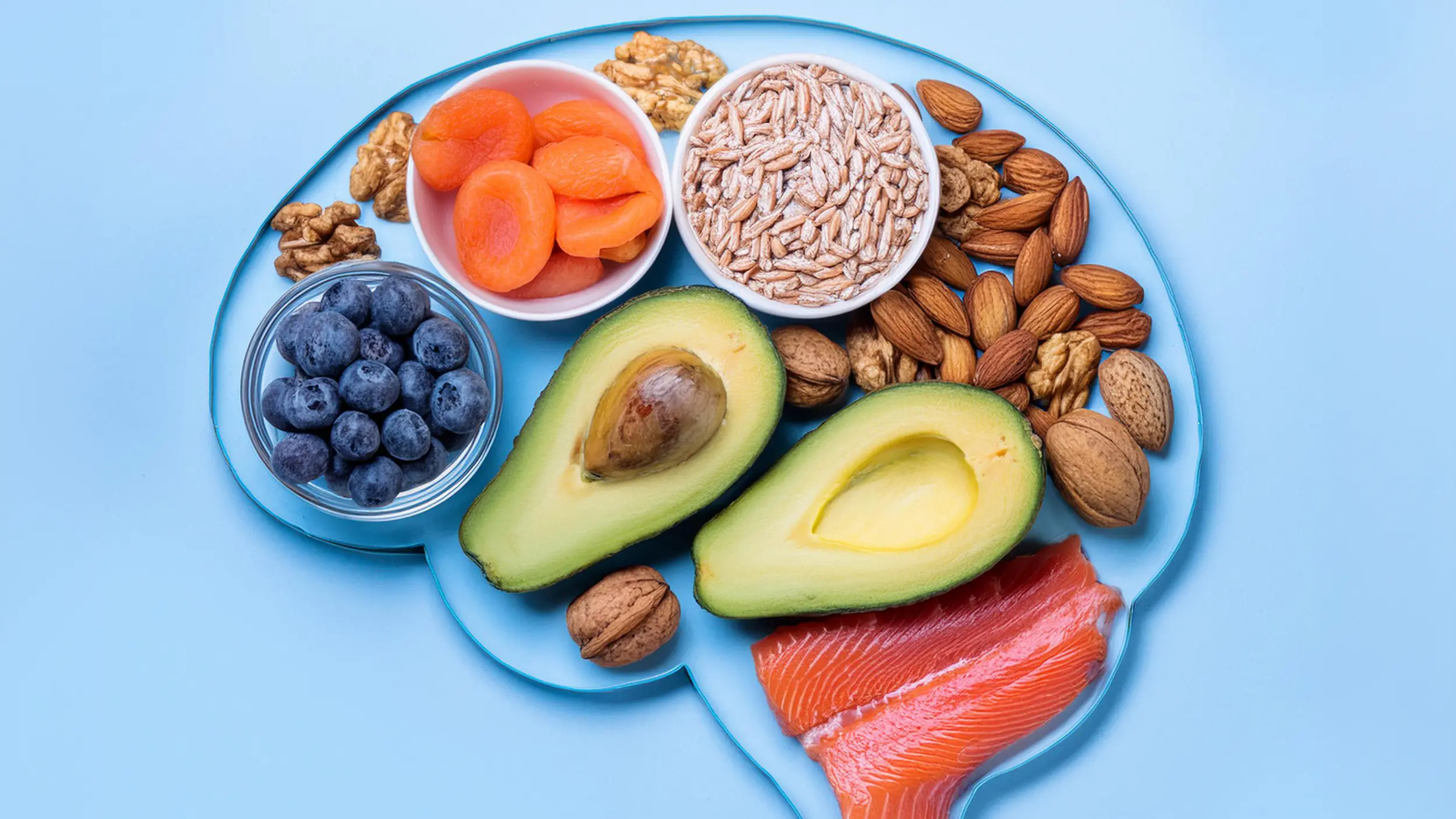
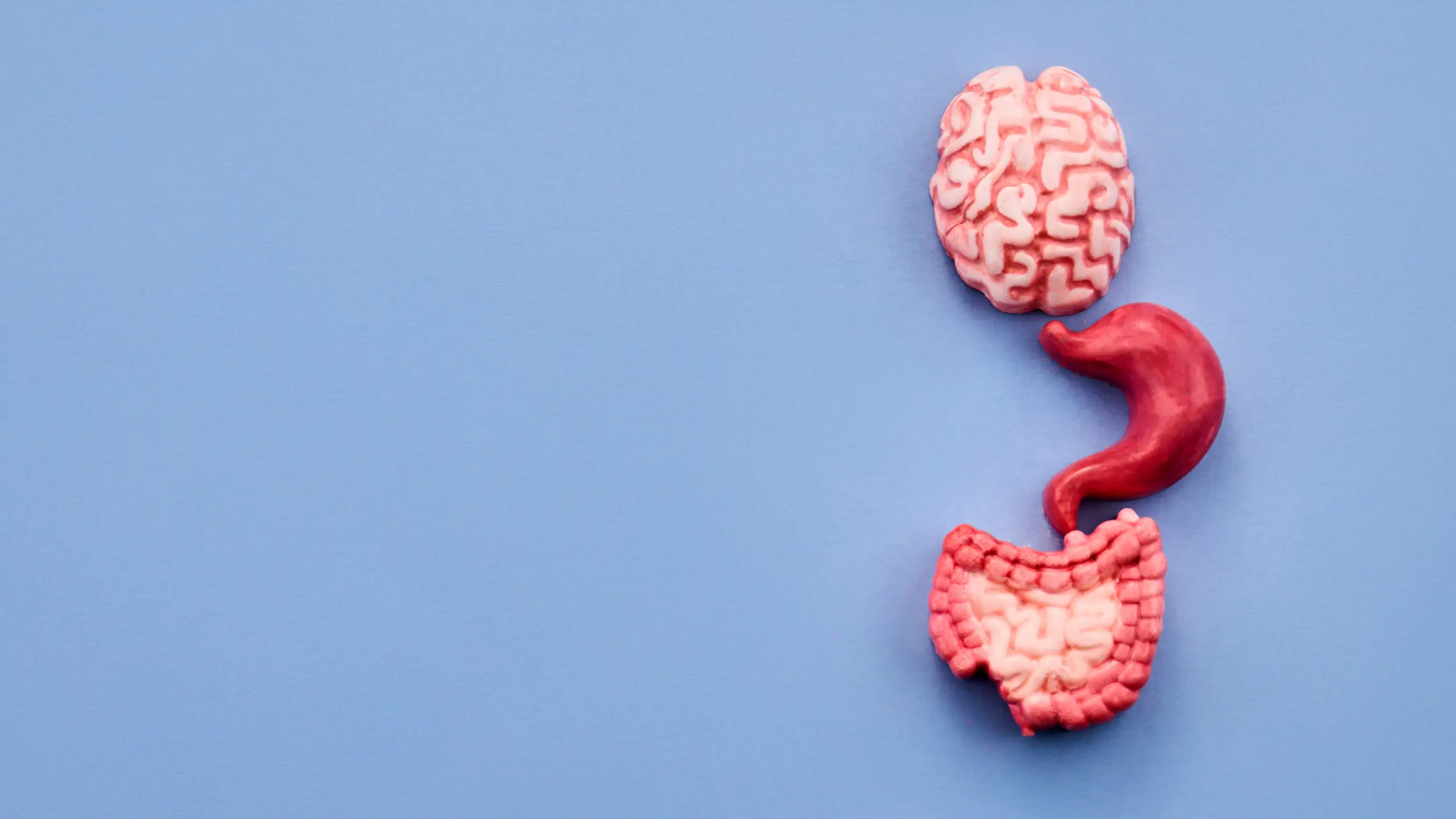
Your gut and brain are in constant conversation through what scientists call the gut-brain axis—a bidirectional communication network involving neural pathways, hormonal signaling, and immune mediators [6]. Think of it as a sophisticated highway system where traffic flows both ways, and when there's a pileup in your gut, your brain feels the backup.
The vagus nerve serves as the primary physical connection, acting like a superhighway of information between your gastrointestinal tract and your central nervous system. But here's where it gets fascinating: your gut microbiome—the trillions of bacteria living in your intestines—actively produces neurotransmitters that directly affect your mood and cognition [7].
The inflammation connection
When intestinal permeability allows inflammatory compounds like lipopolysaccharides (LPS) to enter your bloodstream, they trigger the production of pro-inflammatory cytokines [8]. These immune signaling molecules cross the blood-brain barrier and activate neuroinflammation—basically, inflammation in your brain tissue.
Neuroinflammation disrupts several cognitive processes:
- Reduces neurotransmitter production, particularly serotonin and dopamine
- Impairs mitochondrial function in brain cells, decreasing energy availability
- Disrupts neuroplasticity, affecting memory formation and recall
- Slows neural communication speed, creating that "foggy" processing delay
Your gut microbiome composition matters enormously here. Beneficial bacteria produce short-chain fatty acids (SCFAs) like butyrate, which strengthen both your intestinal barrier and your blood-brain barrier [9]. When dysbiosis occurs—meaning you have an imbalance with too many pathogenic bacteria and not enough beneficial ones—you lose this protective effect.
The stress spiral
Here's where the two-way street becomes particularly relevant: chronic stress damages your gut lining while simultaneously altering your microbiome composition [10]. Then, your compromised gut sends inflammatory signals back to your brain, which perceives more stress. It's a self-perpetuating cycle that keeps you stuck in brain fog.
Women experiencing chronic stress often notice their digestion worsens, their mental clarity tanks, and their energy levels plummet. This isn't coincidence—it's your gut-brain axis screaming for attention.
Research shows that specific bacterial strains can actually influence cognitive performance. Lactobacillus and Bifidobacterium species have demonstrated abilities to reduce anxiety, improve memory, and enhance executive function in clinical trials [11]. When your gut microbiome is thriving, your brain gets the support it needs to function optimally.
Practical Steps for Gut Healing and Brain Clarity
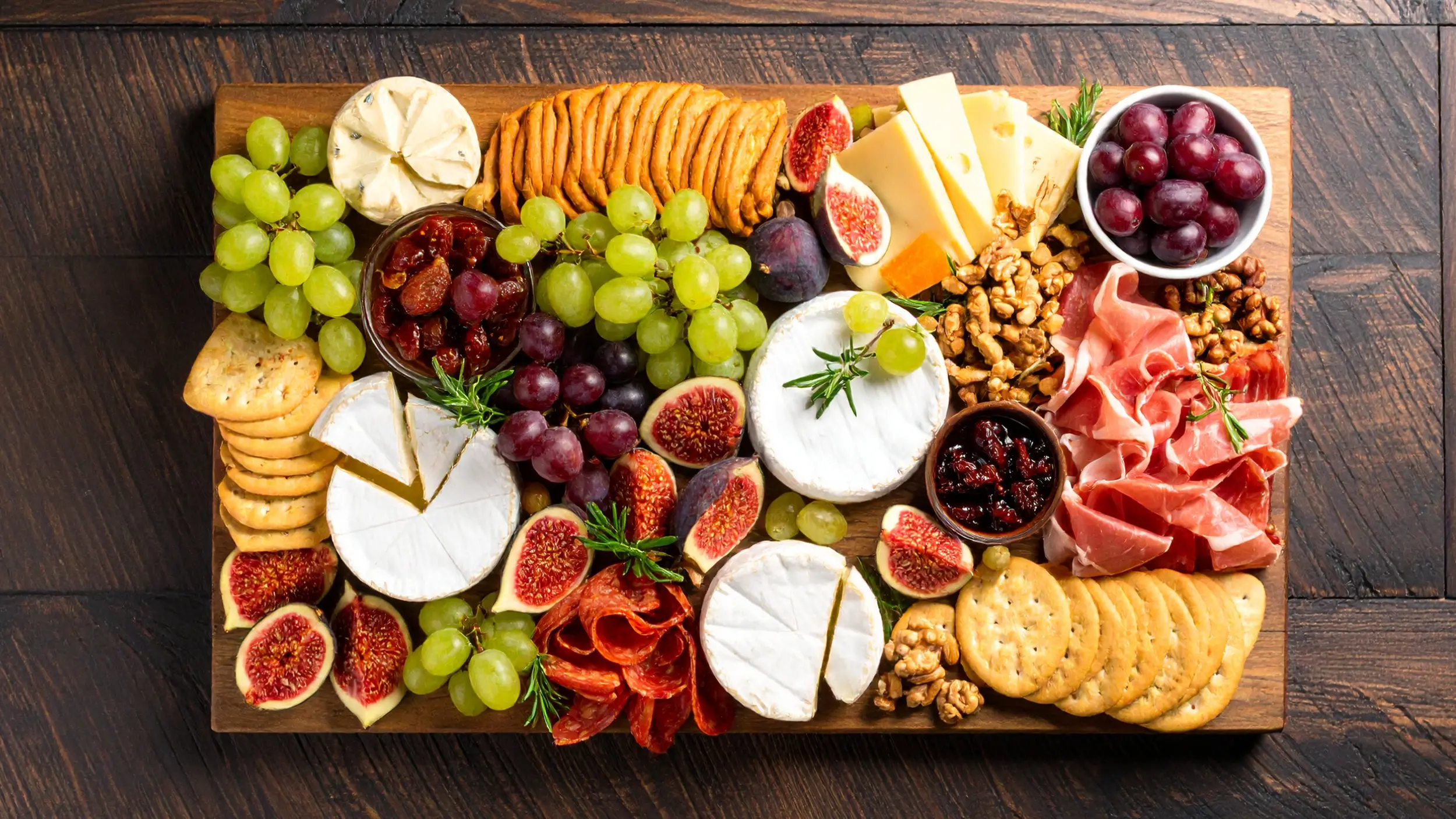
Ready to actually do something about this? Let's talk about evidence-based strategies that address intestinal permeability and restore mental sharpness. This isn't about perfection—it's about consistent, strategic choices that support your gut lining repair and reduce systemic inflammation.
Prioritize gut-healing foods
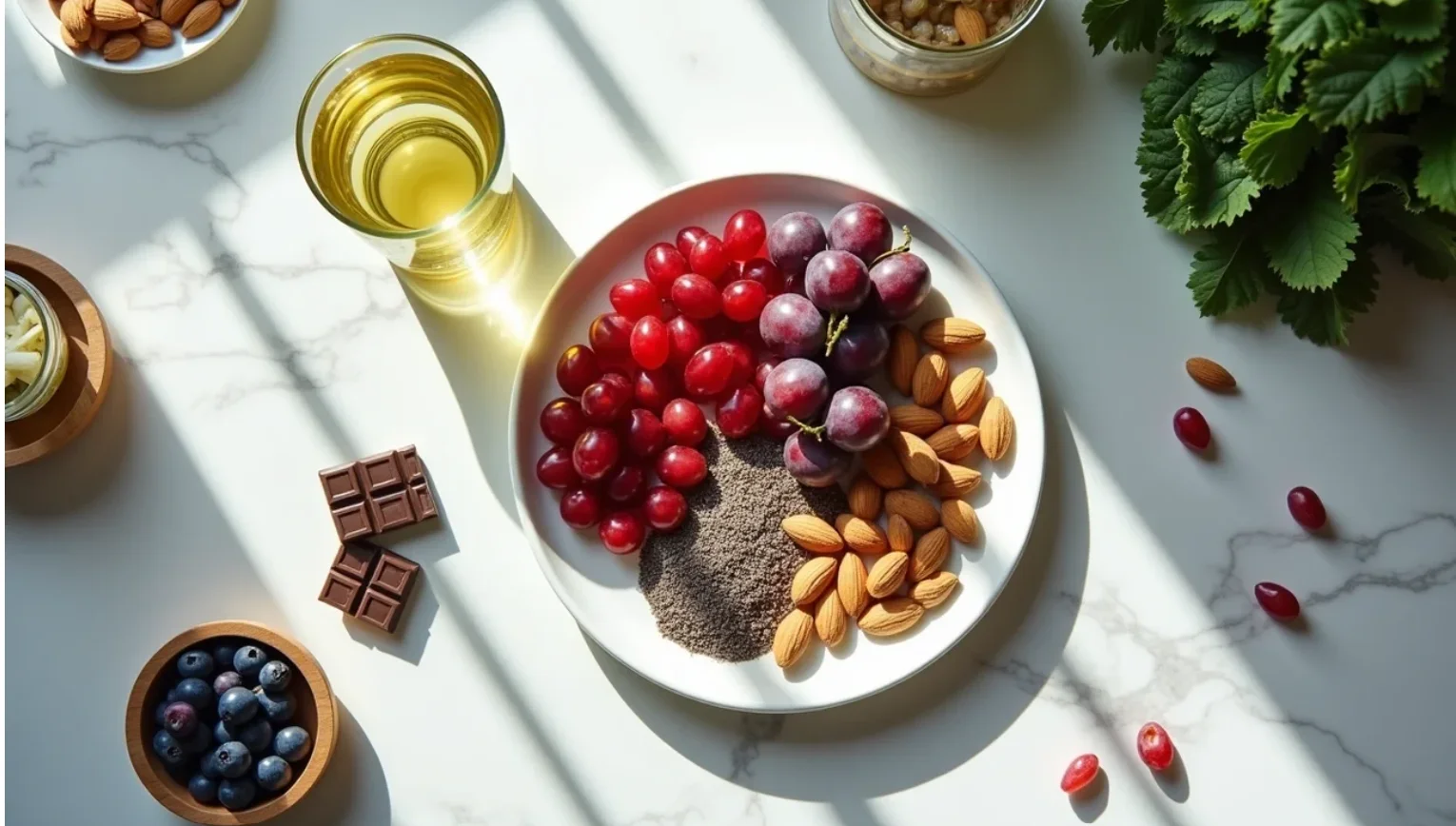
Your diet for leaky gut should emphasize foods that provide the raw materials for intestinal repair. Bone broth contains collagen, gelatin, and glutamine—amino acids that directly rebuild tight junction proteins [12]. Aim for 8-12 ounces daily if tolerated.
Fermented foods introduce beneficial bacteria while also providing postbiotics—the beneficial compounds bacteria produce. Include:
- Unsweetened yogurt or kefir with live cultures (look for multiple Lactobacillus and Bifidobacterium strains)
- Sauerkraut or kimchi, starting with 1-2 tablespoons per day
- Kombucha in moderation, watching for sugar content
- Miso paste in soups or dressings
Fiber feeds your beneficial bacteria, but the type matters. Soluble fiber from oats, flaxseeds, and cooked-then-cooled potatoes (resistant starch) gets fermented into those protective SCFAs [13]. Work up to 25-30 grams daily, increasing gradually to avoid digestive distress.
Identify and eliminate triggers
Some foods actively damage your intestinal lining or promote inflammation. Consider a 4-6 week elimination of:
- Gluten, which increases zonulin production—a protein that loosens tight junctions even in non-celiac individuals [14]
- Conventional dairy, as A1 casein can trigger inflammatory responses
- Processed seed oils high in omega-6 fatty acids
- Artificial sweeteners, which alter microbiome composition negatively
- Excessive alcohol, which directly increases permeability
After elimination, reintroduce foods one at a time every 3-4 days, monitoring symptoms carefully. You might discover specific triggers unique to your body.
Strategic supplementation
While food comes first, certain supplements have robust evidence for gut healing:
- L-glutamine serves as primary fuel for enterocytes (intestinal cells) and supports tight junction repair. Studies show 5-10 grams daily can reduce intestinal permeability within 8 weeks [15].
- Omega-3 fatty acids from fish oil reduce systemic and neuroinflammation. Aim for 2-3 grams of combined EPA and DHA daily [16].
- Zinc carnosine specifically protects and repairs the gastric and intestinal lining. Research supports 75-150mg daily for gut barrier restoration [17].
- A high-quality, multi-strain probiotic with at least 10-50 billion CFUs can help restore beneficial bacteria populations. Look for refrigerated options with documented strain survival.
Lifestyle modifications that matter
Stress management isn't optional—it's foundational. Chronic cortisol elevation actively degrades your gut lining [18]. Even 10 minutes daily of breathwork, meditation, or gentle yoga creates measurable improvements in gut barrier function.
Sleep quality directly impacts your microbiome diversity and intestinal repair processes [19]. Your gut lining regenerates during deep sleep, so prioritizing 7-9 hours nightly is non-negotiable for healing.
Moderate exercise enhances microbiome diversity and reduces inflammatory markers, but overtraining does the opposite [20]. Find your sweet spot—usually 30-45 minutes of moderate activity most days.
Balancing hormones through nutrition also supports gut integrity, especially as you navigate different life phases where estrogen fluctuations affect your intestinal barrier.
Timeline expectations
Be patient with your body. The intestinal epithelium regenerates every 3-5 days, but complete gut healing typically requires 3-6 months of consistent intervention [21]. Many women notice improvements in brain fog within 4-8 weeks as inflammation decreases, but full restoration takes longer.
Track your symptoms weekly rather than daily. Notice patterns in mental clarity, energy levels, digestive comfort, and overall well-being. This helps you identify what's actually working rather than getting discouraged by day-to-day fluctuations.
Frequently Asked Questions
What are the most common symptoms of leaky gut?
Beyond digestive issues like bloating and irregular bowel movements, intestinal permeability manifests as chronic fatigue, brain fog, difficulty concentrating, joint pain, skin problems (eczema, acne, rosacea), food sensitivities, and frequent infections due to immune dysfunction [22]. Many women also experience mood disturbances, anxiety, and hormonal imbalances as secondary effects.
Can diet truly reverse brain fog related to gut issues?
Absolutely, when the brain fog stems from gut-driven inflammation. Research demonstrates that dietary interventions targeting intestinal permeability can significantly reduce systemic inflammation and improve cognitive function within 8-12 weeks [23]. The key is consistency and addressing root causes rather than just symptoms. However, if brain fog persists despite gut healing efforts, other factors like thyroid dysfunction, nutrient deficiencies, or hormonal imbalances may need investigation.
How long does it take to see improvements in gut health and brain fog?
Most women notice initial improvements in mental clarity within 4-8 weeks of implementing gut-healing protocols, as systemic inflammation begins to decrease. Digestive symptoms often improve within 2-4 weeks. However, complete gut barrier restoration typically requires 3-6 months of consistent dietary and lifestyle modifications [24]. The timeline varies based on severity of damage, compliance with interventions, stress levels, and individual healing capacity.
Ready to clear the fog and feel your best? Brain fog doesn't have to be your normal. Understanding the connection between intestinal permeability and cognitive function gives you the power to take targeted action. If you're ready for a personalized approach that addresses your unique gut health needs and hormonal patterns, book a consultation with our specialized dietitian and create a plan tailored specifically for you.
References
[1] Camilleri M. Leaky gut: mechanisms, measurement and clinical implications in humans. Gut, 2019.
[2] Fasano A. Intestinal permeability and its regulation by zonulin: diagnostic and therapeutic implications. Clinical Gastroenterology and Hepatology, 2012.
[3] Mu Q, et al. Leaky Gut As a Danger Signal for Autoimmune Diseases. Frontiers in Immunology, 2017.
[4] Benedek G, et al. Estrogen protection against EAE modulates the microbiota and mucosal-associated regulatory cells. Journal of Neuroimmunology, 2017.
[5] Vighi G, et al. Allergy and the gastrointestinal system. Clinical & Experimental Immunology, 2008.
[6] Carabotti M, et al. The gut-brain axis: interactions between enteric microbiota, central and enteric nervous systems. Annals of Gastroenterology, 2015.
[7] Cryan JF, et al. The Microbiota-Gut-Brain Axis. Physiological Reviews, 2019.
[8] Maes M, et al. The gut-brain barrier in major depression: intestinal mucosal dysfunction with an increased translocation of LPS from gram negative enterobacteria plays a role in the inflammatory pathophysiology of depression. Neuroendocrinology Letters, 2008.
[9] Dalile B, et al. The role of short-chain fatty acids in microbiota-gut-brain communication. Nature Reviews Gastroenterology & Hepatology, 2019.
[10] Madison A, Kiecolt-Glaser JK. Stress, depression, diet, and the gut microbiota: human-bacteria interactions at the core of psychoneuroimmunology and nutrition. Current Opinion in Behavioral Sciences, 2019.
[11] Chong HX, et al. Lactobacillus plantarum DR7 alleviates stress and anxiety in adults: a randomised, double-blind, placebo-controlled study. Beneficial Microbes, 2019.
[12] Kim MH, Kim H. The Roles of Glutamine in the Intestine and Its Implication in Intestinal Diseases. International Journal of Molecular Sciences, 2017.
[13] Holscher HD. Dietary fiber and prebiotics and the gastrointestinal microbiota. Gut Microbes, 2017.
[14] Drago S, et al. Gliadin, zonulin and gut permeability: Effects on celiac and non-celiac intestinal mucosa and intestinal cell lines. Scandinavian Journal of Gastroenterology, 2006.
[15] Akobeng AK, et al. Glutamine supplementation and intestinal permeability in Crohn's disease. Journal of Parenteral and Enteral Nutrition, 2000.
[16] Calder PC. Marine omega-3 fatty acids and inflammatory processes: Effects, mechanisms and clinical relevance. Biochimica et Biophysica Acta, 2015.
[17] Mahmood A, et al. Zinc carnosine, a health food supplement that stabilises small bowel integrity and stimulates gut repair processes. Gut, 2007.
[18] Karl JP, et al. Changes in intestinal microbiota composition and metabolism coincide with increased intestinal permeability in young adults under prolonged physiological stress. American Journal of Physiology-Gastrointestinal and Liver Physiology, 2017.
[19] Smith RP, et al. Gut microbiome diversity is associated with sleep physiology in humans. PLoS ONE, 2019.
[20] Clark A, Mach N. Exercise-induced stress behavior, gut-microbiota-brain axis and diet: a systematic review for athletes. Journal of the International Society of Sports Nutrition, 2016.
[21] Camilleri M. Human intestinal barrier: effects of gastrointestinal microbiota in health and disease. Neurogastroenterology & Motility, 2012.
[22] Fasano A. Zonulin, regulation of tight junctions, and autoimmune diseases. Annals of the New York Academy of Sciences, 2012.
[23] Slyepchenko A, et al. Gut emotions - mechanisms of action of probiotics as novel therapeutic targets for depression and anxiety disorders. CNS & Neurological Disorders Drug Targets, 2014.
[24] Bischoff SC, et al. Intestinal permeability – a new target for disease prevention and therapy. BMC Gastroenterology, 2014.
.svg)
.svg)






.webp)
.webp)
.webp)
.webp)
.webp)


.webp)
.webp)
.png)
.webp)
.webp)