.webp)
.webp)
%2B(7).webp)
.png)
At a Glance
Chronic bloating affects millions of women, causing discomfort that disrupts daily confidence and energy. This guide unpacks the science-backed root causes—from food intolerances to microbiome imbalances—and delivers actionable relief strategies tailored to your body. You'll learn when DIY approaches work and when it's time to partner with a professional for personalized bloating treatment.
Uncovering the "Why": Common Causes of Persistent Bloating
Let's get real: that tight, uncomfortable sensation in your abdomen isn't just about eating too much. Chronic bloating often signals deeper digestive disruptions that deserve your attention.
Food Sensitivities and Intolerances
Lactose intolerance affects approximately 68% of the global population, with symptoms including abdominal bloating, gas, and discomfort within 30 minutes to 2 hours after consuming dairy [1]. Non-celiac gluten sensitivity presents similarly, though it's distinct from celiac disease and affects an estimated 0.5-13% of the general population [2].
Here's what I see constantly in practice:
- Women who've consumed dairy for years suddenly develop sensitivity in their late twenties or early thirties
- Gluten-containing foods trigger bloating even without a formal celiac diagnosis
- FODMAPs—fermentable carbohydrates found in onions, garlic, beans, and certain fruits—create significant gas production in sensitive individuals [3]
The tricky part? These sensitivities don't always show up on standard allergy tests. Your body's reaction might be delayed, making it harder to connect the dots between what you ate at lunch and the bloating you feel at dinner.
Gut Microbiome Imbalances
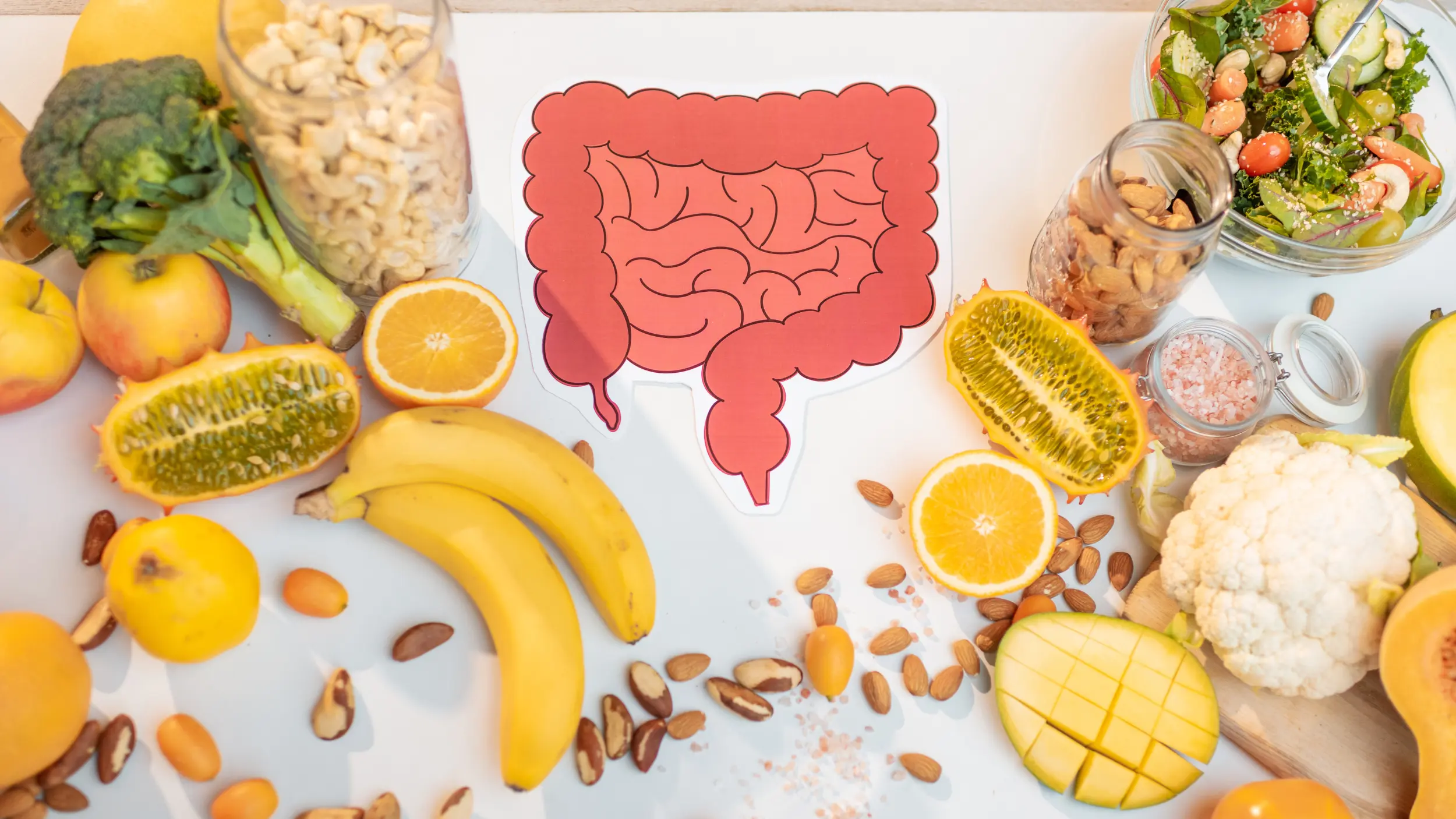
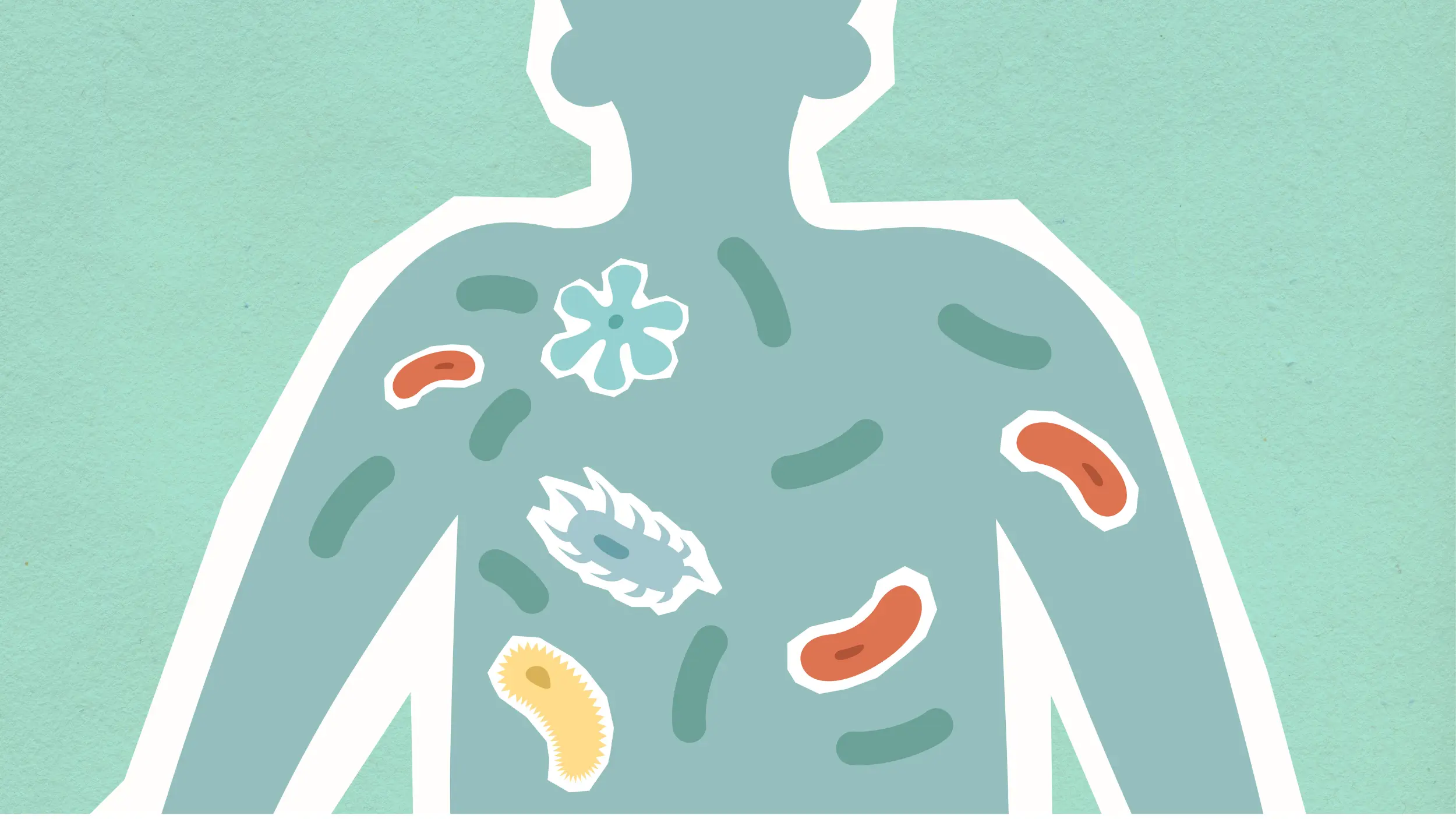
Your gut houses trillions of bacteria, and when that ecosystem falls out of balance, bloating often follows. Small intestinal bacterial overgrowth (SIBO) occurs when bacteria that normally live in the large intestine migrate upward, fermenting food prematurely and producing excess gas [4].
Research shows that up to 78% of patients with irritable bowel syndrome test positive for SIBO, and it's a major contributor to that persistent "six months pregnant" feeling many women describe [5]. The connection between gut health and your microbiome runs deeper than most people realize—it influences everything from nutrient absorption to immune function.
Digestive Disorders and IBS
Irritable bowel syndrome affects 10-15% of adults globally, with women being twice as likely to be diagnosed compared to men [6]. The hallmark bloating symptoms stem from:
- Visceral hypersensitivity—your gut nerves overreact to normal amounts of gas
- Altered gut motility that causes food to move too quickly or too slowly
- Increased intestinal permeability that triggers low-grade inflammation [7]
Other conditions like inflammatory bowel disease, gastroparesis, and exocrine pancreatic insufficiency can also manifest as chronic abdominal bloating. The key is distinguishing between functional bloating (like IBS) and organic disease requiring different treatment approaches.
Hormonal Fluctuations
If your bloating follows a monthly pattern, estrogen and progesterone are likely involved. Progesterone rises during the luteal phase of your menstrual cycle and slows gastric motility, leading to increased water retention and gas accumulation [8]. This is why so many women experience worse bloating in the week before their period.
Understanding hormone balance and your diet becomes crucial for managing cyclical bloating patterns.
Your Roadmap to Bloating Relief: Practical Diet & Lifestyle Shifts
Now that we understand the why, let's talk about the how—evidence-based strategies that actually work for bloating relief.
Strategic Dietary Modifications
The low-FODMAP diet has demonstrated a 50-80% response rate in reducing bloating symptoms among IBS patients when properly implemented [9]. But here's my honest take: it's not meant to be forever. Think of it as a diagnostic elimination tool, not a permanent lifestyle.
Start here:
- Keep a detailed food-symptom diary for at least two weeks, noting exactly what you eat and when bloating occurs
- Consider a structured elimination phase targeting your suspected triggers (dairy, gluten, high-FODMAP foods)
- Reintroduce foods systematically after 4-6 weeks to identify your specific tolerance threshold
I've seen women unnecessarily restrict entire food groups for years because they never properly tested their individual tolerance levels. Your threshold for onions might be completely different from your best friend's.
Gut-Friendly Eating Practices
How you eat matters just as much as what you eat. Eating quickly increases aerophagia—literally swallowing air—which contributes directly to gas and bloating [10].
Try these adjustments:
- Chew each bite 20-30 times before swallowing to reduce the digestive workload on your stomach
- Put your fork down between bites to naturally slow your eating pace
- Avoid drinking through straws and minimize carbonated beverages, which introduce excess gas
- Eat smaller, more frequent meals rather than three large ones to prevent overwhelming your digestive capacity
Mindful eating isn't just wellness fluff—it's a clinically validated approach to reducing functional gastrointestinal symptoms [11].
Movement and Physical Activity
Moderate physical activity accelerates gastric emptying and reduces intestinal gas retention by up to 30% [12]. You don't need intense HIIT workouts; even a 15-minute post-meal walk significantly improves bloating symptoms.
Yoga poses that involve gentle twisting or forward folds can mechanically assist gas movement through the intestinal tract. Specific positions like child's pose, supine twist, and wind-relieving pose aren't just folklore—they create intra-abdominal pressure changes that facilitate gas expulsion [13].
Stress Management and the Gut-Brain Axis
The connection between your brain and your gut operates bidirectionally through the vagus nerve, and chronic stress directly impacts digestive function [14]. When you're stressed, your body diverts resources away from digestion, slowing motility and altering gut microbiome composition.
Practical stress-reduction approaches with clinical backing include:
- Diaphragmatic breathing exercises performed for just 5 minutes before meals
- Cognitive behavioral therapy, which reduces IBS symptom severity by 40-50% in clinical trials [15]
- Regular sleep schedules that support circadian rhythm alignment and optimal digestive hormone secretion
This is where functional nutrition approaches to stress and energy become incredibly relevant—your cortisol levels and your bloating are more connected than you might think.
Targeted Bloating Remedies
Certain supplements show promise for specific bloating causes:
- Peppermint oil (enteric-coated) reduces IBS-related bloating through antispasmodic effects on intestinal smooth muscle [16]
- Digestive enzymes containing lactase, alpha-galactosidase, or proteases can assist breakdown of specific food components
- Probiotics with strains like Bifidobacterium infantis 35624 demonstrate significant bloating reduction in controlled trials [17]
But—and this is important—supplements aren't a magic fix. They work best as part of a comprehensive approach addressing root causes, not as standalone bloating treatment.
When to Seek Professional Help for Stubborn Bloating
Sometimes DIY troubleshooting isn't enough, and that's completely okay. Knowing when to escalate is part of taking care of yourself properly.
Red Flag Symptoms Requiring Medical Evaluation
Seek immediate medical attention if your bloating is accompanied by:
- Unintentional weight loss exceeding 10 pounds
- Blood in your stool or black, tarry stools
- Persistent vomiting or inability to keep food down
- Severe abdominal pain that's progressively worsening
- Bloating that began after age 50 without prior history [18]
These symptoms could indicate conditions like ovarian cancer, colon cancer, or inflammatory bowel disease that require urgent diagnostic workup.
When Personalized Nutrition Intervention Makes Sense
Consider working with a registered dietitian specializing in digestive health if:
- You've tried eliminating foods on your own but can't identify clear patterns
- Your bloating significantly impacts your quality of life, social activities, or work performance
- You need guidance implementing a structured elimination protocol like low-FODMAP safely
- You've been diagnosed with IBS, SIBO, or another digestive condition requiring medical nutrition therapy
A 2023 systematic review found that dietitian-led interventions for IBS resulted in significantly greater symptom improvement compared to self-directed dietary changes [19]. The personalized approach matters because your trigger foods, eating patterns, stress responses, and microbiome composition are uniquely yours.
Diagnostic Testing Worth Considering
Depending on your symptom pattern, your healthcare provider might recommend:
- Hydrogen breath testing for SIBO or specific carbohydrate malabsorption
- Comprehensive stool analysis to assess digestive function, inflammation markers, and microbiome diversity
- Food sensitivity testing (though interpretation requires expertise—many commercially available tests lack clinical validation)
- Celiac disease screening via serology and potential endoscopy if gluten is a suspected trigger [20]
These tests provide objective data that can guide targeted interventions rather than guessing.
Frequently Asked Questions About Chronic Bloating
What are the most common symptoms of chronic bloating?
Beyond visible abdominal distension, common bloating symptoms include a sensation of fullness or tightness in your abdomen, increased flatulence, abdominal pain or cramping, and audible bowel sounds. Many women describe feeling like they need to unbutton their pants by midday even though they haven't overeaten. The discomfort typically worsens throughout the day as food accumulates in your digestive tract [21].
Can stress really make my bloating worse?
Absolutely. Psychological stress triggers the release of cortisol and catecholamines, which directly alter gastrointestinal motility, increase intestinal permeability, and shift gut microbiome composition toward more gas-producing species [22]. Studies using validated stress scales show a direct correlation between perceived stress levels and bloating severity in patients with functional gastrointestinal disorders. Your gut literally responds to your mental state.
Are there specific foods that are always bad for bloating?
Not exactly—food tolerance is highly individual. However, certain categories commonly trigger bloating: high-FODMAP foods (onions, garlic, beans, wheat, certain fruits), carbonated beverages, sugar alcohols (sorbitol, xylitol), and cruciferous vegetables (broccoli, cauliflower, Brussels sprouts) due to their raffinose content. Artificial sweeteners and excessive fiber intake without adequate hydration can also worsen symptoms [23]. The key is identifying your specific triggers rather than avoiding foods unnecessarily.
Chronic bloating doesn't have to be your normal. With the right investigative approach and personalized support, you can absolutely find lasting relief. If you're ready to stop guessing and start getting real answers about what's causing your persistent bloating, I'd love to help you create a tailored plan that actually addresses your root causes.
Ready to take the first step toward a comfortable, bloat-free life? Book your personalized consultation at www.usevedic.com and let's figure this out together.
References
[1] Storhaug CL, Fosse SK, Fadnes LT. Country, regional, and global estimates for lactose malabsorption in adults: a systematic review and meta-analysis. Lancet Gastroenterol Hepatol, 2017.
[2] Catassi C, Elli L, Bonaz B, et al. Diagnosis of Non-Celiac Gluten Sensitivity (NCGS): The Salerno Experts' Criteria. Nutrients, 2015.
[3] Halmos EP, Power VA, Shepherd SJ, Gibson PR, Muir JG. A diet low in FODMAPs reduces symptoms of irritable bowel syndrome. Gastroenterology, 2014.
[4] Pimentel M, Saad RJ, Long MD, Rao SSC. ACG Clinical Guideline: Small Intestinal Bacterial Overgrowth. Am J Gastroenterol, 2020.
[5] Ghoshal UC, Shukla R, Ghoshal U. Small Intestinal Bacterial Overgrowth and Irritable Bowel Syndrome: A Bridge between Functional Organic Dichotomy. Gut Liver, 2017.
[6] Lovell RM, Ford AC. Global prevalence of and risk factors for irritable bowel syndrome: a meta-analysis. Clin Gastroenterol Hepatol, 2012.
[7] Barbara G, Cremon C, De Giorgio R, et al. Mechanisms underlying visceral hypersensitivity in irritable bowel syndrome. Curr Gastroenterol Rep, 2011.
[8] Heitkemper MM, Chang L. Do fluctuations in ovarian hormones affect gastrointestinal symptoms in women with irritable bowel syndrome? Gend Med, 2009.
[9] Marsh A, Eslick EM, Eslick GD. Does a diet low in FODMAPs reduce symptoms associated with functional gastrointestinal disorders? A comprehensive systematic review and meta-analysis. Eur J Nutr, 2016.
[10] Ong DK, Mitchell SB, Barrett JS, et al. Manipulation of dietary short chain carbohydrates alters the pattern of gas production and genesis of symptoms in irritable bowel syndrome. J Gastroenterol Hepatol, 2010.
[11] Kearney DJ, McDermott K, Martinez M, Simpson TL. Association of Participation in a Mindfulness Programme with Bowel Symptoms, Gastrointestinal Symptom-Specific Anxiety and Quality of Life. Aliment Pharmacol Ther, 2021.
[12] Villoria A, Serra J, Azpiroz F, Malagelada JR. Physical activity and intestinal gas clearance in patients with bloating. Am J Gastroenterol, 2006.
[13] Schumann D, Anheyer D, Lauche R, et al. Effect of Yoga in the Therapy of Irritable Bowel Syndrome: A Systematic Review. Clin Gastroenterol Hepatol, 2016.
[14] Bonaz B, Bazin T, Pellissier S. The Vagus Nerve at the Interface of the Microbiota-Gut-Brain Axis. Front Neurosci, 2018.
[15] Lackner JM, Jaccard J, Keefer L, et al. Improvement in Gastrointestinal Symptoms After Cognitive Behavior Therapy for Refractory Irritable Bowel Syndrome. Gastroenterology, 2018.
[16] Khanna R, MacDonald JK, Levesque BG. Peppermint oil for the treatment of irritable bowel syndrome: a systematic review and meta-analysis. J Clin Gastroenterol, 2014.
[17] Whorwell PJ, Altringer L, Morel J, et al. Efficacy of an encapsulated probiotic Bifidobacterium infantis 35624 in women with irritable bowel syndrome. Am J Gastroenterol, 2006.
[18] Lacy BE, Cangemi D, Vazquez-Roque M. Management of Chronic Abdominal Distension and Bloating. Clin Gastroenterol Hepatol, 2021.
[19] Tuck CJ, Reed DE, Muir JG, Vanner SJ. Implementation of the low FODMAP diet in functional gastrointestinal symptoms: A real-world experience. Neurogastroenterol Motil, 2023.
[20] Rubio-Tapia A, Hill ID, Kelly CP, et al. ACG Clinical Guidelines: Diagnosis and Management of Celiac Disease. Am J Gastroenterol, 2013.
[21] Agrawal A, Whorwell PJ. Irritable bowel syndrome: diagnosis and management. BMJ, 2006.
[22] Qin HY, Cheng CW, Tang XD, Bian ZX. Impact of psychological stress on irritable bowel syndrome. World J Gastroenterol, 2014.
[23] El-Salhy M, Ystad SO, Mazzawi T, Gundersen D. Dietary fiber in irritable bowel syndrome. Int J Mol Med, 2017.
.svg)
.svg)









.webp)
.webp)
.webp)
.webp)


.webp)
.webp)
.png)
.webp)
.webp)