.webp)
.webp)
%2B(7).webp)
.png)
At a Glance
The low-FODMAP reintroduction phase is where you systematically test individual FODMAP groups to identify your personal IBS triggers and expand your diet safely. This structured, evidence-based process typically takes 8-12 weeks and transforms the restrictive elimination phase into a personalized, sustainable eating pattern. Think of it as your scientific experiment to reclaim food freedom while keeping your gut happy.
Understanding the 'Why' and 'How' of Reintroduction
Here's the truth: the elimination phase was never meant to be permanent. Research shows that maintaining a strict low-FODMAP diet long-term can actually reduce beneficial gut bacteria diversity and potentially worsen your microbiome health [1]. The real magic happens during the low-FODMAP reintroduction phase, where you'll discover your unique tolerance levels.
The beauty of systematic FODMAP reintroduction is that not all FODMAPs will trigger your symptoms. In fact, most people with IBS only react to 1-3 specific FODMAP categories [2]. You might handle fructans beautifully but struggle with lactose, or vice versa. Without this testing phase, you'd be unnecessarily restricting foods that your gut can actually tolerate.
Why the structured approach matters so much:
- Testing one FODMAP group at a time gives you crystal-clear data about what's actually causing your symptoms
- You'll avoid the confusion of reacting to multiple foods simultaneously and not knowing which one is the culprit
- This method builds your confidence as you gather real evidence about your body's responses
- It prevents the common trap of staying overly restricted out of fear
One of the biggest low-FODMAP diet challenges women face is the psychological aspect. After weeks of symptom relief during elimination, the idea of intentionally eating potential trigger foods can feel scary. That's completely valid. But remember: you're doing this in a controlled, strategic way with the power to stop and adjust at any moment.
The reintroduction phase also connects beautifully with your overall wellness. Since gut health influences everything from hormone balance to energy levels, understanding your digestive triggers helps you optimize your entire microbiome for better health outcomes across the board.
Your Personalized Step-by-Step Reintroduction Plan
Let's get practical about the IBS reintroduction phase. This isn't guesswork—it's a methodical process that puts you in the driver's seat.
Step 1: Confirm You're Actually Ready
Before you start reintroducing foods IBS, your symptoms should be well-controlled for at least 2-4 weeks. If you're still experiencing significant bloating, pain, or irregular bowel movements, your gut needs more healing time on the baseline low-FODMAP diet.
Step 2: Choose Your First FODMAP Group
The six main FODMAP categories are:
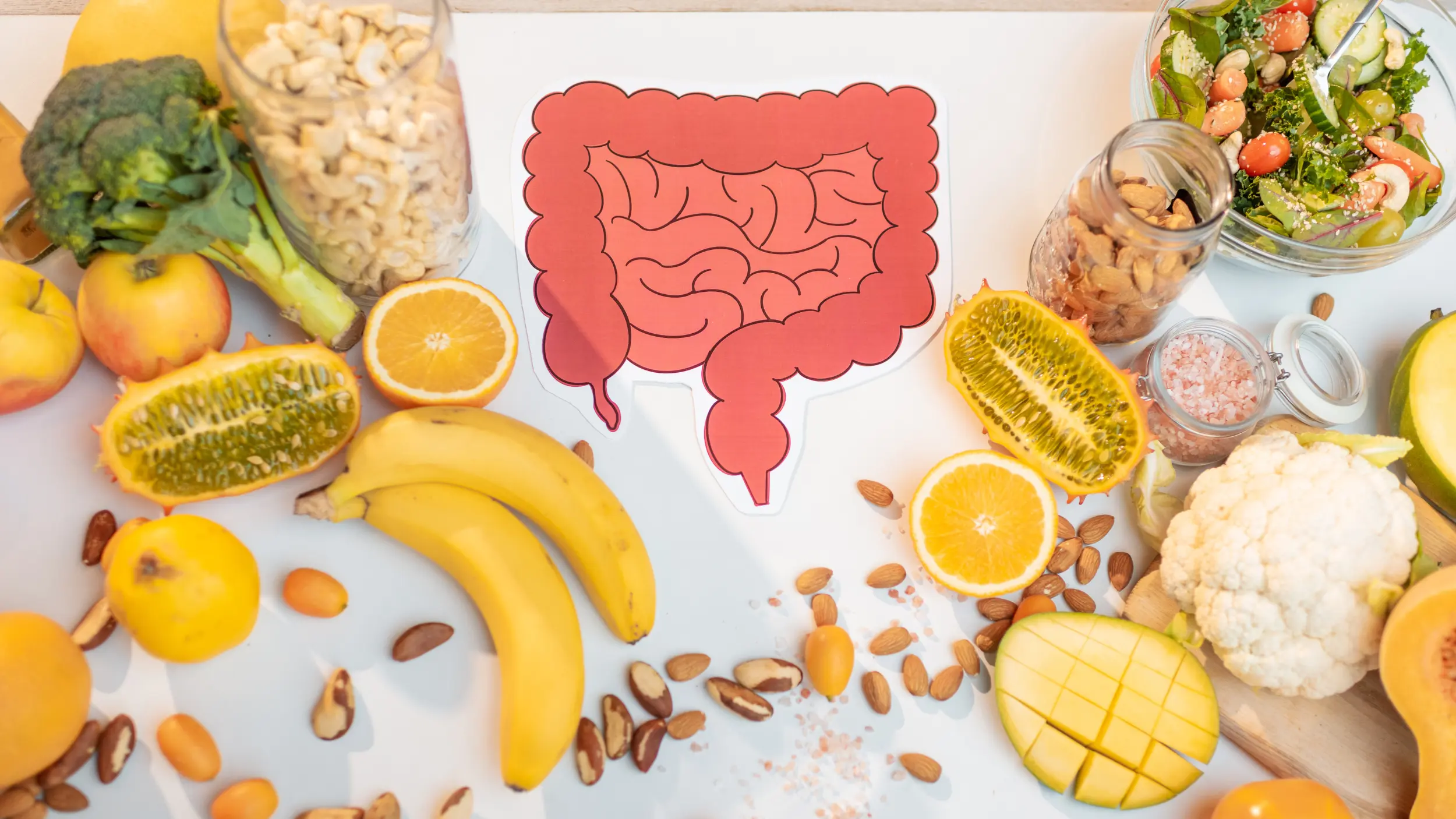
- Fructans (wheat, onion, garlic)
- GOS (legumes, cashews)
- Lactose (dairy products)
- Fructose (honey, mango, asparagus)
- Polyols—sorbitol (stone fruits, cauliflower)
- Polyols—mannitol (mushrooms, sweet potato)
Start with whichever group contains foods you miss most or use frequently. There's no universal "best" order, though many dietitians suggest beginning with lactose or fructose since they're easier to isolate [3].
Step 3: The Three-Day Testing Protocol
This is where FODMAP reintroduction steps become beautifully simple:
Day 1: Eat a small portion of your test food (about ¼ serving) while keeping everything else low-FODMAP. For example, if testing fructans, try ¼ slice of whole wheat bread at breakfast.
Day 2: If you had no reaction, increase to a moderate portion (½ serving) of the same test food. Using our example, try ½ slice of wheat bread.
Day 3: Still symptom-free? Go for a full serving (1 slice of wheat bread). Then stop testing this food.
Days 4-6: Return to your baseline low-FODMAP diet for at least three "washout" days. This allows any delayed symptoms to appear and your gut to reset before the next test.
Step 4: Document Everything
Track your symptoms using a simple 0-10 scale for bloating, pain, gas, and bowel changes. Note the timing—symptoms can appear anywhere from 30 minutes to 24 hours after eating [4]. Your notes become your personalized data set.
Step 5: Interpret Your Results
- No symptoms at any dose? Congratulations! You tolerate this FODMAP group. Add it back into your regular rotation.
- Symptoms at the full serving only? You have a moderate tolerance. You can enjoy smaller portions occasionally.
- Symptoms at the small dose? This FODMAP group is a trigger for you right now. Keep it restricted and consider retesting in 3-6 months as your gut heals.
Step 6: Move to the Next Group
Repeat this process for all six FODMAP categories. Yes, it takes time—typically 8-12 weeks to complete the entire FODMAP reintroduction guide—but this investment gives you decades of clarity about your body.
The end result? A personalized IBS diet that's as expansive as possible while keeping your symptoms controlled. You're not following someone else's rules anymore; you're following your body's unique blueprint.
Troubleshooting and Moving Forward with Confidence
Even with the best plan, FODMAP reintroduction troubleshooting becomes necessary when things don't go smoothly. Let's address the most common scenarios I see in my practice.
When You React to Everything
If you're getting symptoms during every reintroduction attempt, pause and reassess. This usually means one of three things:
- Your baseline low-FODMAP diet isn't actually low-FODMAP (hidden sources are sneaking in)
- You have another underlying condition beyond IBS that needs addressing, such as SIBO or food sensitivities
- You're testing during a high-stress period, which can temporarily increase gut sensitivity [5]
In this case, go back to the elimination phase for another 2-4 weeks and consider working with a specialized dietitian to investigate other factors. Your stress and energy levels play a massive role in gut function.
The Confusing "Maybe" Reactions
Sometimes symptoms are subtle or inconsistent, making it hard to call something a definitive trigger. For sensitive gut reintroduction, use the 48-hour rule: if symptoms are mild (3/10 or below) and resolve within 48 hours, consider that food a "yellow light"—okay in small amounts occasionally, but not a daily staple.
Portion Sizes Matter More Than You Think
Many of my clients discover they can handle ¼ cup of chickpeas just fine, but ½ cup triggers bloating. This isn't failure; it's valuable information. FODMAP tolerance is dose-dependent [6], meaning the amount you eat directly impacts whether you'll react. Build your meals around your personal thresholds.
Managing IBS After Low-FODMAP Long-Term
Once you've completed reintroduction, you're entering the "personalization phase"—the sustainable, forever approach to managing IBS after low-FODMAP. Here's what that looks like:
- Continue eating foods you tolerated well during testing
- Use your "yellow light" foods strategically and in controlled portions
- Keep known triggers minimized (but don't stress over trace amounts)
- Retest trigger foods every 6-12 months, as gut tolerance can improve with time
Your gut isn't static. Factors like stress, sleep, hormonal fluctuations, exercise, and even the season can temporarily affect your FODMAP tolerance. Give yourself permission to be flexible and adjust based on how you feel, not rigid rules.
Building Your New Normal
The goal isn't perfection—it's progress and peace. Some days you might choose to eat a known trigger at a special dinner because the social connection matters more than potential mild symptoms. Other days, you'll stick strictly to your safe foods because you have important meetings. Both choices are valid and empowered.
Remember that gut healing is multifactorial. Continue supporting your microbiome with probiotic-rich foods you tolerate, adequate fiber from safe sources, stress management, and regular movement. These lifestyle factors work synergistically with your dietary modifications to reduce IBS symptoms over time [7].
Frequently Asked Questions
What if I react to a food during reintroduction?
First, take a breath—this is actually useful information, not a setback. Stop eating that test food immediately and return to your baseline low-FODMAP diet. Your symptoms should resolve within 24-48 hours. Take your usual IBS management strategies (peppermint tea, gentle movement, heat packs) to ease discomfort. Once you're feeling better, wait the full 3-day washout period before testing the next FODMAP group. Mark this food as a current trigger, but don't fear it forever—you can retest in 6 months as your gut continues healing.
How long does the reintroduction phase typically last?
Plan for 8-12 weeks to systematically test all six FODMAP categories using the three-day testing protocol plus three-day washout periods. That's roughly 6 days per FODMAP group, times six groups, which equals about 9 weeks minimum. If you experience reactions that need longer recovery time, or if you want to test multiple foods within a FODMAP category (like different types of dairy for lactose), the timeline extends. There's no prize for rushing—accuracy matters more than speed.
Can I reintroduce multiple foods at once?
No, and this is crucial for getting clear data. Testing multiple foods simultaneously makes it impossible to identify which specific food caused your symptoms if you react. Even if two foods contain the same FODMAP type, test them separately—you might tolerate milk but not yogurt, or onions but not wheat. The only exception is when you're testing multiple serving sizes of the exact same food across your three testing days. Patience during this phase saves you years of dietary confusion.
Ready to take the guesswork out of your IBS management? The low-FODMAP reintroduction phase can feel overwhelming to navigate alone, especially when symptoms get confusing or you're not sure how to interpret your body's signals. Book a personalized consultation at www.usevedic.com to create a reintroduction plan tailored specifically to your lifestyle, food preferences, and symptom patterns. You deserve expert support and the digestive peace that comes from truly understanding your unique gut.
References
[1] Staudacher HM, Whelan K. The low FODMAP diet: recent advances in understanding its mechanisms and efficacy in IBS. Gut, 2017.
[2] Tuck CJ, Taylor KM, Gibson PR, Barrett JS, Muir JG. Increasing Symptoms in Irritable Bowel Symptoms With Ingestion of Galacto-Oligosaccharides Are Mitigated by α-Galactosidase Treatment. American Journal of Gastroenterology, 2018.
[3] Whelan K, Martin LD, Staudacher HM, Lomer MCE. The low FODMAP diet in the management of irritable bowel syndrome: an evidence-based review of FODMAP restriction, reintroduction and personalisation in clinical practice. Journal of Human Nutrition and Dietetics, 2018.
[4] Murray K, Wilkinson-Smith V, Hoad C, Costigan C, Cox E, Lam C, Marciani L, Gowland P, Spiller RC. Differential effects of FODMAPs (fermentable oligo-, di-, mono-saccharides and polyols) on small and large intestinal contents in healthy subjects shown by MRI. Gut, 2014.
[5] Qin HY, Cheng CW, Tang XD, Bian ZX. Impact of psychological stress on irritable bowel syndrome. World Journal of Gastroenterology, 2014.
[6] Shepherd SJ, Parker FC, Muir JG, Gibson PR. Dietary triggers of abdominal symptoms in patients with irritable bowel syndrome: randomized placebo-controlled evidence. Clinical Gastroenterology and Hepatology, 2008.
[7] Cozma-Petruţ A, Loghin F, Miere D, Dumitraşcu DL. Diet in irritable bowel syndrome: What to recommend, not what to forbid to patients!. World Journal of Gastroenterology, 2017.
.svg)
.svg)









.webp)
.webp)
.webp)
.webp)


.webp)
.webp)
.png)
.webp)
.webp)