.webp)
.webp)
%2B(7).webp)
.png)
At a Glance
Your gut microbiome—home to trillions of bacteria—directly influences your digestion, immunity, mental health, and even hormone balance [1]. For women aged 24-45, nurturing this inner ecosystem through targeted nutrition and lifestyle choices can transform energy levels, reduce bloating, and support long-term metabolic health [2]. This guide breaks down the science behind gut microbiome health and gives you actionable, evidence-based strategies to optimize yours starting today.
Understanding Your Gut Garden: What is Gut Microbiome Health?
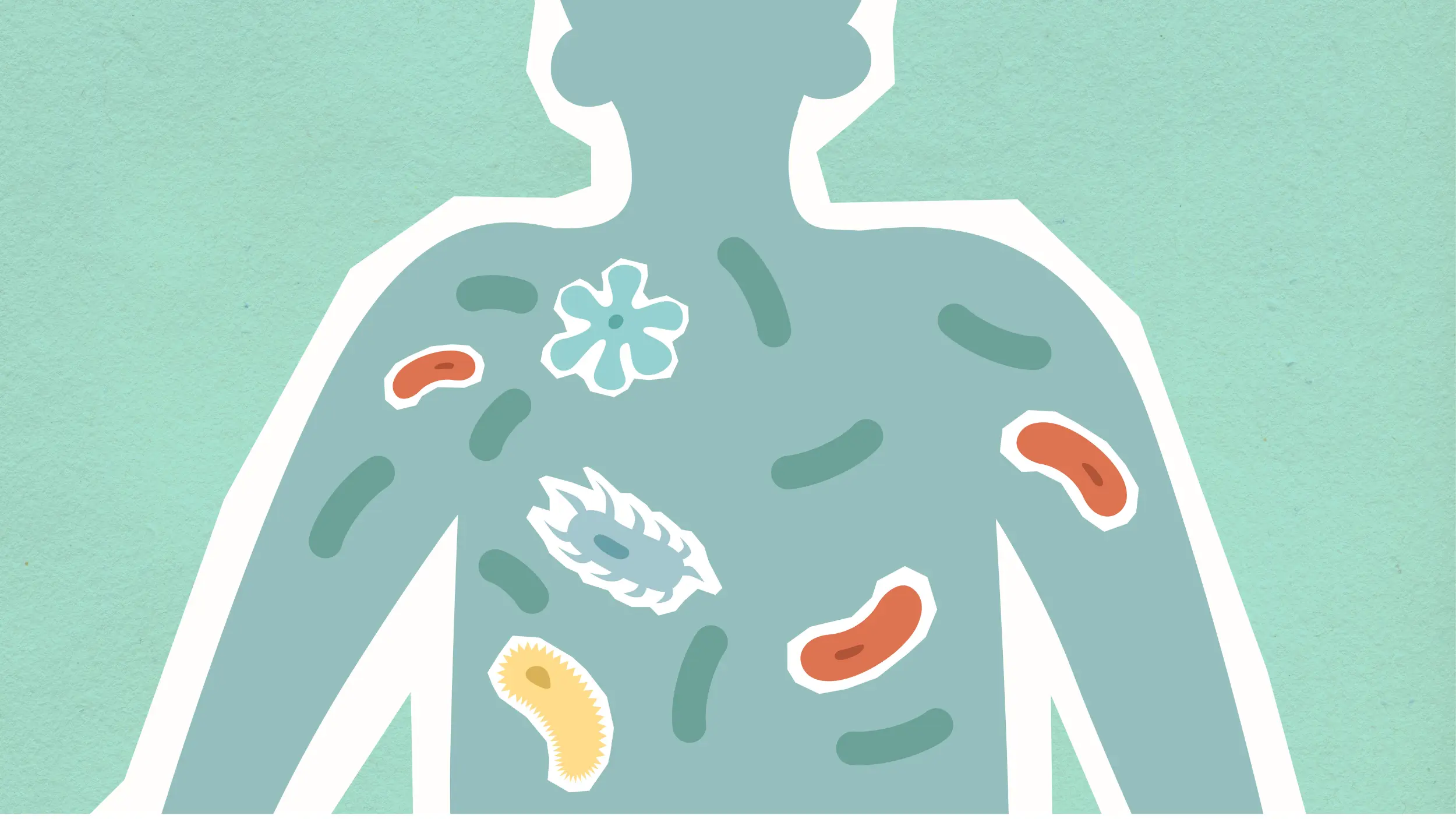
Let's get real about what's happening inside your digestive tract. Your gut microbiome is essentially a thriving community of approximately 100 trillion microorganisms—bacteria, fungi, viruses, and other microbes—that live primarily in your large intestine [3]. These aren't just passive residents; they're active participants in nearly every aspect of your health.
Think of your gut flora as an internal pharmacy. These microscopic organisms produce essential nutrients like B vitamins and vitamin K, regulate your immune system (about 70% of which resides in your gut), and even manufacture neurotransmitters including serotonin—the mood-regulating chemical that influences everything from your emotional state to sleep quality [4].
When we talk about gut health, we're referring to the balance and diversity of these microbial populations. A healthy gut features:
- High microbial diversity with hundreds of different bacterial species working synergistically
- A protective intestinal lining that prevents harmful substances from entering your bloodstream
- Efficient nutrient absorption and waste elimination
- Balanced production of short-chain fatty acids (SCFAs) that reduce inflammation [5]
For women specifically, gut microbiome composition shifts throughout your menstrual cycle and is intimately connected to estrogen metabolism [6]. This means your gut bacteria literally influence your hormone balance, which can affect everything from PMS symptoms to skin breakouts to weight management.
The term microbiome technically refers to the complete genetic material of all these microorganisms, while microbiota describes the organisms themselves. But honestly? Most healthcare providers (myself included) use these terms interchangeably in practice.
What makes a microbiome thriving versus just surviving? It comes down to three factors: diversity (the variety of species), abundance (the total number of beneficial bacteria), and metabolic function (what these bacteria are actually producing). Research from 2024 shows that women with diverse gut microbiomes report significantly better energy levels, clearer skin, and more stable moods compared to those with less microbial variety [7].
Nurturing Your Inner Ecosystem: Foods & Habits for a Healthy Gut
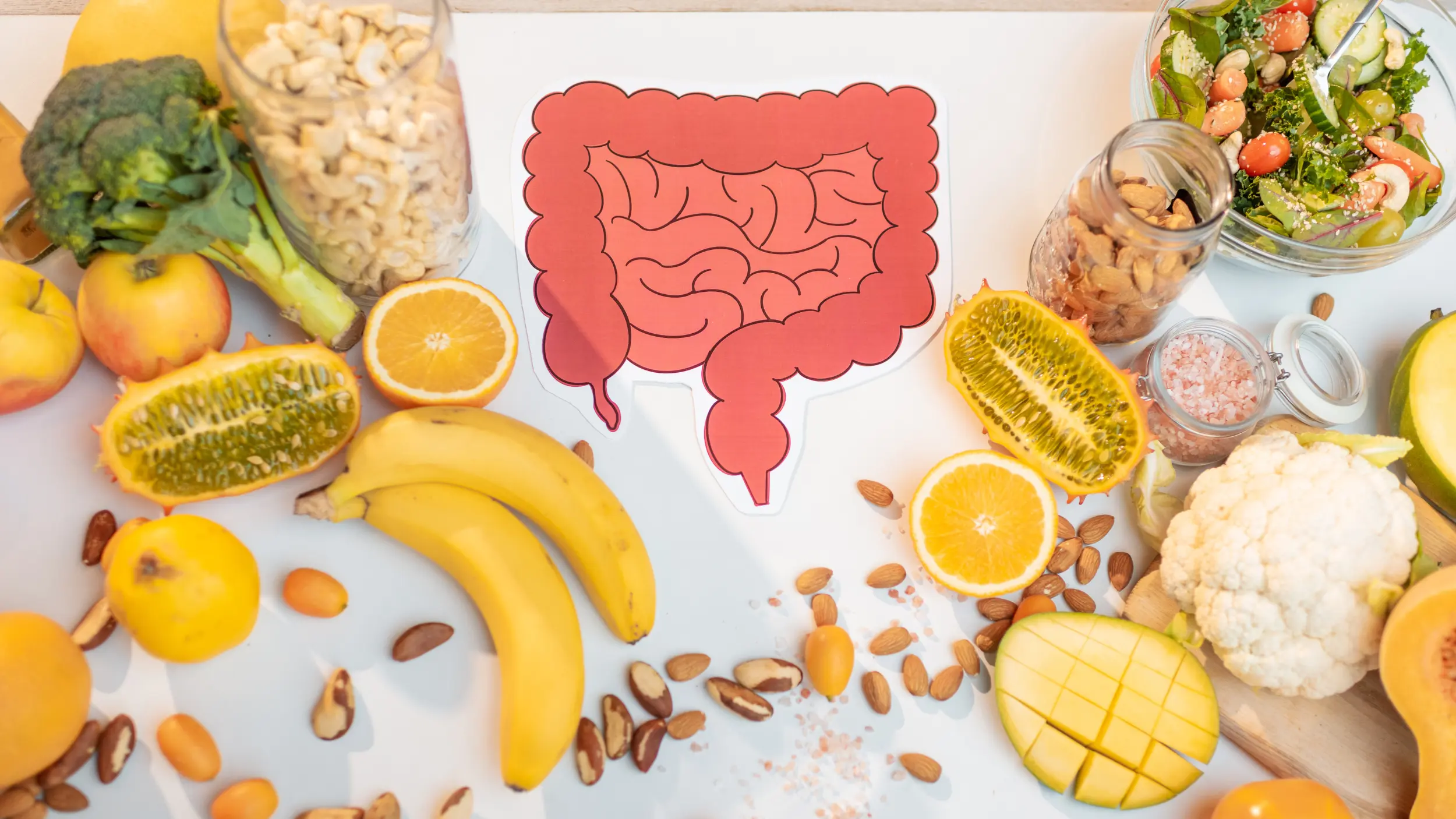
Here's where the magic happens, friend. Your daily food choices directly feed—or starve—specific bacterial populations. Unlike fad diets that come and go, a gut health diet is about strategic nourishment that benefits both you and your microbial community.
The Power Players: Gut Health Foods That Actually Work
Let me introduce you to the two nutritional superstars for microbiome support:
Prebiotics are specific types of fiber that your human cells can't digest, but your gut bacteria absolutely thrive on [8]. When beneficial bacteria ferment these fibers, they produce those inflammation-fighting SCFAs I mentioned earlier. Top prebiotic sources include:
- Jerusalem artichokes and chicory root (highest inulin content)
- Garlic, onions, and leeks (rich in fructooligosaccharides)
- Slightly green bananas (resistant starch)
- Oats and barley (beta-glucan fiber)
- Asparagus and dandelion greens
Probiotics are live beneficial bacteria you consume directly through fermented foods or supplements. The key here is consistency—you need regular intake because these bacteria typically don't permanently colonize your gut [9]. My go-to recommendations:
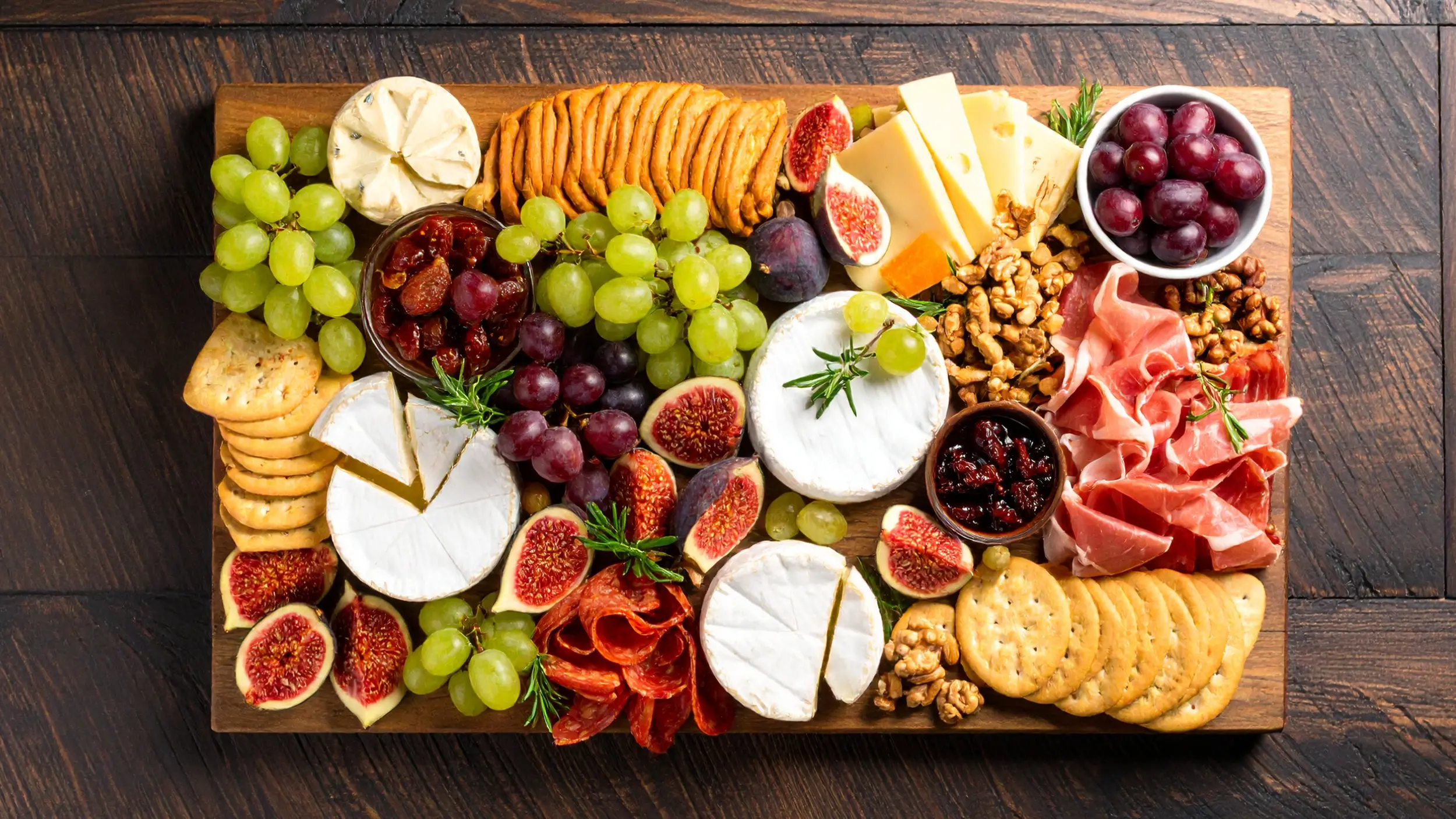
- Plain, unsweetened yogurt with live active cultures (look for Lactobacillus and Bifidobacterium strains on the label)
- Kefir, which contains up to 61 different bacterial strains compared to yogurt's 5-10
- Sauerkraut and kimchi (unpasteurized versions only—heat kills the beneficial bacteria)
- Miso paste and tempeh
- Kombucha with minimal added sugar
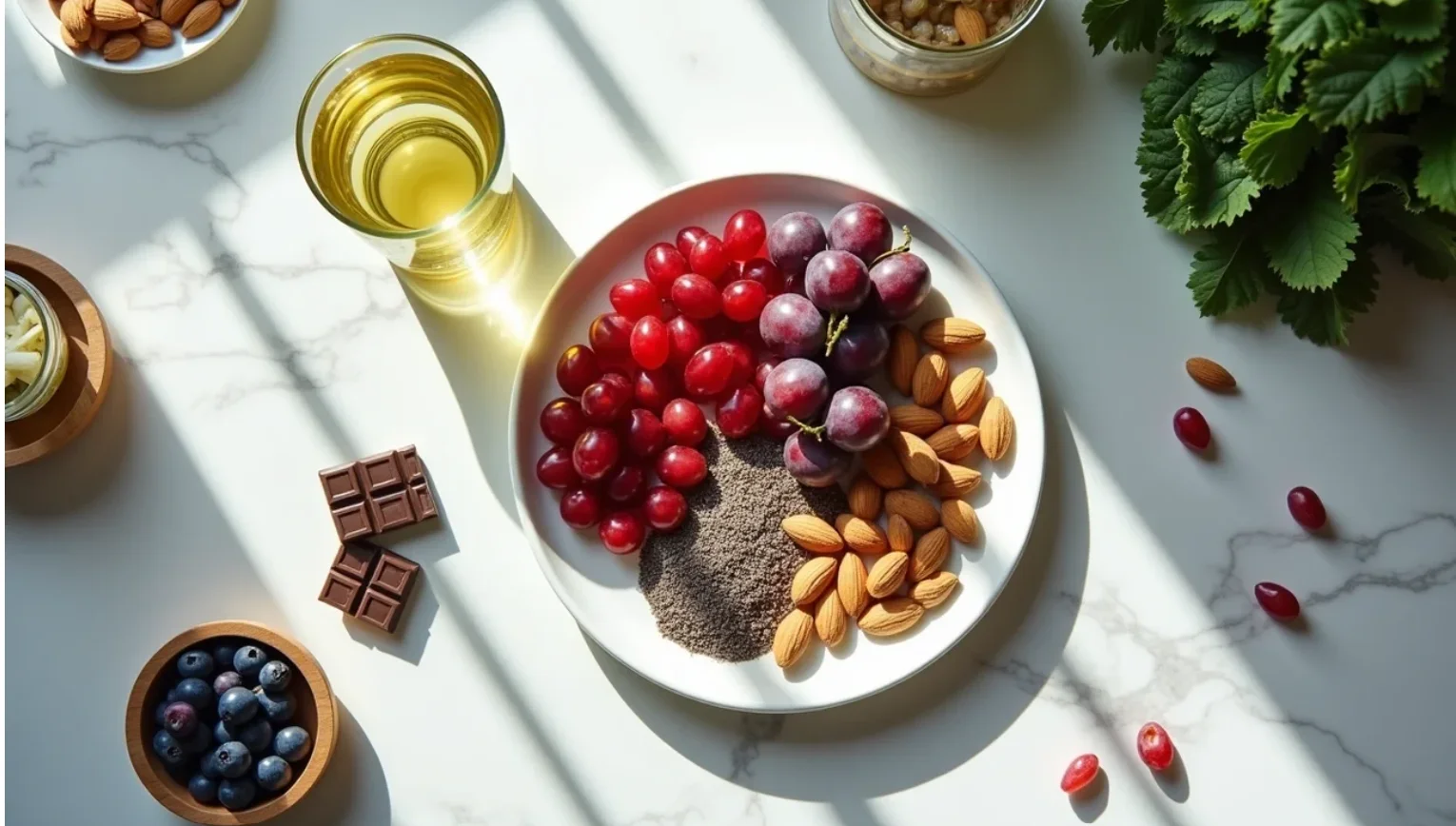
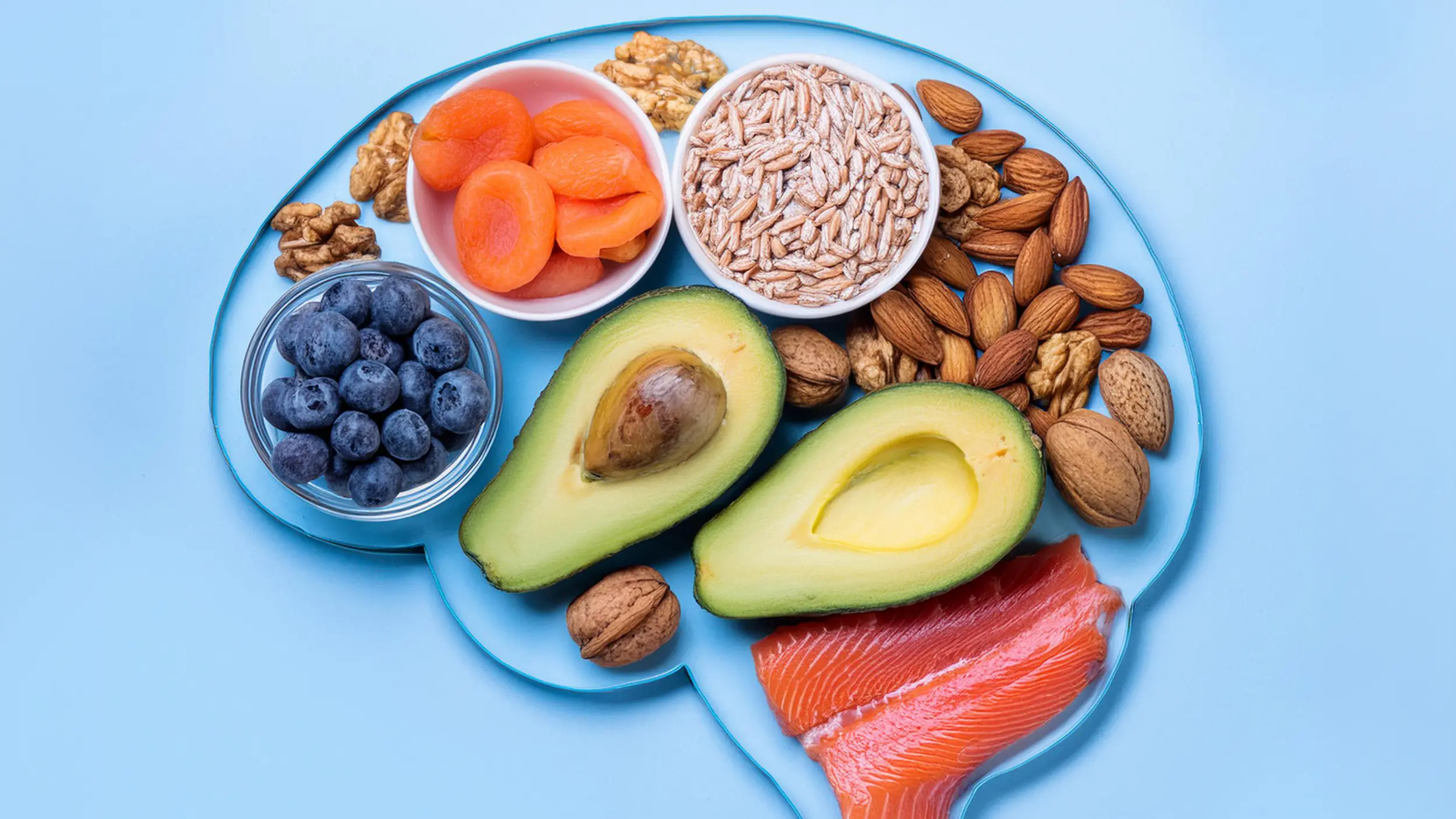
Beyond these categories, polyphenol-rich foods deserve special attention. These plant compounds act as fuel for specific beneficial bacteria like Akkermansia muciniphila, which strengthens your intestinal barrier [10]. Think colorful produce: berries, dark chocolate (70%+ cacao), green tea, extra virgin olive oil, and red wine in moderation.
The Microbiome Diet Framework
Forget restrictive rules. Instead, aim for these evidence-based patterns:
Eat at least 30 different plant foods weekly. A landmark 2023 study found that dietary diversity—not any single superfood—was the strongest predictor of microbiome health [11]. This includes vegetables, fruits, whole grains, legumes, nuts, seeds, and herbs.
Rotate your fiber sources. Different fibers feed different bacterial species. If you eat the same salad every single day, you're essentially feeding the same bacterial populations repeatedly while others go hungry.
Include fermented foods daily, even in small amounts. Just 2-3 tablespoons of sauerkraut or a small cup of kefir can make a measurable difference in your gut bacteria composition within weeks [12].
Beyond Food: Lifestyle Factors That Shape Your Microbiome
Nutrition is foundational, but these habits matter tremendously:
Sleep quality directly impacts gut bacterial diversity. Women who consistently get less than 7 hours of sleep show significantly altered microbiome compositions compared to adequate sleepers [13]. Your gut bacteria actually follow circadian rhythms, so irregular sleep patterns disrupt their function.
Stress management is non-negotiable. Chronic psychological stress alters gut permeability (often called "leaky gut") and shifts bacterial populations toward inflammation-promoting species [14]. If you're constantly in fight-or-flight mode, your gut suffers. This is why I always recommend pairing nutrition changes with functional nutrition approaches that address stress and energy for optimal results.
Movement acts as a natural prebiotic. Regular physical activity—even just 30 minutes of brisk walking most days—independently increases beneficial bacterial diversity regardless of diet [15]. The mechanical movement itself stimulates gut motility and microbial metabolism.
Antibiotic stewardship matters. While sometimes medically necessary, antibiotics indiscriminately kill both harmful and beneficial bacteria. If you must take them, plan to actively rebuild your microbiome afterward with targeted probiotics and prebiotic-rich foods for at least 4-6 weeks [16].
Signs Your Gut Might Need Some Love & How to Get Support
Your body is constantly communicating with you—we just need to listen. Gut health symptoms can be surprisingly varied because the microbiome influences systems far beyond digestion.
Common Indicators of Microbiome Imbalance
Digestive disturbances are the obvious ones:
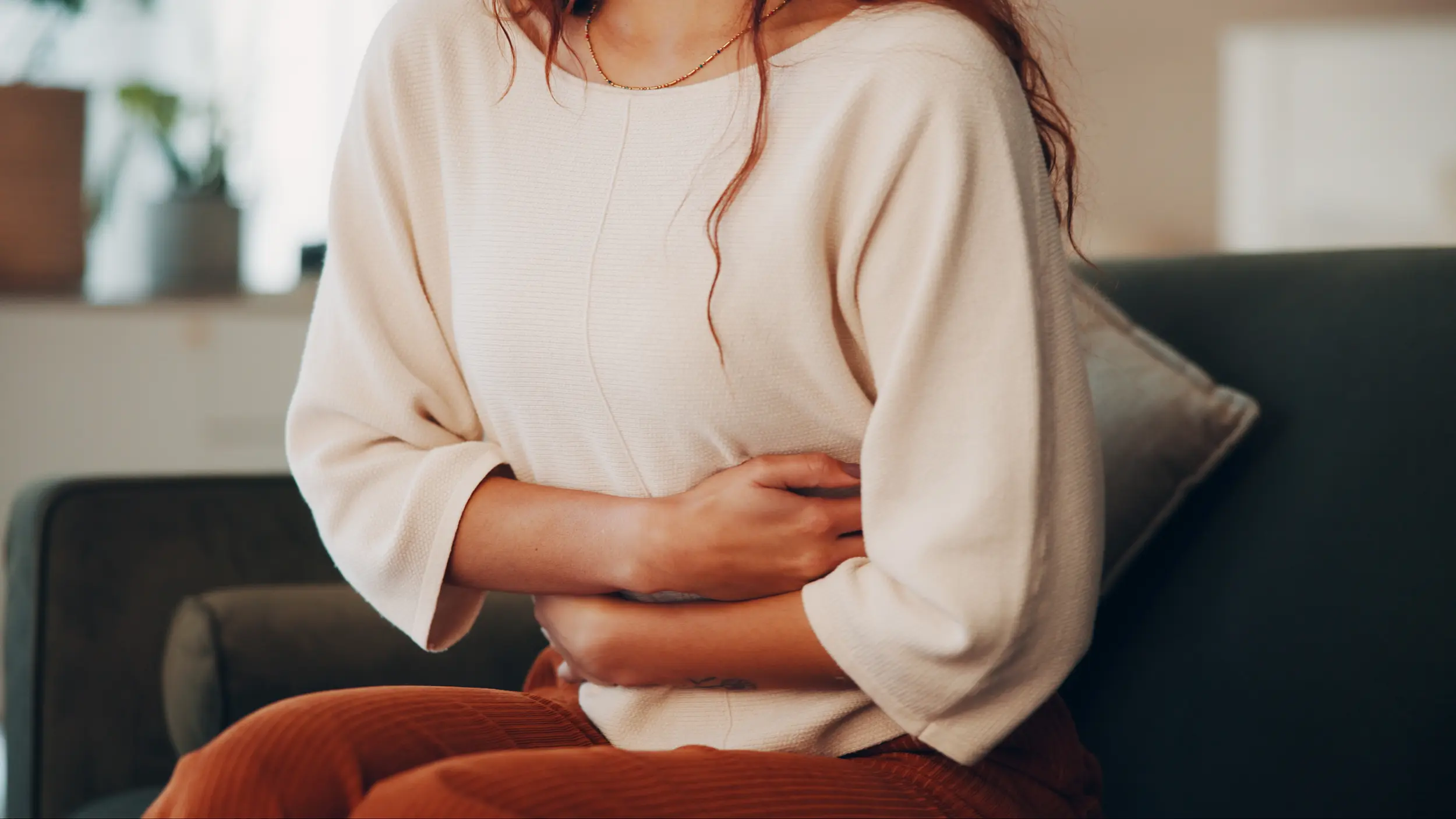
- Chronic bloating, especially after eating fiber-rich foods (paradoxically, this can indicate bacterial overgrowth in the wrong location)
- Irregular bowel movements—whether constipation, diarrhea, or unpredictable alternation between both
- Excessive gas or uncomfortable abdominal distension
- Undigested food particles visible in stool
But here's what many women don't realize: gut dysbiosis (microbial imbalance) often manifests in unexpected ways [17].
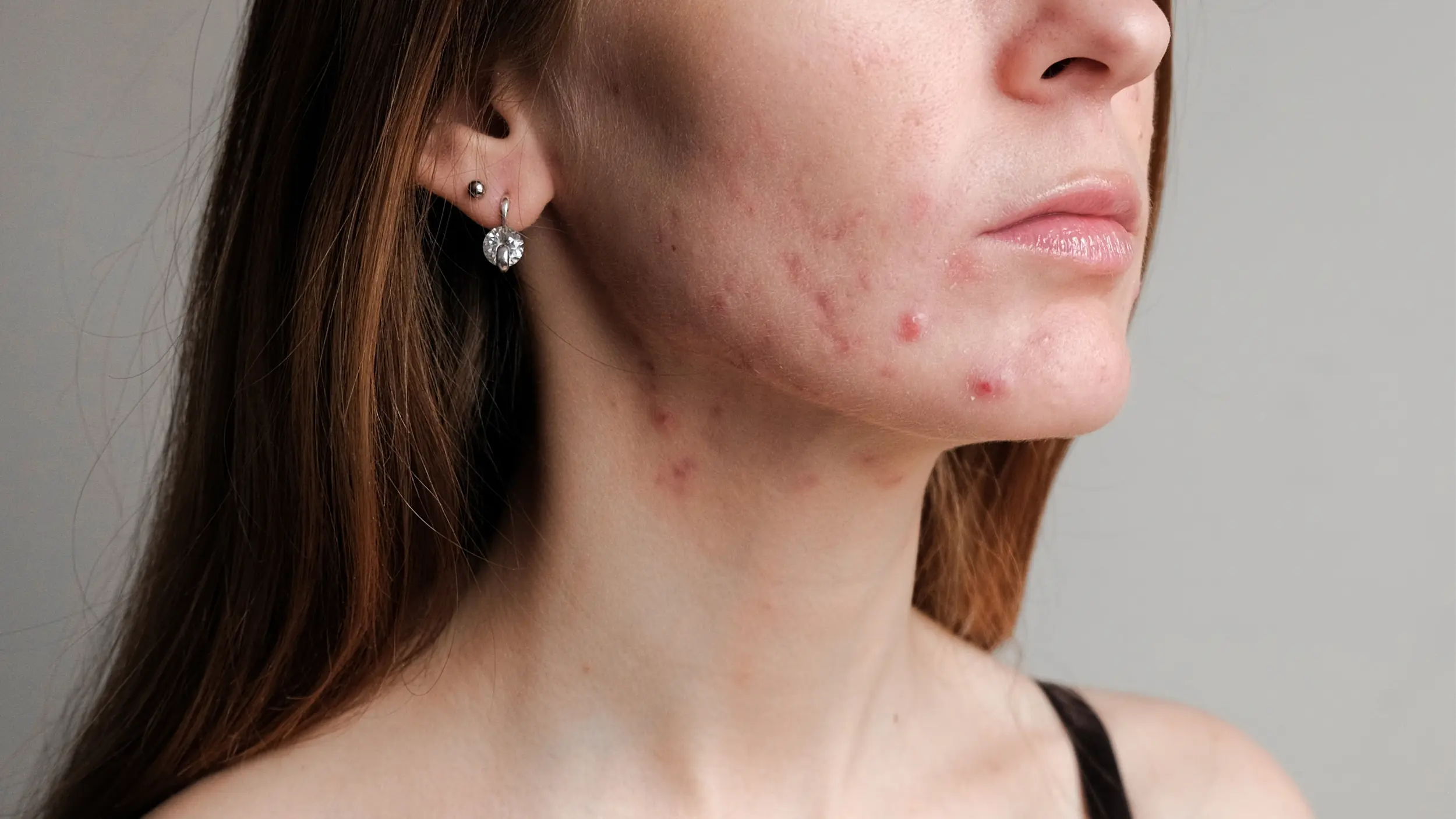
Skin issues like acne, eczema, or rosacea have strong gut connections. Approximately 40% of people with inflammatory bowel conditions also have skin manifestations [18]. The gut-skin axis is particularly relevant for women in their late 20s and 30s who develop adult-onset acne.
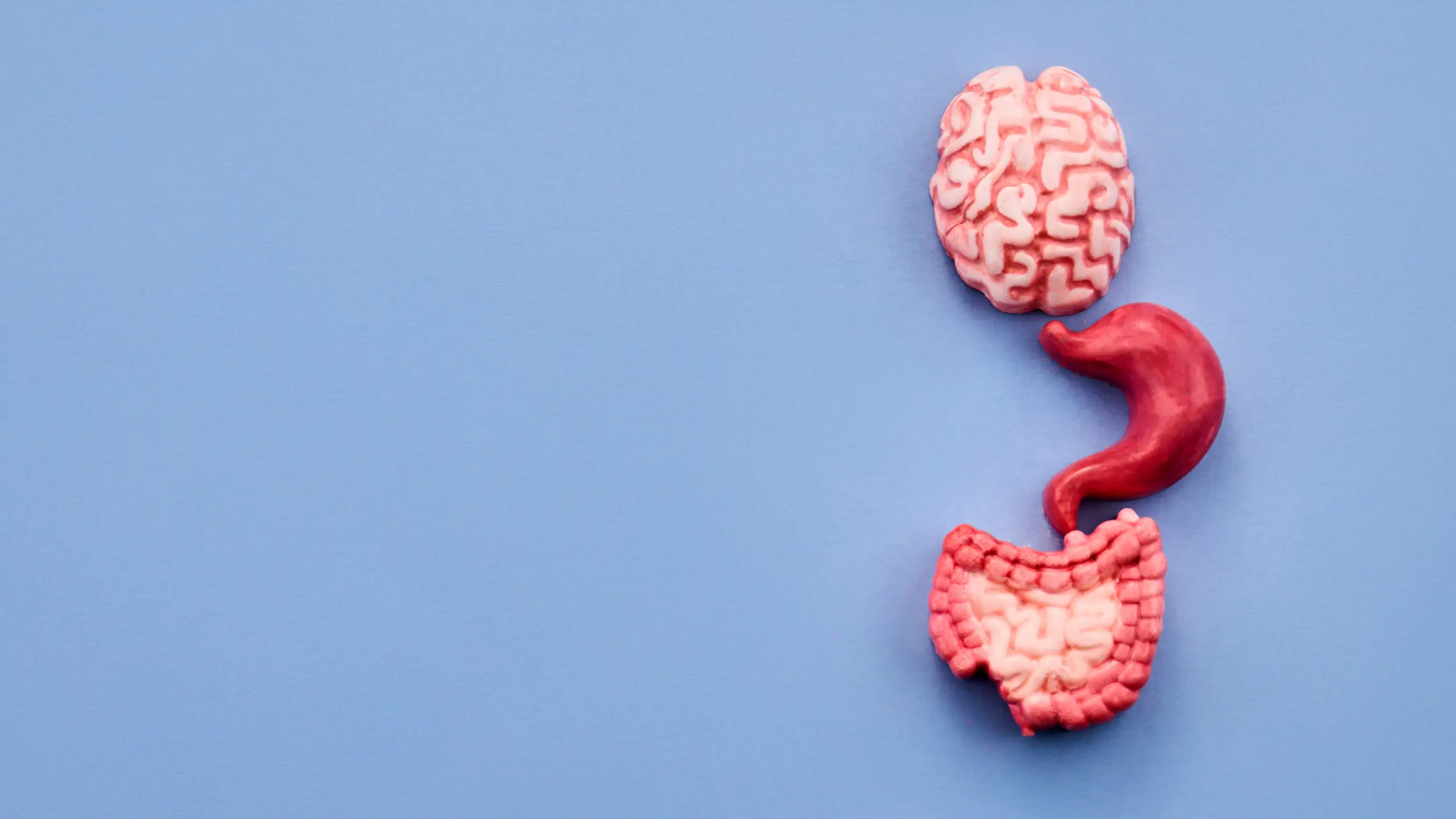
Mood and cognitive symptoms including brain fog, difficulty concentrating, anxiety, or unexplained mood swings can stem from gut dysfunction. Your gut bacteria produce neurotransmitter precursors and communicate directly with your brain via the vagus nerve [19].
Energy crashes and persistent fatigue despite adequate sleep might indicate poor nutrient absorption or inflammation driven by gut dysbiosis [20].
Frequent infections or seeming to "catch everything going around" could signal compromised gut-associated immune function [21].
Sugar and carb cravings that feel uncontrollable sometimes reflect bacterial populations literally hijacking your appetite signals to demand their preferred fuel sources [22].
When to Seek Professional Support
Look, I'm all for DIY wellness to a point. But some situations absolutely warrant professional guidance:
If you've implemented gut-supportive dietary changes for 6-8 weeks without noticeable improvement, it's time to dig deeper. There might be underlying issues like SIBO (small intestinal bacterial overgrowth), parasites, or food sensitivities that require testing and targeted protocols.
Any severe or worsening symptoms—bloody stools, unintended weight loss, persistent abdominal pain, or severe acid reflux—need medical evaluation to rule out serious conditions.
If you're considering gut health supplements beyond basic probiotics, please work with a qualified practitioner. The supplement market is poorly regulated, and not all products contain what their labels claim [23]. More importantly, certain conditions require specific bacterial strains at therapeutic doses, not just generic "gut health" formulas.
As a Registered Dietitian specializing in women's health, I use comprehensive assessment tools including dietary analysis, symptom tracking, and when appropriate, microbiome testing to create truly personalized protocols. Everyone's gut ecosystem is unique—what works brilliantly for your best friend might not be ideal for you.
Frequently Asked Questions
Q1: What are the top 3 foods for gut health?
If I had to choose just three powerhouses, I'd go with: (1) Plain kefir for its extraordinary probiotic diversity—it contains significantly more beneficial strains than yogurt and most supplements; (2) Cooked and cooled potatoes or rice for resistant starch, which feeds beneficial bacteria and improves insulin sensitivity [24]; and (3) Extra virgin olive oil for its polyphenols that support Akkermansia muciniphila, a keystone species for gut barrier integrity [25]. That said, remember that dietary diversity beats any single superfood, so rotate your gut-supporting foods regularly.
Q2: Can stress really affect my gut microbiome?
Absolutely, and the research is frankly striking. Chronic psychological stress triggers the release of cortisol and other stress hormones that directly alter gut bacterial composition, reduce beneficial species like Lactobacillus, and compromise your intestinal barrier function [26]. This creates a vicious cycle: stress damages your gut, and a damaged gut makes you more susceptible to anxiety and depression through disrupted neurotransmitter production. The gut-brain axis is bidirectional, meaning your mental state affects your gut and your gut affects your mental state. This is precisely why comprehensive approaches that address both nutrition and stress management—not just one or the other—yield the best clinical outcomes.
Q3: When should I consider gut health supplements?
Supplements can be valuable tools, but they're not universal requirements. Consider probiotics if you're taking or have recently completed antibiotics, experiencing acute digestive distress, or have been diagnosed with specific conditions like IBS where certain strains show clinical benefit [27]. Look for products with at least 10 billion CFUs (colony-forming units) containing well-researched strains like Lactobacillus rhamnosus GG or Bifidobacterium longum. Prebiotic supplements might be helpful if you genuinely cannot consume enough fiber-rich foods, though whole food sources are always preferable. I typically recommend starting with dietary optimization first, then adding targeted supplementation based on your specific symptoms and goals. The supplement industry isn't well regulated, so quality matters enormously—choose third-party tested brands and ideally work with a practitioner who can guide appropriate selection and dosing for your situation.
Your gut microbiome is one of the most modifiable aspects of your health. Small, consistent changes in what you eat and how you live can create measurable shifts in your bacterial ecosystem within just weeks. But here's the beautiful truth: you don't have to figure this out alone.
Ready to take the first step toward a healthier, happier gut with personalized support? I'd love to work with you to create a strategic plan tailored to your unique needs, lifestyle, and health goals. Book your consultation today and let's unlock your best self together.
References
[1] - Sender R, Fuchs S, Milo R. Revised estimates for the number of human and bacteria cells in the body. PLoS Biol. 2016;14(8):e1002533.
[2] - Valdes AM, Walter J, Segal E, Spector TD. Role of the gut microbiota in nutrition and health. BMJ. 2018;361:k2179.
[3] - Qin J, Li R, Raes J, et al. A human gut microbial gene catalogue established by metagenomic sequencing. Nature. 2010;464(7285):59-65.
[4] - Cryan JF, O'Riordan KJ, Cowan CSM, et al. The microbiota-gut-brain axis. Physiol Rev. 2019;99(4):1877-2013.
[5] - Parada Venegas D, De la Fuente MK, Landskron G, et al. Short chain fatty acids (SCFAs)-mediated gut epithelial and immune regulation and its relevance for inflammatory bowel diseases. Front Immunol. 2019;10:277.
[6] - Santos-Marcos JA, Rangel-Zuñiga OA, Jimenez-Lucena R, et al. Influence of gender and menopausal status on gut microbiota. Maturitas. 2018;116:43-53.
[7] - Ghosh TS, Rampelli S, Jeffery IB, et al. Mediterranean diet intervention alters the gut microbiome in older people reducing frailty and improving health status. Gut. 2020;69(7):1218-1228.
[8] - Gibson GR, Hutkins R, Sanders ME, et al. Expert consensus document: The International Scientific Association for Probiotics and Prebiotics (ISAPP) consensus statement on the definition and scope of prebiotics. Nat Rev Gastroenterol Hepatol. 2017;14(8):491-502.
[9] - Hill C, Guarner F, Reid G, et al. The International Scientific Association for Probiotics and Prebiotics consensus statement on the scope and appropriate use of the term probiotic. Nat Rev Gastroenterol Hepatol. 2014;11(8):506-514.
[10] - Anhê FF, Roy D, Pilon G, et al. A polyphenol-rich cranberry extract protects from diet-induced obesity, insulin resistance and intestinal inflammation in association with increased Akkermansia spp. population in the gut microbiota. Gut. 2015;64(6):872-883.
[11] - McDonald D, Hyde E, Debelius JW, et al. American Gut: an open platform for citizen science microbiome research. mSystems. 2018;3(3):e00031-18.
[12] - Wastyk HC, Fragiadakis GK, Perelman D, et al. Gut-microbiota-targeted diets modulate human immune status. Cell. 2021;184(16):4137-4153.
[13] - Smith RP, Easson C, Lyle SM, et al. Gut microbiome diversity is associated with sleep physiology in humans. PLoS One. 2019;14(10):e0222394.
[14] - Madison A, Kiecolt-Glaser JK. Stress, depression, diet, and the gut microbiota: human-bacteria interactions at the core of psychoneuroimmunology and nutrition. Curr Opin Behav Sci. 2019;28:105-110.
[15] - Mailing LJ, Allen JM, Buford TW, Fields CJ, Woods JA. Exercise and the gut microbiome: a review of the evidence, potential mechanisms, and implications for human health. Exerc Sport Sci Rev. 2019;47(2):75-85.
[16] - Ramirez J, Guarner F, Bustos Fernandez L, et al. Antibiotics as major disruptors of gut microbiota. Front Cell Infect Microbiol. 2020;10:572912.
[17] - Carding S, Verbeke K, Vipond DT, Corfe BM, Owen LJ. Dysbiosis of the gut microbiota in disease. Microb Ecol Health Dis. 2015;26:26191.
[18] - Salem I, Ramser A, Isham N, Ghannoum MA. The gut microbiome as a major regulator of the gut-skin axis. Front Microbiol. 2018;9:1459.
[19] - Foster JA, Rinaman L, Cryan JF. Stress & the gut-brain axis: regulation by the microbiome. Neurobiol Stress. 2017;7:124-136.
[20] - Maes M, Kubera M, Leunis JC. The gut-brain barrier in major depression: intestinal mucosal dysfunction with an increased translocation of LPS from gram negative enterobacteria plays a role in the inflammatory pathophysiology of depression. Neuro Endocrinol Lett. 2008;29(1):117-124.
[21] - Wiertsema SP, van Bergenhenegouwen J, Garssen J, Knippels LMJ. The interplay between the gut microbiome and the immune system in the context of infectious diseases throughout life and the role of nutrition in optimizing treatment strategies. Nutrients. 2021;13(3):886.
[22] - Alcock J, Maley CC, Aktipis CA. Is eating behavior manipulated by the gastrointestinal microbiota? Evolutionary pressures and potential mechanisms. Bioessays. 2014;36(10):940-949.
[23] - Parnell JA, Raman M, Rioux KP, Reimer RA. The potential role of prebiotic fibre for treatment and management of non-alcoholic fatty liver disease and associated obesity and insulin resistance. Liver Int. 2012;32(5):701-711.
[24] - Keenan MJ, Martin RJ, Raggio AM, et al. A review of the health benefits of resistant starch. Adv Food Nutr Res. 2012;66:193-205.
[25] - Rodríguez-García C, Sánchez-Quesada C, Toledo E, Delgado-Rodríguez M, Gaforio JJ. Naturally lignan-rich foods: a dietary tool for health promotion? Molecules. 2019;24(5):917.
[26] - Karl JP, Hatch AM, Arcidiacono SM, et al. Effects of psychological, environmental and physical stressors on the gut microbiota. Front Microbiol. 2018;9:2013.
[27] - Ford AC, Harris LA, Lacy BE, Quigley EMM, Moayyedi P. Systematic review with meta-analysis: the efficacy of prebiotics, probiotics, synbiotics and antibiotics in irritable bowel syndrome. Aliment Pharmacol Ther. 2018;48(10):1044-1060.
.svg)
.svg)





.webp)
.webp)
.webp)
.webp)


.webp)
.webp)
.png)
.webp)
.webp)