.webp)

%2B(7).webp)
.png)
At a Glance
Managing diverticulitis requires two distinct nutritional approaches: a gentle, low-fiber diet during acute flare-ups to calm inflammation, followed by a strategic high-fiber prevention plan to reduce future episodes. This evidence-based guide breaks down exactly what to eat (and avoid) during each phase, empowering you to take control of your digestive health. You'll learn the clinical rationale behind each dietary shift and how to implement these changes with confidence.
Introduction
Hello there! If you're dealing with diverticulitis, you know how uncomfortable and disruptive it can be. The abdominal pain, bloating, and unpredictable digestive symptoms can really throw off your entire week—or longer. It's completely understandable to feel overwhelmed, especially when dietary advice seems contradictory or confusing.
Here's what I want you to know: managing your diverticulitis diet is genuinely one of the most powerful tools you have for both immediate relief and long-term prevention. The catch? What helps during a flare-up is actually the opposite of what prevents future episodes. This guide is designed to help you understand these crucial differences, giving you a clear roadmap for both acute management and sustainable gut health.
We'll cover the essential diverticulitis foods to eat during each phase, which foods to avoid, and how to transition between approaches safely. Think of this as your clinical-yet-practical handbook for navigating diverticulitis nutrition with confidence. Your gut has been through enough—let's give it exactly what it needs to heal and thrive.
Understanding Your Diverticulitis Diet: Flare-Up Essentials
When a diverticulitis flare-up hits, your primary goal is to reduce mechanical irritation and give your inflamed intestinal pouches (diverticula) time to heal. During acute episodes, clinical guidelines recommend a temporary low-fiber diet—sometimes even a clear liquid diet initially—to minimize bowel stimulation [1].
The Low-Fiber Approach During Active Inflammation
During a flare-up, high-fiber foods that are normally protective can actually increase abdominal discomfort by adding bulk and requiring more digestive work. A low-fiber diverticulitis flare-up diet (typically limiting fiber to 10-15 grams daily) allows your colon to rest [2].
Gentle foods to embrace during acute flare-ups:
- White rice, white bread, and refined pasta
- Well-cooked vegetables without skins—think mashed carrots, peeled zucchini, or soft green beans
- Lean proteins like poached chicken breast, baked white fish, or scrambled eggs
- Low-fat dairy such as Greek yogurt or cottage cheese (if tolerated)
- Clear broths and strained soups that provide hydration and electrolytes
- Smooth nut butters in small amounts (creamy almond or peanut butter without chunks)
Your body is in healing mode right now, so think soft, bland, and easily digestible. These foods require minimal mechanical breakdown, which translates to less strain on your inflamed digestive tissue.
Critical Foods to Avoid During Flare-Ups
When you're experiencing acute diverticulitis symptoms, certain foods can exacerbate inflammation and discomfort. While outdated advice once blamed nuts and seeds universally, current evidence shows the real concern during active inflammation is about texture and fiber load, not specific food villains [3].
Temporarily avoid:
- Raw vegetables and salads (too much insoluble fiber and rough texture)
- Whole grains, bran cereals, and anything labeled "high fiber"
- Tough, fibrous fruits with skins (apples, pears, berries)
- Legumes and beans (gas-producing and fiber-dense)
- Popcorn, nuts, and seeds during the acute phase only
- Fried foods and high-fat meals that slow digestion
Hydration is absolutely non-negotiable during this phase. Aim for at least 8-10 glasses of water daily to prevent constipation, which can worsen diverticular pressure. Some women find that warm liquids like herbal tea or bone broth feel especially soothing.
Transitioning Out of the Flare
As your symptoms improve—usually within 2-4 days of dietary modification and any prescribed antibiotics—you'll gradually reintroduce fiber. This isn't a light switch; it's a dimmer. Start by adding one serving of a soft, cooked vegetable or a piece of canned fruit. Monitor your body's response for 24 hours before adding another fiber source.
This conservative approach prevents overwhelming your healing gut while supporting the return to normal bowel function. If you're uncertain about timing, working with a specialized dietitian can help you navigate this transition with personalized guidance—especially important if you have other digestive conditions layered on top.
Building Your Prevention Diet: Long-Term Gut Health
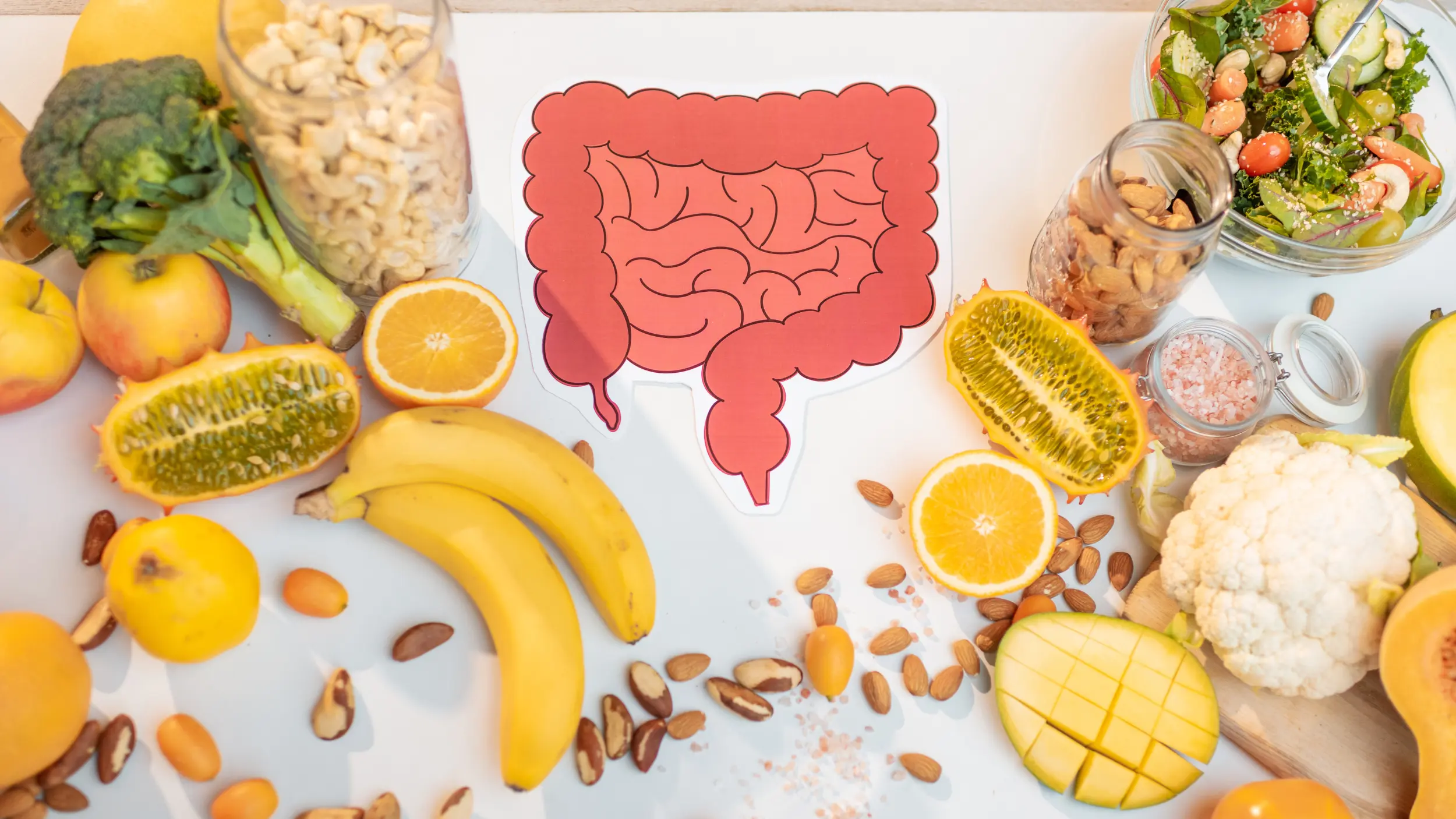
Once you've recovered from an acute episode, your nutritional strategy completely flips. A high-fiber diverticulitis prevention diet is your best defense against future flare-ups, with research consistently showing that adequate fiber intake significantly reduces recurrence risk [4].
The High-Fiber Foundation
For women ages 24-45, aim for 25-30 grams of fiber daily to support optimal colonic health and prevent diverticular disease progression. Fiber works by adding bulk to stool, which reduces intra-colonic pressure—the primary mechanical factor that causes diverticula to form and become inflamed [5].
Your prevention-phase diverticulitis foods to eat:
- Whole grains like quinoa, farro, oatmeal, and 100% whole wheat bread
- A rainbow of vegetables—both raw and cooked—including leafy greens, broccoli, Brussels sprouts, and sweet potatoes
- Fresh fruits with edible skins: apples, pears, berries, and stone fruits
- Legumes and pulses such as lentils, chickpeas, black beans, and split peas
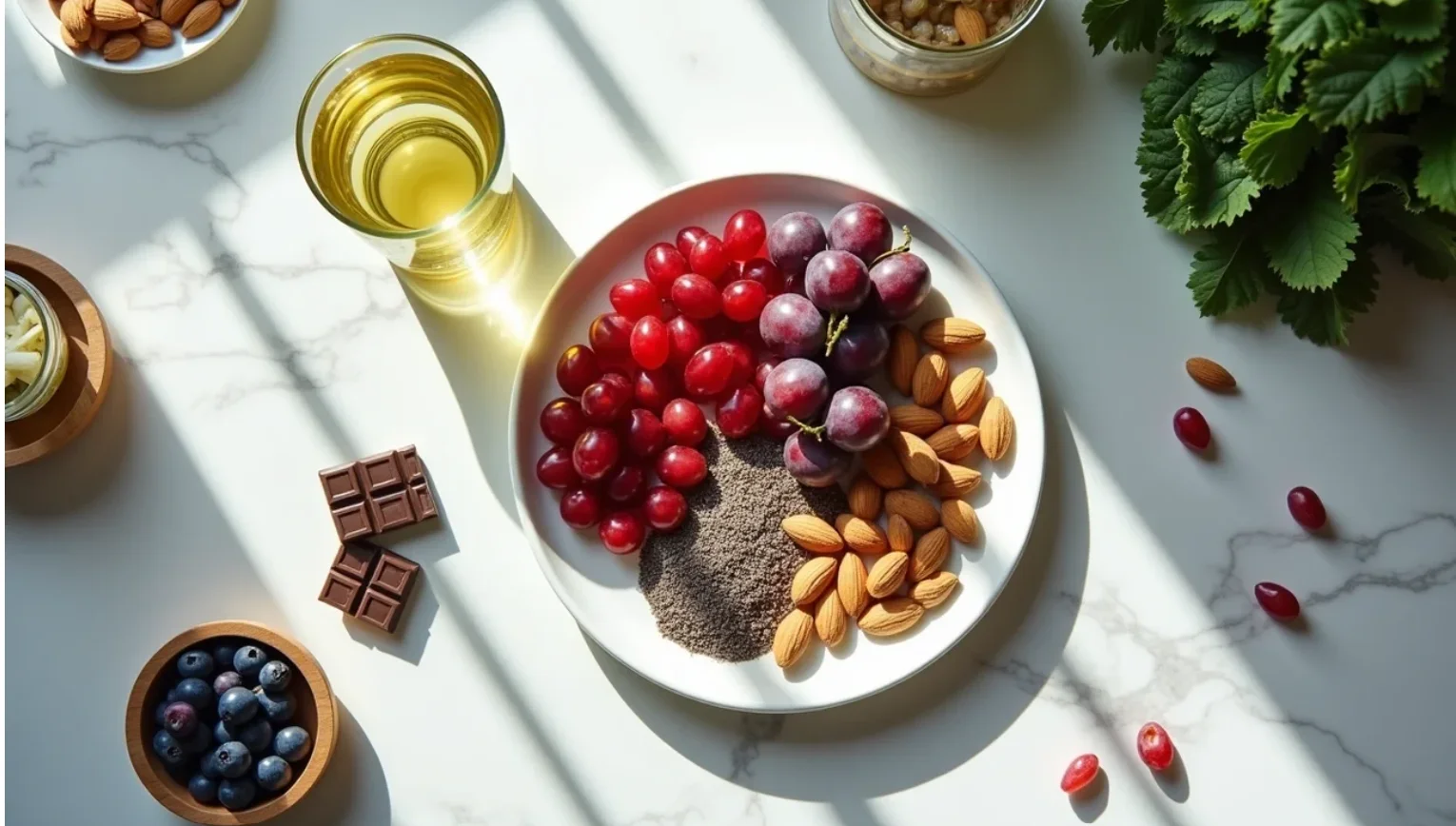
- Nuts, seeds, and their butters (almonds, chia seeds, flaxseeds, pumpkin seeds)
Contrary to decades of medical myth, recent evidence shows that nuts and seeds do not increase diverticulitis risk—in fact, they may be protective due to their fiber and anti-inflammatory fat content [3]. Unless you're actively flaring, there's no reason to avoid these nutrient-dense foods.
Balancing Soluble and Insoluble Fiber
Both types of fiber matter for diverticulitis management, but they work differently:
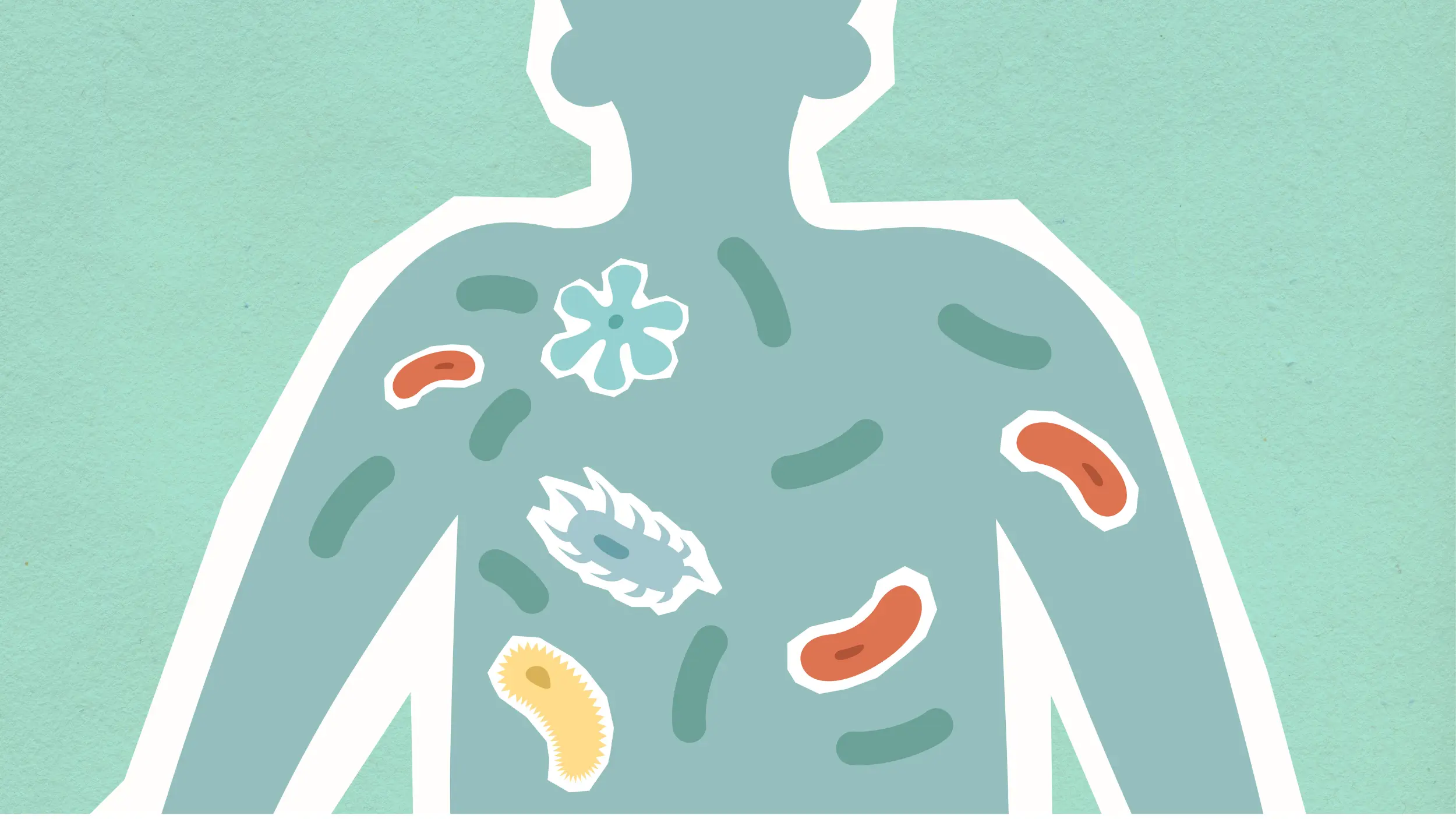
Soluble fiber dissolves in water to form a gel-like substance. It's found in oats, beans, apples, and psyllium. This type helps regulate bowel movements and feeds beneficial gut bacteria—which ties directly into your overall microbiome health and digestive wellness.
Insoluble fiber doesn't dissolve and adds bulk to stool. Think vegetable skins, wheat bran, and whole grains. This type speeds transit time and reduces colonic pressure.
For optimal diverticulitis prevention, you want both. A varied, whole-foods diet naturally provides this balance without requiring meticulous tracking. If you're increasing fiber after a long period of restriction, do so gradually—adding about 5 grams per week—to prevent bloating and gas.
Hydration and Lifestyle Factors
Fiber without adequate fluid is like trying to drive a car without oil—things get stuck and uncomfortable. As you increase your fiber intake, proportionally increase your water consumption. A practical rule: drink at least half your body weight in ounces of water daily (so if you weigh 150 pounds, aim for 75 ounces).
Regular physical activity also supports colonic motility and reduces diverticulitis risk. Even moderate movement—like 30 minutes of walking five days per week—can improve gut transit time and reduce inflammation [6].
Stress management deserves mention here too. Chronic stress impacts gut motility, immune function, and inflammation—all relevant to diverticular disease. If you're juggling intense work demands or life transitions, addressing your stress through functional nutrition strategies can indirectly support your gut healing.
What About Probiotics?
Emerging research suggests that certain probiotic strains may help prevent diverticulitis recurrence by modulating gut inflammation and supporting the intestinal barrier [7]. While the evidence isn't definitive enough for universal recommendations, incorporating fermented foods like yogurt, kefir, sauerkraut, and kimchi can provide beneficial bacteria along with other nutrients.
If you're considering a probiotic supplement, look for multi-strain formulas containing Lactobacillus and Bifidobacterium species, and discuss dosing with your healthcare provider—especially if you have any immune concerns.
Living Well with Diverticulitis: Managing Symptoms and Beyond
Managing diverticulitis isn't just about what you eat during crises or between them—it's about building a sustainable relationship with food that supports your unique digestive system. This requires some observation, experimentation, and self-compassion.
Identifying Your Personal Trigger Foods
While clinical guidelines provide general frameworks, your individual tolerance can vary. Some women find that certain high-FODMAP foods (fermentable carbohydrates) trigger bloating or discomfort even outside of flare-ups. Others notice that excessive caffeine, alcohol, or spicy foods seem to precede symptoms.
Keep a simple food-symptom log for 2-3 weeks, noting:
- What you ate and when
- Any digestive symptoms (pain location, bloating, bowel changes)
- Stress levels and sleep quality
- Menstrual cycle phase (hormones affect gut motility and inflammation)
This data helps you spot patterns that generic advice might miss. Maybe you do fine with raw vegetables except during your luteal phase, or perhaps dairy seems to worsen your bloating regardless of your diverticulitis status.
The Gut-Hormone Connection
For women in their reproductive years, hormonal fluctuations significantly impact digestion. Progesterone, which rises after ovulation, slows gut motility and can worsen constipation—a known trigger for diverticular pressure. Estrogen, conversely, can speed transit and sometimes cause loose stools.
If you notice your diverticulitis symptoms cluster around certain menstrual cycle phases, you're not imagining things. Adjusting your fiber and fluid intake throughout your cycle—slightly higher fiber and more water during your luteal phase—can help smooth out these fluctuations. Understanding how hormone balance intersects with nutrition gives you another layer of control over your digestive health.
Mindful Eating Practices
How you eat matters almost as much as what you eat for diverticulitis management. Rushed meals, eating while stressed, and inadequate chewing all compromise digestion and can trigger symptoms.
Practical mindful eating strategies:
- Chew each bite thoroughly (aim for 20-30 chews for fibrous foods)
- Eat in a relaxed environment without screens when possible
- Take 20-30 minutes minimum for main meals
- Stop eating when you're 80% full to prevent overstretching your colon
- Practice diaphragmatic breathing before meals to activate your parasympathetic nervous system
These aren't just wellness platitudes—they have real physiological effects on digestive enzyme secretion, motility, and even inflammation.
When to Seek Additional Support
If you're experiencing frequent flare-ups (more than 2-3 per year), unexplained weight loss, persistent changes in bowel habits, or severe pain, it's time for a gastroenterology workup to rule out complications like abscesses, fistulas, or perforation [8].
Similarly, if you're struggling to implement dietary changes on your own, feeling anxious about food choices, or dealing with multiple digestive conditions simultaneously, working with a specialized dietitian can accelerate your progress and reduce the mental load of figuring everything out solo.
Frequently Asked Questions
What are the first foods to eat after a diverticulitis flare-up?
Start with clear liquids (broth, herbal tea, diluted juice) for the first 24 hours if symptoms are severe. Then progress to low-fiber, easily digestible foods like white rice, applesauce, canned peaches, poached chicken, scrambled eggs, and well-cooked carrots without skins. Stay at this low-fiber level for 2-4 days or until symptoms fully resolve, then gradually reintroduce fiber over the following 1-2 weeks.
Can I still eat nuts and seeds with diverticulitis?
Yes—current evidence shows that nuts and seeds do not increase diverticulitis risk and may actually be protective due to their fiber and healthy fat content [3]. The old advice to avoid these foods was based on theoretical concerns that have since been disproven. The only exception is during an active flare-up, when their texture might be uncomfortable. Once you're in the prevention phase, enjoy nuts and seeds as part of your high-fiber diet.
What is the best long-term diet for preventing diverticulitis?
A high-fiber diet (25-30 grams daily) rich in whole grains, fruits, vegetables, legumes, nuts, and seeds is the gold standard for diverticulitis prevention. Pair this with adequate hydration (at least 64 ounces of water daily), regular physical activity, and stress management. This combination reduces intra-colonic pressure, supports healthy gut bacteria, and minimizes inflammation—all factors that prevent future flare-ups [4]. Avoid prolonged use of NSAIDs when possible, as they may increase diverticulitis risk [9].
Ready to create a personalized nutrition plan for your diverticulitis? Managing digestive health doesn't have to feel overwhelming when you have expert guidance tailored to your unique needs, symptoms, and lifestyle. Book a consultation with our specialized dietitian today to develop a sustainable strategy that works with your body, not against it. Visit www.usevedic.com to get started on your path to lasting gut relief.
References
[1] Stollman N, Smalley W, Hirano I; AGA Institute Clinical Guidelines Committee. American Gastroenterological Association Institute Guideline on the Management of Acute Diverticulitis. Gastroenterology, 2015.
[2] Bharucha AE, Parthasarathy G, Ditah I, et al. Temporal Trends in the Incidence and Natural History of Diverticulitis: A Population-Based Study. American Journal of Gastroenterology, 2015.
[3] Strate LL, Liu YL, Syngal S, Aldoori WH, Giovannucci EL. Nut, Corn, and Popcorn Consumption and the Incidence of Diverticular Disease. JAMA, 2008.
[4] Crowe FL, Appleby PN, Allen NE, Key TJ. Diet and Risk of Diverticular Disease in Oxford Cohort of European Prospective Investigation into Cancer and Nutrition (EPIC): Prospective Study of British Vegetarians and Non-Vegetarians. BMJ, 2011.
[5] Aldoori WH, Giovannucci EL, Rockett HR, Sampson L, Rimm EB, Willett WC. A Prospective Study of Dietary Fiber Types and Symptomatic Diverticular Disease in Men. Journal of Nutrition, 1998.
[6] Strate LL, Liu YL, Aldoori WH, Syngal S, Giovannucci EL. Obesity Increases the Risks of Diverticulitis and Diverticular Bleeding. Gastroenterology, 2009.
[7] Tursi A, Brandimarte G, Giorgetti GM, et al. Mesalazine and/or Lactobacillus casei in Preventing Recurrence of Symptomatic Uncomplicated Diverticular Disease of the Colon: A Prospective, Randomized, Open-Label Study. Journal of Clinical Gastroenterology, 2008.
[8] Feuerstein JD, Falchuk KR. Diverticulosis and Diverticulitis. New England Journal of Medicine, 2016.
[9] Aldoori WH, Giovannucci EL, Rimm EB, Wing AL, Willett WC. Use of Acetaminophen and Nonsteroidal Anti-inflammatory Drugs: A Prospective Study and the Risk of Symptomatic Diverticular Disease in Men. Archives of Family Medicine, 1998.
.svg)
.svg)




.webp)
.webp)
.webp)
.webp)
.webp)


.webp)
.webp)
.png)
.webp)
.webp)