.webp)

%2B(7).webp)
.png)
At a Glance
Unlock your body's natural detoxification power with personalized dietary strategies. Discover how to support your liver's vital functions and feel more energized through simple, science-backed habits. This guide offers a dietitian's approach to a holistic detox that prioritizes long-term well-being, not just quick fixes.
Feeling Sluggish? Let's Revitalize Your Liver!
Are you constantly battling fatigue, experiencing unexplained digestive woes, or noticing dull skin, even after trying all the 'right' things? It's frustrating when your body doesn't feel like your own, and you're left wondering what's holding you back from feeling truly vibrant.
As a dietitian, I understand these challenges, and I'm here to guide you toward a solution that starts from within—by supporting your liver, your body's incredible detox powerhouse. The connection between liver health and overall wellness runs deeper than most realize. In fact, your liver's functioning impacts everything from your hormonal balance to your energy levels throughout the day [1]. If you're struggling with hormone-related symptoms, you might also benefit from exploring how a hormone balance diet can work synergistically with liver support.
The good news? Your liver is remarkably resilient and responds beautifully to targeted nutritional support. Let's explore how you can tap into this incredible organ's regenerative capacity and start feeling like yourself again.
Your Liver: More Than Just a Filter
Here are some signs your liver might need some extra TLC:
- Persistent Fatigue: Feeling drained even after adequate sleep
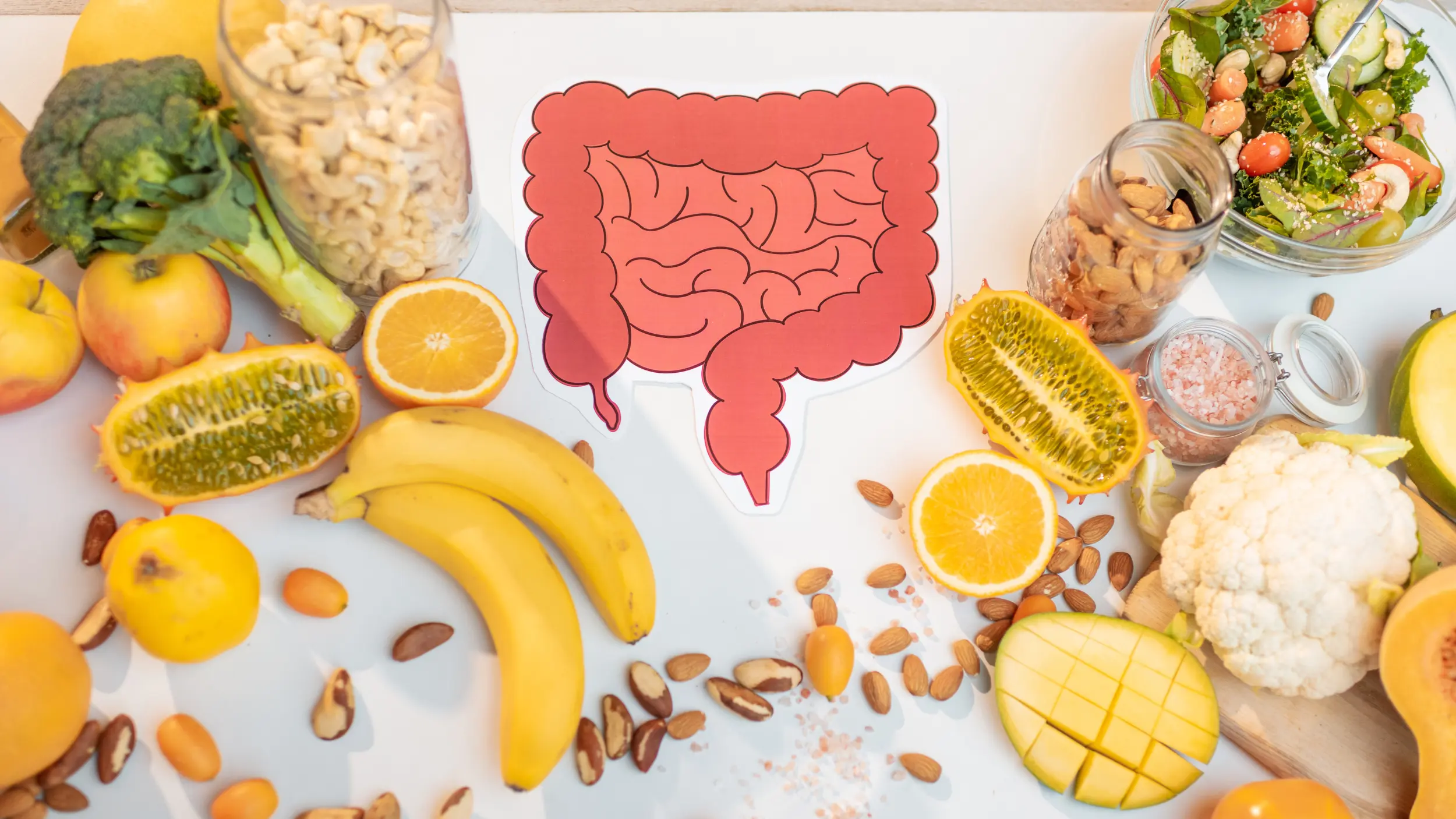
- Digestive Issues: Bloating, indigestion, or irregular bowel movements
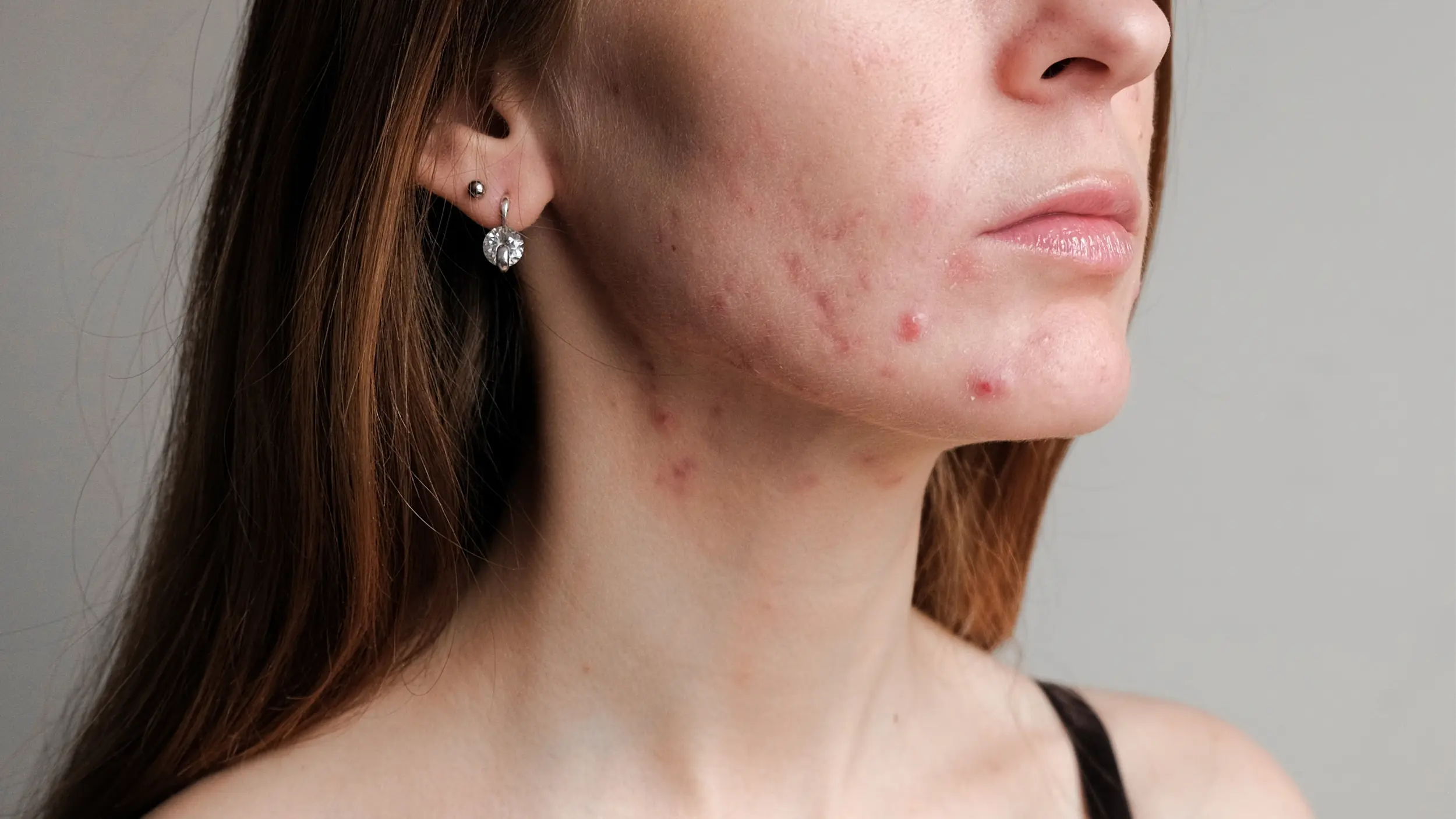
- Skin Concerns: Unexplained breakouts, dullness, or a yellowish tinge
- Brain Fog: Difficulty concentrating or feeling mentally sluggish
The Science Behind It
Your liver is a complex organ responsible for over 500 essential functions, including filtering toxins from your blood, metabolizing nutrients, producing bile for digestion, and storing essential vitamins and minerals [2]. This three-pound powerhouse processes everything you eat, drink, and breathe, working tirelessly to keep your system running smoothly.
When overwhelmed, these crucial processes can become sluggish, leading to a buildup of toxins and impacting your overall health and energy levels. Research shows that the liver's detoxification pathways operate in two distinct phases, both requiring specific nutrients to function optimally [3]. Factors like diet, stress, environmental exposures, alcohol consumption, and even certain medications can all contribute to liver strain [4].
What many women don't realize is that hormonal fluctuations throughout your menstrual cycle can also impact liver function. Your liver is responsible for metabolizing and clearing excess hormones, particularly estrogen [5]. When your liver is sluggish, this can contribute to hormonal imbalances, creating a frustrating cycle that affects everything from your mood to your metabolism.
Your Personalized Liver Support Protocol
The Foundations
Before we get into specific foods, let's establish the non-negotiable basics that create an environment where your liver can thrive:
- Hydration Hero: Aim for 8-10 glasses of filtered water daily, infusing with lemon or cucumber for extra benefits. Water is essential for the liver's detoxification processes and helps flush waste products from your system [6]. Pro tip: Start your morning with warm lemon water to gently stimulate bile production.
- Sleep Sanctuary: Prioritize 7-9 hours of quality sleep per night, as this is when your body does much of its repair work. Studies show that the liver's circadian rhythm plays a critical role in detoxification, with peak activity occurring during sleep [7]. Disrupted sleep patterns can impair liver function and regeneration.
- Stress Less: Incorporate daily stress-management techniques like deep breathing exercises or short walks in nature. Chronic stress elevates cortisol levels, which can negatively impact liver enzyme activity and contribute to inflammation [8]. Even 10 minutes of mindful breathing can make a measurable difference.
The Core Action Steps
Now let's talk about the dietary strategies that will directly support your liver's detoxification pathways:
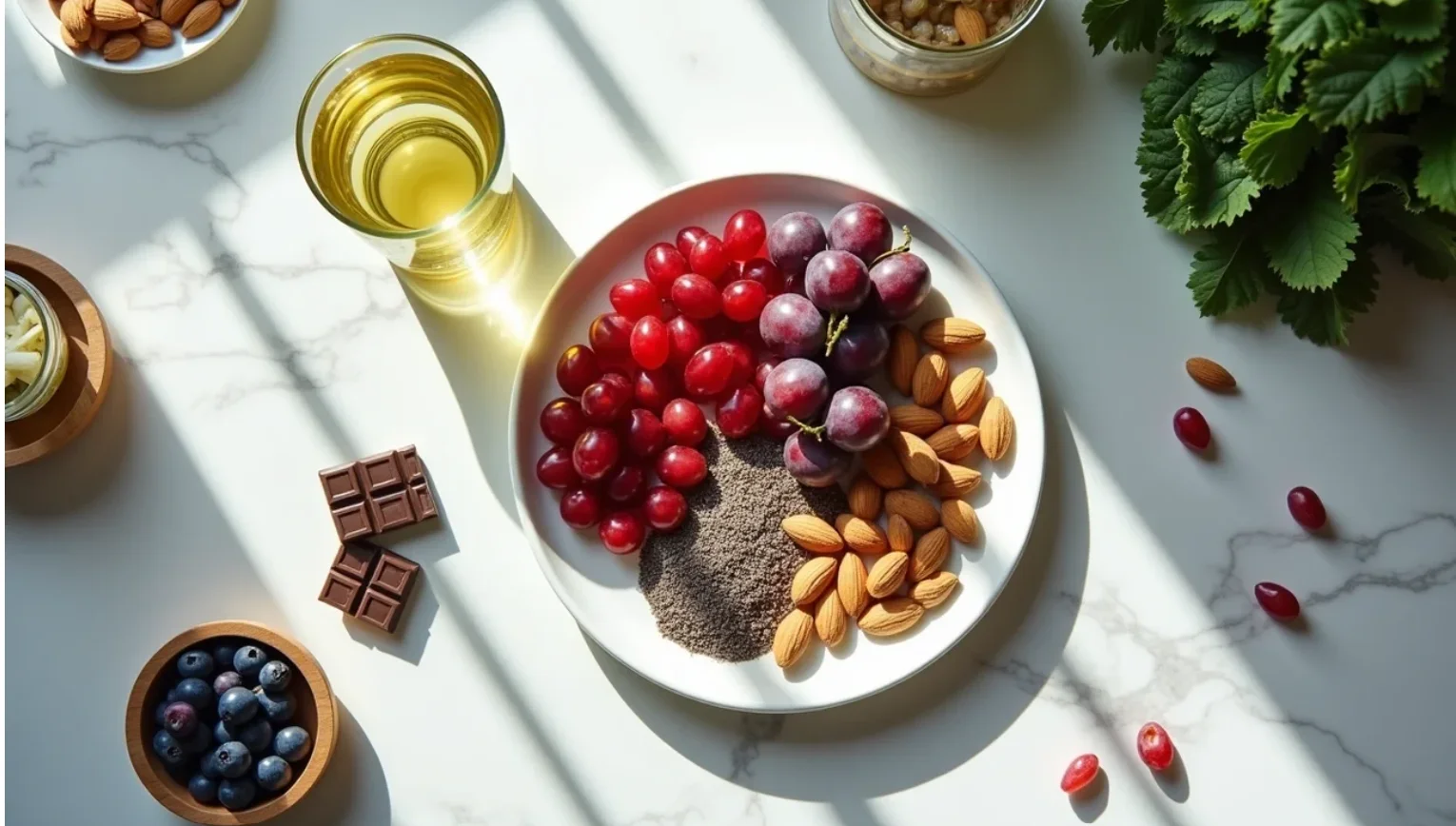
Load Up on Liver-Loving Foods: Include 3-5 servings daily of cruciferous vegetables (broccoli, cauliflower, Brussels sprouts), leafy greens (spinach, kale), and antioxidant-rich berries. Cruciferous vegetables contain compounds called glucosinolates that enhance Phase II detoxification enzymes, helping your liver process and eliminate toxins more efficiently [9]. Berries provide powerful antioxidants that protect liver cells from oxidative damage [10].
Embrace Healthy Fats: Incorporate sources like avocado, olive oil, nuts, and seeds into your meals to support bile production and nutrient absorption. Your liver needs healthy fats to produce bile, which is essential for breaking down dietary fats and eliminating fat-soluble toxins [11]. Aim for 2-3 tablespoons of quality fats at each meal.
Limit Processed Foods & Added Sugars: Aim to reduce intake by 80% this week, focusing on whole, unprocessed ingredients. Excess sugar and processed foods contribute to non-alcoholic fatty liver disease (NAFLD), which now affects approximately 25% of adults globally [12]. When you crowd out processed foods with nutrient-dense whole foods, you're giving your liver the break it desperately needs.
Choose Lean Proteins: Opt for 3-4 servings daily of fish, poultry, beans, and lentils to provide essential amino acids for detoxification pathways. Protein supplies the building blocks for glutathione, your body's master antioxidant and a critical component of liver detoxification [13]. Focus on variety to ensure you're getting a complete amino acid profile.
Consider a Gentle Detox Supplement (Optional): Discuss with your dietitian if a milk thistle or dandelion root supplement is right for you. Milk thistle contains silymarin, a compound with strong hepatoprotective properties that's been extensively studied for liver support [14]. However, supplements should complement—not replace—a nutrient-rich diet.
Additional Liver-Loving Tip
- Timing matters: Try to eat your largest meals earlier in the day when your digestion is strongest, giving your liver time to process nutrients before sleep.
- Mind your alcohol: If you choose to drink, limit consumption to no more than 3-4 drinks per week, and always have several alcohol-free days [15].
- Add liver-supportive herbs: Fresh turmeric, ginger, and garlic all contain compounds that support liver enzyme activity and reduce inflammation [16].
- Consider intermittent fasting: A 12-14 hour overnight fast can give your liver a chance to focus on detoxification rather than digestion [17].
Ready for a Lighter, Brighter You?
Nourishing your liver is a powerful act of self-care that can lead to profound improvements in your energy, clarity, and overall well-being. By implementing these dietitian-approved strategies, you're investing in your long-term health and vitality.
The beauty of this approach is that it's not about deprivation or extreme measures—it's about consistently choosing foods and habits that support your body's natural wisdom. Most of my clients notice improvements in energy and digestion within just 2-3 weeks of implementing these strategies.
Ready to take the next step towards a revitalized you? Let's connect to create a personalized plan that fits your unique needs and lifestyle. Book your consultation today and let's unlock your body's full potential together.
FAQs
How long does a 'detox' typically take?
Honestly? Your liver is detoxifying 24/7—it's not a start-and-stop process. That said, when you implement supportive dietary changes, most people notice improvements in energy, digestion, and skin clarity within 2-4 weeks. For more significant liver regeneration and metabolic improvements, think in terms of 8-12 weeks of consistent habits. This isn't a quick fix; it's a lifestyle shift that yields lasting results. Remember, your liver has incredible regenerative capacity, but it needs time and the right nutritional building blocks to do its work.
Can I still detox if I have specific dietary restrictions?
Absolutely! Liver support is completely adaptable to various dietary patterns—whether you're vegan, vegetarian, gluten-free, or managing food sensitivities. The key principles remain the same: prioritize whole foods, include plenty of vegetables, choose quality proteins (plant or animal), and stay hydrated. If you're plant-based, focus on legumes, nuts, and seeds for protein and amino acids. If you have multiple restrictions, working with a dietitian can help you create a personalized protocol that works with your body's unique needs.
What are the best foods to avoid during a liver cleanse?
While I don't love the word "avoid" (it feels restrictive), there are definitely foods that make your liver work harder. Prioritize reducing: alcohol, which is directly metabolized by the liver and can cause inflammation; excess added sugars and refined carbohydrates, which contribute to fatty liver; processed foods with artificial additives and preservatives; and excessive saturated and trans fats from fried foods and processed meats. Also watch out for excess caffeine (more than 2-3 cups daily) and any foods you're personally sensitive to, as they can trigger inflammation. Focus on what you're adding in rather than what you're taking away—it's a much more sustainable approach.
References
[1] https://www.ncbi.nlm.nih.gov/pmc/articles/PMC6816025/
[2] https://www.hopkinsmedicine.org/health/conditions-and-diseases/liver-anatomy-and-functions
[3] https://www.ncbi.nlm.nih.gov/pmc/articles/PMC3488572/
[4] https://www.ncbi.nlm.nih.gov/pmc/articles/PMC7551835/
[5] https://www.ncbi.nlm.nih.gov/pmc/articles/PMC6389648/
[6] https://www.kidney.org/atoz/content/water
[7] https://www.ncbi.nlm.nih.gov/pmc/articles/PMC6628946/
[8] https://www.ncbi.nlm.nih.gov/pmc/articles/PMC5579396/
[9] https://www.ncbi.nlm.nih.gov/pmc/articles/PMC6920963/
[10] https://www.ncbi.nlm.nih.gov/pmc/articles/PMC5618555/
[11] https://www.ncbi.nlm.nih.gov/pmc/articles/PMC6315948/
[12] https://www.ncbi.nlm.nih.gov/pmc/articles/PMC9648683/
[13] https://www.ncbi.nlm.nih.gov/pmc/articles/PMC4684116/
[14] https://www.ncbi.nlm.nih.gov/pmc/articles/PMC5871235/
[15] https://www.cdc.gov/alcohol/fact-sheets/moderate-drinking.htm
.svg)
.svg)





.webp)
.webp)
.webp)
.webp)
.webp)

.webp)
.webp)
.png)
.webp)
.webp)