.webp)
.webp)
%2B(7).webp)
.png)
At a Glance
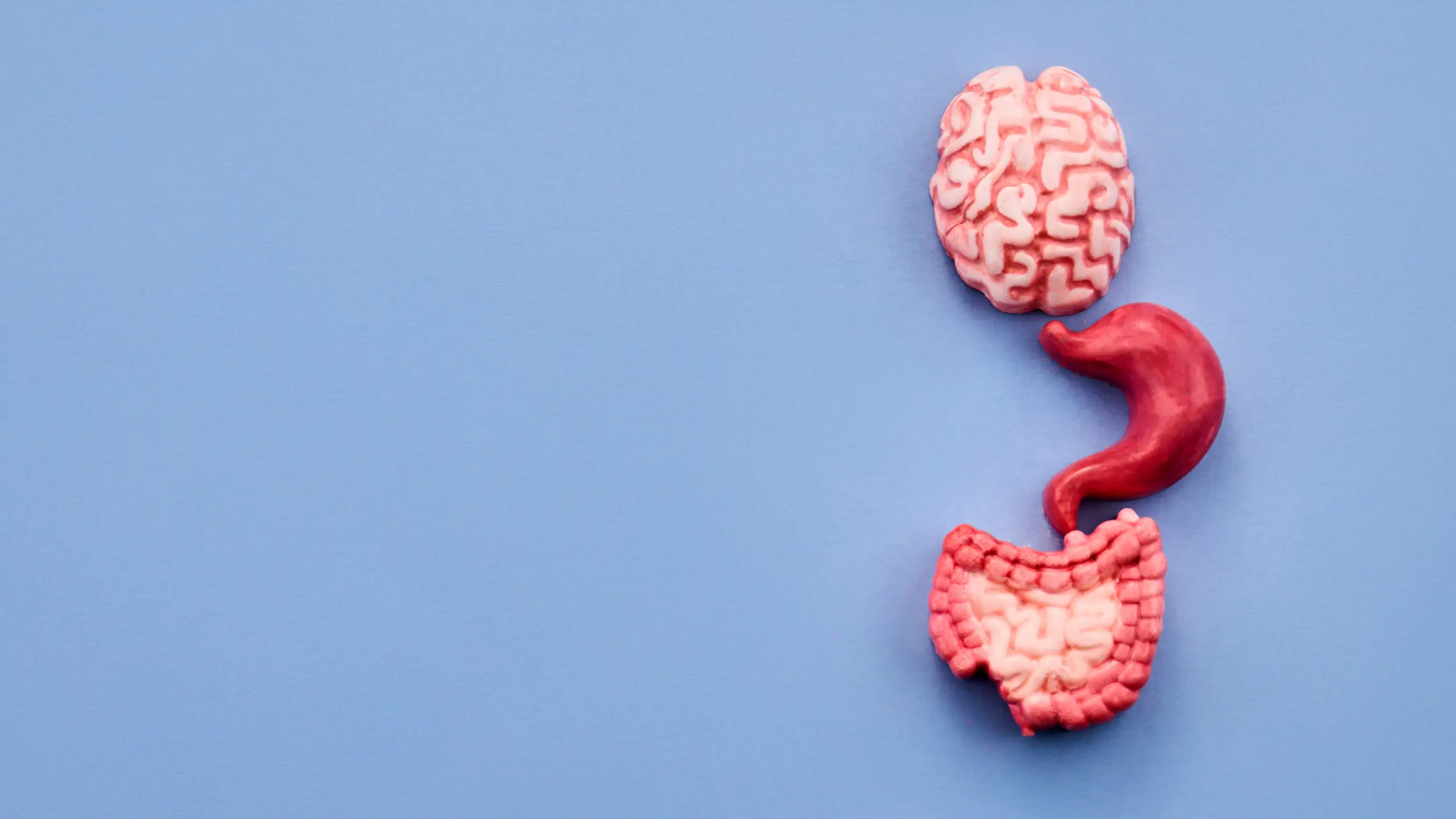
Your gut microbiome—the trillions of bacteria living in your digestive tract—plays a starring role in everything from immunity to mood regulation. Research shows that intentional dietary choices can reshape your gut bacteria composition within days, leading to measurable improvements in digestive health and overall wellness. This guide breaks down the science and gives you practical, delicious strategies to nourish your microbiome starting today.
Hey there! Are you curious about how the tiny world inside your gut might be impacting your overall well-being? As a dietitian, I'm here to demystify gut microbiome health and show you how simple dietary shifts can make a big difference. Let's explore the amazing world of your gut bacteria!
Understanding Your Gut's Ecosystem
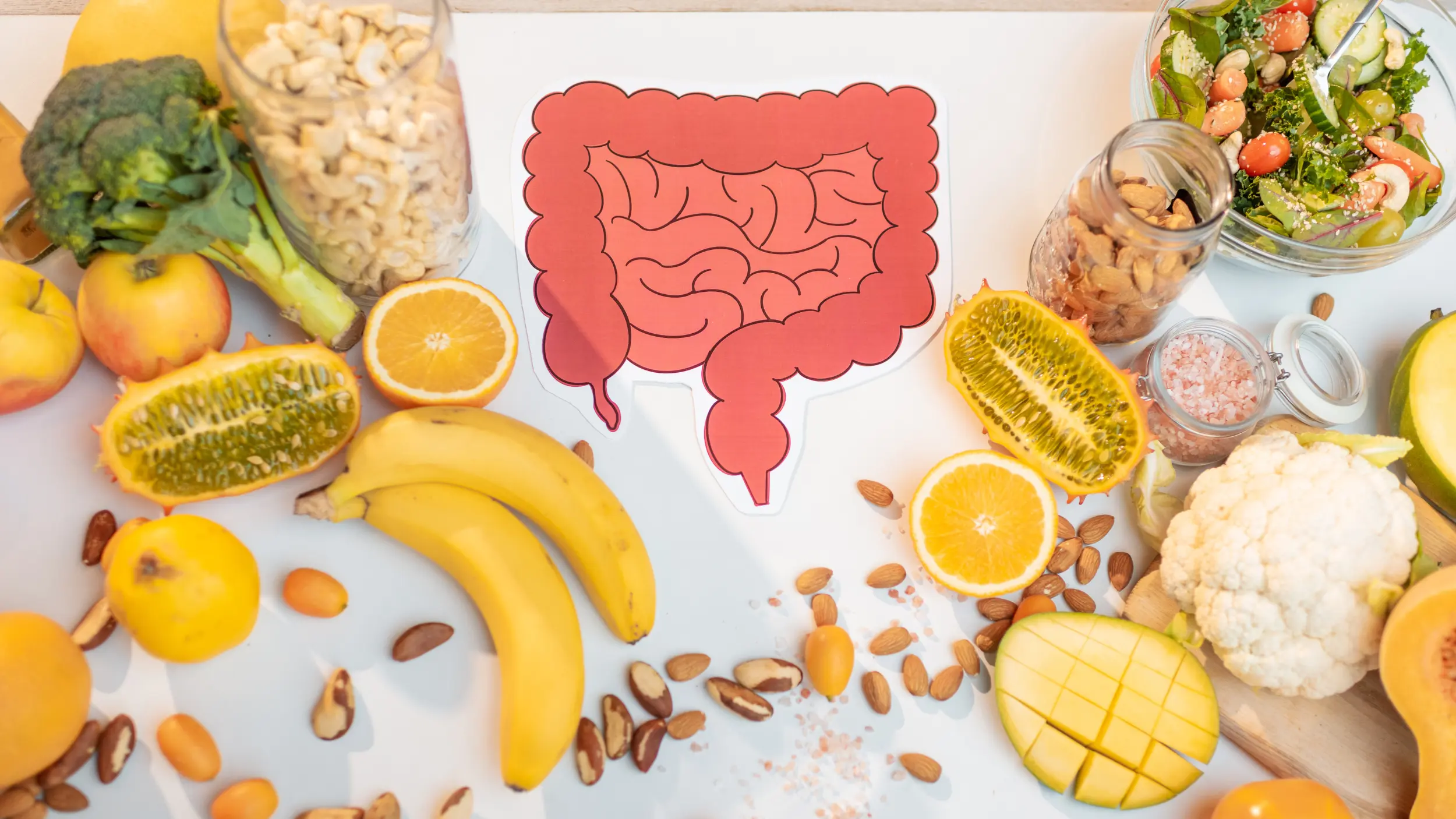
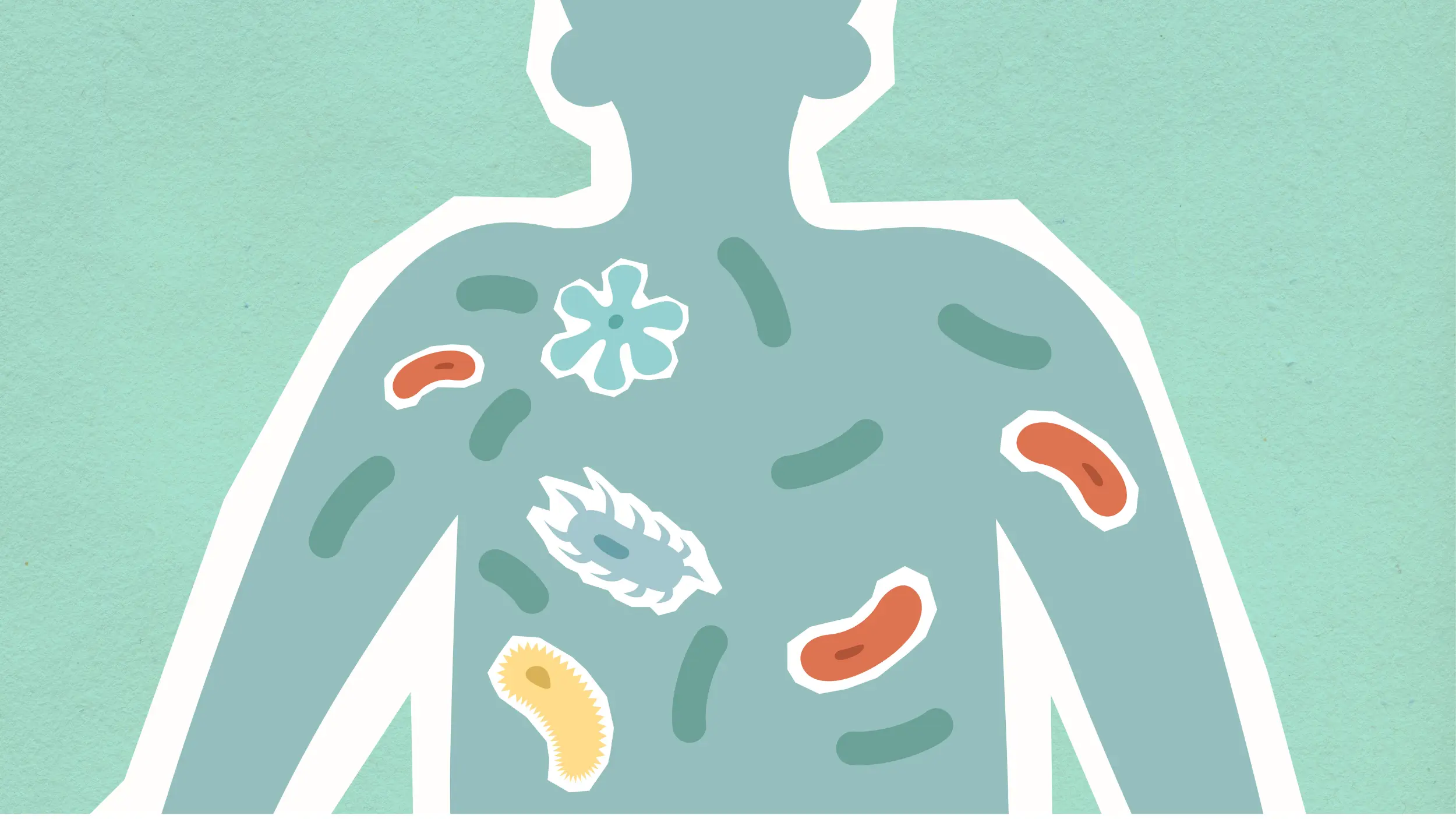
Your gut is home to approximately 100 trillion microorganisms—bacteria, fungi, viruses, and other microscopic life forms that collectively weigh about three pounds [1]. This complex community, known as your gut microbiome, performs critical functions that extend far beyond digestion.
These tiny residents help synthesize vitamins like B12 and K2, regulate your immune system (roughly 70% of which lives in your gut), produce neurotransmitters including serotonin, and even influence your metabolism and weight management [2]. When your gut bacteria are thriving in balanced diversity, you're more likely to experience stable energy, clear skin, predictable digestion, and resilient immunity.
But how do you know when things are off?
Common Gut Health Symptoms That Need Your Attention
Bloating and gas after meals - While occasional digestive discomfort is normal, persistent bloating may signal bacterial imbalance or food intolerances that are disrupting your microbiome [3].
Unpredictable bowel habits - Chronic constipation, diarrhea, or alternating between both can indicate that your gut bacteria populations aren't functioning optimally [4].
Skin issues like acne or eczema - The gut-skin axis is real, and inflammatory skin conditions often reflect what's happening in your digestive tract [5].
Frequent infections or getting sick often - Since your microbiome trains and supports your immune system, dysbiosis (bacterial imbalance) can leave you more vulnerable to illness [6].
Brain fog and mood swings - Your gut produces neurotransmitters and communicates directly with your brain via the vagus nerve, so microbiome disruption can absolutely affect your mental clarity and emotional resilience [7].
If you're experiencing several of these symptoms, your gut might be asking for some dietary support. And here's the good news: you have tremendous power to influence your microbiome through what you eat. If you're also dealing with hormonal concerns, check out our guide on hormone balance and diet for women's wellness since gut health and hormone regulation are deeply connected.
Fueling Your Gut for Optimal Health
What you eat directly feeds your gut microbiome—and specific foods can either promote beneficial bacteria or allow potentially problematic strains to dominate. Let's talk about the most powerful gut health foods and how to structure a microbiome diet that actually works.
The Foundation: Fiber-Rich Plant Foods
Your beneficial gut bacteria feast on dietary fiber, particularly prebiotic fibers that humans can't digest but microbes love [8]. When these bacteria ferment fiber, they produce short-chain fatty acids (SCFAs) like butyrate, which reduce inflammation, strengthen your gut lining, and even support metabolic health [9].
Top prebiotic-rich gut health foods:
- Asparagus - Contains inulin, a powerful prebiotic fiber that feeds Bifidobacteria strains
- Garlic and onions - Rich in fructooligosaccharides (FOS) that promote diverse bacterial growth
- Bananas (slightly green) - Contain resistant starch that acts as premium fuel for gut bacteria
- Oats - Packed with beta-glucan fiber that supports beneficial microbes and reduces inflammation
- Apples - High in pectin, a soluble fiber that enhances microbiome diversity
- Chicory root - One of the richest sources of inulin available
- Legums - Beans, lentils, and chickpeas deliver both prebiotic fiber and plant protein
Aim for 25-35 grams of fiber daily from varied plant sources [10]. Most women I work with consume only 15-18 grams, so there's usually significant room for improvement.
The Accelerator: Fermented Foods
While prebiotics feed your existing gut bacteria, probiotic foods introduce live beneficial bacteria directly into your system [11]. Regular consumption of fermented foods has been shown to increase microbiome diversity and reduce inflammatory markers [12].
Powerful fermented gut health foods:
- Yogurt with live cultures - Look for "live and active cultures" on the label; Greek yogurt works beautifully
- Kefir - Contains 30-50 different bacterial strains compared to yogurt's 5-10
- Sauerkraut (unpasteurized) - Rich in Lactobacillus bacteria and digestive enzymes
- Kimchi - Delivers probiotics plus prebiotic fiber from vegetables
- Miso - Fermented soybean paste packed with beneficial bacteria and enzymes
- Kombucha - Fermented tea containing both probiotics and organic acids that support digestion
- Tempeh - Fermented soy that's easier to digest than unfermented versions
Start with 1-2 servings of fermented foods daily. If you're new to these, introduce them gradually to allow your system to adjust.
The Protector: Polyphenol-Rich Foods
Polyphenols are plant compounds that act as prebiotics and also exhibit anti-inflammatory properties that protect your gut lining [13]. They've been shown to increase beneficial bacteria like Bifidobacteria and Lactobacillus while decreasing potentially harmful strains [14].
Top polyphenol sources:
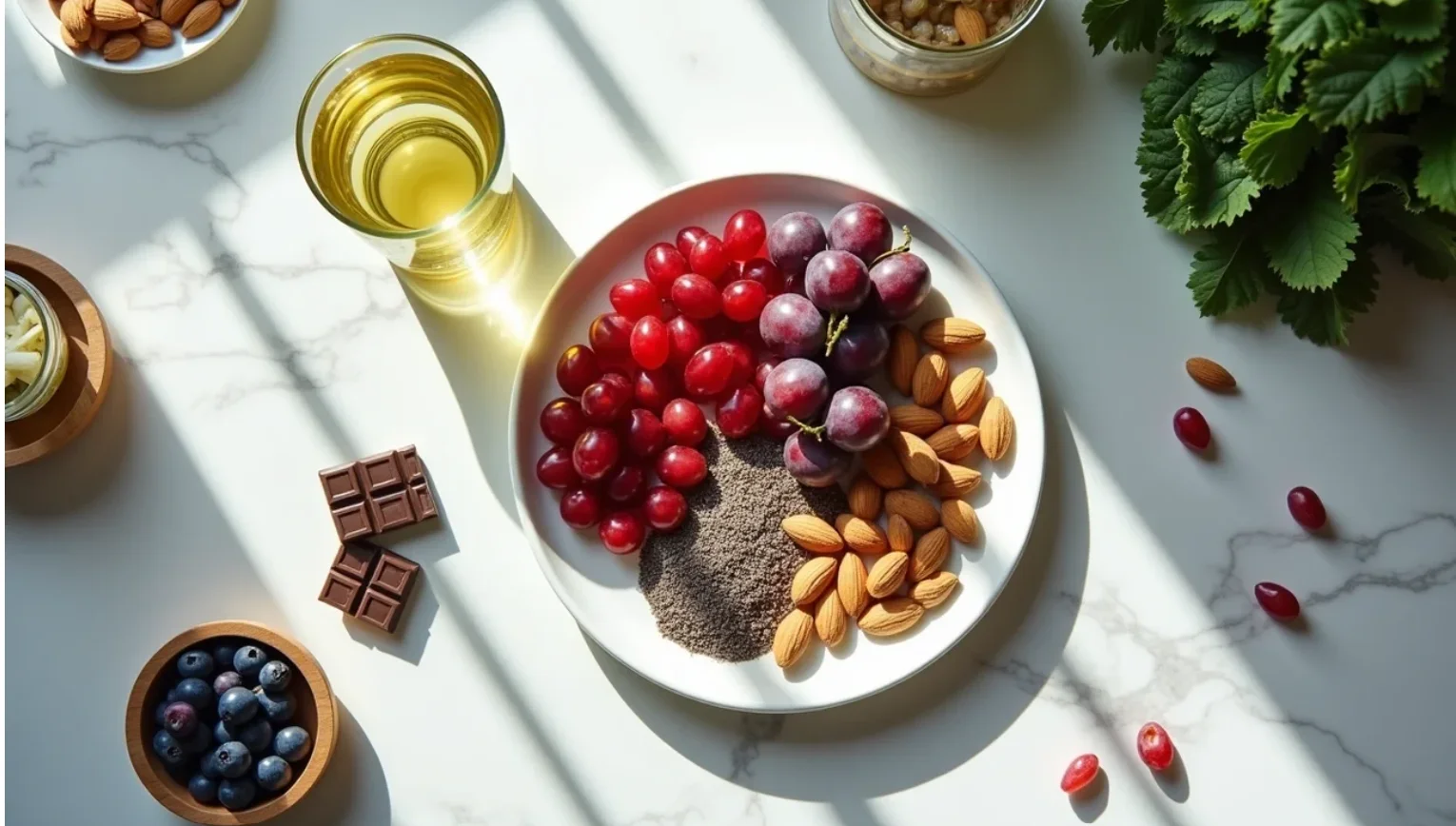
- Dark chocolate (70%+ cacao)
- Berries (especially blueberries and blackberries)
- Green tea
- Extra virgin olive oil
- Red wine (in moderation)
- Nuts (particularly walnuts and almonds)
- Colorful vegetables like red cabbage and artichokes
What to Minimize for a Healthy Gut
Just as important as what you add is what you might need to reduce. Certain dietary patterns can damage your microbiome diversity and promote inflammatory bacterial strains.
Ultra-processed foods high in added sugars and artificial additives have been shown to reduce beneficial bacteria populations [15]. Excessive alcohol disrupts the gut barrier and alters bacterial balance [16]. Artificial sweeteners, surprisingly, may negatively impact glucose metabolism by altering gut bacteria composition [17].
I'm not suggesting perfection—I'm a big believer in the 80/20 approach—but being mindful of these factors can accelerate your progress significantly. For more comprehensive strategies, explore our detailed guide on optimizing gut health and your microbiome.
Practical Tips for a Happy Gut
Knowledge is powerful, but implementation is where transformation happens. Here are my most effective, evidence-based gut health tips that I share with clients who want lasting results.
Start Low and Go Slow with Fiber
If you're currently eating a lower-fiber diet, suddenly jumping to 35 grams daily will likely cause significant bloating and discomfort. Your gut bacteria need time to adjust to increased fiber intake [18].
Instead, add 5 grams of fiber every 3-4 days while monitoring your symptoms. Drink plenty of water (fiber needs fluid to move through your system comfortably), and pay attention to how your body responds. This gradual approach allows your microbiome to adapt without digestive distress.
Diversify Your Plant Intake
Microbiome diversity correlates strongly with overall health outcomes [19]. The more varied your diet, the more diverse your gut bacteria community becomes. Research suggests that people who eat 30+ different plant foods weekly have more diverse microbiomes than those eating fewer than 10 [20].
Make it a game: try to hit 30 different plants (vegetables, fruits, legumes, nuts, seeds, herbs, spices) across seven days. This naturally expands the variety of fibers and polyphenols you're consuming, which feeds different bacterial strains.
Prioritize Consistent Meal Timing
Your gut bacteria operate on circadian rhythms just like you do [21]. Erratic eating patterns can disrupt these rhythms and negatively impact your microbiome. Try to eat your meals at roughly consistent times each day, and consider a 12-14 hour overnight fast to give your digestive system adequate rest [22].
This doesn't mean rigid rules—life happens—but general consistency supports optimal digestive health and microbiome function.
Manage Stress Intentionally
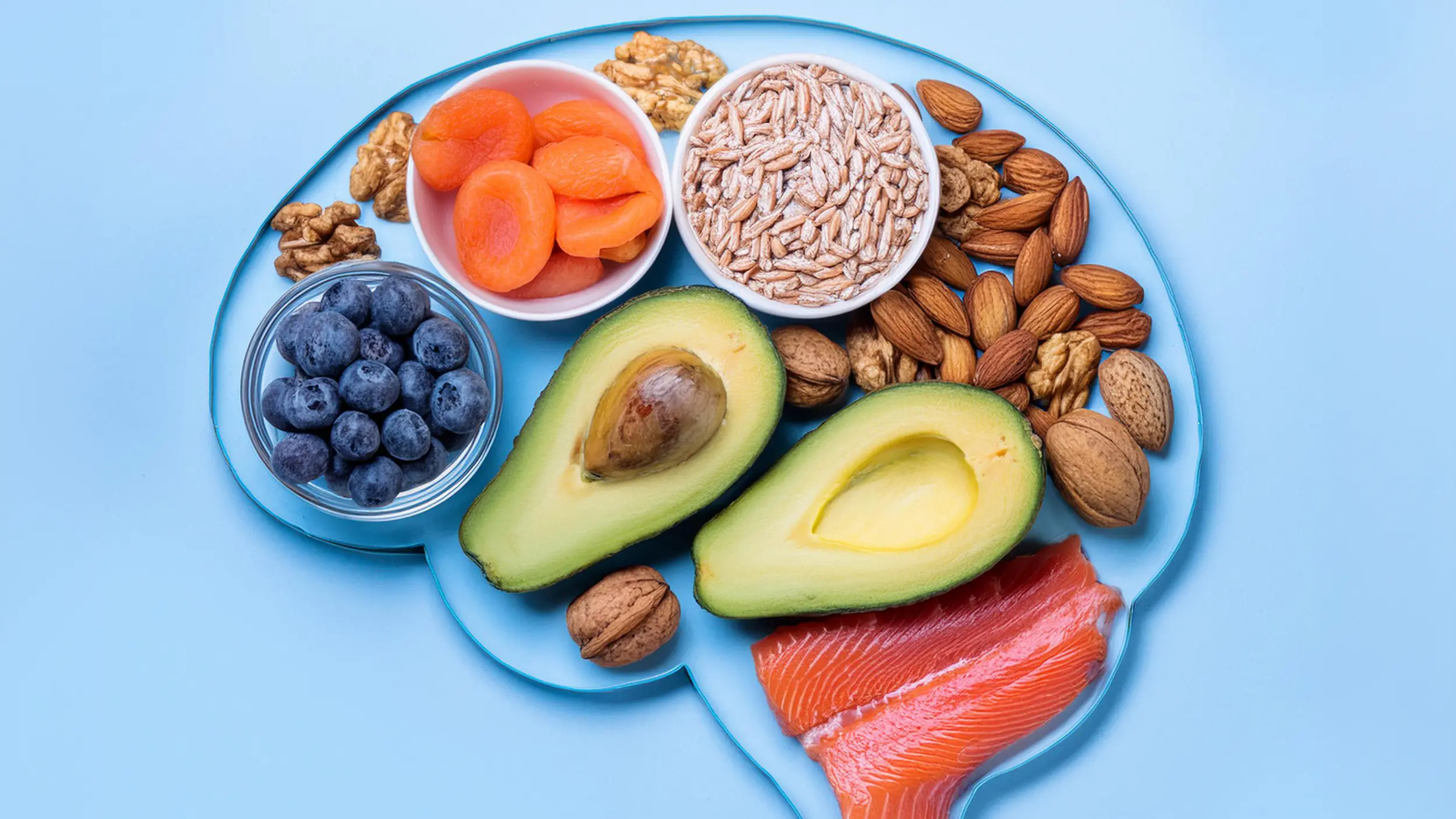
The gut-brain connection is bidirectional, meaning stress directly impacts your microbiome composition [23]. Chronic stress can reduce beneficial bacteria, increase gut permeability ("leaky gut"), and trigger digestive symptoms.
Incorporate stress management practices that work for your life: breath work, movement you enjoy, adequate sleep (7-9 hours), time in nature, or connecting with friends. These aren't luxuries—they're essential components of gut health. If stress is significantly impacting your wellbeing, our functional nutrition approach to stress and energy might provide additional strategies.
Consider Your Medication Impact
Certain medications, particularly antibiotics and proton pump inhibitors (PPIs), can significantly alter your microbiome [24]. If you've recently taken antibiotics or use PPIs regularly, be especially intentional about incorporating probiotic and prebiotic foods.
Never stop prescribed medications without consulting your healthcare provider, but do have conversations about gut health support while using these drugs.
Chew Thoroughly and Eat Mindfully
Digestion begins in your mouth. Thorough chewing breaks down food particles and mixes them with digestive enzymes in your saliva [25]. When you eat quickly or while distracted, you're more likely to swallow larger food particles that are harder for your system to process.
Practice putting your fork down between bites, chewing each mouthful 20-30 times, and actually tasting your food. This simple practice can reduce bloating and improve nutrient absorption.
Track Your Individual Response
Your microbiome is as unique as your fingerprint. What works beautifully for one person might cause discomfort for another. Keep a simple food and symptom log for 2-3 weeks as you implement changes, noting:
- What you ate and when
- Energy levels throughout the day
- Digestive symptoms (bloating, gas, bowel movements)
- Mood and mental clarity
- Sleep quality
Patterns will emerge that help you identify your personal gut health foods and any potential triggers.
Frequently Asked Questions
Q1: What are the main signs of an unhealthy gut?
The most common gut health symptoms include persistent bloating, irregular bowel movements (chronic constipation or diarrhea), frequent gas, skin issues like acne or eczema, food intolerances that seem to be increasing, unexplained fatigue, brain fog, and getting sick more frequently than usual [26]. Many women also experience mood disturbances including anxiety or depression that can be connected to gut dysbiosis. If you're experiencing multiple symptoms consistently, it's worth exploring gut-focused dietary interventions and potentially working with a dietitian who can provide personalized guidance.
Q2: Can I really improve my gut health through diet alone?
Absolutely—and the research backing this is robust. Studies show that dietary changes can alter your microbiome composition within 24-48 hours, though sustainable, meaningful changes typically become apparent within 2-4 weeks of consistent implementation [27]. Diet is actually one of the most powerful modulators of your gut bacteria, often more influential than genetics. That said, if you have diagnosed conditions like IBD, SIBO, or severe IBS, you'll likely need additional medical support beyond diet alone. For most women dealing with general digestive discomfort or wanting to optimize their gut health preventatively, strategic dietary shifts can create remarkable improvements.
Q3: How long does it take to see improvements in gut health?
This varies based on your starting point and consistency with implementation. Many of my clients notice reduced bloating and improved energy within the first 1-2 weeks of prioritizing gut health foods. More substantial changes—like consistent bowel habits, clearer skin, and enhanced immunity—typically emerge around the 4-8 week mark [28]. Your microbiome can shift relatively quickly, but healing your gut lining and establishing robust bacterial diversity takes consistent effort over weeks to months. The key is sustainable changes you can maintain long-term rather than extreme short-term interventions. Remember, you're cultivating a living ecosystem—patience and consistency are your best tools.
Ready to take the first step towards a healthier, happier gut? Book your personalized dietitian consultation today at www.usevedic.com and get a customized plan designed specifically for your unique needs and goals.
References
[1] Sender R, Fuchs S, Milo R. Revised Estimates for the Number of Human and Bacteria Cells in the Body. PLoS Biol. 2016;14(8):e1002533.
[2] Thursby E, Juge N. Introduction to the human gut microbiota. Biochem J. 2017;474(11):1823-1836.
[3] Lacy BE, et al. Bowel Disorders. Gastroenterology. 2016;150(6):1393-1407.
[4] Quigley EMM. The Spectrum of Small Intestinal Bacterial Overgrowth (SIBO). Curr Gastroenterol Rep. 2019;21(1):3.
[5] Salem I, et al. The Gut Microbiome as a Major Regulator of the Gut-Skin Axis. Front Microbiol. 2018;9:1459.
[6] Belkaid Y, Hand TW. Role of the microbiota in immunity and inflammation. Cell. 2014;157(1):121-141.
[7] Cryan JF, et al. The Microbiota-Gut-Brain Axis. Physiol Rev. 2019;99(4):1877-2013.
[8] Gibson GR, et al. Expert consensus document: The International Scientific Association for Probiotics and Prebiotics (ISAPP) consensus statement on the definition and scope of prebiotics. Nat Rev Gastroenterol Hepatol. 2017;14(8):491-502.
[9] Koh A, et al. From Dietary Fiber to Host Physiology: Short-Chain Fatty Acids as Key Bacterial Metabolites. Cell. 2016;165(6):1332-1345.
[10] Barber TM, et al. The Health Benefits of Dietary Fibre. Nutrients. 2020;12(10):3209.
[11] Hill C, et al. Expert consensus document: The International Scientific Association for Probiotics and Prebiotics consensus statement on the scope and appropriate use of the term probiotic. Nat Rev Gastroenterol Hepatol. 2014;11(8):506-514.
[12] Wastyk HC, et al. Gut-microbiota-targeted diets modulate human immune status. Cell. 2021;184(16):4137-4153.
[13] Cardona F, et al. Benefits of polyphenols on gut microbiota and implications in human health. J Nutr Biochem. 2013;24(8):1415-1422.
[14] Ozdal T, et al. The Reciprocal Interactions between Polyphenols and Gut Microbiota and Effects on Bioaccessibility. Nutrients. 2016;8(2):78.
[15] Zinöcker MK, Lindseth IA. The Western Diet-Microbiome-Host Interaction and Its Role in Metabolic Disease. Nutrients. 2018;10(3):365.
[16] Engen PA, et al. The Gastrointestinal Microbiome: Alcohol Effects on the Composition of Intestinal Microbiota. Alcohol Res. 2015;37(2):223-236.
[17] Suez J, et al. Personalized microbiome-driven effects of non-nutritive sweeteners on human glucose tolerance. Cell. 2022;185(18):3307-3328.
[18] Slavin JL. Position of the American Dietetic Association: health implications of dietary fiber. J Am Diet Assoc. 2008;108(10):1716-1731.
[19] Heiman ML, Greenway FL. A healthy gastrointestinal microbiome is dependent on dietary diversity. Mol Metab. 2016;5(5):317-320.
[20] McDonald D, et al. American Gut: an Open Platform for Citizen Science Microbiome Research. mSystems. 2018;3(3):e00031-18.
[21] Voigt RM, et al. Circadian disorganization alters intestinal microbiota. PLoS One. 2014;9(5):e97500.
[22] Zarrinpar A, et al. Diet and feeding pattern affect the diurnal dynamics of the gut microbiome. Cell Metab. 2014;20(6):1006-1017.
[23] Madison A, Kiecolt-Glaser JK. Stress, depression, diet, and the gut microbiota: human-bacteria interactions at the core of psychoneuroimmunology and nutrition. Curr Opin Behav Sci. 2019;28:105-110.
[24] Weersma RK, et al. Interaction between drugs and the gut microbiome. Gut. 2020;69(8):1510-1519.
[25] Hollis JH. The effect of mastication on food intake, satiety and body weight. Physiol Behav. 2018;193(Pt B):242-245.
[26] Carabotti M, et al. The gut-brain axis: interactions between enteric microbiota, central and enteric nervous systems. Ann Gastroenterol. 2015;28(2):203-209.
[27] David LA, et al. Diet rapidly and reproducibly alters the human gut microbiome. Nature. 2014;505(7484):559-563.
[28] Kolodziejczyk AA, et al. Diet-microbiota interactions and personalized nutrition. Nat Rev Microbiol. 2019;17(12):742-753.
.svg)
.svg)








.webp)
.webp)
.webp)
.webp)


.webp)
.webp)
.png)
.webp)
.webp)