.webp)
%2B(7).webp)
.png)
At a Glance
Histamine intolerance affects countless women who struggle with unexplained symptoms like headaches, digestive issues, and skin reactions. This condition occurs when your body can't break down histamine efficiently, leading to an accumulation that triggers uncomfortable responses. With the right dietary approach and lifestyle modifications, you can significantly reduce symptoms and reclaim your quality of life.
Understanding Histamine Intolerance and Its Symptoms
Let's get real about what's happening in your body. Histamine intolerance isn't a true allergy—it's a metabolic disorder where your body accumulates too much histamine because it can't break it down fast enough [1]. Think of it like a sink that's draining slower than water is pouring in.
Your body produces histamine naturally as part of immune responses, but you also consume it through food. Two key enzymes—diamine oxidase (DAO) and histamine N-methyltransferase (HNMT)—are responsible for breaking down histamine [2]. When these enzymes are compromised or overwhelmed, histamine overload occurs.
The symptoms can be maddeningly vague, which is why so many women go years without answers:
- Digestive complaints including bloating, diarrhea, abdominal cramping, and nausea
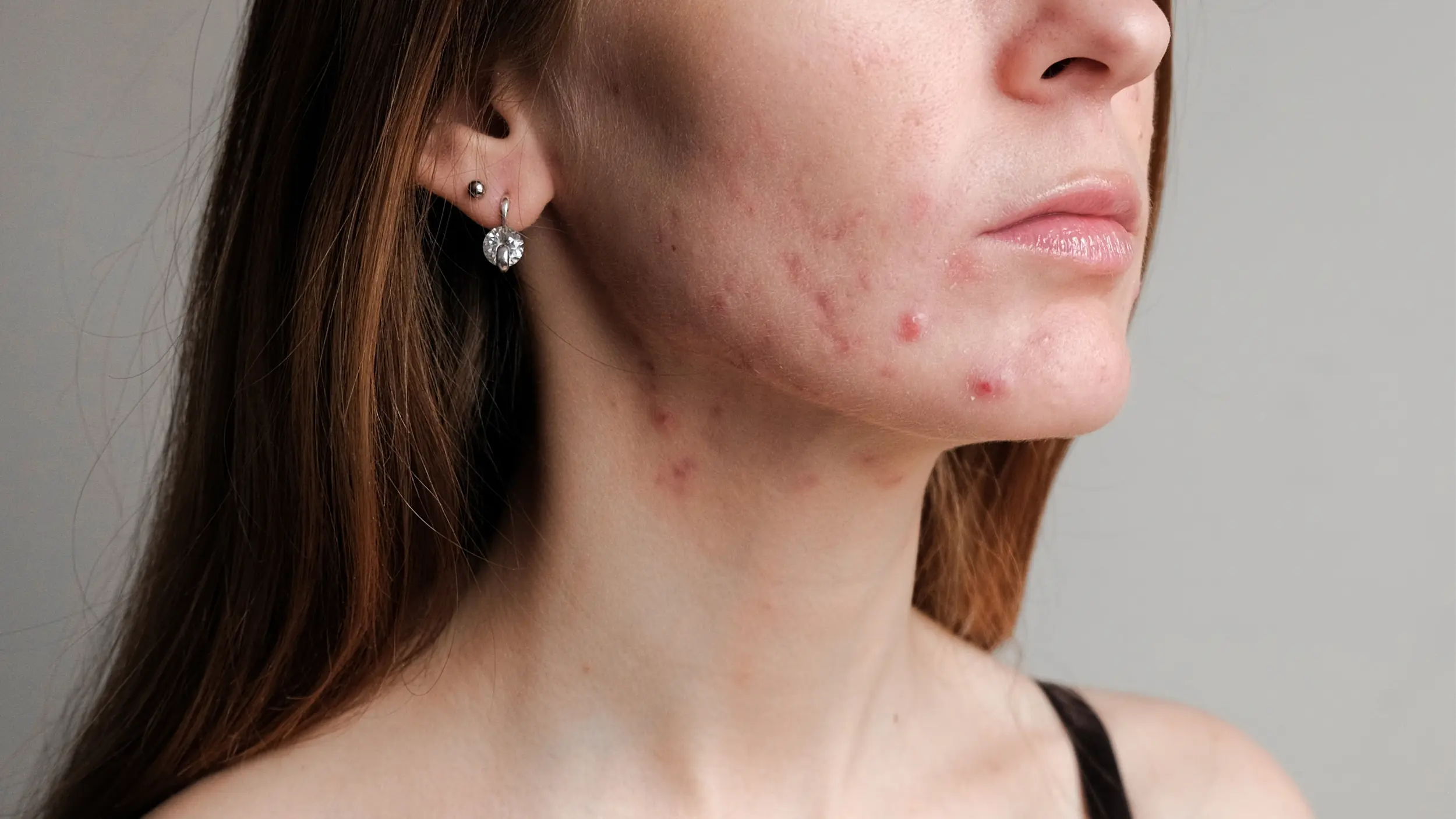
- Skin reactions like flushing, hives, eczema flares, or unexplained itching
- Respiratory issues such as nasal congestion, sneezing, or asthma-like symptoms
- Cardiovascular signs including heart palpitations, dizziness, or low blood pressure
- Neurological symptoms like headaches, migraines, anxiety, or brain fog
- Menstrual irregularities and PMS intensification
These histamine intolerance symptoms often worsen after eating certain foods, during your menstrual cycle (estrogen increases histamine release [3]), or during times of stress. Many of my clients describe feeling like they're reacting to "everything" without understanding why.
The tricky part? There's no definitive histamine intolerance test that's universally accepted. Diagnosis typically involves symptom assessment, elimination diets, and sometimes measuring DAO enzyme activity [4]. Blood tests for histamine allergy (IgE antibodies) will come back negative because this isn't an immune-mediated allergy—it's an enzymatic issue.
Navigating Low Histamine Foods: What to Eat and What to Avoid
Here's where we roll up our sleeves and get practical. Managing histamine through diet isn't about perfection—it's about identifying your personal threshold and building a sustainable eating pattern.
The Histamine Spectrum
Not all histamine foods are created equal. Histamine levels in food increase with age, fermentation, and improper storage [5]. Fresh is your best friend here.
Foods highest in histamine or that trigger histamine release:
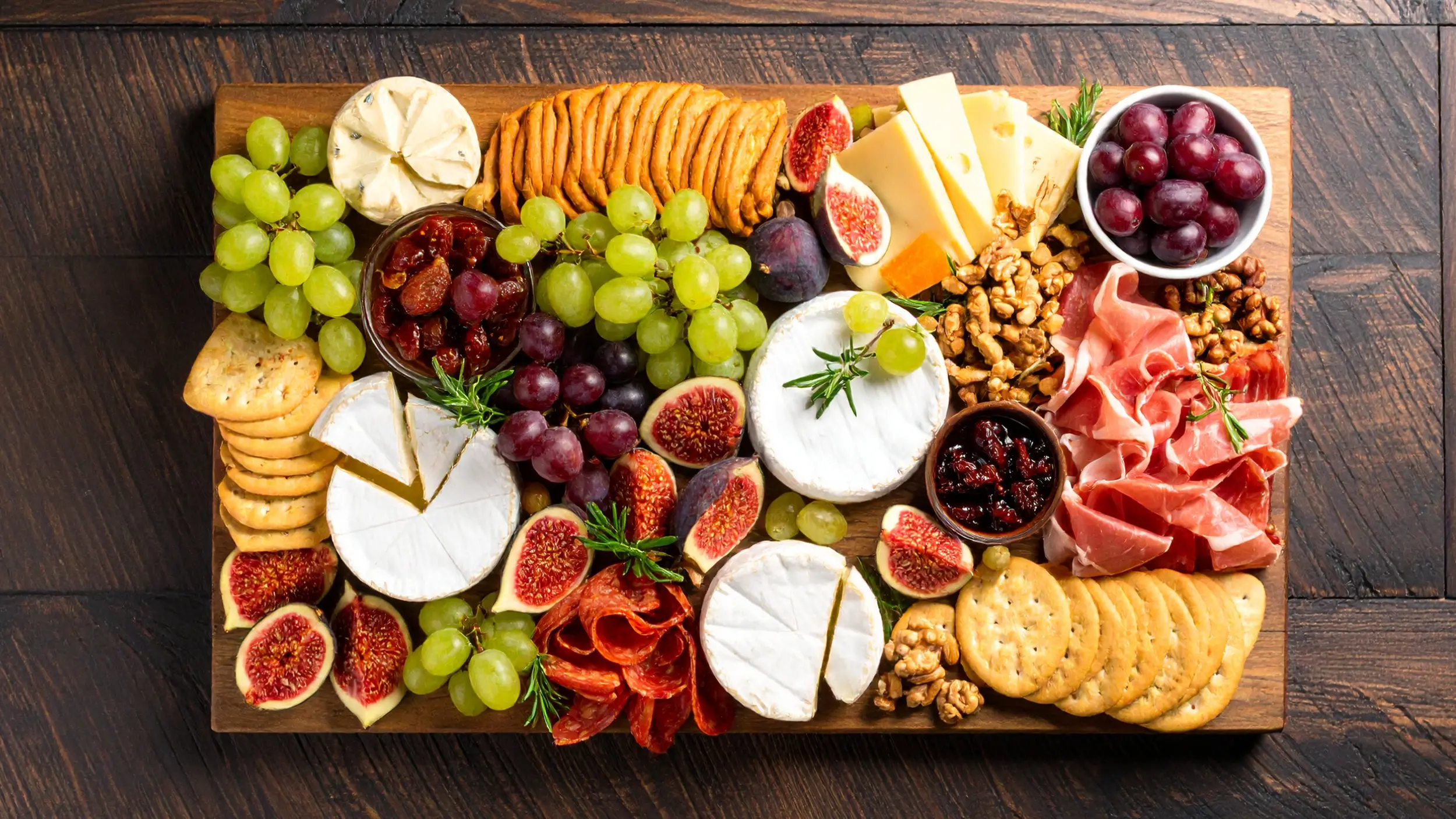
- Aged cheeses (parmesan, cheddar, gouda)
- Fermented foods (sauerkraut, kimchi, kombucha, kefir)
- Cured and processed meats (salami, bacon, deli meat)
- Alcohol, especially red wine and beer
- Leftover meat and fish (histamine multiplies rapidly)
- Vinegar and vinegar-containing foods
- Certain fish like tuna, mackerel, and sardines
- Tomatoes, spinach, and eggplant
- Citrus fruits and strawberries
- Chocolate and cocoa products
Yes, I see you mourning that morning kombucha. I know it's counterintuitive since fermented foods are typically gut-health champions. But when you're dealing with histamine intolerance, these become problematic [6]. Once your symptoms stabilize, we can explore reintroduction strategically—check out this guide on optimizing gut health for the bigger picture.
Building Your Low Histamine Diet Foundation
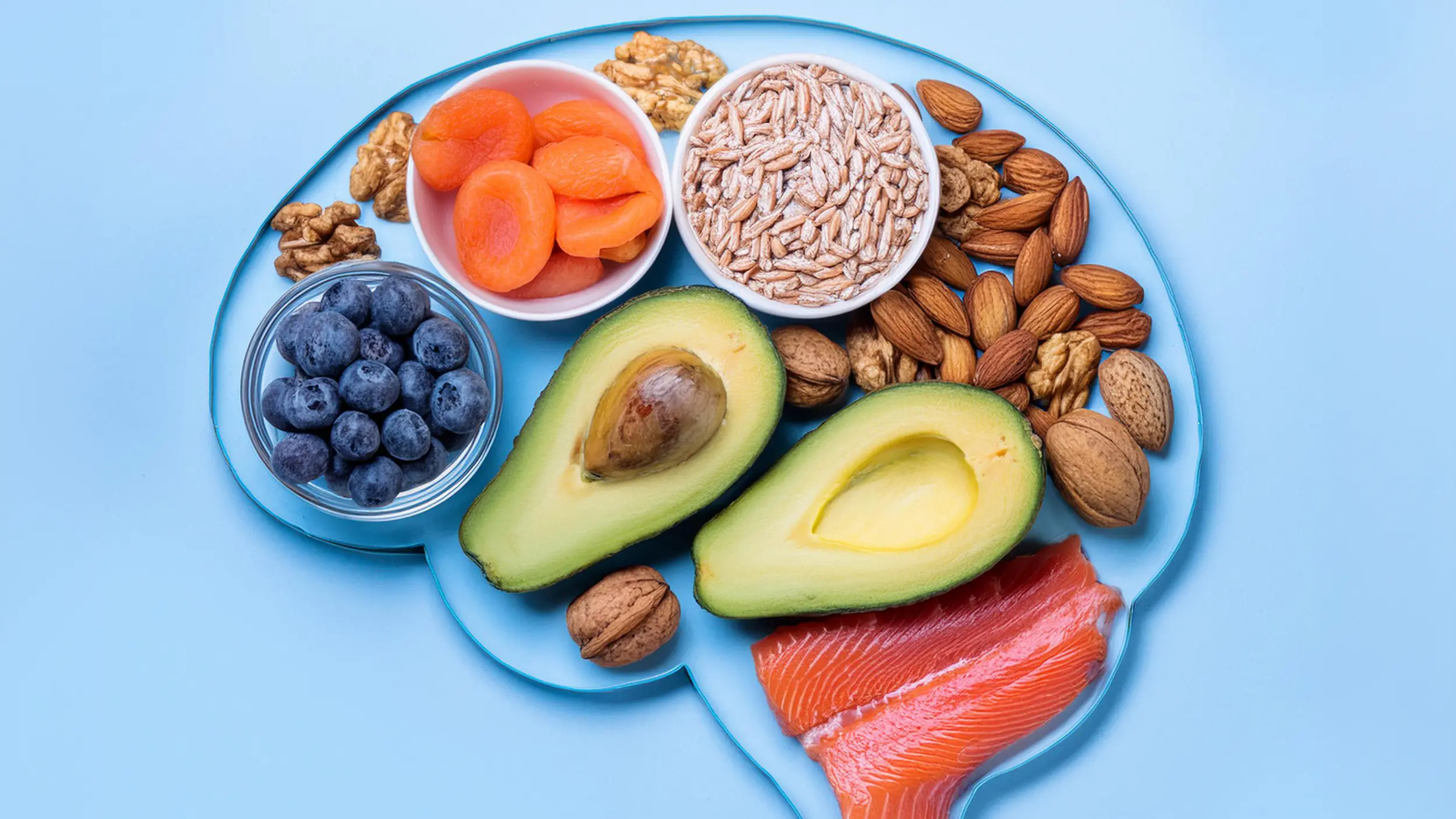
Focus on fresh, whole foods prepared and consumed quickly. Here's what typically works well:
- Fresh proteins: Chicken, turkey, lamb, and fresh fish (consumed within 24 hours of purchase). Freeze portions immediately if not eating right away.
- Most vegetables: Leafy greens (except spinach), cruciferous vegetables, carrots, squash, sweet potatoes, beets, and cucumbers.
- Low-histamine fruits: Apples, pears, mangoes, blueberries, cherries, and melons work for most people.
- Healthy fats: Olive oil, coconut oil, and ghee (if tolerated).
- Fresh dairy alternatives: Rice milk, coconut milk, and fresh dairy if you tolerate it (aged products are higher in histamine).
- Grains and starches: Rice, quinoa, oats, and gluten-free options typically sit well.
A practical low histamine diet plan starts with a 4-6 week elimination phase where you strictly avoid high-histamine foods to establish your baseline [7]. This isn't forever—it's diagnostic. Track your symptoms daily so we can identify patterns.
Pro tip: Prep only what you'll eat within a meal or two. That batch-cooked chicken that's been in your fridge for four days? That's accumulating histamine every hour. Freeze individual portions instead and thaw as needed.
Your hormone balance matters here too, since estrogen dominance can exacerbate histamine responses. It's all connected.
Finding Relief: Strategies for Managing Histamine Overload
Diet is huge, but it's not the only player in this game. Let's talk about the strategic additions that amplify your results.
Support Your DAO Enzyme Production
DAO is your body's primary histamine-degrading enzyme in the gut [8]. Several nutrients act as cofactors for DAO function:
- Vitamin B6 (found in poultry, fish, and potatoes)
- Vitamin C (bell peppers, broccoli, cauliflower)
- Copper (shellfish when tolerated, nuts, seeds)
- Zinc (pumpkin seeds, grass-fed meat)
Some women benefit from DAO enzyme supplements taken before meals, particularly when eating out or during unavoidable histamine exposure [9]. The research is still emerging, but clinical experience shows promise for many.
Address the Root Causes
Histamine intolerance rarely exists in isolation. Common underlying factors include:
- Small intestinal bacterial overgrowth (SIBO), where bacteria produce histamine
- Leaky gut and intestinal inflammation
- Chronic stress depleting DAO enzyme production
- Certain medications that block DAO (NSAIDs, some antibiotics)
- Hormonal imbalances, particularly estrogen dominance
This is where functional nutrition approaches become invaluable. We're not just managing symptoms—we're investigating why your histamine bucket is overflowing in the first place.
Lifestyle Modifications That Matter
Your daily habits directly influence your histamine response:
- Stress management is non-negotiable. Chronic stress increases mast cell activation (cells that release histamine) [10]. Find what works for you—whether that's breathwork, yoga, or simply saying no more often.
- Sleep quality affects histamine regulation. Aim for consistent sleep-wake times and create a cool, dark environment.
- Exercise appropriately. Intense workouts can temporarily spike histamine, so find your sweet spot with moderate movement.
- Antihistamine medications (like cetirizine or loratadine) can provide short-term relief during flares, but they're not addressing the root cause.
- Quercetin, a natural antihistamine found in onions and apples, shows promise as a mast cell stabilizer [11]. Some women find supplementation helpful.
The Reintroduction Phase
After 4-6 weeks of strict adherence and symptom improvement, we systematically reintroduce foods one at a time. This reveals your personal tolerance threshold—because your histamine bucket size is unique to you.
Start with foods lower on the histamine spectrum and track symptoms for 48-72 hours before adding the next item. Some women discover they can handle small amounts of certain histamine rich foods occasionally, while others are more reactive.
Remember: histamine intolerance can improve over time, especially when we address gut health, hormonal balance, and stress. This isn't necessarily a life sentence.
Frequently Asked Questions
What are the most common symptoms of histamine intolerance?
The most frequently reported symptoms include digestive issues (bloating, diarrhea, cramping), headaches or migraines, skin flushing or hives, nasal congestion, and unexplained anxiety or heart palpitations [12]. Women often notice symptoms worsen around their period due to estrogen's interaction with histamine. The challenging aspect is that symptoms are highly variable between individuals and can affect multiple body systems simultaneously.
Can a simple food diary help identify histamine triggers?
Absolutely, and it's one of the most powerful tools we have. Track what you eat, when you eat it, and any symptoms that emerge within 4-6 hours (though some reactions can be delayed up to 24 hours). Note your menstrual cycle phase, stress levels, sleep quality, and any medications. After 2-3 weeks, patterns typically emerge showing which histamine foods consistently trigger your symptoms. This data is worth gold when creating your personalized histamine diet plan.
How long does it take to feel better on a low histamine diet?
Most women notice significant improvement within 2-4 weeks of strict adherence to a low histamine diet [13]. Some symptoms like digestive issues may improve within days, while others like skin conditions or chronic headaches may take longer to resolve. Your histamine bucket needs time to empty, and your body needs time to reduce inflammation and upregulate enzyme production. If you're not seeing any improvement after 4-6 weeks of strict adherence, we need to investigate other underlying causes or co-existing conditions.
Ready to stop guessing and start healing? Managing histamine intolerance requires a personalized approach that considers your unique biochemistry, lifestyle, and health history. Let's work together to create a sustainable plan that brings you lasting relief. Book your consultation at Vedic and let's get you feeling like yourself again.
References
[1] Maintz L, Novak N. Histamine and histamine intolerance. The American Journal of Clinical Nutrition, 2007.
[2] Schwelberger HG. Histamine N-methyltransferase (HNMT) enzyme and the metabolic degradation of histamine. Inflammation Research, 2009.
[3] Zierau O, et al. Role of female sex hormones, estradiol and progesterone, in mast cell behavior. Frontiers in Immunology, 2012.
[4] Kofler L, et al. Histamine 50-skin-prick test: A tool to diagnose histamine intolerance. JEADV, 2021.
[5] Sánchez-Pérez S, et al. Biogenic amines in plant-origin foods: Are they frequently underestimated in low-histamine diets?. Foods, 2021.
[6] Hrubisko M, et al. Histamine Intolerance—The More We Know the Less We Know. A Review. Nutrients, 2021.
[7] Wagner A, et al. Comprehensive review of the current evidence on histamine intolerance and low histamine diet. Clinical and Translational Allergy, 2017.
[8] Comas-Basté O, et al. Histamine Intolerance: The Current State of the Art. Biomolecules, 2020.
[9] Schnedl WJ, Enko D. Considering histamine in functional gastrointestinal disorders. Critical Reviews in Food Science and Nutrition, 2021.
[10] Theoharides TC, et al. Mast cells and inflammation. Biochimica et Biophysica Acta, 2012.
[11] Mlcek J, et al. Quercetin and Its Anti-Allergic Immune Response. Molecules, 2016.
[12] Reese I, et al. German guideline for the management of adverse reactions to ingested histamine. Allergo Journal International, 2017.
[13] San Mauro Martín I, et al. Histamine intolerance and dietary management: A complete review. Allergologia et Immunopathologia, 2019.
.svg)
.svg)






.webp)
.webp)
.webp)
.webp)
.webp)


.webp)
.webp)
.png)
.webp)
.webp)