.webp)
%2B(7).webp)
.png)
At a Glance
Your gut and brain communicate constantly through a complex network called the gut-brain axis, influencing mood, mental clarity, and stress responses. Research shows that supporting your microbiome with specific foods can reduce inflammation and improve neurotransmitter production. This guide breaks down the science and gives you actionable nutrition strategies to optimize both gut health and brain function.
What Exactly IS the Gut-Brain Axis?
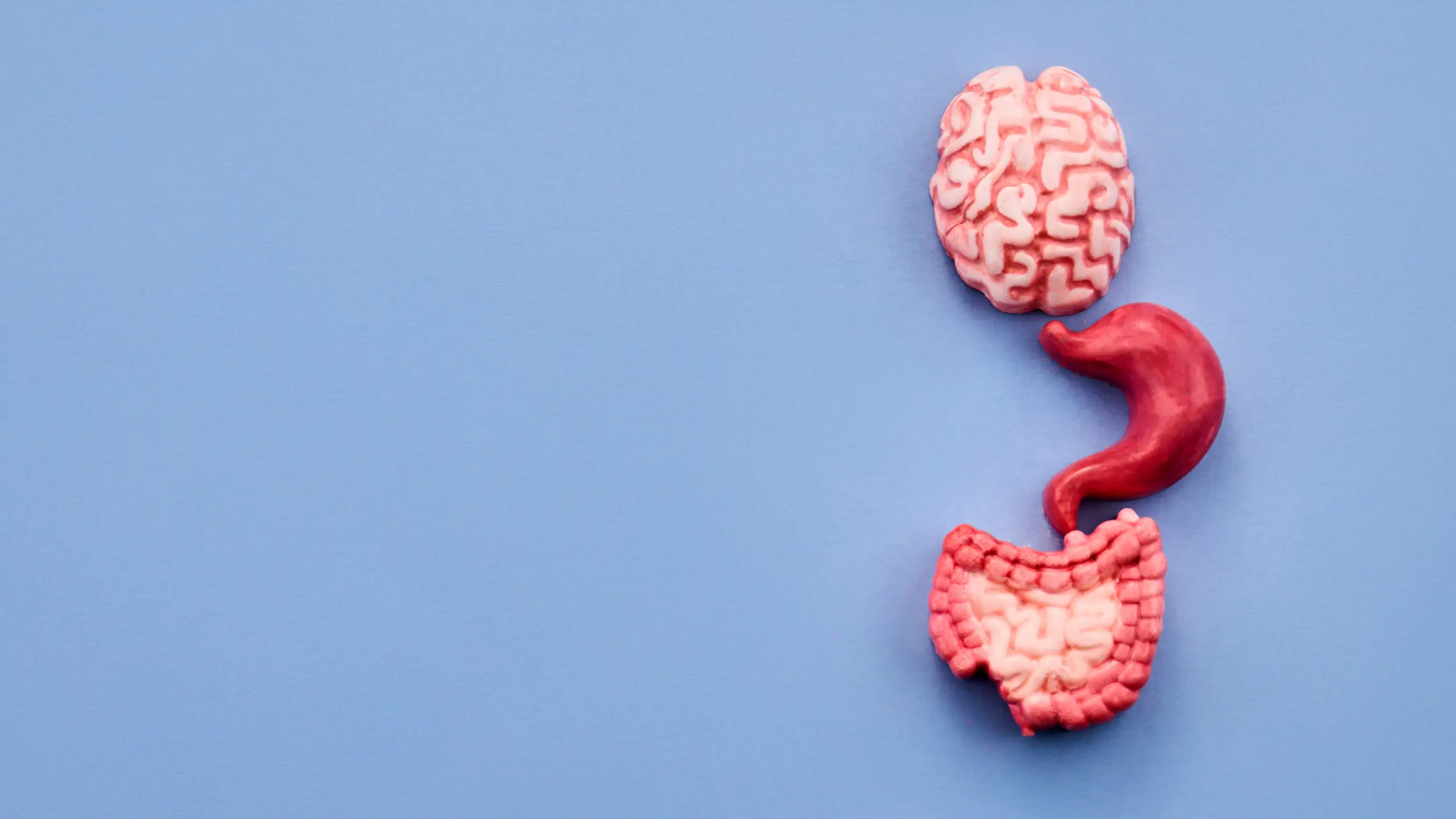
The gut-brain axis is a bidirectional communication superhighway connecting your gastrointestinal tract to your central nervous system [1]. Think of it as a constant text thread between your belly and your brain, except instead of emojis, they're exchanging chemical signals, immune molecules, and neural impulses.
This connection operates through three main channels:
- The vagus nerve – Your body's longest cranial nerve, acting like a fiber-optic cable transmitting signals in both directions [2]
- Neurotransmitter production – Your gut bacteria actually manufacture up to 90% of your body's serotonin, the neurotransmitter that regulates mood and anxiety [3]
- Immune signaling – Inflammatory cytokines produced in your gut can cross into your bloodstream and influence brain chemistry [4]
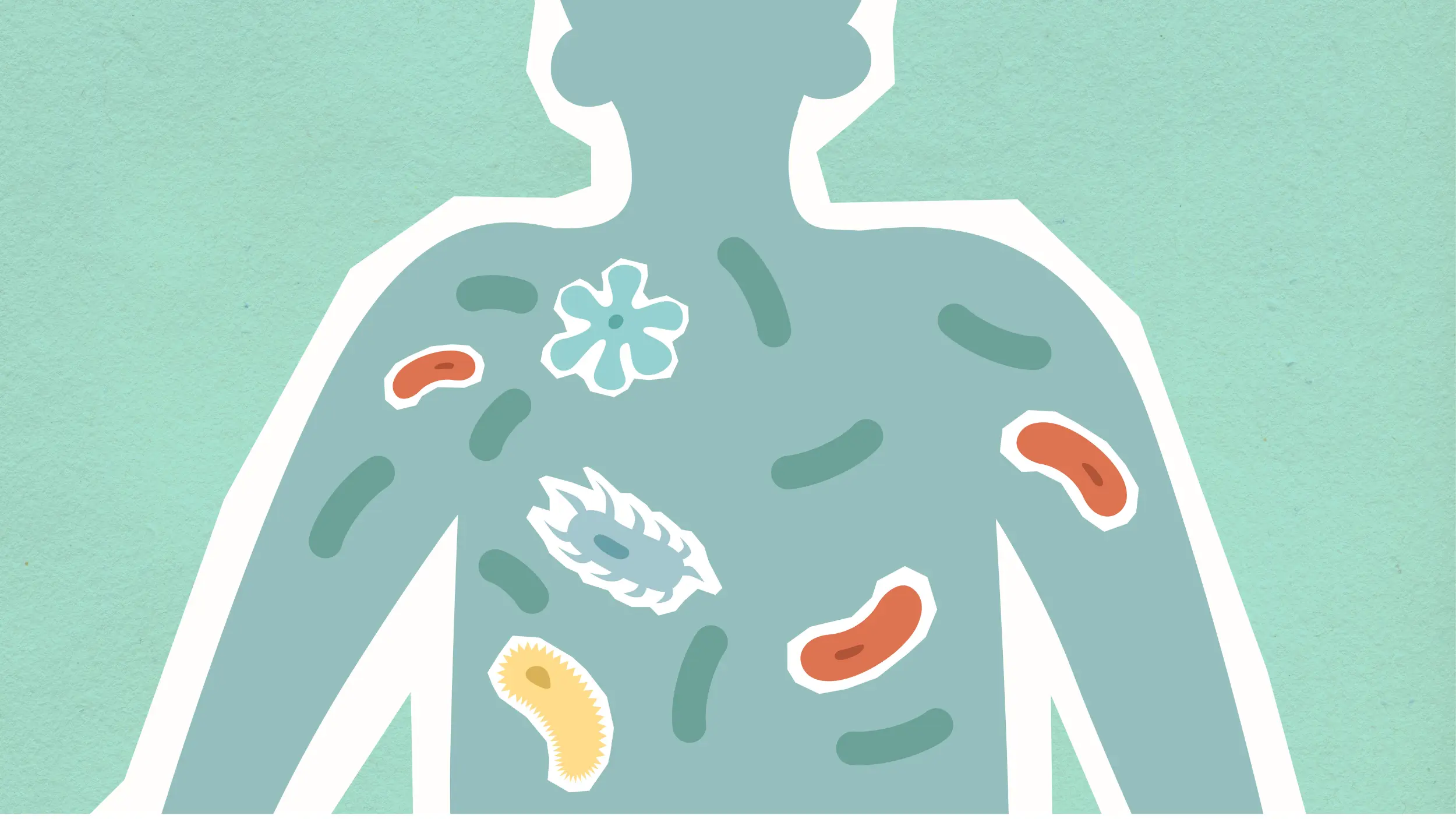
Here's what blows my mind: your gut contains over 100 million neurons (that's more than your spinal cord!) and houses approximately 39 trillion bacterial cells [5]. These microscopic residents aren't just along for the ride—they're active participants in your mental health.
When your microbiome is balanced, these bacteria produce beneficial metabolites like short-chain fatty acids that reduce inflammation and support brain-derived neurotrophic factor (BDNF), essentially fertilizer for your brain cells [6]. But when your gut bacteria are out of balance (what we call dysbiosis), it can trigger a cascade of issues affecting everything from your stress response to your cognitive function.
Ever notice how anxiety can send you running to the bathroom, or how certain foods leave you feeling foggy and irritable? That's this axis doing its thing. The gut-brain connection explains why digestive issues and mental health conditions so often show up together, and why addressing one can dramatically improve the other.
Nourishing Your Gut for a Happier Brain
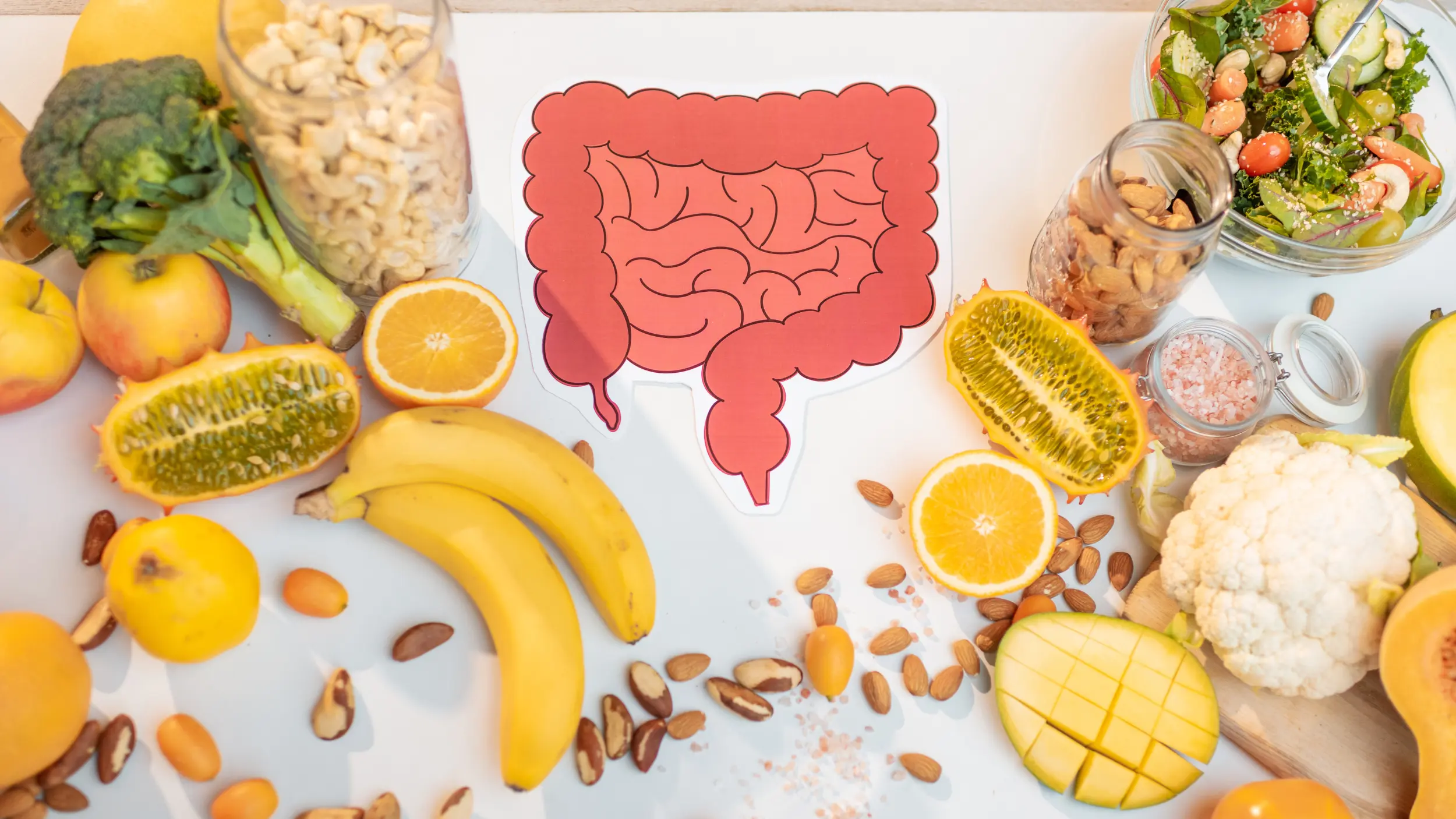
Let's talk about the foods that actually move the needle on your gut-brain axis. I'm not going to give you a restrictive meal plan—instead, I want you to think about adding in these microbiome-supporting superstars.
The Fiber Foundation
Your gut bacteria feast on dietary fiber, fermenting it into those brain-protective short-chain fatty acids I mentioned earlier [7]. Most women in 2026 are still only getting about 15 grams daily when we need closer to 25-30 grams. Here's how to bridge that gap:
- Legumes like lentils, chickpeas, and black beans (7-8g per half cup)
- Whole grains including oats, quinoa, and farro
- Vegetables, especially artichokes, Brussels sprouts, and broccoli
- Fruits with skin on, particularly raspberries, pears, and apples
If you're dealing with stress and energy issues, gradually increasing fiber while staying hydrated is non-negotiable for supporting both your gut and adrenal health.
Fermented Foods: Your Probiotic Powerhouses
Fermented foods deliver live beneficial bacteria directly to your gut, and the research on their mental health benefits is honestly incredible [8]. Studies show that regular consumption can reduce social anxiety and improve mood markers in as little as four weeks.
My favorites to recommend:
- Unsweetened yogurt or kefir with live active cultures (check the label!)
- Sauerkraut or kimchi – just two tablespoons daily makes a difference
- Miso paste stirred into soups or dressings
- Tempeh as a versatile protein source
- Kombucha in moderation (watch the sugar content)
Polyphenol-Rich Foods
These plant compounds act as prebiotics, feeding your beneficial gut bacteria while also directly reducing brain inflammation [9]. They're particularly important for women dealing with chronic stress, which can compromise the gut barrier.
Load up on:
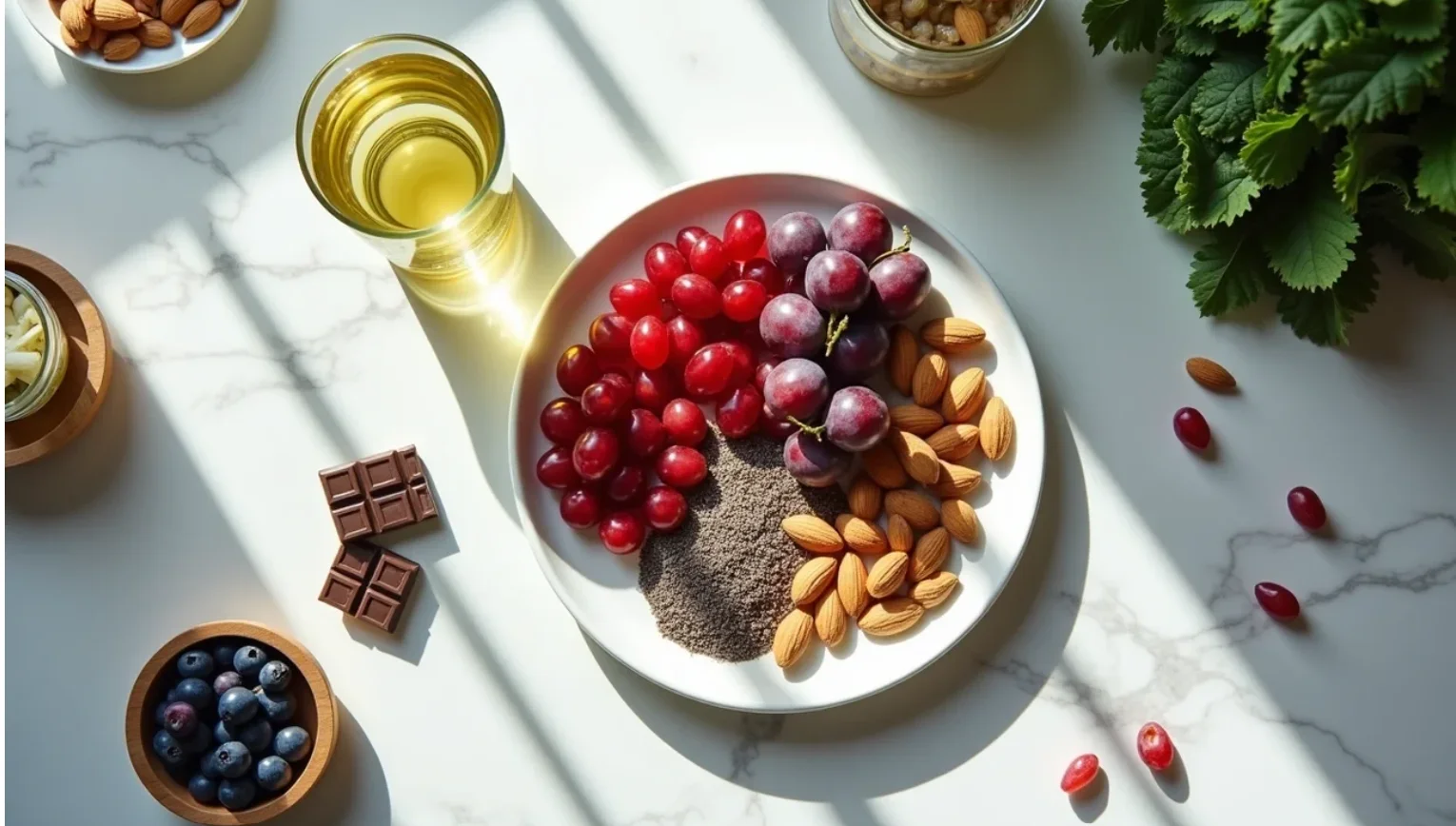
- Berries (especially blueberries and blackberries)
- Extra virgin olive oil
- Green tea
- Dark chocolate (70% cacao or higher)
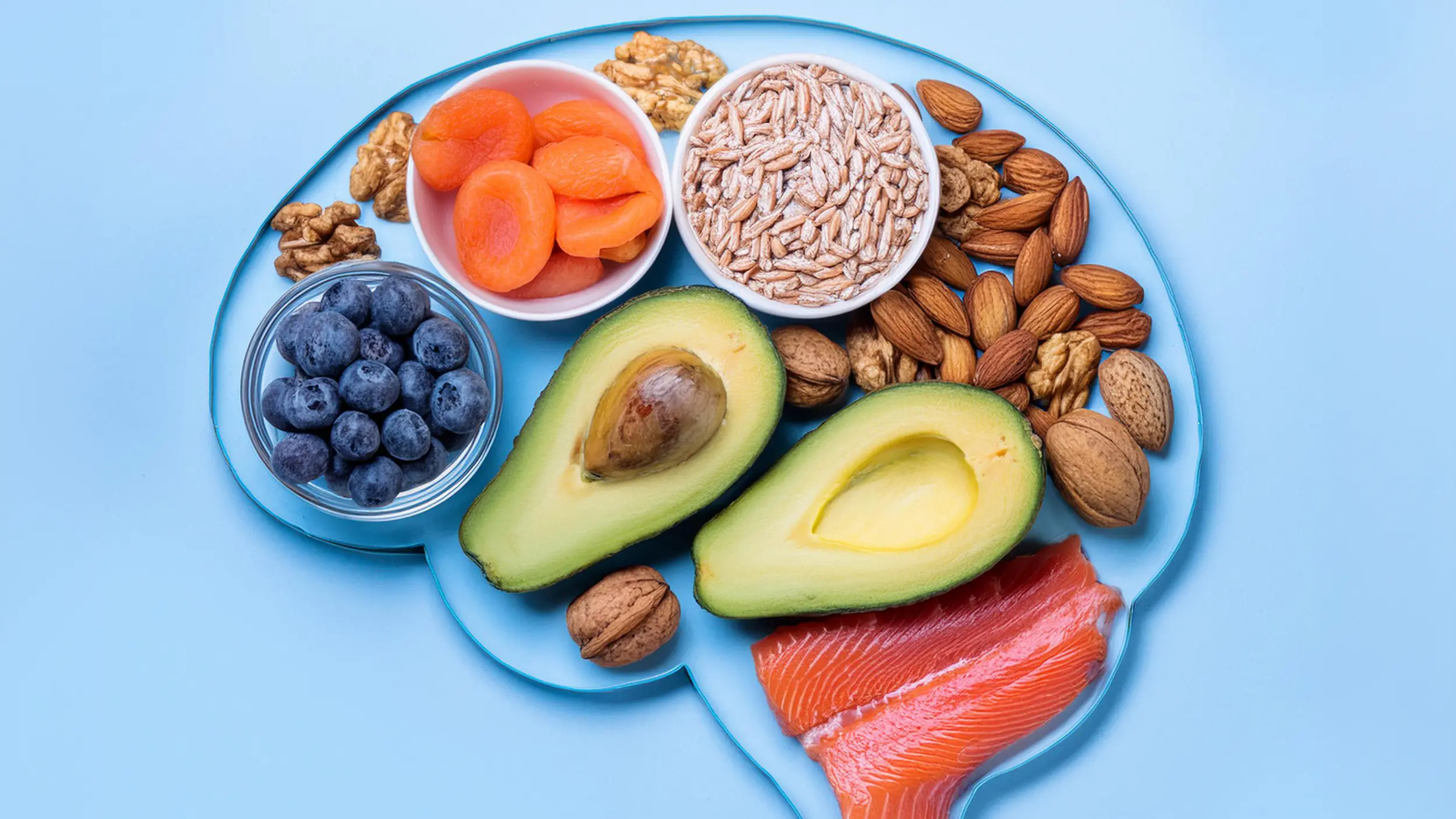
- Nuts and seeds, particularly walnuts and flaxseeds
Omega-3 Fatty Acids
These essential fats reduce gut inflammation and support the integrity of your intestinal lining [10]. They're also direct building blocks for brain cell membranes. For a complete approach to anti-inflammatory eating, check out our guide on optimizing gut health and your microbiome.
Aim for:
- Fatty fish like salmon, sardines, or mackerel (2-3 times weekly)
- Chia seeds or ground flaxseeds (1-2 tablespoons daily)
- Walnuts as a snack
- Consider an algae-based omega-3 supplement if you're plant-based
The Gut-Brain Plate Template
When you're building meals, think: half plate non-starchy vegetables, quarter plate quality protein, quarter plate fiber-rich carbs, plus healthy fats. This combination provides the amino acids needed for neurotransmitter production, the fiber for bacterial fermentation, and the fats for reducing inflammation—all working synergistically to support your gut-brain axis.
Practical Steps for a Balanced Gut & Mind
Knowledge is great, but implementation is where real change happens. Here are the strategies I use with clients that create measurable improvements in both digestion and mental health.
Start With Stress Management
Here's the brutal truth: chronic stress literally reshapes your microbiome for the worse [11]. When your body is in fight-or-flight mode, blood flow diverts away from your digestive system, beneficial bacteria decline, and your gut barrier becomes more permeable (hello, inflammation).
You can eat all the kimchi in the world, but if you're constantly stressed, you're fighting an uphill battle. I recommend:
- 10-minute daily breathwork or meditation – This activates your vagus nerve and literally signals safety to your gut [12]
- Regular movement you actually enjoy – Exercise increases microbial diversity and reduces inflammatory markers
- Consistent sleep schedule – Your microbiome has a circadian rhythm too, and disrupted sleep throws it off [13]
Practice Mindful Eating
Your gut-brain axis thrives on present-moment awareness during meals. When you eat while stressed or distracted, your digestive function literally shuts down.
Try this:
- Take three deep breaths before eating to activate your parasympathetic nervous system
- Put your phone in another room (seriously)
- Chew each bite 20-30 times—this isn't just hippie advice, it significantly improves nutrient absorption and reduces bloating
- Notice the flavors, textures, and how your body responds
This practice improves digestion while also strengthening the gut-brain feedback loop that helps you recognize true hunger and fullness cues.
Reduce Gut-Brain Disruptors
Some dietary patterns actively damage the gut-brain axis. I'm not about restriction, but awareness is important:
- Excess added sugar feeds inflammatory bacterial species while starving beneficial ones [14]
- Artificial sweeteners can actually alter your microbiome composition in ways that impact mood
- Highly processed foods lack the fiber and polyphenols your gut bacteria need
- Excessive alcohol damages your intestinal lining and disrupts neurotransmitter balance
The 80/20 Approach
If 80% of your meals are built around whole foods that support your microbiome, the other 20% isn't going to derail your progress. Your gut-brain axis doesn't need perfection; it needs consistency. This is especially important for hormone balance, since your gut bacteria actually help metabolize and regulate estrogen.
Track Your Patterns
I have clients keep a simple gut-mood log for two weeks. Note what you ate, your stress level, digestive symptoms, and mood. You'll start seeing patterns—maybe dairy makes you anxious, or skipping breakfast tanks your afternoon focus. This personalized data is worth more than any generic meal plan.
Consider Targeted Supplementation
While food should always be your foundation, some women benefit from:
- A quality probiotic with strains specifically studied for mental health (like Lactobacillus helveticus and Bifidobacterium longum) [15]
- A prebiotic fiber supplement if you're struggling to hit fiber targets
- Omega-3s if you don't eat fish regularly
- L-glutamine for gut barrier support if you have significant digestive issues
Always work with a dietitian to determine what's actually appropriate for your specific situation—supplements aren't one-size-fits-all.
Frequently Asked Questions
Can improving my gut health really improve my anxiety?
Absolutely. Multiple clinical trials have demonstrated that specific probiotic strains and dietary changes targeting the microbiome can significantly reduce anxiety symptoms [16]. The mechanism is multifaceted: improving gut bacteria composition reduces inflammatory signaling to the brain, increases production of calming neurotransmitters like GABA, and strengthens the gut barrier to prevent immune activation. That said, gut health optimization works best as part of a comprehensive approach that includes stress management, adequate sleep, and appropriate mental health support when needed. It's not a replacement for therapy or medication if those are clinically indicated, but it's a powerful complementary strategy.
What are the best foods for gut bacteria?
Your beneficial bacteria thrive on diversity, so the goal is variety rather than relying on one or two "superfoods." That said, the most impactful categories are: high-fiber vegetables and legumes (which provide prebiotic fuel), fermented foods like yogurt and sauerkraut (which deliver live beneficial bacteria), polyphenol-rich foods like berries and olive oil (which feed specific beneficial strains), and omega-3 sources like fatty fish (which reduce gut inflammation). Aim to include something from each category daily. Research shows that people who eat 30+ different plant foods weekly have significantly more diverse microbiomes than those who eat fewer than 10 [17].
How does stress affect my digestion?
Stress triggers your sympathetic nervous system, which diverts blood and energy away from digestive processes toward your muscles and brain—helpful if you're running from danger, not so helpful during your Tuesday morning work meeting [18]. This leads to slower gastric emptying, reduced enzyme production, and altered gut motility (causing either constipation or diarrhea). Chronic stress also increases intestinal permeability, disrupts your microbiome balance, and amplifies pain signaling from your gut to your brain. The gut-brain axis is bidirectional, so stress impacts digestion and digestive issues increase stress—creating a vicious cycle that dietary changes alone can't always break. This is why stress management techniques are just as important as nutrition for gut health.
Ready to feel your best from the inside out? The gut-brain axis isn't just fascinating science—it's a practical roadmap for improving your mood, energy, and overall well-being through strategic nutrition. If you're dealing with persistent digestive issues, anxiety, or brain fog that isn't resolving with general dietary changes, you might benefit from personalized guidance. Book a consultation with our dietitian today to create a customized plan that addresses your unique gut-brain connection and helps you feel like yourself again.
References
[1] Carabotti M, Scirocco A, Maselli MA, Severi C. The gut-brain axis: interactions between enteric microbiota, central and enteric nervous systems. Annals of Gastroenterology, 2015.
[2] Breit S, Kupferberg A, Rogler G, Hasler G. Vagus Nerve as Modulator of the Brain-Gut Axis in Psychiatric and Inflammatory Disorders. Frontiers in Psychiatry, 2018.
[3] O'Mahony SM, Clarke G, Borre YE, Dinan TG, Cryan JF. Serotonin, tryptophan metabolism and the brain-gut-microbiome axis. Behavioural Brain Research, 2015.
[4] Jiang H, Ling Z, Zhang Y, et al. Altered fecal microbiota composition in patients with major depressive disorder. Brain, Behavior, and Immunity, 2015.
[5] Sender R, Fuchs S, Milo R. Revised Estimates for the Number of Human and Bacteria Cells in the Body. PLOS Biology, 2016.
[6] Skonieczna-Żydecka K, Grochans E, Maciejewska D, et al. Faecal Short Chain Fatty Acids Profile is Changed in Polish Depressive Women. Nutrients, 2018.
[7] Dalile B, Van Oudenhove L, Vervliet B, Verbeke K. The role of short-chain fatty acids in microbiota-gut-brain communication. Nature Reviews Gastroenterology & Hepatology, 2019.
[8] Hilimire MR, DeVylder JE, Forestell CA. Fermented foods, neuroticism, and social anxiety: An interaction model. Psychiatry Research, 2015.
[9] Westfall S, Lomis N, Kahouli I, et al. Microbiome, probiotics and neurodegenerative diseases: deciphering the gut brain axis. Cellular and Molecular Life Sciences, 2017.
[10] Pusceddu MM, El Aidy S, Crispie F, et al. N-3 Polyunsaturated Fatty Acids (PUFAs) Reverse the Impact of Early-Life Stress on the Gut Microbiota. PLOS ONE, 2015.
[11] Karl JP, Hatch AM, Arcidiacono SM, et al. Effects of Psychological, Environmental and Physical Stressors on the Gut Microbiota. Frontiers in Microbiology, 2018.
[12] Pellissier S, Dantzer C, Mondillon L, et al. Relationship between vagal tone, cortisol, TNF-alpha, epinephrine and negative affects in Crohn's disease and irritable bowel syndrome. PLOS ONE, 2014.
[13] Voigt RM, Forsyth CB, Green SJ, et al. Circadian Disorganization Alters Intestinal Microbiota. PLOS ONE, 2014.
[14] Magnusson KR, Hauck L, Jeffrey BM, et al. Relationships between diet-related changes in the gut microbiome and cognitive flexibility. Neuroscience, 2015.
[15] Liu RT, Walsh RFL, Sheehan AE. Prebiotics and probiotics for depression and anxiety: A systematic review and meta-analysis of controlled clinical trials. Neuroscience & Biobehavioral Reviews, 2019.
[16] Clapp M, Aurora N, Herrera L, Bhatia M, Wilen E, Wakefield S. Gut microbiota's effect on mental health: The gut-brain axis. Clinics and Practice, 2017.
[17] McDonald D, Hyde E, Debelius JW, et al. American Gut: an Open Platform for Citizen Science Microbiome Research. mSystems, 2018.
[18] Konturek PC, Brzozowski T, Konturek SJ. Stress and the gut: pathophysiology, clinical consequences, diagnostic approach and treatment options. Journal of Physiology and Pharmacology, 2011.
.svg)
.svg)







.webp)
.webp)
.webp)
.webp)
.webp)


.webp)
.webp)
.png)
.webp)
.webp)