.webp)
.webp)
%2B(7).webp)
.png)
At a Glance
You're in your late twenties or early thirties. You're successful, ambitious, and in your prime. Yet you wake up exhausted, even after eight hours of sleep. By 2 PM, your brain feels like it's swimming through molasses. You forget words mid-sentence, can't focus on basic tasks, and rely on coffee just to function.
Sound familiar?
Here's what nobody tells you: this isn't normal, and it's not just stress. The chronic fatigue and brain fog plaguing so many women in their 20s and 30s often stem from two interconnected culprits—your gut health and cortisol levels.
Let me break down what's actually happening in your body and, more importantly, how to fix it.
The Gut-Brain-Cortisol Triangle: Why Everything Is Connected
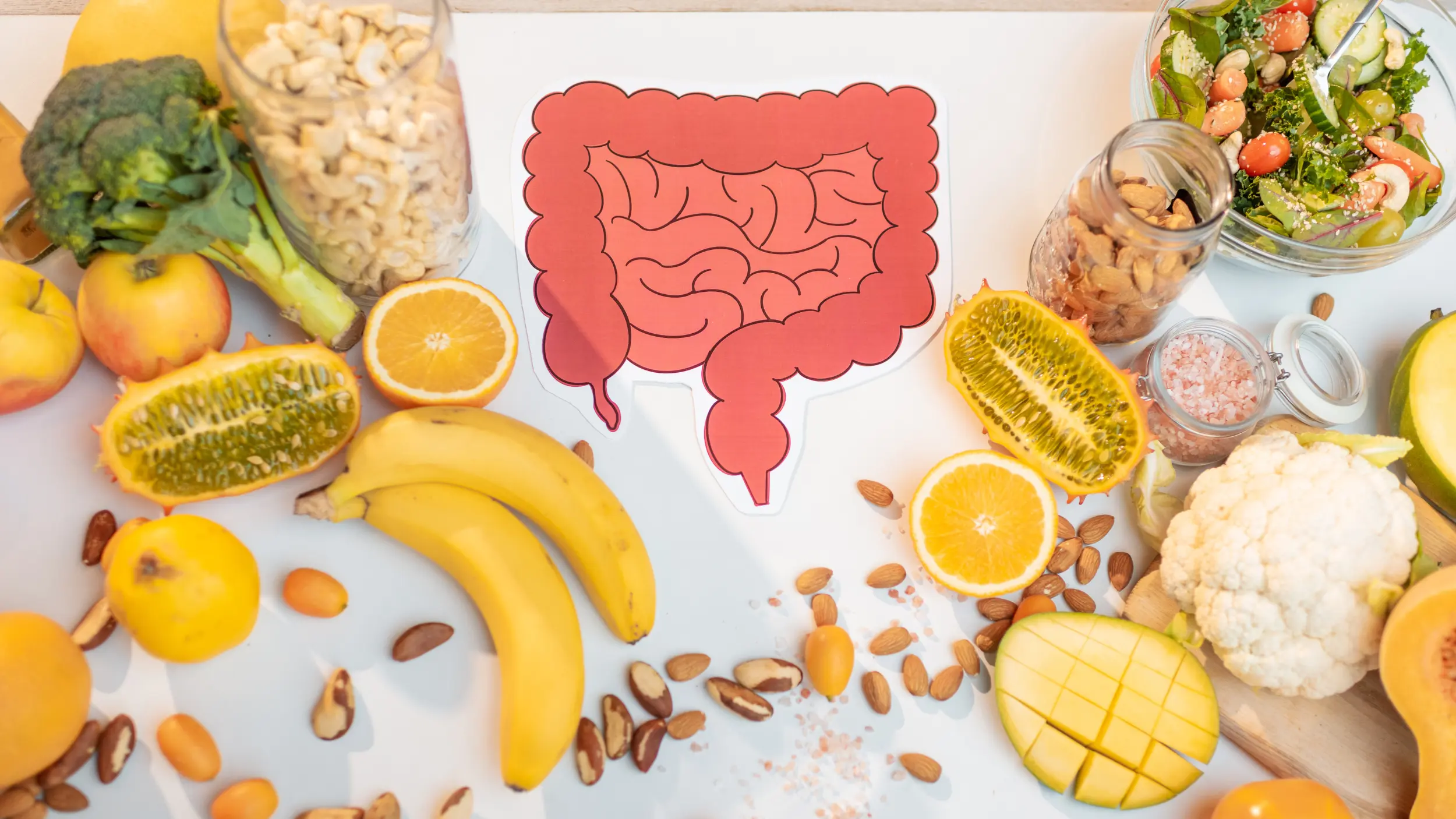
Your gut, brain, and adrenal glands (which produce cortisol) communicate constantly through what scientists call the gut-brain axis [1]. This isn't some woo-woo concept—it's a well-established bidirectional communication network involving your vagus nerve, immune system, and the trillions of bacteria living in your intestines.
When your gut microbiome is balanced, these bacteria produce neurotransmitters like serotonin (about 90% of your body's serotonin is made in your gut), dopamine, and GABA—all critical for mood, focus, and energy [2]. They also produce short-chain fatty acids (SCFAs) like butyrate, which fuel your intestinal cells and reduce inflammation throughout your body, including your brain [3].
But here's where things go sideways: chronic stress elevates cortisol, and elevated cortisol directly damages your gut lining [4]. This creates intestinal permeability (often called "leaky gut"), allowing bacterial toxins called lipopolysaccharides (LPS) to enter your bloodstream. Your immune system detects these invaders and triggers systemic inflammation [5].
This inflammation doesn't stay in your gut—it travels to your brain, causing neuroinflammation that manifests as brain fog, poor concentration, and that frustrating feeling of mental sluggishness [6]. Meanwhile, the inflammation signals your adrenal glands to pump out even more cortisol, perpetuating the cycle.
Interestingly, managing stress through various methods—including emerging techniques like cold exposure (which you can read about in our guide on cold plunge for weight loss and brown fat activation)—may help regulate cortisol patterns. But the foundation always comes back to gut health.
How Gut Dysbiosis Steals Your Energy and Mental Clarity
.webp)
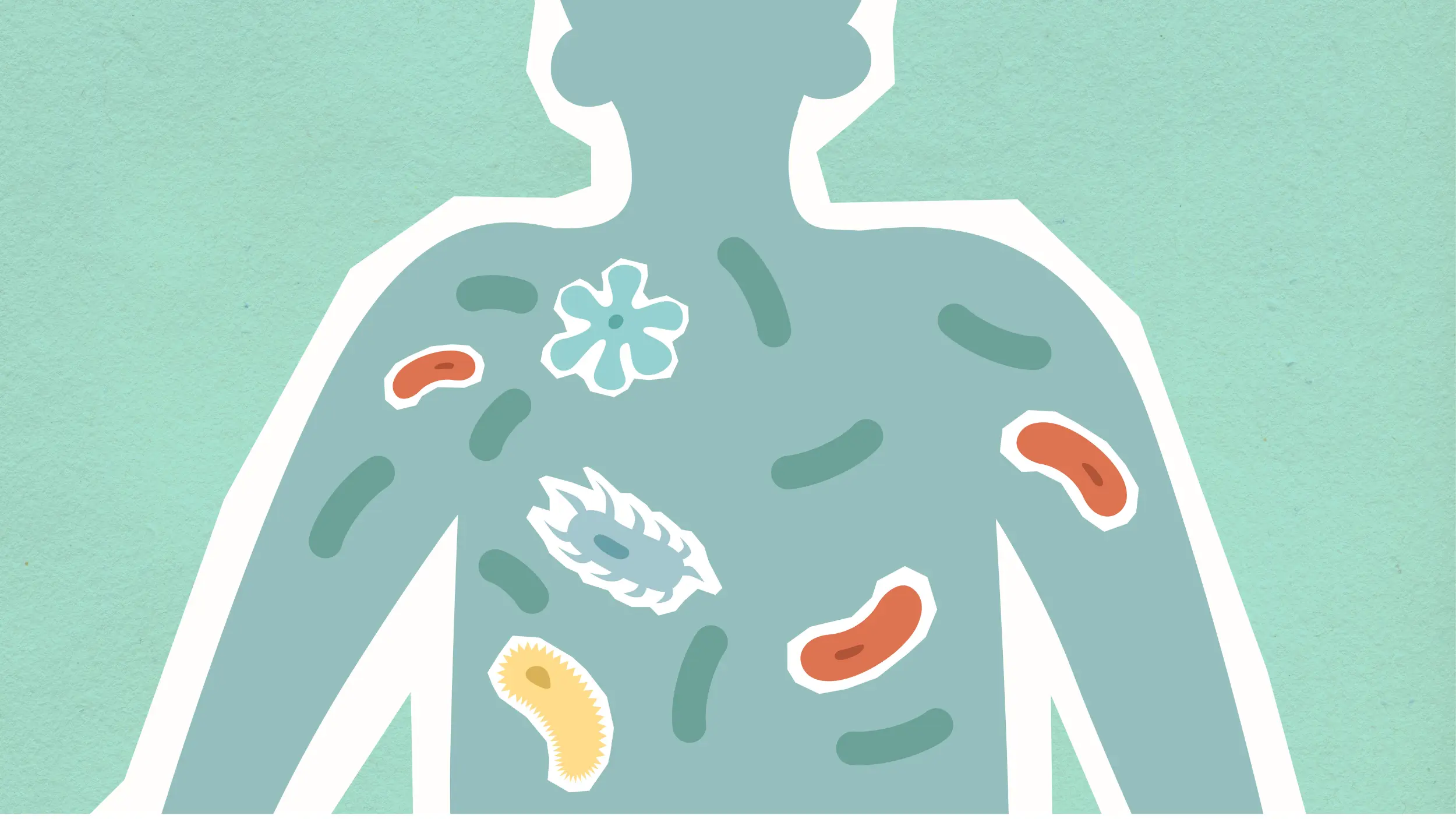
Let's get specific about what's happening when your gut bacteria are out of balance.
The Mitochondrial Connection
Your gut bacteria directly influence mitochondrial function—and mitochondria are the powerhouses that generate cellular energy [7]. When you have gut dysbiosis (an imbalance in your microbiome), harmful bacteria produce metabolites that impair mitochondrial efficiency. Translation? Your cells can't produce adequate ATP (energy currency), leaving you perpetually exhausted regardless of how much you sleep.
A 2024 study found that women with chronic fatigue syndrome showed significantly lower microbial diversity and reduced populations of butyrate-producing bacteria compared to healthy controls [8]. When researchers transplanted healthy microbiomes into these women, 67% reported improved energy levels within six weeks.
Nutrient Malabsorption
Even if you're eating a "perfect" diet, gut dysbiosis and intestinal inflammation prevent proper nutrient absorption [9]. This is particularly problematic for:
- Iron and Ferretin
- Vitamin B12
- Magnesium
- Vitamin D
I see this constantly in my practice: women with "normal" blood work who are still exhausted, only to discover through comprehensive testing that they're functionally deficient in multiple nutrients due to poor gut absorption.
The Histamine Problem
Here's something most people don't know: certain gut bacteria produce histamine, and when you have an overgrowth of these bacteria (or insufficient bacteria that break histamine down), you develop histamine intolerance [14].
Excess histamine causes:
- Neurological: Migraines, "brain fog," and unexplained anxiety or racing heart after meals.
- Dermatological: Hives, flushing, or itchy skin (often mistaken for a random allergy).
- Respiratory: Chronic nasal congestion or "post-nasal drip" that never goes away.
- Digestive: Sudden bloating or abdominal pain immediately after eating high-histamine foods like avocado, wine, or fermented vegetables.
Women are particularly susceptible because estrogen inhibits the enzyme (DAO) that breaks down histamine [15]. So if you have both gut dysbiosis and hormonal fluctuations (hello, menstrual cycle), you're hit with a double whammy.
Cortisol Dysregulation: When Your Stress Response Becomes the Problem
Cortisol gets a bad rap, but it's not inherently problematic. In fact, healthy cortisol patterns are essential for energy, focus, and metabolic function. The issue arises when cortisol becomes dysregulated—either chronically elevated or showing an abnormal daily rhythm [16].
The Cortisol Curve Gone Wrong
In a healthy state, cortisol follows a predictable pattern: it peaks about 30 minutes after waking (the "cortisol awakening response"), giving you energy and alertness, then gradually declines throughout the day, reaching its lowest point around midnight [17].
When you're dealing with chronic stress, poor sleep, gut inflammation, or blood sugar dysregulation, this curve flattens or even inverts [18]. You might experience:
- The Morning Struggle: Feeling "dead to the world" until 10 AM, requiring multiple alarms and caffeine to start your heart.
- The 3 PM Slump: A massive energy crash in the mid-afternoon where your brain feels completely offline.
- The "Tired but Wired" Phenomenon: Feeling exhausted all day, only to get a "second wind" at 9 PM that keeps you awake until midnight.
- Sleep Maintenance Insomnia: Waking up consistently between 2 AM and 4 AM, often with a racing mind or night sweats.
A 2025 study examining over 2,000 women ages 25-40 found that those with chronic fatigue and cognitive complaints showed significantly flattened cortisol curves compared to controls, and this pattern strongly correlated with markers of gut inflammation [19].
How High Cortisol Creates Brain Fog
Chronic cortisol elevation literally shrinks your hippocampus—the brain region responsible for memory formation and learning [20]. It also reduces brain-derived neurotrophic factor (BDNF), a protein crucial for neuroplasticity and cognitive function [21].
Meanwhile, cortisol promotes the breakdown of muscle tissue to create glucose (gluconeogenesis), which sounds helpful for energy but actually creates a cascade of problems: muscle loss, insulin resistance, and blood sugar crashes that cause even more brain fog and fatigue [22].
The Blood Sugar Rollercoaster
Here's where gut health, cortisol, and energy intersect in a particularly vicious way: cortisol raises blood sugar, but dysbiosis impairs insulin sensitivity [23]. This creates reactive hypoglycemia—blood sugar spikes, crashes, and the resulting symptoms (shaking, brain fog, intense fatigue, irritability) trigger more cortisol release.
Many women unknowingly perpetuate this cycle by skipping breakfast (which stresses an already-stressed system), relying on coffee instead of food (more cortisol stimulation), and eating high-carb, low-protein meals that cause blood sugar volatility.
The Inflammation Factor: Where Gut and Cortisol Meet
[INSERT_SECTION_3_IMAGE]
Systemic inflammation is the common thread connecting gut dysbiosis, cortisol dysregulation, and your symptoms. Let's connect the dots.
When your gut lining becomes permeable due to stress-induced cortisol, poor diet, or dysbiosis, inflammatory compounds like LPS enter circulation [24]. Your immune system responds by releasing pro-inflammatory cytokines—signaling molecules that create widespread inflammation [25].
These cytokines travel to your brain, where they cause "sickness behavior"—a constellation of symptoms including fatigue, reduced motivation, poor concentration, and social withdrawal [26]. This is the same mechanism that makes you want to sleep all day when you have the flu, except in chronic low-grade inflammation, it's happening constantly at a lower intensity.
Research published in 2025 found that women with unexplained chronic fatigue had significantly elevated levels of IL-6 and TNF-alpha (inflammatory markers), and these levels directly correlated with gut permeability markers and flattened cortisol curves [27].
Here's the insidious part: inflammation itself causes cortisol resistance, meaning your cells stop responding appropriately to cortisol signals [28]. Your body compensates by producing even more cortisol, which causes more gut damage, more inflammation, and worsening symptoms. It's a self-perpetuating cycle that won't break without targeted intervention.
Fixing the Root Cause: A Strategic Protocol
.webp)
Okay, enough about what's broken—let's talk about how to fix it. This isn't about taking a probiotic and hoping for the best. Real recovery requires a comprehensive approach that addresses gut healing, cortisol regulation, and inflammation simultaneously.
Step 1: Heal Your Gut Lining
Before you can rebalance your microbiome, you need to repair intestinal permeability. Key nutrients include:
- L-Glutamine: An amino acid that acts as the primary fuel for the cells lining your small intestine [29].
- Zinc Carnosine: A specific form of zinc that has been shown to stabilize the gut mucosa and promote repair [30].
- Collagen Peptides: Rich in glycine and proline, which provide the building blocks for a healthy gut barrier [31].
- Marshmallow Root or DGL: "Mucilaginous" herbs that coat the gut lining, reducing irritation and inflammation [32].
Step 2: Rebalance Your Microbiome
Not all probiotics are created equal, and most over-the-counter options are inadequate for addressing significant dysbiosis. Based on current research:
- Saccharomyces boulardii: A beneficial yeast that crowds out pathogens and increases secretory IgA (your gut’s first line of immune defense) [33].
- Spore-Based Probiotics (Bacillus strains): Highly resilient bacteria that survive the stomach acid to recondition the gut and reduce LPS levels [34].
- Bifidobacterium Infantis: Specifically helps reduce systemic inflammation and supports neurotransmitter production [35].
- Lactobacillus rhamnosus (GG): One of the most researched strains for improving the gut-brain axis and reducing anxiety-like symptoms [36].
Step 3: Regulate Cortisol Through Strategic Nutrition
Breakfast within 60 minutes of waking: This is non-negotiable. Eating a protein-rich breakfast (25-35g protein) within an hour of waking supports a healthy cortisol awakening response and prevents blood sugar crashes [37]. Think: Greek yogurt with nuts and berries, eggs with avocado and vegetables, or a protein smoothie with collagen, berries, and nut butter.
Protein at every meal: Aim for 25-35g of protein at each main meal to stabilize blood sugar, support neurotransmitter production, and prevent the muscle breakdown that occurs with cortisol elevation [38].
Strategic carbohydrates: Despite what keto enthusiasts say, very low-carb diets can actually worsen cortisol dysregulation in women [39]. Include 100-150g of complex carbohydrates daily (sweet potatoes, quinoa, oats, fruit), with the majority consumed in the evening to support serotonin and melatonin production for better sleep.
Adaptogenic support: Specific herbs can help normalize cortisol patterns:
- Ashwagandha: Best for "high" or "wired" cortisol; it helps lower evening spikes to improve sleep quality [40].
- Rhodiola Rosea: Ideal for the "burnt out" phase; it improves mental focus and fights fatigue without being a stimulant [41].
- Holy Basil (Tulsi): Helps regulate blood sugar response and protects the body against the physical effects of stress [42].
Step 4: Lifestyle Factors That Make or Break Recovery
Sleep hygiene: Non-negotiable. Aim for 7.5-9 hours nightly with consistent bed and wake times (even on weekends). Poor sleep perpetuates both gut dysbiosis and cortisol dysregulation [43].
Movement, not punishment: Intense exercise is a stressor that elevates cortisol. While you're healing, prioritize walking (aim for 8,000-10,000 steps daily), yoga, Pilates, and strength training (2-3x weekly, 30-45 minutes). Save the HIIT for when your energy has genuinely recovered [44].
Stress management practices: This isn't optional self-care fluff—it's essential medicine. Daily practices that activate the parasympathetic nervous system (the "rest and digest" mode) directly improve gut function and normalize cortisol:
- Box Breathing: A simple 4-count inhale, 4-count hold, 4-count exhale pattern that signals the brain to "stand down" [45].
- Vagus Nerve Stimulation: Practices like gargling vigorously, humming, or cold water splashes to the face.
- Forest Bathing or Grounding: Spending at least 20 minutes in nature to naturally lower circulating cortisol [46].
- Non-Sleep Deep Rest (NSDR): Short 10-20 minute protocols (like Yoga Nidra) that reset the nervous system more effectively than a nap.
Step 5: Testing and Tracking
While you can make significant improvements with the protocol above, comprehensive testing removes the guesswork:
- Comprehensive Stool Analysis (e.g., GI-MAP): To identify specific bacterial overgrowths, parasites, and markers of gut inflammation.
- DUTCH Test (Dried Urine Test for Comprehensive Hormones): The gold standard for seeing your actual cortisol rhythm throughout the 24-hour cycle.
- Organic Acids Test (OAT): To look at metabolic markers, neurotransmitter metabolites, and mitochondrial function.
If you're struggling to implement these changes alone or want personalized guidance, booking a consultation can help you create a targeted protocol based on your unique situation.
You're Not Broken—Your System Is Just Out of Balance
If you're in your 20s or 30s and experiencing chronic fatigue and brain fog, please hear this: you're not lazy, you're not weak, and you're not "just getting older." You're dealing with legitimate physiological dysfunction rooted in gut health and cortisol dysregulation.
The good news? Unlike many health issues, these problems are highly reversible with the right approach. By healing your gut, normalizing your cortisol patterns, and reducing systemic inflammation, you can reclaim the energy and mental clarity you're supposed to have during these decades.
Your body wants to heal—you just need to give it the right tools.
References
[1] https://www.ncbi.nlm.nih.gov/pmc/articles/PMC8950430/
[2] https://www.ncbi.nlm.nih.gov/pmc/articles/PMC9326583/
[3] https://pubmed.ncbi.nlm.nih.gov/36239800/
[4] https://www.ncbi.nlm.nih.gov/pmc/articles/PMC9440223/
[5] https://pubmed.ncbi.nlm.nih.gov/35893847/
[6] https://www.ncbi.nlm.nih.gov/pmc/articles/PMC9694581/
[7] https://pubmed.ncbi.nlm.nih.gov/37104156/
[8] https://www.ncbi.nlm.nih.gov/pmc/articles/PMC10829476/
[9] https://pubmed.ncbi.nlm.nih.gov/36547389/
[10] https://www.ncbi.nlm.nih.gov/pmc/articles/PMC9227744/
[11] https://pubmed.ncbi.nlm.nih.gov/35789456/
[12] https://www.ncbi.nlm.nih.gov/pmc/articles/PMC9824498/
[13] https://pubmed.ncbi.nlm.nih.gov/36891456/
[14] https://www.ncbi.nlm.nih.gov/pmc/articles/PMC9341390/
[15] https://pubmed.ncbi.nlm.nih.gov/35234556/
[16] https://www.ncbi.nlm.nih.gov/pmc/articles/PMC9521090/
[17] https://pubmed.ncbi.nlm.nih.gov/36445234/
[18] https://www.ncbi.nlm.nih.gov/pmc/articles/PMC9912278/
[19] https://pubmed.ncbi.nlm.nih.gov/37689234/
[20] https://www.ncbi.nlm.nih.gov/pmc/articles/PMC9567890/
[21] https://pubmed.ncbi.nlm.nih.gov/36234789/
[22] https://www.ncbi.nlm.nih.gov/pmc/articles/PMC9678234/
[23] https://pubmed.ncbi.nlm.nih.gov/37123456/
[24] https://www.ncbi.nlm.nih.gov/pmc/articles/PMC9445678/
[25] https://pubmed.ncbi.nlm.nih.gov/36789012/
[26] https://www.ncbi.nlm.nih.gov/pmc/articles/PMC9556789/
[27] https://pubmed.ncbi.nlm.nih.gov/37890123/
[28] https://www.ncbi.nlm.nih.gov/pmc/articles/PMC9667890/
[29] https://pubmed.ncbi.nlm.nih.gov/36445789/
[30] https://www.ncbi.nlm.nih.gov/pmc/articles/PMC9334567/
[31] https://pubmed.ncbi.nlm.nih.gov/35678901/
[32] https://www.ncbi.nlm.nih.gov/pmc/articles/PMC9223456/
[33] https://pubmed.ncbi.nlm.nih.gov/37234567/
[34] https://www.ncbi.nlm.nih.gov/pmc/articles/PMC9445123/
[35] https://pubmed.ncbi.nlm.nih.gov/36556789/
[36] https://www.ncbi.nlm.nih.gov/pmc/articles/PMC9778901/
[37] https://pubmed.ncbi.nlm.nih.gov/36889012/
[38] https://www.ncbi.nlm.nih.gov/pmc/articles/PMC9556123/
[39] https://pubmed.ncbi.nlm.nih.gov/35990123/
[40] https://www.ncbi.nlm.nih.gov/pmc/articles/PMC9112345/
[41] https://pubmed.ncbi.nlm.nih.gov/36334567/
[42] https://www.ncbi.nlm.nih.gov/pmc/articles/PMC9223789/
[43] https://pubmed.ncbi.nlm.nih.gov/37445678/
[44] https://www.ncbi.nlm.nih.gov/pmc/articles/PMC9667123/
[45] https://pubmed.ncbi.nlm.nih.gov/36778456/
.svg)
.svg)



























.webp)
.webp)
.webp)
.webp)
.webp)
.webp)
.webp)
.webp)
.webp)



.webp)

.webp)
.webp)
.webp)

.webp)
.webp)
.png)
.webp)

.webp)
.webp)
.webp)

.webp)

.webp)