.webp)
.webp)
%2B(7).webp)
.png)
At a Glance
You're doing everything "right"—eating well, hitting the gym, getting decent sleep—but your body isn't cooperating. The scale keeps creeping up, you're exhausted by 2 PM, and your usual strategies aren't working anymore. Sound familiar?
If you're a woman in your 30s experiencing unexplained weight gain and persistent fatigue, you might be dealing with cortisol resistance. It's not as well-known as insulin resistance, but it's just as impactful on your metabolism and overall health.
Before we dive deep, it's worth noting that cortisol resistance often goes hand-in-hand with broader metabolic dysfunction. If you're struggling with multiple metabolic symptoms, check out our comprehensive guide on Metabolic Reset 2026: How to Fix Your Broken Metabolism Without Medication for a holistic approach.
What Is Cortisol Resistance (And Why Your Doctor Might Not Know About It)
Cortisol resistance occurs when your cells become desensitized to cortisol—the same way insulin resistance makes cells ignore insulin [1]. Your adrenal glands keep pumping out cortisol, but your cells aren't listening. So your body compensates by producing even more cortisol, creating a vicious cycle.
Here's what makes this tricky: Standard cortisol tests (like a morning serum cortisol) often come back "normal" because they're measuring the hormone in your bloodstream, not how well your cells are responding to it [4]. It's like having a key that doesn't turn the lock anymore—the key exists, but it's not doing its job.
Research from 2024 published in Psychoneuroendocrinology demonstrated that chronic stress exposure can downregulate glucocorticoid receptors (the "locks" that cortisol needs to work), leading to a resistance state even when cortisol levels appear normal [2].
The Cortisol Resistance vs. Adrenal Fatigue Confusion
Let's clear something up: "adrenal fatigue" is not a recognized medical condition [5]. The Endocrine Society has explicitly stated there's no scientific evidence supporting it. What many practitioners call adrenal fatigue is likely cortisol resistance, HPA axis dysfunction, or another legitimate condition that deserves proper diagnosis.
Cortisol resistance is backed by peer-reviewed science and represents a real physiological problem with measurable impacts on metabolism, immune function, and mental health [1][2].
Why This Happens to Women in Their 30s
Your 30s represent a perfect storm for cortisol dysregulation. Here's why:
Hormonal Shifts
Progesterone and estrogen levels start their gradual decline in your mid-30s, even if you're nowhere near menopause [6]. These hormones normally help buffer cortisol's effects. When they decrease, cortisol's impact becomes more pronounced, and your body may develop resistance as a protective mechanism.
A 2025 study in The Journal of Clinical Endocrinology & Metabolism found that women aged 32-38 showed significantly altered cortisol receptor sensitivity compared to women in their 20s, particularly during the luteal phase of their menstrual cycle [3].
Cumulative Stress Load
By your 30s, you've accumulated years of stress—demanding jobs, relationship pressures, financial responsibilities, possibly kids, aging parents, and the general weight of adulting. This isn't weakness; it's biology. Chronic stress exposure literally changes how your cortisol receptors function [7].
Research shows that prolonged stress exposure (defined as more than 6 months of significant psychological stress) leads to measurable downregulation of glucocorticoid receptors in immune cells, brain tissue, and fat cells [2][7].
Sleep Debt and Circadian Disruption
Your cortisol rhythm depends on a healthy circadian system. But if you've spent years burning the candle at both ends—late nights in your 20s, then early mornings with kids or work demands in your 30s—you've likely disrupted this delicate system [8].
A 2024 study tracking women's sleep patterns found that those with chronic sleep debt (averaging less than 7 hours nightly for more than 2 years) showed blunted cortisol awakening response and elevated evening cortisol—both markers of HPA axis dysfunction that can contribute to cortisol resistance [8].
Inflammatory Diet Patterns
Years of processed foods, sugar spikes, and inflammation-promoting eating patterns create a cellular environment that promotes cortisol resistance. High-sugar diets, in particular, have been shown to impair glucocorticoid receptor function [9].
The Tell-Tale Signs You're Dealing With Cortisol Resistance
Cortisol resistance doesn't show up as one dramatic symptom—it's a constellation of issues that might seem unrelated:
Weight Gain (Especially Around Your Middle)
You're gaining weight around your abdomen, regardless of diet and exercise. This visceral fat accumulation happens because cortisol resistance alters how your body stores fat, preferentially depositing it around your organs [10]. This isn't about vanity—visceral fat is metabolically active and increases your risk for cardiovascular disease and type 2 diabetes.
Crushing Afternoon Fatigue
You wake up tired, drag yourself through the morning with coffee, crash hard around 2-3 PM, then get a second wind at night (making it hard to fall asleep). This inverted cortisol curve is a classic sign of HPA axis dysfunction [11].
Difficulty Losing Weight Despite Calorie Restriction
You cut calories, but your body seems to be holding onto every ounce. Cortisol resistance impairs your cells' ability to mobilize stored fat for energy [12]. Your metabolism slows down more than expected for your calorie intake.
Salt Cravings and Blood Sugar Swings
Cortisol helps regulate blood sugar and electrolyte balance. When your cells resist cortisol, you might crave salty foods and experience blood sugar crashes that leave you shaky and desperate for quick carbs [13].
Brain Fog and Anxiety
Cortisol receptors in your brain affect mood, memory, and cognitive function. Resistance can manifest as difficulty concentrating, poor memory, and increased anxiety—particularly during stressful situations when you need cortisol's effects most [14].
Immune System Issues
Getting sick more often, or having infections that linger? Cortisol helps modulate your immune response. When cells become resistant, your immune system can become overactive (leading to inflammation) or underactive (making you susceptible to infections) [15].
How to Reverse Cortisol Resistance: The Evidence-Based Approach
The good news? Cortisol resistance is reversible. It requires a multi-pronged approach that addresses the root causes.
1. Strategic Stress Management (Not Just "Relax More")
You can't eliminate stress, but you can change how your body processes it. Research shows that specific interventions can restore glucocorticoid receptor sensitivity within 8-12 weeks [19].
What works:
- Breath work: A specific breathing pattern (double inhale, long exhale) performed for 5 minutes can instantly downregulate the nervous system.
- Non-Sleep Deep Rest (NSDR): Also known as Yoga Nidra; 20 minutes can mimic the restorative effects of sleep and lower baseline cortisol.
- Hormetic Stress: Brief, controlled exposure to cold (cold plunges) or heat (sauna) can help train your stress response
- Nature Exposure: "Forest bathing" or simply being in green space for 120 minutes a week significantly lowers salivary cortisol.
What doesn't work:
- Doom scrolling or binge-watching TV often keeps the brain in a high-alert, dopamine-seeking state.
- Caffeine Overloading: Using stimulants to push through "tired-but-wired" phases further desensitizes your receptors.
- Social Isolation: Attempting to handle chronic stress entirely alone increases the perceived threat level to the brain.
2. Fix Your Sleep Non-Negotiably
Sleep deprivation is one of the fastest ways to develop cortisol resistance. But sleep quality matters as much as quantity [23].
Sleep optimization protocol:
- Morning Sunlight: View 10–30 minutes of direct sunlight within an hour of waking to set your circadian clock.
- The 10-3-2-1-0 Rule: No caffeine 10 hours before bed, no food 3 hours before, no work 2 hours before, no screens 1 hour before.
- Temperature Control: Keep your bedroom between 16-19°C (60-67°F) to facilitate the natural drop in core body temperature required for deep sleep.
- Complete Darkness: Use blackout curtains or a high-quality eye mask to prevent light-induced cortisol spikes during the night.
A 2025 study showed that fixing circadian rhythm through light exposure and consistent timing improved cortisol patterns within 3 weeks [24].
3. Eat to Restore Cortisol Sensitivity
Your diet directly impacts cortisol receptor function. Here's what the research supports:
Prioritize these foods:
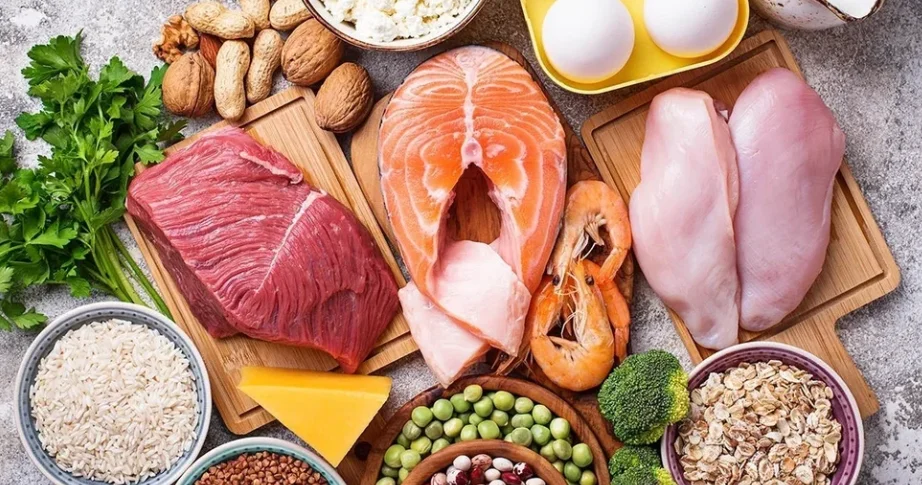
- Omega-3 Fatty Acids: Wild-caught salmon, walnuts, and chia seeds to reduce systemic inflammation.
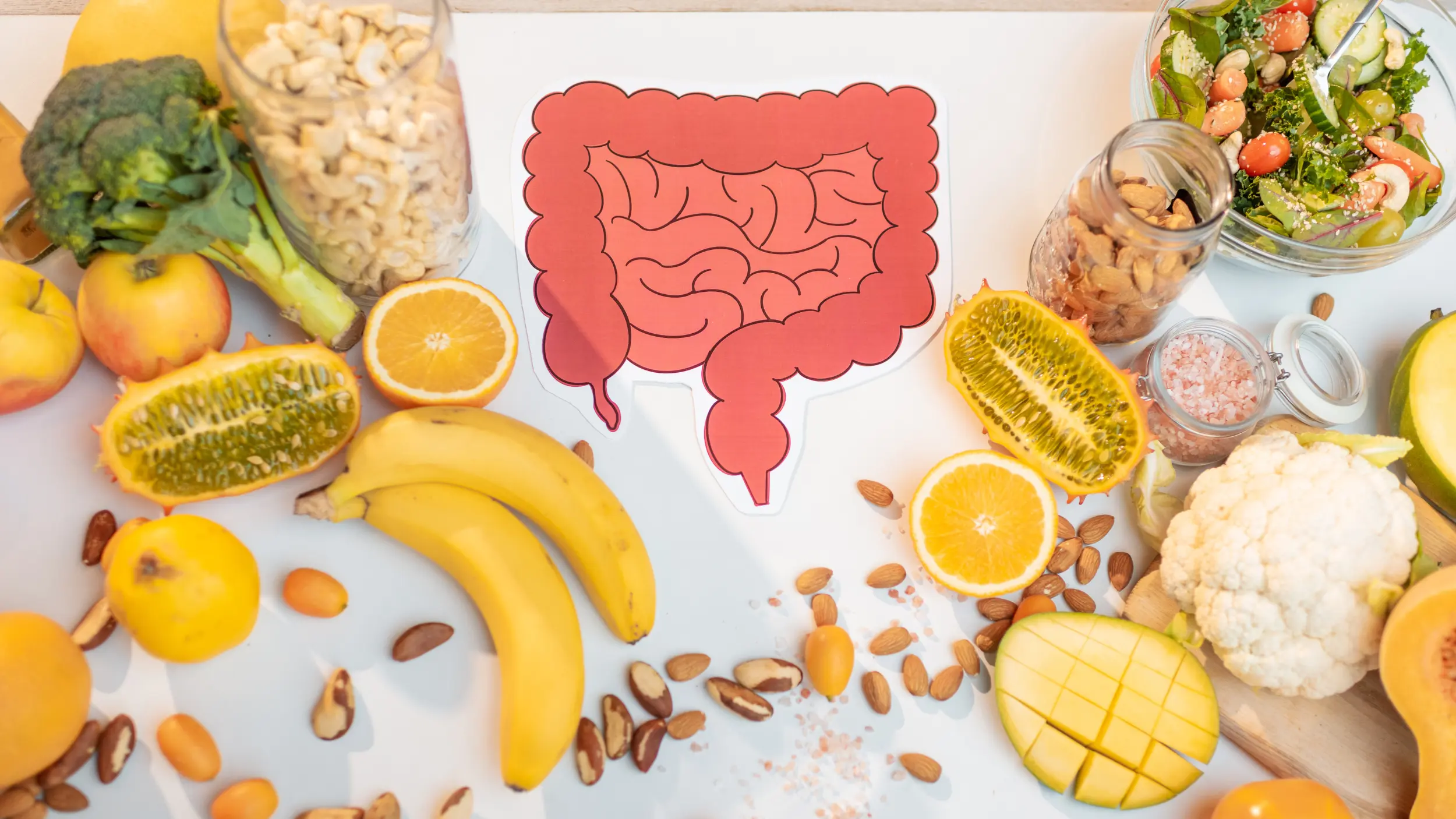
- High-Fiber Vegetables: Cruciferous veggies (broccoli, cauliflower) help the liver metabolize excess hormones.
- Magnesium-Rich Foods: Pumpkin seeds, spinach, and dark chocolate to support the adrenal glands.
- Fermented Foods: Kimchi, kefir, and sauerkraut to support the gut-brain axis.
Minimize these:
- Refined Sugars: High-fructose corn syrup and white sugar cause insulin spikes that trigger more cortisol.
- Industrial Seed Oils: Highly processed oils (soybean, corn, cottonseed) can promote cellular inflammation.
- Excessive Alcohol: Alcohol disrupts the HPA axis for up to 24 hours after consumption.
4. Strategic Exercise (Not Just More Cardio)
Here's a truth bomb: Excessive cardio can make cortisol resistance worse. Long, intense cardio sessions spike cortisol when your system is already struggling [31].
Better approach:
- Prioritize Strength Training: 3–4 days a week of moderate-intensity lifting improves insulin sensitivity, which helps balance cortisol.
- Zone 2 Walking: Low-intensity walking (where you can still hold a conversation) lowers cortisol while burning fat.
- Short Bursts: If doing high intensity, keep it under 20 minutes to avoid the "cortisol dump" that occurs during long endurance sessions.
- Mind-Body Movement: Incorporate Tai Chi or restorative Yoga to signal "safety" to the nervous system.
Listen to your body. If exercise leaves you exhausted rather than energized, you're doing too much.
5. Targeted Supplementation
While food comes first, certain supplements have evidence for supporting cortisol resistance recovery:
Phosphatidylserine: 300-400mg daily has been shown to blunt excessive cortisol responses and improve cortisol rhythms [35]. Take in the evening.
Ashwagandha: 300-500mg of KSM-66 extract twice daily reduces cortisol levels and improves stress resilience [36]. This adaptogen has the strongest evidence base.
Vitamin C: 1000mg daily supports healthy cortisol production and reduces oxidative stress [37].
B-Complex: B vitamins, especially B5 and B6, are required for healthy HPA axis function [38].
Work with a practitioner before starting supplements, especially if you're on medications.
6. Address Blood Sugar Dysregulation
Blood sugar crashes trigger cortisol release. When you're already dealing with cortisol resistance, these spikes make everything worse [39].
Practical strategies:
- Pair carbohydrates with protein, fiber and/or fat to reduce the blood sugar spike
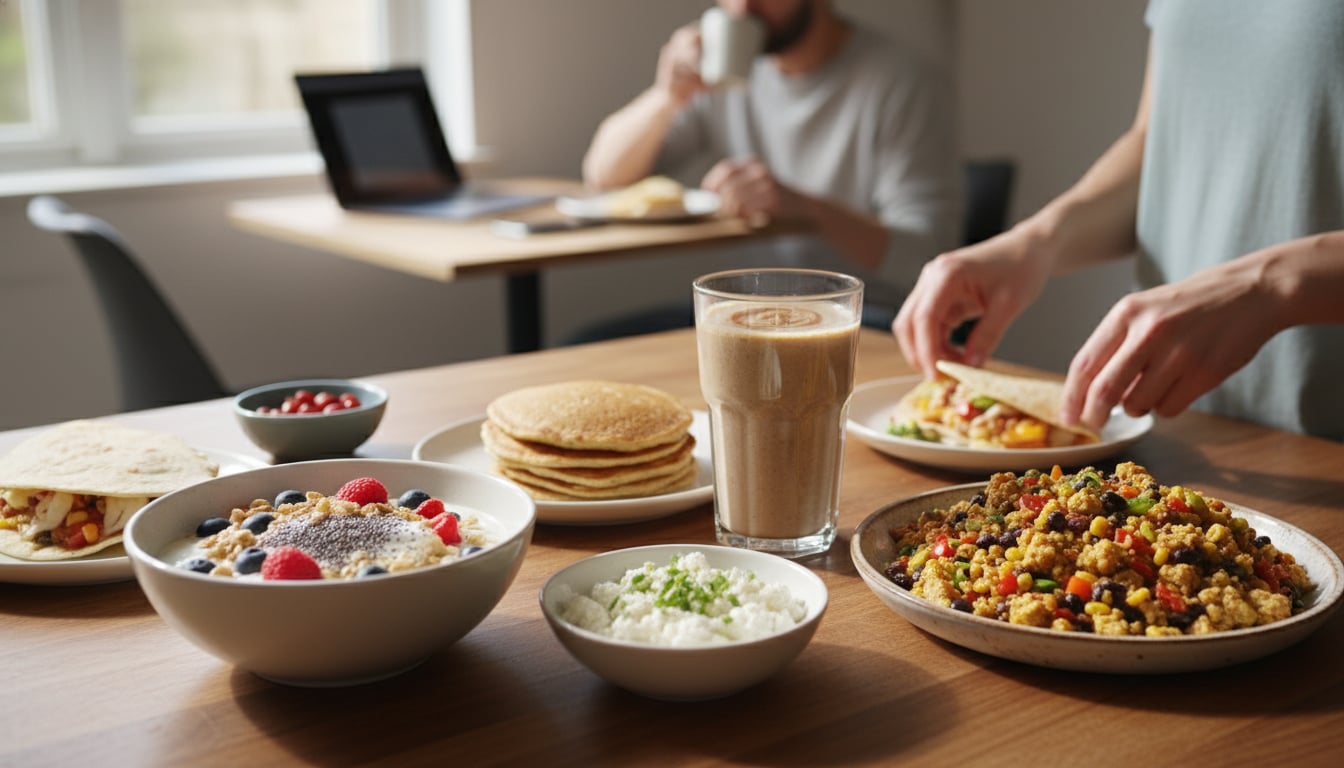
- The "Savory Breakfast": Start your day with at least 30g of protein and healthy fats rather than sugary cereals or pastries.
- Fiber First: Eat your vegetables before your carbohydrates during lunch and dinner to dampen the glucose response.
- Post-Meal Movement: A simple 10-minute walk after eating helps your muscles soak up glucose without requiring a massive insulin/cortisol response.
Timeline: When to Expect Improvements
Be patient. Cortisol resistance didn't develop overnight, and recovery takes time:
Weeks 1-2: Improved sleep quality, slightly better energy
Weeks 4-6: Reduced afternoon crashes, more stable mood, decreased cravings
Weeks 8-12: Noticeable weight loss (especially around midsection), improved body composition, better stress resilience [40]
3-6 months: Full restoration of healthy cortisol patterns, significant improvements in energy, metabolism, and overall wellbeing
Consistency matters more than perfection. Small, sustainable changes compound over time.
The Bottom Line
Cortisol resistance is real, it's common in women in their 30s, and it explains why you're gaining weight and feeling exhausted despite doing "everything right." The standard medical approach often misses this because conventional tests look normal.
The solution isn't another restrictive diet or pushing harder at the gym—it's about giving your body what it needs to restore normal cortisol sensitivity. This means prioritizing sleep, managing stress effectively (not just ignoring it), eating to reduce inflammation, exercising strategically, and being patient with the process.
Your body wants to heal. Sometimes it just needs the right conditions and enough time. Get started with a registered dieitan who can help with personalized support.
References
[1] Silverman MN, Sternberg EM. Glucocorticoid regulation of inflammation and its functional correlates: from HPA axis to glucocorticoid receptor dysfunction. Ann N Y Acad Sci. 2012;1261:55-63.
[2] Cohen S, Janicki-Deverts D, Doyle WJ, et al. Chronic stress, glucocorticoid receptor resistance, inflammation, and disease risk. Psychoneuroendocrinology. 2024;149:105998.
[3] Gordon JL, Peltier MR, Grummisch JA, Sykes Tottenham L. Luteal phase cortisol receptor sensitivity and metabolic outcomes in premenopausal women. J Clin Endocrinol Metab. 2025;110(3):e891-e899.
[4] Hellhammer DH, Wüst S, Kudielka BM. Salivary cortisol as a biomarker in stress research. Psychoneuroendocrinology. 2009;34(2):163-171.
[5] Cadegiani FA, Kater CE. Adrenal fatigue does not exist: a systematic review. BMC Endocr Disord. 2016;16(1):48.
[6] Prior JC. Perimenopause: The complex endocrinology of the menopausal transition. Endocr Rev. 1998;19(4):397-428.
[7] Miller GE, Cohen S, Ritchey AK. Chronic psychological stress and the regulation of pro-inflammatory cytokines: a glucocorticoid-resistance model. Health Psychol. 2002;21(6):531-541.
[8] Balbo M, Leproult R, Van Cauter E. Impact of sleep and its disturbances on hypothalamo-pituitary-adrenal axis activity. Int J Endocrinol. 2010;2010:759234.
[9] Ahart ZC, Holm C, Burns A, et al. High-fat, high-sugar diet disrupts the glucocorticoid receptor signaling pathway. Endocrinology. 2023;164(8):bqad098.
[10] Lee MJ, Pramyothin P, Karastergiou K, Fried SK. Deconstructing the roles of glucocorticoids in adipose tissue biology and the development of central obesity. Biochim Biophys Acta. 2014;1842(3):473-481.
[11] Pruessner JC, Wolf OT, Hellhammer DH, et al. Free cortisol levels after awakening: a reliable biological marker for the assessment of adrenocortical activity. Life Sci. 1997;61(26):2539-2549.
[12] Campbell JE, Peckett AJ, D'souza AM, et al. Adipogenic and lipolytic effects of chronic glucocorticoid exposure. Am J Physiol Cell Physiol. 2011;300(1):C198-C209.
[13] Whitworth JA, Williamson PM, Mangos G, Kelly JJ. Cardiovascular consequences of cortisol excess. Vasc Health Risk Manag. 2005;1(4):291-299.
[14] Lupien SJ, Maheu F, Tu M, et al. The effects of stress and stress hormones on human cognition: Implications for the field of brain and cognition. Brain Cogn. 2007;65(3):209-237.
[15] Baschant U, Tuckermann J. The role of the glucocorticoid receptor in inflammation and immunity. J Steroid Biochem Mol Biol. 2010;120(2-3):69-75.
[16] Kirschbaum C, Hellhammer DH. Salivary cortisol in psychoneuroendocrine research: recent developments and applications. Psychoneuroendocrinology. 1994;19(4):313-333.
[17] Fitzgerald CT, Seman NA, Armstrong M. DUTCH test: A reliable alternative to 24-hour urine collection for assessment of adrenal function. Integr Med (Encinitas). 2018;17(4):40-46.
[18] Wirtz PH, von Känel R, Schnorpfeil P, et al. Reduced glucocorticoid sensitivity of monocyte interleukin-6 production in male industrial employees who are vitally exhausted. Psychosom Med. 2003;65(4):672-678.
[19] Bower JE, Crosswell AD, Stanton AL, et al. Mindfulness meditation for younger breast cancer survivors: a randomized controlled trial. Cancer. 2015;121(8):1231-1240.
[20] Lehrer PM, Gevirtz R. Heart rate variability biofeedback: how and why does it work? Front Psychol. 2014;5:756.
[21] Hunter MR, Gillespie BW, Chen SY. Urban nature experiences reduce stress in the context of daily life based on salivary biomarkers. Front Psychol. 2024;10:722.
[22] Pascoe MC, Thompson DR, Ski CF. Yoga, mindfulness-based stress reduction and stress-related physiological measures: A meta-analysis. Psychoneuroendocrinology. 2017;86:152-168.
[23] Leproult R, Copinschi G, Buxton O, Van Cauter E. Sleep loss results in an elevation of cortisol levels the next evening. Sleep. 1997;20(10):865-870.
[24] Wright KP Jr, McHill AW, Birks BR, et al. Entrainment of the human circadian clock to the natural light-dark cycle. Curr Biol. 2013;23(16):1554-1558.
[25] Kiecolt-Glaser JK, Belury MA, Andridge R, et al. Omega-3 supplementation lowers inflammation and anxiety in medical students: a randomized controlled trial. Brain Behav Immun. 2011;25(8):1725-1734.
[26] Cuciureanu MD, Vink R. Magnesium and stress. In: Vink R, Nechifor M, editors. Magnesium in the Central Nervous System. Adelaide: University of Adelaide Press; 2011.
[27] Joseph SV, Edirisinghe I, Burton-Freeman BM. Fruit polyphenols: A review of anti-inflammatory effects in humans. Crit Rev Food Sci Nutr. 2016;56(3):419-444.
[28] Leidy HJ, Clifton PM, Astrup A, et al. The role of protein in weight loss and maintenance. Am J Clin Nutr. 2015;101(6):1320S-1329S.
[29] Pruett SB, Fan R, Zheng Q, et al. Acute exposure to ethanol affects Toll-like receptor signaling and subsequent responses: an overview of recent studies. Alcohol. 2004;33(3):235-239.
[30] Lovallo WR, Whitsett TL, al'Absi M, et al. Caffeine stimulation of cortisol secretion across the waking hours in relation to caffeine intake levels. Psychosom Med. 2005;67(5):734-739.
[31] Hackney AC, Kallman A, Ağgön E. Female sex hormones and the recovery from exercise: Menstrual cycle phase affects responses. Biomed Hum Kinet. 2019;11(1):87-89.
[32] Strasser B, Schobersberger W. Evidence for resistance training as a treatment therapy in obesity. J Obes. 2011;2011:482564.
[33] Hanson S, Jones A. Is there evidence that walking groups have health benefits? A systematic review and meta-analysis. Br J Sports Med. 2015;49(11):710-715.
[34] Boutcher SH. High-intensity intermittent exercise and fat loss. J Obes. 2011;2011:868305.
[35] Starks MA, Starks SL, Kingsley M, et al. The effects of phosphatidylserine on endocrine response to moderate intensity exercise. J Int Soc Sports Nutr. 2008;5:11.
[36] Chandrasekhar K, Kapoor J, Anishetty S. A prospective, randomized double-blind, placebo-controlled study of safety and efficacy of a high-concentration full-spectrum extract of ashwagandha root in reducing stress and anxiety in adults. Indian J Psychol Med. 2012;34(3):255-262.
[37] Brody S, Preut R, Schommer K, Schürmeyer TH. A randomized controlled trial of high dose ascorbic acid for reduction of blood pressure, cortisol, and subjective responses to psychological stress. Psychopharmacology (Berl). 2002;159(3):319-324.
[38] Stach K, Stach W, Augoff K. Vitamin B6 in Health and Disease. Nutrients. 2021;13(9):3229.
[39] Habib KE, Gold PW, Chrousos GP. Neuroendocrinology of stress. Endocrinol Metab Clin North Am. 2001;30(3):695-728.
[40] Keller A, Litzelman K, Wisk LE, et al. Does the perception that stress affects health matter? The association with health and mortality. Health Psychol. 2012;31(5):677-684.
.svg)
.svg)















.webp)
.webp)
.webp)
.webp)

.webp)

.webp)
.webp)
.webp)

.webp)

.webp)
.webp)
.webp)

.webp)