.webp)
.webp)
%2B(7).webp)
.png)
Have you noticed stubborn weight settling around your midsection that seems impossible to lose? You might be dealing with cortisol belly. Chronic stress can raise your cortisol levels, which can affect your appetite and cause unhealthy cravings that lead to increased abdominal fat23. Cortisol levels that remain elevated over time can lead to increased appetite and fat storage, especially around your abdomen, along with sleep disruptions7. In this piece, you'll find what cortisol belly is, how stress and cortisol cause weight gain, and practical nutrition and lifestyle strategies to help you reduce cortisol belly naturally.
What Is Cortisol Belly and Why Does It Happen?
The role of cortisol in your body
Your adrenal glands produce cortisol, a hormone that does far more than just respond to stress. These small, triangle-shaped glands sit on top of your kidneys and release cortisol to help regulate several critical functions in your body. Cortisol helps manage how your body uses glucose for energy, keeps inflammation in check, and regulates your blood pressure and sleep-wake cycle1.
Your body releases cortisol at the time you face a stressful situation to provide the energy and focus needed to handle the challenge24. This hormone triggers your liver to release glucose and gives you a quick energy boost at the time you need it most. Cortisol helps your body manage blood sugar levels, regulate metabolism, reduce inflammation, and maintain blood pressure and cardiovascular function at normal amounts25.
Your body monitors cortisol levels continuously to maintain balance. The hypothalamus and pituitary gland in your brain sense whether your blood contains the right level of cortisol, and your adrenal glands adjust based on that. Cortisol levels fluctuate throughout the day naturally, and temporary spikes in response to stress are normal4.
How chronic stress triggers belly fat storage
The problem starts at the time stress becomes chronic. Short-term stress causes temporary cortisol elevation, but ongoing stress keeps your cortisol levels high for extended periods. This sustained elevation disrupts various bodily functions and creates a perfect storm for weight gain.
Belly fat has a higher concentration of cortisol receptors compared to fat in other areas of your body24. This means elevated cortisol contributes directly to the accumulation of visceral fat, which is the fat that surrounds your internal organs. You can pinch subcutaneous fat between your fingers, but visceral fat lies deep inside your body and poses higher risks for metabolic syndrome and heart disease26.
Elevated cortisol influences fat distribution by encouraging your body to store fat in your abdomen rather than under your skin26. Sustained cortisol elevation reduces subcutaneous fat and increases visceral adiposity, arbitrated by improved glucocorticoid receptor expression within adipose tissue6. This change in fat storage creates what many call "cortisol belly" and represents not just a cosmetic concern but a most important health risk.
Cortisol belly vs. Cushing's syndrome
Understanding the difference between stress-related cortisol belly and Cushing's syndrome is significant. Most people experiencing weight gain linked to stress do not have a medical condition and don't need their cortisol levels tested formally27.
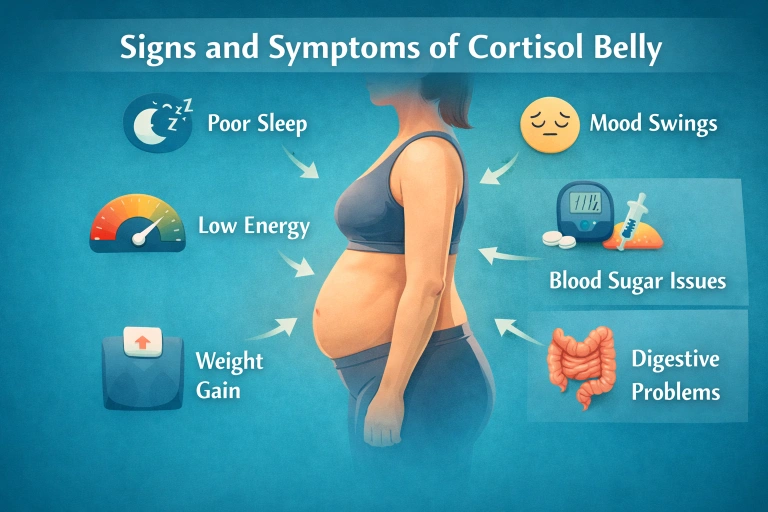
Cortisol belly from everyday stress comes with symptoms like anxiety, irritability, fatigue, sleep issues, sugar cravings, and weight gain in the abdomen7. This condition is often reversible through lifestyle and nutrition changes.
Cushing's syndrome is a rare medical condition that occurs at the time your body makes too much cortisol over a long period12. Tumors in the pituitary or adrenal glands can cause it, or long-term use of steroid medications like prednisone11. The symptoms are much more severe and distinctive: a round, puffy "moon face," fat accumulation between the shoulders called "buffalo hump," wide purple stretch marks on the abdomen, thin skin that bruises easily, muscle weakness, and high blood pressure17.
Stress-related weight gain develops from lifestyle factors gradually, but Cushing's syndrome presents with dramatic physical changes that go beyond simple belly fat. You should consult a healthcare provider for proper testing if you notice these severe symptoms.
How Stress and Cortisol Cause Weight Gain
Increased appetite and food cravings
Cortisol floods your system during stressful periods and affects more than just your mood. Your blood sugar drops as insulin levels rise and triggers intense cravings for fatty, sugary foods8. About one-fourth of Americans rate their stress level as 8 or more on a 10-point scale. Many turn to food as a coping mechanism28.
High cortisol levels combined with elevated insulin may be responsible for your specific cravings for comfort foods28. Research shows that physical or emotional distress increases your intake of food high in fat, sugar, or both28. These foods do more than satisfy your hunger. They dampen stress-related responses and emotions in your body28. This creates a feedback loop where stress drives you to eat certain foods, those foods ease your stress temporarily, and then the cycle repeats.
People who respond to stress with high cortisol levels are more likely to snack in response to daily hassles than those with lower cortisol responses28. Stressed individuals typically consume high-calorie food as a coping mechanism29.
Insulin resistance and blood sugar imbalance
Chronic stress disrupts how your body handles blood sugar. Cortisol remains elevated and your cells start ignoring insulin's signals. Glucose stays in your bloodstream instead of being used for fuel30. Your pancreas responds by pumping out more insulin to force your cells to respond31.
This creates a problematic pattern over time. Your liver produces and releases more glucose for energy. Your muscle cells decrease glucose usage and fatty acids get released to make even more glucose32. The liver and muscles fill with stored sugar. The remaining glucose converts to triglycerides and gets stored as body fat31.
Stressful life events, traumatic experiences, emotional stress, and workplace stress all negatively affect glucose homeostasis and induce insulin resistance29. Stress hormones work in opposition to insulin and increase glucose and lipids in your bloodstream while insulin tries to lower them33. This push-pull dynamic makes weight management difficult.
Muscle breakdown and slower metabolism
Elevated cortisol levels break down muscle tissue to release amino acids for energy7. This process reduces your muscle mass and slows your metabolism7. Your body burns fewer calories at rest and makes fat gain easier30.
The muscle loss doesn't happen at random. Cortisol increases protein degradation through specific cellular systems and suppresses the production of new muscle protein at the same time34. Fast-twitch muscle fibers are especially vulnerable to this breakdown34.
Poor sleep disrupts cortisol rhythms
Sleep deprivation creates a dangerous metabolic cascade. Insufficient sleep increases your energy expenditure by about 100 calories per day, but it increases your energy intake by more than 250 calories per day and results in weight gain35. Adults with insufficient sleep show an average increase in energy intake by 253 calories per day35.
Poor sleep triggers an improved stress response and elevates cortisol further36. This elevated cortisol increases your appetite and cravings for high-calorie foods36. Sleep restriction also alters appetite hormone levels and promotes unhealthier food choices35. Short sleep duration is associated with a 38% absolute increase in obesity incidence compared with normal sleep35.
Nutritional Strategies to Reduce Cortisol Belly
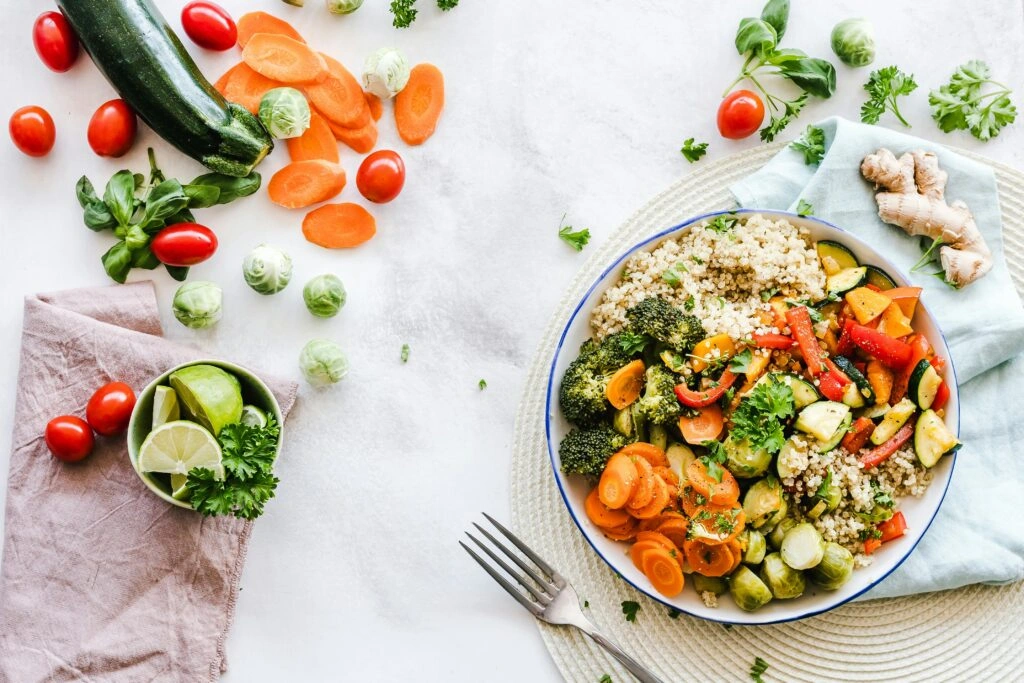
Your food choices influence cortisol and weight gain patterns. Blood sugar stability is one of the most powerful levers for managing stress belly fat.
Eat balanced meals with protein, fiber, and healthy fats
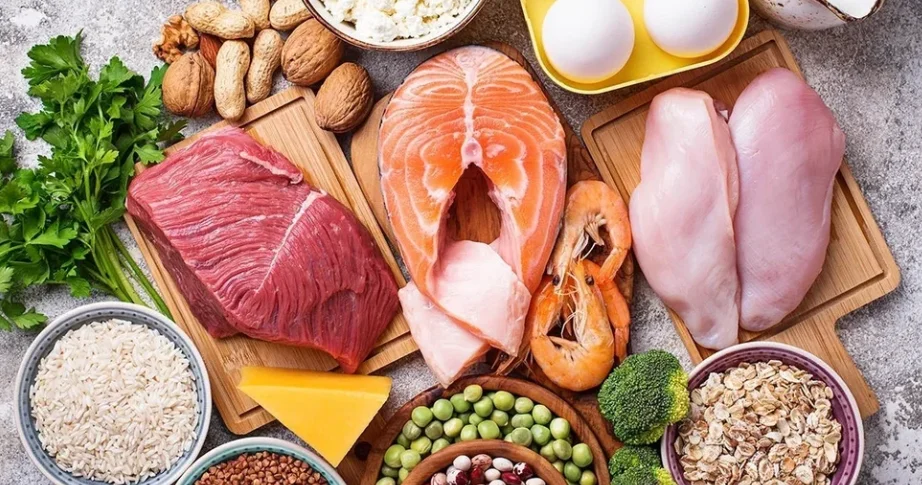
Each meal should include a mix of protein, fiber, and healthy fats to prevent the sharp blood sugar peaks and valleys that signal your adrenal glands to release cortisol5. Cortisol rises to mobilize stored energy from your liver when glucose drops too low13. Protein provides amino acids needed for hormone synthesis. Fats from sources like avocado or olive oil help reduce inflammation2. Complex carbohydrates like quinoa, oats, or sweet potatoes help regulate insulin, which affects cortisol levels2.
Include omega-3 rich foods to lower cortisol
Fatty fish and omega-3 sources are a great way to get powerful cortisol-lowering benefits. Salmon, mackerel, sardines, and anchovies provide EPA and DHA, the active forms that reduce cortisol reactivity to stress5. A study found that 2.5 grams per day of omega-3 supplementation lowered overall cortisol levels by 19% and reduced the inflammatory marker IL-6 by 33% during stressful periods14. Omega-3s protect against stress-induced declines in cellular repair mechanisms14. Algae-based omega-3 supplements or flaxseeds and chia seeds are plant-based alternatives if you don't eat fish5.
Choose whole foods over processed options
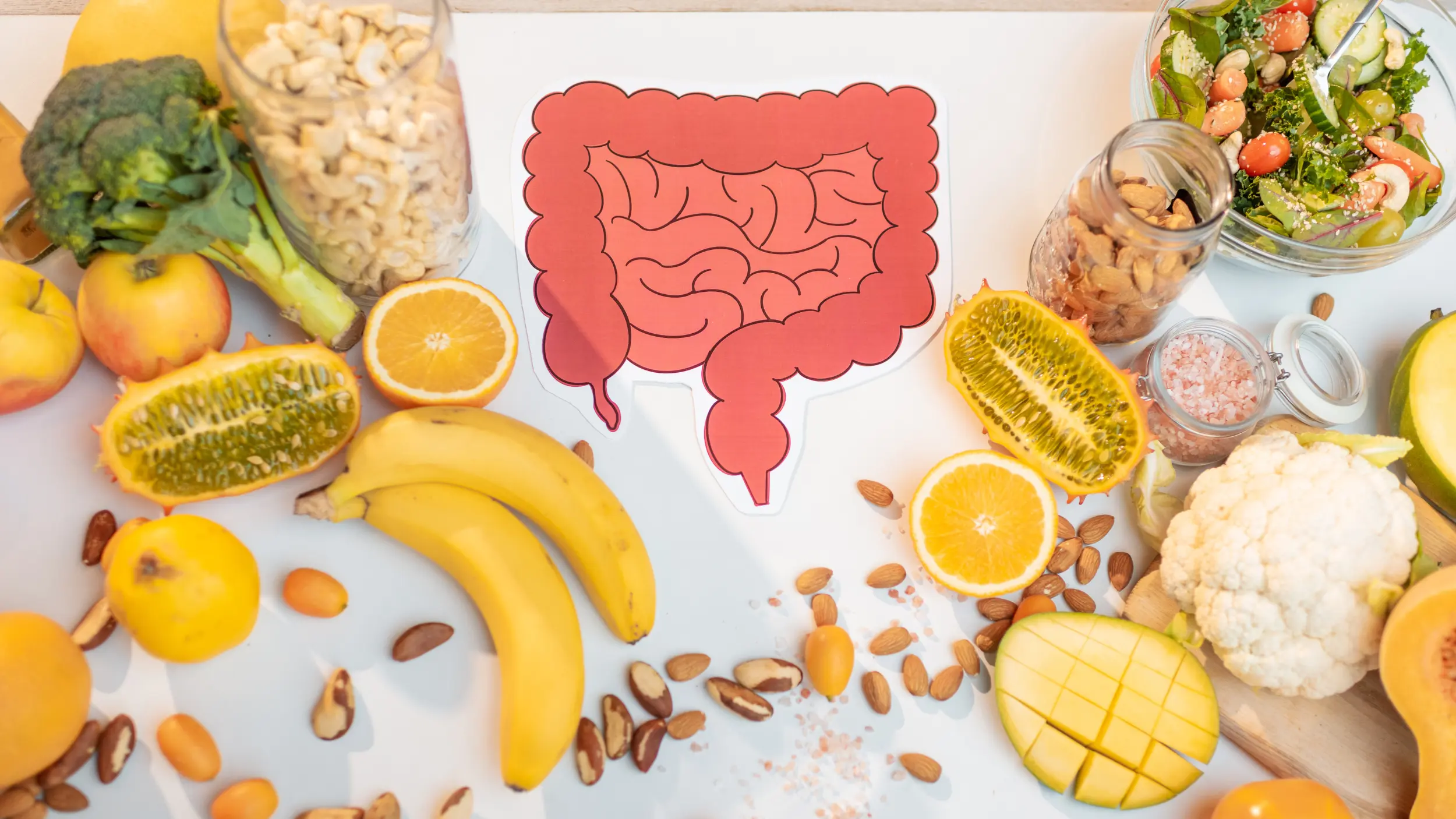
Diets high in nutritious foods like vegetables, nuts, and fruit are associated with lower cortisol levels. Diets high in ultra-processed foods and added sugar can increase cortisol10. Leafy greens provide magnesium and folate. Berries are packed with antioxidants, and nuts support adrenal function2. These whole foods help counteract cortisol's pro-inflammatory effects because of their anti-inflammatory properties10.
Avoid sugar and simple carbohydrates
Foods high in added sugar and refined flour cause rapid blood glucose spikes followed by sharp drops. This triggers cortisol release to stabilize energy5. A cortisol-driven feedback loop forms that makes stress belly fat worse. Swapping processed snacks for whole food alternatives with protein and fat reduces this cycle5.
Time your meals to support cortisol balance
Meal timing is most important for daily rhythm physiology. Cortisol secretion adapts to when you eat15. Skipping breakfast is associated with a major reduction in morning cortisol levels, a pattern that may indicate dysfunction and is linked to metabolic deterioration15. Eating late dinners increases evening cortisol16. Drinking coffee after a balanced breakfast blunts the cortisol spike compared to drinking it first thing in the morning5.
Add probiotic and fermented foods
Yogurt, kefir, miso, tempeh, and fermented vegetables introduce beneficial bacteria that influence how to reduce cortisol belly through the gut-brain axis5. Specific strains like Lactobacillus rhamnosus and Bifidobacterium longum have been studied for their capacity to reduce cortisol and improve stress resilience5.
Lifestyle Changes to Manage Stress and Cortisol

Movement and daily habits work among nutrition to manage cortisol and weight gain. Your exercise routine, sleep patterns, and stress management practices affect whether cortisol helps or harms your body.
Exercise the right way without overtraining
Want to get 150-200 minutes of mostly low to moderate intensity exercise each week9. Brisk walking, light jogging, swimming, or cycling for about 30 minutes daily can reduce cortisol17. Intense exercise increases cortisol for a short time, but this spike resolves within a few hours and your body adapts over time9. Regular exercise results in greater resilience to stress and lower baseline cortisol levels compared to sedentary individuals17.
Overtraining produces the opposite effect. Between 30% and 60% of athletes experience signs of overtraining. These signs include persistent fatigue, decreased performance, and mood disturbances3. Allow yourself time to rest between workouts. This prevents chronic cortisol elevation.
Prioritize quality sleep habits
Chronic sleep issues like insomnia and obstructive sleep apnea are associated with higher cortisol9. Establish a consistent bedtime routine. Go to bed at the same time each day9. Limit caffeine intake around 6 hours before bed and avoid nicotine and alcohol, as both substances affect sleep quality and duration9. Reduce exposure to bright and blue light 45-60 minutes before sleep9.
Practice stress reduction techniques
Deep breathing activates your parasympathetic nervous system and lowers cortisol9. Mindfulness meditation helps you recognize stressful thoughts without judgment and develop conscious reactions to them9. Laughing yoga promotes bouts of laughter that lower cortisol levels, reduce stress, and improve mood9. Supportive relationships with friends and family also result in lower cortisol levels9.
Limit caffeine and alcohol intake
Coffee increases cortisol by approximately 50% above baseline with just 80-120 mg of caffeine18. Tea shows a milder 20% cortisol increase due to L-theanine, which promotes relaxation18. Alcohol triggers cortisol release as your body sees it as a stressor. Chronic use results in elevated levels19. Drinking coffee during stress amplifies cortisol even further20.
When to See a Healthcare Provider
Most cases of stress belly respond well to nutrition and lifestyle changes, but certain symptoms signal the need for medical evaluation.
Signs of abnormally high cortisol
Call your healthcare provider if you notice a round, puffy face (moon face), fat accumulation between your shoulders (buffalo hump), or wide purple stretch marks on your abdomen, thighs, and arms21. Easy bruising and thin skin that doesn't heal well warrant attention, along with muscle weakness (especially when you have difficulty rising from a seated position) and unexplained high blood pressure or blood sugar22, 21. These symptoms differ from typical stress belly. They may indicate Cushing's syndrome, a condition where your body produces too much cortisol11.
Conclusion
Cortisol belly can feel frustrating, but it's not permanent. The solution starts on your plate. Balanced meals with protein, fiber, and healthy fats stabilize your blood sugar and lower cortisol levels naturally. Omega-3 rich foods like salmon, whole food choices over processed snacks, and meal timing all work together to reverse stress-related belly fat.
Lifestyle habits like quality sleep and stress management techniques support your nutritional efforts. You don't need extreme measures or restrictive diets. Small, consistent changes in what and when you eat create lasting results. Your body responds quickly when you give it the right fuel and rest, so start with one or two strategies today and build from there.
References
[1] - https://my.clevelandclinic.org/health/articles/22187-cortisol
[2] - https://www.berrystreet.co/blog/cortisol-diet-plan
[3] - https://www.endocrinology.org/endocrinologist/153-autumn-24/features/overtraining-and-the-endocrine-system-can-hormones-indicate-overtraining/
[4] - https://www.cedars-sinai.org/stories-and-insights/healthy-living/what-is-cortisol
[5] - https://superpower.com/weight-loss/foods-that-lower-cortisol-what-to-eat-for-stress-relief?srsltid=AfmBOopDIH-qek5qdXWd9j9GPNgV0ITc6OdpBhRI1CFZLM-2qhCrI5F4
[6] - https://www.ncbi.nlm.nih.gov/books/NBK538239/
[7] - https://www.bswhealth.com/blog/cortisol-belly-how-stress-can-impact-your-weight-and-what-you-can-do-about-it
[8] - https://news.yale.edu/2000/09/22/stress-may-cause-excess-abdominal-fat-otherwise-slender-women-study-conducted-yale-shows
[9] - https://www.healthline.com/nutrition/ways-to-lower-cortisol
[10] - https://www.health.com/foods-that-reduce-cortisol-11780432
[11] - https://my.clevelandclinic.org/health/diseases/5497-cushing-syndrome
[12] - https://www.niddk.nih.gov/health-information/endocrine-diseases/cushings-syndrome
[13] - https://nourishingmeals.com/2025/11/what-does-cortisol-balancing-diet-look
[14] - https://pmc.ncbi.nlm.nih.gov/articles/PMC8510994/
[15] - https://pmc.ncbi.nlm.nih.gov/articles/PMC12653711/
[16] - https://academic.oup.com/sleep/advance-article/doi/10.1093/sleep/zsaf307/8271019
[17] - https://lifestylemedicine.stanford.edu/how-exercise-balances-cortisol-levels/
[18] - https://www.endocrine-abstracts.org/ea/0110/ea0110p151
[19] - https://westwindrecovery.com/recovery-blog/does-alcohol-increase-cortisol/
[20] - https://www.verywellhealth.com/does-coffee-increase-cortisol-11795879
[21] - https://www.mayoclinic.org/diseases-conditions/cushing-syndrome/symptoms-causes/syc-20351310
[22] - https://news.llu.edu/health-wellness/think-you-might-have-high-cortisol
[23] - https://www.verywellhealth.com/the-cortisol-weight-loss-controversy-3233036
[24] - https://www.serotonincenters.com/blog/the-link-between-cortisol-belly-fat-and-stress-management/
[25] - https://www.endocrine.org/patient-engagement/endocrine-library/cushings-syndrome-and-cushing-disease
[26] - https://www.nuvancehealth.org/health-tips-and-news/cortisol-and-weight-gain
[27] - https://www.northernmedical.org/2026/02/23/cortisol-belly-separating-fact-from-fiction-in-stress-and-weight-gain/
[28] - https://www.health.harvard.edu/staying-healthy/why-stress-causes-people-to-overeat
[29] - https://pmc.ncbi.nlm.nih.gov/articles/PMC8971350/
[30] - https://www.emetabolic.com/locations/centers/southcentral-indiana/blog/cortisol-can-trigger-intense-cravings/
[31] - https://www.cdc.gov/diabetes/about/insulin-resistance-type-2-diabetes.html
[32] - https://www.everydayhealth.com/diabetes/diabetes-and-cortisol-how-it-affects-blood-sugar-management/
[33] - https://rutgershealth.org/news/researchers-suggest-stress-hormones-explain-how-obesity-causes-diabetes
[34] - https://pmc.ncbi.nlm.nih.gov/articles/PMC4315033/
[35] - https://pmc.ncbi.nlm.nih.gov/articles/PMC9590398/
[36] - https://newmexicosleeplabs.com/how-poor-sleep-impacts-weight-gain-and-obesity/
.svg)
.svg)

















.webp)
.webp)
.webp)
.webp)

.webp)

.webp)
.webp)
.webp)

.webp)

.webp)
.webp)
.webp)


.webp)