.webp)
.webp)
%2B(7).webp)
.png)
Have you ever finished a meal and immediately started planning your next one? You're experiencing what scientists call "food noise"—persistent thoughts about food that feel unwanted and can disrupt your daily life1.
This mental chatter affects people trying to lose weight most intensely. They describe intrusive thoughts about food that persist even when their bodies don't need fuel1. While it feels like a personal failing, the real culprit lives in your brain chemistry.
Science is pointing toward specific neurotransmitters—particularly dopamine and serotonin—that get hijacked by what you eat. Research shows that diets heavy in refined sugars directly impair brain function and worsen mood disorders2. Your brain's reward system, designed to help you survive, now works against you in our modern food environment.
The good news? Understanding how your brain responds to different foods gives you the power to quiet this noise. You'll discover which foods naturally boost dopamine, how to build meals that reduce cravings, and practical strategies rooted in nutritional psychiatry that can restore your brain's natural balance with food.
What is Food Noise and Why Can't You Stop Thinking About Food?

The Science Behind Persistent Food Thoughts
Food noise represents unwanted, persistent thoughts about food that can disrupt your daily life3. Your brain manages food decisions through two distinct pathways that often work against each other.
The Homeostatic Pathway: This system signals genuine energy needs through physical hunger cues—stomach growling, low energy, and gradual appetite building. It accepts various food options to meet your body's actual fuel requirements.
The Hedonic Pathway: This reward-driven system responds to the pleasurable aspects of eating, getting particularly activated by high-calorie, sugary, or salty foods4. When you can't stop thinking about food, this pathway dominates your mental space.
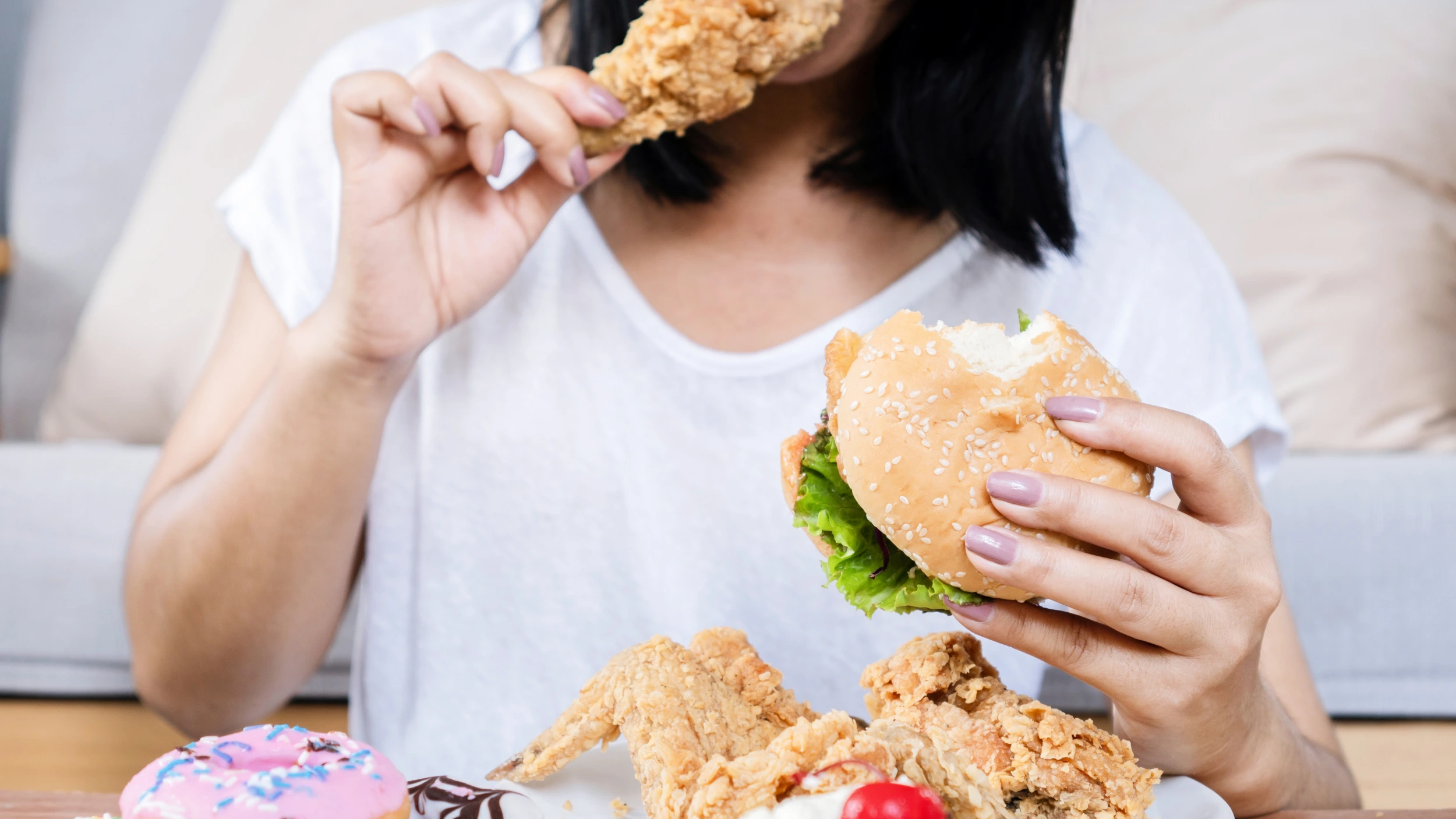
The hedonic system releases feel-good chemicals that reinforce eating behaviors, especially with ultra-processed foods. Research shows that food cue reactivity predicts subsequent eating behavior, specifically with highly palatable, energy-dense foods5. Your brain's reward circuitry efficiently triggers motivational responses when exposed to food cues, creating intense cravings regardless of actual hunger6.
How Food Noise Differs from Normal Hunger
Normal hunger builds gradually and accepts flexible solutions. Food noise arrives suddenly with rigid demands3. While hunger represents your body's legitimate need for energy, cravings operate through a different system based on liking and wanting3.
Food noise shows up in specific ways that feels different from hunger7:
- Checking food delivery apps multiple times daily
- Planning your next meal while eating your current one
- Craving specific foods immediately after finishing a meal
- Continuing to think about food past the point of fullness
These thoughts function like constant background static that persists even after eating a satisfying meal6.
When Constant Food Thoughts Become Problematic
Food noise becomes problematic when it interferes with your ability to focus on work, maintain conversations, or enjoy activities3. These intrusive thoughts increase cognitive load, occupying considerable mental space that should be available for other important matters8.
Attempts at dieting or calorie restriction often worsen the noise, as your body perceives restriction as a threat9. Environmental factors amplify this effect—constant exposure to food advertisements, diet advice, and social pressures contribute to heightening food-related mental chatter3.
The Brain Chemistry Behind Food Cravings

Understanding Dopamine and the Reward System
Your brain's dopamine system acts like a prediction machine, constantly learning where future food rewards might come from10. This neurotransmitter creates the sensation you experience as "wanting" when it floods your nucleus accumbens after tasting something pleasurable11.
Here's where things get problematic. Sugar-heavy foods gradually reduce your dopamine 2 (D2) receptors11. Think of it like having fewer parking spots available—with less places for dopamine to bind, you develop what scientists call Reward Deficiency Syndrome11. Your brain now demands increasingly larger portions to achieve the same satisfaction you once got from smaller amounts.
How Your Gut-Brain Connection Influences Food Thoughts
Your gut contains over 500 million neurons—earning it the nickname "second brain"12. The vagus nerve serves as the main highway, carrying messages back and forth between your digestive system and your head12.
Your gut bacteria act like tiny chemists, producing neurotransmitters that directly communicate with your brain12. These microscopic residents also release compounds that travel through your bloodstream to influence your thoughts12. When your gut microbiome falls out of balance, your brain function often suffers alongside it13.
The Role of Serotonin in Appetite Regulation
Serotonin works like a selective brake system for your appetite. It specifically reduces carbohydrate intake more than fat or protein consumption14. When you eat carbs, your hypothalamus boosts serotonin production, which then signals you to stop eating through a natural feedback loop14.
Low serotonin levels trigger intense cravings for sweets and carbs as your brain attempts to restore balance15. This explains why you might find yourself reaching for cookies or bread when feeling low.
Why Ultra-Processed Foods Hijack Your Brain
Ultra-processed foods activate multiple reward pathways simultaneously—combining high sodium, fat, and refined carbohydrates in ways that natural foods never could16. Research shows that about 12% of people develop food addiction patterns when regularly consuming these products16.
These engineered foods deliver dopamine surges far beyond what your brain evolved to handle, weakening your prefrontal cortex's ability to say "no"17. Your brain's natural control system gets overwhelmed by the intensity of these artificial rewards.
What Triggers Food Noise in Your Daily Life
Blood Sugar Roller Coasters Create Mental Chaos
Your glucose levels act like a metabolic thermostat for food thoughts. Research shows that spikes above 30 mg/dL followed by steep crashes trigger intense cravings and compulsive snacking18. When your blood sugar plummets, your brain's reward center lights up like a Christmas tree, demanding fast sugar to restore balance19.
This creates a vicious cycle. Low glucose signals your body that fuel shortage has occurred, triggering sudden urges for simple carbohydrates—typically striking one to two hours after eating19. Your brain interprets these crashes as emergencies, drowning out rational food decisions with urgent demands for quick energy.
Why Protein Deficiency Amplifies Food Obsession
Inadequate protein intake directly increases hunger volume. Studies reveal that hunger ratings dropped significantly when men consumed 125% of their daily protein recommendation compared to just 94% and 63% 20.
Protein acts like a metabolic anchor, keeping you satisfied for extended periods while preventing the blood sugar swings that fuel food noise. Without enough protein, your body struggles to maintain stable energy levels, leaving your brain constantly scanning for its next fuel source.
How Meal Skipping Backfires Spectacularly
Going too long without eating triggers cortisol production—your body's stress alarm system that amplifies food thoughts21. This restriction also activates neuropeptide Y, a brain chemical that drives intense carbohydrate cravings8. Rather than reducing food noise, skipping meals creates a perfect storm of hormonal chaos.
The result? Persistent, intrusive thoughts about food and complete loss of control during your next meal21.
Sleep Deprivation: Your Appetite's Worst Enemy
Getting less than seven hours nightly increases obesity risk by 38%22. Poor sleep hijacks your hunger hormones, elevating ghrelin while suppressing leptin—creating the sensation of constant hunger22.
Sleep restriction also raises endocannabinoid levels by 33%, amplifying the pleasure you get from eating and making highly palatable snacks nearly impossible to resist23. Your tired brain loses its ability to make rational food choices, instead seeking immediate gratification through high-calorie foods.
How to Stop Thinking About Food: A Dietitian's Approach
You don't need a complex protocol to quiet food noise. The solution lies in feeding your brain the building blocks it needs while creating eating patterns that stabilize your reward system.
Foods That Increase Dopamine Naturally
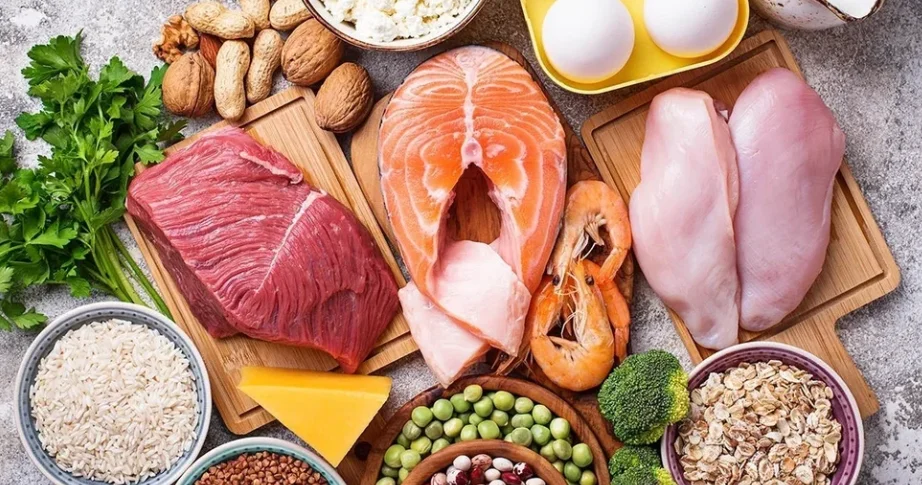
Your brain manufactures dopamine from tyrosine, an amino acid found in protein-rich foods. Load up on natural dopamine boosters: chicken, turkey, fish, dairy products, eggs, almonds, avocados, bananas, and leafy greens24. These provide the raw materials your brain requires for neurotransmitter production.
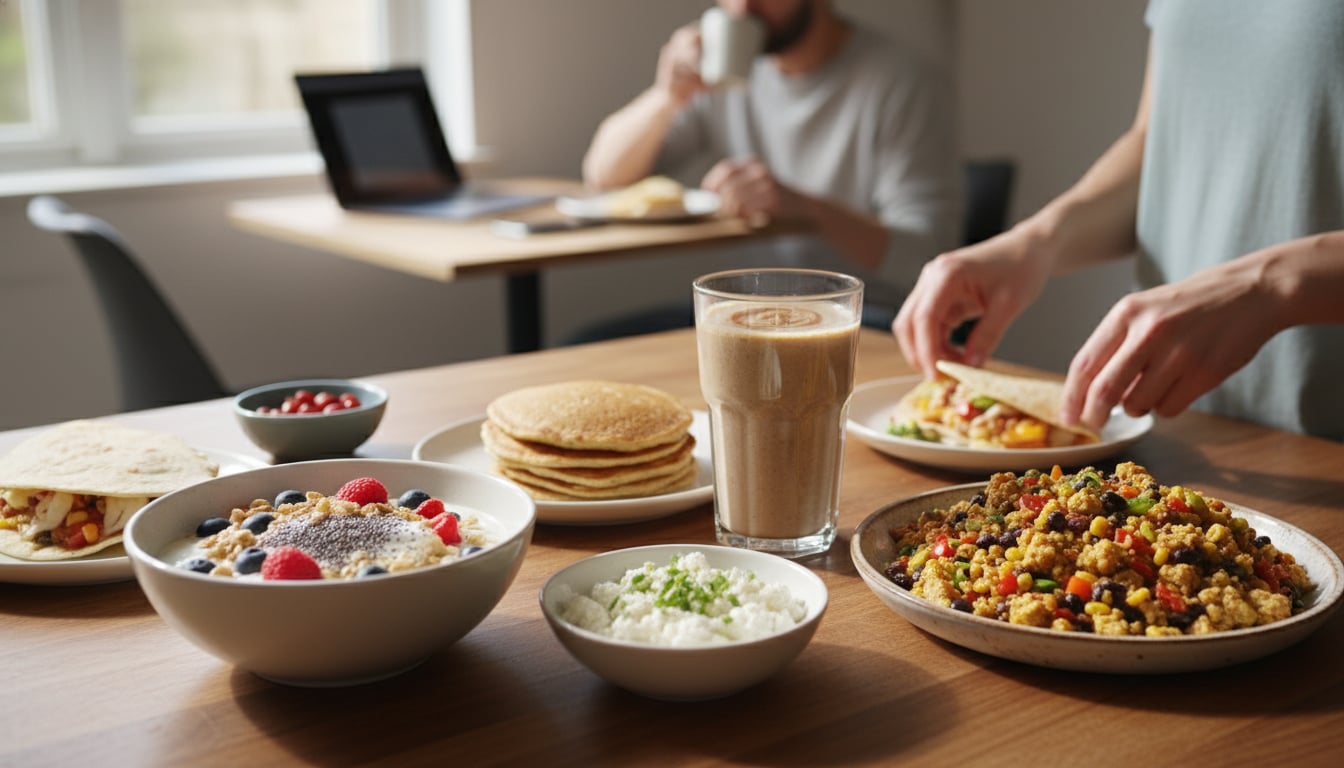
One study showed that eating a high-protein breakfast including eggs and lean meats reduced mid-morning cravings significantly25.
Building Balanced Meals That Reduce Cravings
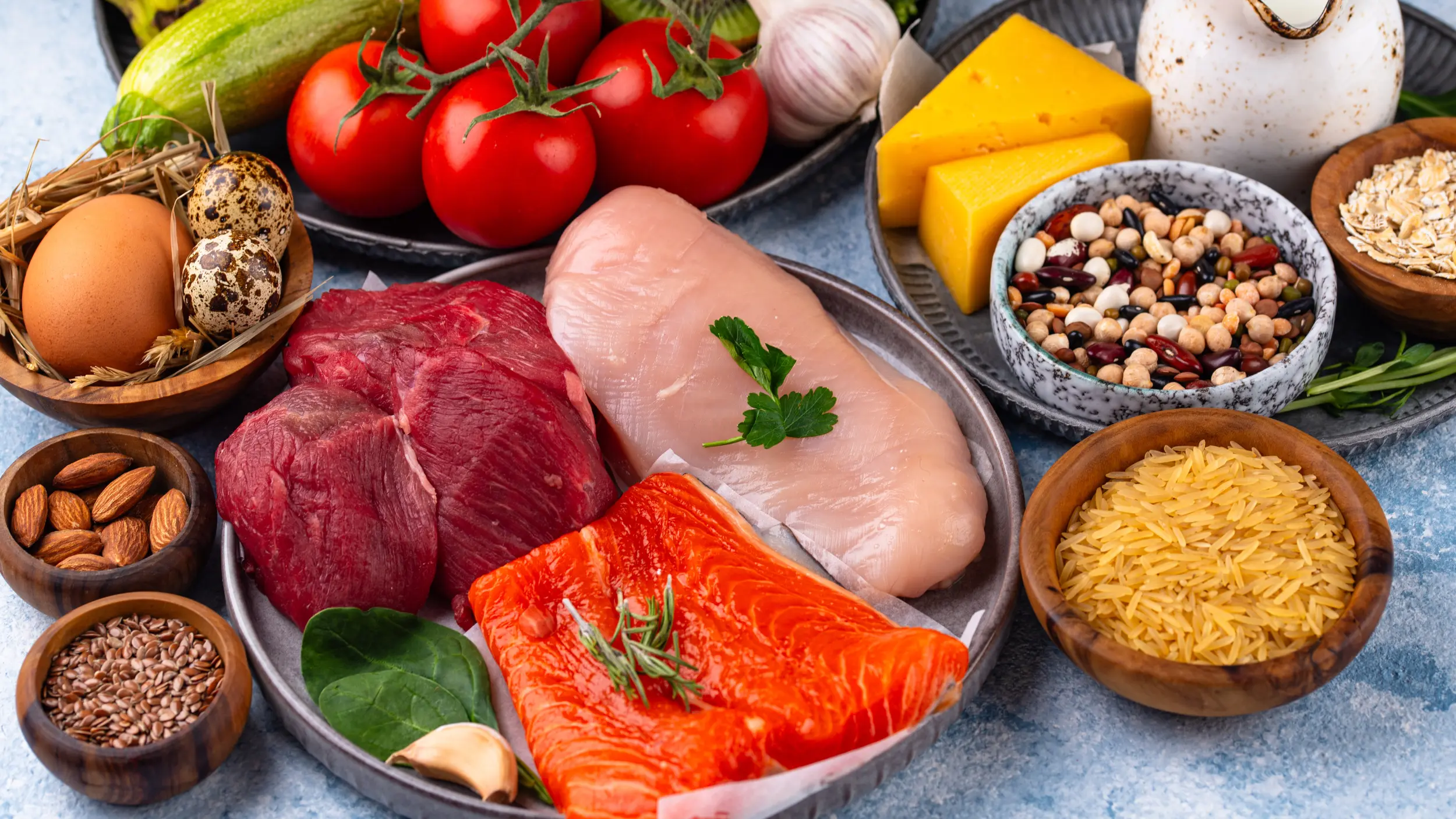
The Power of Protein: Increasing protein intake to 25% of calories reduced cravings by 60% and decreased nighttime snacking desire by 50%26. Include protein with every meal alongside fiber from whole grains, fruits, and vegetables. This combination acts like a metabolic anchor, stabilizing blood sugar and preventing the crashes that amplify food noise.
Research on incorporating small portions of craved foods within balanced meals showed dieters lost more weight and maintained minimal cravings throughout a 12-month program27. Your brain doesn't need restriction—it needs balance.
The Dopamine Diet: What Works and What Doesn't
Focus on Food Quality: The dopamine diet emphasizes tyrosine-rich proteins and healthy fats while limiting processed foods. This approach supports your brain's natural chemistry without extreme measures.
Dopamine fasting lacks scientific backing and extreme versions may harm mental and physical health28. Your brain needs consistent fuel, not deprivation.
Practical Meal Timing Strategies to Quiet Food Noise
Eat Earlier: Eating earlier in the day lowers ghrelin levels and reduces appetite29. Late eating increases hunger and decreases fat burning by changing genes that control metabolism30.
Stay Consistent: Aim for regular meal times every 3-4 hours to regulate hunger cues. Your brain thrives on predictable patterns.
Nutritional Psychiatry Principles for Better Food Relationships
Following a Mediterranean dietary pattern reduces depression risk by 25-35% compared to Western diets2. This approach emphasizes vegetables, fruits, whole grains, fish, and fermented foods that support gut bacteria—your "second brain" that influences food thoughts.
Addressing nutrient deficiencies in omega-3s, B vitamins, magnesium, and zinc supports mood regulation31. While every brain is as unique as a fingerprint, these nutrients work most effectively when part of a personalized nutrition plan.
If you're ready to stop guessing and start supporting your brain chemistry from the inside out, our team is here to help. Book an appointment with our registered dietitians for personalized guidance.
Ready to Quiet the Food Noise?
Food noise isn't a personal failing—it's your brain chemistry responding to a food environment it wasn't designed to handle. Your dopamine and serotonin systems simply need the right support through protein-rich meals, stable blood sugar, and consistent eating patterns.
Small shifts in what and when you eat can quiet intrusive food thoughts within days. While the science is clear, every brain responds differently to dietary changes. Food noise works most effectively when it's addressed through a personalized nutrition plan that considers your unique metabolism, lifestyle, and health history.
If you're ready to stop battling constant food thoughts and start supporting your brain from the inside out, our team is here to help.
Book an appointment with our registered dietitians to create a customized plan designed for your specific nutritional needs and build a healthier relationship with food.
References
[1] - https://www.psychologytoday.com/us/blog/shrink/202512/food-noise-why-you-cant-stop-thinking-about-food
[2] - https://www.health.harvard.edu/blog/nutritional-psychiatry-your-brain-on-food-201511168626
[3] - https://www.psychologytoday.com/us/blog/eating-disorders-the-facts/202507/food-noise-unwanted-and-persistent-thoughts-about-food
[4] - https://withinhealth.com/learn/articles/how-to-stop-thinking-about-food
[5] - https://pmc.ncbi.nlm.nih.gov/articles/PMC7689031/
[6] - https://pmc.ncbi.nlm.nih.gov/articles/PMC10674813/
[7] - https://drjamielong.com/how-do-i-know-im-hungry/
[8] - https://equip.health/articles/food-and-fitness/food-obession-in-eating-disorders
[9] - https://www.nwcrc.net/food-noise-vs-hunger/
[10] - https://pmc.ncbi.nlm.nih.gov/articles/PMC9822089/
[11] - https://www.psychologytoday.com/us/blog/the-leading-edge/202403/the-neurochemistry-of-food-cravings
[12] - https://my.clevelandclinic.org/health/body/the-gut-brain-connection
[13] - https://www.uclahealth.org/news/article/you-are-what-you-eat-diet-may-affect-your-mood-and-brain
[14] - https://pubmed.ncbi.nlm.nih.gov/9807640/
[15] - https://sooma.ca/neurotransmitters-and-food/
[16] - https://www.scientificamerican.com/article/what-makes-ultraprocessed-foods-addictive/
[17] - https://www.aliciaeaton.co.uk/blog/the-dopamine-trap-how-ultra-processed-foods-hijack-your-brains-reward-system
[18] - https://www.psychologytoday.com/us/blog/the-healthy-journey/202501/how-your-blood-sugar-levels-cause-food-cravings
[19] - https://www.glucosegoddess.com/pages/glucose-spikes-the-hidden-cause-of-cravings-fatigue-mood-swings?srsltid=AfmBOoqvRUiW44pjpw1P2C5MliylL9urV1Uj388QO41-gvG0KnzI9ssq
[20] - https://pmc.ncbi.nlm.nih.gov/articles/PMC2259459/
[21] - https://www.eatingwell.com/what-happens-when-you-dont-eat-11814208
[22] - https://lifestylemedicine.stanford.edu/how-sleep-deprivation-affects-your-metabolic-health/
[23] - https://www.uchicagomedicine.org/forefront/prevention-and-screening-articles/2016/february/sleep-loss-boosts-hunger-and-unhealthy-food-choices
[24] - https://my.clevelandclinic.org/health/articles/22588-dopamine-deficiency
[25] - https://camentalhealth.com/blog/everyday-foods-that-increase-dopamine-for-better-mood-and-focus/
[26] - https://www.healthline.com/nutrition/11-ways-to-stop-food-cravings
[27] - https://news.illinois.edu/eating-craved-foods-with-meals-lessens-cravings-boosts-weight-loss/
[28] - https://pmc.ncbi.nlm.nih.gov/articles/PMC11223451/
[29] - https://www.acefitness.org/continuing-education/certified/sept-2019/7367/study-meal-timing-strategies-may-lower-appetite-and-enhance-fat-burning/?srsltid=AfmBOoqK5TCe6kXTOYYFWZo6tLm9CgqsBhG0TSAgRT6JBkUSI_glrA8a
[30] - https://www.health.harvard.edu/staying-healthy/how-can-meal-schedules-affect-your-weight
[31] - https://www.crisistextline.org/nutrition-and-mental-health/
.svg)
.svg)















.webp)
.webp)
.webp)
.webp)

.webp)

.webp)
.webp)
.webp)

.webp)

.webp)
.webp)
.webp)
.webp)