.webp)
.webp)
%2B(7).webp)
.png)
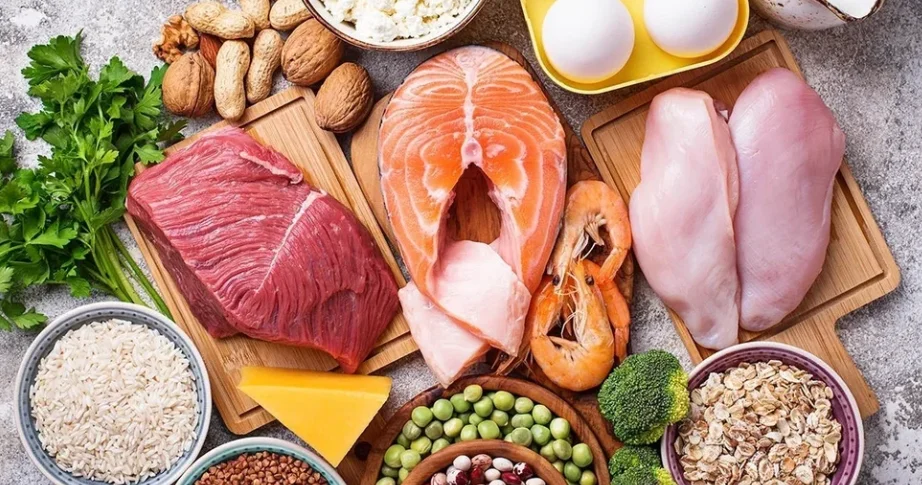
A high protein diet is an eating approach where protein is planned first, plated first, and eaten first at every meal. It’s not a branded diet or a macro-counting plan. It’s a behavioral framework that has gained traction because of updated U.S. Dietary Guidelines recommending 1.2 to 1.6 grams of protein per kilogram of body weight and because GLP-1 medication users are losing dangerous amounts of muscle mass due to inadequate protein intake. Most adults should aim for 25 to 40 grams of protein per meal, and working with a registered dietitian can help personalize those targets.
What “Protein Forward” Actually Means
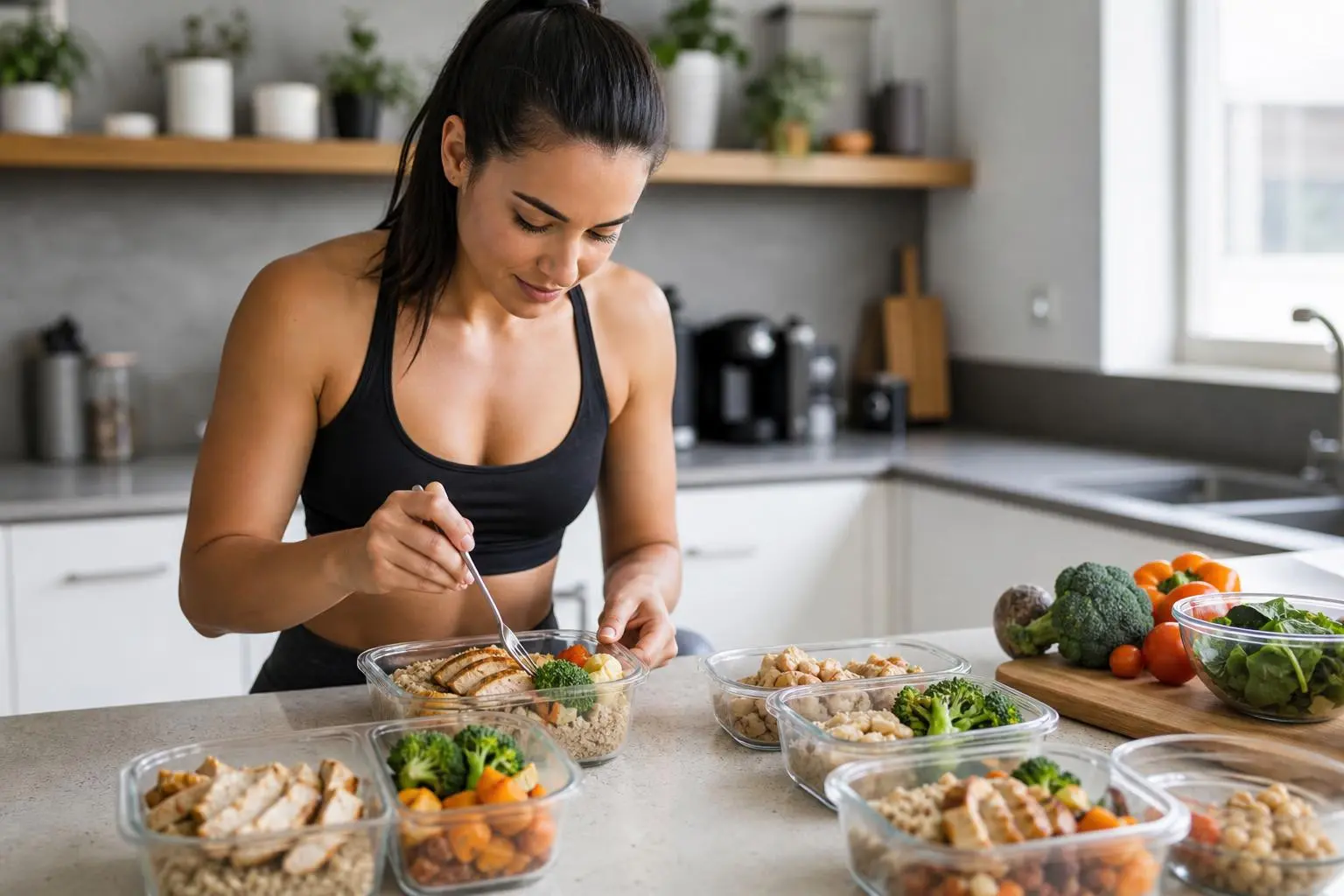
A protein forward diet is an eating approach where protein becomes the organizing principle of every meal and snack. You plan it first, put it on your plate first, and eat it first. That’s the whole concept.
The term didn’t come from a diet book or a wellness influencer. It emerged from clinical dietetics, specifically from registered dietitians counseling patients on GLP-1 medications like Wegovy, Zepbound, and Ozempic. These practitioners needed a way to describe an approach that went beyond simply telling patients to “eat more protein.” Protein forward captures the behavior: structuring your entire eating pattern around getting enough protein, in the right amounts, at the right time.
This distinction matters. “Protein forward” is not a synonym for “high protein diet.” A high-protein diet is typically defined by hitting a specific macro threshold, often more than 30% of calories from protein or exceeding 1.6g/kg of body weight. A protein forward diet is a framework. You can follow it at moderate calorie levels without eliminating carbohydrates or fats. You can follow it whether you eat meat, follow a plant-based diet, or prefer traditional Latin cuisine.
The underlying science supporting this approach is the protein leverage hypothesis, which proposes that the human body will keep seeking food until its protein needs are met, regardless of how many total calories that takes. When your meals are low in protein, you tend to overeat everything else. When you lead with protein, you naturally eat less overall.
Why Protein is Getting So Much Attention
Two things happened in quick succession that pushed protein forward eating from niche dietitian advice to mainstream conversation.
The Dietary Guidelines Changed
The 2025-2030 U.S. Dietary Guidelines for Americans now recommend 1.2 to 1.6 grams of protein per kilogram of body weight per day. That’s 50 to 100% more than the old minimum recommendation of 0.8g/kg that had been in place for decades. The science finally caught up with what sports nutrition and clinical weight-management dietitians had been saying for years: the old protein floor was too low for most people.
GLP-1 Medications Created a Muscle Loss Crisis
Roughly 1 in 8 American adults have tried a GLP-1 weight loss medication. These drugs work, sometimes dramatically. But the weight they help you lose isn’t all fat.
A 2025 study presented at ENDO (the Endocrine Society’s annual meeting) by researchers at Massachusetts General Hospital and Harvard found that approximately 40% of the weight lost from taking semaglutide comes from lean mass, including muscle. The researchers also found that being older, being female, or eating less protein was linked to greater muscle loss.
The problem gets worse when you look at what GLP-1 users actually eat. A 2026 study presented at the European Congress on Obesity found that GLP-1 users consumed only about 54 grams of protein per day, and when adjusted for body weight, their intake was “critically low” at 0.6 grams per kilogram, less than half of current U.S. recommendations.
Jennifer Lynn-Pullman, a registered dietitian and certified specialist in obesity and weight management, experienced this firsthand. After starting a GLP-1 medication, she noticed she was eating only 800 calories a day with very little protein. She now consumes protein every time she eats, eating it first.
This is why protein forward eating has become standard guidance for anyone on these medications. If you’re taking a GLP-1 and want to understand how to protect your muscle mass, our guide on preserving muscle while using GLP-1 medications covers the specific strategies in detail.
How a Protein Forward Diet Works: The Science
Protein forward eating isn’t just a catchy phrase. Multiple mechanisms explain why prioritizing protein produces better outcomes for weight management, body composition, and metabolic health.
Thermic Effect
Your body burns more calories digesting protein than any other macronutrient. Protein has a thermic effect of 15 to 30%, compared to 5 to 10% for carbohydrates and 0 to 3% for fats. This means that for every 100 calories of protein you eat, your body uses 15 to 30 of those calories just for digestion and processing.
Satiety Hormones
Clinical trials have shown that higher protein intake increases anorexigenic (appetite-suppressing) hormone levels while decreasing orexigenic (hunger-promoting) hormone levels. In plain terms, protein makes you feel full faster and stay full longer. It boosts hormones like GLP-1 (yes, the same hormone those medications mimic), CCK, and PYY while suppressing ghrelin, the “hunger hormone.”
Muscle Preservation During Weight Loss
This is the big one for anyone in a caloric deficit, whether from medication, intentional dieting, or both. The same clinical review found that consuming more protein than the recommended dietary allowance reduces body weight and enhances body composition by decreasing fat mass while preserving fat-free mass in both low-calorie and standard-calorie diets.
Research from Mass General Brigham’s Grand Rounds confirmed that combining a high protein diet and consistent exercise with GLP-1 treatment has the greatest benefit in preserving bone and muscle mass, compared to diet alone or high protein alone.
Meal Sequencing: Why “First” Matters
The “forward” in protein forward isn’t just about planning. Research published in Diabetes Care found that a carbohydrates-last food order improves time in range and reduces glycemic variability. Eating protein and vegetables before carbohydrates at each meal helps blunt blood sugar spikes. This gives the phrase “protein forward” a literal, evidence-based meaning: eat your protein first.
For a broader look at how these metabolic mechanisms connect, our metabolic reset guide explains the full picture.
Protein Forward vs. Other Diets
One of the most common points of confusion is how a protein forward diet compares to other popular eating approaches. Here’s a straightforward breakdown.
The key takeaway: protein forward eating is the most flexible of these approaches. It works within almost any cultural food tradition and doesn’t require you to give up entire food groups. If you have PCOS and want to see how protein-forward principles apply to a structured plan, our 7-day high-protein PCOS diet plan offers a practical starting point.
How Much Protein You Actually Need
Protein targets vary by individual, but the updated research gives us clear ranges to work with.
By Population
Per-Meal Target
Aim for 25 to 40 grams of protein per meal, distributed across 3 to 4 eating occasions per day. This distribution matters because the body can only use so much protein at once for muscle synthesis.
A Practical Example
A 180-pound (82 kg) person on a GLP-1 medication should aim for roughly 98 to 131 grams of protein daily (at 1.2 to 1.6g/kg). Split across three meals, that’s about 33 to 44 grams per meal. For someone with a smaller appetite on medication, adding a high-protein snack (Greek yogurt, cottage cheese, a protein shake) can help bridge the gap.
These numbers are starting points. Individual protein needs vary based on age, sex, activity level, medical conditions, kidney function, and medications. A registered dietitian can review your labs and health history to set a target that’s right for you, not just a general population average. Vedic’s registered dietitians specialize in building protein-forward plans for GLP-1 users, with most clients paying $0 out of pocket through insurance.
For breastfeeding mothers who need higher protein, our guide on protein-rich foods for breastfeeding with grams per serving covers those specific needs.
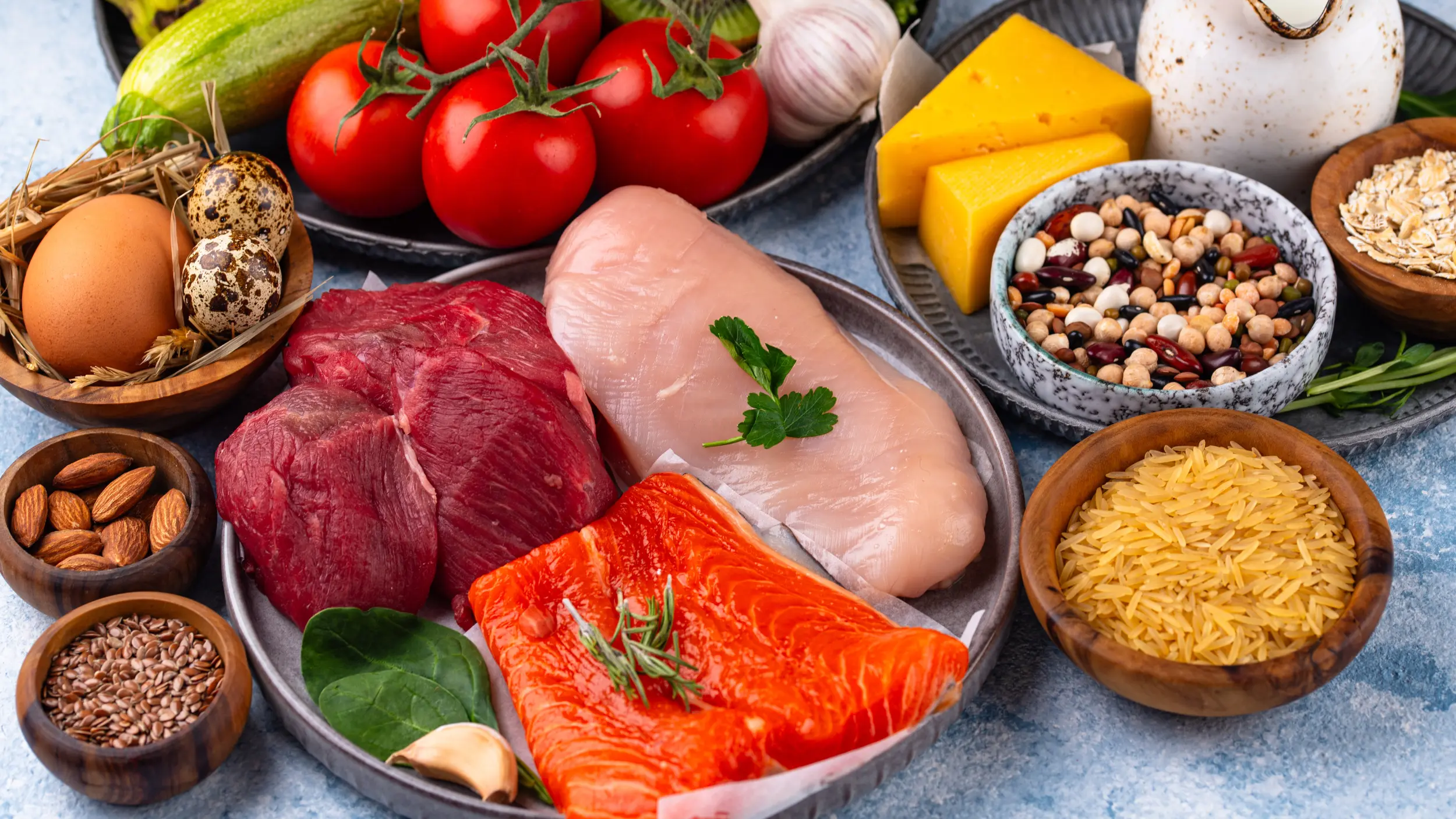
Protein Forward Food List
Building a protein forward plate doesn’t require exotic ingredients. Here are the most practical options with approximate protein content per serving.
Animal Sources
- Chicken breast (4 oz cooked): 35g protein
- Turkey breast (4 oz cooked): 34g protein
- Salmon (4 oz cooked): 29g protein
- White fish (cod, tilapia) (4 oz cooked): 26g protein
- Eggs (2 large): 12g protein
- Greek yogurt, plain nonfat (1 cup): 20g protein
- Cottage cheese, low-fat (1 cup): 28g protein
Plant Sources
- Lentils (1 cup cooked): 18g protein
- Chickpeas (1 cup cooked): 15g protein
- Black beans (1 cup cooked): 15g protein
- Edamame (1 cup shelled): 17g protein
- Tofu, firm (1/2 cup): 10g protein
- Tempeh (3 oz): 16g protein
Quick Protein-Forward Swaps
Small changes add up fast:
- Regular yogurt → Greek yogurt (doubles the protein)
- Plain toast → egg on toast (adds 6g per egg)
- Regular pasta → bean-based pasta (adds 10-15g per serving)
- Fruit smoothie → fruit and protein smoothie (add Greek yogurt or protein powder)
- Rice bowl → rice bowl with 4 oz chicken or extra beans on top
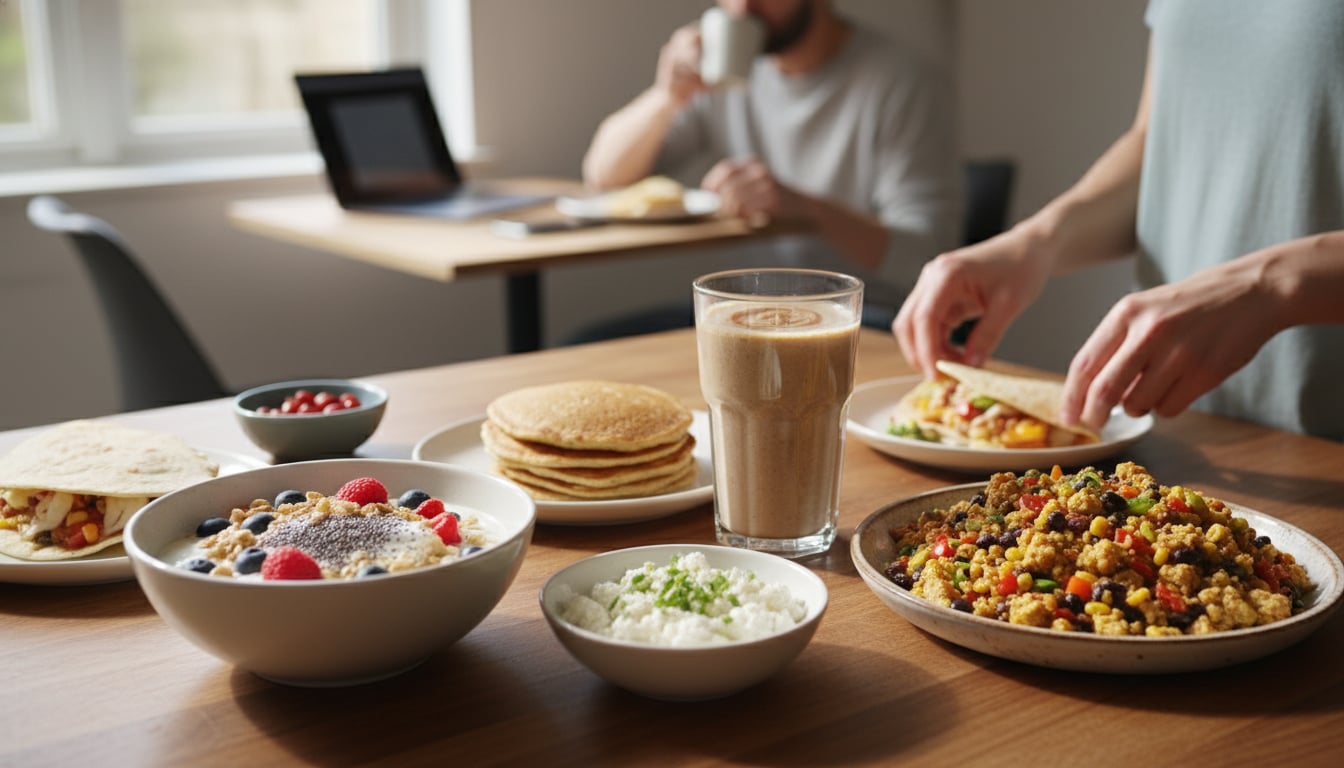
For mornings when eggs aren’t appealing, our high-protein breakfast ideas without eggs offers creative alternatives.
A note on protein quality: Harvard’s Nutrition Source cautions that “substantially raising overall protein intake without distinguishing between different protein sources may have unintended long-term health implications” and recommends favoring plant-based proteins and fish over diets heavy in red meat. A protein forward diet doesn’t mean steak at every meal. Variety matters.
How to Start Eating Protein Forward Today
You don’t need a complete diet overhaul. Start with these three steps:
1. Audit one day of eating. Track your protein intake for a single day. Most people are surprised by how little they actually consume, especially if appetite is reduced from medication. Compare your total to the 1.2-1.6g/kg target.
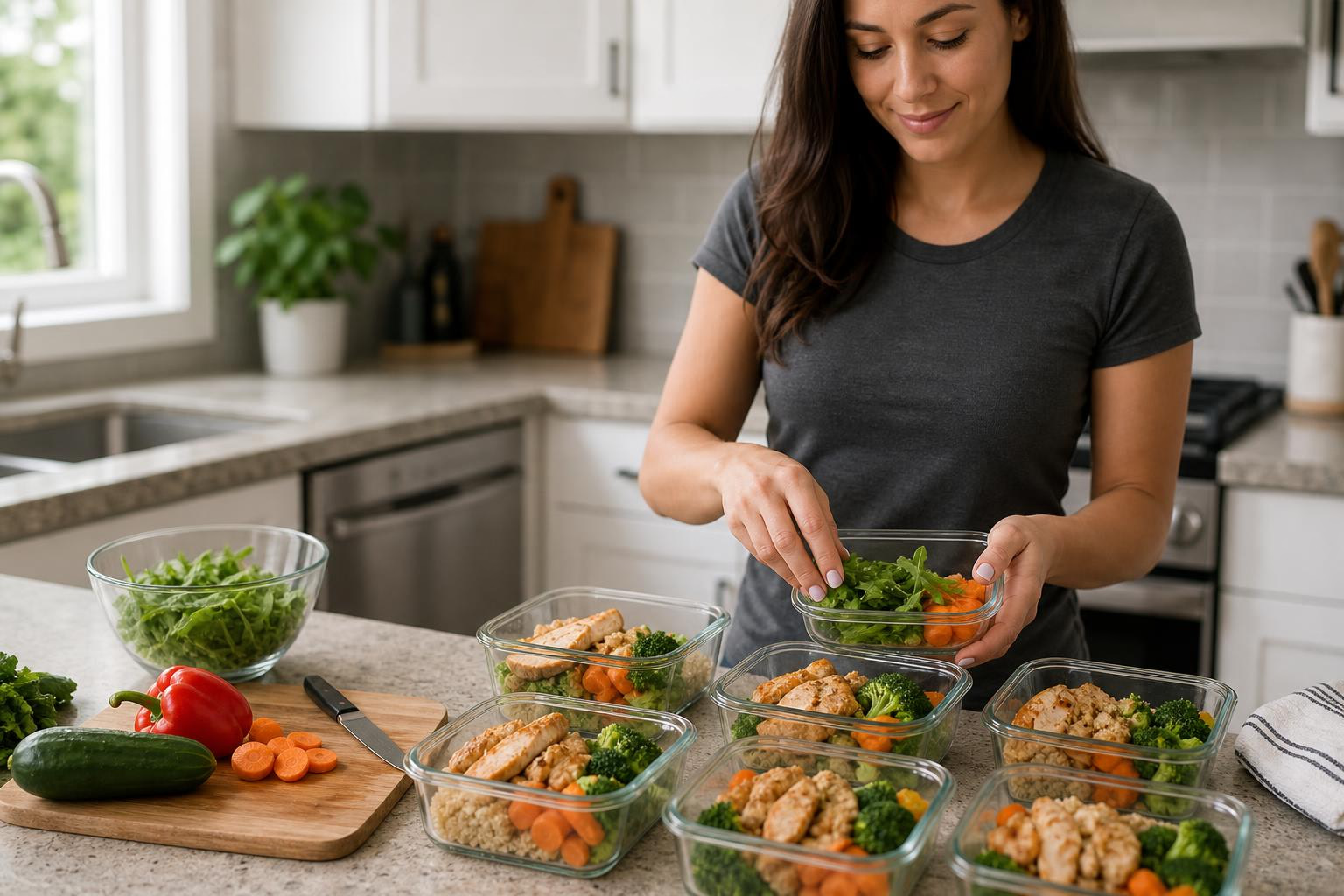
2. Restructure your plate. At each meal, decide on your protein source first, then build vegetables and carbohydrates around it. Eat the protein portion of your meal before moving to other items.
3. Set a per-meal minimum. Instead of tracking total daily protein obsessively, aim for at least 25 grams of protein every time you sit down to eat. This single habit gets most people to their daily target without spreadsheets or apps.
If you’re on a GLP-1 medication and finding it hard to eat enough in general, protein shakes and high-protein snacks between meals can help. Whole foods should be the foundation, but when appetite is suppressed, a shake with 25-30 grams of protein is better than skipping protein entirely.
Working with a Registered Dietitian
Generic protein targets are a good starting point, but they’re still generic. Your actual protein needs depend on your body weight, age, activity level, kidney function, lab results, medications, and health conditions.
This is where a registered dietitian nutritionist makes a measurable difference. An RDN can:
- Calculate your specific protein target based on your labs and medical history
- Build a protein forward meal plan that fits your cultural food preferences
- Adjust your nutrition around GLP-1 side effects like nausea and early fullness
- Monitor your body composition over time and adjust as needed
- Coordinate with your prescribing physician for comprehensive care
Vedic Nutrition provides telehealth nutrition counseling with licensed registered dietitian nutritionists, with 95% of clients paying $0 out of pocket through insurance. For GLP-1 users specifically, Vedic’s dietitians focus on protein-forward planning to preserve lean mass, manage GI side effects, and support transitions on or off medications. Bilingual sessions in English and Spanish are available.
If you’re not hitting your protein targets, struggling with weight loss plateaus on Ozempic, or simply want a personalized protein forward plan, book a session with a Vedic dietitian to get started.
Frequently Asked Questions
Is a protein forward diet the same as a high-protein diet?
No. A high-protein diet is defined by how much protein you eat (typically over 1.6g/kg or more than 30% of calories). A protein forward diet is defined by how you structure your meals: protein is planned first, prioritized first, and eaten first. You can eat protein forward at moderate protein levels. It’s a behavioral framework, not a macro threshold.
Can I follow a protein forward diet as a vegetarian?
Yes. Plant sources like lentils, chickpeas, edamame, tofu, and tempeh all provide meaningful protein. If you eat dairy and eggs, Greek yogurt, cottage cheese, and eggs are among the most protein-dense foods available. The key is making protein the centerpiece of each meal rather than an afterthought, regardless of the source.
Do I need protein supplements on a protein forward diet?
Whole foods should be the foundation. That said, when appetite is significantly suppressed (common with GLP-1 medications), a protein shake or collagen supplement can help bridge the gap. This is particularly relevant for people who are eating under 1,000 calories daily and struggling to hit even minimum protein targets through food alone.
Is too much protein bad for my kidneys?
Current evidence does not support this concern for people with healthy kidneys. The worry originated from studies on patients with pre-existing kidney disease, where high protein intake can accelerate decline. If you have kidney disease or significantly impaired kidney function, work with a dietitian to set safe protein levels. For healthy adults, intakes of 1.2 to 2.0g/kg per day are well within safe ranges according to current research.
Why does eating protein first at a meal matter?
Research in Diabetes Care shows that eating protein and vegetables before carbohydrates at the same meal reduces blood sugar spikes and improves glycemic control. This meal sequencing effect is one reason the phrase uses “forward” rather than just “high.” The order you eat food in changes how your body processes it.
How does a protein forward diet help with GLP-1 medications specifically?
GLP-1 medications reduce appetite significantly, which means every bite counts more. When you’re eating less overall, the proportion of protein in your meals becomes critical for preserving muscle mass. Studies show that up to 40% of weight lost on semaglutide can be lean mass. A protein forward approach ensures that the limited food you do eat is doing the most possible work for your body composition.
What does a protein forward day of eating look like?
A simple example for someone targeting 120g of protein:
- Breakfast: Two eggs with black beans and avocado on a corn tortilla (24g protein)
- Lunch: Grilled chicken salad with chickpeas and feta (38g protein)
- Snack: Greek yogurt with berries (20g protein)
- Dinner: Salmon with roasted vegetables and quinoa (38g protein)
Total: 120g protein, with no food groups eliminated and no extreme restriction required.
Can a dietitian help me build a protein forward plan?
Absolutely. A registered dietitian can calculate your precise protein targets, build a plan around foods you actually enjoy, account for medical conditions and medications, and adjust over time as your needs change. If you’re on a GLP-1 medication, dietitian-guided protein forward planning is one of the most effective strategies for maintaining your results after weight loss medication.
.svg)
.svg)









.webp)







.webp)
.webp)
.webp)
.webp)
.webp)
.webp)
.webp)
.webp)

.webp)
.webp)
.webp)


.webp)

.webp)
.webp)
.webp)
.webp)


.webp)

.webp)
.webp)