.webp)

%2B(7).webp)
.png)
TLDR
There is no official Mounjaro diet plan from the manufacturer. What works best is a protein forward, nutrient dense approach that prioritizes 1.2 to 1.6 grams of protein per kilogram of body weight daily, spread across small frequent meals. Clinical data shows about 25% of weight lost on tirzepatide comes from lean muscle mass, making dietary protein non negotiable. Pair that with fiber rich foods, adequate hydration, sodium awareness, and limited processed foods, and you have the framework that registered dietitians actually recommend for GLP 1 users.
Mounjaro suppresses your appetite. That sounds simple enough, but it creates a problem most people don't anticipate: when you're eating roughly half of what you used to eat, every single bite needs to pull its nutritional weight. A registered dietitian at UCHealth, Shannon Christen, puts it bluntly, noting that patients on GLP 1 medications typically eat about 50% of what they would normally eat without the medication. Her takeaway: "Protein, fiber, and hydration is the name of the game."
That's what a Mounjaro diet plan really is. Not a branded meal kit or a rigid calorie count from Eli Lilly (they don't provide one). It's a set of dietary principles built around the specific ways tirzepatide changes your body, your appetite, and your digestion.
If you're looking for personalized guidance from a registered dietitian who specializes in GLP 1 nutrition, Vedic's dietitians work with most major insurance plans and 95% of clients pay $0 out of pocket.
This guide breaks down every concept you'll encounter, from the medication terms your doctor mentions to the practical food choices that protect your muscle, manage side effects, and set you up for lasting results. If you've been wondering what food noise actually means or why everyone keeps talking about protein, you'll find clear answers here.
Understanding Mounjaro: Key Medication Terms
Before building a diet plan for Mounjaro, it helps to understand what the drug actually does in your body. These terms come up constantly in conversations with providers, and knowing them makes dietary decisions click.
Tirzepatide
The active ingredient in both Mounjaro and Zepbound. Tirzepatide is a synthetic polypeptide comprising 39 amino acids that mimics two gut hormones simultaneously. Mounjaro is FDA approved for type 2 diabetes. Zepbound uses the same molecule but is approved for chronic weight management. The diet recommendations in this guide apply equally to both.
GLP 1 (Glucagon Like Peptide 1)
An incretin hormone your gut naturally releases after eating. GLP 1 slows the rate at which food leaves your stomach, signals your brain that you're full, and stimulates insulin release. Most of the weight loss medications you've heard of (Ozempic, Wegovy) target only this receptor. For a broader look at how these medications affect eating, see this guide on how GLP 1 medications affect appetite.
GIP (Glucose Dependent Insulinotropic Polypeptide)
The second incretin hormone, and the reason tirzepatide stands apart. GIP aids insulin secretion and may enhance fat metabolism. By activating both GLP 1 and GIP receptors, Mounjaro earns its nickname as a "twincretin," a dual agonist that reduces blood sugar and suppresses appetite more effectively than GLP 1 only drugs.
Dose Titration
The gradual increase of your Mounjaro dosage over time. You start at 2.5 mg, and your provider may increase to 5 mg, 7.5 mg, 10 mg, 12.5 mg, or 15 mg. Each increase can shift your appetite and GI tolerance, which means your eating patterns may need to adapt at each step.
Incretin Hormones
The broader category that includes both GLP 1 and GIP. These hormones are released by your gut after meals and play a central role in blood sugar regulation and appetite control. Tirzepatide amplifies what your body already does naturally.
The clinical results from this dual mechanism are striking. Among patients without diabetes, tirzepatide at 5 to 15 mg weekly led to body weight reductions of 16.5% to 22.4% over 72 weeks.
How Mounjaro Changes Your Relationship With Food
Understanding the medication's mechanism is academic. What matters practically is how it changes the daily experience of eating.
Gastric Emptying (Delayed)
Mounjaro slows the rate at which food moves from your stomach into your small intestine. This is one of the primary ways the drug creates fullness that lasts for hours. It also explains why eating large meals or drinking fluids with meals can trigger nausea. Clinical dietary instructions from practitioners recommend sipping liquids between meals, not with meals, and waiting about 30 minutes after eating to drink.
Satiety
The feeling of being full and satisfied after a meal. Tirzepatide dramatically increases satiety, which is the intended therapeutic effect. The practical challenge is that you may feel satisfied after eating very little, which makes it easy to under eat protein and other essential nutrients. Satiety is a gift from the medication, but it requires you to be strategic about what you eat first.
Food Noise
The persistent mental chatter about food: what to eat next, when to eat, cravings that loop in the background all day. Many Mounjaro users report that this mental preoccupation drops significantly within weeks of starting treatment. It's one of the most commonly discussed benefits in online communities, and it's a recognized phenomenon worth understanding.
Appetite Suppression and Reduced Caloric Intake
The practical result of all the above. You eat less. Often dramatically less. UCHealth clinicians note that their GLP 1 patients typically consume about half of their previous intake. This isn't a problem if you're eating nutrient dense foods. It becomes a problem if you're filling that smaller intake with empty calories, because your body still needs the same vitamins, minerals, and (especially) protein it always did.
One detail that surprises many people: GLP 1 medications can also suppress your sense of thirst alongside your appetite. UCHealth dietitians flag this as a real risk, since dehydration contributes to constipation, headaches, and fatigue. You may need to set reminders to drink water throughout the day.
The Macronutrients That Matter Most on a Mounjaro Diet Plan
Why Protein Is the Top Priority
This is the single most important dietary consideration on tirzepatide, and the data backs that up convincingly.
The SURMOUNT 1 DXA substudy measured body composition changes in participants taking tirzepatide. The findings: approximately 75% of weight lost was fat mass and 25% was lean mass. That ratio held across subgroups. Losing one pound of muscle for every three pounds of fat is a real tradeoff, and it underscores why protein forward eating isn't optional on this medication. For a deeper look at practical strategies, see this resource on preserving muscle while using GLP 1 medications.
Standard protein recommendations for the general population sit at 0.8 grams per kilogram of body weight. That's not enough during active weight loss on a GLP 1 drug. Clinical guidance from multiple sources lands in a higher range:
- General health during GLP 1 treatment: 1.2 to 1.6 g/kg of ideal body weight per day
- For active muscle preservation and strength: up to 1.8 to 2.7 g/kg per day
- Per meal target: 20 to 30 grams of protein, distributed across the day
- Timing: Prioritize protein earlier in the day when appetite tends to be stronger
For a 150 pound person, this translates to roughly 82 grams of protein daily at the 1.2 g/kg level. That's achievable, but it requires planning when your appetite is telling you to stop after a few bites.
The concept behind this is sometimes called the protein leverage hypothesis, which suggests your body keeps signaling hunger until its protein needs are met, regardless of total calories consumed. On Mounjaro, where appetite signals are already altered, being intentional about protein intake is even more critical.
Important safety note: Patients with chronic kidney disease stage 3 or higher should not follow these elevated protein recommendations. The guidance for CKD patients is approximately 0.8 g/kg/day per ADA/KDIGO guidelines, unless a nephrologist directs otherwise.
Lean Protein Sources That Work Well
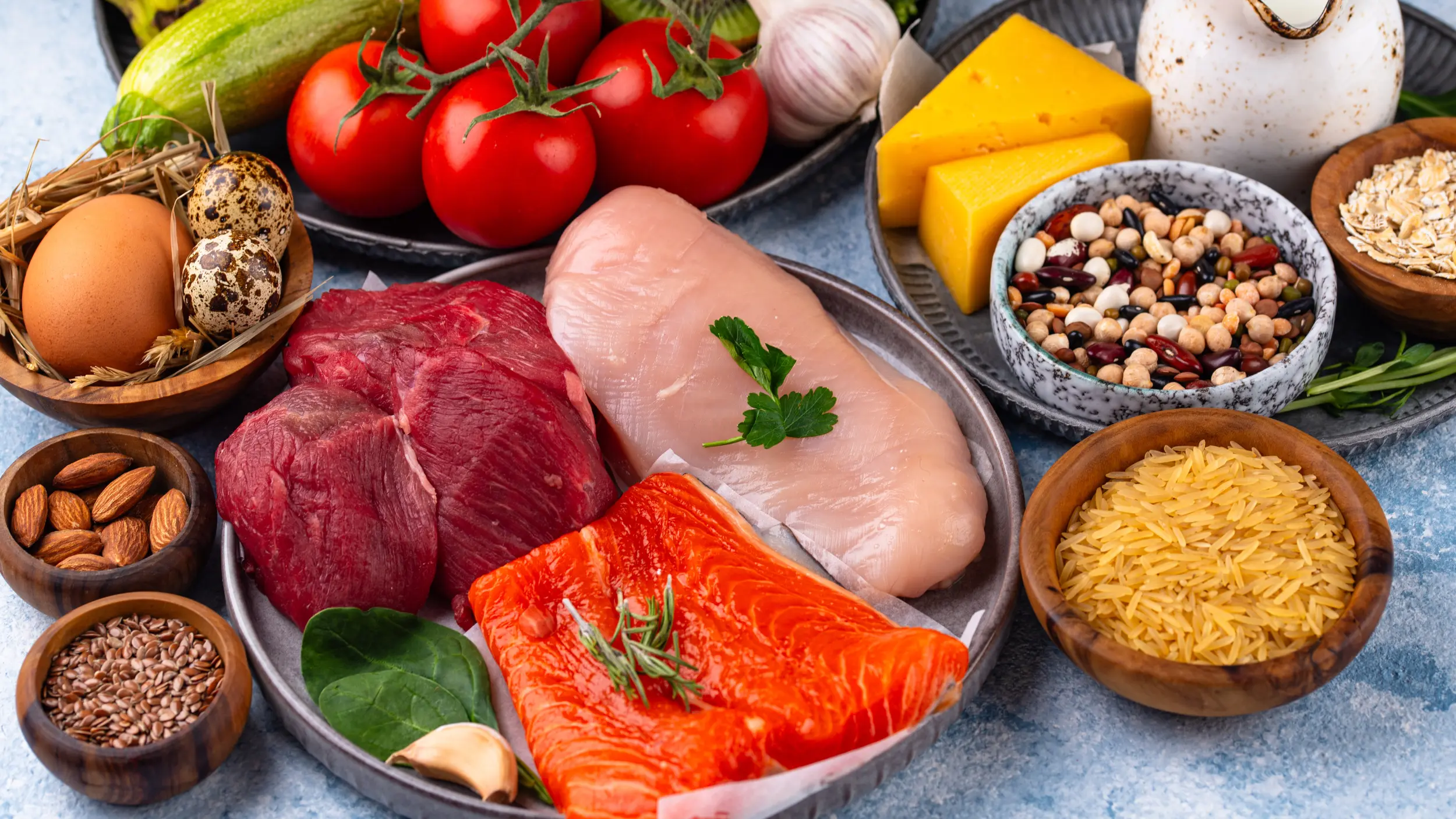
Chicken breast, turkey, fish (salmon, cod, tilapia), eggs, egg whites, Greek yogurt, cottage cheese, tofu, tempeh, edamame, lentils, and lean cuts of beef or pork. When appetite is low, practitioners on Reddit and GLP 1 forums often recommend liquid or soft protein sources like protein shakes, bone broth, or cottage cheese as easier to tolerate options.
Complex Carbohydrates and Low Glycemic Foods
Carbs aren't the enemy on Mounjaro. The right carbohydrates provide steady energy, feed gut bacteria, and supply essential fiber. The key is choosing low glycemic index (low GI) options that cause a gradual rise in blood sugar rather than a spike.
Good choices include oats, quinoa, brown rice, sweet potatoes, barley, whole grain bread, and legumes. These foods also tend to be high in fiber, which addresses one of the most common side effects of the medication.
Healthy Fats
Unsaturated fats from avocado, olive oil, nuts, seeds, and fatty fish support hormone function and help absorb fat soluble vitamins. They're calorie dense, so portions matter when total intake is already reduced. A tablespoon of olive oil or a quarter of an avocado at meals is usually sufficient.
Sodium Reduction on Mounjaro
Sodium doesn't get enough attention in GLP 1 diet conversations, but it should. When total food volume drops by half, most people assume their sodium intake drops proportionally. That's only true if the remaining food is whole, unprocessed, and home cooked. In practice, many Mounjaro users rely on convenience foods during low appetite days (canned soups, deli meats, frozen meals, protein bars) and these tend to be sodium dense.
The American Heart Association recommends no more than 2,300 mg of sodium per day, with an ideal limit of 1,500 mg for people managing blood pressure or cardiovascular risk. For Mounjaro users, sodium matters for a few specific reasons:
- Bloating and water retention can mask fat loss on the scale, which is demoralizing when you're doing everything else right
- Blood pressure effects: tirzepatide improves metabolic markers, but excess sodium can undercut those gains
- GI discomfort: high sodium foods often overlap with the high fat, processed foods that already worsen nausea and delayed gastric emptying
Practitioners on Reddit report that switching from canned to low sodium broth, rinsing canned beans before use, and seasoning with herbs, citrus, and spices instead of salt made a noticeable difference in how they felt day to day. One user in a GLP 1 support group noted that cutting back on deli meat and switching to fresh roasted chicken slices cut their daily sodium by nearly 800 mg without changing their protein intake.
Practical swaps:
- Choose "no salt added" canned goods
- Season with garlic powder, cumin, smoked paprika, or lemon instead of table salt
- Read labels on protein bars and shakes (some contain 300+ mg per serving)
- When eating out, ask for sauces and dressings on the side
For those also managing heart health alongside their weight, a heart healthy meal planning approach that incorporates DASH principles can complement a Mounjaro diet plan effectively.
Caffeine Considerations on Mounjaro
Coffee and tea are fine for most Mounjaro users, but caffeine requires some thought. The medication already slows gastric emptying and can cause acid reflux, and caffeine stimulates stomach acid production. That combination can make reflux and nausea worse, especially at higher Mounjaro doses.
A few guidelines that registered dietitians commonly share with GLP 1 patients:
- Limit to 1 to 2 cups of coffee per day, especially during dose titration when GI sensitivity is highest
- Avoid caffeine on an empty stomach. Eat a small protein rich snack first, even something as simple as a hard boiled egg or a few bites of Greek yogurt
- Watch what goes in the cup. A black coffee has zero calories and minimal impact. A large flavored latte with syrup and whipped cream can contain 400+ calories and 50+ grams of sugar, which takes up a huge portion of your reduced daily intake
- Caffeine can act as a mild diuretic, compounding the dehydration risk that already comes with GLP 1 appetite suppression. For every caffeinated drink, add an extra glass of water
Some Mounjaro users on forums report that they became more sensitive to caffeine after starting the medication, experiencing jitteriness or heart palpitations at their usual intake. This may be related to the slower absorption dynamics or simply to consuming caffeine with less food in the stomach. If this happens, cutting back gradually is the straightforward fix.
Tea (green, black, or herbal) is generally better tolerated than coffee. Ginger tea, as noted below in the nausea management section, does double duty.
Diet Soda and Artificial Sweeteners on Mounjaro
This is one of the most debated topics in GLP 1 online communities. The short answer: diet soda is not going to derail your weight loss, but it's not doing you any favors either.
The concerns with diet soda on Mounjaro are both practical and emerging:
Carbonation and GI discomfort. Carbonated beverages introduce gas into an already slow moving digestive system. Multiple users on Reddit's GLP 1 subreddits describe feeling uncomfortably bloated after drinking carbonated drinks on tirzepatide, with some reporting that they had to give up sparkling water entirely. If you experience bloating or stomach distension, cutting carbonation is an easy first step.
Artificial sweeteners and gut health. Research on non nutritive sweeteners is still evolving, but some studies suggest that certain artificial sweeteners (particularly sucralose and saccharin) may alter gut microbiome composition. Given that Mounjaro already changes GI motility and gut function, adding another variable that could disrupt gut bacteria isn't ideal. Stevia and monk fruit tend to show more neutral effects in current research.
Appetite and sweet taste. Some dietitians argue that maintaining a strong sweet taste preference through diet soda makes it harder to retrain your palate toward whole foods. Others say it's a harmless replacement that helps people avoid regular soda. The pragmatic take: if diet soda helps you avoid sugary beverages and you tolerate it without GI issues, it's fine in moderation (1 to 2 cans per day max). If you notice increased bloating, cravings, or GI distress, it's worth eliminating for a few weeks to see if symptoms improve.
Better alternatives: plain water, water flavored with cucumber or citrus slices, herbal tea, sparkling water in small amounts if tolerated (though still carbonated), or cold brewed unsweetened tea.
Fiber, Gut Health, and Managing Side Effects
GI side effects are the most common complaint on Mounjaro. Nausea and diarrhea may occur in up to 10% of patients, with constipation, vomiting, and acid reflux also reported. Diet is your first line of defense.
Dietary Fiber
Indigestible plant matter that supports digestion, prevents constipation, and feeds beneficial gut bacteria. Most adults need 25 to 35 grams per day, but many Mounjaro users fall short because their total food intake drops. Prioritize high fiber foods at every meal.
Beta Glucan: The Standout Fiber
Not all fiber is equal. Research highlighted by clinical nutrition practitioners found that beta glucan, a fermentable fiber found in oats, barley, and rye, induced the most weight loss in animal models and may improve insulin sensitivity and satiation. If you're choosing between grains, oatmeal and barley are smart picks.
Other Fermentable Fibers Worth Knowing
Fermentable fibers are broken down by gut bacteria to produce short chain fatty acids, which support gut health and may enhance metabolic function. Key types include:
- Dextrin found in wheat
- Oligosaccharides found in beans, peas, and lentils
- Pectin found in apples, pears, and green bananas
- Psyllium husk, a soluble fiber supplement that helps with both constipation and diarrhea
Constipation Management
Constipation on Mounjaro typically stems from delayed gastric emptying combined with reduced food and fluid intake. The fix involves three things working together: adequate fiber (from the sources above), sufficient hydration, and movement. A short walk after meals helps stimulate digestion and is a recommendation that comes up frequently in clinical dietary instructions.
Nausea Management Through Food
UCHealth dietitian Erin Cahoon recommends ginger tea for nausea (steep sliced fresh ginger root in hot water) and eating 5 to 6 small meals per day rather than 2 to 3 large ones. Other practical tips from clinical sources:
- Eat half of your usual serving size
- Chew food thoroughly and eat slowly
- Avoid lying down right after eating
- Take a short walk after meals
These adjustments become especially important during dose titration, when your body is adjusting to a higher level of the medication.
Hydration on GLP 1 Medications
Aim for 8 to 10 glasses of water daily (48 to 80 ounces). GLP 1 medications can dial back your sense of thirst right alongside your appetite. You may simply not feel thirsty, even when your body needs fluids. Track your water intake, at least during the first few months.
The recommendation to sip between meals rather than with meals serves double duty: it reduces nausea risk and ensures you're not filling stomach volume with liquid when you could be eating nutrient dense food.
Foods to Eat and Foods to Avoid on Mounjaro
This section serves as a quick reference framework. The underlying principle is nutrient density: maximize vitamins, minerals, protein, and fiber per calorie.
Foods to Include
Lean proteins: Chicken, turkey, fish, eggs, Greek yogurt, cottage cheese, tofu, lentils, beans, lean beef
Non starchy vegetables: Broccoli, spinach, kale, zucchini, bell peppers, cauliflower, asparagus, nopales, cucumber, tomatoes
Low GI fruits: Berries (blueberries, strawberries, raspberries), apples, pears, green bananas, citrus fruits
Whole grains: Oats, barley, quinoa, brown rice, whole wheat bread, farro
Healthy fats: Avocado, olive oil, nuts (almonds, walnuts), seeds (chia, flax, pumpkin), fatty fish (salmon, sardines)
Dairy and alternatives: Low fat milk, unsweetened plant milks, kefir, cheese in moderation
Foods to Limit or Avoid
Fried and high fat foods: These slow digestion further on top of already delayed gastric emptying, increasing nausea and discomfort.
Ultra processed snacks: Chips, packaged baked goods, candy. Calorie dense, nutrient poor, and they take up stomach space that should go to protein and fiber.
Sugary beverages: Soda, sweetened coffee drinks, juice. Liquid calories bypass satiety signals and provide no nutritional return.
Carbonated drinks: Carbonation can worsen bloating and stomach discomfort when gastric emptying is slowed.
High sodium convenience foods: Canned soups, frozen dinners, deli meats, and salty snacks. These contribute to water retention and can undercut the metabolic improvements Mounjaro provides.
Alcohol: Alcohol is calorie dense (7 calories per gram) with zero nutritional value. It can worsen nausea, impair blood sugar regulation, and interact with the medication's effects on gastric motility. During dose titration especially, limiting or avoiding alcohol is the safer choice. If you do drink, keep it minimal and avoid it on the day of your injection.
Practical Diet Concepts for Everyday Life on Mounjaro
Nutrient Density
This is the organizing principle behind any good Mounjaro diet plan. Nutrient density means the ratio of essential nutrients to calories in a food. When you're eating 50% of your former intake, a plate of french fries and a plate of salmon with roasted vegetables are not equally valid choices, even if the calorie count happens to be similar.
A simple framework: fill half your plate with non starchy vegetables, a quarter with lean protein, and a quarter with complex carbs. Add a small amount of healthy fat. This "plate method" gives you nutrient density without requiring calorie counting.
Meal Timing and Small Frequent Meals
Eating 5 to 6 smaller meals rather than 2 to 3 large ones helps manage nausea, stabilize blood sugar, and ensures you actually consume enough protein throughout the day. Practitioners frequently suggest front loading protein earlier when appetite tends to be better, then tapering to lighter meals or snacks in the evening.
Cultural Food Adaptation
Every major article about Mounjaro nutrition lists the same Western centric food examples. But the principles work just as well with traditional Latin American staples, Middle Eastern cuisine, or South Asian dishes. Black beans and pinto beans are excellent sources of both protein and fermentable fiber. Nopales are low calorie and high in fiber. Lean carne asada over a small portion of brown rice hits the protein and complex carb targets. Corn tortillas in moderation are a reasonable whole grain option.
The point is that a Mounjaro diet plan doesn't require abandoning the foods your family eats. It requires understanding the principles and applying them to the ingredients and recipes you already know.
If you want a dietitian who understands your cultural background, Vedic's team includes bilingual RDs who build meal plans around the foods you actually enjoy.
Clinical Outcomes and Long Term Planning
Body Composition
The ratio of fat mass to lean mass in your body. This matters more than the number on the scale. The SURMOUNT 1 data showing a 21.3% total body weight reduction with a 33.9% decrease in fat mass and 10.9% decrease in lean mass tells a clear story: without dietary intervention and resistance training, you will lose meaningful muscle along with fat. A detailed guide on meal plans to prevent muscle loss covers this in more depth.
Metabolic Adaptation
Your body's tendency to lower its metabolic rate during sustained weight loss. This is a survival mechanism, not a flaw. It means your body burns fewer calories at rest as you get lighter. The two most effective countermeasures are maintaining muscle mass through adequate protein and strength training, and understanding that strategic nutrition adjustments can help prevent prolonged plateaus.
If you've hit a stall on your GLP 1 medication, dietary factors are often the culprit. Insufficient protein, inadequate hydration, and poor nutrient density are common patterns. A detailed breakdown of reasons you may not be losing weight on GLP 1 medication covers this topic thoroughly.
Weight Regain After Stopping
This is the number that should motivate you to take your diet seriously right now. A study following tirzepatide discontinuation found that participants regained roughly 14% of their lost weight within one year of stopping treatment, an average of 24.5 pounds.
The habits you build while on the medication are the actual long term investment. The weight loss is partly pharmacological, but the dietary patterns, the protein habits, the relationship with food, those are yours to keep even if you eventually stop the drug. For strategies on maintaining your results, see this guide on keeping weight off after medication.
Medical Nutrition Therapy (MNT)
Evidence based nutrition counseling delivered by a registered dietitian. MNT is distinct from generic diet advice because it's personalized to your labs, medical history, and specific medications. For GLP 1 users, MNT typically focuses on protein forward meal planning, GI side effect management, lean mass preservation, and building sustainable habits for post medication life.
MNT is often covered by insurance, which many people don't realize. If you're on Mounjaro and want dietitian support that accounts for your specific dose, side effects, and goals, Vedic's registered dietitians specialize in GLP 1 nutrition and work with most major insurance plans. Ninety five percent of their clients pay $0 out of pocket.
7 Day Mounjaro Diet Plan
The following weekly Mounjaro diet plan is a framework, not a rigid prescription. Individual needs vary based on body weight, activity level, dose, and medical history. Each day targets roughly 80 to 110 grams of protein, keeps sodium moderate, and distributes nutrients across 5 eating occasions to manage nausea and satiety.
Adjust portions based on your appetite. On low appetite days, prioritize the highest protein meals and skip the lower protein snacks rather than the other way around.
Day 1
| Meal | What to Eat | Protein (approx.) |
|---|---|---|
| Breakfast | 2 scrambled eggs with spinach, 1 slice whole grain toast | 25g |
| Snack | Plain Greek yogurt with blueberries and 1 tbsp chia seeds | 15g |
| Lunch | Grilled chicken breast over mixed greens with avocado and olive oil vinaigrette | 30g |
| Snack | Cottage cheese with sliced cucumber | 12g |
| Dinner | Baked salmon with roasted broccoli and 1/2 cup quinoa | 25g |
Day 2
| Meal | What to Eat | Protein (approx.) |
|---|---|---|
| Breakfast | Overnight oats made with protein powder, almond butter, and raspberries | 28g |
| Snack | Hard boiled egg and a small handful of almonds | 10g |
| Lunch | Turkey and black bean lettuce wraps with salsa and a squeeze of lime | 28g |
| Snack | String cheese and an apple | 8g |
| Dinner | Lean ground turkey stir fry with bell peppers, zucchini, and brown rice | 30g |
Day 3
| Meal | What to Eat | Protein (approx.) |
|---|---|---|
| Breakfast | Cottage cheese bowl with sliced peaches and a sprinkle of pumpkin seeds | 22g |
| Snack | Protein shake (whey or plant based) blended with frozen berries | 20g |
| Lunch | Lentil soup with a side of whole grain bread | 18g |
| Snack | Edamame (1/2 cup shelled) | 9g |
| Dinner | Grilled cod with roasted asparagus and sweet potato wedges | 28g |
Day 4
| Meal | What to Eat | Protein (approx.) |
|---|---|---|
| Breakfast | 2 egg omelet with mushrooms, tomatoes, and a sprinkle of feta | 20g |
| Snack | Greek yogurt with a tablespoon of flaxseed | 15g |
| Lunch | Carne asada (4 oz lean flank steak) over a small portion of brown rice with pinto beans and nopales | 32g |
| Snack | Cucumber slices with hummus | 5g |
| Dinner | Baked chicken thighs (skinless) with roasted cauliflower and barley | 28g |
Day 5
| Meal | What to Eat | Protein (approx.) |
|---|---|---|
| Breakfast | Smoothie with protein powder, spinach, banana, and unsweetened almond milk | 25g |
| Snack | 2 hard boiled eggs | 12g |
| Lunch | Tuna salad (made with Greek yogurt instead of mayo) on whole grain crackers with mixed greens | 28g |
| Snack | Small handful of walnuts and a pear | 5g |
| Dinner | Tofu and vegetable curry with 1/2 cup brown rice | 22g |
Day 6
| Meal | What to Eat | Protein (approx.) |
|---|---|---|
| Breakfast | Whole grain toast with mashed avocado and 2 poached eggs | 18g |
| Snack | Cottage cheese with a few strawberries | 14g |
| Lunch | Chicken and black bean burrito bowl (no tortilla) with brown rice, salsa, lettuce, and a dollop of plain Greek yogurt | 35g |
| Snack | Roasted chickpeas (1/4 cup) | 5g |
| Dinner | Baked tilapia with sautéed kale and a small baked sweet potato | 26g |
Day 7
| Meal | What to Eat | Protein (approx.) |
|---|---|---|
| Breakfast | Greek yogurt parfait with oats, berries, and a drizzle of honey | 18g |
| Snack | Turkey roll ups (deli turkey wrapped around cucumber sticks, choose low sodium turkey) | 12g |
| Lunch | Grilled shrimp tacos on corn tortillas with cabbage slaw and lime crema | 25g |
| Snack | Apple with 1 tbsp almond butter | 4g |
| Dinner | Lean pork tenderloin with roasted Brussels sprouts and farro | 30g |
A few notes on this meal plan:
- Every day hits at least 80g of protein, and most land between 95 and 110g. For a 150 pound person targeting 1.2 g/kg, the minimum is roughly 82g, so these days clear that comfortably.
- If nausea is an issue, cut each serving in half and eat more frequently.
- Swap any protein source for another from the approved list. The structure matters more than the specific ingredients.
- Day 4 intentionally uses Latin American staples to illustrate that cultural foods fit perfectly within this framework.
- Sodium is kept moderate by relying on whole foods and home cooking. When using canned beans or broth, choose low sodium versions.
Frequently Asked Questions
Is there an official Mounjaro diet plan?
No. Eli Lilly, the manufacturer of Mounjaro, does not provide a specific diet plan. They recommend working with a healthcare provider to develop an individualized nutrition approach. The dietary principles in this guide are based on clinical evidence and registered dietitian recommendations for GLP 1 medication users.
How many calories should I eat on Mounjaro?
There's no universal calorie target. Clinical observations suggest most patients naturally eat about 50% of their pre medication intake due to appetite suppression. Rather than counting calories obsessively, focus on hitting your protein target (1.2 to 1.6 g/kg of ideal body weight) and filling the rest with vegetables, whole grains, and healthy fats. A registered dietitian can help you build a personalized nutrition plan based on your labs, weight, and medical history.
Should I count macros on Mounjaro?
Full macro tracking works for some people, but most Mounjaro users get more value from simply tracking protein. If you consistently hit 20 to 30 grams of protein per meal and prioritize whole foods, the fat and carbohydrate balance tends to fall into a reasonable range without meticulous counting.
Can I eat eggs, bread, and dairy on Mounjaro?
Yes to all three. Eggs are one of the best protein sources available. Whole grain bread provides fiber and complex carbs. Dairy products like Greek yogurt and cottage cheese are protein rich. The foods to avoid are primarily fried items, ultra processed snacks, and sugary drinks, not whole food categories.
Can I drink alcohol on Mounjaro?
It's best to limit or avoid alcohol, particularly during dose titration. Alcohol provides empty calories, can worsen nausea and GI symptoms, and may impair blood sugar control. If you do choose to drink occasionally, keep portions small and avoid alcohol on injection day.
Can I drink diet soda on Mounjaro?
In moderation, yes. But carbonation can worsen bloating when gastric emptying is already slowed, and some artificial sweeteners may affect gut bacteria. If you tolerate it without GI issues, 1 to 2 cans per day is a reasonable limit. Plain water, herbal tea, or water infused with fruit are better default choices.
How much sodium should I have on Mounjaro?
Aim for no more than 2,300 mg per day, and ideally closer to 1,500 mg if you're managing blood pressure. Pay close attention to packaged protein bars, canned soups, and frozen meals, which are common sodium sources for people with reduced appetites who lean on convenience foods.
What if I have PCOS and I'm on Mounjaro?
The principles are the same, with extra emphasis on blood sugar management through low GI foods and adequate protein. Many people with PCOS on tirzepatide see improvements in insulin resistance. A high protein PCOS diet plan can work alongside your Mounjaro treatment.
How do I prevent muscle loss on Mounjaro?
Two things: protein intake and resistance training. Aim for 1.2 to 1.6 g/kg of protein daily, distributed across meals. Combine this with strength training at least two to three times per week. The SURMOUNT 1 data showing 25% of weight loss coming from lean mass makes this combination essential, not optional.
When should I see a dietitian while on Mounjaro?
Ideally, as early as possible after starting treatment. A dietitian can help you establish protein targets, manage side effects through food choices, and build habits that last beyond the medication.
Check if your insurance covers a Vedic dietitian (most plans, $0 out of pocket)
.svg)
.svg)






.webp)

.webp)
.webp)
.webp)
.webp)


.webp)
.webp)
.webp)
.webp)

.webp)