.webp)
.webp)
%2B(7).webp)
.png)
At a Glance
GLP-1 medications dramatically reduce your appetite, which means every bite needs to count toward meeting your nutritional needs. This evidence-based guide will show you exactly which foods to prioritize, how to structure your meals when hunger signals are diminished, and which nutrient deficiencies to monitor closely. You'll walk away with actionable strategies to nourish your body effectively while managing the appetite-suppressing effects of GLP-1 therapy.
Nourishing Your Body on GLP-1: Focus on Nutrient-Dense Foods
When your appetite is suppressed by GLP-1 medications like semaglutide or tirzepatide, you're typically consuming 30-40% fewer calories than before [1]. This creates a critical challenge: how do you meet your body's micronutrient needs when you're eating significantly less food?
The answer lies in nutrient density. Every meal becomes an opportunity to deliver maximum nutrition in minimal volume.
Your GLP-1 Food List: The Non-Negotiables
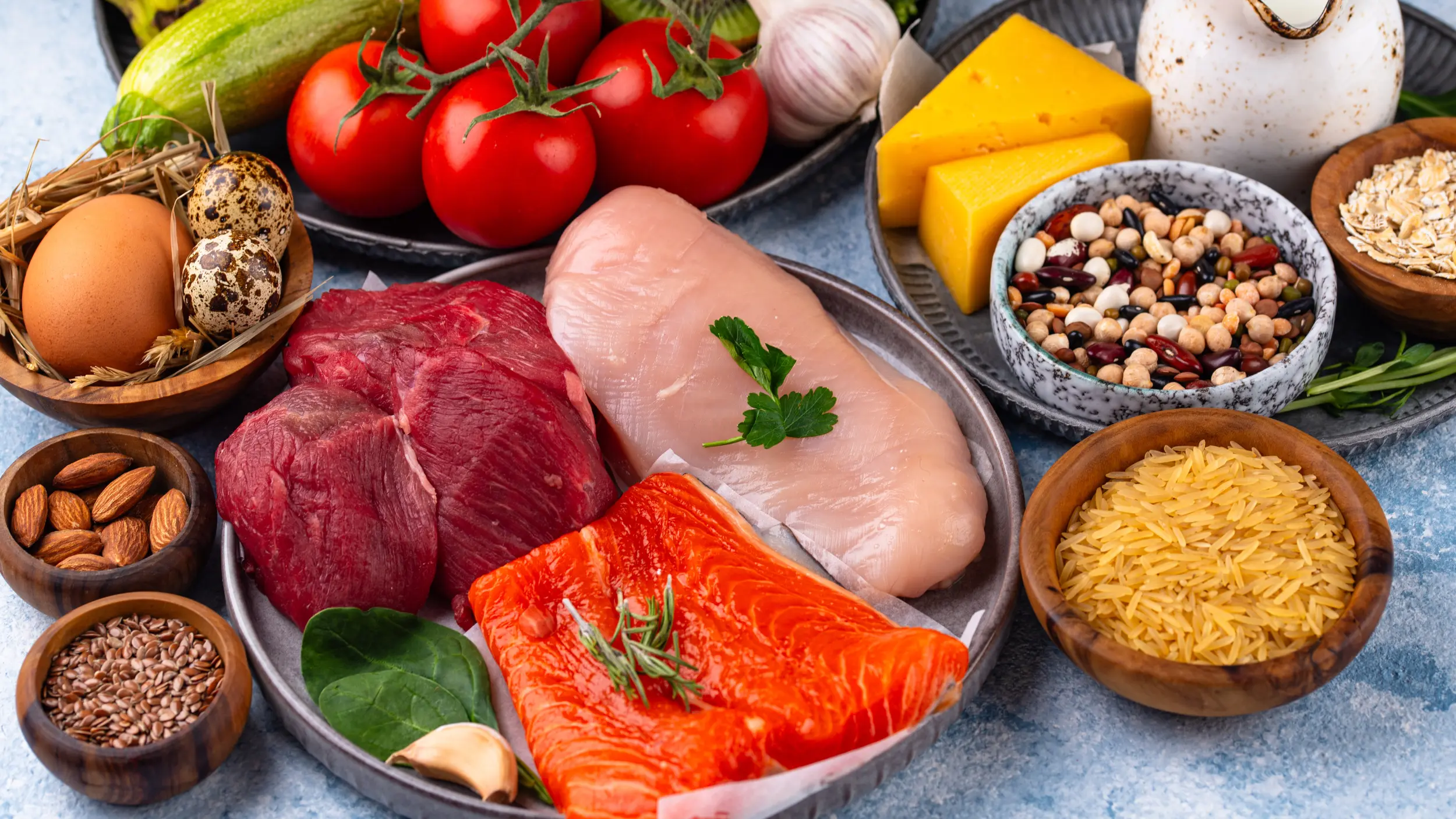
Protein should anchor every single eating occasion. Your body needs approximately 0.7-1.0 grams of protein per pound of goal body weight to preserve lean muscle mass during weight loss [2]. On a reduced-calorie GLP-1 diet, this often means 25-35% of your total intake should come from protein sources.
The best protein choices for GLP-1 nutrition include:
- Greek yogurt (20g protein per cup, plus gut-supporting probiotics)
- Eggs (6g protein each, with bioavailable choline and B vitamins)
- Wild-caught salmon (23g protein per 3oz, rich in anti-inflammatory omega-3s)
- Chicken breast (26g protein per 3oz, easily digestible)
- Cottage cheese (14g protein per half cup, ideal for snacking)
- Lean ground turkey (22g protein per 3oz)
Iron-rich foods become critical because many women already enter GLP-1 therapy with suboptimal iron stores. The reduced food volume can quickly lead to deficiency, causing fatigue that's often mistaken for a medication side effect [3].
Prioritize heme iron sources (animal-based, absorbed 2-3 times more efficiently): grass-fed beef, chicken thighs, sardines, and oysters. Pair non-heme plant sources like lentils and spinach with vitamin C to enhance absorption.
Calcium and vitamin D deserve special attention. Women on GLP-1 medications can lose bone mineral density if intake drops too low [4]. Aim for three servings daily of calcium-rich foods: full-fat dairy, fortified plant milks, canned salmon with bones, or dark leafy greens.
The Vitamin B12 Factor
GLP-1 medications slow gastric emptying, which can interfere with B12 absorption from food sources [5]. This water-soluble vitamin is essential for energy production, nerve function, and red blood cell formation.
Include B12-rich animal proteins daily, and consider asking your healthcare provider about monitoring your levels every 6 months. If you're noticing unexplained fatigue or cognitive fog, this could be the culprit.
Smart Strategies for GLP-1 Meal Planning & Snack Ideas
Let's talk about what actually works when you're trying to figure out what to eat on GLP-1 therapy. Traditional meal planning advice doesn't apply here because you're working with a fundamentally different appetite landscape.
Restructure Your Eating Windows
Forget three square meals. Most of my clients thrive on 4-5 smaller eating occasions spread throughout the day, consuming 200-350 calories each. This approach prevents the uncomfortable fullness that can trigger nausea while ensuring consistent nutrient delivery.
- Morning protein focus (within 90 minutes of waking): Two eggs scrambled with spinach and feta, or Greek yogurt with berries and almonds
- Mid-morning mini-meal: Cottage cheese with cucumber slices and everything bagel seasoning
- Early afternoon main meal (when GLP-1 appetite suppression is often lowest): 4oz grilled chicken over mixed greens with olive oil dressing and roasted sweet potato
- Afternoon protein snack: Turkey roll-ups with avocado or protein smoothie
- Light early evening option: Baked salmon with steamed broccoli and quinoa
GLP-1 Friendly Snacks That Actually Deliver
The best snacks combine protein with either healthy fats or fiber to provide sustained energy without triggering GI distress.
Grab-and-go options that work:
- Hard-boiled eggs with a handful of nuts
- String cheese paired with cherry tomatoes
- Protein smoothie made with collagen peptides, frozen berries, and nut butter
- Smoked salmon on cucumber rounds
- Roasted chickpeas (homemade to control sodium)
- Nut butter on apple slices
Hydration deserves its own strategy. Many people mistake thirst for lack of appetite on GLP-1 medications. Aim for 64-80 ounces of fluid daily, but here's the trick: drink between meals rather than with them. Liquid takes up valuable stomach space when capacity is limited.
Preventing GLP-1 Nutrient Deficiencies
The most common deficiencies I see in my practice involve vitamin B12, iron, calcium, vitamin D, magnesium, and fiber [6]. Here's how to stay ahead of them:
Schedule baseline labs before starting GLP-1 therapy, then recheck at 3-6 month intervals. Your panel should include CBC (for iron), comprehensive metabolic panel, vitamin D, and B12.
Supplementation becomes non-negotiable for most women. Even with careful food choices, hitting all micronutrient targets on 1200-1500 calories daily is nearly impossible. I typically recommend a high-quality multivitamin, vitamin D3 (2000-4000 IU based on lab values), and potentially iron if stores are low.
For those struggling with common weight loss plateaus on GLP-1 medications, inadequate protein intake is frequently the underlying issue.
Understanding GLP-1 Side Effects and Dietary Adjustments
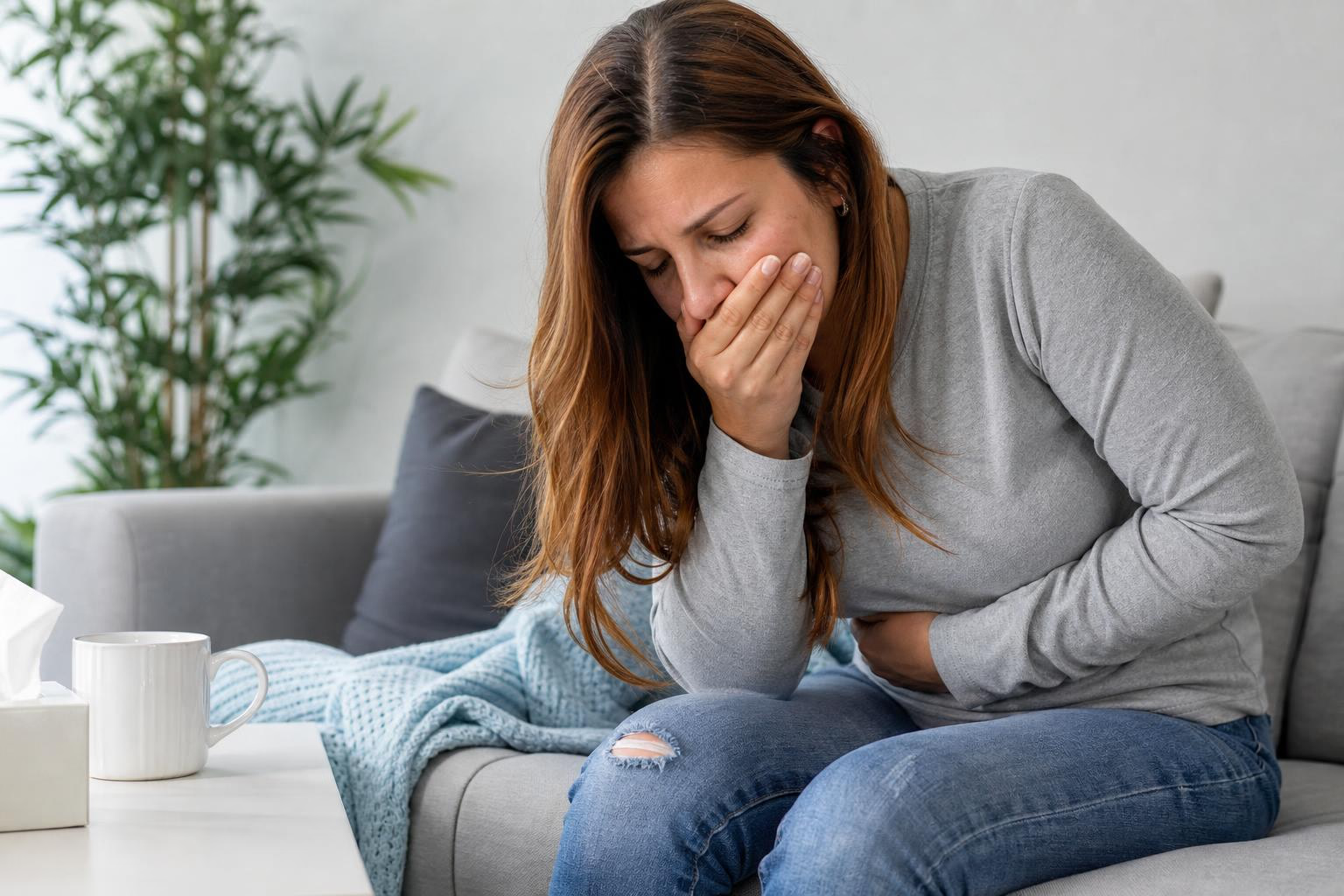
The GLP-1 side effects that most dramatically impact your eating habits are nausea, early satiety, constipation, and occasional reflux. Each requires specific dietary modifications.
Managing Nausea Through Food Choices
Nausea typically peaks 24-72 hours after your injection and gradually improves throughout the week [7]. During these windows, your food tolerance changes significantly.
When nausea hits, shift to easily digestible protein sources: bone broth, plain Greek yogurt, scrambled eggs, or protein shakes. Avoid high-fat meals during this period, as fat delays gastric emptying even further and can worsen symptoms.
Ginger has legitimate anti-nausea properties supported by clinical evidence [8]. Keep fresh ginger tea or ginger chews on hand. Peppermint tea can also soothe digestive discomfort.
Constipation Solutions That Work
Slowed GI motility affects nearly 30% of people on GLP-1 medications [9]. The combination of reduced food volume, decreased fluid intake, and the medication's mechanism creates a perfect storm.
Your fiber needs don't decrease just because your appetite does. Women still need 25-30 grams daily, which requires intentional planning:
- Start your day with chia seed pudding (10g fiber per serving)
- Choose high-fiber crackers or sprouted grain bread (4-5g per serving)
- Add ground flaxseed to smoothies or yogurt (3g fiber per tablespoon)
- Include vegetables at every meal, even breakfast
- Consider a gentle fiber supplement like partially hydrolyzed guar gum if food sources aren't sufficient
Magnesium supplementation serves double duty for constipation and muscle health during weight loss. Magnesium glycinate (300-400mg daily) supports regularity without causing urgency.
The Protein Timing Strategy
Protein distribution matters more than total daily intake when you're on GLP-1 therapy. Research shows consuming 25-30 grams of protein per meal maximally stimulates muscle protein synthesis [10].
If you can only manage three eating occasions daily, this becomes your minimum target per meal. Undereating protein is one of the fastest paths to losing muscle mass alongside fat, which ultimately slows your metabolism and makes long-term weight maintenance harder.
Best Foods for GLP-1: The Anti-Inflammatory Advantage
GLP-1 medications reduce systemic inflammation independent of weight loss [11]. You can amplify this benefit through food choices that provide additional anti-inflammatory compounds.
Build your GLP-1 meal plan around these foods:
- Fatty fish (salmon, mackerel, sardines) 2-3 times weekly for EPA and DHA omega-3s
- Colorful vegetables providing polyphenols and carotenoids
- Extra virgin olive oil as your primary fat source
- Berries rich in anthocyanins
- Green tea containing EGCG
- Turmeric and ginger for their curcumin and gingerol content
Avoid ultra-processed foods, which trigger inflammatory pathways and provide minimal nutrition per calorie—exactly what you can't afford when eating volume is limited.
Frequently Asked Questions
What are the most common GLP-1 nutrient deficiencies to watch out for?
Vitamin B12, iron, calcium, and vitamin D top the list. These deficiencies develop because you're consuming significantly less food overall, and GLP-1 medications can interfere with the absorption of certain nutrients like B12. Women often experience fatigue, brittle nails, hair thinning, or brain fog when deficiencies develop. Request baseline labs before starting therapy and follow-up testing every 3-6 months to catch issues early.
Can I still enjoy treats while on a GLP-1 diet?
Absolutely, but your tolerance will likely change. Many women find that high-sugar or high-fat treats trigger significant nausea or GI discomfort on GLP-1 medications. Start with very small portions to test your response. A few bites of dark chocolate or a small serving of frozen yogurt often satisfies cravings without consequences. The silver lining? The medication naturally reduces reward-driven eating and cravings for many people, making it easier to feel satisfied with less [12].
How can I ensure I'm eating enough protein on a GLP-1 meal plan?
Make protein the first food on your plate at every meal, and track your intake for at least two weeks to establish awareness. Most women need 80-120 grams daily depending on body size and activity level. If you're consistently falling short through food alone, add a high-quality protein powder to one meal daily. Collagen peptides dissolve easily in coffee or tea and provide 18-20 grams per serving without affecting taste. Understanding why the scale might not move despite your efforts often comes down to inadequate protein intake.
Should I take a multivitamin while on GLP-1 medications?
Yes, for most women this becomes essential rather than optional. Choose a high-quality option that provides at least 100% of the RDA for B vitamins, iron (if premenopausal), vitamin D, and calcium. Take it with your largest meal to enhance absorption of fat-soluble vitamins. This isn't about replacing whole foods—it's insurance against gaps that inevitably occur when consuming fewer calories.
What should I eat right after my GLP-1 injection?
Actually, many women find that eating a small, protein-focused meal 1-2 hours before their injection helps minimize nausea. After injection, wait until you feel genuinely hungry rather than eating by the clock. When you do eat, choose easily digestible options like scrambled eggs, Greek yogurt, or a smoothie rather than heavy or fatty meals. The 24-48 hours post-injection are typically when appetite suppression and nausea peak, so keep your expectations realistic during this window.
Are there specific GLP-1 appetite suppressant foods I should avoid?
This is actually a misconception—GLP-1 medications themselves are the appetite suppressant. However, certain foods can worsen side effects. Avoid large portions of high-fat foods (fried items, heavy cream sauces, fatty cuts of meat) especially in the 48 hours after injection, as they delay gastric emptying even further. Highly processed carbohydrates and sugary foods can trigger blood sugar swings and intensify cravings. Carbonated beverages often cause uncomfortable bloating when stomach capacity is already reduced.
How do I handle social eating and restaurants on GLP-1?
Communicate your needs without apology. Order appetizer portions as your main course, or split an entree. Most restaurants will accommodate requests like dressing on the side or grilled instead of fried. Eat protein first, then vegetables, saving any starches for last if you still have room. Don't feel pressured to finish your plate—the days of cleaning your plate are over, and that's actually a good thing. Bring home leftovers guilt-free.
What about alcohol on a GLP-1 meal plan?
Proceed with extreme caution. Alcohol hits harder and faster when your stomach empties slowly, and many women report feeling intoxicated from amounts that previously didn't affect them [13]. Alcohol also provides empty calories you can't afford when trying to meet protein and micronutrient needs in a limited calorie budget. If you choose to drink, limit yourself to one serving with food, stay well-hydrated, and never drink on an empty stomach.
Can GLP-1 medications cause hair loss, and can diet help?
Hair thinning on GLP-1 therapy usually results from rapid weight loss and inadequate protein intake rather than the medication itself [14]. Your hair follicles need specific nutrients: protein (especially the amino acids cysteine and methionine), iron, zinc, biotin, and vitamin D. Ensure you're hitting your protein targets daily, and consider adding collagen peptides specifically for hair, skin, and nail support. If hair loss is significant, get labs to rule out deficiencies.
Your Next Steps for GLP-1 Success
Navigating GLP-1 nutrition doesn't have to feel complicated or restrictive. The principles are straightforward: prioritize protein at every meal, choose nutrient-dense whole foods, stay ahead of deficiencies through strategic supplementation, and adjust your eating patterns to match your medication's effects.
The women who see the best long-term results are those who view this as an opportunity to completely reset their relationship with food. When you're not driven by constant hunger and cravings, you can make choices based on what truly nourishes your body rather than what momentarily satisfies appetite.
Remember that GLP-1 medications are tools, not solutions by themselves. The habits you build around food quality, meal timing, and nutrient prioritization will serve you long after you reach your goal weight.
Ready to create a personalized GLP-1 nutrition plan tailored specifically to your body, your schedule, and your goals? I'd love to work with you one-on-one to optimize your results while feeling energized and nourished throughout the process. Book your consultation today and let's make this your most successful health transformation yet.
References
[1] Wilding JPH, et al. Once-Weekly Semaglutide in Adults with Overweight or Obesity. New England Journal of Medicine, 2021.
[2] Longland TM, et al. Higher compared with lower dietary protein during an energy deficit combined with intense exercise promotes greater lean mass gain and fat mass loss: a randomized trial. American Journal of Clinical Nutrition, 2016.
[3] Abbaspour N, et al. Review on iron and its importance for human health. Journal of Research in Medical Sciences, 2014.
[4] Schafer AL, et al. Changes in bone turnover markers and bone mineral density in adults with obesity following bariatric surgery: a systematic review and meta-analysis. JBMR Plus, 2022.
[5] Bauman WA, et al. Increased intake of calcium reverses vitamin B12 malabsorption induced by metformin. Diabetes Care, 2000.
[6] Parrott J, et al. American Society for Metabolic and Bariatric Surgery Integrated Health Nutritional Guidelines for the Surgical Weight Loss Patient 2016 Update. Surgery for Obesity and Related Diseases, 2017.
[7] Pi-Sunyer X, et al. A Randomized, Controlled Trial of 3.0 mg of Liraglutide in Weight Management. New England Journal of Medicine, 2015.
[8] Marx W, et al. Ginger mechanism of action in chemotherapy-induced nausea and vomiting: A review. Critical Reviews in Food Science and Nutrition, 2017.
[9] Jastreboff AM, et al. Tirzepatide Once Weekly for the Treatment of Obesity. New England Journal of Medicine, 2022.
[10] Moore DR, et al. Protein ingestion to stimulate myofibrillar protein synthesis requires greater relative protein intakes in healthy older versus younger men. Journals of Gerontology Series A: Biological Sciences and Medical Sciences, 2015.
[11] Bethel MA, et al. Cardiovascular outcomes with glucagon-like peptide-1 receptor agonists in patients with type 2 diabetes: a meta-analysis. The Lancet Diabetes & Endocrinology, 2018.
[12] van Bloemendaal L, et al. Effects of glucagon-like peptide 1 on appetite and body weight: focus on the CNS. Journal of Endocrinology, 2014.
[13] Kalarchian MA, et al. Alcohol use among bariatric surgery candidates: baseline data from the Longitudinal Assessment of Bariatric Surgery study. Surgery for Obesity and Related Diseases, 2012.
[14] Finner AM. Nutrition and hair: deficiencies and supplements. Dermatologic Clinics, 2013.
.svg)
.svg)





.webp)

.webp)
.webp)
.webp)

.webp)
.webp)
.webp)
.webp)

.webp)