.webp)
.webp)
%2B(7).webp)
.png)
At a Glance
Natural GLP-1 diet foods work by stimulating your body's own production of glucagon-like peptide-1, a powerful hormone that regulates appetite and blood sugar. This comprehensive guide explores evidence-based foods that mimic GLP-1 effects, helping you feel fuller longer while supporting sustainable weight loss. By incorporating specific proteins, fibers, and healthy fats into your daily routine, you can harness your body's natural appetite control mechanisms without relying solely on medication.
Understanding GLP-1 and How Diet Can Help
GLP-1 (glucagon-like peptide-1) is one of the most fascinating hormones your body produces, and honestly? It's been getting a lot of attention lately for good reason. This incretin hormone gets released by cells in your small intestine in response to food, and it does some pretty incredible things: it slows gastric emptying, signals fullness to your brain, improves insulin sensitivity, and reduces those relentless cravings that derail even the best intentions [1].
While GLP-1 receptor agonist medications like semaglutide have become household names in 2026, here's what many people don't realize: your diet directly influences how much natural GLP-1 your body produces. Certain foods trigger a robust GLP-1 response, essentially mimicking the effects of these medications through your own biological pathways [2].
The mechanism is elegant. When you eat foods rich in specific nutrients—particularly protein, fiber, and certain healthy fats—specialized L-cells lining your intestinal wall detect these nutrients and release GLP-1 into your bloodstream [3]. This natural surge tells your brain you're satisfied, slows down how quickly food leaves your stomach, and helps stabilize blood sugar levels that would otherwise trigger hunger and energy crashes.
What makes this approach so powerful for women in our age group is that it addresses the root cause of appetite dysregulation rather than just restricting calories. If you've been struggling with a slow metabolism, you're not alone—many of my clients discover their metabolic function needs resetting before dietary changes can work optimally.
The beauty of focusing on natural GLP-1 diet foods? You're working with your body's existing hormonal systems, not against them. This makes weight loss feel less like deprivation and more like finally giving your body what it's been asking for all along.
Top Foods to Naturally Support Your GLP-1 Response
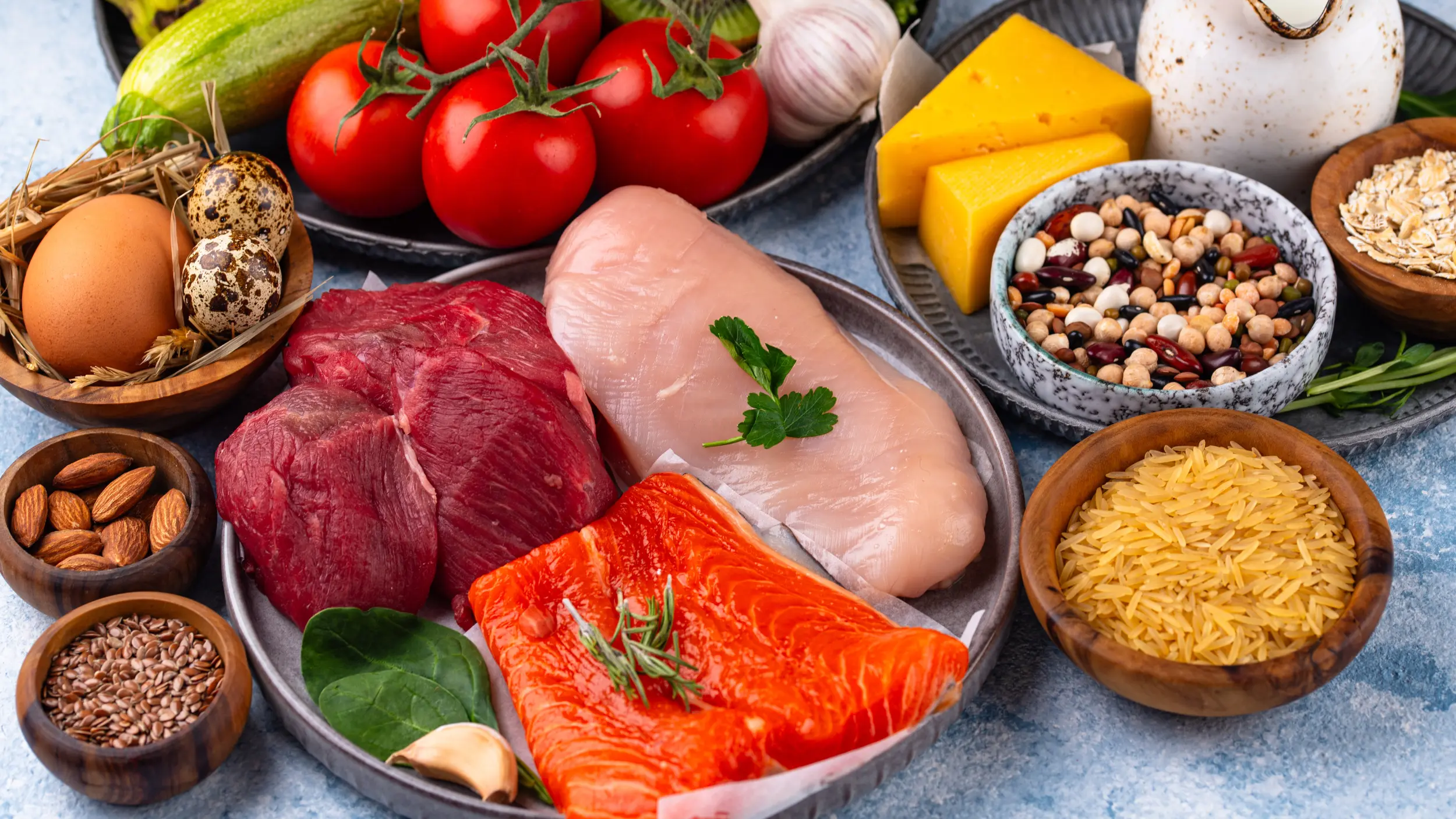
Let's get specific about the foods that can transform your appetite control and support your weight management goals. These aren't trendy superfoods or expensive supplements—they're accessible, delicious whole foods backed by solid research.
Protein-Rich Powerhouses
Protein is arguably the most potent dietary trigger for GLP-1 secretion [4]. When protein hits your small intestine, those L-cells go into overdrive.
- Eggs are my go-to recommendation. Two eggs at breakfast can trigger significant GLP-1 release and keep you satisfied for hours. The leucine content is particularly effective at stimulating incretin hormones.
- Wild-caught fatty fish like salmon, mackerel, and sardines combine high-quality protein with omega-3 fatty acids, which independently support GLP-1 production [5].
- Greek yogurt (look for unsweetened, full-fat versions) delivers both protein and probiotics that support the gut environment where GLP-1 is produced.
- Lean poultry and grass-fed beef provide complete amino acid profiles that maximize the GLP-1 response.
Pro tip: Aim for 25-35 grams of protein at each main meal to optimize satiety hormones throughout the day.
Fiber Champions
Dietary fiber—particularly soluble and viscous fibers—slows nutrient absorption and creates sustained GLP-1 secretion [6].
- Avocados aren't just Instagram-worthy; they're packed with soluble fiber and monounsaturated fats that enhance GLP-1 activity.
- Legumes including lentils, chickpeas, and black beans are absolute rockstars. One cup of cooked lentils delivers 15-16 grams of fiber and triggers prolonged GLP-1 release.
- Chia seeds and flaxseeds form a gel-like substance in your digestive tract that amplifies the GLP-1 response. I recommend 2 tablespoons daily mixed into yogurt or smoothies.
- Cruciferous vegetables like broccoli, Brussels sprouts, and cauliflower provide both fiber and compounds that support beneficial gut bacteria responsible for GLP-1 production [7].
- Berries offer a lower-sugar fruit option with high fiber content. Raspberries and blackberries are particularly impressive at 8 grams of fiber per cup.
Healthy Fats That Work
Not all fats are created equal when it comes to GLP-1 stimulation. Medium and long-chain fatty acids have been shown to enhance GLP-1 secretion [8].
- Extra virgin olive oil contains oleic acid that directly stimulates L-cells.
- Nuts and nut butters (especially almonds and walnuts) combine healthy fats with fiber and protein for a triple GLP-1 boost.
- MCT oil or coconut oil can be beneficial in moderate amounts, though whole food sources are generally preferable.
Fermented Foods and Gut Health
Emerging research shows that gut microbiome health significantly influences GLP-1 production [9]. Foods that support beneficial bacteria can indirectly boost your natural GLP-1 levels.
- Kimchi, sauerkraut, and other fermented vegetables
- Kefir and traditional yogurt with live cultures
- Miso and tempeh for plant-based options
Interestingly, the gut-hormone connection extends beyond GLP-1. If you're dealing with stress-related weight gain, understanding how cortisol affects your belly fat can be equally important for comprehensive weight management.
Foods That Mimic GLP-1 Medications
While no food perfectly replicates pharmaceutical GLP-1 agonists, certain combinations come remarkably close in terms of appetite suppression and metabolic benefits:
- A breakfast of eggs with avocado and berries
- A lunch bowl with quinoa, chickpeas, leafy greens, and olive oil dressing
- A dinner of grilled salmon over roasted Brussels sprouts with a side of fermented vegetables
These meals provide the trifecta of protein, fiber, and healthy fats that maximize natural GLP-1 secretion throughout the day.
Creating Your GLP-1 Friendly Meal Plan
Now comes the fun part—actually building meals that fit into your real life. I've worked with hundreds of busy women who need strategies that are practical, not perfect.
The Foundation Formula
Every GLP-1-optimizing meal should follow this basic structure:
30% protein + 40% fiber-rich vegetables + 20% healthy fats + 10% slow-digesting carbs
This isn't about being rigid with measurements, but rather having a visual guideline that ensures you're hitting all the right triggers for sustained GLP-1 release.
Sample Daily Meal Plan
Breakfast (7-8 AM)
Two-egg vegetable scramble with spinach and mushrooms, half an avocado, and a side of mixed berries. This combination delivers immediate protein-triggered GLP-1 release while the fiber and healthy fats extend satiety for 4-5 hours [10].
Mid-Morning Snack (10-11 AM, if needed)
Greek yogurt with 2 tablespoons ground flaxseed and a handful of walnuts. Notice we're not just grabbing carbs—every snack includes protein and fat.
Lunch (12-1 PM)
Mediterranean-style bowl: mixed greens, grilled chicken breast, chickpeas, cucumber, cherry tomatoes, olives, and tahini dressing. The combination of lean protein and legumes creates a powerful one-two punch for GLP-1 secretion.
Afternoon Snack (3-4 PM)
Celery or jicama sticks with almond butter and a few apple slices. The fiber from vegetables plus protein and fat from nut butter prevents the late-afternoon energy crash that often leads to poor dinner choices.
Dinner (6-7 PM)
Baked wild salmon with roasted broccoli and cauliflower, quinoa, and a side of sauerkraut. This meal supports not just GLP-1 but also your circadian rhythm and gut microbiome.
Meal Prep Strategies That Actually Work
The biggest barrier I see? Decision fatigue. When you're hungry and tired, you won't make GLP-1-friendly choices unless they're the easiest option.
Here's my Sunday prep routine I recommend to clients:
- Protein batch-cook: Bake 2-3 pounds of chicken breast or salmon that you can use throughout the week.
- Veggie pre-chop: Wash and chop cruciferous vegetables so they're ready to roast or steam.
- Legume prep: Cook a large batch of lentils or chickpeas, or simply keep canned versions well-stocked.
- Fat portioning: Pre-portion nuts into small containers (about 1/4 cup servings) and prepare salad dressings with olive oil for the week.
- Breakfast make-ahead: Egg muffins with vegetables can be made on Sunday and reheated all week.
Timing Matters
When you eat can be almost as important as what you eat for GLP-1 optimization. Research shows that protein consumed earlier in the day produces a more robust GLP-1 response compared to evening consumption [11].
My recommendation: Front-load your protein intake. Aim for 35-40 grams at breakfast, 30-35 grams at lunch, and 25-30 grams at dinner. This eating pattern also supports better sleep and metabolic function overnight.
Hydration and GLP-1
Don't underestimate water intake. Proper hydration supports the viscous fiber in your diet to do its job effectively. Aim for half your body weight in ounces daily—so if you weigh 150 pounds, that's 75 ounces of water.
Interesting side note: Some of my clients who incorporate cold exposure practices report enhanced appetite control, likely due to the metabolic benefits of brown fat activation working synergistically with dietary GLP-1 support.
What to Minimize
Just as important as what you add are the foods that blunt your natural GLP-1 response:
- Ultra-processed foods with emulsifiers and additives can damage the intestinal cells that produce GLP-1 [12]
- High-sugar foods cause rapid spikes and crashes that override satiety signals
- Excessive refined carbohydrates without accompanying protein, fat, or fiber
- Artificial sweeteners may disrupt gut bacteria that support GLP-1 production [13]
I'm not saying never have these foods, but they shouldn't form the foundation of your eating pattern if appetite control is your goal.
Making It Sustainable
Here's the truth: any meal plan that feels like punishment won't last. The goal is to genuinely enjoy these foods and notice how much better you feel—more stable energy, fewer cravings, better mood, improved focus.
Give yourself 2-3 weeks of consistent GLP-1-friendly eating before judging results. That's how long it takes for your taste buds to adjust, your gut microbiome to shift, and your hormonal signaling to recalibrate.
Frequently Asked Questions
What are the best foods to eat for a natural GLP-1 boost?
The most effective natural GLP-1 diet foods are those rich in protein, soluble fiber, and healthy fats. Top choices include eggs, fatty fish (especially salmon), Greek yogurt, legumes (lentils, chickpeas), avocados, nuts, seeds, and fermented foods. Combining these foods at each meal creates the strongest GLP-1 response—for example, eggs with avocado and berries, or grilled salmon over a large salad with olive oil and chickpeas. The key is including all three macronutrients to trigger sustained hormone release rather than relying on any single food.
Can I lose weight by just eating these GLP-1 diet foods?
While GLP-1-boosting foods are incredibly powerful for appetite control and can absolutely support weight loss, they work best as part of a comprehensive approach. These foods help you naturally eat less by increasing satiety and reducing cravings, but sustainable weight loss also depends on factors like sleep quality, stress management, movement patterns, and overall caloric balance. That said, many of my clients experience significant weight loss simply by shifting to a GLP-1-friendly eating pattern because they naturally consume fewer calories without feeling deprived. The appetite suppression effect is real and measurable [14]. Just don't expect overnight results—focus on consistency over 8-12 weeks for meaningful change.
Are there any foods I should avoid if I want to support GLP-1 naturally?
Yes, certain foods can actually blunt your natural GLP-1 response or damage the intestinal cells that produce it. The biggest culprits are ultra-processed foods containing emulsifiers, which can disrupt gut barrier function and reduce L-cell activity. High-sugar foods and refined carbohydrates consumed without protein or fiber cause rapid blood sugar spikes that override satiety signals. Some research also suggests artificial sweeteners may negatively impact the gut microbiome that supports GLP-1 production. Excessive alcohol can impair GLP-1 secretion as well. Focus on minimizing these rather than completely eliminating them—an 80/20 approach where you eat GLP-1-supportive foods 80% of the time gives you flexibility while still optimizing your hormonal response.
Ready to take control of your appetite and health naturally?
If you're tired of fighting constant hunger and want a personalized approach to optimizing your natural GLP-1 production, I'd love to work with you. As a registered dietitian specializing in women's metabolic health, I create customized nutrition protocols based on your unique needs, preferences, and lifestyle.
Book your consultation today and let's build a sustainable plan that works with your body, not against it.
References
[1] Drucker DJ. Mechanisms of Action and Therapeutic Application of Glucagon-like Peptide-1. Cell Metabolism, 2018.
[2] Psichas A, et al. The short chain fatty acid propionate stimulates GLP-1 and PYY secretion via free fatty acid receptor 2 in rodents. International Journal of Obesity, 2015.
[3] Holst JJ. The Physiology of Glucagon-like Peptide 1. Physiological Reviews, 2007.
[4] Carr RD, et al. Secretion and dipeptidyl peptidase-4-mediated metabolism of incretin hormones after a mixed meal or glucose ingestion in obese compared to lean, nondiabetic men. Journal of Clinical Endocrinology & Metabolism, 2008.
[5] Paniagua JA, et al. Monounsaturated fat-rich diet prevents central body fat distribution and decreases postprandial adiponectin expression induced by a carbohydrate-rich diet in insulin-resistant subjects. Diabetes Care, 2007.
[6] Keenan MJ, et al. Role of resistant starch in improving gut health, adiposity, and insulin resistance. Advances in Nutrition, 2015.
[7] Tolhurst G, et al. Short-chain fatty acids stimulate glucagon-like peptide-1 secretion via the G-protein-coupled receptor FFAR2. Diabetes, 2012.
[8] Ellrichmann M, et al. Orally administered oleoyl-estrone induces satiety and weight loss in rats. Endocrinology, 2008.
[9] Grasset E, et al. A Specific Gut Microbiota Dysbiosis of Type 2 Diabetic Mice Induces GLP-1 Resistance through an Enteric NO-Dependent and Gut-Brain Axis Mechanism. Cell Metabolism, 2017.
[10] Blom WA, et al. Effect of a high-protein breakfast on the postprandial ghrelin response. American Journal of Clinical Nutrition, 2006.
[11] Jakubowicz D, et al. High caloric intake at breakfast vs. dinner differentially influences weight loss of overweight and obese women. Obesity, 2013.
[12] Chassaing B, et al. Dietary emulsifiers impact the mouse gut microbiota promoting colitis and metabolic syndrome. Nature, 2015.
[13] Suez J, et al. Artificial sweeteners induce glucose intolerance by altering the gut microbiota. Nature, 2014.
[14] Leidy HJ, et al. The role of protein in weight loss and maintenance. American Journal of Clinical Nutrition, 2015.
.svg)
.svg)






.webp)

.webp)
.webp)
.webp)


.webp)
.webp)
.webp)
.webp)


.webp)