.webp)
%2B(7).webp)
.png)
At a Glance
GLP-1 medications reduce appetite and gastric emptying, which means you're eating significantly less—but your body's need for vitamins, minerals, and protein hasn't changed. Prioritizing nutrient-dense foods becomes non-negotiable to prevent deficiencies, maintain lean muscle mass, and support energy levels. This guide breaks down exactly what to eat, why it matters clinically, and how to build sustainable habits for long-term success.
Understanding Nutrient Density on GLP-1s
Why Nutrient-Rich Foods Matter
When you're on a GLP-1 medication like semaglutide or tirzepatide, your caloric intake often drops by 20-40% within the first few months [1]. That's powerful for weight management, but here's what most people don't realize: your micronutrient requirements don't decrease proportionally. You still need the same amount of vitamin D, iron, calcium, magnesium, B vitamins, and protein to support cellular function, hormone production, and tissue repair [2].
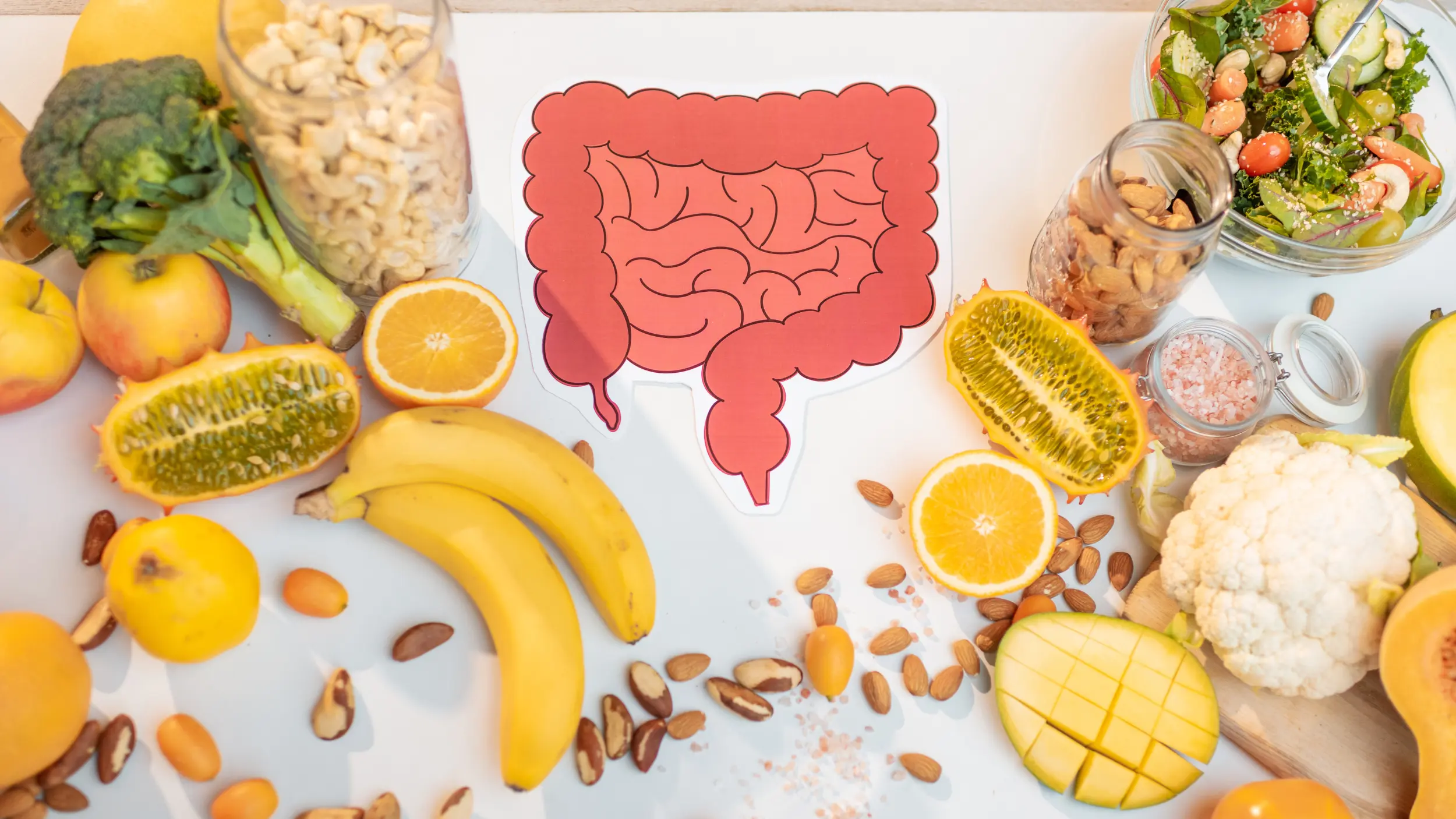
Nutrient density refers to the concentration of essential nutrients per calorie. A small serving of wild salmon delivers protein, omega-3 fatty acids, selenium, and B12. A bowl of buttered pasta? Mostly refined carbohydrates with minimal micronutrient value. On GLP-1s, every bite counts.
Research shows that rapid weight loss without adequate protein intake can result in significant lean muscle loss—up to 39% of total weight lost in some cases [3]. That's not just an aesthetic concern. Muscle mass is metabolically active tissue that supports your resting metabolic rate, blood sugar regulation, and long-term weight maintenance. If you're not prioritizing nutrient density, you risk losing muscle alongside fat, which can stall progress and leave you feeling weak or fatigued.
Another clinical consideration: GLP-1 medications slow gastric emptying, which can impact how efficiently you absorb certain nutrients, particularly fat-soluble vitamins (A, D, E, K) and minerals like iron and calcium [4]. Pairing these nutrients with strategic food choices and timing becomes essential.
Fueling Your Body: Best Foods for GLP-1 Users
Smart Swaps for Everyday Meals
Let's get practical. You don't need a complete dietary overhaul—you need strategic upgrades that maximize nutritional return on every meal.
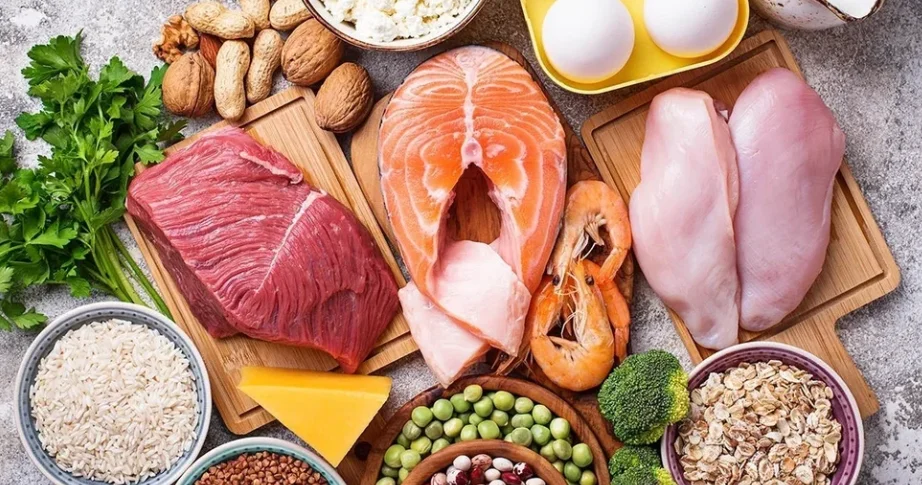
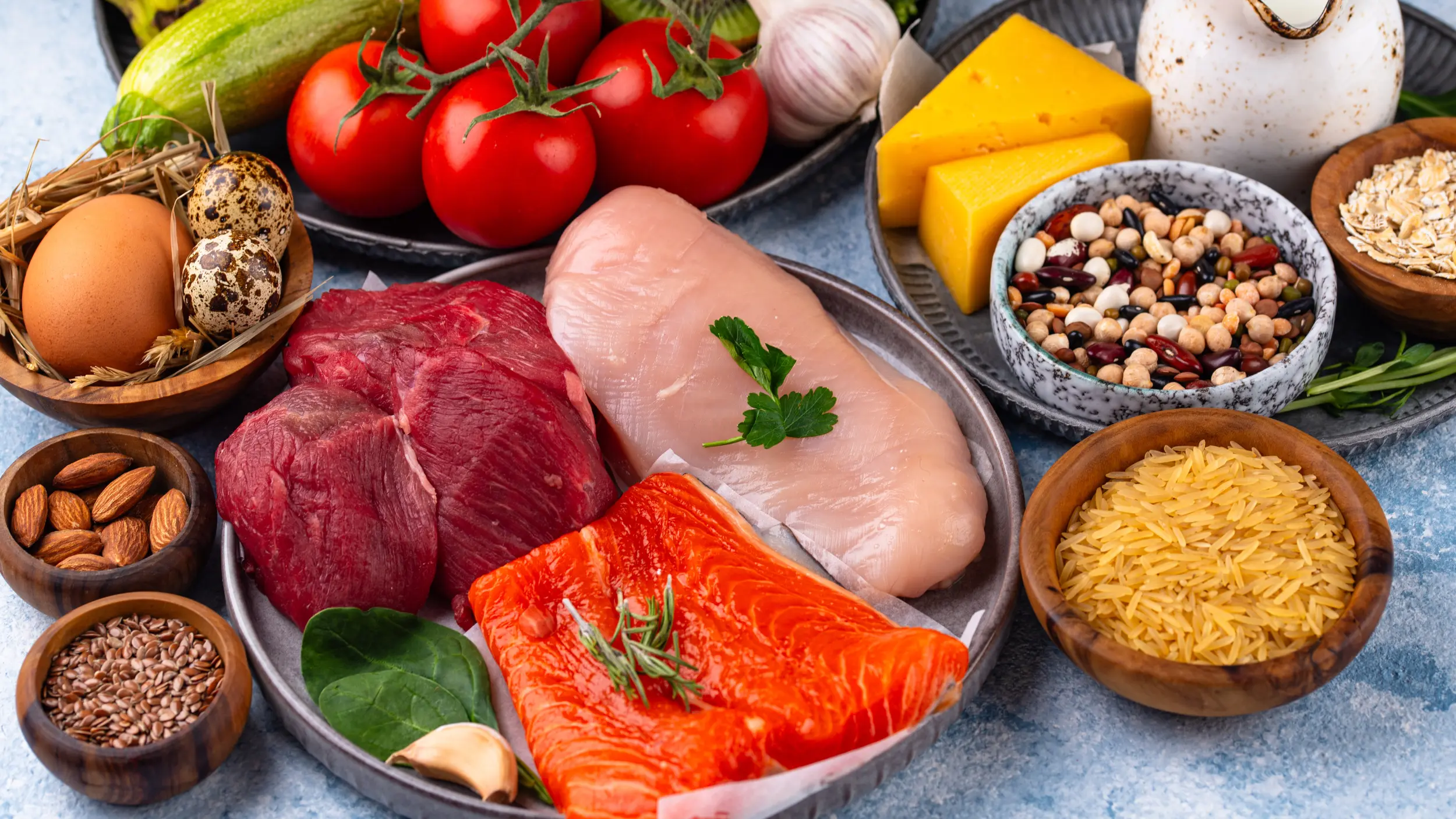
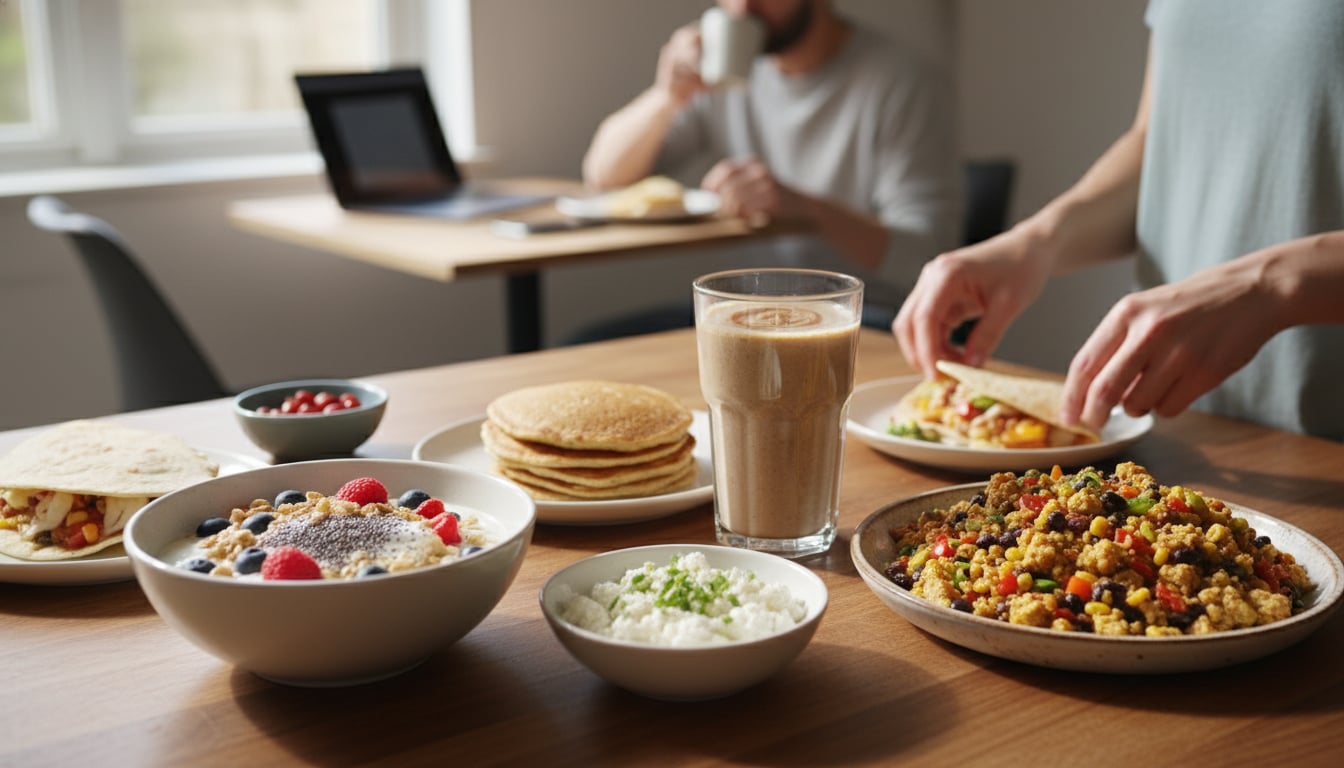
Prioritize protein at every eating occasion.
Aim for 25-35 grams per meal, distributed evenly throughout the day [5]. This supports muscle protein synthesis, satiety, and metabolic health. Choose:
- Greek yogurt (20g protein per cup) topped with hemp seeds and berries
- Eggs (6g per egg) scrambled with spinach and feta
- Grilled chicken thighs, salmon, or lean ground turkey
- Cottage cheese blended into smoothies or paired with cucumber
- Edamame, tempeh, or lentils for plant-based options
If you're struggling to meet protein goals through whole foods alone, learn how to optimize your intake when appetite is low.
Load up on fiber-rich vegetables and low-glycemic fruits.
Fiber supports gut motility (which can slow on GLP-1s), stabilizes blood sugar, and provides volume without excess calories [6]. Target 25-30 grams daily from:
- Leafy greens like arugula, kale, and Swiss chard
- Cruciferous vegetables—broccoli, Brussels sprouts, cauliflower
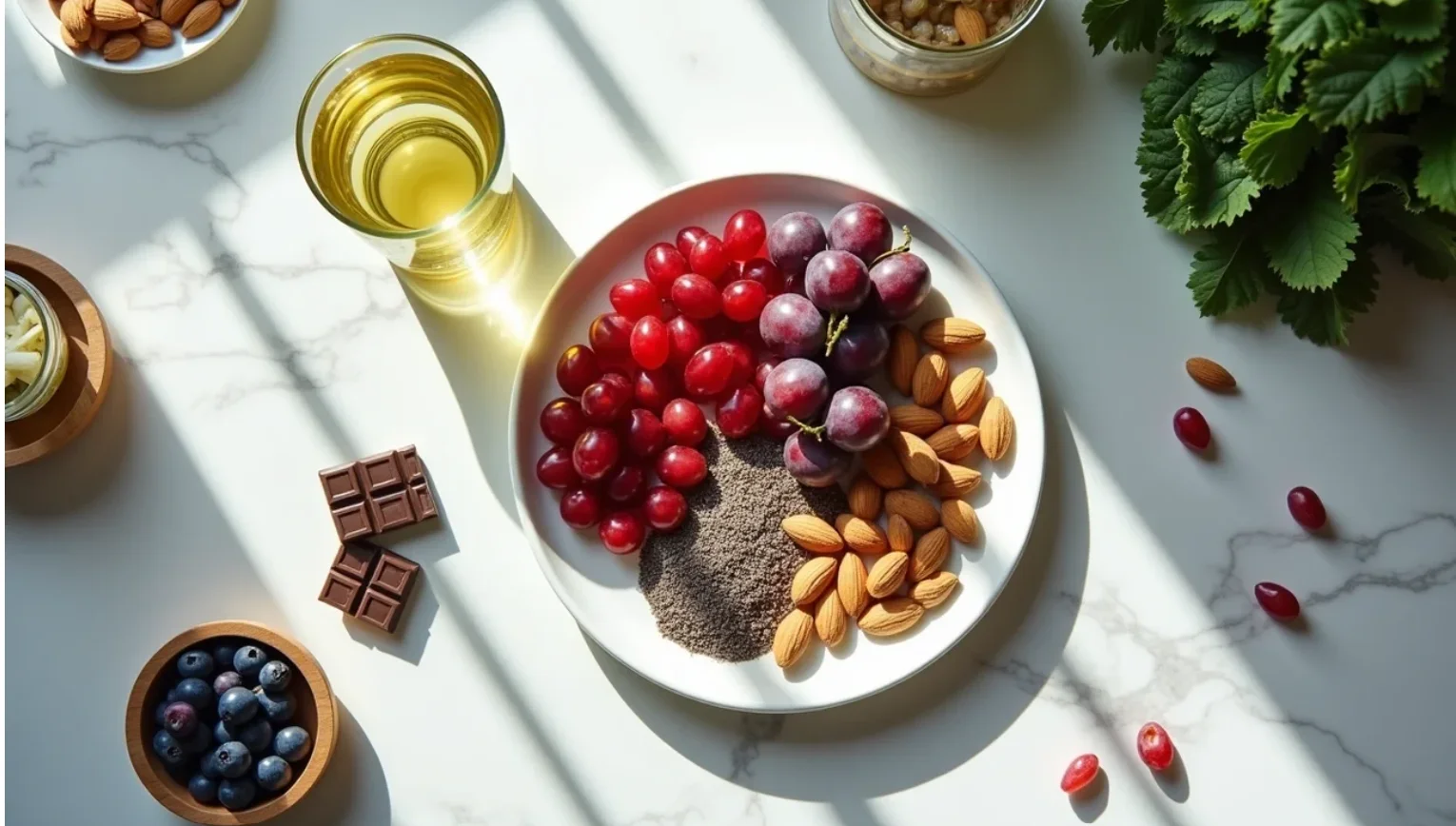
- Berries, which are high in antioxidants and lower in sugar
- Chia seeds or flaxseeds stirred into oatmeal or yogurt
Don't fear healthy fats—but choose wisely.
Your body needs fat for hormone production, vitamin absorption, and satiety. Focus on anti-inflammatory sources:
- Avocado (also rich in potassium and magnesium)
- Extra virgin olive oil drizzled over roasted vegetables
- Fatty fish like salmon, mackerel, or sardines twice weekly
- Raw nuts and seeds in small portions (1-2 tablespoons)
Avoid ultra-processed snack foods, fried items, and hydrogenated oils, which provide calories without meaningful nutrition.
Rethink your carbohydrate sources.
You don't need to eliminate carbs, but swapping refined grains for nutrient-dense alternatives makes a measurable difference:
- Choose quinoa, farro, or wild rice over white rice
- Swap white bread for sprouted grain or sourdough
- Use sweet potatoes or butternut squash as a base instead of pasta
- Opt for steel-cut oats over instant packets loaded with sugar
These swaps deliver more fiber, B vitamins, magnesium, and sustained energy without blood sugar spikes.
Hydration and Micronutrient Insurance
Dehydration is common on GLP-1s due to reduced fluid intake and increased water loss during early weight loss [7]. Aim for at least 64 ounces of water daily, and consider adding electrolytes if you're experiencing fatigue, dizziness, or muscle cramps.
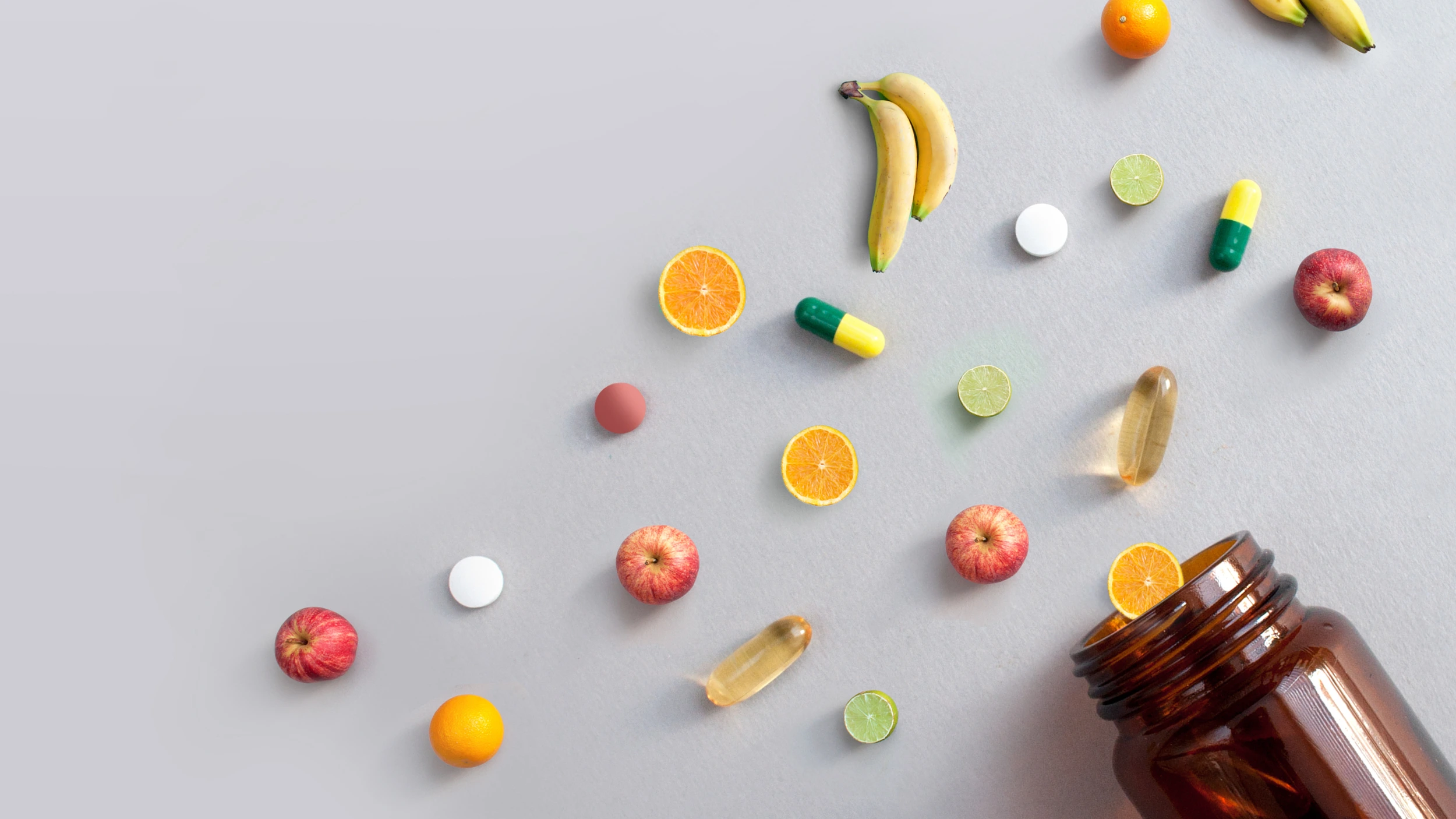
Even with a nutrient-focused diet, some people benefit from targeted supplementation. Discuss these with your dietitian or physician:
- A high-quality multivitamin to cover baseline needs
- Vitamin D3 (most adults are deficient, especially during winter months)
- Omega-3 fatty acids if you don't eat fatty fish regularly
- Magnesium glycinate for muscle function, sleep, and blood sugar control
- B-complex if you're experiencing low energy or following a plant-based diet
If you're not losing weight on your GLP-1 medication despite following these principles, nutrient deficiencies or inadequate protein intake could be contributing factors.
Addressing Common Concerns & Long-Term Success
Maintaining Energy and Well-being
One of the most frequent concerns I hear: "I'm eating so much less—why do I feel tired all the time?"
Low energy on GLP-1s is rarely about the medication itself. It's usually a signal that you're under-eating protein, skipping meals too frequently, or missing key micronutrients like iron, B12, or magnesium [8].
Start your day with a protein-forward breakfast. This stabilizes blood sugar, reduces cravings later, and sets a metabolic tone for the day. Think: a veggie omelet with avocado, Greek yogurt with nuts and berries, or a protein smoothie with spinach and almond butter.
Don't skip meals just because you're not hungry. GLP-1s blunt hunger signals, but your body still requires consistent fuel. Aim for three balanced meals or four smaller eating occasions spaced 3-4 hours apart.
Monitor your labs annually. Request a comprehensive metabolic panel, CBC, vitamin D, B12, iron studies, and magnesium. Catching deficiencies early prevents long-term complications like anemia, bone loss, or neuropathy.
Building Sustainable Habits for the Long Game
GLP-1 medications are incredibly effective tools, but they work best when paired with foundational nutrition and lifestyle habits. Here's what long-term success looks like:
- Batch-prep protein and vegetables weekly. Roast a sheet pan of chicken thighs, hard-boil a dozen eggs, chop raw veggies, and portion out snacks. When appetite is low, convenience determines what you eat.
- Track your intake for two weeks. Use an app like Cronometer or MyFitnessPal to audit your protein, fiber, and micronutrient intake. You might be surprised by what you're missing.
- Prioritize strength training 2-3 times per week. Resistance exercise is the most effective way to preserve muscle mass during weight loss. Even bodyweight exercises or resistance bands make a difference.
- Check in with a registered dietitian quarterly. Personalized guidance ensures you're adapting your nutrition as your body composition, medication dose, and health goals evolve.
You're not just managing a medication—you're building a framework for lifelong health. Nutrient density isn't a temporary fix; it's the foundation that allows your body to thrive while your GLP-1 supports metabolic change.
Frequently Asked Questions
Q1: Can GLP-1s affect nutrient absorption?
Yes, GLP-1 medications slow gastric emptying, which can impact the absorption of fat-soluble vitamins (A, D, E, K) and certain minerals like calcium and iron [4]. To optimize absorption, pair these nutrients with a small amount of healthy fat (like olive oil or avocado) and avoid taking them with high-fiber meals that can further slow transit time. Annual lab work helps catch deficiencies early.
Q2: What are the best protein sources to support my goals on GLP-1s?
The best sources are those you'll actually eat consistently. Animal-based options like Greek yogurt, eggs, chicken, turkey, salmon, and cottage cheese are highly bioavailable and nutrient-dense. Plant-based options like lentils, chickpeas, tempeh, edamame, and hemp seeds work well but may require larger portions to hit protein targets. Aim for 0.7-1.0 grams of protein per pound of goal body weight daily [5].
Q3: How can I ensure I'm getting enough fiber on a GLP-1 medication?
Target 25-30 grams of fiber daily from whole food sources [6]. Focus on non-starchy vegetables (broccoli, Brussels sprouts, leafy greens), berries, chia seeds, flaxseeds, and legumes. If you're struggling with constipation—a common GLP-1 side effect—gradually increase fiber intake while drinking plenty of water. A magnesium supplement can also support regularity.
Ready to optimize your nutrition alongside your GLP-1 medication? Book a personalized consultation with our dietitian today to create a plan tailored just for you.
References
[1] Wilding JPH, Batterham RL, Calanna S, et al. Once-Weekly Semaglutide in Adults with Overweight or Obesity. New England Journal of Medicine, 2021.
[2] Tremblay A, Clinchamps M, Pereira B, et al. Dietary Fibres and the Management of Obesity and Metabolic Syndrome: The RESOLVE Study. Nutrients, 2021.
[3] Santanasto AJ, Glynn NW, Newman MA, et al. Impact of Weight Loss on Physical Function with Changes in Strength, Muscle Mass, and Muscle Fat Infiltration in Overweight to Moderately Obese Older Adults. Journals of Gerontology, 2011.
[4] Marathe CS, Rayner CK, Jones KL, Horowitz M. Relationships Between Gastric Emptying, Postprandial Glycemia, and Incretin Hormones. American Journal of Physiology-Endocrinology and Metabolism, 2013.
[5] Paddon-Jones D, Campbell WW, Jacques PF, et al. Protein and Healthy Aging. American Journal of Clinical Nutrition, 2015.
[6] Reynolds A, Mann J, Cummings J, et al. Carbohydrate Quality and Human Health: A Series of Systematic Reviews and Meta-Analyses. The Lancet, 2019.
[7] Carlson MG, Snead WL, Campbell PJ. Fuel and Energy Metabolism in Fasting Humans. American Journal of Clinical Nutrition, 1994.
[8] Tarleton EK, Littenberg B. Magnesium Intake and Depression in Adults. PLoS One, 2015.
[9] Westcott WL. Resistance Training is Medicine: Effects of Strength Training on Health. Current Sports Medicine Reports, 2012.
.svg)
.svg)











.webp)








.webp)
.webp)
.webp)
.webp)
.webp)
.webp)

.webp)
.webp)

.webp)
.webp)
.webp)



.webp)

.webp)
.webp)
.webp)
.webp)
.webp)


.webp)

.webp)
.webp)