.webp)
.webp)
%2B(7).webp)
.png)
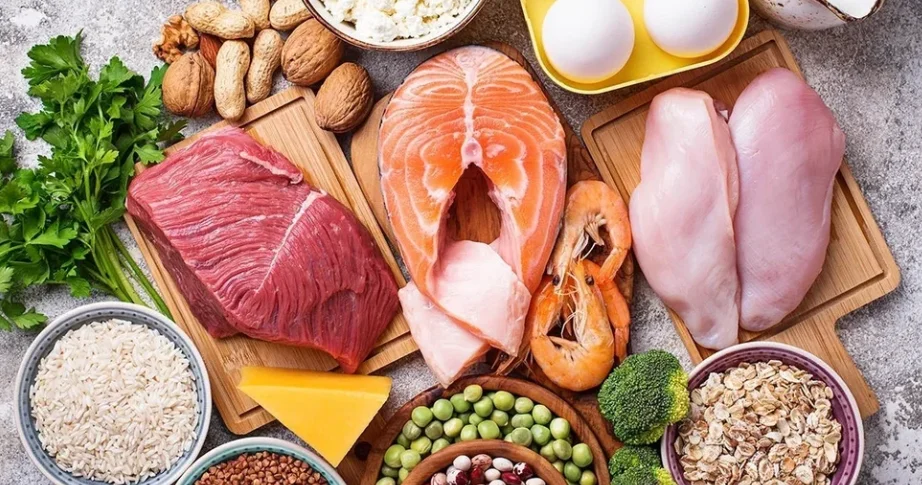
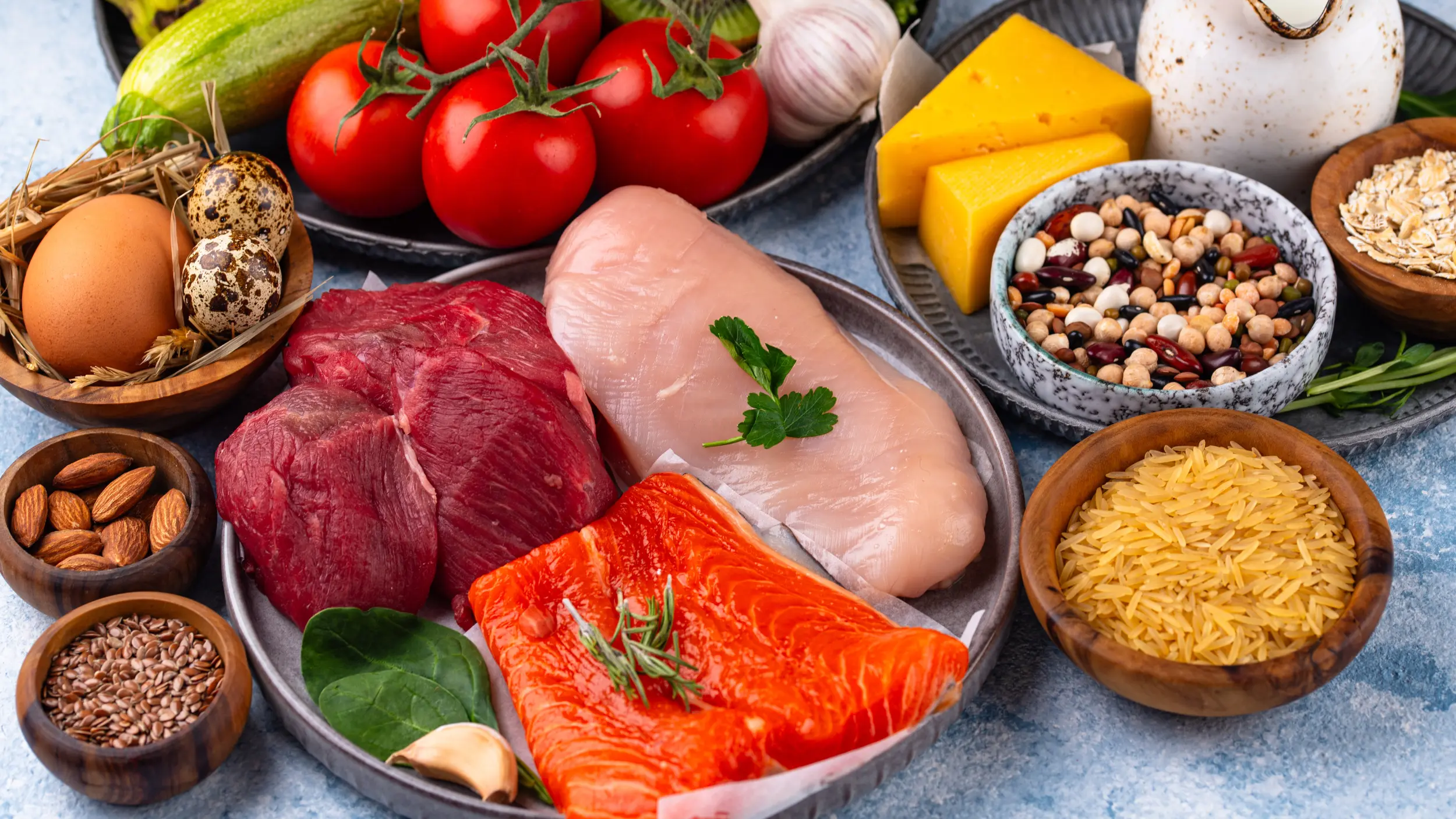
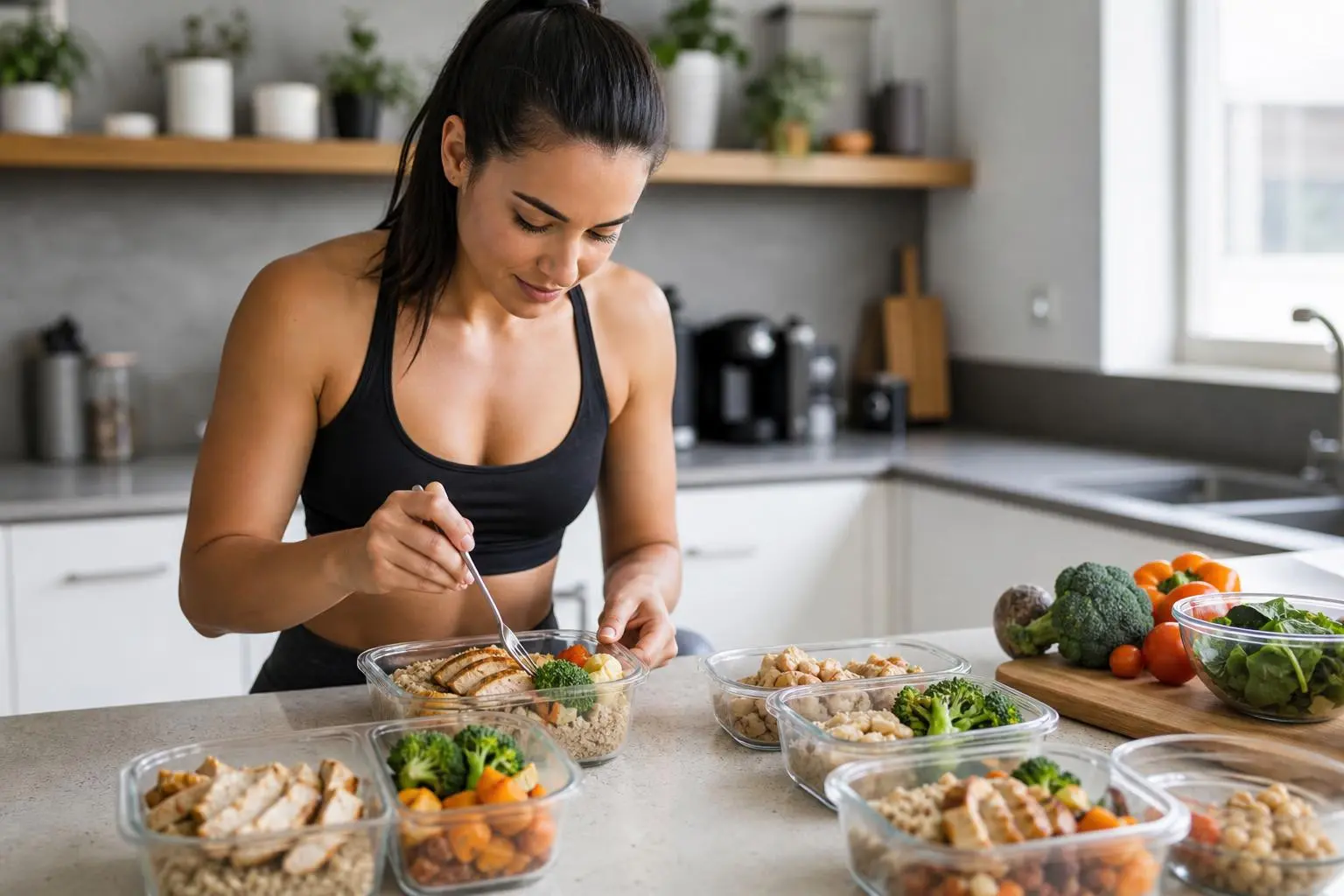
A protein-forward meal plan for weight loss builds every meal around a protein source first, then fills in with vegetables, healthy fats, and whole grains. Below is a complete 7-day plan at two calorie tiers (1,500 and 1,800 calories) with 120 to 140 grams of protein daily, plus a consolidated grocery list. The approach works because protein burns more calories during digestion, controls hunger hormones, and preserves muscle during a calorie deficit. If you’re on a GLP-1 medication like Wegovy or Zepbound, protein-forward eating is especially important since up to 40% of weight lost on these drugs can come from lean mass without adequate protein.
What “Protein-Forward” Means (and Why It Works for Weight Loss)
Protein-forward is a planning method, not a strict diet. You decide on your protein source first (chicken thigh, Greek yogurt, lentils, eggs) and then build the rest of the meal around it. This is different from a high-protein diet, which is a specific macro prescription often paired with carb restriction. A protein-forward meal plan for weight loss is more flexible. It doesn’t ban bread or fear fruit. It simply makes protein the anchor of every plate.
Three reasons this drives fat loss:
- Protein burns more calories during digestion. The thermic effect of protein is 20 to 30%, compared to 5 to 10% for carbs and 0 to 3% for fat. You burn more just by eating it.
- Protein controls hunger. It raises satiety hormones (GLP-1, PYY, CCK) and reduces ghrelin. A 400-calorie chicken and vegetable plate keeps you full for hours. A 400-calorie bagel with cream cheese does not.
- Protein preserves muscle in a calorie deficit. Without enough protein, your body breaks down muscle alongside fat, which slows your metabolism and makes future weight loss harder. For more on this mechanism, see this guide on preventing muscle loss during weight loss.
There’s also the protein leverage hypothesis: research shows that humans keep eating until protein needs are met. When protein is low in your diet, you consume 12% more total calories from snacks trying to hit an unconscious protein target. Make protein the star of each meal, and total calorie intake often self-corrects without willpower or calorie counting.
How to Set Your Calorie and Protein Targets
The 2025-2030 Dietary Guidelines now recommend 1.2 to 1.6 grams of protein per kilogram of body weight, nearly double the old minimum of 0.8 g/kg. Use the table below to find your daily protein range, then pick the calorie tier that fits your situation.
Protein Target by Body Weight
Two Calorie Tiers
The 7-day plan below is built at 1,500 calories with roughly 130g protein daily, a target that works for most women aiming to lose weight at a moderate pace. A 1,800-calorie modification is noted after the plan for men, taller women, or more active individuals (roughly 140g protein daily).
Practitioners on Reddit consistently emphasize that front-loading protein at breakfast (where most people eat the least) was the single change that made their calorie deficit feel manageable. This plan follows that principle.
A note on adjusted body weight: For people with obesity, some clinicians calculate protein targets using adjusted body weight rather than total body weight, since fat tissue doesn’t require the same protein support as lean mass. This calculation is one reason a registered dietitian is valuable if you have a significant amount of weight to lose. Check your insurance coverage to see if sessions are covered before your first visit.
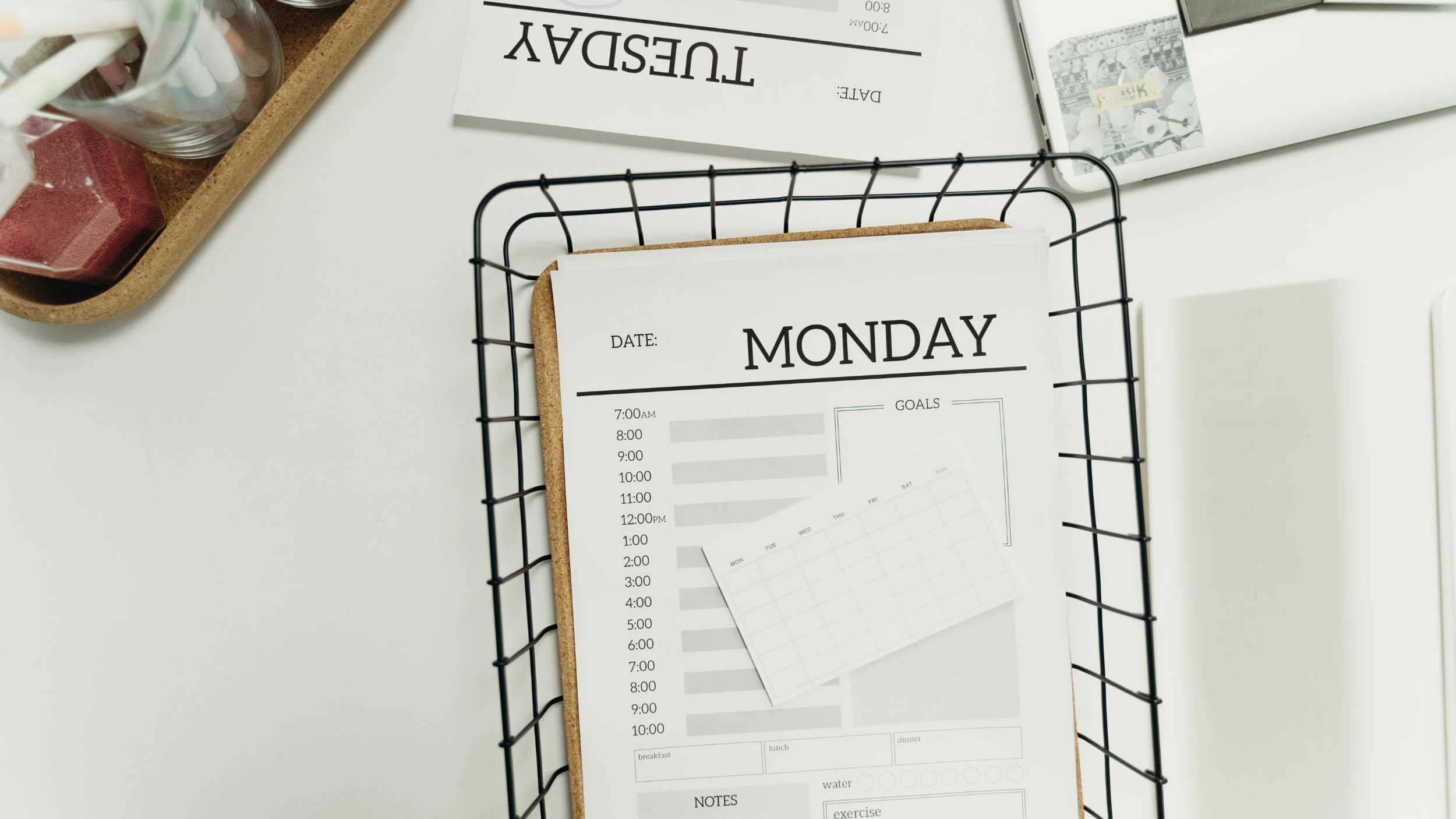
The 7-Day Protein-Forward Meal Plan
Each day includes breakfast, lunch, dinner, and one snack. Protein grams are listed for each meal. All portions are for one person.
Day 1
Breakfast: Spinach and Feta Egg Scramble
3 eggs scrambled with 1 cup spinach and 2 tbsp crumbled feta. 1 slice whole wheat toast.
~350 calories, 27g protein
Lunch: Chicken and Black Bean Bowl
5 oz grilled chicken breast over 1/2 cup brown rice with 1/3 cup black beans, salsa, and 1/4 sliced avocado.
~480 calories, 43g protein
Snack: Cottage Cheese and Berries
3/4 cup cottage cheese (2%) with 1/2 cup mixed berries.
~160 calories, 20g protein
Dinner: Baked Salmon with Roasted Broccoli
5 oz salmon fillet baked with lemon and garlic. 2 cups broccoli roasted with 1 tsp olive oil. 1/2 medium sweet potato.
~500 calories, 38g protein
Daily Total: ~1,490 calories | ~128g protein
Day 2
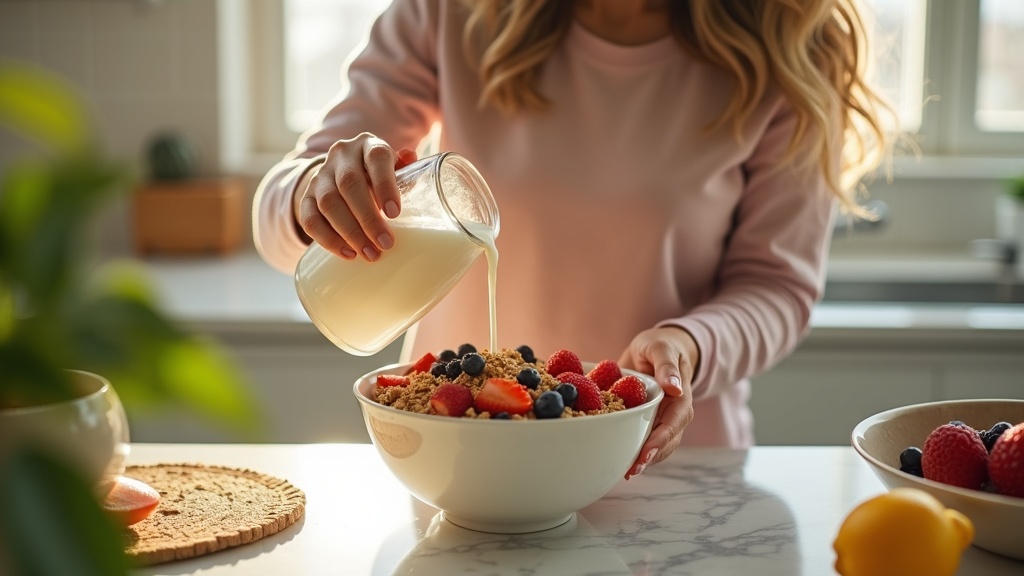
Breakfast: Greek Yogurt Protein Parfait
1 cup plain Greek yogurt (2%) with 1/4 cup granola, 1 tbsp chia seeds, and 1/2 cup strawberries.
~330 calories, 26g protein
Lunch: Turkey and Hummus Wrap
4 oz sliced turkey breast, 2 tbsp hummus, mixed greens, tomato, and cucumber in a whole wheat tortilla.
~380 calories, 32g protein
Snack: Hard-Boiled Eggs
2 hard-boiled eggs with everything bagel seasoning.
~140 calories, 12g protein
Dinner: Ground Turkey Taco Lettuce Wraps
5 oz seasoned ground turkey in butter lettuce cups, topped with pico de gallo, 2 tbsp shredded cheese, and 1/3 cup black beans on the side.
~480 calories, 42g protein
Daily Total: ~1,330 calories | ~112g protein
To bring this day closer to target, add 1/4 cup nuts to the snack or increase the yogurt to 1.5 cups at breakfast.
Day 3
Breakfast: Protein Smoothie
1 scoop protein powder (whey or plant-based), 1 cup unsweetened almond milk, 1 tbsp peanut butter, 1/2 frozen banana, 1 cup spinach.
~320 calories, 30g protein
Lunch: Tuna Salad on Greens
1 can (5 oz) tuna mixed with 1 tbsp olive oil mayo and Dijon mustard, over mixed greens with cherry tomatoes, cucumber, and 1/2 cup chickpeas.
~420 calories, 40g protein
Snack: String Cheese and Apple
2 string cheese sticks and 1 medium apple.
~230 calories, 14g protein
Dinner: Chicken Thigh Stir-Fry
5 oz boneless, skinless chicken thigh sliced and stir-fried with bell peppers, snap peas, broccoli, and low-sodium soy sauce. Served over 1/2 cup brown rice.
~500 calories, 38g protein
Daily Total: ~1,470 calories | ~122g protein
Day 4
Breakfast: Black Bean and Egg Breakfast Tacos
2 small corn tortillas, 2 scrambled eggs, 1/3 cup black beans, salsa, 1 tbsp shredded cheese.
~370 calories, 24g protein
Lunch: Lentil Soup with Greek Yogurt Side
1.5 cups lentil soup (homemade or low-sodium canned) with 1/2 cup plain Greek yogurt on the side and a small whole wheat roll.
~420 calories, 30g protein
Snack: Turkey Roll-Ups
3 oz deli turkey rolled around 1 oz mozzarella slices and mustard.
~170 calories, 22g protein
Dinner: Shrimp and Vegetable Sheet Pan
6 oz shrimp tossed with 1 tsp olive oil, garlic, paprika, and roasted on a sheet pan with zucchini, bell peppers, and red onion. Served with 1/2 cup quinoa.
~460 calories, 40g protein
Daily Total: ~1,420 calories | ~116g protein
Add 2 tbsp pumpkin seeds to the lentil soup or an extra egg at breakfast to boost protein closer to 130g.
Day 5
Breakfast: Overnight Oats with Protein
1/2 cup rolled oats, 1 scoop protein powder, 3/4 cup unsweetened almond milk, 1 tbsp chia seeds. Top with 1/4 cup walnuts.
~400 calories, 32g protein
Lunch: Chicken Salad Stuffed Bell Pepper
5 oz shredded chicken mixed with 1 tbsp olive oil mayo, diced celery, and grapes, stuffed into 1 large bell pepper. Side of 1/2 cup cottage cheese.
~430 calories, 44g protein
Snack: Edamame
1 cup shelled edamame with sea salt.
~190 calories, 17g protein
Dinner: Lean Beef and Sweet Potato Plate
5 oz grilled sirloin steak, 1 medium baked sweet potato with 1 tsp butter, 2 cups roasted asparagus.
~500 calories, 40g protein
Daily Total: ~1,520 calories | ~133g protein
Day 6
Breakfast: Cottage Cheese Toast
2 slices whole wheat toast topped with 3/4 cup cottage cheese (2%), sliced tomato, everything bagel seasoning.
~340 calories, 28g protein
Lunch: Salmon and Quinoa Salad
1 can (5 oz) salmon over 1/2 cup cooked quinoa, mixed greens, cucumber, red onion, and lemon-olive oil dressing.
~450 calories, 36g protein
Snack: Greek Yogurt with Almonds
3/4 cup plain Greek yogurt with 2 tbsp sliced almonds.
~180 calories, 18g protein
Dinner: Tofu and Vegetable Curry
6 oz firm tofu cubed and cooked in low-sodium curry sauce with cauliflower, spinach, and chickpeas (1/3 cup). Served over 1/2 cup brown rice.
~480 calories, 30g protein
Daily Total: ~1,450 calories | ~112g protein
Swap the tofu for chicken or shrimp if you want to push protein above 130g, or add a scoop of protein powder to the yogurt snack.
Day 7
Breakfast: Veggie and Cheese Omelet
3-egg omelet with mushrooms, bell pepper, onion, and 1/4 cup shredded mozzarella. Side of 1/2 cup mixed berries.
~360 calories, 28g protein
Lunch: Turkey Burger Plate
5 oz ground turkey patty on a whole wheat bun with lettuce, tomato, mustard. Side salad with 1 tbsp olive oil dressing.
~460 calories, 36g protein
Snack: Tuna and Crackers
1 single-serve tuna pouch (2.6 oz) with 6 whole grain crackers.
~180 calories, 18g protein
Dinner: Chicken Fajita Bowl
5 oz sliced chicken breast sauteed with fajita spices, bell peppers, and onions. Served over 1/2 cup brown rice with 2 tbsp guacamole and salsa.
~500 calories, 40g protein
Daily Total: ~1,500 calories | ~122g protein
How to Scale to 1,800 Calories
If you need the higher calorie tier, make these adjustments across any day:
- Breakfast: Add 1 extra egg or 1/4 cup nuts (+70 to 100 calories, 6 to 7g protein)
- Lunch: Increase the grain portion from 1/2 cup to 3/4 cup and add 1/4 avocado (+100 to 120 calories)
- Dinner: Increase protein portion from 5 oz to 7 oz (+80 to 100 calories, 14g protein)
- Add a second snack: 1 scoop protein powder mixed into water, or 2 tbsp peanut butter on a rice cake (~100 to 200 calories, 8 to 20g protein)
This brings most days to roughly 1,750 to 1,850 calories with 135 to 150g protein.
Consolidated Grocery List
This list covers all seven days. Adjust quantities based on whether you’re cooking for one or two.
Proteins
- Eggs (2 dozen)
- Chicken breast, boneless skinless (1.5 lbs)
- Chicken thighs, boneless skinless (10 oz)
- Ground turkey, lean (1.5 lbs)
- Sliced deli turkey (8 oz)
- Salmon fillets (10 oz)
- Canned salmon (1 can, 5 oz)
- Canned tuna (2 cans or pouches)
- Shrimp, peeled and deveined (6 oz)
- Sirloin steak (5 oz)
- Firm tofu (1 block, 14 oz)
- Plain Greek yogurt, 2% (32 oz tub)
- Cottage cheese, 2% (16 oz)
- Protein powder, whey or plant-based (small container)
- String cheese (1 pack)
- Shredded mozzarella (small bag)
- Feta cheese, crumbled (small container)
- Shredded cheddar or Mexican blend cheese (small bag)
Grains and Starches
- Brown rice (1 lb bag)
- Quinoa (small bag)
- Rolled oats (small canister)
- Whole wheat bread (1 loaf)
- Whole wheat tortillas (small pack)
- Small corn tortillas (6-pack)
- Whole wheat hamburger buns (2-pack)
- Whole grain crackers (1 box)
- Granola, low-sugar (small bag)
Canned and Dried Goods
- Black beans (2 cans or 1 bag dried)
- Chickpeas (1 can)
- Lentil soup, low-sodium (2 cans, or dried lentils to make from scratch)
- Low-sodium soy sauce
- Curry sauce or paste, low-sodium
- Salsa (1 jar)
- Hummus (1 small container)
- Olive oil mayo (small jar)
- Dijon mustard
- Peanut butter (1 jar)
- Chia seeds (small bag)
Fruits and Vegetables
- Spinach (2 bags, 5 oz each)
- Mixed greens (1 large container)
- Broccoli (2 heads or 1 large bag frozen)
- Bell peppers (4 to 5, mixed colors)
- Zucchini (2)
- Asparagus (1 bunch)
- Snap peas (1 cup)
- Cauliflower (1 small head or frozen bag)
- Cherry tomatoes (1 pint)
- Tomatoes (2)
- Cucumber (2)
- Red onion (2)
- Yellow onion (1)
- Mushrooms (1 small container)
- Celery (1 small bunch)
- Butter lettuce (1 head)
- Avocados (2)
- Sweet potatoes (2 medium)
- Bananas (2, for freezing)
- Strawberries (1 pint or frozen bag)
- Blueberries (1 small container or frozen bag)
- Mixed berries (1 small container or frozen bag)
- Apples (1)
- Red or green grapes (small bunch)
- Lemons (2)
Nuts, Seeds, and Extras
- Walnuts (small bag)
- Sliced almonds (small bag)
- Shelled edamame (frozen, 1 bag)
- Pumpkin seeds (optional, small bag)
- Unsweetened almond milk (1 carton)
- Everything bagel seasoning
- Garlic (1 head)
- Paprika, cumin, chili powder, fajita seasoning
- Olive oil
- Butter (small)
- Guacamole (small container, or make from avocado)
Customizing the Plan
For GLP-1 Medication Users (Wegovy, Zepbound, Ozempic, Mounjaro)
If you’re taking a GLP-1 medication, a protein-forward meal plan for weight loss isn’t optional, it’s medically important. Research presented at ENDO 2025 found that approximately 40% of weight lost on semaglutide can come from lean mass. That means losing 50 pounds and having 20 of those pounds come from muscle, which tanks your metabolism and sets you up for regain.
Stanford Medicine researchers recommend aiming for 1.6 grams of protein per kilogram of adjusted body weight for people actively losing weight on medication.
Practical adjustments to this plan:
- On nausea-heavy days, swap solid meals for the Day 3 protein smoothie or blend cottage cheese into a smoothie with frozen fruit.
- Split meals into 5 to 6 smaller portions instead of 3 meals and a snack. For example, eat half of lunch at noon and the other half at 2 p.m.
- Prioritize the protein component first at each meal. If you can only eat half your plate, make sure the chicken or fish gets eaten before the rice.
For more meal ideas designed around GLP-1 side effects, see this guide on protein and fiber-rich meals for GLP-1 users. And for a broader look at what happens to muscle mass on these medications, read about preserving muscle while using GLP-1 medications.
If you’re on a GLP-1 medication and want a dietitian who understands these specific challenges, Vedic’s registered dietitians specialize in companion nutrition care for weight loss medications. Meet the team to find a dietitian who fits your needs.
For Vegetarians
Plant proteins are often paired with carbohydrates (beans and lentils contain both), so watch overall carb portions when making swaps. A well-structured vegetarian protein-forward plan can hit 100 to 120 grams of protein per day without difficulty.
Cultural Adaptations
This plan doesn’t have to look like grilled chicken and broccoli. Latin cuisine offers natural protein anchors: carne asada, pollo a la plancha, frijoles negros, and queso fresco. Asian cuisines feature tofu, edamame, fish, and egg-based dishes that are already protein-centered. The Day 1 chicken and black bean bowl and Day 7 fajita bowl are starting points you can season and adapt to your own food traditions.
Vedic Nutrition offers bilingual sessions in English and Spanish, and dietitians build meal plans around the foods you actually cook and eat. Check your insurance coverage to see if sessions are covered.
The Meal Prep Factor: Why Repetition Works
One of the strongest patterns in weight loss communities online is the power of meal repetition. Instead of cooking seven different dinners each week, people who successfully follow a protein-forward meal plan for weight loss tend to rotate through a small set of core meals.
One Reddit user described creating four core meals and two snacks, all designed to hit their calorie and protein targets. Over several months, they reported losing about 47 pounds, largely because the routine removed guesswork around eating. When you don’t have to think about what to eat, you’re far less likely to default to whatever is convenient and low in protein.
Batch-prep tips for this plan:
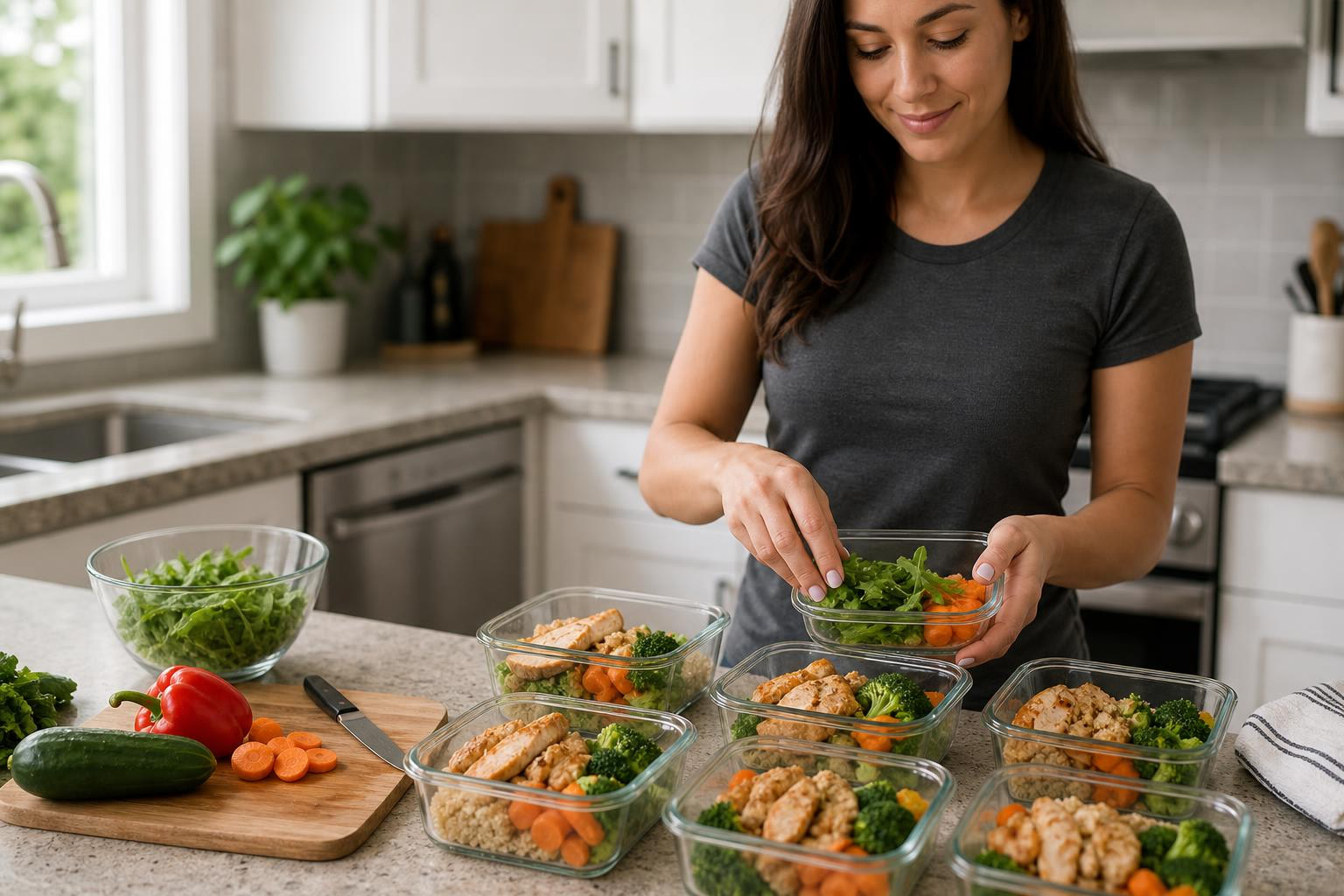
- Cook 2 lbs of chicken breast and 2 cups of brown rice on Sunday. Use across Days 1, 3, 5, and 7.
- Hard-boil 6 to 8 eggs at once for snacks and breakfasts.
- Prep a large container of mixed greens, cherry tomatoes, and cucumber for quick salad assembly.
- Portion cottage cheese and Greek yogurt into individual containers for grab-and-go snacks.
Common Mistakes to Avoid
Neglecting Fiber
Protein without fiber is a recipe for constipation. Every protein-forward meal should include vegetables, and ideally a serving of whole grains or legumes. This plan includes both at every meal for a reason.
Front-Loading All Protein Into One Meal
Eating 80 grams of protein at dinner and 15 grams at breakfast defeats the purpose. Muscle protein synthesis is maximally stimulated by about 20 to 40 grams per meal. Spreading intake across meals (as this plan does) preserves more muscle than cramming it all into dinner. Practitioners on Reddit consistently report that shifting protein to breakfast was the change that made their deficit feel sustainable.
Ignoring Hydration
Your kidneys work harder when processing higher amounts of protein. This isn’t a safety concern for healthy kidneys, but it means you should drink at least 64 ounces of water daily, more if you’re active or live in Texas heat.
Relying on “High-Protein” Processed Snacks
Protein bars, protein cookies, and protein chips have exploded in popularity. Many are loaded with sugar alcohols and fillers. As one Stanford researcher put it, “Protein has gotten the kind of treatment that low-fat food did in the '90s, the SnackWell’s phenomenon.” Whole food protein sources (like those in this plan) should make up the vast majority of your intake.
Not Adjusting for Medical Conditions
If you have kidney disease or compromised kidney function, a high protein intake can cause problems. The same applies during pregnancy, where protein needs increase but other considerations require professional input. This plan is designed for generally healthy adults. Medical conditions require individualized adjustments.
Budget-Friendly Substitutions
A common objection to protein-forward eating is cost. Users on Reddit’s weight loss communities frequently highlight that eggs, canned tuna, canned salmon, chicken thighs (often cheaper per pound than breasts), Greek yogurt in large tubs, dried beans, and lentils are among the most affordable protein sources available. One practitioner noted that building a weekly plan around just four or five core protein sources keeps grocery costs predictable while removing daily decision fatigue.
For this plan, budget swaps include:
- Chicken thighs instead of breasts throughout (often $1 to $2 less per pound)
- Canned salmon instead of fresh fillets on Day 1
- Dried lentils and black beans instead of canned (roughly half the cost)
- Large tub Greek yogurt instead of individual cups
When This Plan Needs Dietitian Oversight
A 7-day plan is a useful starting point, but it can’t account for the complexity of real medical situations. Several conditions make working with a registered dietitian not just helpful but necessary:
PCOS and insulin resistance. Protein-forward eating is beneficial for PCOS, but the interplay between insulin resistance, inflammation, and hormonal balance requires individualized planning. For specifics, see this guide on PCOS nutrition and insulin resistance.
GLP-1 medication use. The risk of lean mass loss is real and requires precise protein targets, meal timing, and coordination with your prescribing physician.
Women over 40. As estrogen declines, women become less efficient at using protein to build and maintain muscle (a phenomenon called anabolic resistance). This means women in perimenopause and menopause often need the higher end of the protein range and should pair it with resistance training. Generic plans rarely address this.
Kidney disease, IBS, or digestive disorders. Higher protein intake affects kidney filtration rate and can trigger symptoms in people with IBS. These conditions require lab-informed, dietitian-supervised adjustments.
Metabolic adaptation and weight loss plateaus. If you’ve been dieting for a long time and your weight loss has stalled, the issue often isn’t your meal plan. It’s your metabolism adapting to prolonged restriction. A dietitian can review your labs, assess metabolic markers, and adjust your plan accordingly.
Check your insurance coverage and book a session with a Vedic dietitian who specializes in protein-forward weight loss planning. Vedic’s registered dietitians provide telehealth nutrition counseling in Texas, with 95% of clients paying $0 out of pocket when covered by insurance.
Frequently Asked Questions
Is protein-forward the same as high-protein?
Not exactly. “Protein-forward” describes a meal planning approach where protein is the starting point of every meal. “High-protein diet” typically refers to a specific macronutrient prescription, often 30% or more of total calories from protein, sometimes paired with carb restriction. A protein-forward plan can be high-protein, but it doesn’t have to be. The emphasis is on prioritization and distribution, not hitting an extreme number.
Can I follow this plan as a vegetarian?
Yes. See the vegetarian swap table above. Tofu, tempeh, lentils, chickpeas, black beans, edamame, Greek yogurt, eggs (if lacto-ovo), hemp seeds, and protein-fortified grains all work as protein anchors. A well-structured vegetarian protein-forward plan can easily hit 100 to 120 grams per day.
Will too much protein hurt my kidneys?
For people with healthy kidneys, there is no evidence that protein intakes in the 1.2 to 1.6 g/kg range cause kidney damage. The concern applies to people who already have kidney disease or compromised kidney function. If you have any kidney-related conditions, work with a healthcare provider or registered dietitian to determine safe intake levels.
How many grams of protein should I eat per meal to lose weight?
Research shows that muscle protein synthesis is maximally stimulated by 20 to 40 grams per meal. For practical weight loss purposes, aiming for 30 to 40 grams per meal (women) or 35 to 50 grams per meal (men) across three daily meals puts most people in the right range. Adding a protein-rich snack of 15 to 20 grams can help if your daily target is on the higher end.
Do I need a protein-forward plan if I’m on Wegovy or Zepbound?
It’s not just recommended, it’s one of the most important things you can do while on these medications. Studies show that up to 40% of weight lost on GLP-1 medications can come from lean mass. A protein-forward meal plan for weight loss, combined with resistance training, is the primary strategy for preserving muscle and protecting your metabolism. Stanford Medicine clinicians recommend 1.6 g/kg of adjusted body weight for people actively losing weight on these medications. For ongoing support, learn more about maintaining results after weight loss medication.
What if I can’t afford a lot of meat and fish?
Protein-forward eating doesn’t require expensive cuts. Eggs, canned tuna, canned salmon, chicken thighs, cottage cheese, Greek yogurt in bulk containers, dried lentils, and canned beans are all affordable, high-protein staples. Many people in online weight loss communities report spending less on groceries after switching to a protein-forward approach because they snack less and waste less food.
How is a protein-forward meal plan different from calorie counting?
Calorie counting focuses on total energy intake. A protein-forward approach focuses on what you eat, not just how much. In practice, many people find that when protein is prioritized, calorie intake naturally decreases because of protein’s effects on satiety and the protein leverage effect. Some people combine both strategies, but a protein-forward plan can work without formal calorie tracking for people who find counting unsustainable.
.svg)
.svg)











.webp)
.webp)
.webp)
.webp)
.webp)
.webp)
.webp)
.webp)

.webp)
.webp)
.webp)
.webp)

.webp)