.webp)
%2B(7).webp)
.png)
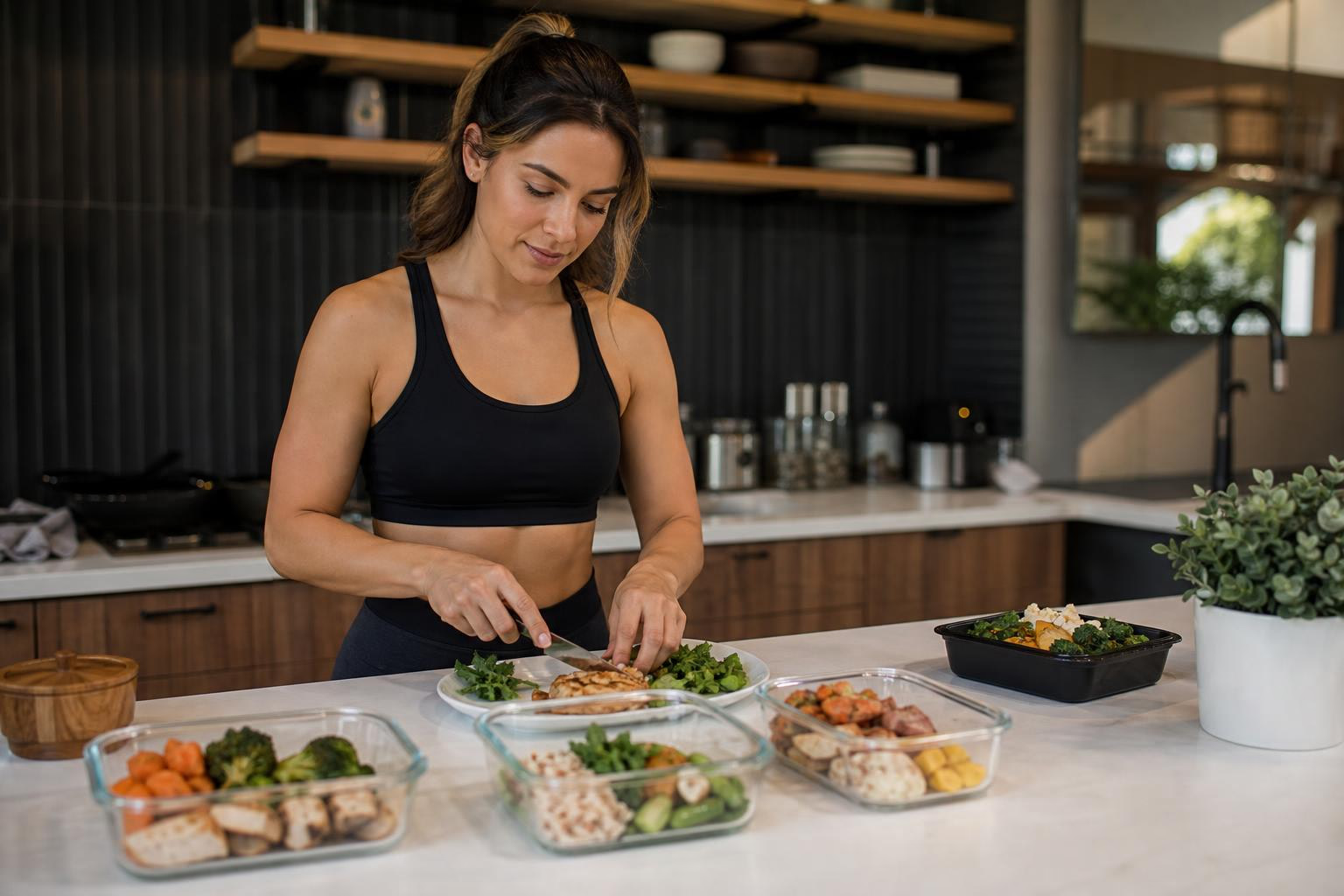
About 25% of weight lost during dieting comes from muscle, not fat, and that number can reach 40% for people on GLP-1 medications like Wegovy or Zepbound. The fix is straightforward: eat 1.2 to 1.6 grams of protein per kilogram of body weight daily, spread across 3 to 4 meals with at least 25 to 30 grams of protein each, keep your calorie deficit moderate, and do some form of strength training 2 to 3 times a week. Below you’ll find a complete 7-day meal plan, a grocery list, and practical tips you can start using today.
Why You Lose Muscle When You Lose Weight (and How to Stop It)
When you cut calories, your body doesn’t just burn fat. It breaks down muscle tissue too. According to research from Harvard-affiliated Brigham and Women’s Hospital, roughly 25% of weight lost comes from lean mass. So if you lose 20 pounds, about 5 of those pounds could be muscle.
That matters because muscle keeps your metabolism running, supports your joints, helps regulate blood sugar, and makes everyday life easier. Lose too much of it and you’re more likely to regain the weight, feel weaker, and hit frustrating plateaus. Research published in the Nature International Journal of Obesity found that tissue losses account for about 60% of the metabolic slowdown people experience during dieting. Our metabolic reset guide covers how to address this in detail.
The good news: the right meal plan can shift the ratio dramatically, so you lose mostly fat and keep the muscle you have.
Three Rules That Make Your Meal Plan Work
Before jumping into the 7-day plan, here are the three principles it’s built on. Everything else is details.
Rule 1: Keep Your Calorie Deficit Moderate
A deficit of 300 to 500 calories per day is the sweet spot. This produces about 0.5 to 1 pound of weight loss per week. A meta-regression on PubMed showed that deficits larger than 500 calories per day prevented lean mass gains even in people who were strength training. Very low-calorie diets (under 1,200 calories for women, under 1,500 for men) almost guarantee significant muscle loss.
You don’t need to count every calorie. Following the meal plans below and eating until you’re satisfied (not stuffed) will naturally create a moderate deficit for most people.
Rule 2: Eat Enough Protein, Every Meal
This is the single biggest factor separating a muscle-sparing diet from a generic one. Research comparing different protein levels during calorie restriction found that higher-protein groups preserved five times more muscle than lower-protein groups.
Your target: 1.2 to 1.6 grams of protein per kilogram of body weight per day.
Here’s what that looks like for common body weights:
Your Weight
Daily Protein Target (1.6 g/kg)
A joint advisory from leading obesity organizations also offers a simpler guideline: aim for at least 80 to 120 grams of protein per day if the math feels overwhelming.
Why spread it across meals? Your muscles can only use so much protein at once. Studies show that evenly distributing protein across 3 to 4 meals triggers more muscle-building throughout the day than loading it all at dinner. Each meal needs roughly 25 to 40 grams of protein to fully “switch on” muscle repair. That’s about a palm-sized portion of chicken, fish, or a cup of Greek yogurt.
The classic American pattern of a carb-heavy breakfast, light lunch, and big protein dinner is one of the worst strategies for muscle preservation. Restructuring to protein-first at every meal is the single most impactful change most people can make.
Beyond muscle, protein also keeps you fuller longer. The protein leverage hypothesis explains why: your body keeps seeking protein until it gets enough, so hunger signals persist on low-protein diets. Practitioners on Reddit consistently report that protein-focused eating reduces cravings and makes calorie deficits dramatically easier to sustain. For anyone just starting, our guide on how to start a high-protein diet walks through the basics step by step.
Rule 3: Add Strength Training 2 to 3 Times Per Week
A systematic review in PMC concluded that resistance training is the most effective strategy to prevent muscle loss during weight loss, while cardio alone doesn’t cut it. A separate meta-analysis confirmed this. You don’t need a gym membership or heavy barbells. Bodyweight squats, push-ups, lunges, and resistance bands work. Two to three sessions per week is enough.
Think of it this way: your meal plan provides the building materials. Strength training tells your body to actually use them for muscle instead of burning them for energy.
The 7-Day Meal Plan (~120 g Protein/Day)
This plan targets roughly 120 grams of protein per day, fitting someone around 150 to 170 lbs. Adjust portions up or down based on your personal target from the table above. Every meal is designed with protein as the starting point.
Day 1: Monday
Breakfast (30 g protein)
- 2 scrambled eggs with spinach and salsa
- 1 cup Greek yogurt (plain, 2%) with a handful of blueberries
Lunch (35 g protein)
- Grilled chicken salad: 5 oz chicken breast, mixed greens, cherry tomatoes, cucumber, ¼ avocado, olive oil and lime dressing
- Side of whole grain bread
Snack (20 g protein)
- 1 cup cottage cheese with sliced peaches
Dinner (35 g protein)
- Baked salmon (5 oz) with roasted broccoli and sweet potato
- Side salad with olive oil
Day 2: Tuesday
Breakfast (28 g protein)
- Protein smoothie: 1 scoop whey or plant protein, 1 banana, 1 tbsp peanut butter, handful of spinach, almond milk
Lunch (35 g protein)
- Turkey and black bean bowl: 4 oz ground turkey, ½ cup black beans, brown rice, diced bell peppers, salsa, squeeze of lime
Snack (20 g protein)
- 2 hard-boiled eggs + 1 string cheese
Dinner (37 g protein)
- Chicken stir-fry: 5 oz chicken thigh, broccoli, snap peas, carrots, soy sauce, served over ½ cup brown rice
Day 3: Wednesday
Breakfast (30 g protein)
- Overnight oats: ½ cup oats, 1 scoop protein powder, 1 cup milk, chia seeds, topped with strawberries
Lunch (32 g protein)
- Tuna salad wrap: 1 can tuna (drained), Greek yogurt (instead of mayo), celery, whole wheat tortilla, lettuce
Snack (22 g protein)
- Protein shake: 1 scoop protein powder blended with ice and almond milk
Dinner (36 g protein)
- Carne asada (5 oz flank steak) with grilled peppers and onions, ½ cup pinto beans, small corn tortillas, cilantro and lime
Day 4: Thursday
Breakfast (30 g protein)
- Huevos rancheros: 3 eggs, black beans, salsa, small corn tortilla, avocado slices
Lunch (33 g protein)
- Lentil soup (1.5 cups) with a side of 3 oz rotisserie chicken and a piece of whole grain bread
Snack (20 g protein)
- 1 cup Greek yogurt with a drizzle of honey and walnuts
Dinner (37 g protein)
- Baked chicken breast (5 oz) with roasted zucchini, bell peppers, and quinoa
Day 5: Friday
Breakfast (28 g protein)
- Cottage cheese bowl: 1 cup cottage cheese, ½ cup granola, sliced banana
If you’re looking for more morning ideas (especially if you’re tired of eggs every day), check out these high-protein breakfast ideas without eggs.
Lunch (35 g protein)
- Shrimp tacos: 5 oz grilled shrimp, corn tortillas, cabbage slaw, avocado crema, lime
Snack (22 g protein)
- Protein smoothie: 1 scoop protein, frozen mango, coconut milk, handful of spinach
Dinner (35 g protein)
- Turkey meatballs (5 oz ground turkey) with marinara, zucchini noodles, and a side of whole grain pasta
Day 6: Saturday
Breakfast (32 g protein)
- Egg and veggie scramble: 3 eggs, mushrooms, tomatoes, onions, topped with ¼ cup shredded cheese
- Side of fruit
Lunch (33 g protein)
- Chicken and hummus plate: 4 oz grilled chicken, ¼ cup hummus, cucumber, tomato, whole wheat pita, olives
Snack (20 g protein)
- Edamame (1 cup shelled) with sea salt
Dinner (35 g protein)
- Miso-glazed salmon (5 oz) with steamed bok choy and brown rice
Day 7: Sunday (Meal Prep Day)
Breakfast (30 g protein)
- Protein pancakes: 1 scoop protein powder mixed into pancake batter, topped with Greek yogurt and berries
Lunch (35 g protein)
- Black bean and chicken burrito bowl: 4 oz chicken, ½ cup black beans, rice, corn, peppers, salsa, cilantro
Snack (20 g protein)
- 2 hard-boiled eggs + apple slices with 1 tbsp almond butter
Dinner (35 g protein)
- Slow cooker pulled chicken (5 oz) with roasted sweet potatoes and green beans
Sunday evening: Prep for the week ahead. Cook a batch of chicken breasts, boil a dozen eggs, portion out Greek yogurt, chop vegetables, and cook a pot of rice or quinoa. Community members on Reddit frequently mention that meal prep is one of the most important habits for success, not because any specific plan is magic, but because it removes decision fatigue.
Grocery List for the Week
Print this out or screenshot it before you shop.
Proteins
- Chicken breasts (2.5 lbs)
- Chicken thighs (1 lb)
- Salmon fillets (3, about 5 oz each)
- Flank steak (8 oz)
- Ground turkey (1.5 lbs)
- Shrimp (8 oz)
- 2 dozen eggs
- 2 cans tuna
- Whey or plant protein powder (1 container)
Dairy
- Greek yogurt, plain 2% (32 oz tub)
- Cottage cheese (16 oz)
- String cheese (pack of 6)
- Shredded cheese (small bag)
- Almond milk (half gallon)
Grains & Legumes
- Brown rice (1 bag)
- Quinoa (small bag)
- Whole wheat tortillas
- Corn tortillas (small pack)
- Whole grain bread
- Whole wheat pita
- Oats (small container)
- Dried or canned lentils
- Black beans (3 cans)
- Pinto beans (1 can)
- Frozen edamame (1 bag)
Fruits & Vegetables
- Spinach (large bag or container)
- Mixed greens (1 container)
- Broccoli (2 heads)
- Zucchini (3)
- Bell peppers (4, mixed colors)
- Cherry tomatoes (1 pint)
- Cucumber (2)
- Sweet potatoes (3)
- Snap peas (small bag)
- Carrots (small bag)
- Bok choy (1 bunch)
- Green beans (1 lb)
- Mushrooms (small container)
- Onions (3)
- Cabbage (small head, for slaw)
- Avocados (3)
- Bananas (bunch)
- Blueberries (1 pint)
- Strawberries (1 pint)
- Peaches or frozen mango
- Lemons and limes (3 each)
- Apples (2)
- Cilantro (1 bunch)
Pantry Staples
- Olive oil
- Soy sauce (low sodium)
- Salsa (1 jar)
- Marinara sauce (1 jar)
- Hummus (1 container)
- Peanut butter or almond butter
- Chia seeds
- Walnuts (small bag)
- Granola (small bag)
- Honey
- Miso paste (small tub)
Plant-Based Adaptation
Hitting your protein targets on a vegetarian or vegan diet takes more planning but is absolutely doable. Soy protein has a similar muscle-building quality to many animal proteins, so lean on it.
Easy plant-based swaps for any meal above:
- Swap chicken for firm tofu (6 oz = ~25 g protein) or tempeh (5 oz = ~30 g protein)
- Replace eggs with a tofu scramble seasoned with turmeric and nutritional yeast
- Use pea or soy protein powder in smoothies and overnight oats
- Combine legumes with grains at every meal (lentils + rice, black beans + quinoa)
- Add edamame or hemp seeds as a topper to salads and bowls
Sample plant-based day (~115 g protein):
- Breakfast: Tofu scramble with black beans, peppers, and avocado (28 g)
- Lunch: Lentil and quinoa bowl with roasted vegetables and tahini (30 g)
- Snack: Soy protein smoothie with banana and peanut butter (27 g)
- Dinner: Tempeh stir-fry with broccoli, edamame, and brown rice (30 g)
Adapting the Plan to Your Favorite Foods
Generic meal plans fail when they ignore how people actually eat. The framework here (protein first, 25 to 30 g per meal, moderate calories) works with any cuisine:
Tex-Mex / Latin American: Carne asada with grilled vegetables and beans. Chicken fajitas. Huevos rancheros with extra eggs. Black bean and chicken enchiladas. Pollo asado with rice and pico de gallo.
Asian-inspired: Teriyaki chicken with steamed vegetables and rice. Tofu and vegetable stir-fry with edamame. Miso salmon with soba noodles. Korean beef lettuce wraps.
Mediterranean: Grilled lamb with tabbouleh and hummus. Chicken shawarma bowls. Lentil soup with feta. Shrimp with roasted vegetables and couscous.
Southern / Comfort food: Baked chicken with collard greens and sweet potato. Turkey chili. Blackened catfish with green beans.
The protein comes first. Everything else is flexible.
Special Situations
If You’re on GLP-1 Medications (Wegovy, Zepbound, Ozempic, Mounjaro)
This is where meal plans to prevent muscle loss during weight loss become especially important. Research presented at ENDO 2025 showed that approximately 40% of the weight lost on semaglutide comes from lean mass. Additional trials confirm this 26 to 40% range for GLP-1 and dual GLP-1/GIP medications.
The problem is that these medications suppress appetite, making it hard to eat enough protein. A Stanford dietitian working with weight-loss medication patients recommends 1.6 grams of protein per kilogram of adjusted body weight.
Practical tips when your appetite is low:
- Eat protein first. Before vegetables, before carbs, before anything else on the plate. If you can only eat half your meal, make sure the protein half gets eaten.
- Go smaller and more frequent. Four to five mini-meals instead of three larger ones.
- Drink your protein. Smoothies and shakes go down easier than solid food when appetite is suppressed. A shake with protein powder, banana, and peanut butter gives you 30+ grams without feeling heavy.
- Keep pre-made options on hand. Hard-boiled eggs, string cheese, Greek yogurt cups, and rotisserie chicken make it easy to hit your target even on low-appetite days.
For a deeper look, see our guides on preserving muscle while using GLP-1 medications and foods to eat with Ozempic.
If You Have PCOS or Insulin Resistance
A protein-forward plan is doubly important here: it stabilizes blood sugar, reduces insulin spikes, and protects lean mass. The meal plan above works well as-is. For a version designed specifically around PCOS, see our 7-day PCOS diet plan.
If You’re Over 40
As you age, your muscles become less responsive to protein. The same 20 grams that builds muscle efficiently in your 20s produces a blunted response after 40. The fix is simple: aim for the higher end of per-meal protein (30 to 40 g) and prioritize protein-rich foods like chicken, fish, eggs, dairy, and soy. Strength training becomes even more important. If you’re a woman noticing weight creeping up in your late 30s or 40s, hormonal shifts might be playing a role too.
Quick-Reference Protein Cheat Sheet
Use this when building meals or substituting ingredients:
When a Generic Plan Isn’t Enough
The 7-day plan above is a strong starting point. But a template can’t account for your lab values, medication interactions, hormonal profile, cultural food preferences, or specific medical conditions that affect how your body responds to a calorie deficit.
If you’re on GLP-1 medications, managing PCOS or insulin resistance, dealing with digestive conditions like IBS, or you’ve hit a persistent weight-loss plateau despite doing “everything right,” working with a registered dietitian is worth it.
Vedic Nutrition’s team of 18+ registered dietitian nutritionists provides personalized, lab-informed nutrition counseling via telehealth across Texas. Their RDNs build protein-forward, culturally adapted meal plans and offer specialized GLP-1 companion support for patients on Wegovy, Zepbound, or similar medications. Sessions are billed through insurance (in-network with 1,200+ plans including Aetna, BCBS, UnitedHealthcare, Anthem, and Cigna), with 95% of clients paying $0 out of pocket. Bilingual sessions in Spanish are available with several RDNs on the team.
You can check your coverage and get started here, or browse the dietitian team to find a specialist who fits your needs.
Frequently Asked Questions
How much protein do I need per day to prevent muscle loss while losing weight?
Aim for 1.2 to 1.6 grams of protein per kilogram of body weight. For a 150-pound person, that’s roughly 109 grams per day. If the math feels complicated, shoot for at least 80 to 120 grams daily as a practical floor.
Can I prevent muscle loss without resistance training?
Higher protein intake helps, but resistance training is the most powerful muscle-preservation tool during a calorie deficit. Research consistently shows that cardio alone does not protect lean mass. Two to three sessions per week of basic strength exercises (squats, push-ups, lunges, rows) is enough.
Does losing muscle slow down my metabolism?
Yes, partly. About 60% of metabolic slowdown during weight loss comes from tissue losses (both fat and muscle), while 40% is from your body’s hormonal response to dieting. Preserving muscle helps keep your metabolism higher, which makes it easier to maintain your results long-term.
How much muscle do GLP-1 medication users lose?
Studies show that 26 to 40% of weight lost on GLP-1 medications like semaglutide comes from lean mass, compared to roughly 25% with standard dieting. This makes protein-forward meal planning and resistance training especially important for people on these medications.
Is it possible to build muscle while losing fat?
Yes, this is called body recomposition. It’s most achievable for people new to strength training, people returning after a break, or those with higher body fat percentages. It requires a moderate calorie deficit, high protein intake, and consistent strength training.
Are plant-based proteins sufficient for preventing muscle loss?
They can be, with planning. Soy protein (tofu, tempeh, edamame, soy protein powder) is comparable to animal protein for muscle building. Combining multiple plant sources at each meal and aiming for slightly higher total protein intake closes the gap.
What if I can’t eat enough protein because my appetite is low?
This is common on GLP-1 medications. Focus on eating your protein source first at every meal, drink protein shakes when solid food feels like too much, eat 4 to 5 smaller meals instead of 3 larger ones, and keep grab-and-go protein snacks (hard-boiled eggs, Greek yogurt, string cheese) ready in the fridge.
When should I talk to a dietitian instead of following a generic plan?
If you’re on GLP-1 medications, managing PCOS or insulin resistance, dealing with digestive conditions, or you’ve hit a persistent plateau despite doing “everything right,” a registered dietitian can personalize your protein targets based on lab work, adjust for medications, and build meal plans around foods you actually enjoy. Vedic’s team specializes in this kind of clinical personalization, with most clients covered through insurance.
.svg)
.svg)
