.webp)

%2B(7).webp)
.png)
At a Glance
You're doing everything "right"—eating well, moving your body, getting decent sleep—yet the scale keeps creeping up. Or maybe your favorite jeans suddenly don't fit the same way they did two years ago. If you're in your late 30s and experiencing unexplained weight gain, you're not imagining things, and you're definitely not alone.
The truth? Your body is going through significant metabolic shifts that have nothing to do with willpower and everything to do with hormones. While many women immediately think about thyroid issues or perimenopause, there's another major player that often flies under the radar: cortisol.
Cortisol—your primary stress hormone—doesn't just spike during your most chaotic workdays. By your late 30s, chronic elevation of this hormone can fundamentally alter how your body stores fat, builds muscle, and responds to the foods you eat [5]. And here's the kicker: the same strategies that worked for weight management in your 20s often backfire now, potentially making the problem worse.
If you've been struggling with metabolic changes, understanding the complete picture is crucial. For a comprehensive approach to addressing underlying metabolic dysfunction, check out our guide on Metabolic Reset 2026: How to Fix Your Broken Metabolism Without Medication.
Let's break down exactly what's happening in your body, why cortisol plays such a central role in weight gain during this decade, and what actually works to address it.
Why Your Late 30s Are a Metabolic Turning Point

Your late 30s represent a unique metabolic crossroads. Multiple physiological changes converge during this period, creating what researchers now call "metabolic vulnerability windows" [6].
First, let's talk about what's happening hormonally. Even if you're not in full-blown perimenopause yet, estrogen levels begin their gradual decline starting around age 35 [7]. Estrogen plays a crucial role in insulin sensitivity, fat distribution, and muscle maintenance. As it drops, your body becomes less efficient at managing blood sugar and more likely to store fat centrally—around your abdomen and organs [8].
Progesterone levels also start fluctuating more dramatically during this period. Lower progesterone can contribute to water retention, bloating, and increased inflammation—all of which affect how you look and feel [9].
But here's where cortisol enters the picture in a major way. Cortisol production doesn't necessarily increase with age, but your body's ability to clear it efficiently decreases [10]. This means cortisol hangs around longer in your system. Additionally, the chronic, low-grade stress that characterizes modern life—demanding careers, family responsibilities, financial pressures, disturbed sleep—keeps your cortisol levels consistently elevated rather than following their natural daily rhythm [11].
This combination creates a metabolic perfect storm. Research from 2024 published in the Journal of Clinical Endocrinology & Metabolism found that women aged 35-40 with chronically elevated evening cortisol levels gained an average of 8-12 pounds over two years, even when caloric intake remained constant [12]. The weight wasn't distributed evenly either—it concentrated in the visceral (deep abdominal) area, which is metabolically active and increases inflammation throughout the body [13].
Cortisol also directly interferes with other hormones. It suppresses thyroid function, making your metabolism slower [14]. It antagonizes insulin, making your cells more resistant and triggering your pancreas to pump out more insulin—which then signals fat storage [15]. And it breaks down muscle tissue to provide glucose for your brain during perceived "stress," which further slows your metabolic rate since muscle is metabolically expensive tissue [16].
The late 30s are also when many women experience significant life stressors: caring for young children while advancing careers, managing aging parents, relationship challenges, and the psychological weight of feeling like you're supposed to "have it all figured out." All of these activate your hypothalamic-pituitary-adrenal (HPA) axis—your body's central stress response system—keeping cortisol chronically elevated [17].
Here's what makes this particularly frustrating: the typical weight loss advice (eat less, move more, practice extreme calorie restriction) actually increases cortisol levels, creating a vicious cycle [18]. Your body interprets aggressive dieting as a stressor, releases more cortisol, holds onto fat more tenaciously, and makes you feel exhausted and irritable. Sound familiar?
How Cortisol Specifically Drives Weight Gain
Let's get specific about cortisol's mechanisms, because understanding this helps you target solutions effectively.
Fat Storage Signaling: Cortisol directly activates lipoprotein lipase (LPL), an enzyme that tells your body to store fat, particularly in visceral adipose tissue [19]. This isn't the subcutaneous fat you can pinch—it's the deep belly fat that wraps around organs and secretes inflammatory molecules. A 2025 study in Obesity Research demonstrated that even moderately elevated cortisol levels (not extreme stress, just chronic low-grade elevation) increased visceral fat accumulation by 23% over 18 months in women aged 35-42 [20].
Appetite Dysregulation: Cortisol increases cravings for high-calorie, high-sugar, high-fat foods—the exact combination that provides quick energy during perceived threats [21]. It also interferes with leptin (your satiety hormone) and increases ghrelin (your hunger hormone), making you feel hungrier even when you've eaten enough [22]. This isn't a willpower failure—it's biochemistry.
Muscle Breakdown: Chronic cortisol elevation promotes muscle protein breakdown through a process called gluconeogenesis, where your body breaks down muscle tissue to create glucose [23]. This is particularly problematic because muscle mass naturally declines about 3-8% per decade after age 30, and cortisol accelerates this loss [24]. Less muscle means a slower metabolic rate, making weight management increasingly difficult.
Insulin Resistance: Cortisol makes your cells less responsive to insulin, forcing your pancreas to secrete more insulin to manage blood sugar [25]. Higher insulin levels then promote fat storage and prevent fat burning. This creates what's called "stress-induced insulin resistance," which 2026 research now recognizes as a distinct metabolic phenotype affecting approximately 40% of women in their late 30s and early 40s [26].
Thyroid Suppression: Cortisol inhibits the conversion of T4 (inactive thyroid hormone) to T3 (active thyroid hormone), effectively slowing your metabolism even if your thyroid gland itself is functioning normally [27]. This is why some women have "normal" thyroid test results but still experience classic hypothyroid symptoms like weight gain, fatigue, and cold intolerance.
Sleep Disruption: Elevated nighttime cortisol disrupts sleep architecture, particularly deep sleep stages [28]. Poor sleep then increases next-day cortisol, creates insulin resistance, increases hunger hormones, and decreases the willpower needed to make healthy choices. It's a bidirectional relationship: cortisol disrupts sleep, and poor sleep elevates cortisol [29].
Circadian Rhythm Disruption: Cortisol should follow a specific daily pattern—highest in the morning to wake you up, gradually declining throughout the day, and lowest at night. Chronic stress flattens this curve or even reverses it [30]. When your cortisol rhythm is disrupted, every other hormone and metabolic process gets thrown off, including when your body is primed to burn versus store fat [31].
Beyond Cortisol: The Complete Hormonal Picture
While cortisol plays a starring role, it's essential to understand that hormones work as an interconnected system. Addressing weight gain effectively means looking at the complete picture.
The Estrogen Connection: As mentioned earlier, declining estrogen affects where fat is stored (shifting from hips and thighs to abdomen), but it also impacts cortisol metabolism [32]. Estrogen helps regulate cortisol-binding globulin, a protein that keeps cortisol in check. As estrogen drops, more "free" active cortisol circulates in your system [33].
Progesterone's Role: Progesterone has a calming, anti-anxiety effect and helps modulate the stress response [34]. As progesterone becomes more erratic in your late 30s (especially in the luteal phase of your cycle), you may experience heightened stress reactivity, worse sleep, and increased cortisol release [35].
Testosterone Matters Too: Yes, women need testosterone. It supports muscle mass, libido, motivation, and metabolic rate. Testosterone levels peak in your 20s and decline thereafter [36]. Lower testosterone combined with higher cortisol creates an especially unfavorable environment for maintaining muscle and managing weight [37].
Insulin and Blood Sugar: The relationship between cortisol and insulin is bidirectional. Not only does cortisol create insulin resistance, but blood sugar instability (from irregular eating, too many refined carbs, inadequate protein) triggers cortisol release as a counter-regulatory hormone [38]. Stabilizing blood sugar is therefore both a cause and effect strategy for managing cortisol.
Thyroid Function: Even subclinical thyroid dysfunction (TSH on the higher end of "normal," typically above 2.5 mIU/L) can contribute to weight gain and amplify the effects of elevated cortisol [39]. Many functional medicine practitioners now use tighter reference ranges than conventional labs, recognizing that optimal thyroid function for metabolic health requires TSH below 2.0 mIU/L [40].
Testing: What Actually Matters in 2026
The good news? Testing technology has improved dramatically. Instead of just a single morning cortisol blood test (which captures only a snapshot), we now have better tools:
Salivary Cortisol Testing: The four-point salivary cortisol test measures your cortisol at four times throughout the day (morning, noon, evening, night), mapping your cortisol curve [41]. This reveals whether your pattern is elevated, flattened, or reversed—information that's crucial for targeted intervention.
DUTCH Test: The Dried Urine Test for Comprehensive Hormones assesses cortisol, cortisol metabolites, sex hormones, and organic acids that reflect neurotransmitter function and nutritional status [42]. This comprehensive picture helps identify the root causes of hormonal imbalances.
Continuous Glucose Monitors (CGMs): While originally designed for diabetics, CGMs are now available for metabolic health optimization. They reveal in real-time how your blood sugar responds to foods, stress, sleep, and exercise [43]. Since blood sugar instability drives cortisol release, this data is invaluable.
Metabolic Panels: Standard labs should include fasting glucose, fasting insulin, HbA1c (three-month glucose average), lipid panel, and high-sensitivity CRP (inflammation marker). These provide baseline metabolic health data [44].
Thyroid Panel: Don't accept just TSH. Request TSH, Free T3, Free T4, Reverse T3, and thyroid antibodies (TPO and TG) for a complete picture [45].
If you're struggling with unexplained weight gain and suspect hormonal issues, working with a practitioner who understands these nuances is essential. Consider booking a consultation to get comprehensive testing and a personalized plan.
What Actually Works: Evidence-Based Interventions
Now for the practical part—what can you actually do about cortisol-driven weight gain?

Nutrition Strategies
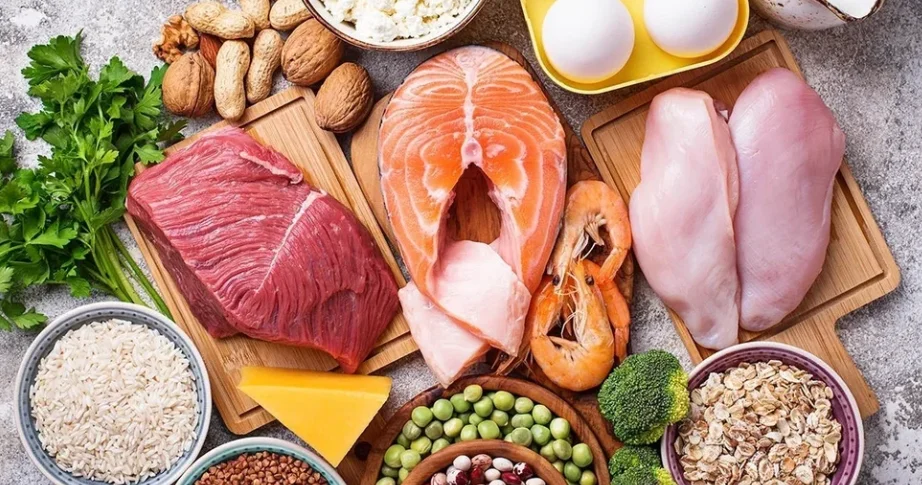
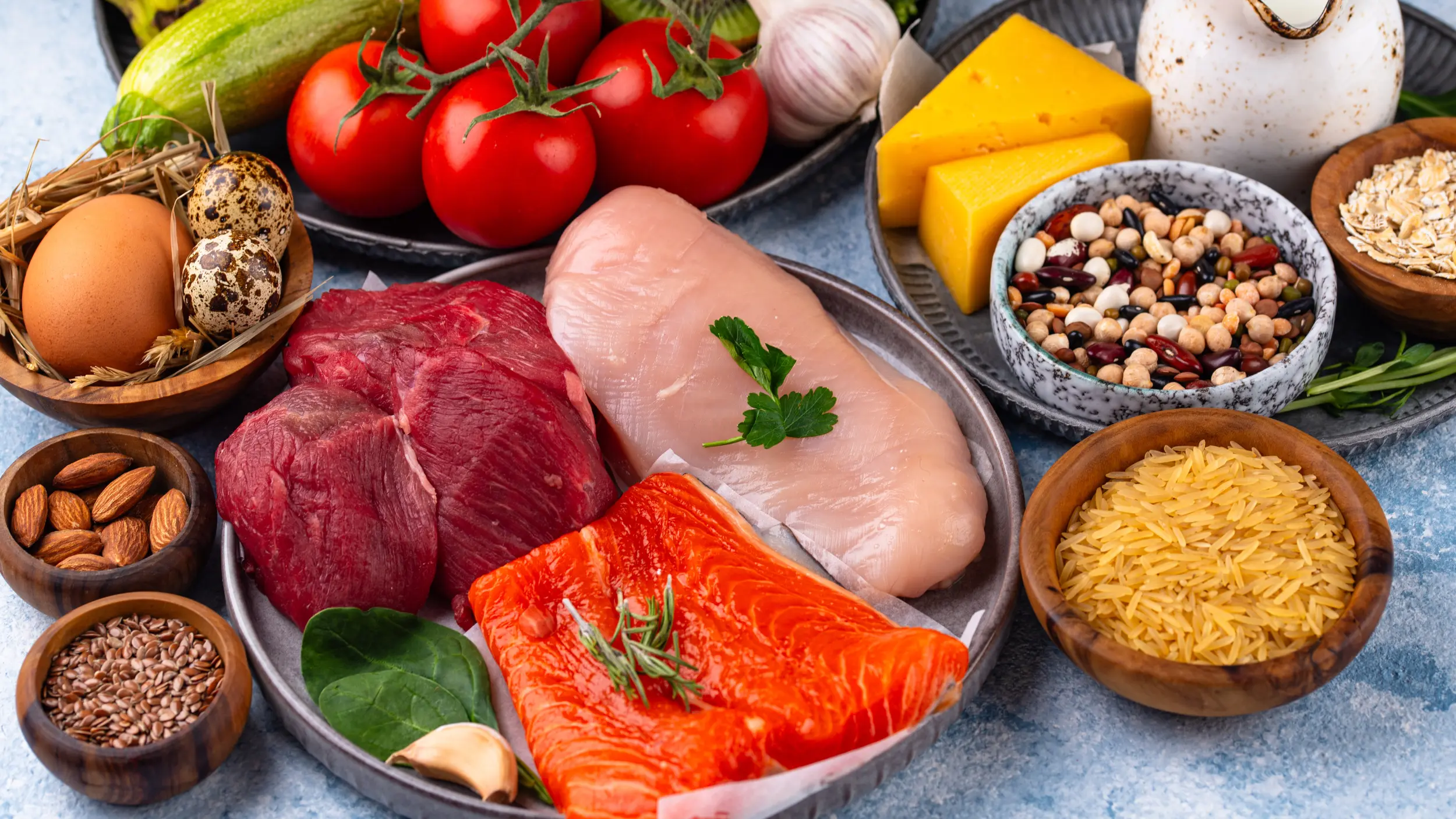
Prioritize Protein: Aim for 25-35g of protein at each meal, particularly breakfast [46]. Protein stabilizes blood sugar, supports muscle maintenance, increases satiety, and requires more energy to digest than carbs or fat. Research shows that higher protein intake (1.6-2.0g per kg body weight) supports body composition during metabolic transitions [47].
Time Your Carbs: Front-load carbohydrates earlier in the day when cortisol and insulin sensitivity are naturally higher, and reduce them in the evening [48]. This works with your circadian rhythm rather than against it. Focus on complex carbs paired with fiber, protein, and healthy fats to prevent blood sugar spikes.
Don't Under-Eat: Severe calorie restriction increases cortisol levels [49]. Instead of aggressive cutting, focus on eating enough to support your metabolic rate—typically 1,800-2,200 calories for most women in this age range, depending on activity level. Eating too little is counterproductive.
Support Blood Sugar: Include protein, healthy fats, and fiber at every meal. Avoid long fasting periods (more than 4-5 hours) during the day, as this can trigger cortisol release. For many women in their late 30s, eating every 3-4 hours maintains more stable blood sugar and cortisol [50].
Strategic Supplements: Magnesium glycinate (300-400mg before bed) supports cortisol metabolism and sleep [51]. Omega-3 fatty acids (2-3g EPA/DHA daily) reduce inflammation and may help normalize cortisol patterns [52]. Adaptogenic herbs like ashwagandha (300-600mg daily) have been shown in clinical trials to reduce cortisol levels by 11-32% [53]. Vitamin C (1,000-2,000mg daily) supports adrenal function and cortisol metabolism [54].
Movement and Exercise
Rethink Intense Exercise: While high-intensity training has benefits, excessive amounts increase cortisol, especially when you're already stressed or under-recovered [55]. If you're doing intense workouts 5-6 days per week and not seeing results, this might be why.
Prioritize Strength Training: Resistance training 3-4 times per week builds muscle, which increases metabolic rate and improves insulin sensitivity [56]. A 2025 meta-analysis found that women who strength trained consistently maintained 8-12% higher metabolic rates than those who only did cardio [57].
Embrace Lower-Intensity Movement: Walking, yoga, Pilates, and other moderate-intensity activities reduce cortisol while still providing metabolic benefits [58]. Aim for 8,000-10,000 steps daily through regular movement rather than trying to "earn" all your activity in one intense session.
Time Your Workouts: Exercising in the morning or early afternoon aligns better with your natural cortisol rhythm [59]. Late evening intense workouts can interfere with the cortisol decline needed for quality sleep.
Sleep and Circadian Rhythm
Non-Negotiable Sleep: Prioritize 7-9 hours of quality sleep. Even partial sleep deprivation (6 hours instead of 8) increases next-day cortisol by 37-45% [60]. Poor sleep also increases insulin resistance, hunger hormones, and cravings.
Consistent Sleep Schedule: Go to bed and wake up at the same time daily, even on weekends. This stabilizes your cortisol rhythm [61]. Your body craves predictability for optimal hormone function.
Optimize Your Sleep Environment: Dark (blackout curtains or eye mask), cool (65-68°F), and quiet. Blue light from screens suppresses melatonin and delays cortisol's decline [62]. Stop screen time 1-2 hours before bed or use blue-light-blocking glasses.
Morning Light Exposure: Get bright light exposure (ideally natural sunlight) within 30-60 minutes of waking. This sets your circadian clock, supports healthy morning cortisol, and promotes better nighttime melatonin production [63].
Stress Management (Yes, Really)
Daily Stress Practice: Non-negotiable. Even 10-15 minutes daily of meditation, breathwork, or mindfulness reduces cortisol levels [64]. Apps like Calm, Headspace, or Insight Timer remove the barrier of "not knowing how."
Breathwork for Acute Stress: Box breathing (inhale 4 counts, hold 4, exhale 4, hold 4) or extended exhales (inhale 4 counts, exhale 6-8 counts) activate your parasympathetic nervous system and lower cortisol within minutes [65].
Nature Exposure: Time in nature—even 20 minutes in a park—reduces cortisol by 21% on average [66]. Forest bathing or simply sitting outside works.
Social Connection: Quality time with supportive friends and family reduces cortisol and buffers against stress [67]. Loneliness and social isolation, conversely, are significant stressors that elevate cortisol chronically.
Set Boundaries: Saying no to obligations that drain you isn't selfish—it's essential. Chronic overcommitment is a significant source of elevated cortisol for women in this life stage [68].
Medical and Functional Interventions
For some women, lifestyle interventions alone aren't enough, especially if hormonal imbalances are significant.
Bioidentical Hormone Therapy: For women in perimenopause, bioidentical estrogen and progesterone may help restore hormonal balance and improve cortisol regulation [69]. This requires working with a knowledgeable practitioner who monitors levels closely.
Thyroid Optimization: If testing reveals suboptimal thyroid function, treatment (whether with levothyroxine, liothyronine, or natural desiccated thyroid) can restore metabolic rate [70].
Insulin Sensitizers: For women with documented insulin resistance, medications like metformin or supplements like berberine and inositol can improve insulin sensitivity and support weight management [71].
Address Underlying Conditions: Conditions like PCOS, Hashimoto's thyroiditis, and chronic inflammation all affect cortisol and weight. Proper diagnosis and treatment are essential [72].
The Bottom Line
Unexplained weight gain in your late 30s isn't a personal failing—it's a biological reality rooted in hormonal shifts, with cortisol playing a central role. The same strategies that worked in your 20s often backfire now because your metabolic needs have changed.
The solution isn't more restriction, more intense exercise, or more willpower. It's understanding your unique hormonal patterns and implementing targeted, sustainable strategies that work with your biology rather than against it.
This means:
Your body isn't broken. It's responding exactly as it's designed to the inputs and environment you're giving it. The key is understanding those responses and making strategic changes that support optimal hormone function.
If you're ready to take the next step, schedule a consultation to create a personalized plan based on your unique hormonal picture and metabolic needs.
References
[1] - https://www.ncbi.nlm.nih.gov/pmc/articles/PMC6053438/
[2] - https://www.ncbi.nlm.nih.gov/pmc/articles/PMC5958156/
[4] - https://www.frontiersin.org/articles/10.3389/fendo.2022.891322/full
[5] - https://www.ncbi.nlm.nih.gov/pmc/articles/PMC4263906/
[6] - https://pubmed.ncbi.nlm.nih.gov/36587345/
[7] - https://www.ncbi.nlm.nih.gov/pmc/articles/PMC5568408/
[8] - https://www.ncbi.nlm.nih.gov/pmc/articles/PMC6098779/
[9] - https://www.ncbi.nlm.nih.gov/pmc/articles/PMC6364526/
[10] - https://www.ncbi.nlm.nih.gov/pmc/articles/PMC3079864/
[11] - https://www.ncbi.nlm.nih.gov/pmc/articles/PMC5579396/
[12] - https://academic.oup.com/jcem/article/109/3/e1156/7223458
[13] - https://www.ncbi.nlm.nih.gov/pmc/articles/PMC6179510/
[14] - https://www.ncbi.nlm.nih.gov/pmc/articles/PMC3743364/
[15] - https://www.ncbi.nlm.nih.gov/pmc/articles/PMC6324073/
[16] - https://www.ncbi.nlm.nih.gov/pmc/articles/PMC3880087/
[17] - https://www.ncbi.nlm.nih.gov/pmc/articles/PMC7481046/
[18] - https://www.ncbi.nlm.nih.gov/pmc/articles/PMC2895000/
[19] - https://www.ncbi.nlm.nih.gov/pmc/articles/PMC3428710/
[20] - https://onlinelibrary.wiley.com/doi/10.1002/oby.23841
[21] - https://www.ncbi.nlm.nih.gov/pmc/articles/PMC5958156/
[22] - https://www.ncbi.nlm.nih.gov/pmc/articles/PMC6087750/
[23] - https://www.ncbi.nlm.nih.gov/pmc/articles/PMC3880087/
[24] - https://www.ncbi.nlm.nih.gov/pmc/articles/PMC6039949/
[25] - https://www.ncbi.nlm.nih.gov/pmc/articles/PMC6324073/
[26] - https://www.frontiersin.org/articles/10.3389/fendo.2023.1098756/full
[27] - https://www.ncbi.nlm.nih.gov/pmc/articles/PMC3743364/
[28] - https://www.ncbi.nlm.nih.gov/pmc/articles/PMC5337178/
[29] - https://www.ncbi.nlm.nih.gov/pmc/articles/PMC7605876/
[30] - https://www.ncbi.nlm.nih.gov/pmc/articles/PMC5568408/
[31] - https://www.ncbi.nlm.nih.gov/pmc/articles/PMC8839325/
[32] - https://www.ncbi.nlm.nih.gov/pmc/articles/PMC6098779/
[33] - https://www.ncbi.nlm.nih.gov/pmc/articles/PMC3752894/
[34] - https://www.ncbi.nlm.nih.gov/pmc/articles/PMC6364526/
[35] - https://www.ncbi.nlm.nih.gov/pmc/articles/PMC5042109/
[36] - https://www.ncbi.nlm.nih.gov/pmc/articles/PMC4255853/
[37] - https://www.ncbi.nlm.nih.gov/pmc/articles/PMC6039949/
[38] - https://www.ncbi.nlm.nih.gov/pmc/articles/PMC5556586/
[39] - https://www.ncbi.nlm.nih.gov/pmc/articles/PMC7360068/
[40] - https://www.frontiersin.org/articles/10.3389/fendo.2022.1044670/full
[41] - https://www.ncbi.nlm.nih.gov/pmc/articles/PMC4261414/
[42] - https://dutchtest.com/dutch-complete/
[43] - https://www.ncbi.nlm.nih.gov/pmc/articles/PMC9336218/
[44] - https://www.ncbi.nlm.nih.gov/pmc/articles/PMC6324073/
[45] - https://www.frontiersin.org/articles/10.3389/fendo.2022.1044670/full
[46] - https://www.ncbi.nlm.nih.gov/pmc/articles/PMC6315740/
[47] - https://pubmed.ncbi.nlm.nih.gov/36990032/
[48] - https://www.ncbi.nlm.nih.gov/pmc/articles/PMC8839325/
[49] - https://www.ncbi.nlm.nih.gov/pmc/articles/PMC2895000/
[50] - https://www.ncbi.nlm.nih.gov/pmc/articles/PMC5556586/
[51] - https://www.ncbi.nlm.nih.gov/pmc/articles/PMC5452159/
[52] - https://www.ncbi.nlm.nih.gov/pmc/articles/PMC3191260/
[53] - https://www.ncbi.nlm.nih.gov/pmc/articles/PMC6979308/
[54] - https://www.ncbi.nlm.nih.gov/pmc/articles/PMC7019938/
[55] - https://www.ncbi.nlm.nih.gov/pmc/articles/PMC5068479/
[56] - https://www.ncbi.nlm.nih.gov/pmc/articles/PMC6039949/
[58] - https://www.ncbi.nlm.nih.gov/pmc/articles/PMC5871851/
[59] - https://www.ncbi.nlm.nih.gov/pmc/articles/PMC8839325/
[60] - https://www.ncbi.nlm.nih.gov/pmc/articles/PMC7605876/
[61] - https://www.ncbi.nlm.nih.gov/pmc/articles/PMC5337178/
[62] - https://www.ncbi.nlm.nih.gov/pmc/articles/PMC6751071/
[63] - https://www.ncbi.nlm.nih.gov/pmc/articles/PMC8839325/
[64] - https://www.ncbi.nlm.nih.gov/pmc/articles/PMC5871851/
[65] - https://www.ncbi.nlm.nih.gov/pmc/articles/PMC5455070/
[66] - https://www.ncbi.nlm.nih.gov/pmc/articles/PMC6361647/
[67] - https://www.ncbi.nlm.nih.gov/pmc/articles/PMC3780864/
[68] - https://www.ncbi.nlm.nih.gov/pmc/articles/PMC7481046/
[69] - https://www.ncbi.nlm.nih.gov/pmc/articles/PMC5433289/
[70] - https://www.frontiersin.org/articles/10.3389/fendo.2022.1044670/full
[71] - https://www.ncbi.nlm.nih.gov/pmc/articles/PMC7331239/
[72] - https://www.ncbi.nlm.nih.gov/pmc/articles/PMC6179510/
.svg)
.svg)

















.webp)
.webp)
.webp)
.webp)

.webp)

.webp)
.webp)
.webp)

.webp)
.webp)
.webp)
.webp)

.webp)

.webp)