.webp)
%2B(7).webp)
.png)
This article gives you a ready-to-use 7-day meal plan built around roughly 1,500 calories per day, with protein targets based on the 2025-2030 Dietary Guidelines. Every day includes breakfast, lunch, dinner, and a snack, plus a full shopping list, a Sunday meal prep game plan, and simple swaps for different calorie levels, cultural preferences, and dietary needs. If you want a plan built specifically around your body, labs, and medical history, a registered dietitian can create one, often covered by insurance at $0 out of pocket.
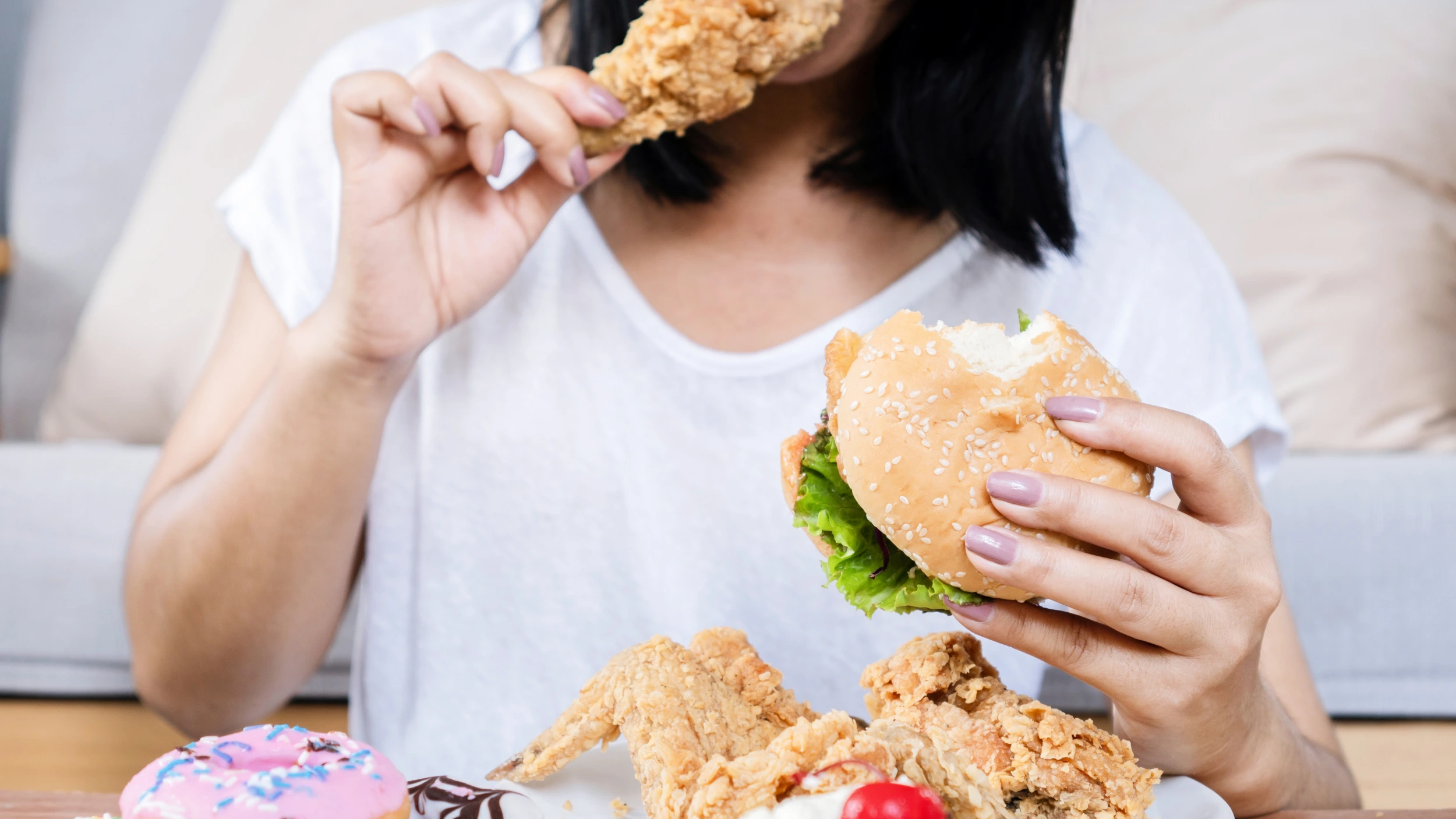
Generic meal plans get a bad rap, and honestly, a lot of it is deserved. A meta-analysis of 27 weight loss studies found the overall adherence rate was just 60.5%, and roughly half of people who lose weight regain it within two years. The meal plan below won’t fix that on its own.
But you still need somewhere to start. Practitioners on Reddit’s r/loseit consistently report that having a concrete plan for the first few weeks builds momentum and awareness, even if you eventually move to a more flexible approach. The key is treating this plan as a template you can bend, not a rigid rulebook.
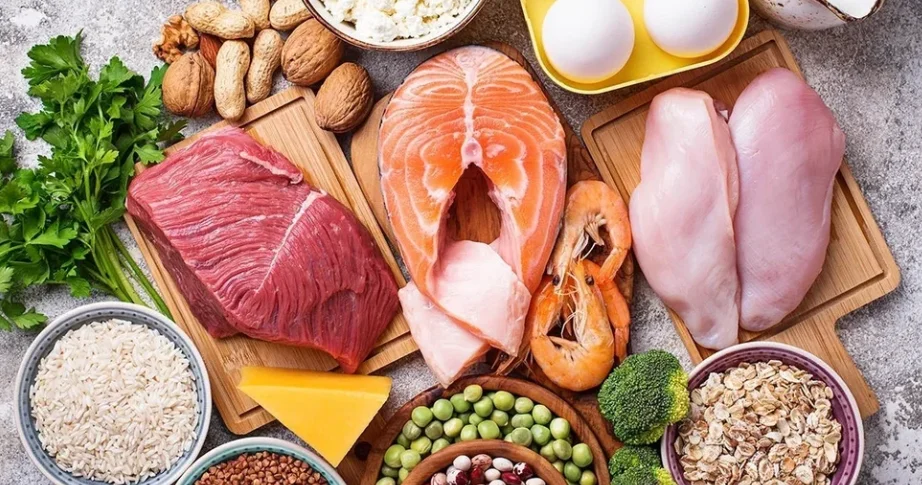
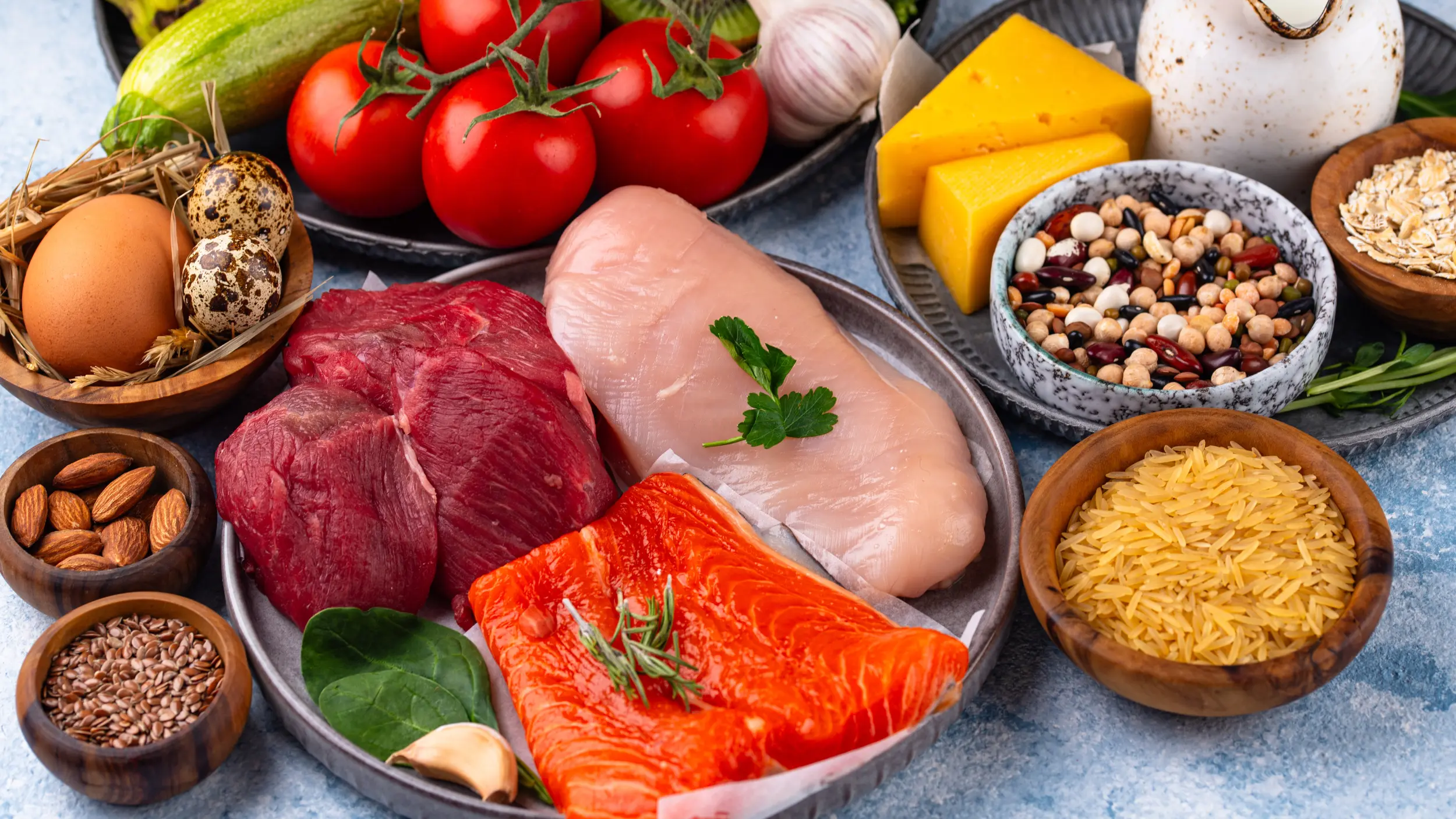
This plan prioritizes protein (the most important macronutrient for weight loss), fiber-rich foods that keep you full, and meals that actually taste good. Every recipe uses ingredients you can find at any grocery store.
This content is written with registered dietitian oversight and is educational in nature. It is not a substitute for personalized medical advice. Consult a licensed RD or healthcare provider before making significant dietary changes.
How to Find Your Calorie Target
Before jumping into the meal plan, you need a rough calorie target. Here’s the simple version:
- Estimate your Total Daily Energy Expenditure (TDEE). This is the total calories your body burns in a day, including activity. Free online calculators (search “TDEE calculator”) will estimate this based on your age, height, weight, and activity level.
- Subtract 300 to 500 calories. This creates a moderate deficit that produces about 0.5 to 1 pound of weight loss per week without making you miserable.
For many moderately active women between 25 and 45, this lands somewhere between 1,400 and 1,800 calories per day. The sample plan below targets roughly 1,500 calories per day. Scroll to the “Adjusting for Your Calorie Level” section if you need more or fewer calories.
A quick warning: community members on Reddit frequently flag that plans promoting 1,200 calories are too low for most active women and lead to burnout and binge cycles. If 1,500 feels like a stretch, you may need a higher target, and that’s perfectly fine. Slower weight loss that sticks beats fast weight loss that rebounds.
Your Daily Macro Targets
These targets are based on the 2025-2030 Dietary Guidelines and current weight loss research:
For practical guidance on increasing protein intake, see our guide on how to start a high-protein diet.
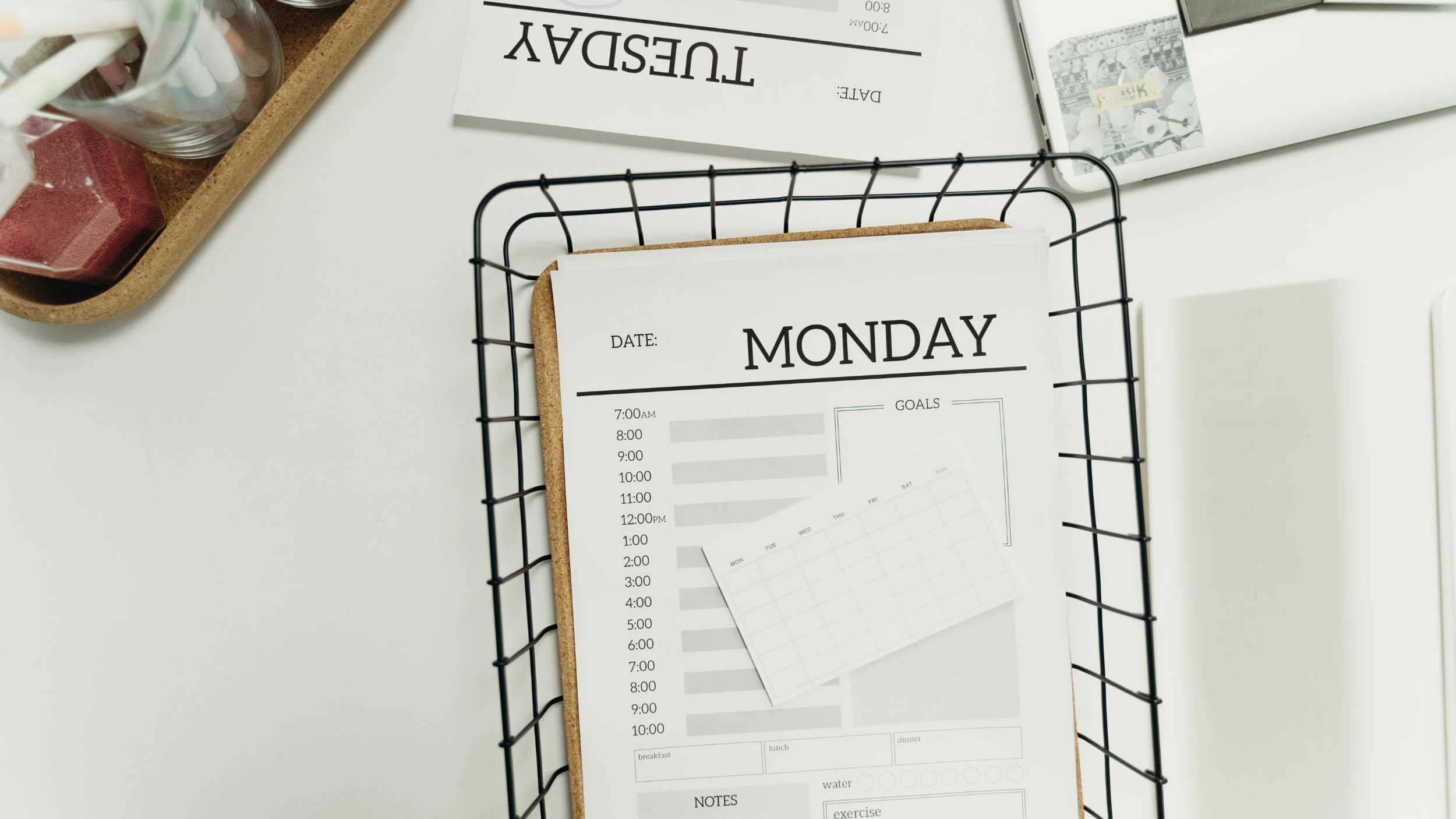
The 7-Day Meal Plan (~1,500 Calories/Day)
Each day includes breakfast, lunch, dinner, and one snack. Approximate calories and protein are listed for each meal.
Day 1: Monday
Breakfast: Greek Yogurt Parfait (~350 cal, 30g protein)
- 1 cup plain nonfat Greek yogurt
- ½ cup mixed berries
- 2 tbsp chopped walnuts
- 1 tsp honey
Lunch: Turkey and Black Bean Bowl (~420 cal, 35g protein)
- 4 oz ground turkey, seasoned with cumin and chili powder
- ½ cup black beans
- ½ cup brown rice
- ¼ avocado, diced
- Salsa and lime juice to taste
- Handful of shredded lettuce
Snack: Apple with Peanut Butter (~200 cal, 7g protein)
- 1 medium apple
- 1.5 tbsp natural peanut butter
Dinner: Lemon Herb Chicken with Roasted Vegetables (~480 cal, 40g protein)
- 5 oz chicken breast, seasoned with lemon, garlic, oregano
- 2 cups roasted broccoli and bell peppers (1 tsp olive oil)
- ½ cup roasted sweet potato
Daily Total: ~1,450 cal | ~112g protein | ~32g fiber
Day 2: Tuesday
Breakfast: Veggie Egg Scramble (~320 cal, 28g protein)
- 2 whole eggs + 2 egg whites
- ½ cup spinach, ¼ cup diced tomatoes, ¼ cup mushrooms
- 1 slice whole wheat toast
- Cooking spray
Lunch: Chicken Salad Wrap (~430 cal, 34g protein)
- 4 oz shredded chicken breast mixed with 1 tbsp Greek yogurt, mustard, diced celery
- 1 large whole wheat tortilla
- Lettuce, tomato, cucumber slices
Snack: Cottage Cheese and Berries (~170 cal, 20g protein)
- ¾ cup low-fat cottage cheese
- ½ cup strawberries
Dinner: Salmon with Quinoa and Asparagus (~530 cal, 38g protein)
- 5 oz salmon fillet (baked with lemon and dill)
- ½ cup cooked quinoa
- 1 cup roasted asparagus (1 tsp olive oil)
Daily Total: ~1,450 cal | ~120g protein | ~28g fiber
Day 3: Wednesday
Breakfast: Overnight Oats (~380 cal, 24g protein)
- ½ cup rolled oats
- ½ cup unsweetened almond milk
- ½ scoop vanilla protein powder (or 2 tbsp hemp seeds)
- 1 tbsp chia seeds
- ½ banana, sliced
Lunch: Tuna Salad Over Greens (~400 cal, 36g protein)
- 1 can (5 oz) tuna in water, drained
- 1 tbsp olive oil, lemon juice, Dijon mustard
- 2 cups mixed greens
- ¼ cup chickpeas
- Cucumber, red onion, cherry tomatoes
Snack: Hard-Boiled Eggs (~140 cal, 12g protein)
- 2 hard-boiled eggs
- Pinch of everything bagel seasoning
Dinner: Turkey Taco Lettuce Wraps (~520 cal, 38g protein)
- 5 oz ground turkey, cooked with taco seasoning
- Large butter lettuce leaves as wraps
- ½ cup pinto beans
- Diced tomato, onion, cilantro
- 2 tbsp shredded cheese
- Hot sauce
Daily Total: ~1,440 cal | ~110g protein | ~30g fiber
Day 4: Thursday
Breakfast: Protein Smoothie (~340 cal, 32g protein)
- 1 scoop protein powder
- 1 cup unsweetened almond milk
- ½ frozen banana
- 1 tbsp peanut butter
- Handful of spinach
- Ice
Lunch: Leftover Salmon Quinoa Bowl (~480 cal, 35g protein)
- Leftover salmon and quinoa from Tuesday (or prep extra)
- 1 cup mixed greens
- ¼ avocado
- Cucumber, cherry tomatoes
- Drizzle of lemon-tahini dressing (1 tsp tahini + lemon juice)
Snack: Veggies and Hummus (~150 cal, 5g protein)
- 1 cup baby carrots and cucumber slices
- 3 tbsp hummus
Dinner: Chicken Stir-Fry (~500 cal, 40g protein)
- 5 oz chicken breast, sliced
- 2 cups stir-fry vegetables (snap peas, bell pepper, broccoli, carrots)
- 1 tbsp low-sodium soy sauce, garlic, ginger
- ½ cup brown rice
- 1 tsp sesame oil for cooking
Daily Total: ~1,470 cal | ~112g protein | ~29g fiber
Day 5: Friday
Breakfast: Avocado Toast with Egg (~370 cal, 22g protein)
- 1 slice whole grain bread
- ¼ mashed avocado
- 2 eggs (poached or fried in cooking spray)
- Red pepper flakes, salt, pepper
- Side of ½ cup berries
Lunch: Black Bean Soup (~400 cal, 22g protein)
- 1.5 cups black bean soup (canned is fine, choose low-sodium)
- 2 tbsp plain Greek yogurt as topping
- Side: 1 small whole wheat roll
Snack: Protein Bites (prep ahead) (~180 cal, 10g protein)
- 2 energy bites (oats, peanut butter, protein powder, mini chocolate chips, honey, rolled into balls)
Dinner: Shrimp Fajitas (~510 cal, 38g protein)
- 6 oz shrimp, seasoned with chili powder, cumin, garlic
- Sautéed bell peppers and onions (1 tsp olive oil)
- 2 small corn tortillas
- Salsa, lime, cilantro
- 2 tbsp shredded cheese
Daily Total: ~1,460 cal | ~92g protein | ~34g fiber
Day 6: Saturday
Breakfast: Cottage Cheese Pancakes (~360 cal, 32g protein)
- Blend: ¾ cup cottage cheese, 2 eggs, ½ cup oats, ½ tsp vanilla, pinch of cinnamon
- Cook on nonstick pan
- Top with ½ cup mixed berries
Lunch: Mediterranean Chicken Bowl (~450 cal, 36g protein)
- 4 oz grilled chicken
- ½ cup cooked farro or brown rice
- ¼ cup hummus
- Cucumber, tomato, red onion, kalamata olives (4-5)
- Squeeze of lemon
For more breakfast ideas that align with a Mediterranean approach, check our heart-healthy breakfast guide.
Snack: String Cheese and Almonds (~180 cal, 12g protein)
- 1 string cheese
- 12 almonds
Dinner: Beef and Veggie Skewers (~490 cal, 36g protein)
- 5 oz sirloin, cubed
- Zucchini, red onion, bell pepper, mushrooms on skewers
- Brush with 1 tsp olive oil, garlic, herbs
- Side: small baked potato or ½ cup couscous
Daily Total: ~1,480 cal | ~116g protein | ~27g fiber
Day 7: Sunday
Breakfast: Egg Muffin Cups (prep ahead) (~300 cal, 26g protein)
- 2 egg muffin cups (eggs, spinach, turkey sausage, peppers, baked in muffin tin)
- 1 small banana
Lunch: Chicken Tortilla Soup (~420 cal, 32g protein)
- 4 oz shredded chicken in broth with diced tomatoes, black beans, corn, onion, garlic, cumin
- Squeeze of lime, handful of tortilla strips
- 1 tbsp shredded cheese
Snack: Greek Yogurt with Pumpkin Seeds (~160 cal, 18g protein)
- ¾ cup plain nonfat Greek yogurt
- 1 tbsp pumpkin seeds
- Dash of cinnamon
Dinner: Baked Cod with Roasted Veggies (~530 cal, 38g protein)
- 6 oz cod fillet, baked with lemon, paprika, garlic
- 2 cups roasted cauliflower and zucchini (1 tsp olive oil)
- ½ cup brown rice
Daily Total: ~1,410 cal | ~114g protein | ~28g fiber
Weekly Shopping List
Print this or screenshot it before you head to the store.
Proteins
- Chicken breast (2 lbs)
- Ground turkey (1 lb)
- Salmon fillets (2, about 5 oz each)
- Shrimp (6 oz)
- Sirloin steak (5 oz)
- Cod fillet (6 oz)
- Canned tuna (1 can)
- Eggs (1 dozen)
- Plain nonfat Greek yogurt (32 oz)
- Low-fat cottage cheese (16 oz)
- Turkey sausage (small package)
- String cheese (1 pack)
Grains and Starches
- Brown rice (1 bag)
- Rolled oats (1 canister)
- Quinoa (small bag)
- Whole wheat tortillas (small pack)
- Corn tortillas (small pack)
- Whole grain bread (1 loaf)
- Whole wheat roll or small baguette
- Farro or couscous (small bag)
Fruits and Vegetables
- Mixed berries (fresh or frozen, 2 cups)
- Strawberries (1 pint)
- Bananas (3-4)
- Apples (2)
- Lemons (4)
- Limes (2)
- Avocados (2)
- Broccoli (2 heads)
- Bell peppers (5-6, mixed colors)
- Asparagus (1 bunch)
- Zucchini (2)
- Cauliflower (1 head)
- Sweet potato (1 large)
- Baby spinach (1 large bag)
- Mixed greens (1 container)
- Butter lettuce (1 head)
- Cherry tomatoes (1 pint)
- Regular tomatoes (2-3)
- Cucumber (2)
- Red onion (2)
- Yellow onion (1)
- Mushrooms (1 small container)
- Baby carrots (1 bag)
- Snap peas (1 cup)
- Celery (1 small bunch)
- Cilantro (1 bunch)
- Garlic (1 head)
- Fresh ginger (small piece)
Canned/Pantry
- Black beans (2 cans)
- Pinto beans (1 can)
- Chickpeas (1 can)
- Low-sodium black bean soup (1 can)
- Diced tomatoes (1 can)
- Salsa (1 jar)
- Hummus (1 container)
- Natural peanut butter (1 jar)
- Tahini (small jar, optional)
- Olive oil
- Sesame oil (small bottle)
- Low-sodium soy sauce
- Dijon mustard
- Honey
- Chia seeds
- Walnuts
- Almonds
- Pumpkin seeds
- Protein powder (vanilla, optional)
- Kalamata olives (small jar)
- Mini chocolate chips (for energy bites, small bag)
Spices (buy only what you don’t have)
- Cumin, chili powder, taco seasoning, oregano, paprika, cinnamon, red pepper flakes, everything bagel seasoning, garlic powder
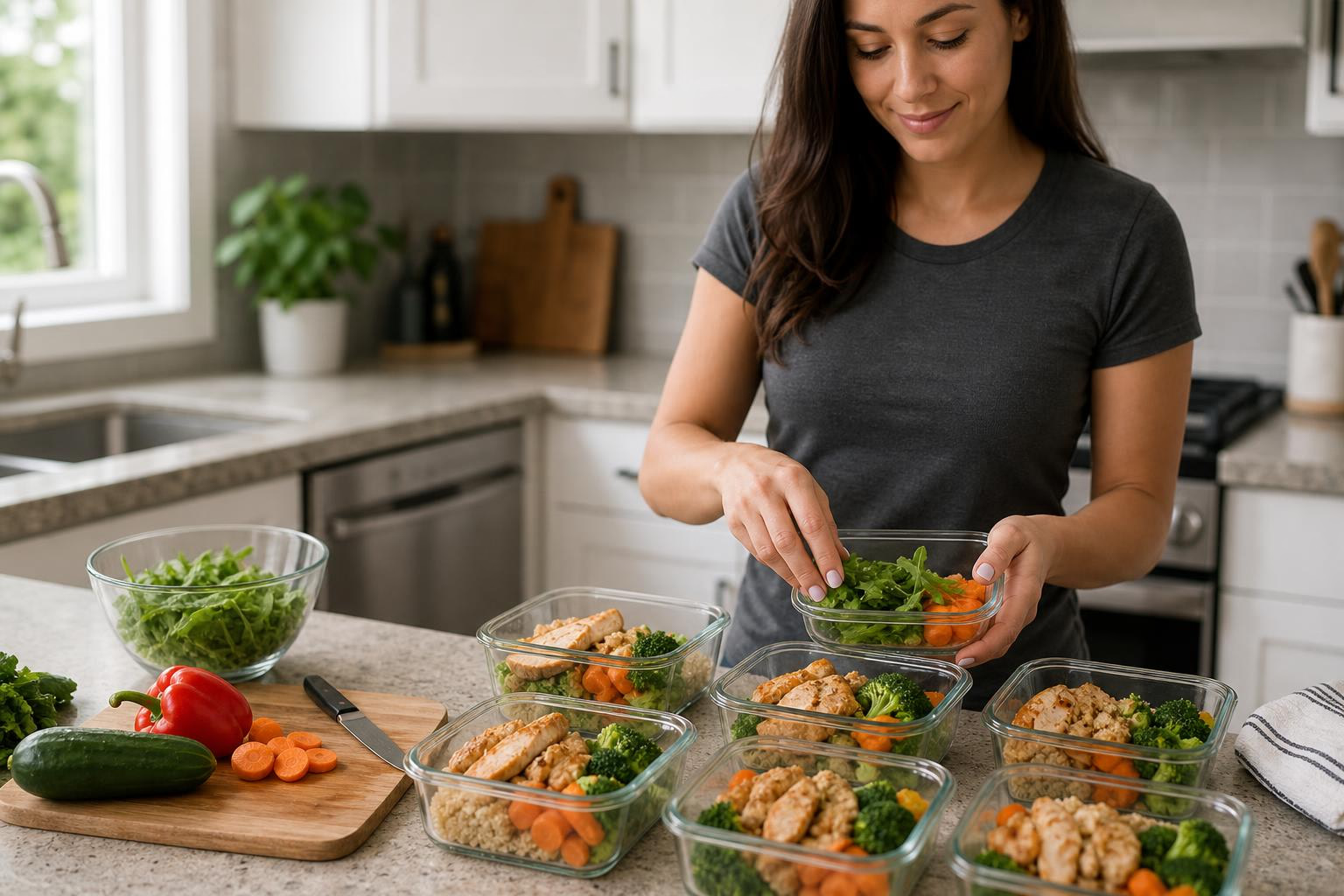
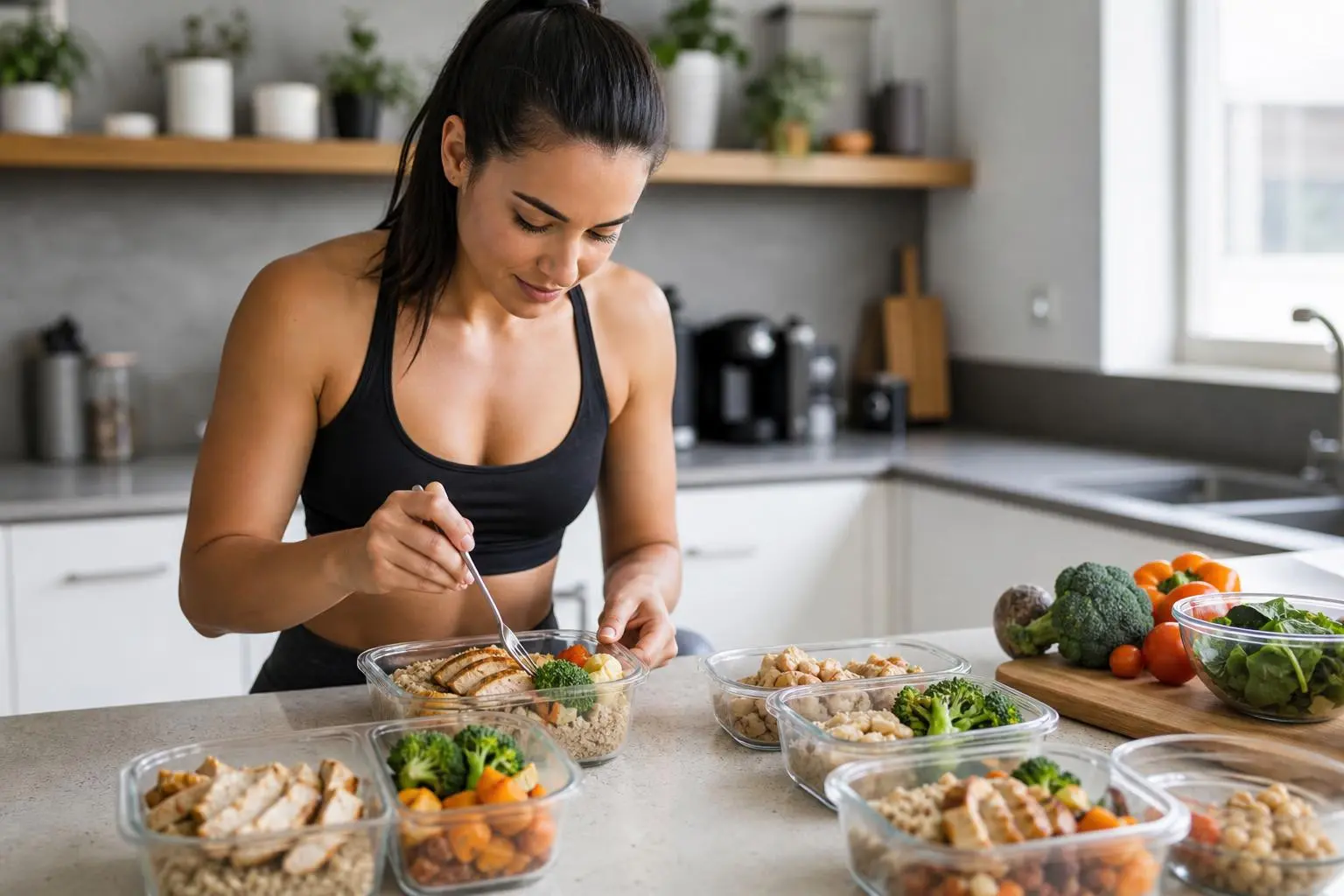
Sunday Meal Prep Game Plan (About 90 Minutes)
Prepping even a few things on Sunday dramatically cuts weekday cooking time. Practitioners on Reddit’s meal prep communities report that 60 to 90 minutes of Sunday prep saves 4 to 5 hours during the week and cuts takeout spending significantly.
Here’s what to prep:
Step 1: Start the grains (5 min active, 20 min passive)
Cook a big batch of brown rice and quinoa. You’ll use these across multiple meals.
Step 2: Cook chicken in bulk (5 min active, 25 min passive)
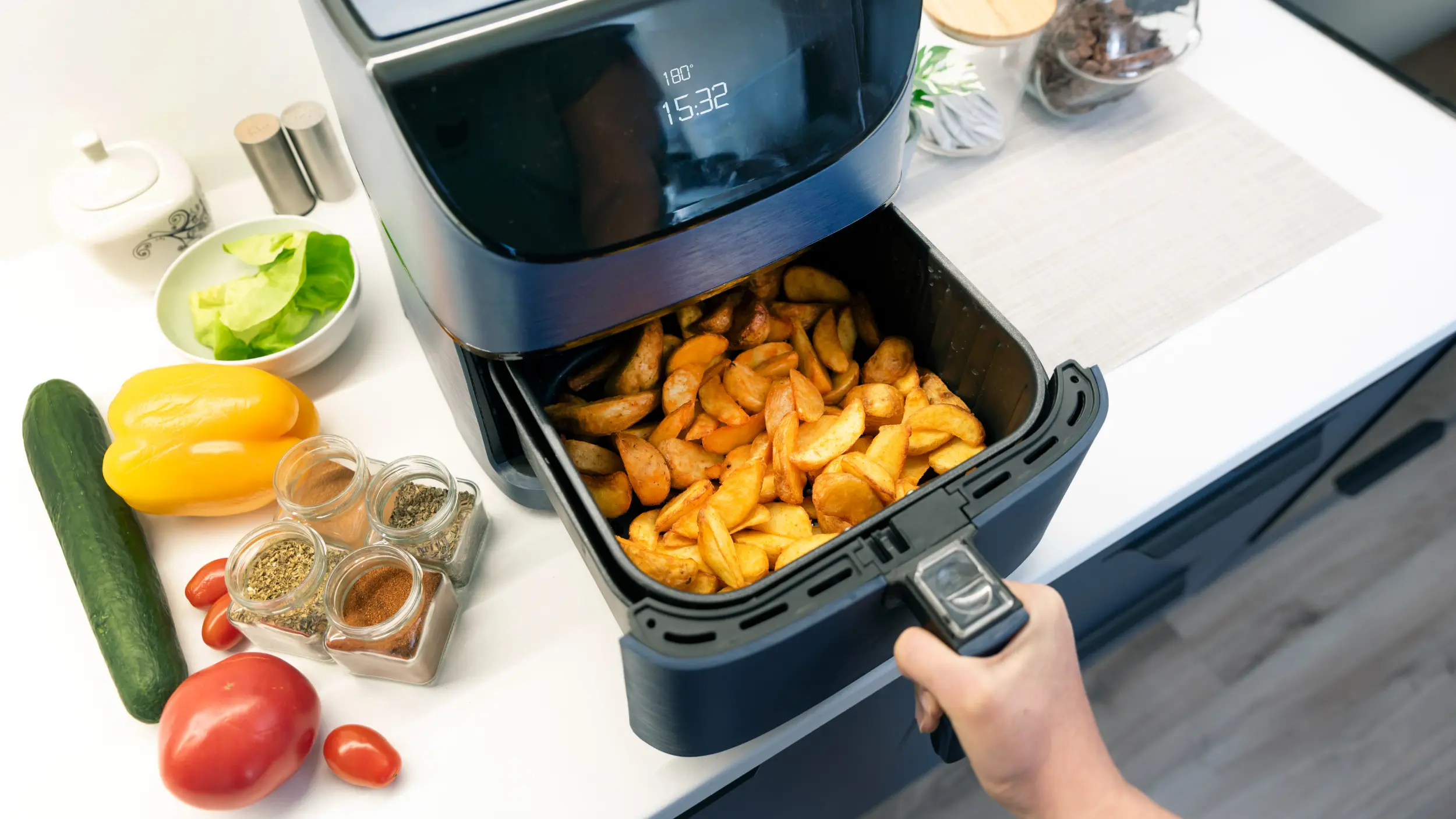
Season 2 lbs of chicken breast with simple spices (garlic, salt, pepper, a little cumin). Bake at 400°F for 22-25 minutes. Once cooled, slice half and shred half. Store in separate containers.
Step 3: Chop vegetables (15 min)
Wash and chop all your vegetables for the week. Store in containers lined with paper towels to keep them fresh:
- Stir-fry veggies (snap peas, peppers, broccoli, carrots) in one container
- Salad veggies (cucumber, tomato, onion) in another
- Roasting veggies (broccoli, bell peppers, sweet potato, cauliflower, zucchini) in another
Step 4: Make overnight oats (5 min)
Combine oats, almond milk, chia seeds, and protein powder in a jar. Refrigerate. Add banana in the morning.
Step 5: Hard-boil eggs (5 min active, 12 min passive)
Boil 6 eggs. These become snacks and quick breakfast additions all week.
Step 6: Make egg muffin cups (10 min active, 20 min passive)
Whisk eggs with spinach, diced turkey sausage, and peppers. Pour into a greased muffin tin. Bake at 350°F for 18-20 minutes. Store in the fridge for grab-and-go breakfasts.
Step 7: Make energy bites (10 min)
Mix ½ cup oats, ¼ cup peanut butter, 1 scoop protein powder, 1 tbsp mini chocolate chips, 1 tbsp honey. Roll into 8 balls. Refrigerate.
What you now have ready:
- Cooked chicken (sliced and shredded)
- Brown rice and quinoa
- Chopped vegetables for cooking and snacking
- Overnight oats for Wednesday
- Hard-boiled eggs
- Egg muffin cups
- Energy bites
The rest of the week, most dinners take 15 to 25 minutes because your proteins and grains are done and your vegetables are pre-chopped.
Adjusting for Your Calorie Level
The plan above targets roughly 1,500 calories. Here’s how to scale it:
To reduce to ~1,300 calories:
- Cut snacks to just veggies with hummus or a hard-boiled egg
- Reduce grains to ¼ cup servings
- Skip the avocado or use just 2 tablespoons
To increase to ~1,800 calories:
- Add an extra snack (Greek yogurt, a handful of nuts, or another piece of fruit)
- Increase grain portions to ¾ cup
- Add 1 tablespoon of olive oil or nut butter to a meal
- Include a full avocado half instead of a quarter
To increase to ~2,000 calories:
- Use the 1,800 adjustments above
- Add a second snack
- Increase protein portions to 6-7 oz at dinner
If you’re unsure which calorie level is right, a registered dietitian can calculate your individual needs based on your body composition, activity level, and any medical conditions. More on that below.
Smart Swaps for Preferences and Dietary Needs
A plan you actually enjoy eating is a plan you’ll stick with. Research from the NutriNet-Santé study of over 40,000 participants found that people who planned meals regularly had higher diet quality and were less likely to be overweight. But that only works when the food feels like yours.
Vegetarian Swaps
- Replace chicken or turkey with extra beans, lentils, tofu, or tempeh
- Use edamame as a high-protein snack
- Add extra Greek yogurt, eggs, or cottage cheese to hit protein targets
Dairy-Free Swaps
- Replace Greek yogurt with coconut or soy yogurt (check protein content)
- Use avocado instead of cheese
- Choose almond or oat milk
Low-Carb Adjustments
- Replace grains with extra roasted vegetables (cauliflower rice works well)
- Increase healthy fat portions slightly (extra olive oil, nuts, avocado)
- Keep protein portions the same
Why Protein Matters More Than You Think
You’ll notice this plan pushes protein at every meal. There’s a reason.
The 2025-2030 Dietary Guidelines raised protein recommendations to 1.2 to 1.6 grams per kilogram of body weight per day, nearly double the old guideline. For a 150-pound person, that means roughly 82 to 109 grams of protein daily. A meta-analysis found that protein intake exceeding 1.3 g/kg/day significantly prevents muscle loss during calorie restriction, preserving lean mass that keeps your metabolism running.
Muscle preservation during weight loss isn’t cosmetic. Muscle tissue burns more calories at rest. Lose too much muscle and your body needs fewer calories, which makes future weight loss harder and regain easier. This is the cycle that traps people who repeatedly diet on low-protein plans.
If you’re curious about why your body may crave food until it gets enough protein, the protein leverage hypothesis explains the mechanism. And for more on building a protein-focused eating pattern, check our high-protein diet guide.
When a Template Isn’t Enough
This meal plan is a solid starting point for generally healthy adults who want to lose weight. But there are situations where a generic template, no matter how well designed, falls short.
You have a medical condition affecting your weight. Insulin resistance, PCOS, prediabetes, type 2 diabetes, IBS, high cholesterol, or heart disease all require specific dietary adjustments that a one-size-fits-all plan can’t address. A registered dietitian can review your labs and create a plan around your actual biomarkers.
You’re taking GLP-1 medications. Drugs like Wegovy, Ozempic, Zepbound, and Mounjaro reduce appetite significantly, which makes strategic meal planning even more important. Without adequate protein and structured eating, patients risk losing muscle alongside fat. GI side effects (nausea, early fullness) also require thoughtful food choices. Learn more about GLP-1 companion care and why it matters, or see our guide on what to eat on GLP-1 medications.
You’ve hit a plateau. When you restrict calories for a prolonged period, your body gradually reduces its energy expenditure, a process called metabolic adaptation. The same calorie intake that produced a deficit three months ago may no longer produce one. A registered dietitian can identify when this is happening and adjust your plan. For a deeper look, read our metabolic reset guide.
You’ve tried multiple plans without lasting results. A CSIRO study found that individuals using personalized meal plans lost 24% more weight over 12 weeks than those following generic plans. A 2015 study published in Cell showed that blood sugar responses to identical meals vary dramatically between individuals. If generic plans keep failing you, your body may need something built specifically for it.
You want accountability. The data on this is clear: supervised programs with social support had adherence rates 65% higher than unsupervised ones. Regular check-ins with a dietitian consistently outperform willpower alone.
Medical Nutrition Therapy from a registered dietitian is often covered by health insurance, and most people don’t realize this. At Vedic Nutrition, 95% of clients pay $0 out of pocket when covered. You can check if your insurance covers a registered dietitian before your first visit, and if you’re curious about the team, you can meet our registered dietitians to see their specialties, credentials, and which ones offer sessions in Spanish.
Quick Tips to Stay on Track
These are small habits that make a real difference, drawn from what actually works for people in weight loss communities:
- Prep protein first. If nothing else, cook your protein for the week on Sunday. Everything else is easier to improvise.
- Eat the same breakfast most days. Fewer decisions in the morning saves your willpower for later. The Greek yogurt parfait or egg scramble from this plan works well as a daily default.
- Track food for 2 to 4 weeks, then stop. Reddit users across weight loss communities report that tracking increases awareness of unconscious overeating, and that’s the biggest revelation. You don’t need to track forever.
- Use the plate method when you’re off-plan. Half your plate vegetables, a quarter protein, a quarter starch. This rough guide keeps you in range even without measuring.
- Allow a maintenance day. One highly upvoted strategy in r/loseit is eating at maintenance calories (no deficit) one day per week. This reduces binge risk and improves long-term adherence.
- Fill up on volume. A bowl of roasted broccoli, bell peppers, and cauliflower with grilled chicken can be a genuinely large meal at 350 to 400 calories. Eating big portions of low-calorie, high-fiber foods solves the deprivation problem that kills most diets.
Frequently Asked Questions
What is the best healthy eating meal plan to lose weight?
There is no single best plan. Research consistently shows that adherence, not the specific eating pattern, is the strongest predictor of weight loss success. Mediterranean, DASH, high-protein, and moderate low-carb patterns all produce similar weight loss results when followed consistently. The best plan fits your food preferences, medical needs, and daily life well enough that you can maintain it for months. The plan in this article is a strong general starting point.
How many calories should I eat to lose weight?
Estimate your TDEE using a free online calculator, then subtract 300 to 500 calories. For many moderately active women ages 25 to 45, this lands between 1,400 and 1,800 calories per day. Avoid dropping below your basal metabolic rate, and be cautious of plans promoting 1,200 calories unless a healthcare provider has recommended that specific level.
How much protein do I need when trying to lose weight?
The 2025-2030 Dietary Guidelines recommend 1.2 to 1.6 grams of protein per kilogram of body weight per day. For a 150-pound person, that’s about 82 to 109 grams daily. Research shows exceeding 1.3 g/kg/day significantly helps preserve muscle mass during calorie restriction, which protects your metabolism. This plan targets 100 to 120 grams per day.
Can I follow this plan if I have diabetes, PCOS, or IBS?
This plan is designed for generally healthy adults. If you have a medical condition, the calorie level, macro ratios, and specific foods may need adjustment. For example, someone with IBS might need to avoid certain high-FODMAP vegetables, while someone with insulin resistance may benefit from different carbohydrate timing. A registered dietitian can modify this plan or create one from scratch based on your condition and lab results.
Why do meal plans stop working after a few weeks?
Two main reasons. First, metabolic adaptation: your body gradually burns fewer calories as you lose weight, so the same plan produces a smaller deficit over time. Second, behavioral fatigue: rigid plans remove your ability to make decisions and create all-or-nothing thinking. Using this plan as a flexible template (swapping meals, adjusting portions) rather than a strict prescription helps with the second problem. Periodic calorie adjustments solve the first.
Should I count calories or track macros?
Either works. Calorie counting is simpler and sufficient for most people starting out. Macro tracking adds precision that’s useful if you’re focused on protein targets or managing a condition like insulin resistance. Many practitioners suggest tracking for 2 to 4 weeks to build awareness, then shifting to intuitive portion management using visual cues (palm-sized protein, fist-sized carbs, thumb-sized fats).
When should I see a dietitian instead of following a plan I found online?
If you have a medical condition (diabetes, prediabetes, PCOS, IBS, heart disease), are taking GLP-1 medications, have a history of disordered eating, or have tried multiple plans without lasting results, a registered dietitian provides personalized, lab-informed guidance that generic plans cannot. Medical Nutrition Therapy from an RDN is often covered by insurance, making it more accessible than most people assume.
Can I lose weight without following a strict meal plan?
Yes. In fact, learning to plan your own meals produces better long-term outcomes than following someone else’s plan forever. A study found that participants assigned to weekly meal planning lost twice as much weight as those in the same program without the planning component. Use this 7-day plan to build the habit, then start creating your own weekly menus using the same principles: prioritize protein, fill half your plate with vegetables, prep ahead, and stay within your calorie range.
Are personalized meal plans actually better than generic ones?
Yes. A CSIRO study found 24% greater weight loss over 12 weeks with personalized plans compared to generic ones. Research published in Cell showed that people’s metabolic responses to identical foods vary widely. A generic plan is a good starting point, but if you want results tailored to your body, a registered dietitian who reviews your labs, medical history, and preferences will build something more effective. At Vedic Nutrition, 95% of clients pay $0 out of pocket for insurance-covered visits. Check your coverage here.
.svg)
.svg)











.webp)
.webp)
.webp)
.webp)
.webp)

.webp)
.webp)
.webp)
.webp)

.webp)
.webp)
.webp)
.webp)

.webp)