.webp)

%2B(7).webp)
.png)
At a Glance
Weekend overeating followed by Monday guilt is a metabolic and psychological pattern affecting 60-70% of women who try to "eat healthy" during the week. This cycle triggers cortisol spikes, disrupts hunger hormone regulation, and creates unnecessary stress around food. This guide provides clinical strategies to quit weekend overeating by addressing the biological and behavioral roots of the Start Fresh Monday cycle—so you can finally feel consistent and confident all seven days.
Hey there! Let's talk about that Monday morning feeling...
You know the one. You wake up Monday with that familiar mix of determination and dread. The weekend felt good—you relaxed, you indulged, maybe you ate more than you planned—and now you're mentally preparing to "be good" again. Sound familiar?
Here's what I want you to know: you're not broken, and you're not lacking willpower. The Start Fresh Monday cycle is a predictable pattern rooted in restriction, not personal failure. When we create rigid food rules Monday through Friday, our brains interpret weekends as a narrow window of "food freedom." This scarcity mindset triggers compensatory eating behaviors that have nothing to do with actual hunger [1].
I see this pattern constantly in my practice. Brilliant, capable women who meal prep beautifully all week, then find themselves elbow-deep in snacks Saturday night, wondering what happened. The cycle perpetuates itself: restrict during the week → overeat on weekends → feel guilty → restrict harder Monday → repeat. It's exhausting, and it's keeping you stuck.
Today, we're breaking down exactly why this happens and how to finally step off the hamster wheel. Because healthy weekend eating shouldn't require white-knuckling it through brunch or avoiding social events. Let's rebuild your relationship with weekends—and food—from the ground up.
Understanding the "Weekend Overeating" Trap
Before we can overcome weekend cravings, we need to understand what's actually happening in your body and brain when Friday rolls around.
The Biological Setup
When you restrict calories or food groups during the week—even subtly—your body responds by upregulating ghrelin, your primary hunger hormone [2]. By the time Saturday hits, you're not just mentally ready to relax; you're physiologically primed to eat more. Your body is trying to protect you from what it perceives as a food shortage.
Simultaneously, chronic dietary restriction decreases leptin sensitivity, making it harder to recognize fullness cues [3]. Translation? You feel hungrier than usual and your natural "I'm satisfied" signals are muted. This biological double-whammy makes stop weekend binge eating feel nearly impossible through willpower alone.
The weekend isn't the problem—the weekly restriction is.
The Psychological Spiral
Layered on top of these hormonal shifts is the psychological weight of the all-or-nothing mindset. Many women operate under rigid mental categories: "good foods" versus "bad foods," "on plan" versus "off plan." This binary thinking creates what researchers call the "what-the-hell effect"—once you've had one cookie, your brain says the day is already ruined, so you might as well finish the box [4].
Weekends also bring decision fatigue relief. During the week, you're managing work deadlines, meal prep, workout schedules, and a thousand micro-decisions. By Friday evening, your prefrontal cortex (the part responsible for self-regulation) is depleted. Food becomes the path of least resistance for pleasure and stress relief.
Then there's the social component. Weekend plans often revolve around dining out, celebrations, or family gatherings where food is central. If you've been restricting all week, these situations feel like high-stakes tests rather than enjoyable experiences. The pressure to "stay on track" while everyone else seems effortlessly relaxed amplifies the stress—and stress itself drives overeating through elevated cortisol [5].
Sunday Scaries and Preemptive Eating
Here's a pattern you might recognize: Sunday evening overeating that has nothing to do with hunger. This is your brain trying to squeeze in "one last hurrah" before the Monday reset. The anticipation of upcoming restriction triggers preemptive compensatory eating. If you're already dreading your Monday meal plan on Sunday afternoon, that's a red flag that your weekday approach is too rigid.
Understanding these mechanisms isn't about excuses—it's about strategy. When you recognize that weekend overeating is a symptom of weekday restriction and chronic stress, you can address the actual root cause instead of just trying harder with the same broken approach. This is where managing stress through functional nutrition becomes essential for breaking the cycle.
Practical Strategies to Overcome Weekend Cravings & Build Healthier Weekends
Now let's get into the practical, evidence-based strategies that actually work to stop the weekend spiral. These aren't quick fixes—they're sustainable shifts that address both the biological and behavioral components.
1. Equalize Your Weekday Eating
This is the most critical intervention, and it's the opposite of what diet culture teaches. Stop restricting so hard during the week. If your weekday eating feels like penance or deprivation, your weekends will always feel like rebellion.
Practically, this means:
- Ensure you're eating enough total calories Monday through Friday to support your actual energy needs—not an arbitrary deficit
- Include foods you genuinely enjoy every single day, not just on weekends
- Stop labeling foods as "cheat meals" or saving certain foods exclusively for Saturday and Sunday
When your brain knows that pasta, chocolate, or whatever you love is available tomorrow too, the urgency to overeat it today dissolves. This is the foundation of mindful eating on weekends—it starts with what you do Monday through Thursday.
2. Build Structured Flexibility Into Weekend Meals
One reason weekends derail us is the lack of structure. During the week, you might have set meal times and planned snacks. Weekends often become a free-for-all of grazing, late brunches that throw off lunch, and spontaneous eating that disconnects you from hunger cues.
Try this approach:
- Maintain loose meal timing anchors (even if the actual foods are more relaxed)
- Start Saturday and Sunday with a protein-rich breakfast within 90 minutes of waking to stabilize blood sugar [6]
- Plan one or two weekend meals that you're genuinely excited about—this reduces the scarcity mindset around "fun" food
Structure isn't the enemy of freedom; it's what creates space for actual enjoyment without the chaos of reactive eating. Think of it as creating guardrails, not prison bars.
3. Redefine Weekend Pleasure Beyond Food
Be honest: how much of your weekend revolves around eating? For many of us, food has become the primary source of weekend pleasure and relaxation. When that's the case, we unconsciously extend meals, add extra snacks, and use food to fill time.
Building healthier weekends means expanding your pleasure portfolio:
- Schedule one non-food activity you genuinely look forward to each weekend morning (a hike, a pottery class, time in your garden)
- Create a Friday evening ritual that signals relaxation without centering on a big meal (a bath, a phone call with your best friend, a sunset walk)
- Notice when you're eating out of boredom versus hunger—then ask what you actually need in that moment
This isn't about restriction; it's about making your weekends richer. When you have multiple sources of satisfaction, food naturally takes up less mental and physical space.
4. Master the Art of the Conscious Indulgence
Let me be clear: eating foods you love on weekends is not the problem. The problem is unconscious, rushed, guilt-laden eating that prevents you from actually enjoying it. Strategies for weekend control include deliberately enjoying indulgent foods without the side of shame.
Practice this:
- Before eating something you've been craving, pause and ask: "Am I actually hungry right now, or am I eating preemptively because I think I won't allow this later?"
- Sit down. Put it on a plate. Eliminate distractions for the first few bites.
- Eat slowly enough to actually taste it and notice when satisfaction peaks (often before the food is gone)
You'll often find you need less food to feel satisfied when you're actually present for the experience. This is the essence of mindful eating on weekends—not perfection, but presence.
5. Address the Real Function of Weekend Overeating
Sometimes weekend eating has nothing to do with food. It's serving as stress relief, entertainment, numbing, or reward. If you've had a brutal work week, Sunday scaries overeating might be your brain's way of self-soothing.
Ask yourself:
- What am I really seeking when I reach for food on weekend evenings? (Comfort? Distraction? A sense of control?)
- What else could meet that need more directly?
- Am I using food to avoid feeling something (anxiety about Monday, loneliness, burnout)?
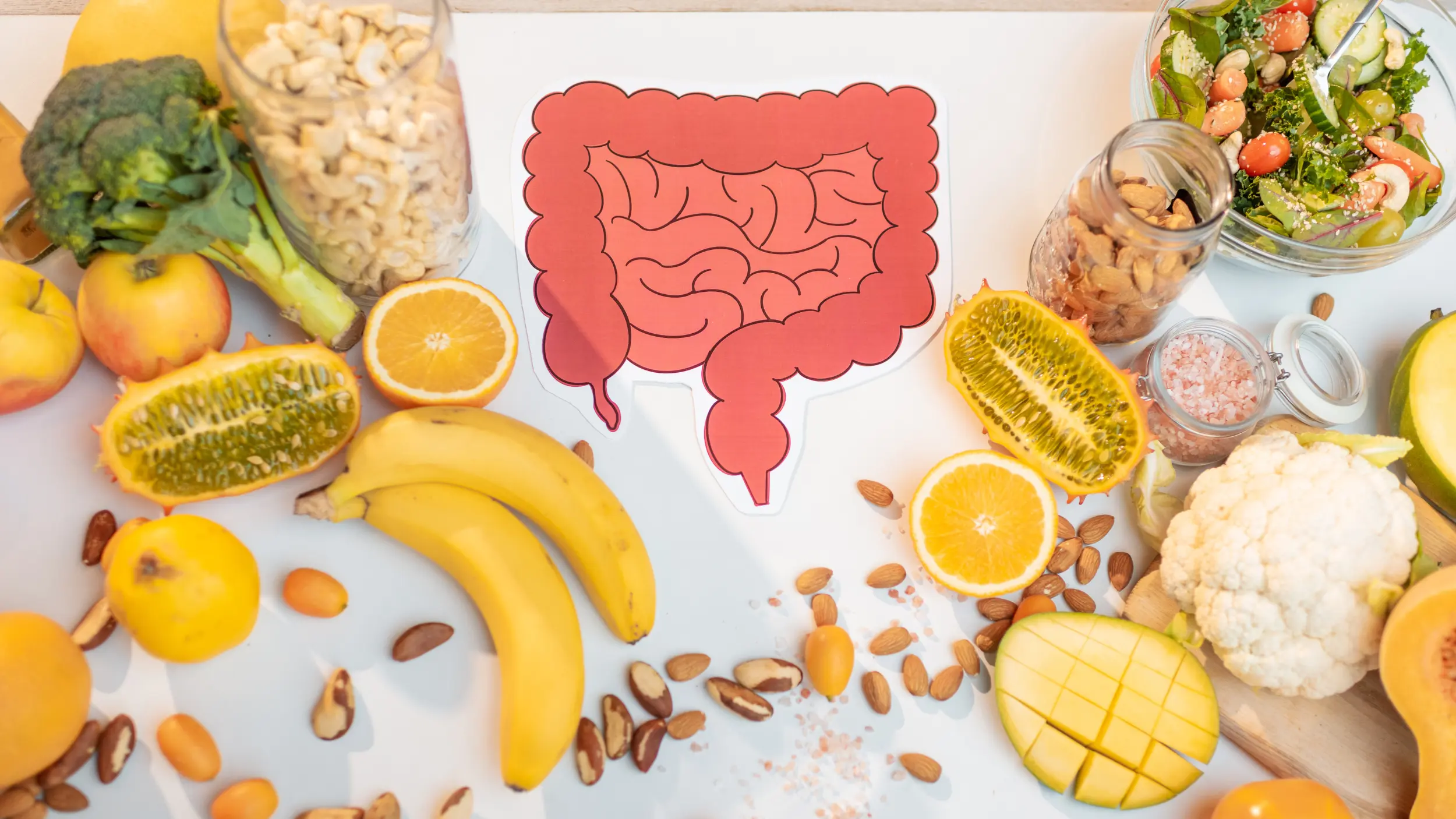
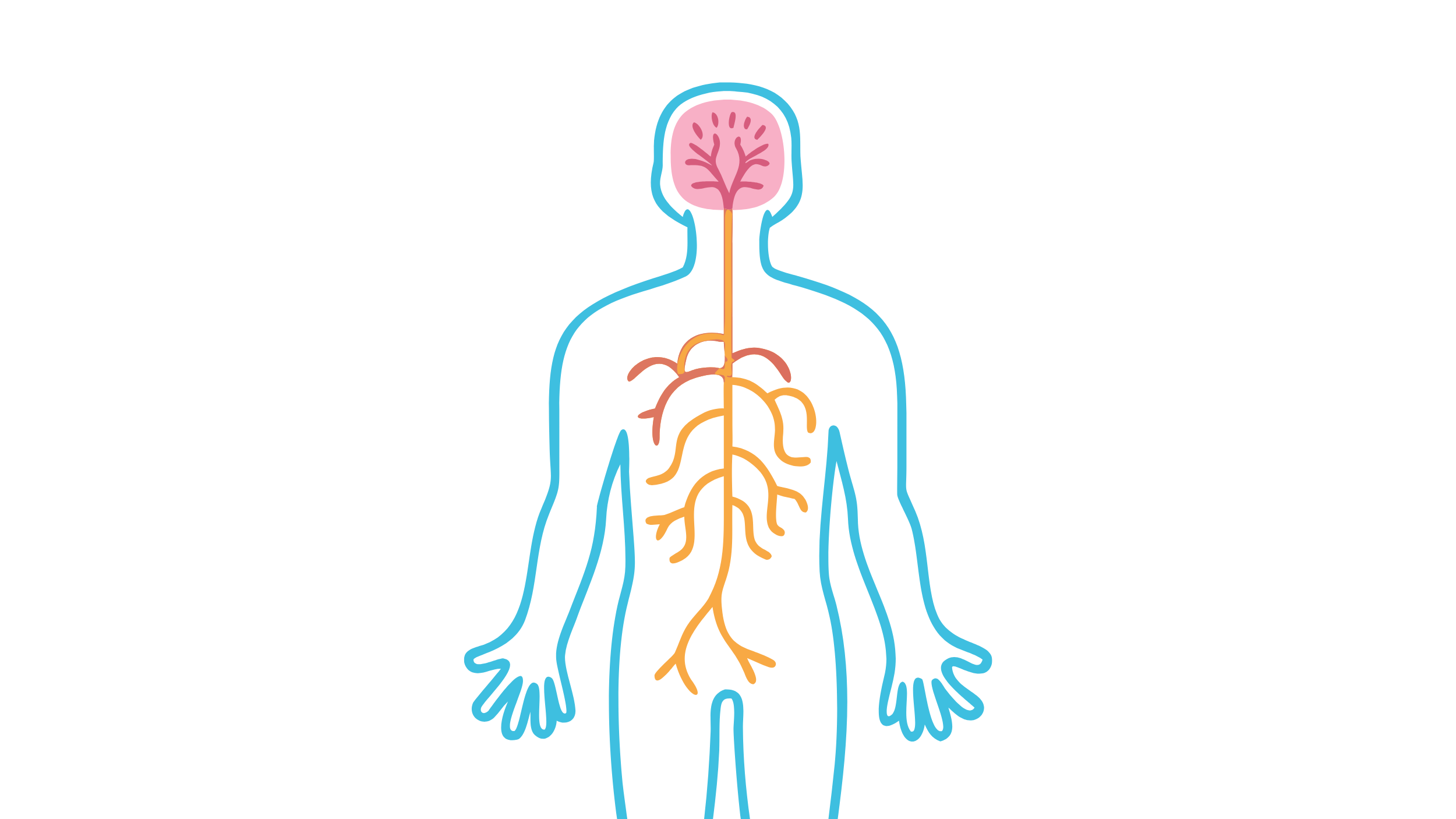
This requires honest self-reflection, and sometimes support from a professional who can help you build alternative coping strategies. Optimizing your gut health can also improve mood regulation and reduce stress-driven cravings through the gut-brain axis [7].
6. Implement a Same-Day Reset (Not a Monday Restart)
Here's a game-changer: when you do overeat, practice resetting within hours, not waiting until Monday. The old pattern is: overeat Saturday lunch → feel defeated → write off the whole weekend → overeat through Sunday → vow to start fresh Monday.
The new pattern:
- Notice the overeating without judgment ("I ate past comfortable fullness")
- Get curious about what drove it ("I was actually anxious about that family gathering")
- Return to normal eating at your very next meal—not tomorrow, not Monday, but next meal
This breaks the cycle by eliminating the multi-day spiral. One instance of overeating has virtually zero metabolic impact; it's the 48-hour binge-restrict cycle that creates problems.
7. Balance Blood Sugar to Reduce Weekend Cravings
If you're arriving at the weekend with blood sugar dysregulation from inadequate weekday eating or chronic stress, you'll experience more intense cravings regardless of your intentions. Stabilizing blood sugar throughout the week dramatically improves strategies for weekend control.
Key interventions:
- Never go longer than 4-5 hours without eating during the day
- Pair carbohydrates with protein and fat at every meal and snack
- Prioritize adequate sleep Friday and Saturday nights (poor sleep increases ghrelin and decreases insulin sensitivity) [8]
When your blood sugar is stable, cravings feel more manageable and you can distinguish between true hunger and habitual eating. Supporting hormone balance through strategic nutrition creates a metabolic foundation for consistent eating patterns.
Creating Your "Start Fresh Monday" Momentum
The ultimate goal isn't to "survive" weekends or white-knuckle your way through social events. It's to create such consistency in your eating patterns that Monday doesn't feel like a fresh start—it just feels like another day.
Here's how to build that lasting momentum:
Reframe What "Healthy Weekends" Actually Means
Healthier weekends doesn't mean eating perfectly or hitting your macros with precision. It means:
- Waking up Sunday morning without physical discomfort or emotional guilt
- Feeling excited for Monday rather than needing it as a reset
- Being able to enjoy social meals without anxiety or compensatory restriction afterward
- Having energy and mental clarity throughout the entire weekend
When you shift your definition of success from "ate perfectly" to "felt good in my body and around food," everything changes.
Create a Realistic 4-Week Implementation Plan
Don't try to overhaul everything at once. Choose one or two strategies from the previous section to implement for four full weeks before adding more.
Week 1-2: Focus on equalizing weekday eating and eliminating extreme restriction
Week 3-4: Add in structured weekend meal timing and one non-food pleasure activity
Track how you feel (energy, mood, physical comfort, food thoughts) rather than what you weigh. The goal is to break the cycle of weekend overeating, not to lose weight as fast as possible—though sustainable weight management often follows naturally when this pattern resolves.
Handle Slip-Ups With Curiosity, Not Punishment
You will have weekends that don't go as planned. That's not failure—it's data. Instead of spiraling into guilt and Monday restriction, practice this response:
- What happened? (I was more stressed than I realized; I went too long without eating; I drank alcohol which lowered my inhibitions)
- What did I learn? (I need better stress management tools; I should eat before social events; limiting drinks helps me stay connected to my body)
- What will I try differently next time? (One specific, actionable adjustment)
This approach builds self-trust and problem-solving skills rather than reinforcing the shame-based restrict-binge cycle.
Celebrate Non-Scale Wins
Breaking the Start Fresh Monday cycle creates benefits far beyond body composition:
- More mental energy (because you're not obsessing about food all weekend)
- Better digestion and sleep (because you're not overeating to physical discomfort)
- Improved relationships (because you can be present at social events instead of managing food anxiety)
- Greater emotional stability (because you're not on the blood sugar and cortisol roller coaster)
Notice and acknowledge these wins. They're the true markers of a transformed relationship with food and weekends.
FAQs
What are the biggest mistakes people make when trying to stop weekend overeating?
The number one mistake is trying to fix weekends while maintaining overly restrictive weekday eating. You can't restrict Monday through Friday and expect to feel calm and controlled Saturday and Sunday—your biology won't allow it. Other common mistakes include: setting vague goals like "be good this weekend" instead of specific behavioral strategies, relying solely on willpower rather than addressing environmental and planning factors, and treating one instance of overeating as total failure rather than returning to normal eating at the next meal. The fix is always addressing the weekly pattern, not just the weekend symptoms.
How can I stop feeling deprived on weekends while still eating healthier?
Deprivation is a signal that your baseline eating is too restrictive. Start by including small amounts of foods you love every single day during the week—this eliminates the psychological scarcity that drives weekend overeating. Second, redefine "eating healthier" to mean eating in a way that makes you feel physically good (energized, comfortable, satisfied) rather than adhering to external food rules. This might mean having dessert on Tuesday, eating a bigger breakfast, or choosing foods based on what sounds genuinely appealing rather than what's "allowed." When you're adequately nourished and not operating from restriction, healthier choices emerge naturally from how foods make you feel, not from forced willpower.
What are some quick and easy healthy snack ideas for the weekend?
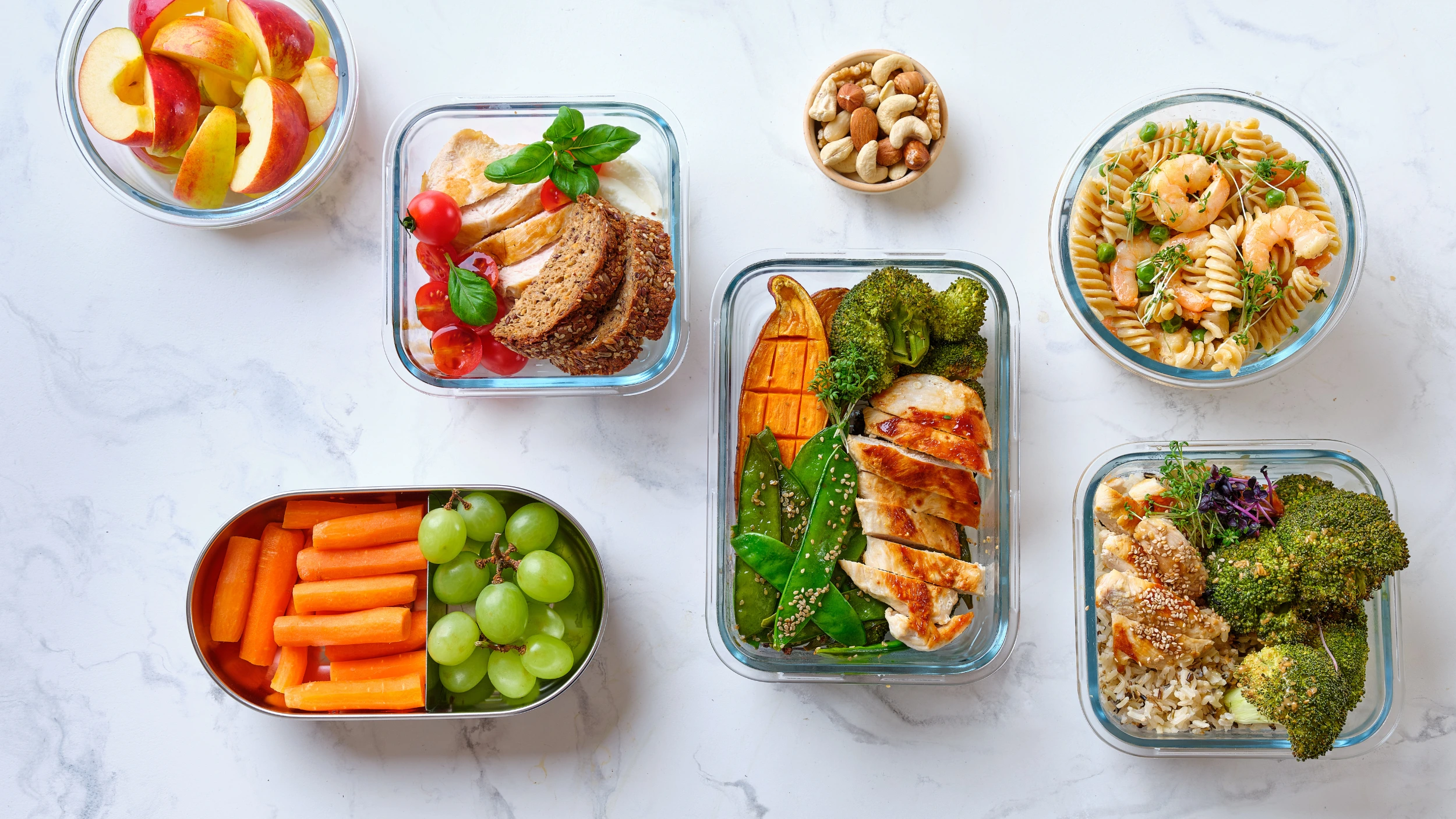
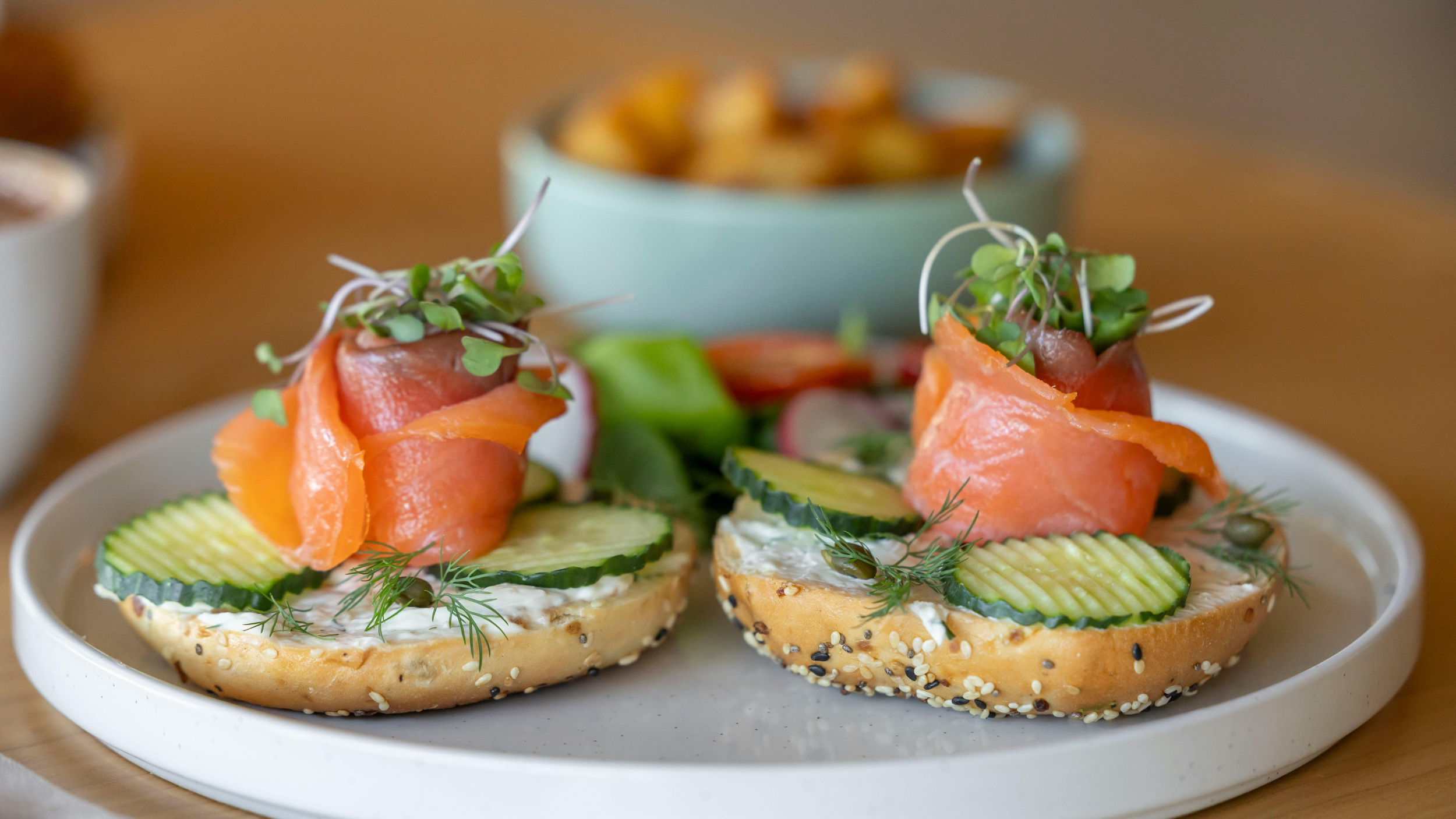
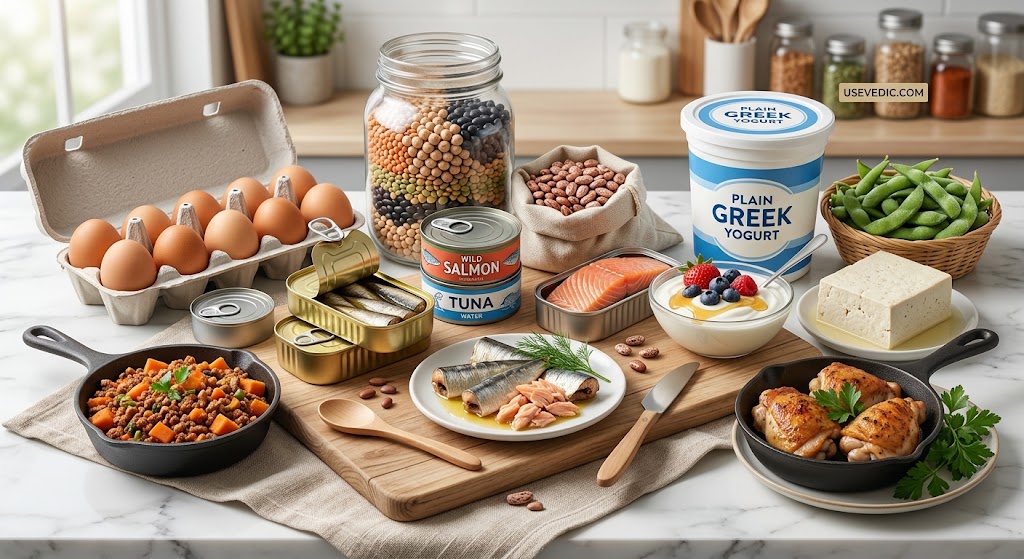
The best weekend snacks combine protein, fat, and fiber to keep you satisfied between meals without spiking blood sugar. Try: apple slices with almond butter and a sprinkle of cinnamon; Greek yogurt with berries and a handful of nuts; hummus with vegetables and whole grain crackers; a hard-boiled egg with avocado on toast; cottage cheese with cherry tomatoes and everything bagel seasoning; or a simple smoothie with protein powder, frozen fruit, spinach, and nut butter. The key is having these components readily available so you're not making decisions when you're already very hungry—that's when we typically reach for whatever is fastest, which often leads to less satisfying choices and subsequent overeating.
Ready to finally break free from the weekend overeating cycle and feel amazing? The strategies in this guide work, but implementation looks different for everyone based on your unique biology, schedule, and relationship with food. Book a consultation at www.usevedic.com to create a personalized plan that addresses your specific patterns and helps you build confidence around food seven days a week—no more Monday morning dread required.
References
[1] Polivy J, Herman CP. Causes of Eating Disorders. Annual Review of Psychology, 2002.
[2] Sumithran P, Prendergast LA, Delbridge E, et al. Long-term persistence of hormonal adaptations to weight loss. New England Journal of Medicine, 2011.
[3] Crujeiras AB, Goyenechea E, Abete I, et al. Weight regain after a diet-induced loss is predicted by higher baseline leptin and lower ghrelin plasma levels. Journal of Clinical Endocrinology & Metabolism, 2010.
[4] Herman CP, Mack D. Restrained and unrestrained eating. Journal of Personality, 1975.
[5] Hewagalamulage SD, Lee TK, Clarke IJ, Henry BA. Stress, cortisol, and obesity: a role for cortisol responsiveness in identifying individuals prone to obesity. Domestic Animal Endocrinology, 2016.
[6] Jakubowicz D, Barnea M, Wainstein J, Froy O. High caloric intake at breakfast vs. dinner differentially influences weight loss of overweight and obese women. Obesity, 2013.
[7] Mörkl S, Butler MI, Holl A, Cryan JF, Dinan TG. Probiotics and the Microbiota-Gut-Brain Axis: Focus on Psychiatry. Current Nutrition Reports, 2020.
[8] Spiegel K, Tasali E, Penev P, Van Cauter E. Brief communication: Sleep curtailment in healthy young men is associated with decreased leptin levels, elevated ghrelin levels, and increased hunger and appetite. Annals of Internal Medicine, 2004.
.svg)
.svg)






.jpg)
.jpg)


















.webp)































.webp)
.webp)
.webp)
.webp)
.webp)
.webp)
.webp)
.png)
.webp)
.webp)
.webp)