.webp)
.webp)
%2B(7).webp)
.png)
At a Glance
Thyroid functional nutrition uses targeted dietary strategies to support optimal thyroid hormone production, reduce inflammation, and address root causes of dysfunction. This evidence-based guide covers essential nutrients like selenium and iodine, identifies thyroid healing foods, and provides practical meal planning strategies for hypothyroidism and Hashimoto's. Whether you're newly diagnosed or seeking natural thyroid support, you'll learn how specific foods can dramatically improve your energy, metabolism, and overall thyroid function.
Understanding Your Thyroid and Why Nutrition Matters
Your thyroid gland—that small butterfly-shaped organ sitting at the base of your neck—controls far more than you might realize. It produces hormones that regulate your metabolic rate, body temperature, heart function, and even your mood [1]. When your thyroid isn't functioning optimally, the ripple effects touch nearly every system in your body.
Here's what makes thyroid functional nutrition so powerful: unlike conventional approaches that only address symptoms, functional nutrition targets the underlying biochemical imbalances affecting your thyroid. We're talking about nutrient deficiencies, inflammatory triggers, gut health disruptions, and blood sugar dysregulation—all factors that directly impact thyroid hormone synthesis and conversion [2].
The most common thyroid conditions I see in my practice are:
- Hypothyroidism – Your thyroid produces insufficient hormones, leading to fatigue, weight gain, cold sensitivity, and brain fog [3]
- Hashimoto's thyroiditis – An autoimmune condition where your immune system attacks thyroid tissue, gradually reducing function [4]
- Subclinical hypothyroidism – Your TSH levels are elevated but T3 and T4 remain normal, often dismissed despite causing real symptoms [5]
What most women don't realize is that approximately 60% of people with thyroid disease remain undiagnosed [6]. You might be experiencing unexplained weight changes, hair thinning, irregular periods, or persistent exhaustion without connecting these symptoms to your thyroid. This is exactly where a thyroid support diet becomes transformative.
The connection between nutrition and thyroid function isn't just theoretical. Research consistently shows that specific micronutrient deficiencies directly impair thyroid hormone production and peripheral conversion of T4 to the more active T3 hormone [7]. Your body needs adequate raw materials to manufacture these hormones, and when you're running on empty nutritionally, your thyroid simply can't keep up with demand.
Nourishing Your Thyroid: Key Foods and Nutrients
Let's get specific about which nutrients your thyroid absolutely needs to thrive. Understanding this foundation is essential for optimizing thyroid function through food.
Selenium: Your Thyroid's Protective Shield
Your thyroid contains more selenium per gram of tissue than any other organ in your body [8]. This trace mineral serves two critical functions: it's required for thyroid hormone synthesis AND it protects thyroid cells from oxidative damage during hormone production [9]. Studies show that selenium supplementation can reduce thyroid antibodies in Hashimoto's patients by up to 55% [10].
Top food sources include:
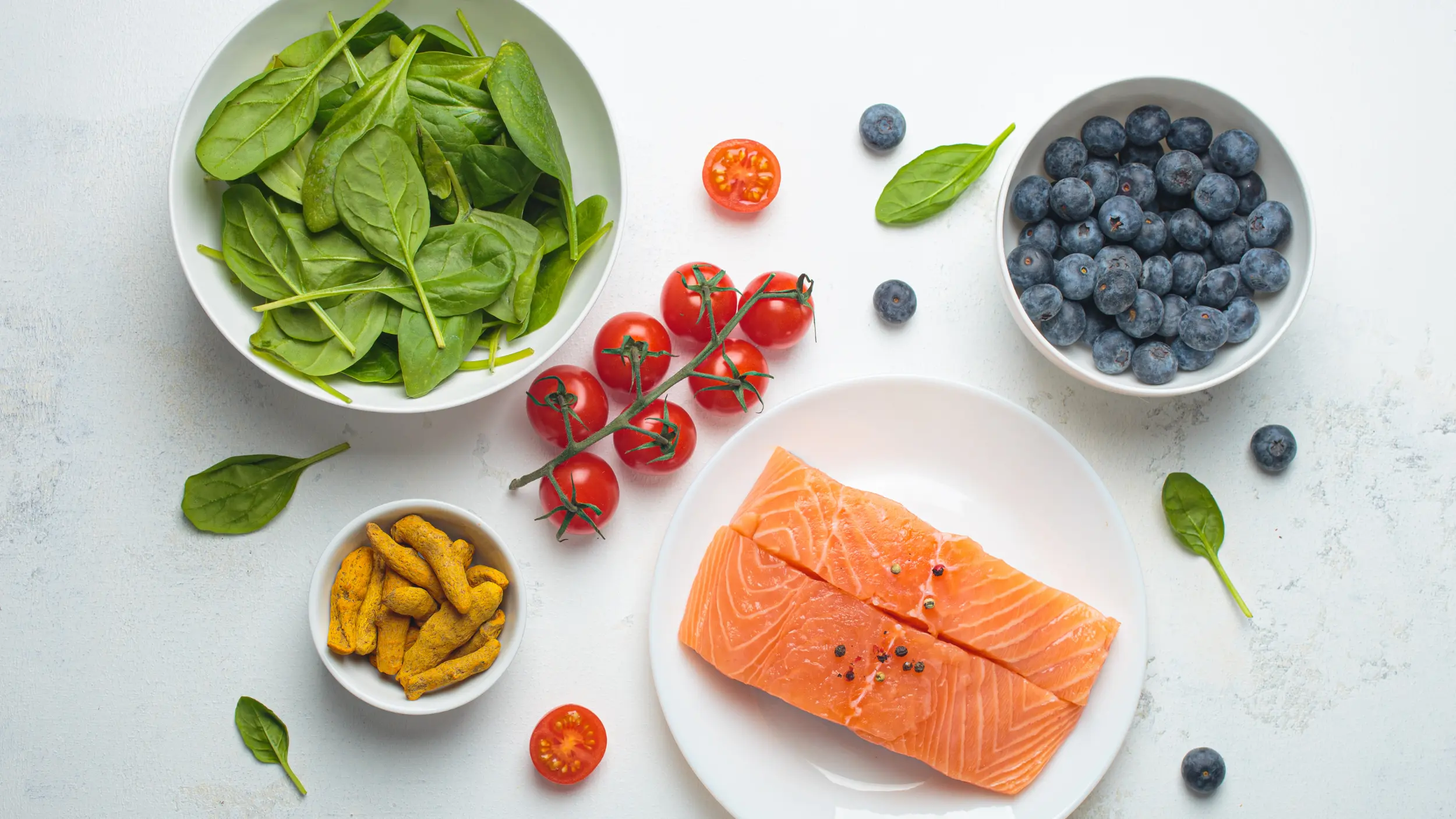
- Brazil nuts (just 2-3 daily provides your entire requirement)
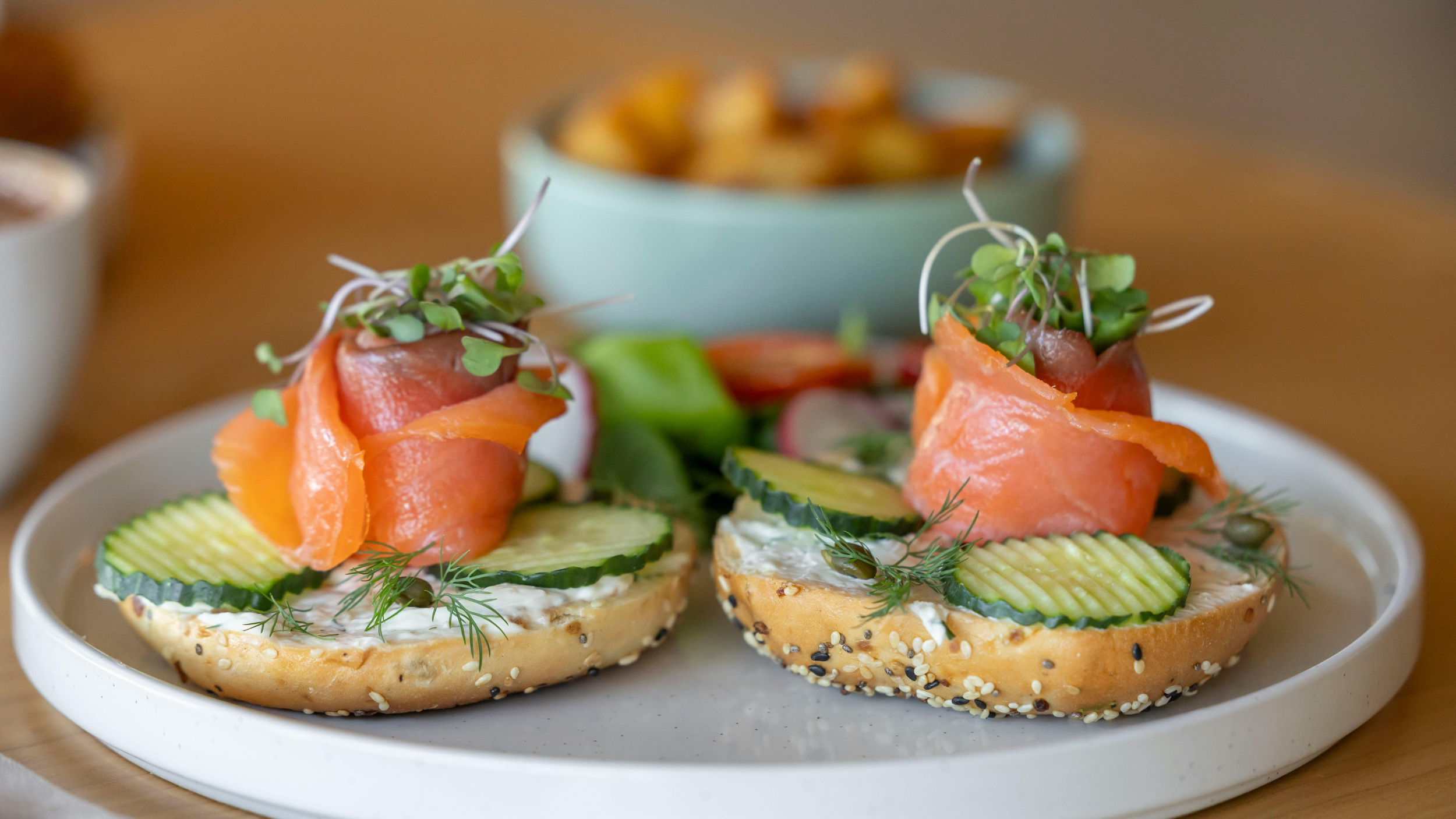
- Wild-caught salmon and halibut
- Pasture-raised eggs
- Grass-fed beef
- Sunflower seeds
Iodine: The Building Block
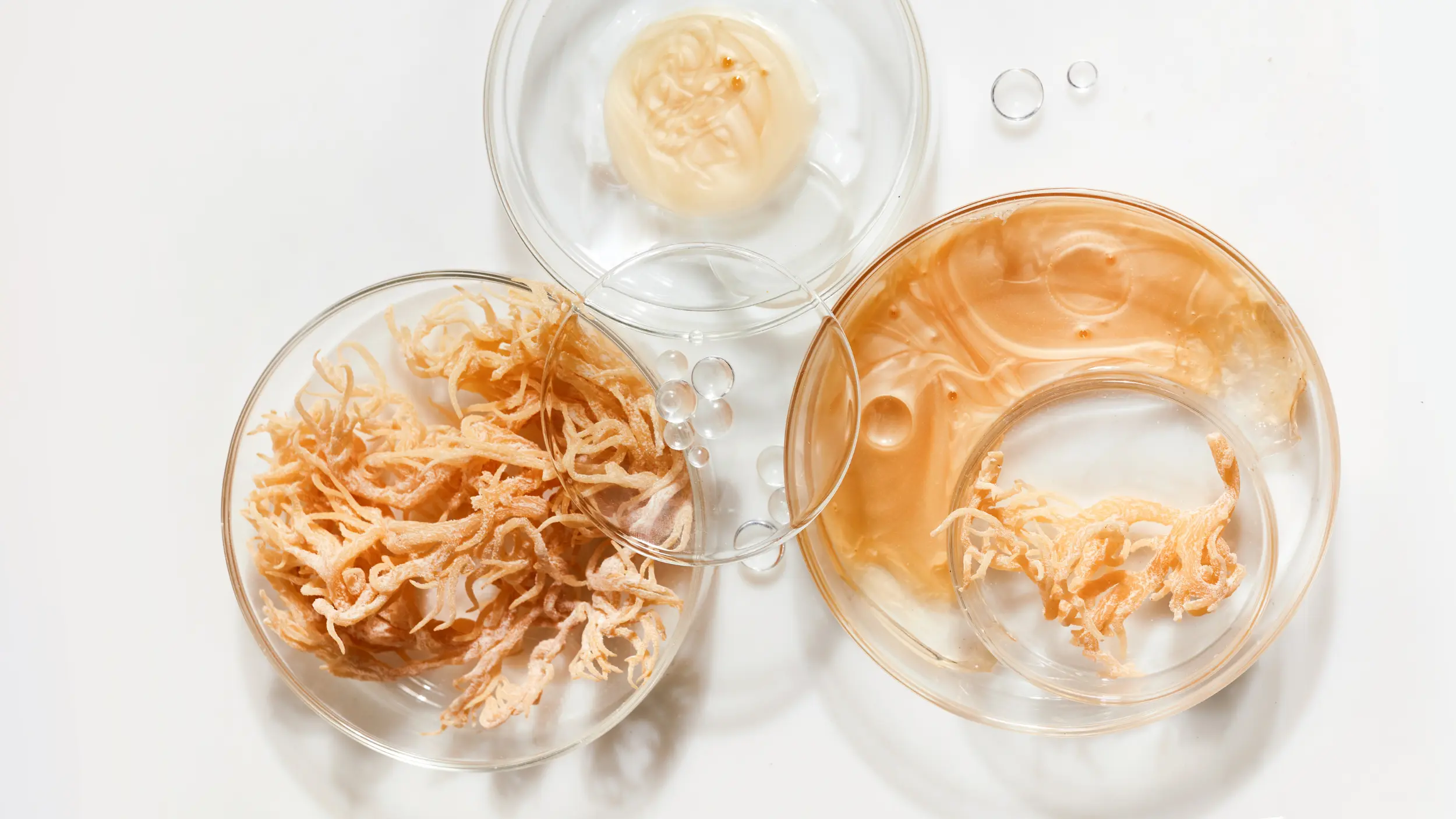
Iodine forms the structural backbone of thyroid hormones—T4 contains four iodine molecules while T3 contains three [11]. However, iodine is tricky with thyroid conditions. Too little impairs hormone production, but excessive amounts can trigger or worsen autoimmune thyroid disease [12].
For most women, I recommend moderate iodine intake from whole food sources rather than high-dose supplements. Good options include seaweed (in controlled amounts), wild-caught fish, organic dairy, and iodized sea salt. If you have Hashimoto's, we need to be especially mindful—some women with thyroid autoimmune disease require iodine restriction [13].
Zinc: The Conversion Catalyst
Zinc doesn't just support thyroid hormone production—it's essential for converting inactive T4 into active T3, the form your cells actually use [14]. Zinc deficiency is incredibly common in women, particularly those with digestive issues or following plant-based diets. Research indicates that zinc supplementation can improve thyroid hormone levels in hypothyroid patients [15].
Incorporate these zinc-rich thyroid healing foods:
- Oysters and shellfish
- Grass-fed red meat
- Pumpkin seeds
- Chickpeas and lentils
- Organic chicken thighs
Iron: Often Overlooked
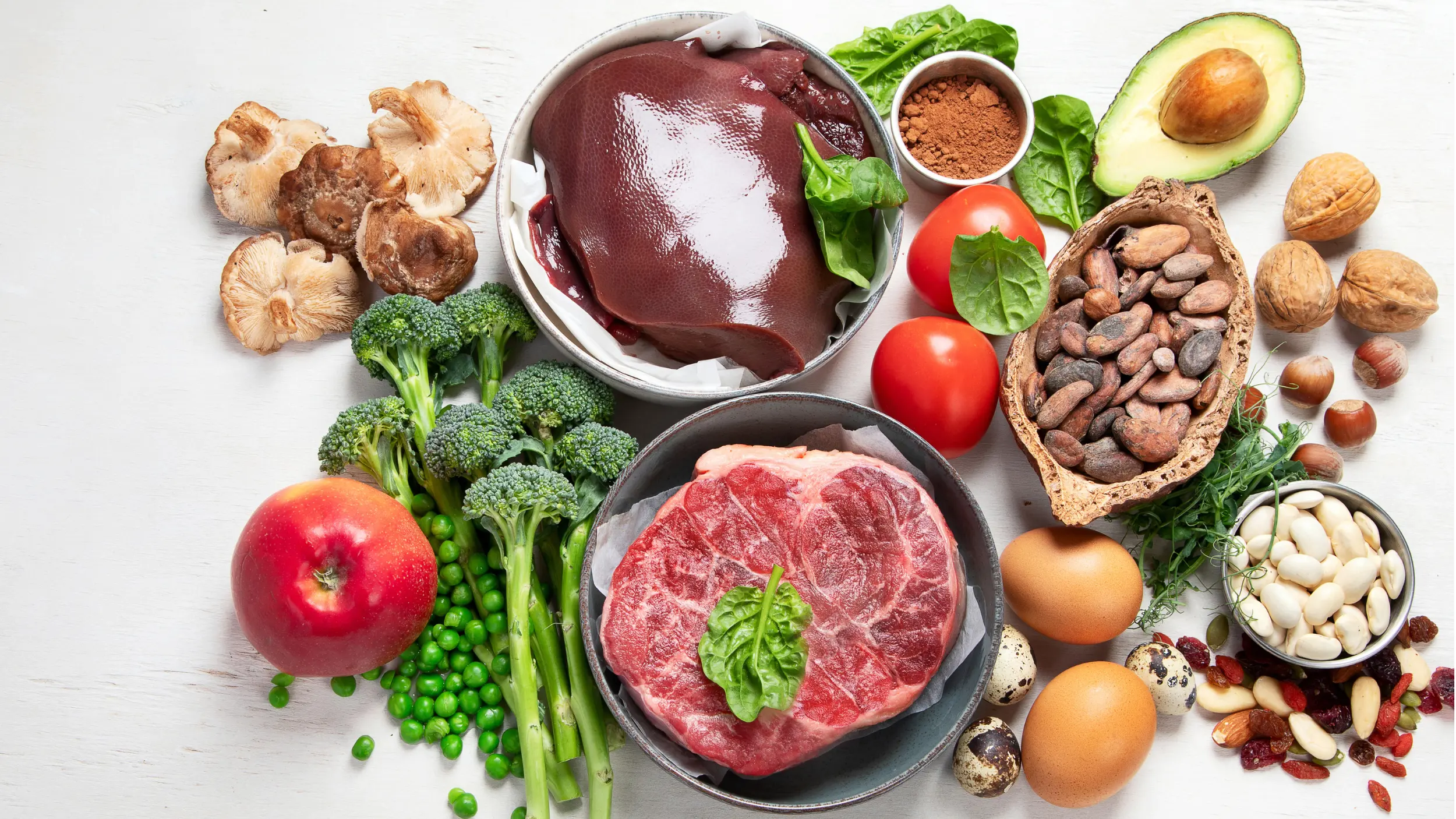
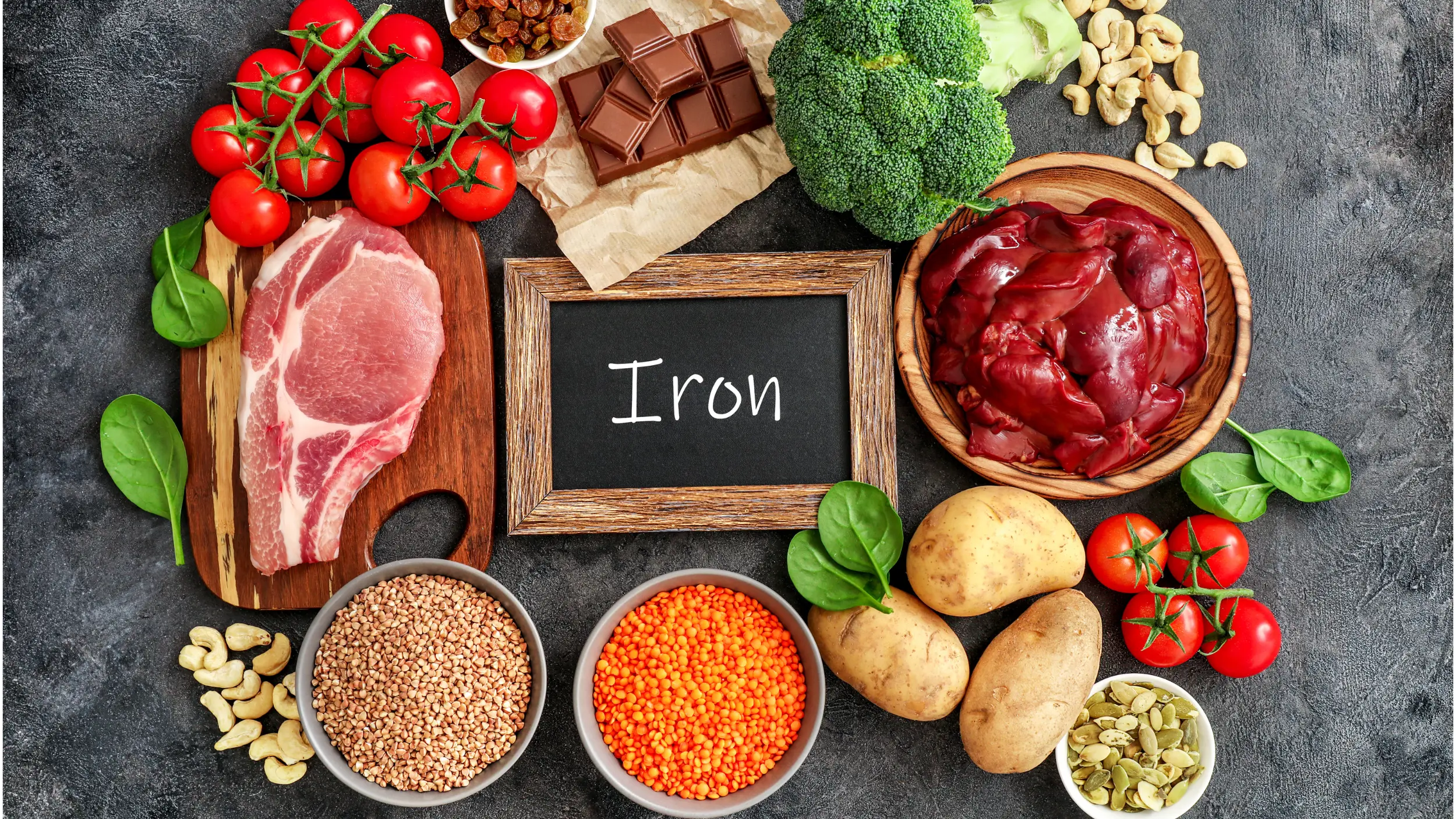
Iron deficiency affects thyroid peroxidase activity, an enzyme crucial for thyroid hormone synthesis [16]. If you're experiencing hair loss, cold hands and feet, and fatigue—symptoms that overlap with hypothyroidism—you might actually be dealing with both conditions simultaneously. This is especially relevant for women with heavy menstrual bleeding.
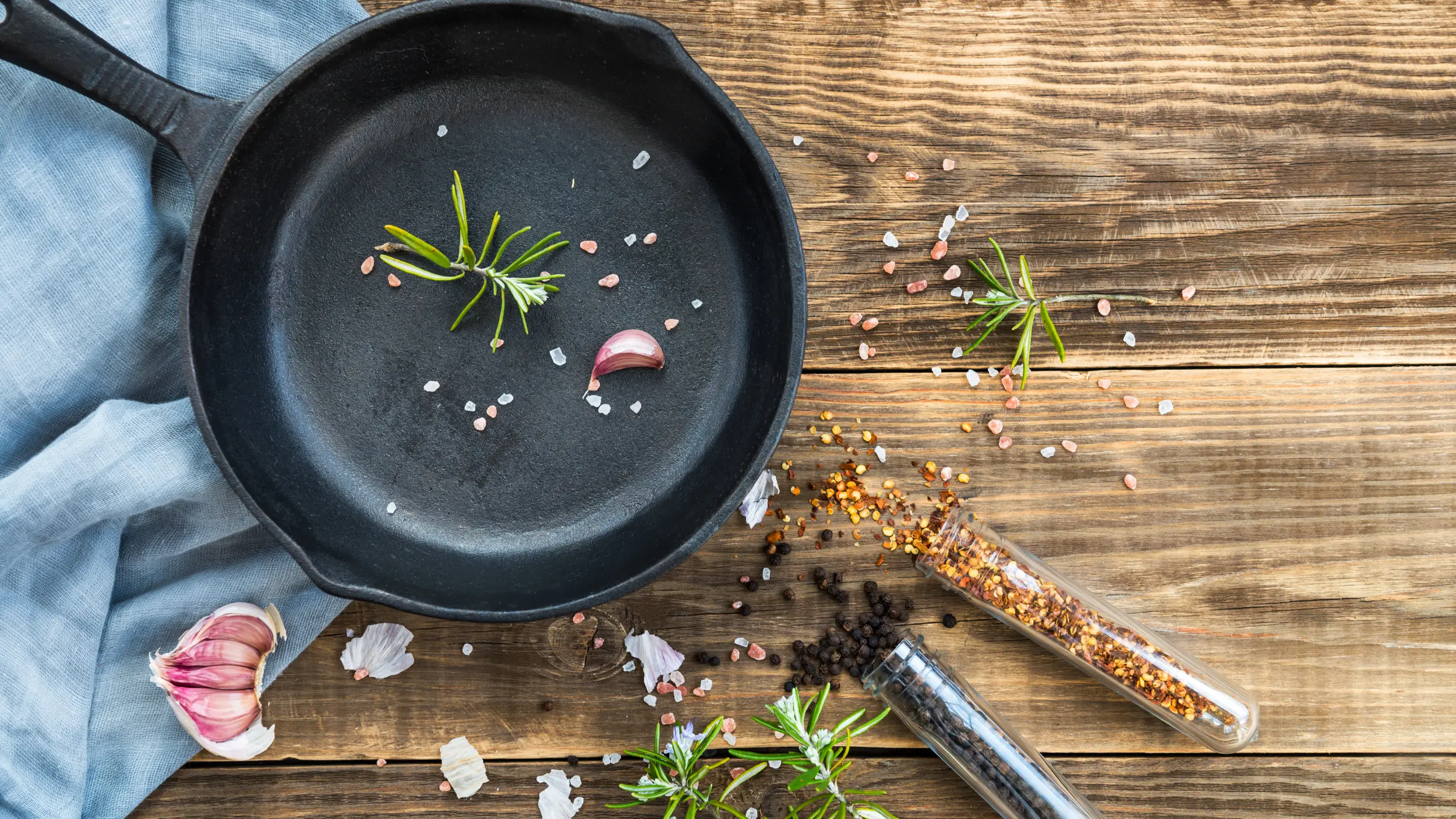
Boosting your hormone balance through diet often means prioritizing iron-rich foods like grass-fed beef, organic liver, dark leafy greens, and cooking in cast iron skillets.
Vitamin D: The Immune Regulator
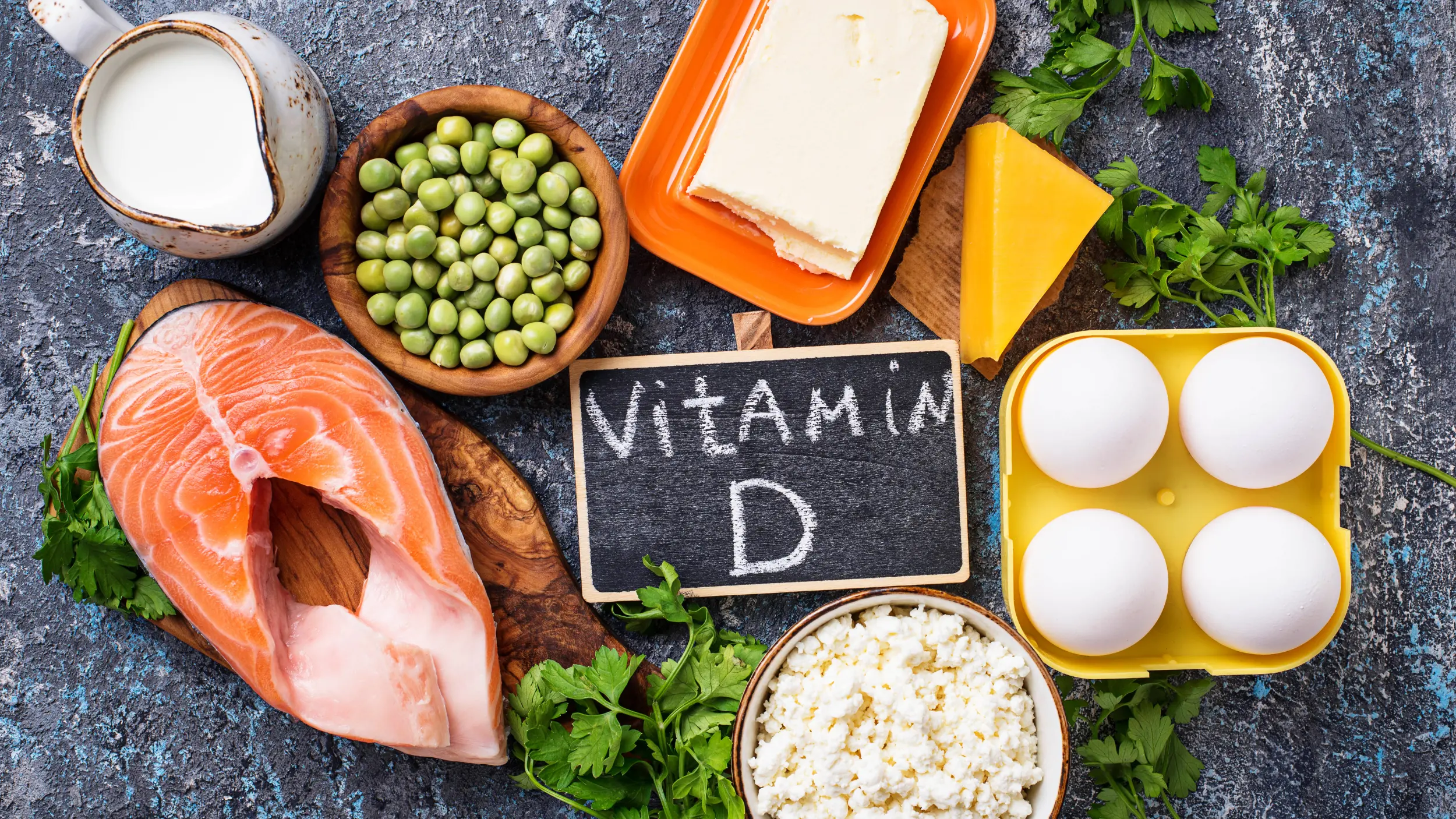
Low vitamin D levels correlate strongly with autoimmune thyroid conditions [17]. This nutrient modulates immune function and reduces inflammatory cytokines that can attack thyroid tissue. Studies show that vitamin D deficiency is present in up to 72% of Hashimoto's patients [18].
Here's the honest truth: Getting adequate vitamin D from food alone is nearly impossible. You'll find small amounts in fatty fish, egg yolks, and fortified foods, but most women require strategic sun exposure or supplementation to reach optimal levels.
Tyrosine: The Amino Acid Component
This amino acid combines with iodine to create thyroid hormones [19]. While tyrosine deficiency is rare, ensuring adequate protein intake supports overall thyroid function. Quality sources include wild fish, organic poultry, grass-fed meat, eggs, and for plant-based eaters, properly prepared legumes.
What to Limit on a Thyroid Health Diet
Some foods can interfere with thyroid function when consumed in excessive amounts:
- Raw cruciferous vegetables – Broccoli, kale, cauliflower, and Brussels sprouts contain goitrogens that can block iodine uptake when eaten raw in large quantities [20]. Cooking significantly reduces this effect, so don't eliminate these nutrient-dense foods—just lightly steam them.
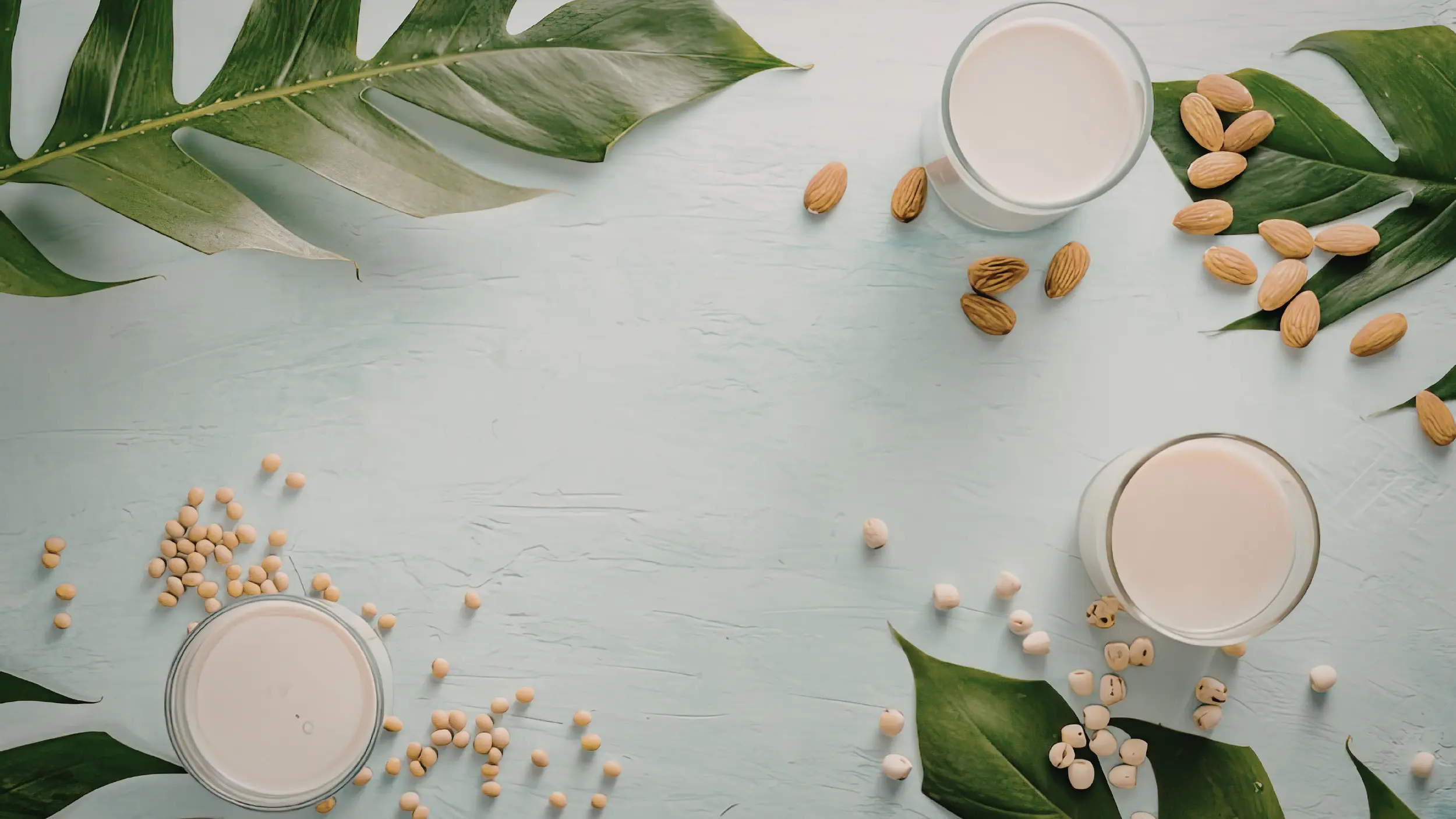
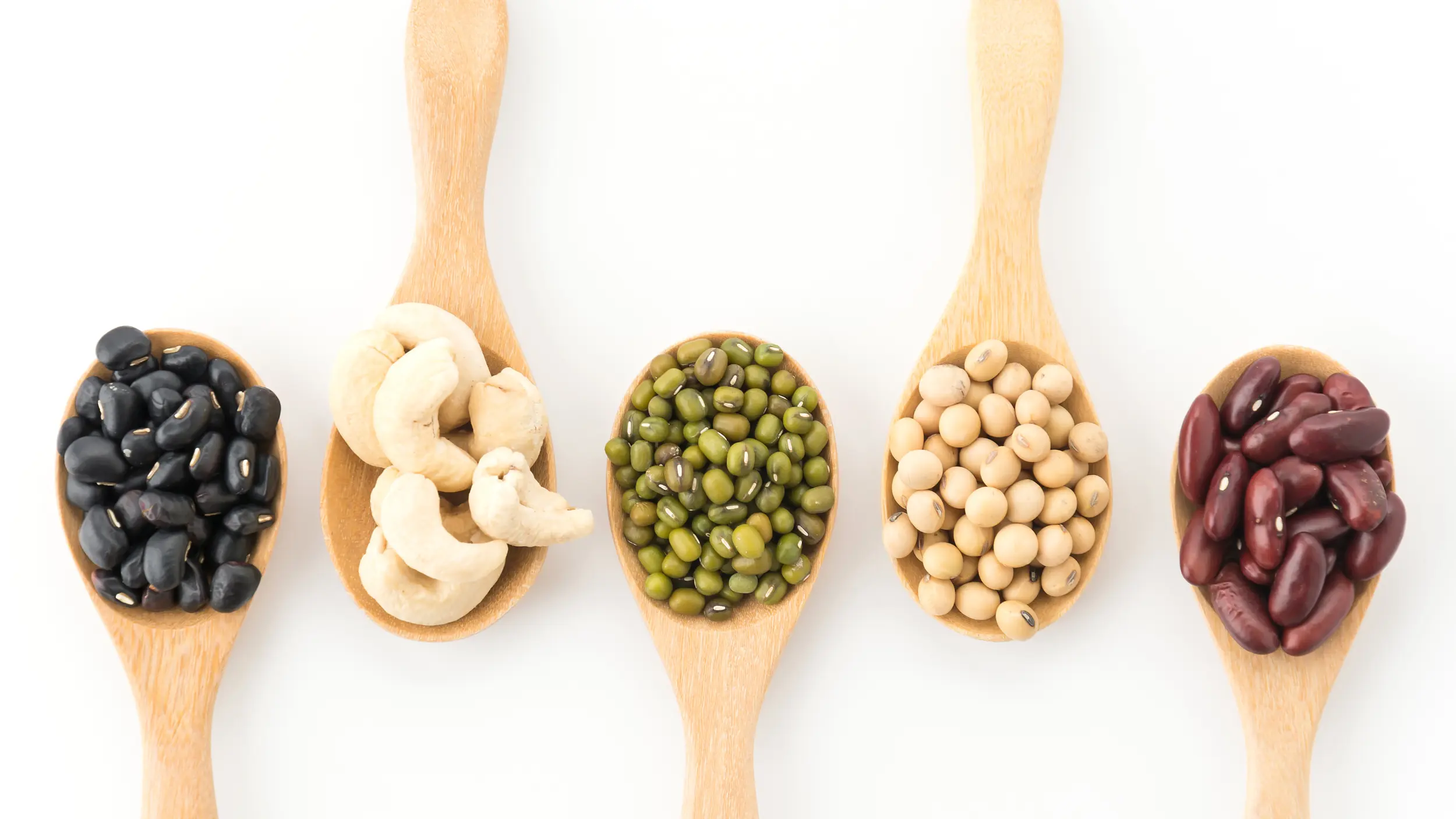
- Soy products – Unfermented soy can interfere with thyroid hormone absorption and may worsen hypothyroidism [21]. If you consume soy, choose fermented versions like tempeh or miso, and time them away from thyroid medication.
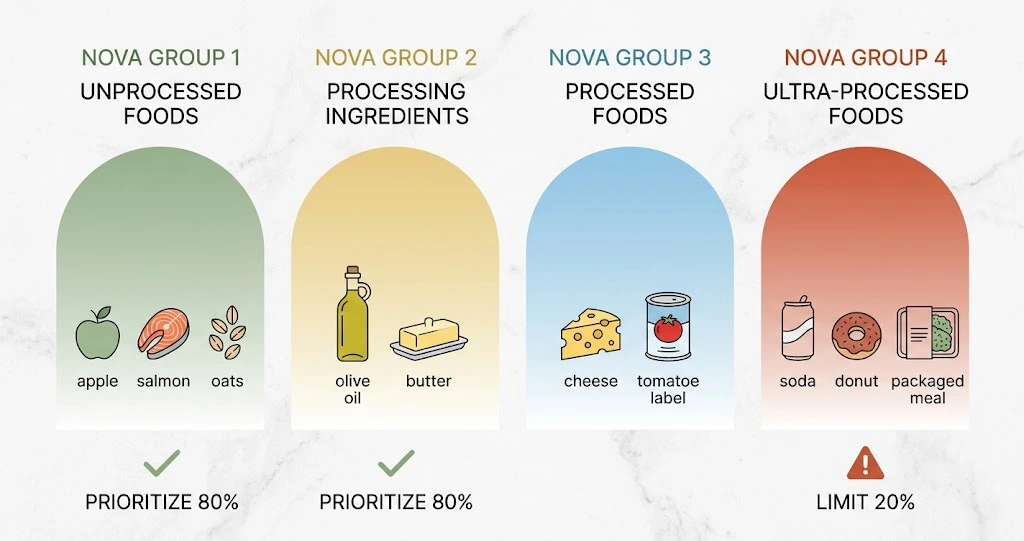
- Highly processed foods – Refined sugars and inflammatory seed oils promote systemic inflammation that can worsen autoimmune thyroid conditions [22]. These foods also disrupt the gut health that's fundamental to thyroid hormone conversion.
- Gluten – For women with Hashimoto's, gluten appears particularly problematic. The molecular structure of gluten resembles thyroid tissue, potentially triggering antibody production through molecular mimicry [23]. Many of my Hashimoto's clients experience dramatic symptom improvement after removing gluten.
Practical Steps for a Thyroid-Friendly Diet
Now let's translate this science into your actual daily life. Creating a sustainable thyroid diet plan doesn't require perfection—it requires consistency with the fundamentals.
Build Your Thyroid-Supportive Plate
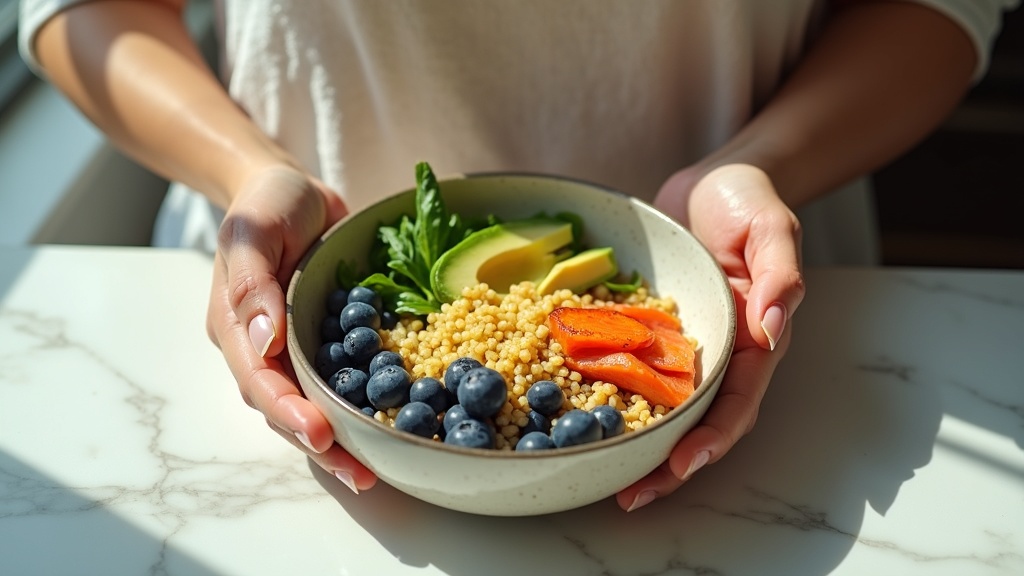
Start with this template for every meal:
- One palm-sized portion of quality protein (wild fish, pastured eggs, grass-fed meat, or organic poultry)
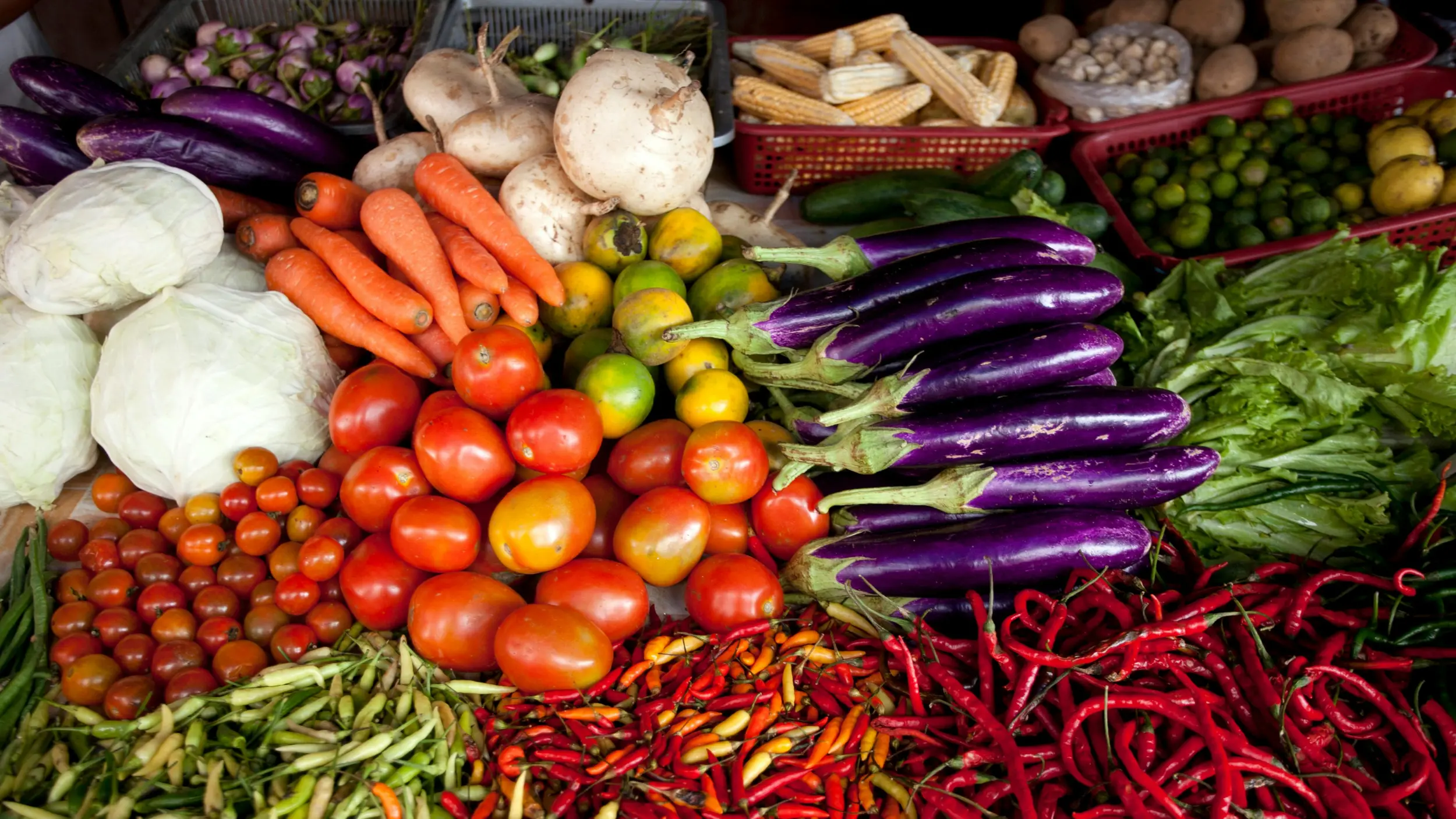
- Two fists of colorful vegetables, mostly cooked
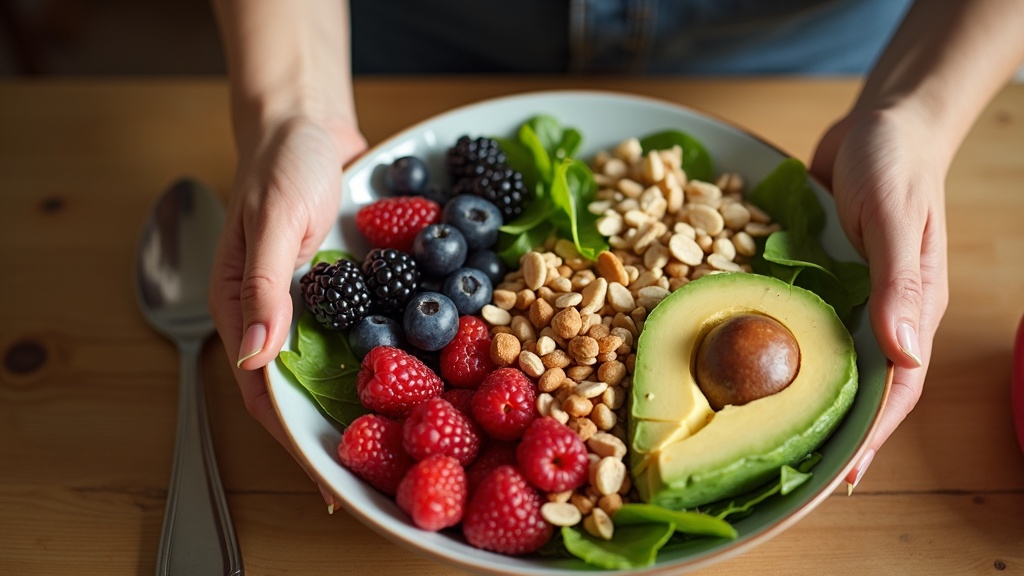
- One to two thumbs of healthy fats (avocado, olive oil, nuts, seeds)
- Optional: one cupped handful of starchy vegetables or gluten-free grains
This balanced approach stabilizes blood sugar—critical because blood sugar crashes trigger cortisol release, which suppresses thyroid function [24].
Strategic Meal Timing
Skipping meals or long fasting windows can backfire for thyroid health. When you go too long without eating, your body interprets this as stress and downregulates thyroid hormone production to conserve energy [25]. Instead, aim for three balanced meals within a 10-12 hour eating window.
If you take thyroid medication, timing matters. Take your medication on an empty stomach, wait at least 30-60 minutes before eating, and avoid consuming calcium, iron supplements, or coffee within four hours as these interfere with absorption [26].
Meal Prep Strategies That Actually Work
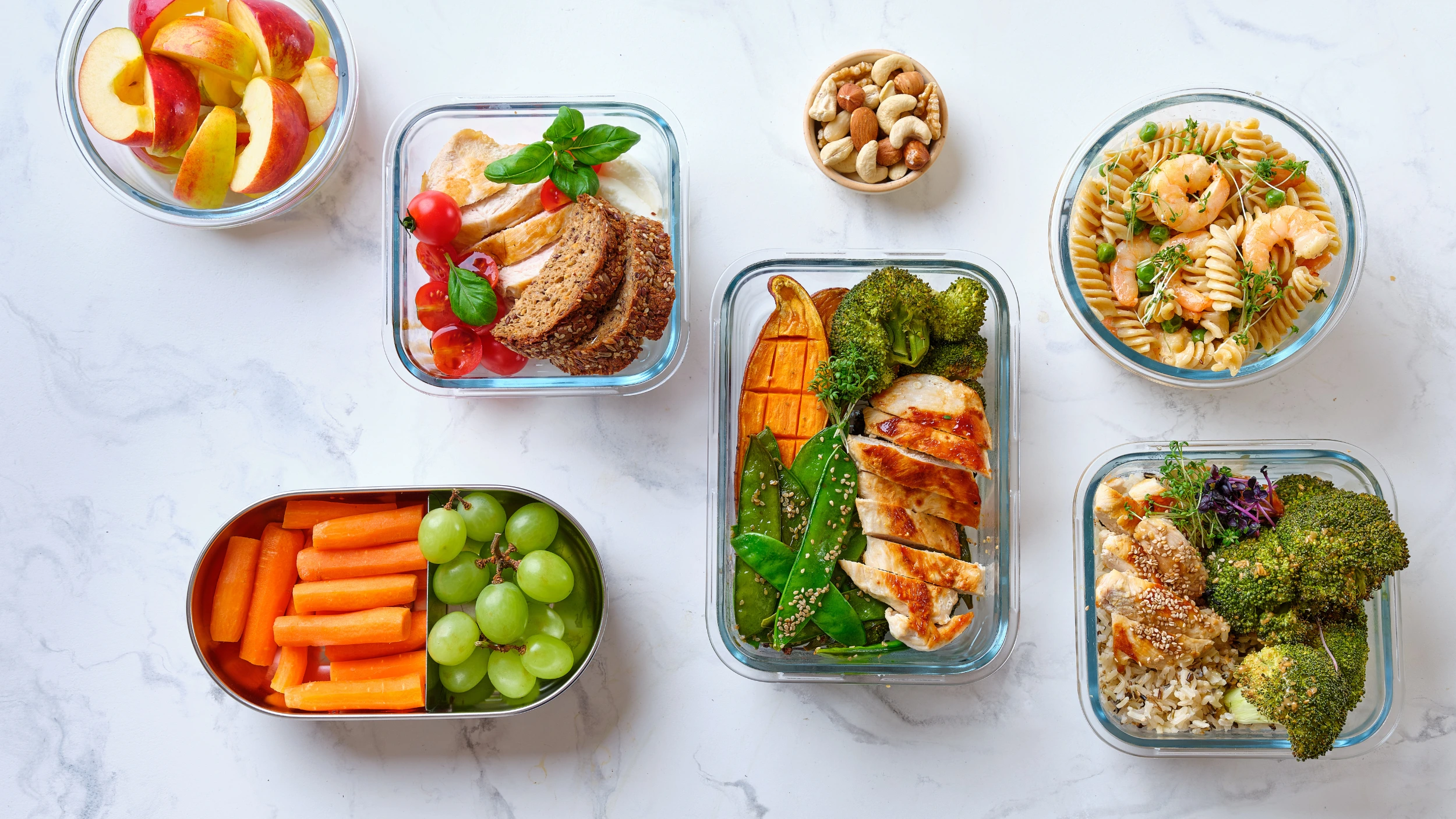
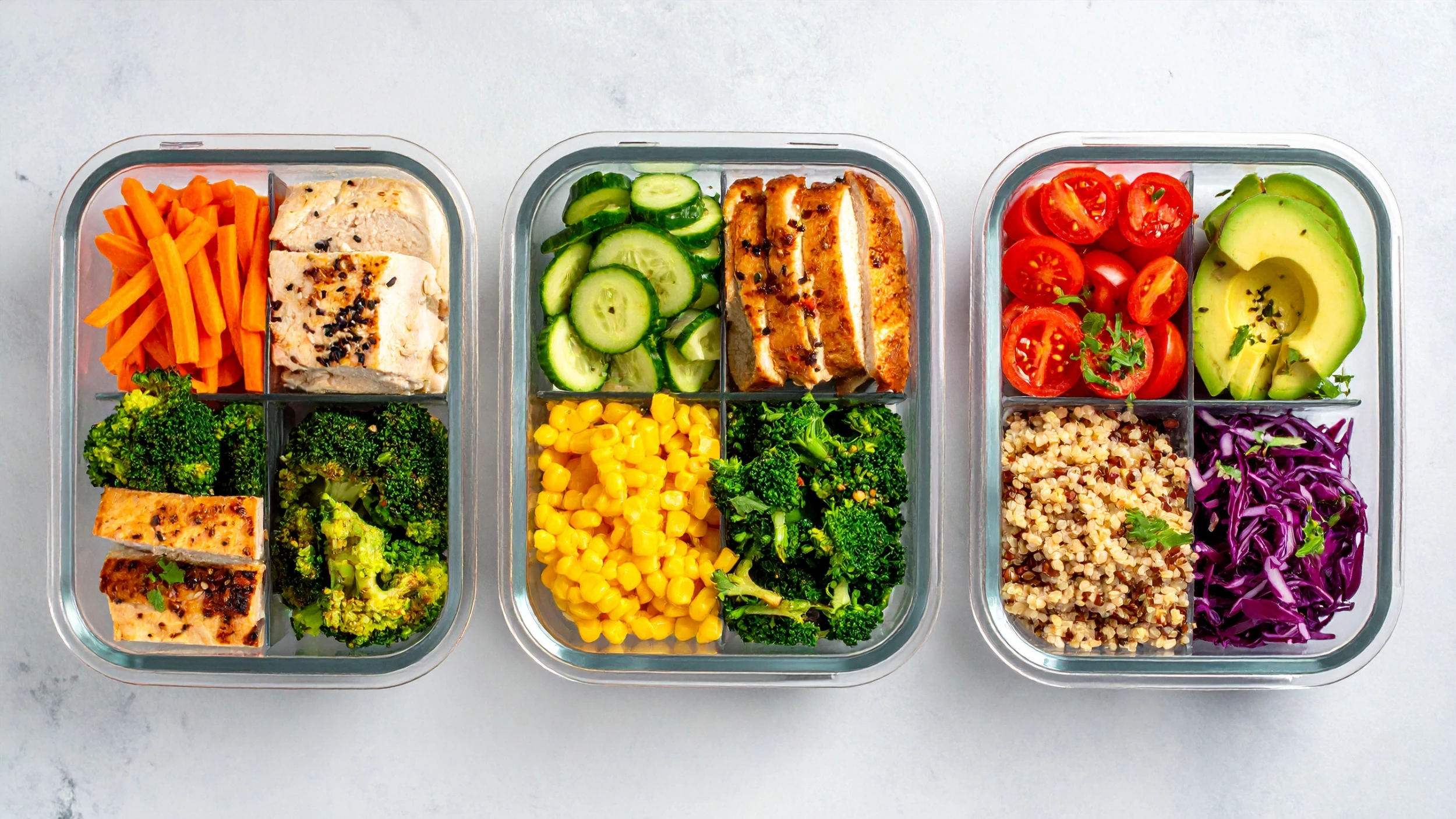
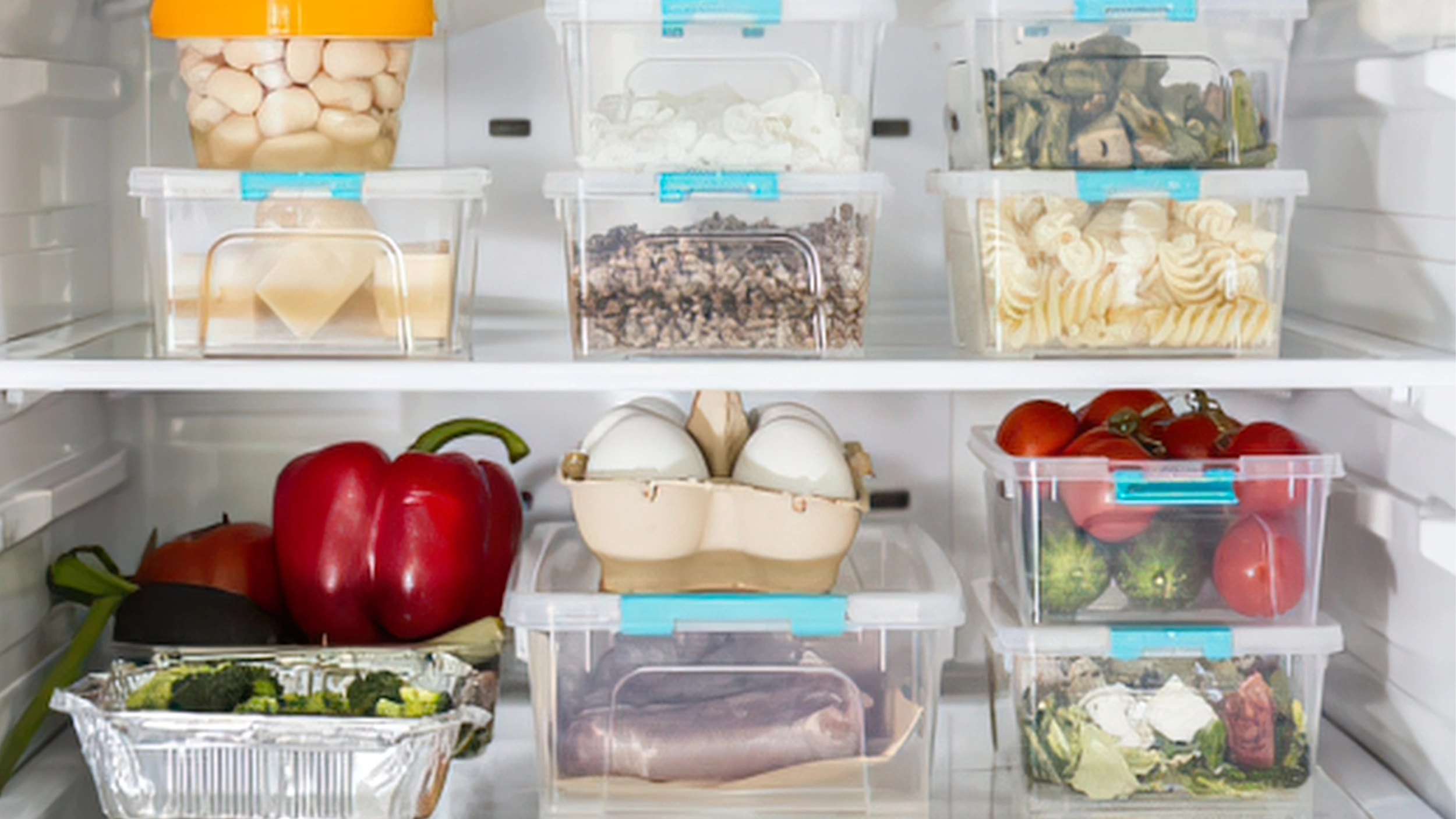
The Sunday batch-cook approach works beautifully for a thyroid support diet:
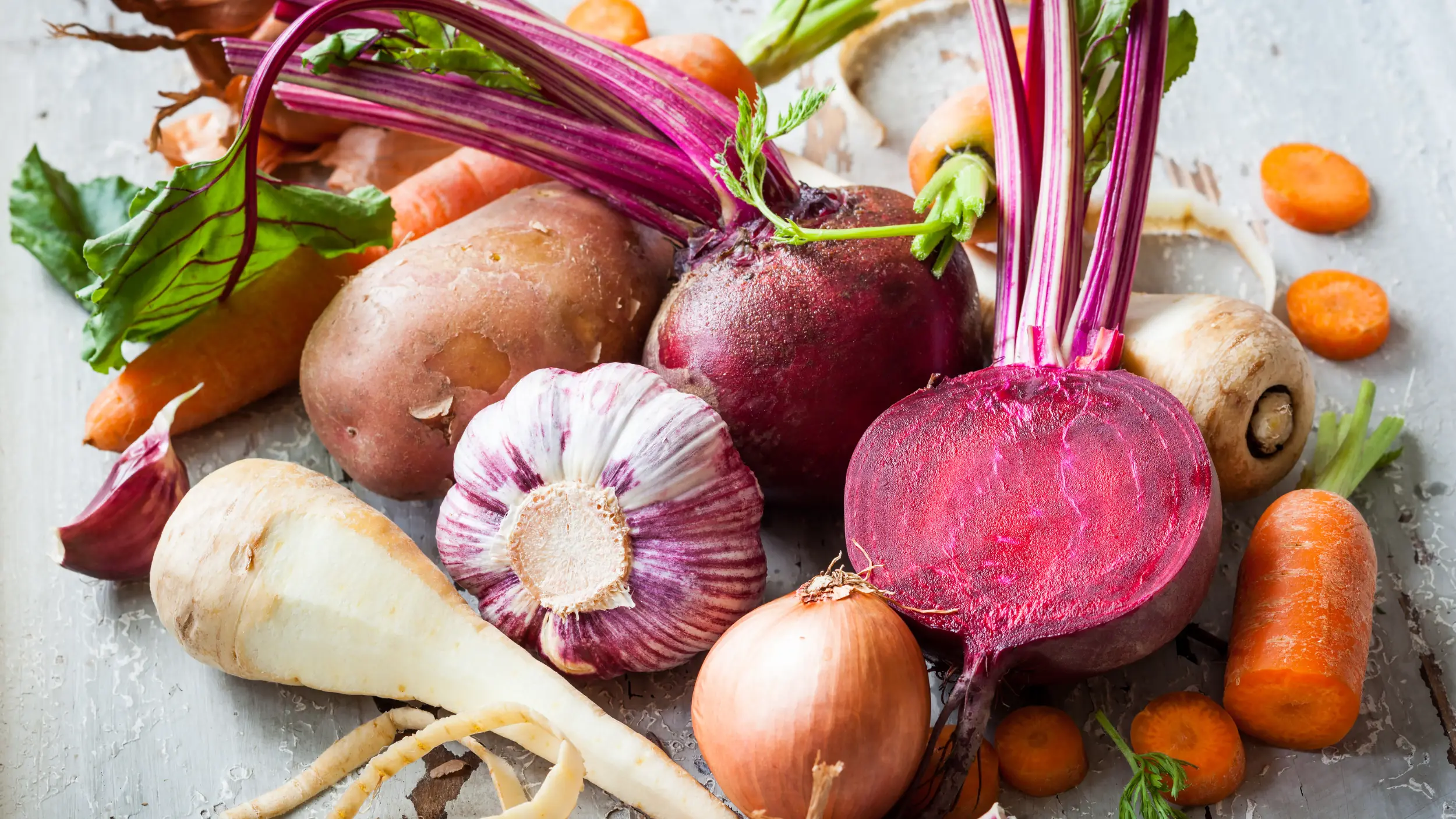
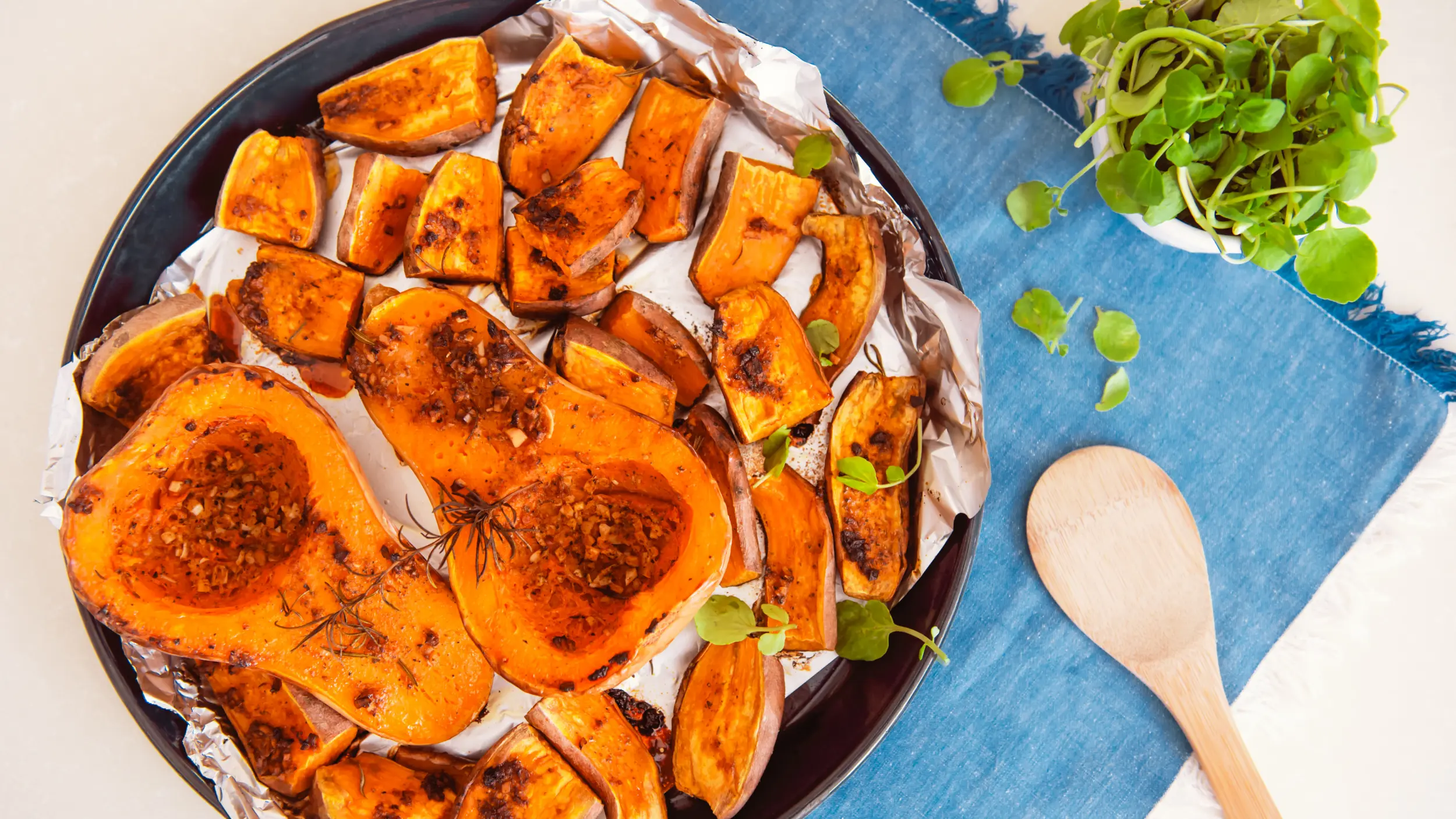
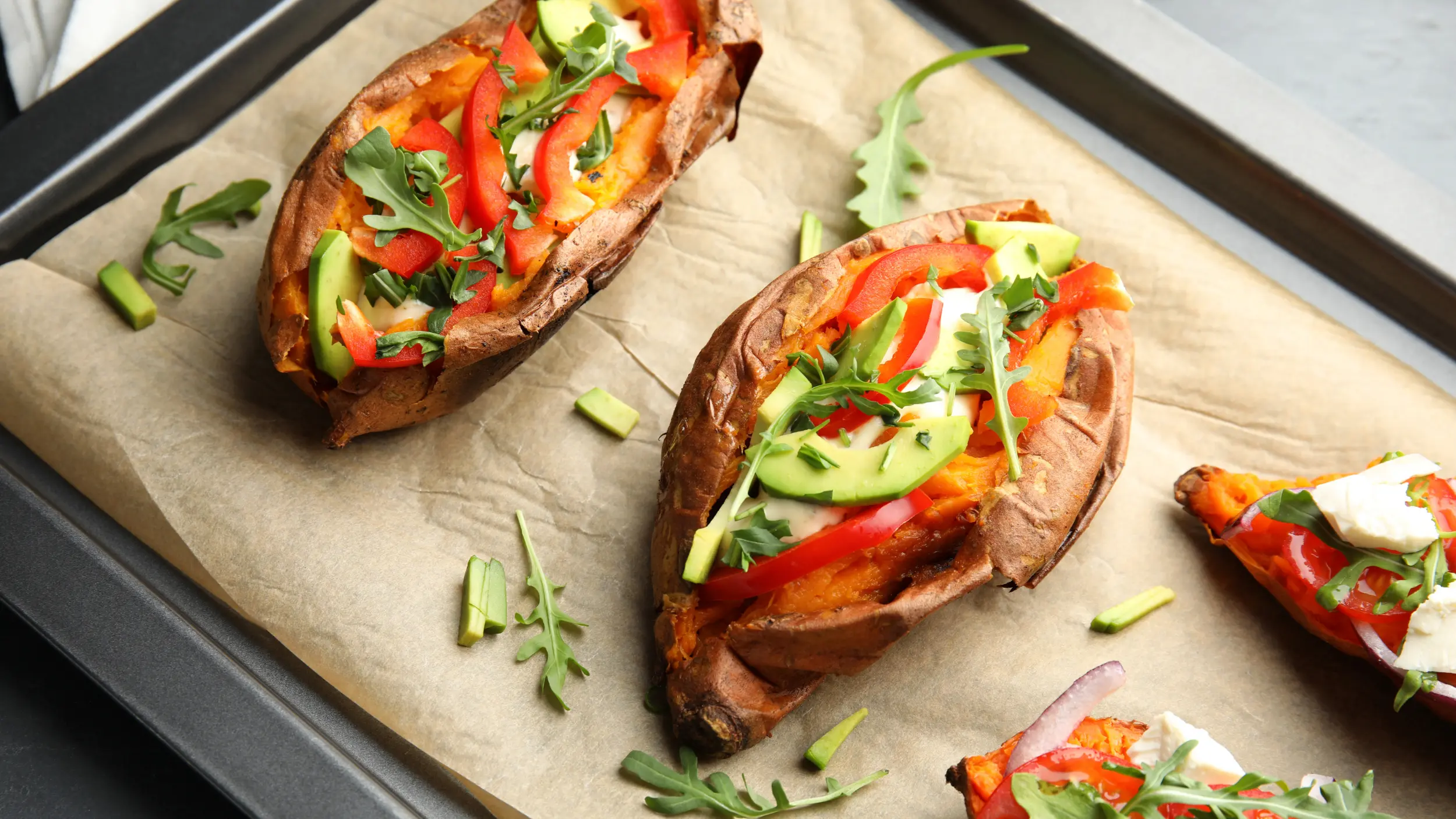
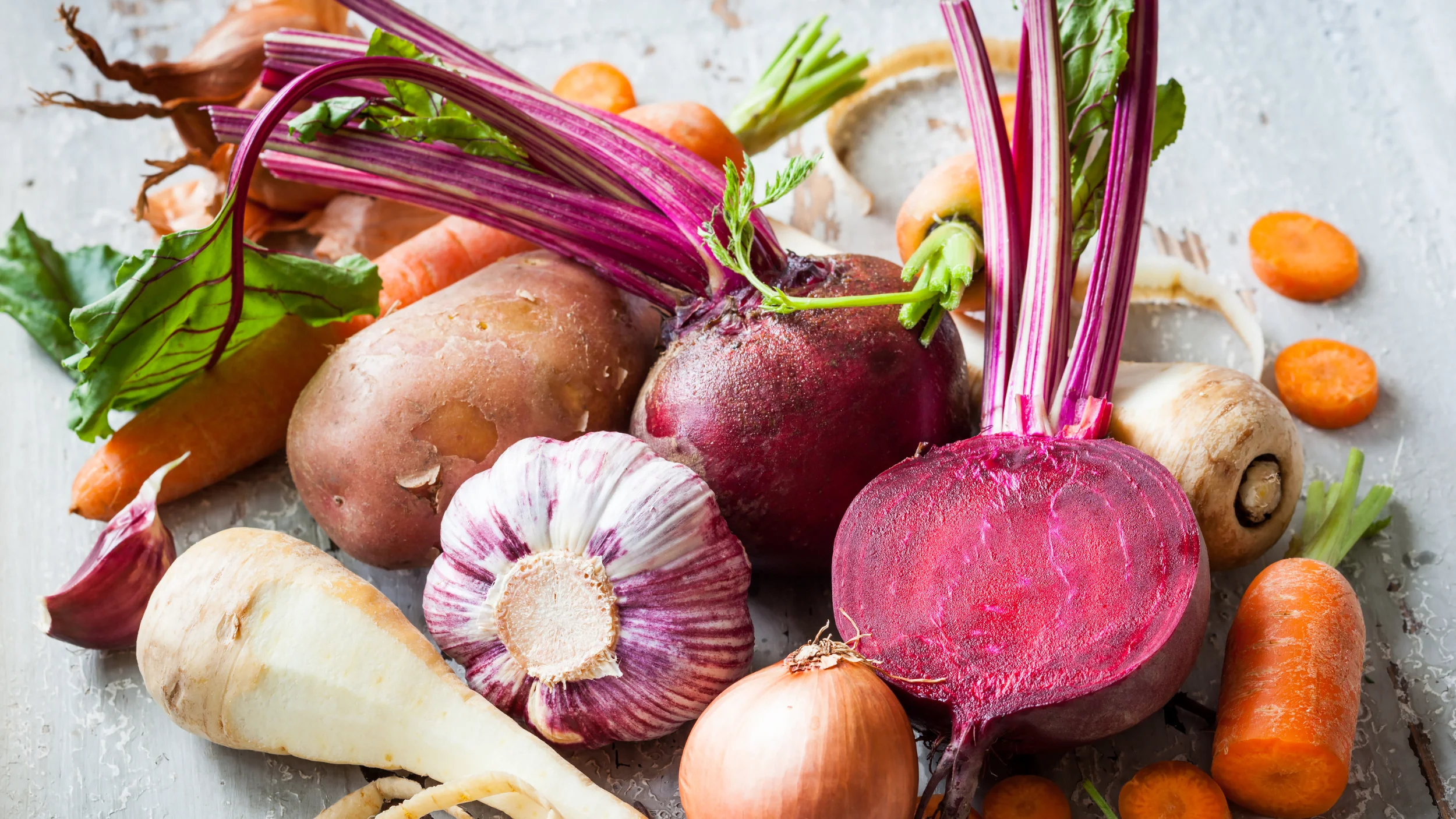
- Roast a large tray of root vegetables (sweet potatoes, carrots, beets) with olive oil and sea salt
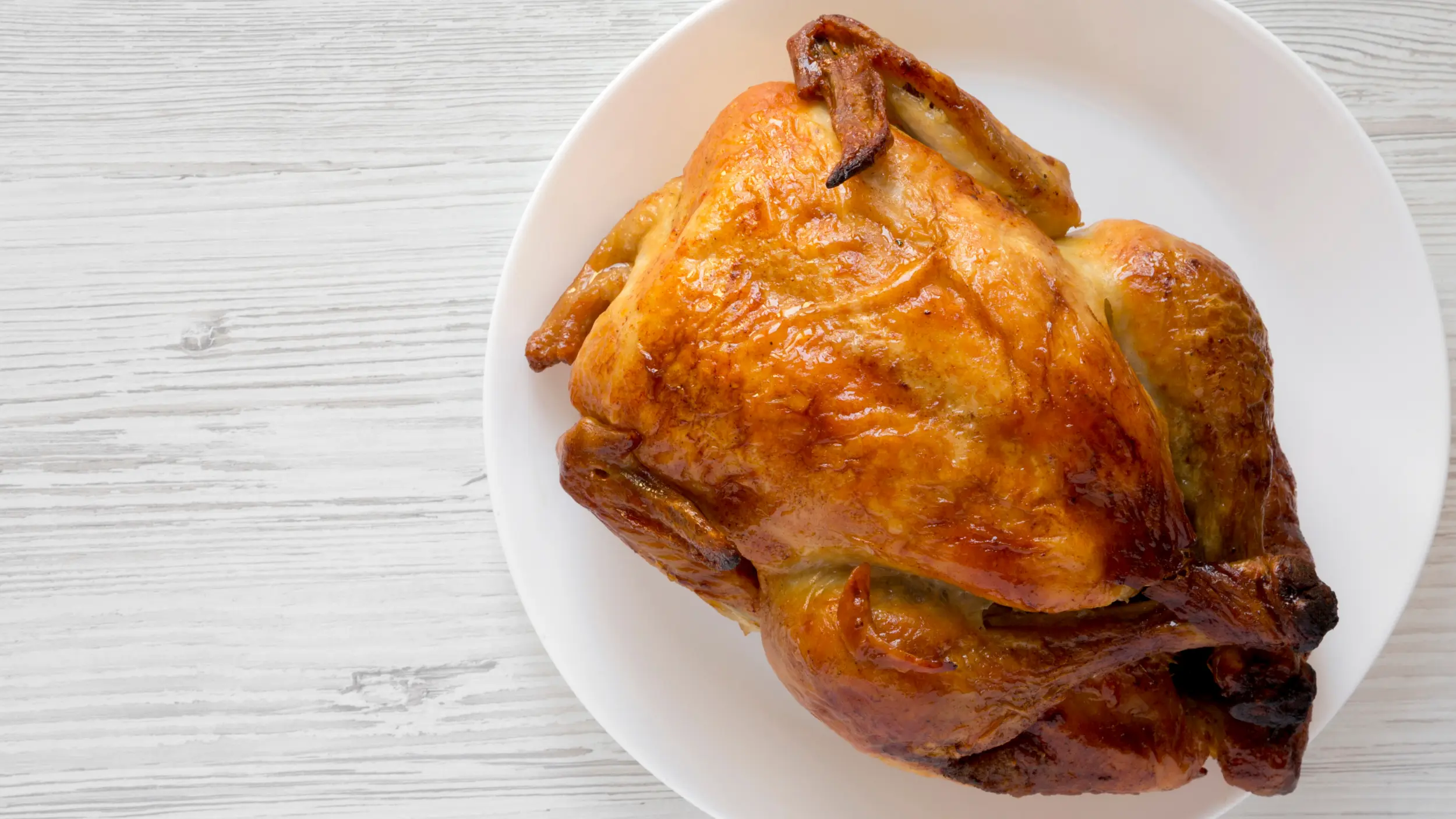
- Prepare 2-3 protein options like baked wild salmon, slow-cooker chicken thighs, and hard-boiled eggs
- Wash and chop vegetables for quick steaming throughout the week
- Make a big batch of bone broth for gut healing and thyroid support
- Prep thyroid-friendly snacks like mixed nuts, cut vegetables with guacamole, or coconut yogurt with berries
Reading Labels for Hidden Thyroid Disruptors
Ultra-processed foods often contain additives that burden your thyroid. Watch for:
- Carrageenan (suppresses thyroid function in animal studies) [27]
- Brominated vegetable oil (bromine competes with iodine) [28]
- Artificial colors and preservatives (increase inflammatory load)
- High amounts of added sugars (drive inflammation and insulin resistance)
Addressing Root Causes Through Functional Nutrition
What makes functional nutrition for thyroid different from generic healthy eating advice? We're specifically targeting the mechanisms driving thyroid dysfunction.
Gut healing comes first for many women. Since approximately 20% of thyroid hormone conversion happens in your gut, and your gut houses 70% of your immune system, healing intestinal permeability is non-negotiable for thyroid autoimmune disease diet protocols [29]. This means incorporating bone broth, fermented foods, glutamine-rich foods, and removing inflammatory triggers.
Blood sugar regulation directly impacts thyroid function. When insulin remains chronically elevated from frequent high-carb snacking, it interferes with thyroid hormone receptor sensitivity [30]. Balancing your plate as described above naturally stabilizes blood sugar without extreme restriction.
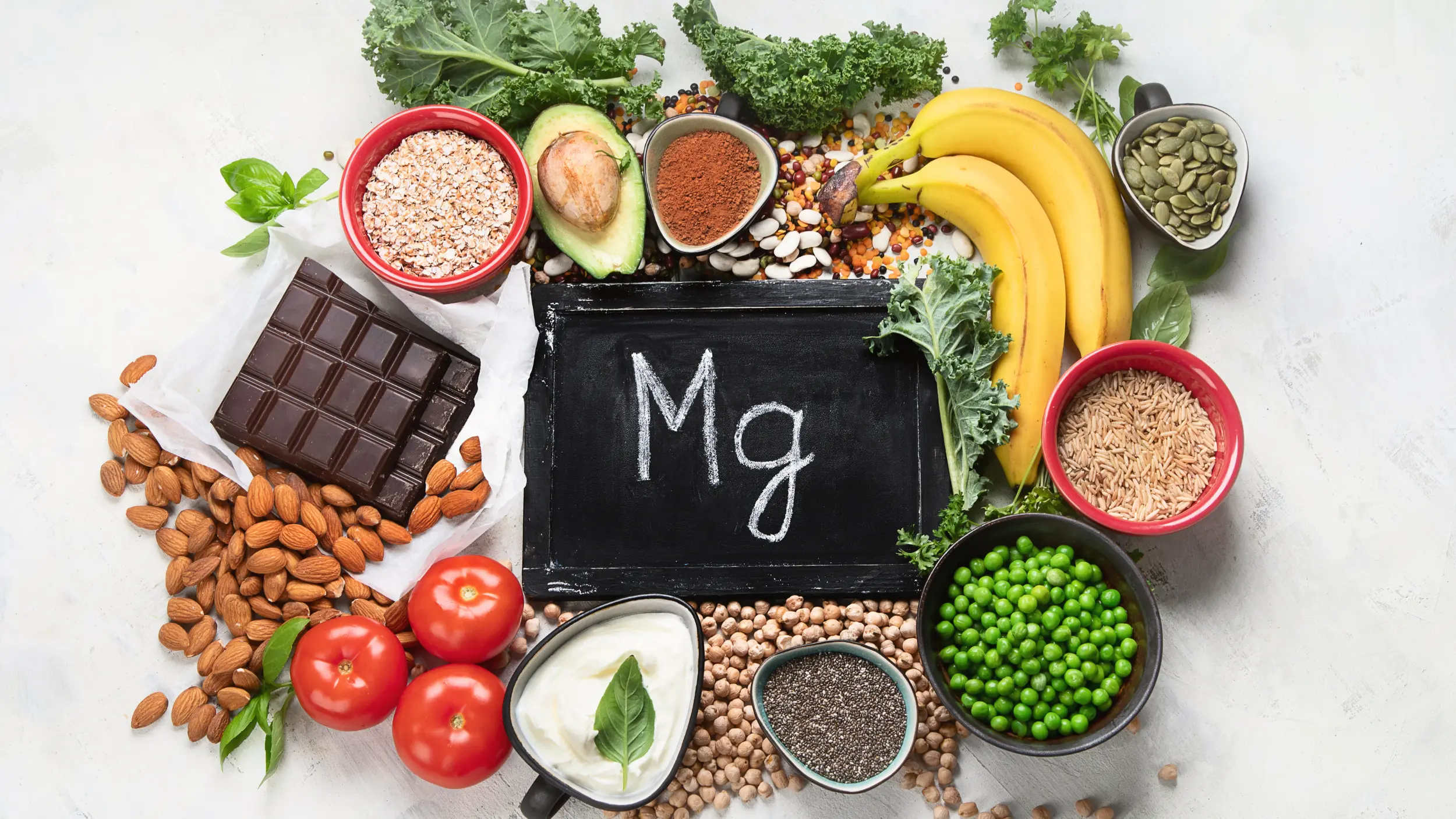
Stress management through nutrition matters more than most realize. Your body requires significantly more nutrients under chronic stress—particularly B vitamins, magnesium, and vitamin C [31]. Supporting your body's stress response through nutrient-dense foods helps preserve thyroid function during demanding life phases.
Sample Thyroid Diet Plan Day
Here's what this looks like in practice:
Breakfast (8:00 AM):
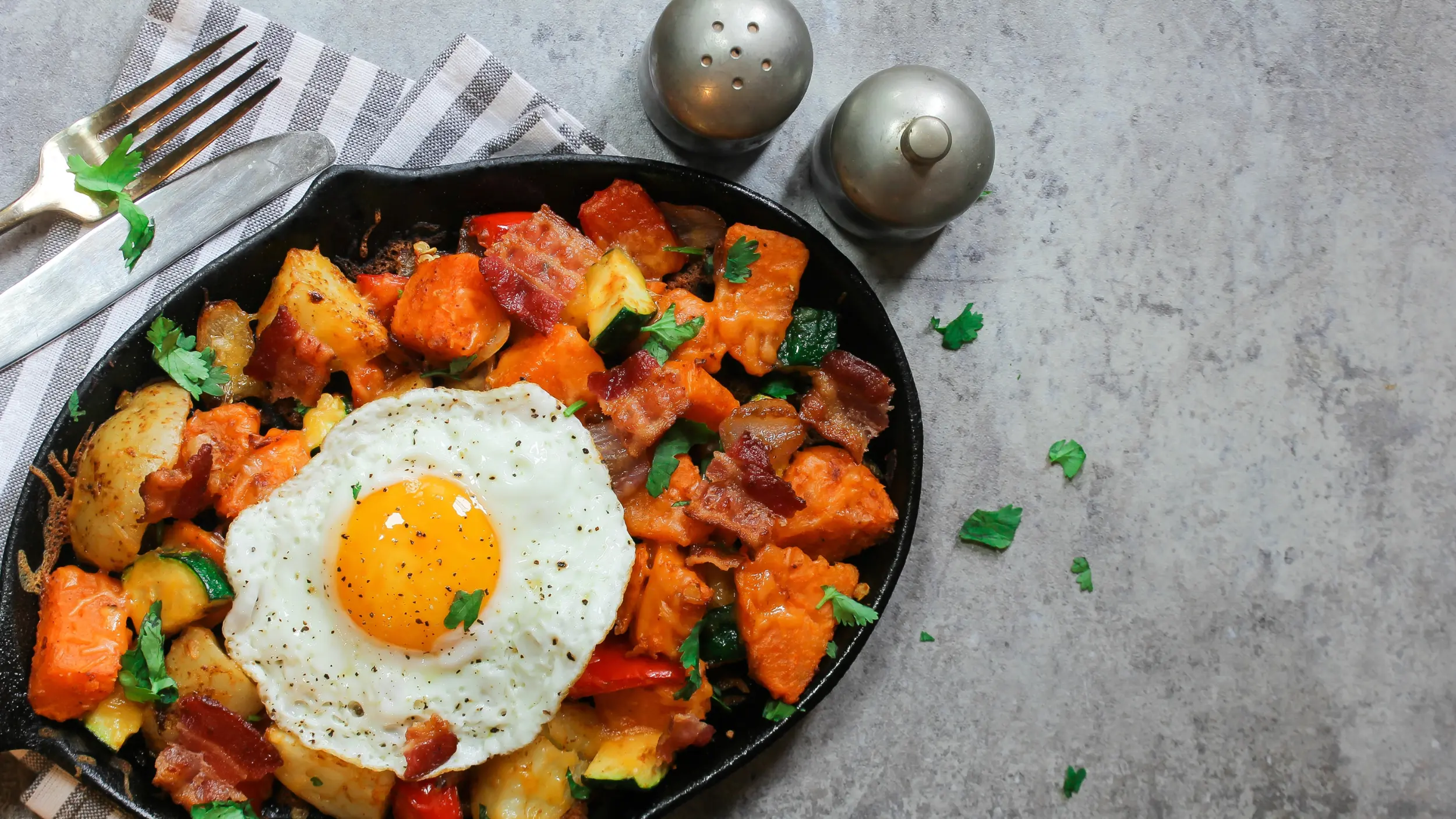
Scrambled pastured eggs with sautéed spinach and mushrooms, half an avocado, and a side of blueberries. Herbal tea.
Lunch (12:30 PM):
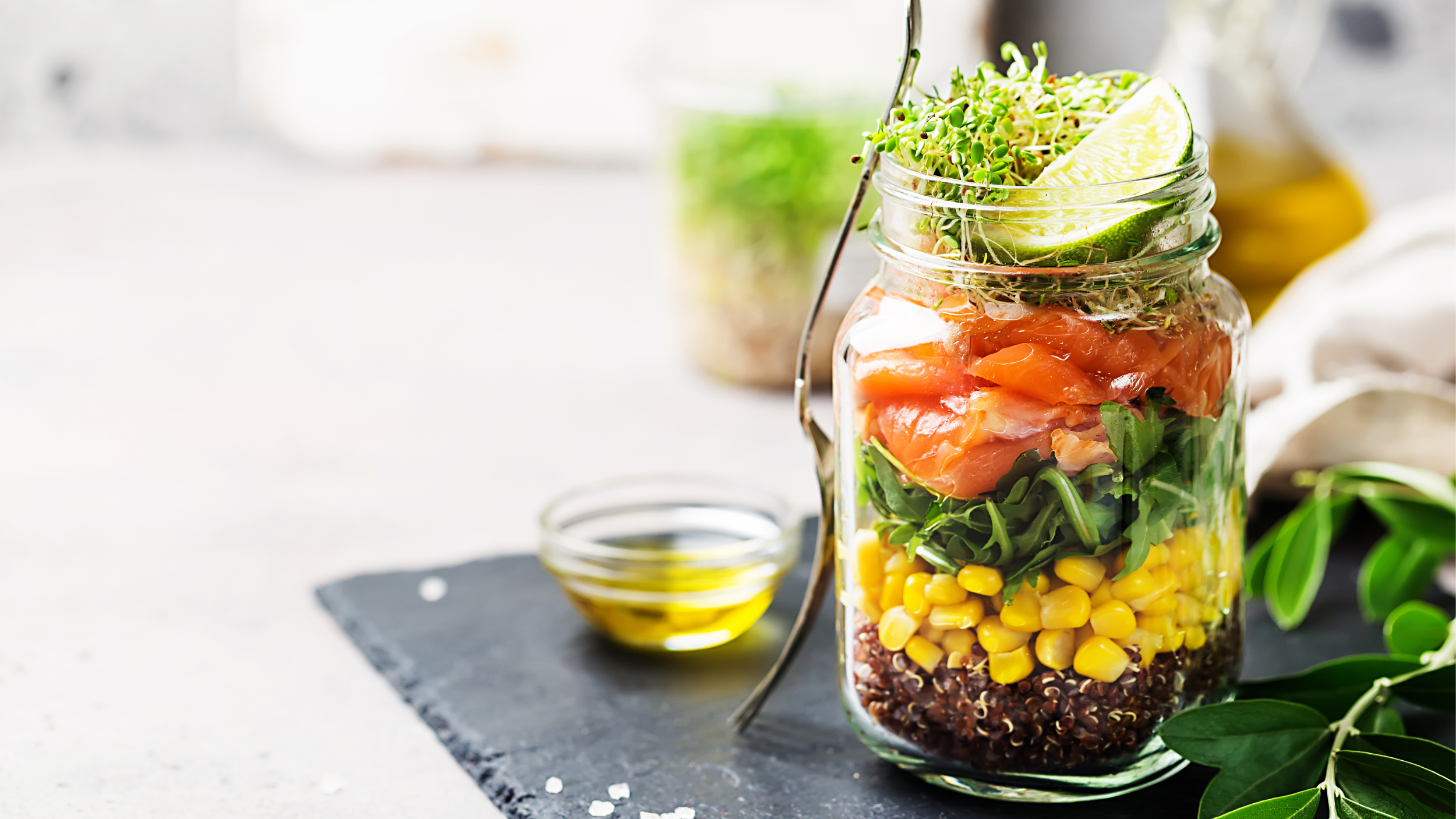
Wild-caught salmon over mixed greens with roasted sweet potato, cucumber, shredded carrots, pumpkin seeds, and olive oil lemon dressing.
Snack (3:30 PM):
Two Brazil nuts, apple slices with almond butter.
Dinner (6:30 PM):
Grass-fed beef and vegetable stir-fry with broccoli, bell peppers, and snap peas over cauliflower rice, cooked in coconut oil with ginger and garlic.
Supplements: When Food Isn't Enough
While I always prioritize food first, some nutrients are difficult to obtain in therapeutic amounts through diet alone, especially if you have a thyroid autoimmune disease or hypothyroid diet needs. Work with a qualified practitioner to determine if you need supplementation with selenium, vitamin D, iron, zinc, or omega-3 fatty acids. Testing your levels first prevents both deficiency and toxicity.
Lifestyle Factors That Support Your Thyroid Nutrition Plan
Even the most perfect thyroid Hashimoto's diet won't work if you're sleeping four hours nightly and chronically stressed. Sleep deprivation directly suppresses TSH and reduces T3 levels [32]. Chronic stress elevates cortisol, which inhibits thyroid hormone production and conversion [33]. Movement supports thyroid function by improving insulin sensitivity and reducing inflammation, but over-exercising has the opposite effect [34].
Think of nutrition as one powerful pillar within a comprehensive approach to natural thyroid remedies.
Frequently Asked Questions
What are the first steps to improving my thyroid health through diet?
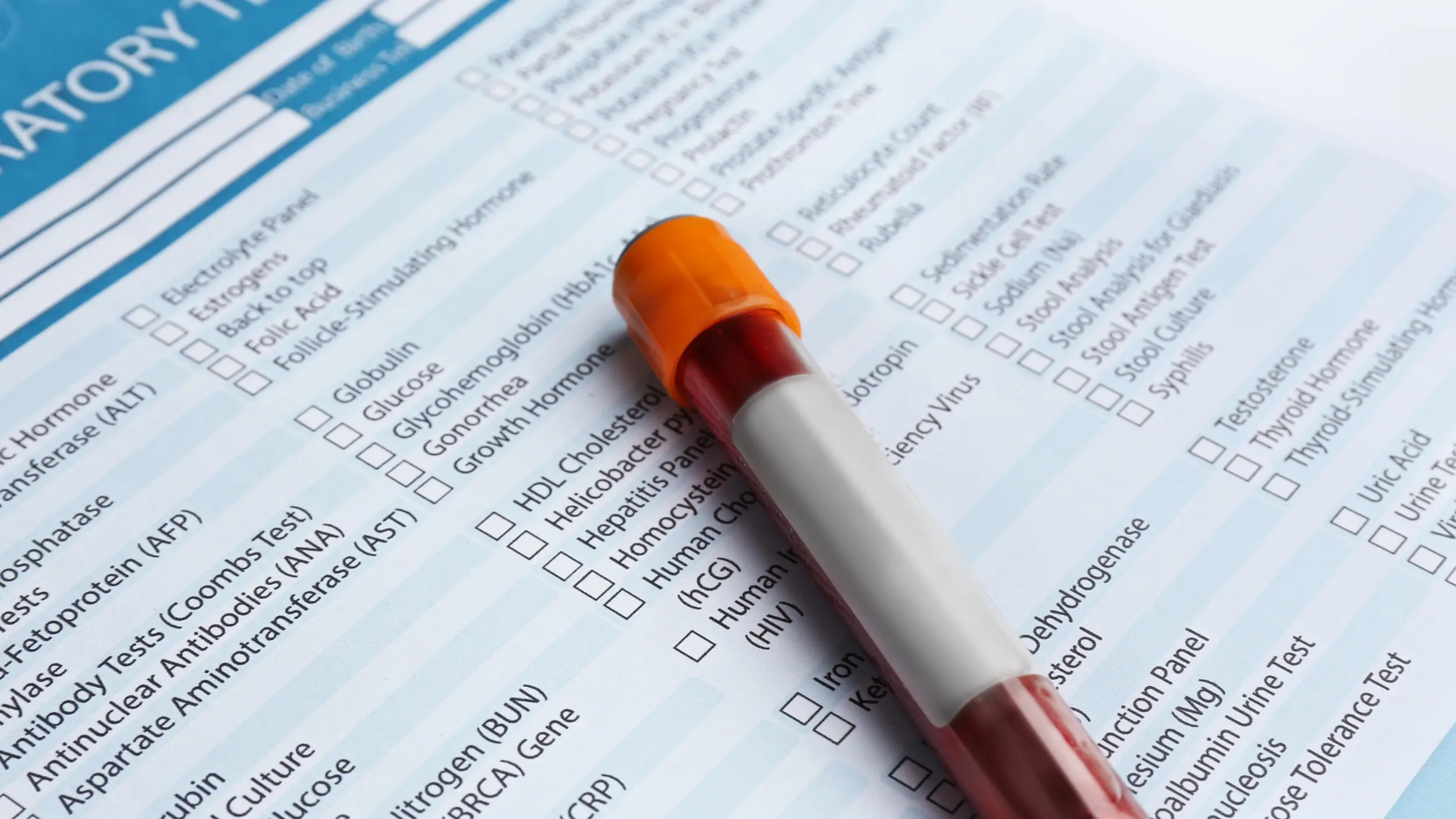
Start by eliminating the most common inflammatory triggers: gluten (especially if you have Hashimoto's), refined sugars, and highly processed foods. Simultaneously, add in selenium-rich foods like Brazil nuts and wild-caught fish, ensure adequate protein at every meal, and focus on blood sugar stability by eating balanced meals every 4-5 hours. Get comprehensive thyroid labs done (TSH, Free T3, Free T4, thyroid antibodies, and reverse T3) so you understand your baseline. Many women see noticeable energy improvements within 2-4 weeks of these foundational changes.
Can functional nutrition help with autoimmune thyroid conditions like Hashimoto's?
Absolutely. While functional nutrition can't reverse existing thyroid tissue damage, it can significantly reduce autoimmune activity and prevent further deterioration. Research shows that dietary interventions—particularly gluten removal, selenium supplementation, and gut healing protocols—can reduce thyroid antibodies and improve symptoms [35]. The thyroid autoimmune disease diet focuses on reducing immune system triggers, healing intestinal permeability, balancing blood sugar, and providing nutrients that support regulatory T-cell function. Many of my Hashimoto's clients see antibody reductions of 50% or more within six months of implementing these strategies, along with improved energy, clearer thinking, and easier weight management.
How quickly can I expect to see results from dietary changes for my thyroid?
This depends on several factors: the severity of your condition, how consistent you are with changes, whether you're on appropriate medication, and your individual biochemistry. Most women notice improved energy, better digestion, and reduced brain fog within 3-4 weeks of starting a thyroid health diet. Physical changes like weight loss, hair regrowth, and skin improvements typically take 2-3 months because thyroid hormones have a longer half-life and cellular changes occur gradually. Antibody reduction in Hashimoto's usually takes 3-6 months of consistent effort. Lab improvements in thyroid hormone levels generally appear at the 8-12 week mark. Remember, you're healing at a cellular level—this takes time, but the results are sustainable. If you're not seeing any improvements after 6-8 weeks, work with a practitioner to investigate other factors like gut infections, nutrient deficiencies, or medication adjustments.
Ready to take control of your thyroid health? Creating a personalized thyroid diet plan tailored to your unique biochemistry, symptoms, and lifestyle makes all the difference between generic advice and actual results. Book a consultation at www.usevedic.com to work one-on-one with a specialized dietitian who understands the complexities of thyroid nutrition and can guide you through testing, meal planning, and sustainable implementation.
References
[1] Mullur R, Liu YY, Brent GA. Thyroid hormone regulation of metabolism. Physiol Rev. 2014;94(2):355-382.
[2] Ventura M, Melo M, Carrilho F. Selenium and thyroid disease: from pathophysiology to treatment. Int J Endocrinol. 2017;2017:1297658.
[3] Chaker L, Bianco AC, Jonklaas J, Peeters RP. Hypothyroidism. Lancet. 2017;390(10101):1550-1562.
[4] Ralli M, Angeletti D, Fiore M, et al. Hashimoto's thyroiditis: An update on pathogenic mechanisms, diagnostic protocols, therapeutic strategies, and potential malignant transformation. Autoimmun Rev. 2020;19(10):102649.
[5] Biondi B, Cooper DS. Subclinical thyroid disease. Lancet. 2012;379(9821):1142-1154.
[6] American Thyroid Association. General Information/Press Room. 2024.
[7] Osowiecka K, Myszkowska-Ryciak J. The influence of nutritional intervention in the treatment of Hashimoto's thyroiditis. Nutrients. 2023;15(4):968.
[8] Köhrle J, Jakob F, Contempré B, Dumont JE. Selenium, the thyroid, and the endocrine system. Endocr Rev. 2005;26(7):944-984.
[9] Duntas LH. Selenium and the thyroid: a close-knit connection. J Clin Endocrinol Metab. 2010;95(12):5180-5188.
[10] Wichman J, Winther KH, Bonnema SJ, Hegedüs L. Selenium supplementation significantly reduces thyroid autoantibody levels in patients with chronic autoimmune thyroiditis: a systematic review and meta-analysis. Thyroid. 2016;26(12):1681-1692.
[11] Zimmermann MB, Boelaert K. Iodine deficiency and thyroid disorders. Lancet Diabetes Endocrinol. 2015;3(4):286-295.
[12] Leung AM, Braverman LE. Consequences of excess iodine. Nat Rev Endocrinol. 2014;10(3):136-142.
[13] Triggiani V, Tafaro E, Giagulli VA, et al. Role of iodine, selenium and other micronutrients in thyroid function and disorders. Endocr Metab Immune Disord Drug Targets. 2009;9(3):277-294.
[14] Baltaci AK, Mogulkoc R, Baltaci SB. Review - The role of zinc in the endocrine system. Pak J Pharm Sci. 2019;32(1):231-239.
[15] Mahmoodianfard S, Vafa M, Golgiri F, et al. Effects of zinc and selenium supplementation on thyroid function in overweight and obese hypothyroid female patients: A randomized double-blind controlled trial. J Am Coll Nutr. 2015;34(5):391-399.
[16] Hess SY, Zimmermann MB, Arnold M, Langhans W, Hurrell RF. Iron deficiency anemia reduces thyroid peroxidase activity in rats. J Nutr. 2002;132(7):1951-1955.
[17] Muscogiuri G, Tirabassi G, Bizzaro G, et al. Vitamin D and thyroid disease: to D or not to D? Eur J Nutr. 2015;54(3):291-305.
[18] Mackawy AM, Al-Ayed BM, Al-Rashidi BM. Vitamin D deficiency and its association with thyroid disease. Int J Health Sci (Qassim). 2013;7(3):267-275.
[19] Fernstrom JD, Fernstrom MH. Tyrosine, phenylalanine, and catecholamine synthesis and function in the brain. J Nutr. 2007;137(6 Suppl 1):1539S-1547S.
[20] Bajaj JK, Salwan P, Salwan S. Various possible toxicants involved in thyroid dysfunction: A review. J Clin Diagn Res. 2016;10(1):FE01-FE03.
[21] Messina M, Redmond G. Effects of soy protein and soybean isoflavones on thyroid function in healthy adults and hypothyroid patients: a review of the relevant literature. Thyroid. 2006;16(3):249-258.
[22] Ruggeri RM, Trimarchi F, Giuffrida G, et al. Autoimmune comorbidities in Hashimoto's thyroiditis: different patterns of association in adulthood and childhood/adolescence. Eur J Endocrinol. 2017;176(2):133-141.
[23] Krysiak R, Szkróbka W, Okopień B. The effect of gluten-free diet on thyroid autoimmunity in drug-naïve women with Hashimoto's thyroiditis: a pilot study. Exp Clin Endocrinol Diabetes. 2019;127(7):417-422.
[24] Mullur R, Liu YY, Brent GA. Thyroid hormone regulation of metabolism. Physiol Rev. 2014;94(2):355-382.
[25] Fontana L, Partridge L. Promoting health and longevity through diet: from model organisms to humans. Cell. 2015;161(1):106-118.
[26] Benvenga S, Bartolone L, Pappalardo MA, et al. Altered intestinal absorption of L-thyroxine caused by coffee. Thyroid. 2008;18(3):293-301.
[27] Panlasigui JL, Baello OQ, Dimatangal JM, Dumelod BD. Blood cholesterol and lipid-lowering effects of carrageenan on human volunteers. Asia Pac J Clin Nutr. 2003;12(2):209-214.
[28] van Leeuwen FX, Feeley M, Schrenk D, et al. Assessment of the dietary exposure to brominated flame retardants: an update. Food Addit Contam Part A Chem Anal Control Expo Risk Assess. 2008;25(1):1-21.
[29] Knezevic J, Starchl C, Tmava Berisha A, Amrein K. Thyroid-gut-axis: how does the microbiota influence thyroid function? Nutrients. 2020;12(6):1769.
[30] Maratou E, Hadjidakis DJ, Kollias A, et al. Studies of insulin resistance in patients with clinical and subclinical hypothyroidism. Eur J Endocrinol. 2009;160(5):785-790.
[31] Tardy AL, Pouteau E, Marquez D, Yilmaz C, Scholey A. Vitamins and minerals for energy, fatigue and cognition: a narrative review of the biochemical and clinical evidence. Nutrients. 2020;12(1):228.
[32] Kessler L, Nedeltcheva A, Imperial J, Penev PD. Changes in serum TSH and free T4 during human sleep restriction. Sleep. 2010;33(8):1115-1118.
[33] Chatzitomaris A, Hoermann R, Midgley JE, et al. Thyroid allostasis-adaptive responses of thyrotropic feedback control to conditions of strain, stress, and developmental programming. Front Endocrinol (Lausanne). 2017;8:163.
[34] Ciloglu F, Peker I, Pehlivan A, et al. Exercise intensity and its effects on thyroid hormones. Neuro Endocrinol Lett. 2005;26(6):830-834.
[35] Abbott RD, Sadowski A, Alt AG. Efficacy of the autoimmune protocol diet as part of a multi-disciplinary, supported lifestyle intervention for Hashimoto's thyroiditis. Cureus. 2019;11(4):e4556.
.svg)
.svg)


.jpg)
.jpg)








.webp)























.webp)
.webp)
.webp)
.webp)
.webp)
.webp)
.webp)
.png)
.webp)
.webp)

.webp)
.png)
.webp)
.webp)
.webp)
.webp)
.webp)
.webp)
.webp)
.webp)


.webp)
.png)