.webp)

%2B(7).webp)
.png)
At a Glance
Many women between 24-45 have been conditioned to view exercise as punishment for eating or as a tool to manipulate body size. This harmful mindset creates stress, guilt, and burnout rather than the physical and mental health benefits movement should provide. Research shows that shifting toward joyful, intuitive movement improves adherence, reduces anxiety, and builds genuine self-care practices that last.
Introduction: Rethinking Your Movement Mindset
Let's get real for a second. How many times have you dragged yourself to a workout you hated because you felt like you "had to" after eating dessert the night before? Or skipped social plans because you hadn't "earned" your rest day yet?
If this sounds familiar, you're definitely not alone. The fitness industry has spent decades selling us the idea that exercise as punishment is normal—that we need to burn off calories, atone for our food choices, or punish our bodies into submission. This transactional relationship with movement is exhausting, unsustainable, and honestly? It's harming our mental health more than it's helping our physical health.
The good news is that it doesn't have to be this way. Movement can be a genuine form of self-care, something that energizes rather than depletes you. Let's explore how to break free from the punishment mindset and rebuild your relationship with exercise from the ground up.
Finding Joy and Freedom in Your Workouts
Why We've Been Taught Exercise is Punishment
The roots of this toxic relationship run deep. Diet culture has spent decades conditioning us to believe our bodies are problems that need fixing. The language around fitness reflects this perfectly: we "attack" fat, "blast" calories, "punish" ourselves with burpees, and "crush" workouts.
Research confirms what many of us have experienced firsthand. A 2023 study found that women who engage in compensatory exercise—working out specifically to offset food intake—show significantly higher rates of anxiety, depression, and disordered eating behaviors [1]. When exercise becomes a debt we owe our bodies rather than a gift we give them, the psychological toll is substantial.
Several cultural factors have reinforced this mindset:
- The commercialization of fitness as primarily a weight loss tool rather than a health practice
- Social media's constant stream of "before and after" transformations that equate worth with appearance
- Gym environments that emphasize calorie counters and "no pain, no gain" messaging
- Childhood experiences where physical activity was used as actual punishment (think running laps for misbehaving)
When exercise for weight loss becomes the singular focus, we lose sight of all the other incredible benefits movement provides. We stop asking "How does this make me feel?" and only ask "How many calories did I burn?" That shift in focus changes everything.
Cultivating a Healthy Relationship with Movement
So what does a healthy relationship with exercise actually look like? It starts with recognizing that your body isn't a machine that needs to be controlled, but rather a home that deserves care and respect.
Here's what I see in my clients who've successfully made this shift:
- They choose activities based on enjoyment, not calorie expenditure. Dance classes because they're fun, hiking because nature grounds them, strength training because feeling strong is empowering.
- Rest days are non-negotiable, not earned. Recovery is recognized as an essential part of fitness, not a luxury you have to deserve.
- Movement adapts to their energy levels. High-energy days might mean an intense workout, while tired days call for gentle stretching or a walk. Both are equally valid.
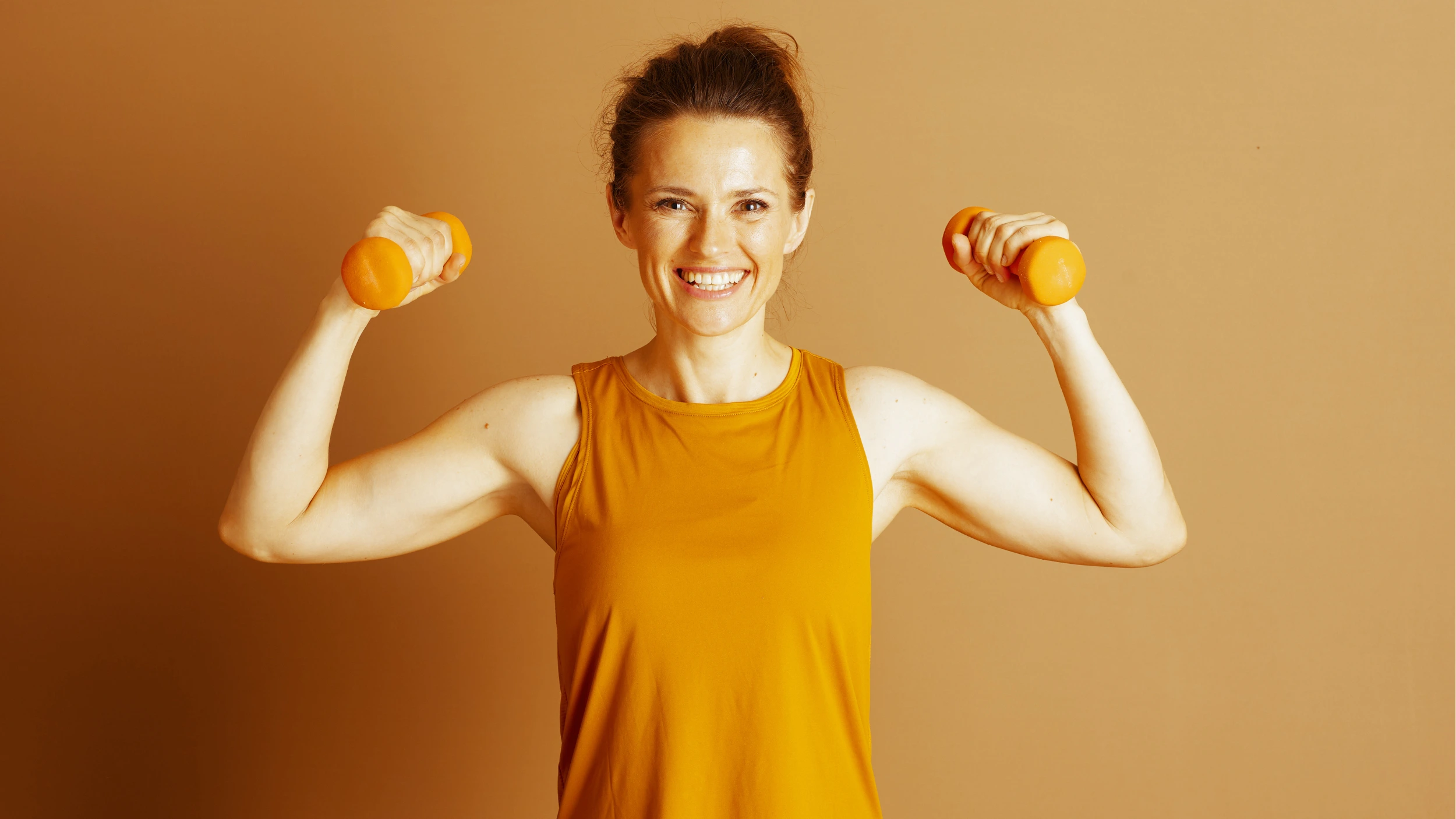
Moving away from exercise as punishment requires active reprogramming of the beliefs you've internalized. This means catching yourself when you think "I have to work out" and reframing it to "I get to move my body today." It means deleting fitness apps that shame you with notifications about missed workouts. It means unfollowing social media accounts that make you feel inadequate.
One practical strategy I recommend: Keep a movement journal focused entirely on how exercise makes you feel, not how you look or what you weigh. Note your energy levels, mood shifts, sleep quality, and stress management. When you start seeing the non-aesthetic benefits pile up, it becomes easier to value movement for the right reasons.
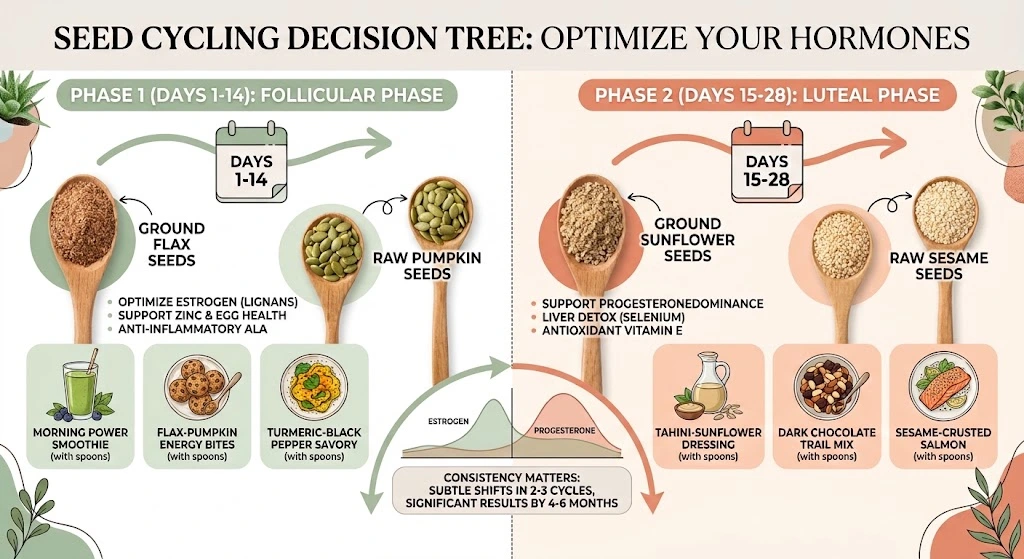
If you're looking to support this mindset shift with nutrition that honors your body's needs, exploring hormone balance through your diet can complement your movement practice beautifully.
Nourishing Your Body and Mind Through Movement
Intuitive Eating and Mindful Movement
The principles of intuitive eating pair perfectly with a healthier approach to exercise. Just as intuitive eating asks you to honor your hunger and fullness cues without rigid rules, intuitive movement encourages you to listen to what your body actually needs on any given day.
Research shows that individuals who practice intuitive eating demonstrate lower levels of exercise guilt and higher levels of physical activity enjoyment [2]. When you stop using exercise to compensate for eating, both your relationship with food and movement improve simultaneously.
Mindful movement takes this a step further by bringing full awareness to the present moment during physical activity. Instead of dissociating from your body or distracting yourself with Netflix during every workout, mindful movement asks:
- What sensations am I noticing right now?
- How is my breathing?
- What feels good in my body, and what needs adjustment?
- Am I pushing through pain, or working within my capacity?
This doesn't mean every workout needs to be a meditation. But it does mean developing body awareness that helps you distinguish between the discomfort of appropriate challenge and the pain of pushing too hard. It means noticing when you're exercising from a place of self-care versus self-punishment.
One of my clients described the difference perfectly: "Before, I'd zone out during workouts and just try to survive them. Now I'm actually in my body, noticing what feels strong and capable. It's completely changed how I show up."
The Power of Self-Care and Body Positivity
Let's be clear: body positivity doesn't mean you have to love every inch of yourself every single day. That's an unrealistic standard that sets us up for failure. Instead, it's about recognizing that your body's worth isn't determined by its size, shape, or fitness level.
When you view exercise through a self-care lens rather than a body-modification lens, everything shifts. Self-care exercise asks "What does my body need today?" rather than "What does my body need to look like?"
A 2024 meta-analysis found that women who engaged in physical activity for self-care and mental health reasons—rather than primarily for appearance—showed greater long-term adherence and reported significantly better psychological well-being [3]. The motivation matters just as much as the movement itself.
Self-care movement might look like:
- A morning yoga session because it helps you manage anxiety
- An afternoon walk because you need to clear your head between meetings
- A strength training session because you want to feel powerful
- A rest day because your body is asking for recovery
All of these choices honor your needs without being contingent on your appearance or the number on a scale. And here's what's interesting: when you remove the pressure and punishment from exercise, most people naturally move more, not less. Turns out, humans actually enjoy movement when it's not weaponized against them.
Supporting your body's internal systems, like optimizing your gut health, can also enhance how you feel during and after movement, creating a positive feedback loop.
Building Sustainable Fitness and Motivation
Making Fitness a Sustainable Practice
The fitness industry loves to sell you on extreme transformations and 30-day challenges, but you know what they don't talk about? What happens on day 31. The truth is that sustainable fitness isn't built on intensity alone—it's built on consistency, variety, and genuine enjoyment.
Research on exercise adherence reveals that enjoyment is one of the strongest predictors of long-term participation [4]. This seems obvious, yet we constantly override it in pursuit of the "most effective" or "highest calorie-burning" workouts. Effectiveness means nothing if you can't sustain it.
Building exercise motivation that lasts requires a fundamental shift:
Stop asking: What burns the most calories?
Start asking: What do I actually enjoy doing?
Stop asking: What will change my body fastest?
Start asking: What can I see myself doing consistently for years?
This might mean accepting that your favorite form of movement isn't the trendiest or most Instagram-worthy. Maybe you genuinely love swimming, even though it's not as popular as HIIT classes. Maybe you prefer solo activities over group fitness. Maybe you need variety and get bored doing the same routine.
All of this is valid. Your sustainable fitness practice should be uniquely yours, built around your preferences, schedule, and life circumstances. It should flex with your seasons of life rather than demanding you contort yourself to fit its requirements.
One practical approach: Experiment with different activities for 2-3 weeks each, paying attention to which ones you look forward to rather than dread. Your body will tell you what works if you listen.
Prioritizing Mental Health Through Movement
Let's talk about exercise for mental health, because this is where movement becomes genuinely transformative rather than punitive. The mental health benefits of regular physical activity are well-documented and honestly remarkable.
Regular exercise has been shown to:
- Reduce symptoms of depression and anxiety as effectively as medication for mild to moderate cases [5]
- Improve sleep quality and duration
- Enhance cognitive function and memory
- Boost self-esteem and body image (even without body composition changes)
- Provide a healthy coping mechanism for stress
But here's the catch: these benefits are significantly diminished when exercise is driven by guilt, shame, or punishment. A 2025 study found that obligatory exercise—movement motivated by external pressure rather than internal desire—was associated with higher anxiety levels and didn't provide the same mental health benefits as autonomous exercise [6].
This means the why behind your movement matters tremendously. When you exercise because you genuinely want to support your mental health, you get the benefits. When you exercise because you feel like you have to, you might actually be adding to your stress load rather than reducing it.
I often see this with clients who are dealing with high-stress careers and demanding schedules. Adding aggressive workout regimens on top of existing stress doesn't help—it just creates another source of pressure. But incorporating gentle, enjoyable movement as an actual stress management tool? That's when everything clicks.
If stress is impacting your energy and motivation, understanding the functional nutrition approach to managing stress can provide additional strategies that complement your movement practice.
FAQ
Q: How can I stop feeling guilty if I miss a workout?
Guilt around missed workouts is a clear sign that you're still viewing exercise through a punishment lens. Start by recognizing that your body doesn't operate on a deficit system where you owe it movement. Rest is productive, not lazy. Try reframing: instead of "I should work out," try "Would movement serve me today, or would rest serve me better?" Both answers are acceptable. If guilt persists, it might be worth exploring these feelings with a therapist who specializes in health behaviors, as this often connects to deeper beliefs about worth and productivity.
Q: What are some fun ways to move my body that don't feel like a chore?
The answer is completely individual, but here are ideas my clients have loved: dance parties in your living room, hiking with friends, recreational sports leagues (kickball, softball, volleyball), rock climbing, rollerblading, swimming, trampolining, gardening, playing with kids or pets, taking your work calls while walking, exploring new neighborhoods on foot, or trying activities from your childhood that you enjoyed. The key is removing the pressure to optimize and instead prioritizing play and pleasure.
Q: Can exercise really help with my mood and stress levels?
Absolutely. Physical activity triggers the release of endorphins, serotonin, and other neurochemicals that improve mood and reduce stress [7]. Exercise also provides a healthy outlet for processing emotions and can serve as a form of active meditation. However, the type, intensity, and motivation behind exercise all matter. Gentle to moderate movement done for self-care provides better mental health benefits than intense exercise done from a place of punishment or compensation. Even 10-20 minutes of walking can significantly improve mood and reduce anxiety.
Ready to Transform Your Relationship with Movement?
Breaking free from the exercise as punishment mindset isn't just about changing your workout routine—it's about fundamentally shifting how you relate to your body and what you believe you deserve. You deserve movement that energizes you, not depletes you. You deserve to feel strong and capable without sacrificing your mental health in the process.
If you're ready to build a truly sustainable, joyful relationship with exercise that supports your whole self—not just your appearance—I'd love to help you create a personalized plan. As a Registered Dietitian specializing in women's health, I work with clients to integrate nutrition, movement, and mindset in ways that actually feel good and last long-term.
Book a consultation with me today at www.usevedic.com to start your transformation from punishment to self-care. Because you deserve to move through life feeling empowered, not exhausted.
References
[1] Carbine, K.A., et al. Compensatory Exercise in Women: It's More Than Just Calories. International Journal of Eating Disorders, 2023.
[2] Linardon, J., et al. Intuitive Eating and Its Psychological Correlates: A Meta-Analysis. Appetite, 2021.
[3] Gillman, A.S., et al. Exercise Motivation and Psychological Outcomes: A Systematic Review. Medicine & Science in Sports & Exercise, 2024.
[4] Rhodes, R.E., & Kates, A. Can the Affective Response to Exercise Predict Future Motives and Physical Activity Behavior?. British Journal of Sports Medicine, 2015.
[5] Schuch, F.B., et al. Exercise as a Treatment for Depression: A Meta-Analysis. British Journal of Sports Medicine, 2016.
[6] Weinstein, A.A., et al. Autonomous Versus Obligatory Exercise: Differential Mental Health Outcomes. Frontiers in Psychology, 2025.
[7] Mikkelsen, K., et al. Exercise and Mental Health: The Neurobiological Mechanisms. Neuropsychobiology, 2017.
.svg)
.svg)








.jpg)
.jpg)

























.webp)












































.webp)
.webp)
.webp)
.webp)
.webp)
.webp)
.webp)
.webp)
.png)
.webp)
.webp)