.webp)

%2B(7).webp)
.png)
At a Glance
Body neutrality is a practical framework that shifts focus from appearance to function—appreciating your body for its capabilities rather than its aesthetics. Unlike body positivity, which requires constant love for your physical form, body neutrality offers a middle ground that feels more accessible for most women. This evidence-based approach can reduce body dissatisfaction, support intuitive eating practices, and foster genuine self-respect without the pressure of forced positivity.
What Exactly is Body Neutrality, Anyway?
The body neutrality definition centers on one core principle: your body's worth isn't tied to how it looks. Instead of forcing yourself to love every dimple or celebrate every curve, body neutrality invites you to simply exist in your body without constant judgment.
Think of it this way: you probably don't spend much mental energy thinking about whether your elbows are attractive. You just use them. That's body neutrality in action.
The Body Neutral Movement: Where It Came From
The body neutral movement emerged as a response to the limitations of body positivity. While body positivity encourages unconditional love for your appearance, research shows that forced positive self-statements can actually backfire for individuals with low self-esteem [1]. The constant pressure to love your body can feel exhausting, particularly for women navigating hormonal shifts, postpartum changes, or chronic health conditions.
Body neutrality explained simply: it's about stepping off the appearance evaluation treadmill entirely. Your body is an instrument, not an ornament.
Body Neutrality vs Body Positivity: What's the Real Difference?
Here's where these two approaches diverge:
- Body positivity asks you to actively love and celebrate your body's appearance, often through affirmations and visual representation
- Body neutrality suggests you don't need to have strong feelings about your appearance at all—positive or negative
- Body positivity can feel like another standard to meet ("I should love my cellulite")
- Body neutrality removes appearance from the equation: your body's value lies in what it does
For many of my clients, particularly those recovering from disordered eating patterns, body neutrality feels like finally putting down a heavy backpack. You're not replacing negative thoughts with positive ones—you're just thinking about your body less [2].
Why Body Neutrality Might Be a Better Fit for You
The benefits of body neutrality extend far beyond just feeling better about your reflection. This approach creates tangible shifts in how you move through your day.
Reduced Cognitive Load
When you're not constantly monitoring your appearance or forcing gratitude affirmations, you free up significant mental bandwidth. Studies on body image flexibility show that acceptance-based approaches (rather than change-based ones) correlate with lower anxiety and depression rates [3].
More Consistent Self-Care Behaviors
- Body positivity asks you to actively love and celebrate your body's appearance, often through affirmations and visual representation
- Body neutrality suggests you don't need to have strong feelings about your appearance at all—positive or negative
- Body positivity can feel like another standard to meet ("I should love my cellulite")
- Body neutrality removes appearance from the equation: your body's value lies in what it does
I've watched clients shift from "I need to earn this meal" to "I'm fueling my body for my afternoon presentation." That's body neutral living in practice.
Better Alignment With Intuitive Eating
The connection between intuitive eating and body neutrality is particularly strong. Intuitive eating's principle of "Respect Your Body" doesn't demand you love it—just that you treat it with basic dignity [4]. When you adopt a body-neutral lens, you can more easily tune into hunger cues, honor fullness, and make food choices based on how they make you feel rather than how they might change your appearance.
This aligns beautifully with functional nutrition approaches to stress and energy, where we prioritize metabolic health over aesthetic outcomes.
Sustainability Across Life Stages
Your body will change. Hormonal fluctuations, pregnancy, perimenopause, illness, aging—these are non-negotiables. Body neutrality provides a framework that doesn't crumble when your body transforms. Instead of mourning lost appearances, you continue appreciating function: My body grew a human. My body recovered from surgery. My body carried me through that difficult year.
For women managing hormonal shifts, understanding hormone balance through nutrition becomes about supporting your body's work, not controlling its shape.
Bringing Body Neutrality into Your Daily Life
Ready for the practical stuff? Here's how to practice body neutrality without it feeling like another wellness task on your to-do list.
Start With Functional Appreciation
Rather than mirror affirmations, try noticing what your body does throughout the day:
- My legs carried me up three flights of stairs without thinking
- My hands typed that entire report
- My digestive system is processing my lunch while I work
This isn't about gratitude journaling (though that's fine too). It's about retraining your awareness toward function. When you catch yourself in appearance-based thoughts, gently redirect: "What is my body doing for me right now?"
Curate Your Media Environment
Body neutrality examples in real life start with what you consume daily. Your social media feed is essentially a controlled experiment in priming [5].
- Unfollow accounts that make you immediately compare your body to theirs
- Seek out content creators who rarely discuss appearance
- Follow people doing interesting things with their bodies (athletes, dancers, makers) where function takes center stage
Reframe Movement
Exercise culture is soaked in appearance-based messaging. Body neutral movement looks different:
- Choose activities based on what feels good or interesting, not calorie burn
- Notice performance gains rather than physical changes ("I can hold plank longer now" versus "My arms look more toned")
- Rest when your body signals fatigue—because a rested body functions better
Practice Neutral Self-Talk
This takes practice, but it's transformational. When getting dressed:
- Instead of: "Ugh, I hate how my stomach looks in this"
- Try: "This fabric isn't working for me. Different shirt."
Notice how the second version makes it about the clothing, not your body? That's body neutrality. The shirt's job is to fit you comfortably. Your body's job isn't to fit the shirt.
Connect Nutrition to Function
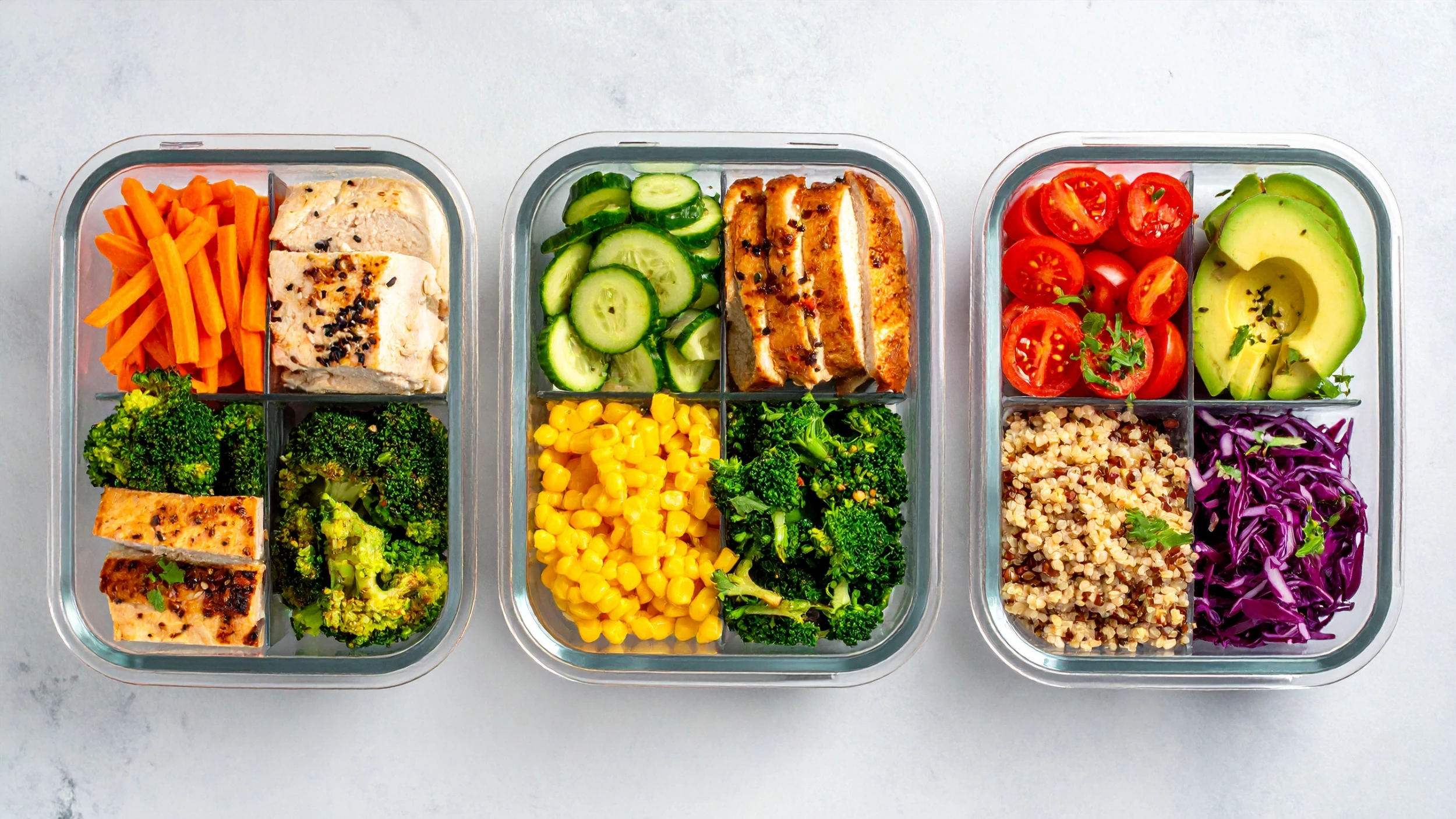
As a dietitian, this is where I see the most profound shifts. When we discuss nutrition from a body-neutral perspective, conversations change:
- We talk about stable energy rather than weight loss
- We explore how different foods affect your focus, mood, and digestion
- We build meals around supporting your gut microbiome health because a well-functioning gut improves your quality of life
Intuitive eating body neutrality means checking in: How do I want to feel in three hours? What does my body need to function well today?
Set Boundaries Around Body Talk
You'll need to navigate a culture still obsessed with appearance. Body neutral living sometimes means:
- Changing the subject when friends start body-bashing
- Declining to comment on others' weight changes
- Asking your healthcare provider to focus on functional health markers rather than BMI
You're not being difficult. You're protecting your mental space.
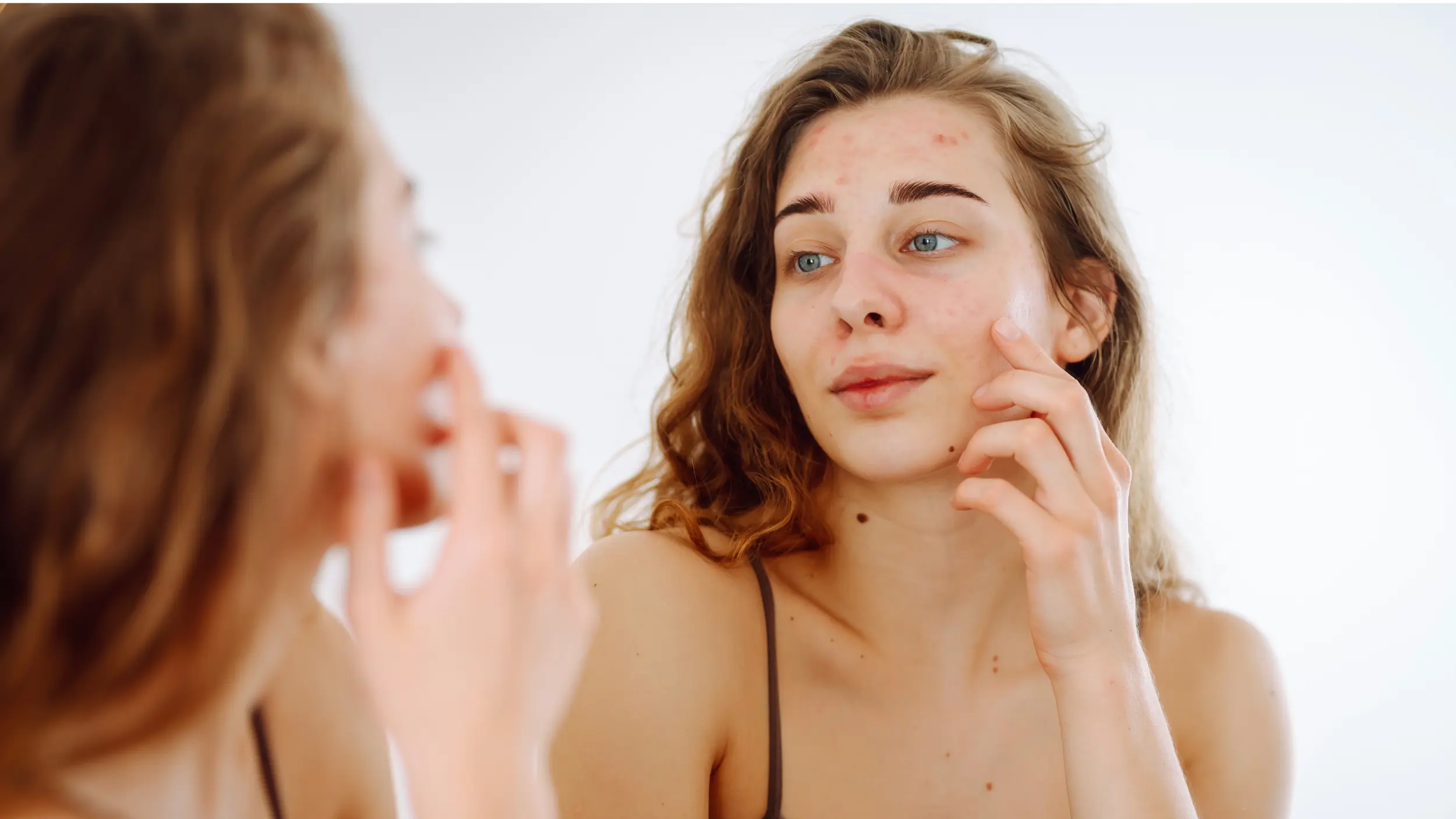
Use Exposure Response Prevention for Mirrors
If you find yourself stuck in front of mirrors analyzing your appearance, try this clinical approach [6]:
- Set a timer for 30 seconds
- Look at your full reflection without zooming in on specific parts
- Describe what you see neutrally ("I'm wearing a blue shirt and black pants")
- When the timer goes off, walk away
This reduces ritualistic body checking while maintaining normal grooming behaviors.
Frequently Asked Questions
Q: How is body neutrality different from body positivity?
Body positivity encourages you to actively love and celebrate your appearance, often through affirmations and challenging beauty standards collectively. Body neutrality removes appearance from the value equation entirely—you don't need to love, hate, or even think much about how you look. Your body's worth is based on what it does (move, heal, experience) rather than how it appears. For many women, especially those with a history of disordered eating or body dysmorphia, neutrality feels more achievable than forced positivity.
Q: What are the first steps to becoming more body neutral?
Start small by noticing when you're evaluating your appearance and gently redirecting to function: "What is my body doing right now?" Curate your social media to reduce appearance-focused content. Practice neutral language when describing your body or getting dressed—make it about the clothing fit, not your shape. Most importantly, connect your eating and movement choices to how you want to feel and function rather than how you want to look. These micro-shifts accumulate into a genuinely different relationship with your body.
Q: Can body neutrality help with disordered eating patterns?
Yes, and research supports this. Acceptance-based approaches to body image (which body neutrality embodies) are associated with reduced disordered eating behaviors and improved psychological flexibility [7]. By removing appearance as the primary motivator for eating behaviors, body neutrality allows you to reconnect with internal cues like hunger, fullness, and how foods make you feel. That said, if you're struggling with an active eating disorder, body neutrality should be part of comprehensive treatment with a qualified eating disorder therapist and dietitian—not a replacement for professional care.
Ready to cultivate a more peaceful relationship with your body? Let's chat! I work with women who are tired of the appearance treadmill and ready to build nutrition and lifestyle practices based on how they want to feel. Book a consultation at www.usevedic.com to start creating your personalized, function-focused wellness plan.
References
[1] Wood JV, Perunovic WQE, Lee JW. Positive Self-Statements: Power for Some, Peril for Others. Psychological Science, 2009.
[2] Tylka TL, Wood-Barcalow NL. The Body Appreciation Scale-2: item refinement and psychometric evaluation. Body Image, 2015.
[3] Sandoz EK, Wilson KG, Merwin RM, Kellum KK. Assessment of body image flexibility: The Body Image-Acceptance and Action Questionnaire. Journal of Contextual Behavioral Science, 2013.
[4] Tribole E, Resch E. The Intuitive Eating Workbook: Ten Principles for Nourishing a Healthy Relationship with Food. New Harbinger Publications, 2017.
[5] Fardouly J, Vartanian LR. Social media and body image concerns: Current research and future directions. Current Opinion in Psychology, 2016.
[6] Hildebrandt T, Loeb K, Troupe S, Delinsky S. Adjunctive mirror exposure for eating disorders: A randomized controlled pilot study. Behaviour Research and Therapy, 2012.
[7] Juarascio AS, Forman EM, Herbert JD. Acceptance and commitment therapy versus cognitive therapy for the treatment of comorbid eating pathology. Behavior Modification, 2010.
.svg)
.svg)






.jpg)
.jpg)

















.webp)


































.webp)
.webp)
.webp)
.webp)
.webp)
.webp)
.webp)
.png)
.webp)
.webp)

.webp)
.png)
.webp)
.webp)
.webp)
.webp)
.webp)
.webp)