.webp)
.webp)
%2B(7).webp)
.png)
At a Glance
The fibermaxxing trend is taking social media by storm, focusing on intentionally increasing your daily fiber intake for better gut health, improved satiety, and blood sugar balance. As a registered dietitian, I'm breaking down the science behind this trend, sharing evidence-based strategies to safely boost your fiber, and helping you navigate the hype to find what actually works for your body. Let's make fiber your new nutritional superpower without the digestive drama.
Let's talk abou Fibermaxxing.
If you've been scrolling through social media, you've probably seen the "fibermaxxing" trend. It's all about intentionally increasing your fiber intake to unlock amazing health benefits. As your dietitian, I'm here to guide you through what it really means and how to do it safely and effectively for your body.
Here's the thing: most American women are only getting about 15 grams of fiber daily when we actually need 25-28 grams [1]. That gap matters more than you might think. The social media fibermaxxing movement is shining a spotlight on this underrated nutrient, and honestly? I'm here for it.
What makes this trend different from other wellness fads is its foundation in solid nutritional science. Fiber has been studied extensively for decades, with research consistently showing its role in digestive health, metabolic function, and even hormone balance [2]. When you see someone posting their fibermaxxing results or fibermaxxing before and after stories, they're tapping into benefits that dietitians have been advocating for years.
The excitement around this trend isn't just noise. Adequate fiber intake supports everything from regular bowel movements to feeding your beneficial gut bacteria. It helps you feel fuller longer, which can naturally support healthy weight management without restrictive dieting. Plus, fiber plays a crucial role in moderating blood sugar spikes after meals [3].
But let's be real: jumping from 15 grams to 30 grams overnight is a recipe for bloating, gas, and general digestive discomfort. That's where the "maxxing" part needs some professional context. We're going for optimization, not overwhelm.
Understanding the Fibermaxxing Craze: What's the Big Deal?
The fibermaxxing diet centers on one simple concept: get more fiber, feel better. But what's actually happening in your body when you increase fiber intake?
Fiber is essentially the indigestible part of plant foods. It travels through your digestive system mostly intact, which is exactly what makes it so powerful. There are two main types, and both matter:
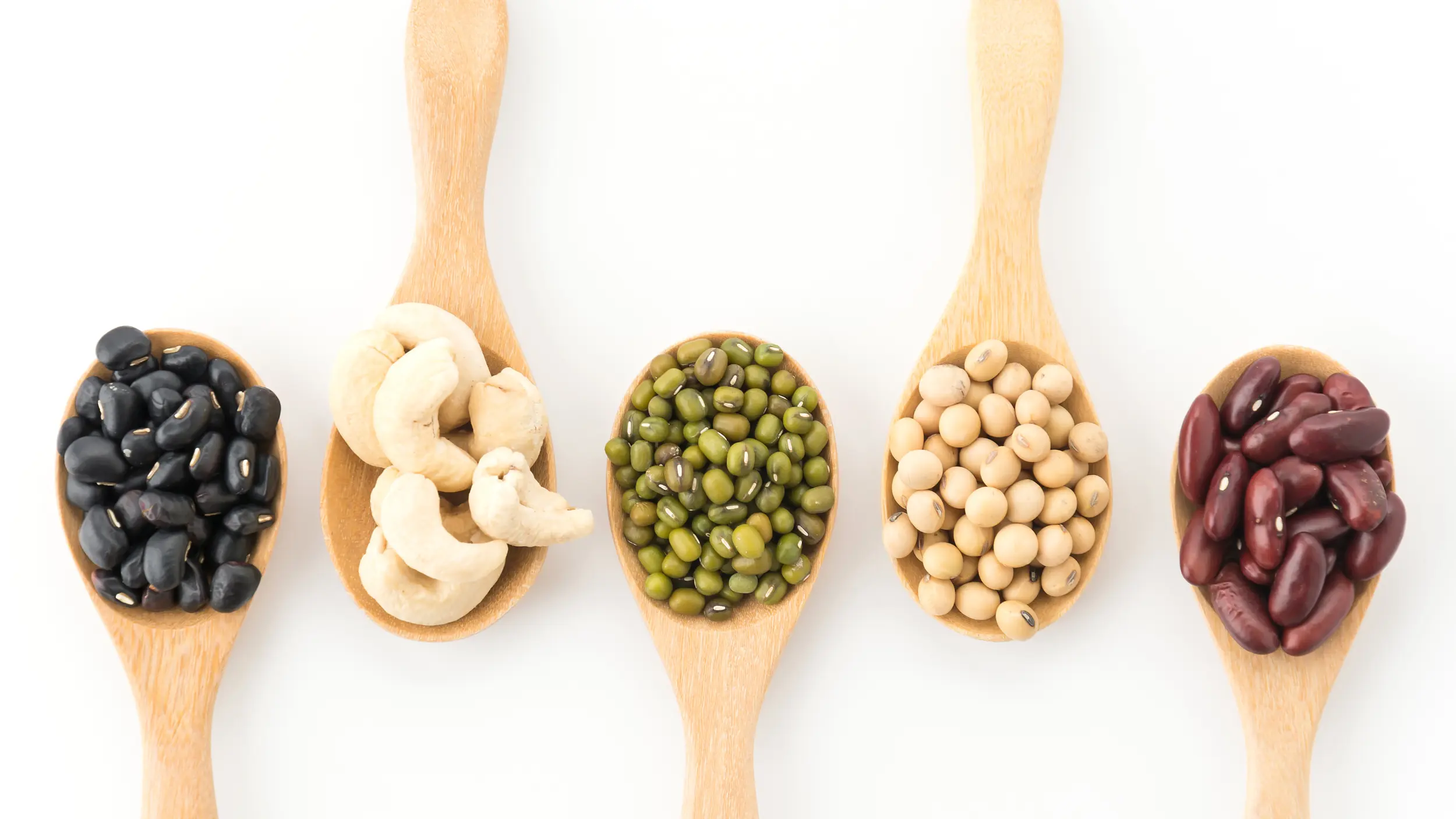
- Soluble fiber dissolves in water to form a gel-like substance. This is the type that helps moderate blood sugar levels and can support healthy cholesterol levels [4]. You'll find it in oats, beans, apples, and chia seeds.
- Insoluble fiber doesn't dissolve in water. Instead, it adds bulk to your stool and helps food move through your digestive tract more efficiently. Think wheat bran, vegetables, and whole grains.
The benefits of fiber extend far beyond just keeping you regular (though that's certainly important). Research shows that higher fiber intake is associated with reduced inflammation markers, better metabolic health, and even improved mood through the gut-brain connection [5].
What's driving the social media fibermaxxing trend is people experiencing these benefits firsthand and sharing their experiences. Users report feeling more energized, less bloated paradoxically (once they adjust), and more satisfied after meals. Some notice clearer skin, which makes sense given fiber's role in supporting detoxification pathways and reducing systemic inflammation.
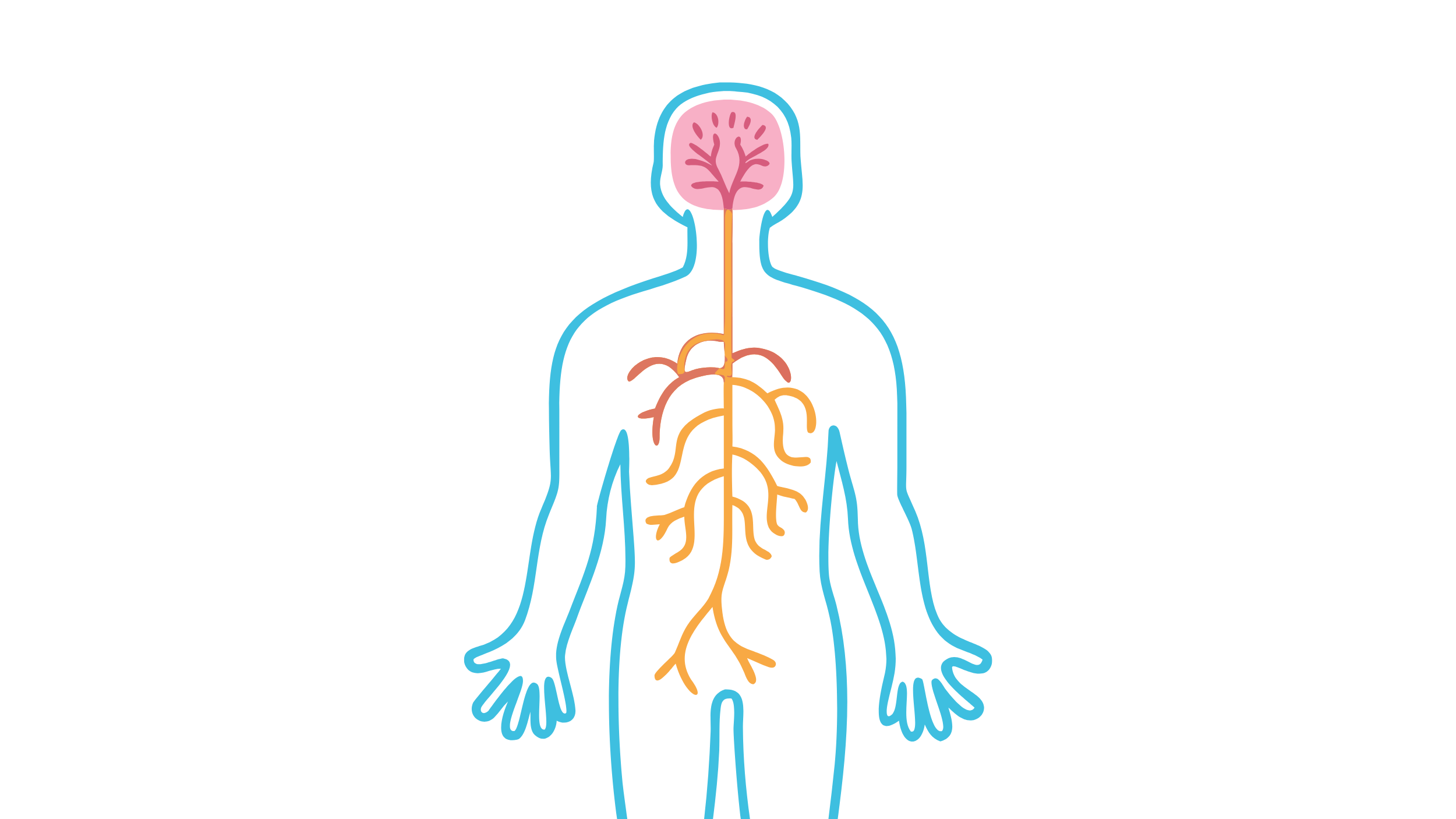
The fiber for gut health connection is particularly fascinating. Your gut microbiome—the trillions of bacteria living in your digestive tract—literally feeds on fiber. When you consume fiber-rich foods, you're essentially feeding your beneficial bacteria, which then produce short-chain fatty acids like butyrate [6]. These compounds support intestinal barrier function, reduce inflammation, and even influence hormone production.
If you're working on optimizing your gut health and microbiome, increasing your fiber intake is one of the most impactful strategies you can implement.
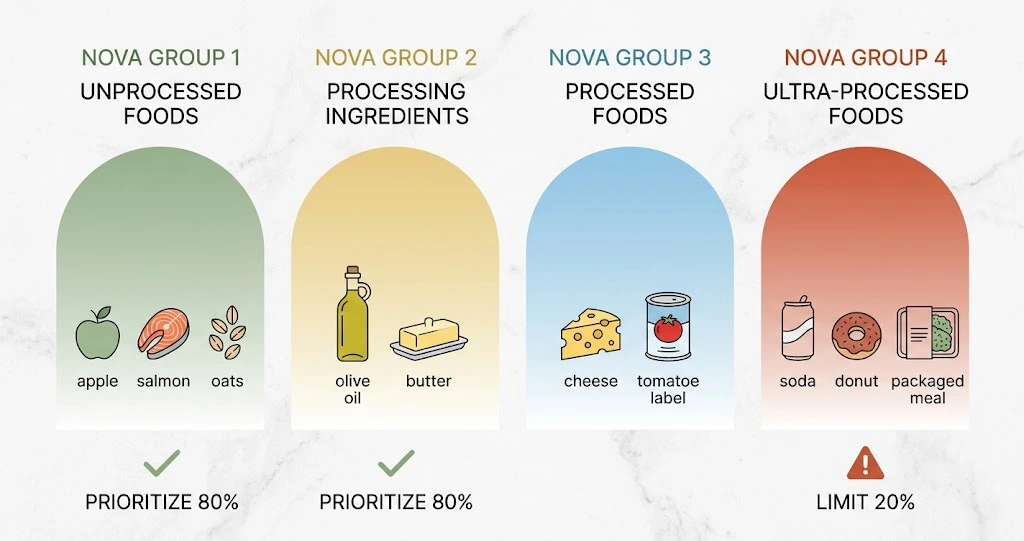
But here's what the fibermaxxing trend sometimes glosses over: quality matters as much as quantity. Getting 30 grams of fiber from ultra-processed "fiber-added" snack bars isn't the same as getting it from whole food sources. Your body responds differently to the fiber in an apple versus isolated fiber additives.
Fueling Your Body with Fiber: Practical Tips and Delicious Foods
Ready to actually implement this? Let's make it practical and delicious. Here are my top fibermaxxing tips that won't leave you feeling overwhelmed or uncomfortable.
Start low and go slow. This is my number one rule. If you're currently eating 15 grams daily, don't jump to 30 grams tomorrow. Add 3-5 grams per week and give your digestive system time to adjust. This gradual approach minimizes bloating and gas while your gut bacteria adapt to their new fuel source.
Hydration is non-negotiable. As you increase fiber intake, you absolutely must drink more water. Fiber absorbs water in your digestive tract, so without adequate hydration, you might actually become constipated—the opposite of what you want. Aim for at least 8-10 glasses daily, more if you're active [7].
Now, let's talk about high fiber foods that actually taste good:
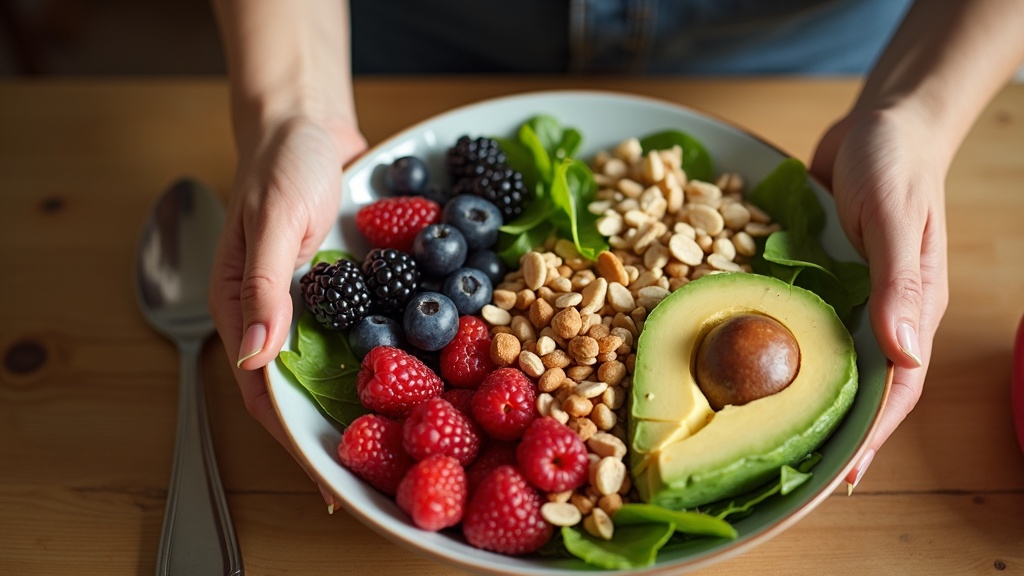
- Raspberries and blackberries pack 8 grams per cup. Toss them into your morning yogurt or smoothie.
- Lentils and chickpeas deliver 15-16 grams per cooked cup. They're perfect for meal prep bowls, soups, or even blended into pasta sauce.
- Chia seeds provide 10 grams in just 2 tablespoons. Make overnight chia pudding or sprinkle them on literally anything.
- Avocado offers about 10 grams per whole fruit. Yes, that's one more reason to love your avocado toast.
- Steel-cut oats give you 5 grams per cooked cup, plus they keep you full for hours.
- Artichokes are fiber powerhouses at 10 grams per medium artichoke.
- Split peas contain 16 grams per cooked cup. Soup season just got better.
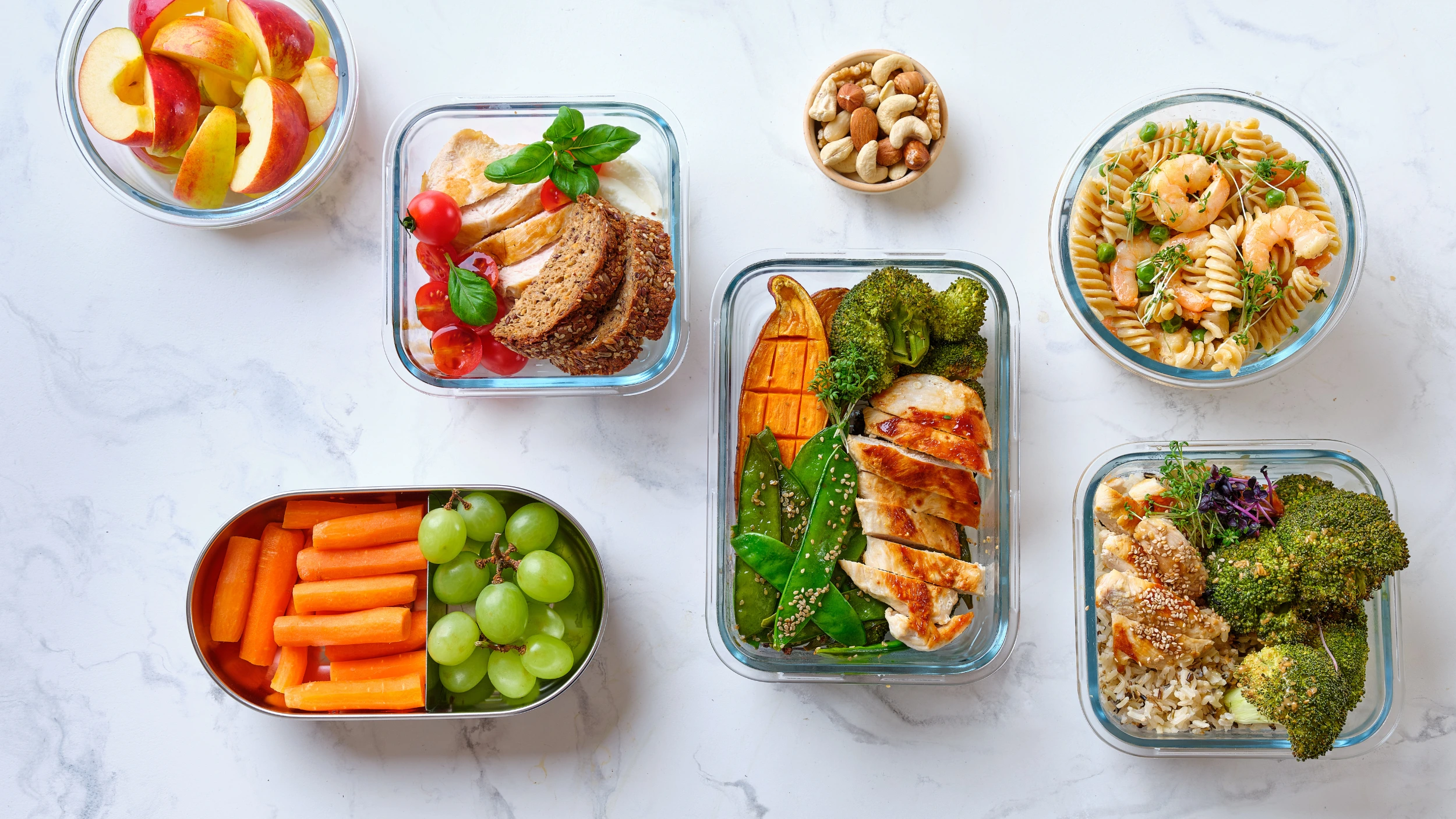
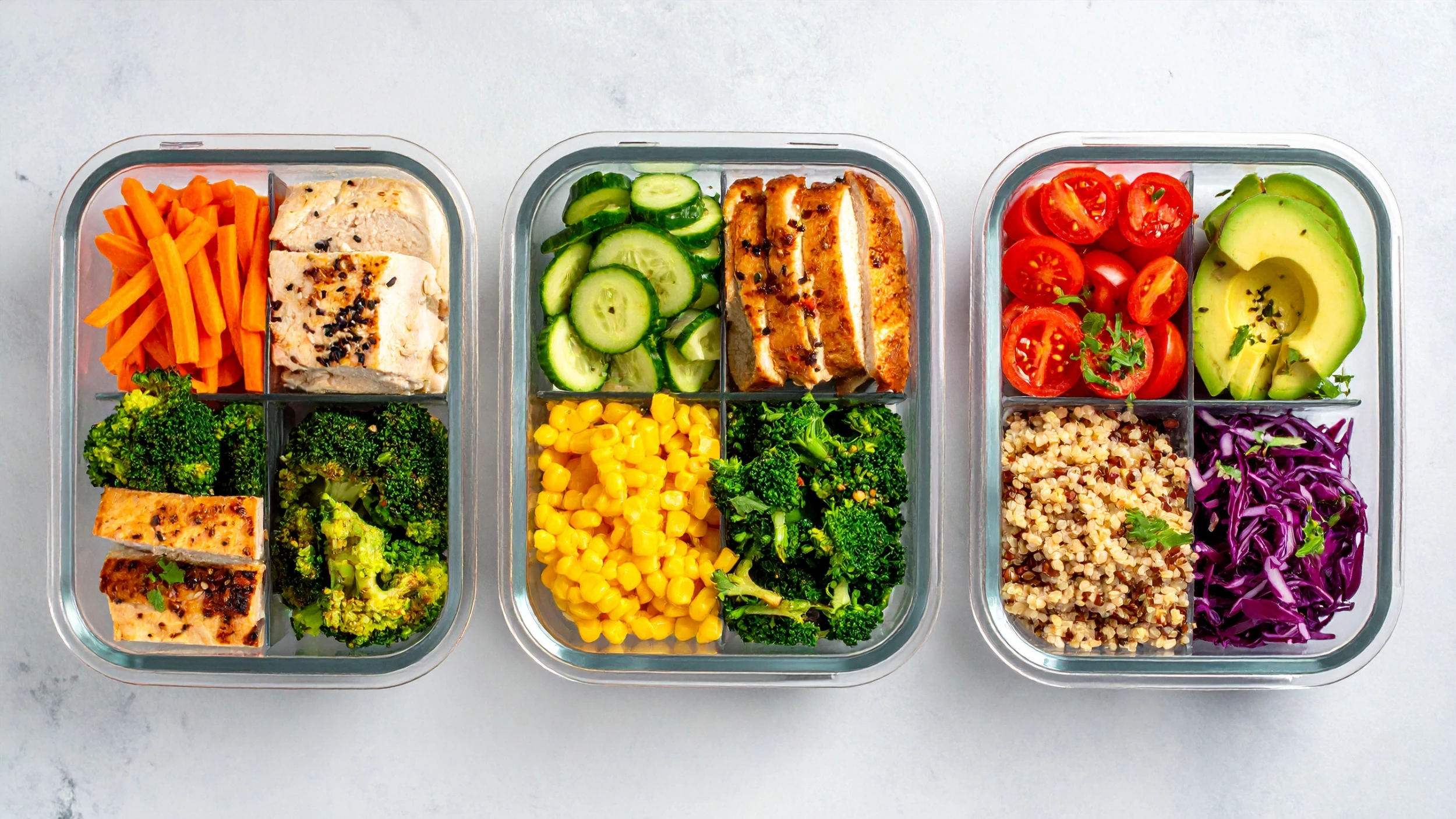
Here's a realistic day of eating that hits about 30 grams of fiber without feeling restrictive:
Breakfast: Steel-cut oats (5g) topped with berries (4g) and chia seeds (5g) = 14g
Lunch: Large salad with mixed greens (2g), chickpeas (8g), and vegetables (3g) = 13g
Snack: Apple with almond butter (4g)
Dinner: Grilled chicken with roasted Brussels sprouts (4g) and quinoa (3g) = 7g
Total: 38 grams of fiber
One fibermaxxing tip that makes a huge difference: don't peel your fruits and vegetables. The skin is where much of the fiber lives. That apple peel, those potato skins, the cucumber skin—keep them on whenever possible.
Should you consider fiber supplement benefits? Sometimes, yes. If you're traveling, going through a stressful period, or just struggling to hit your target through food alone, a supplement like psyllium husk or inulin can help bridge the gap. But they shouldn't replace whole food sources entirely because you miss out on all the other nutrients—vitamins, minerals, antioxidants—that come packaged with fiber in real foods.
If you're also working on hormone balance through your diet, know that fiber plays a crucial role in estrogen metabolism and elimination, making it an essential component of any hormone-supportive eating pattern.
Beyond the Hype: What Fibermaxxing Means for Your Gut Health and Beyond
Let's go deeper than just the trend. The profound impact of adequate fiber on your gut health extends into nearly every system in your body.
Your gut microbiome is incredibly dynamic, responding to dietary changes within days [8]. When you consistently feed your beneficial bacteria with diverse fiber sources, they flourish and crowd out potentially problematic bacteria. This shift can influence everything from your immune function (about 70% of which is housed in your gut) to your mental health through the production of neurotransmitters like serotonin.
The satiety factor is real and research-backed. Fiber slows gastric emptying, meaning food stays in your stomach longer, signaling fullness to your brain [9]. This isn't about restriction—it's about feeling genuinely satisfied and not experiencing that hangry, blood-sugar-crash feeling two hours after eating.
Blood sugar balance is another major benefit. Soluble fiber forms that gel-like substance I mentioned earlier, which slows the absorption of glucose into your bloodstream. This means more stable energy throughout the day, fewer cravings, and better long-term metabolic health. For women managing PCOS or insulin resistance, this aspect of fiber intake is particularly powerful [10].
There's also compelling research connecting higher fiber intake with reduced risk of cardiovascular disease, certain cancers (particularly colorectal), and type 2 diabetes [11]. While these are long-term benefits you won't see in a fibermaxxing before and after photo, they're arguably the most important reasons to prioritize this nutrient.
One aspect that doesn't get enough attention: fiber's role in detoxification. Your body eliminates excess hormones, cholesterol, and other waste products through your digestive tract. Fiber binds to these substances and helps escort them out of your body. Without adequate fiber, these compounds can be reabsorbed, contributing to hormonal imbalances and elevated cholesterol levels [12].
But here's the reality check: fibermaxxing isn't a magic bullet. If you're living on high-fiber processed foods while ignoring sleep, movement, and stress management, you won't feel the full benefits. Managing stress through functional nutrition requires a holistic approach that includes fiber but doesn't stop there.
The sustainability piece matters too. A fibermaxxing diet only works if you can maintain it long-term. That means finding high fiber foods you genuinely enjoy and building habits that fit your lifestyle. Perfection isn't the goal—consistency is.
Frequently Asked Questions About Fibermaxxing
Q1: What are the immediate benefits of increasing fiber?
Within the first week of boosting your fiber intake, you'll likely notice more regular bowel movements and improved digestive comfort (after an initial adjustment period). Within 2-4 weeks, many women report feeling fuller after meals, experiencing fewer energy crashes, and noticing less bloating. The gut microbiome starts shifting within days, though the full benefits of these changes take several weeks to manifest [13]. Some people also notice clearer skin and improved mood as inflammation decreases and gut health improves.
Q2: Can I really 'max out' my fiber intake, and is there a limit?
Yes, there is such a thing as too much fiber, though most women are nowhere near that threshold. Consuming more than 70 grams daily can actually interfere with mineral absorption and cause significant digestive distress [14]. The sweet spot for most women is 25-35 grams daily. Focus on that range rather than truly "maxing out." More isn't always better—appropriate amounts consistently are what matter. If you have specific digestive conditions like IBS or IBD, work with a dietitian to determine your individual tolerance.
Q3: How do I know if I'm eating enough fiber for the fibermaxxing trend?
The easiest way is to track your food intake for a few days using an app that calculates fiber content. But you can also use practical indicators: Are you having regular, comfortable bowel movements? Do you feel satisfied after meals for 3-4 hours? Is your energy stable throughout the day? If yes to all three, you're probably in a good range. If you're constipated, constantly hungry, or experiencing blood sugar crashes, you likely need more fiber. Start with the goal of 25 grams daily and adjust based on how you feel.
Ready to personalize your fiber intake and create a nutrition plan that actually works for your unique body and lifestyle? Let's work together to optimize your gut health, balance your hormones, and boost your energy through evidence-based nutrition strategies. Book your one-on-one consultation today at www.usevedic.com and let's create your customized plan.
References
[1] Quagliani D, Felt-Gunderson P. Closing America's Fiber Intake Gap: Communication Strategies From a Food and Fiber Summit. American Journal of Lifestyle Medicine, 2017.
[2] Barber TM, Kabisch S, Pfeiffer AFH, Weickert MO. The Health Benefits of Dietary Fibre. Nutrients, 2020.
[3] Weickert MO, Pfeiffer AFH. Metabolic Effects of Dietary Fiber Consumption and Prevention of Diabetes. The Journal of Nutrition, 2008.
[4] Gunness P, Gidley MJ. Mechanisms Underlying the Cholesterol-Lowering Properties of Soluble Dietary Fibre Polysaccharides. Food & Function, 2010.
[5] Clapp M, Aurora N, Herrera L, et al. Gut Microbiota's Effect on Mental Health: The Gut-Brain Axis. Clinics and Practice, 2017.
[6] Parada Venegas D, De la Fuente MK, Landskron G, et al. Short Chain Fatty Acids (SCFAs)-Mediated Gut Epithelial and Immune Regulation and Its Relevance for Inflammatory Bowel Diseases. Frontiers in Immunology, 2019.
[7] Slavin JL. Position of the American Dietetic Association: Health Implications of Dietary Fiber. Journal of the American Dietetic Association, 2008.
[8] David LA, Maurice CF, Carmody RN, et al. Diet Rapidly and Reproducibly Alters the Human Gut Microbiome. Nature, 2014.
[9] Wanders AJ, van den Borne JJ, de Graaf C, et al. Effects of Dietary Fibre on Subjective Appetite, Energy Intake and Body Weight: A Systematic Review of Randomized Controlled Trials. Obesity Reviews, 2011.
[10] Barrea L, Marzullo P, Muscogiuri G, et al. Source and Amount of Carbohydrate in the Diet and Inflammation in Women with Polycystic Ovary Syndrome. Nutrition Research Reviews, 2018.
[11] Reynolds A, Mann J, Cummings J, et al. Carbohydrate Quality and Human Health: A Series of Systematic Reviews and Meta-analyses. The Lancet, 2019.
[12] Kwa M, Plottel CS, Blaser MJ, Adams S. The Intestinal Microbiome and Estrogen Receptor-Positive Female Breast Cancer. Journal of the National Cancer Institute, 2016.
[13] Holscher HD. Dietary Fiber and Prebiotics and the Gastrointestinal Microbiota. Gut Microbes, 2017.
[14] Lambeau KV, McRorie JW. Fiber Supplements and Clinically Proven Health Benefits: How to Recognize and Recommend an Effective Fiber Therapy. Journal of the American Association of Nurse Practitioners, 2017.
.svg)
.svg)




.jpg)
.jpg)





















.webp)




























.webp)
.webp)
.webp)
.webp)
.webp)
.webp)
.webp)
.png)
.webp)
.webp)

.webp)
.png)
.webp)
.webp)
.webp)
.webp)
.webp)
.webp)
.webp)
.webp)


.webp)
.png)