.webp)

%2B(7).webp)
.png)
At a Glance
GERD (gastroesophageal reflux disease) affects nearly 20% of adults in the U.S., causing chronic acid reflux, heartburn, and digestive discomfort [1]. This guide breaks down the mechanisms behind GERD symptoms, walks you through an evidence-based GERD diet that minimizes stomach pain and bloating, and provides practical lifestyle strategies to help you find lasting relief. You deserve to eat without fear and feel comfortable in your body again.
What Exactly is GERD and Why Does It Happen?
Let's get clear on what we're dealing with. GERD is a chronic condition where stomach acid repeatedly flows back into your esophagus, the tube connecting your mouth to your stomach [2]. While occasional heartburn after a big meal is normal, GERD means this is happening regularly—typically twice a week or more.
Here's what's going on mechanically: At the bottom of your esophagus sits a ring of muscle called the lower esophageal sphincter (LES). Think of it as a one-way valve that should open to let food down, then close tightly to keep stomach contents where they belong [3]. When you have GERD, this sphincter weakens or relaxes inappropriately, allowing acid to splash back up.
Why does this happen to you? Several factors can contribute:
- Increased abdominal pressure from pregnancy, excess weight around your midsection, or tight clothing pressing on your stomach [4]
- Hiatal hernia, where part of your stomach pushes up through your diaphragm
- Delayed gastric emptying, meaning food sits in your stomach longer than it should [5]
- Certain medications like NSAIDs, calcium channel blockers, or antihistamines that can relax the LES
The most common GERD symptoms include that classic burning sensation in your chest (heartburn), regurgitation of food or sour liquid, difficulty swallowing, and the feeling of a lump in your throat [6]. You might also experience nausea, chronic cough, or disrupted sleep from nighttime acid reflux.
Here's something important: persistent indigestion and stomach pain aren't just inconveniences. Untreated GERD can lead to esophageal inflammation, strictures, or in rare cases, precancerous changes [7]. I'm not saying this to scare you—I'm saying it because you deserve to take your symptoms seriously and get the support you need.
Navigating the GERD Diet: Foods That Help and Foods to Avoid
Okay, let's talk about the part you can control starting today: what you're eating. Your GERD diet isn't about deprivation—it's about strategic choices that keep your stomach calm and your esophagus protected.
Foods to Reduce with GERD
Certain foods and drinks directly relax your LES or increase stomach acid production [8]. The biggest culprits:
- Citrus fruits and juices (oranges, grapefruit, lemons)
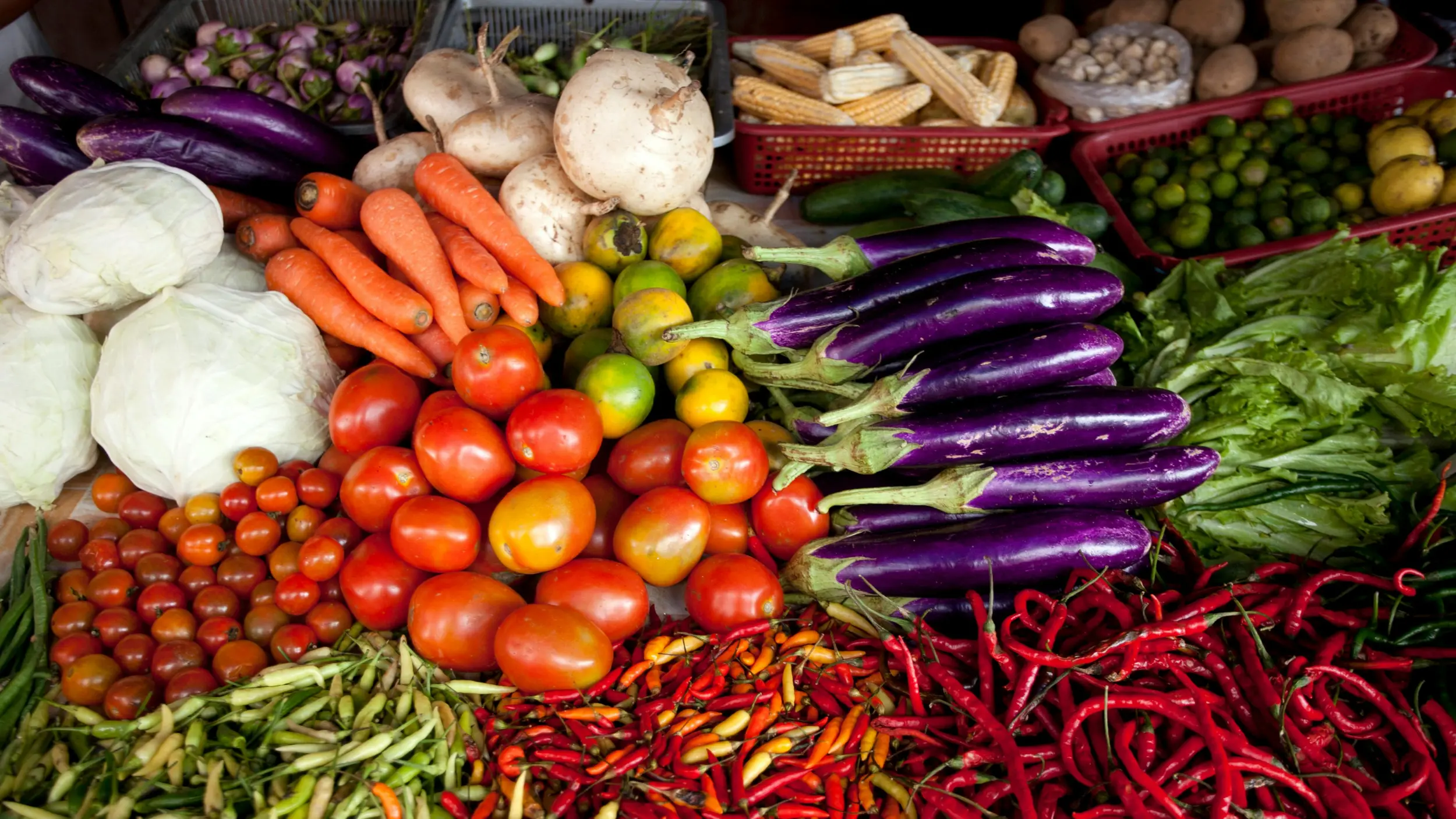
- Tomatoes and tomato-based products like marinara sauce
- Chocolate (I know, I'm sorry—the methylxanthines in it relax the LES)
- Mint, including peppermint tea
- Spicy foods containing capsaicin
- High-fat foods like fried items, fatty cuts of meat, and full-fat dairy
- Coffee and caffeinated beverages [9]
- Alcohol, especially red wine
- Carbonated beverages that increase gastric pressure
Fat is particularly important to understand. High-fat meals slow gastric emptying, meaning food sits in your stomach longer, creating more opportunity for reflux [10]. This doesn't mean you need to go fat-free—your body needs healthy fats for hormone production and nutrient absorption. It means being mindful of portion sizes and choosing anti-inflammatory fats.
What to Eat Instead
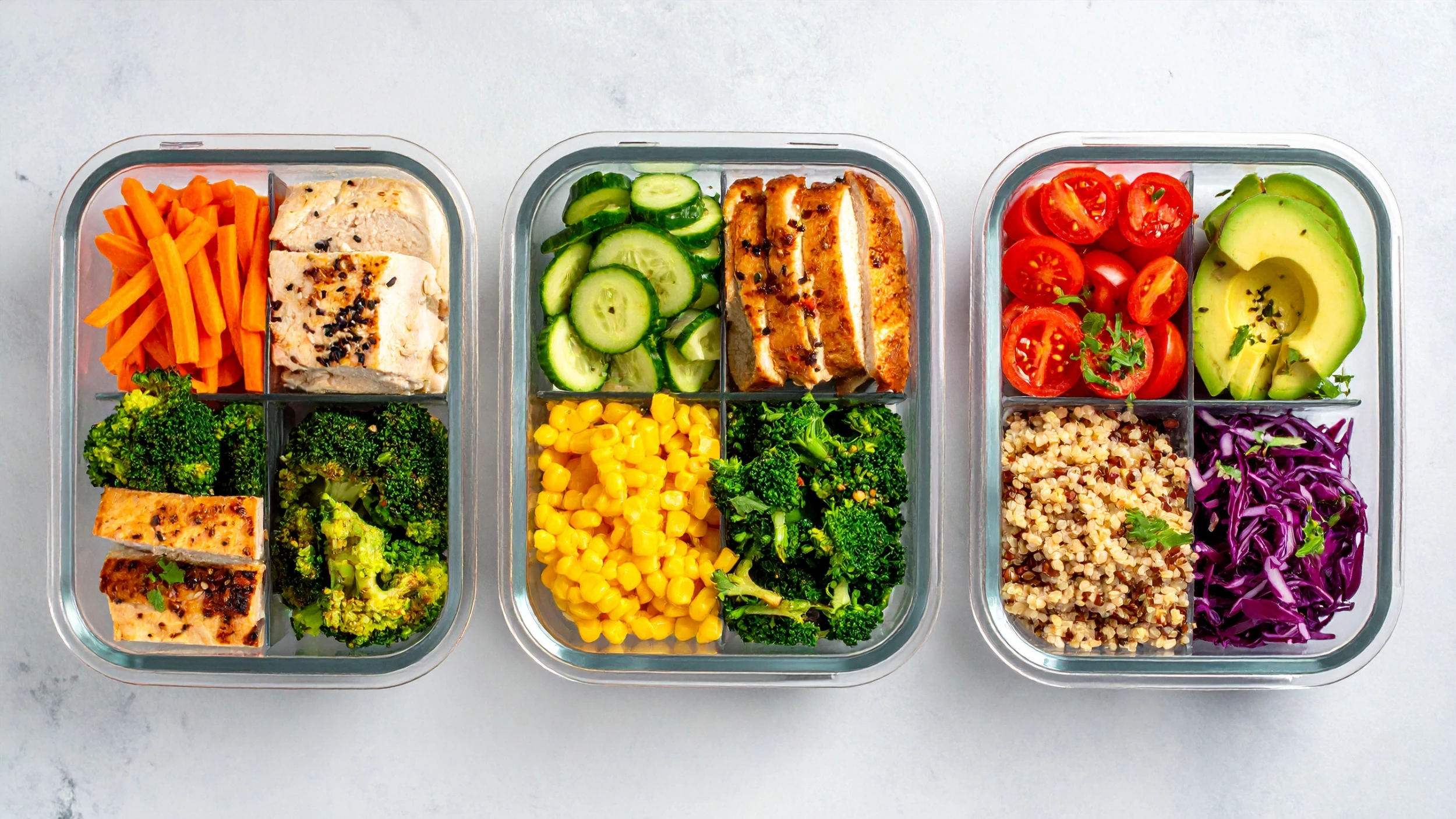
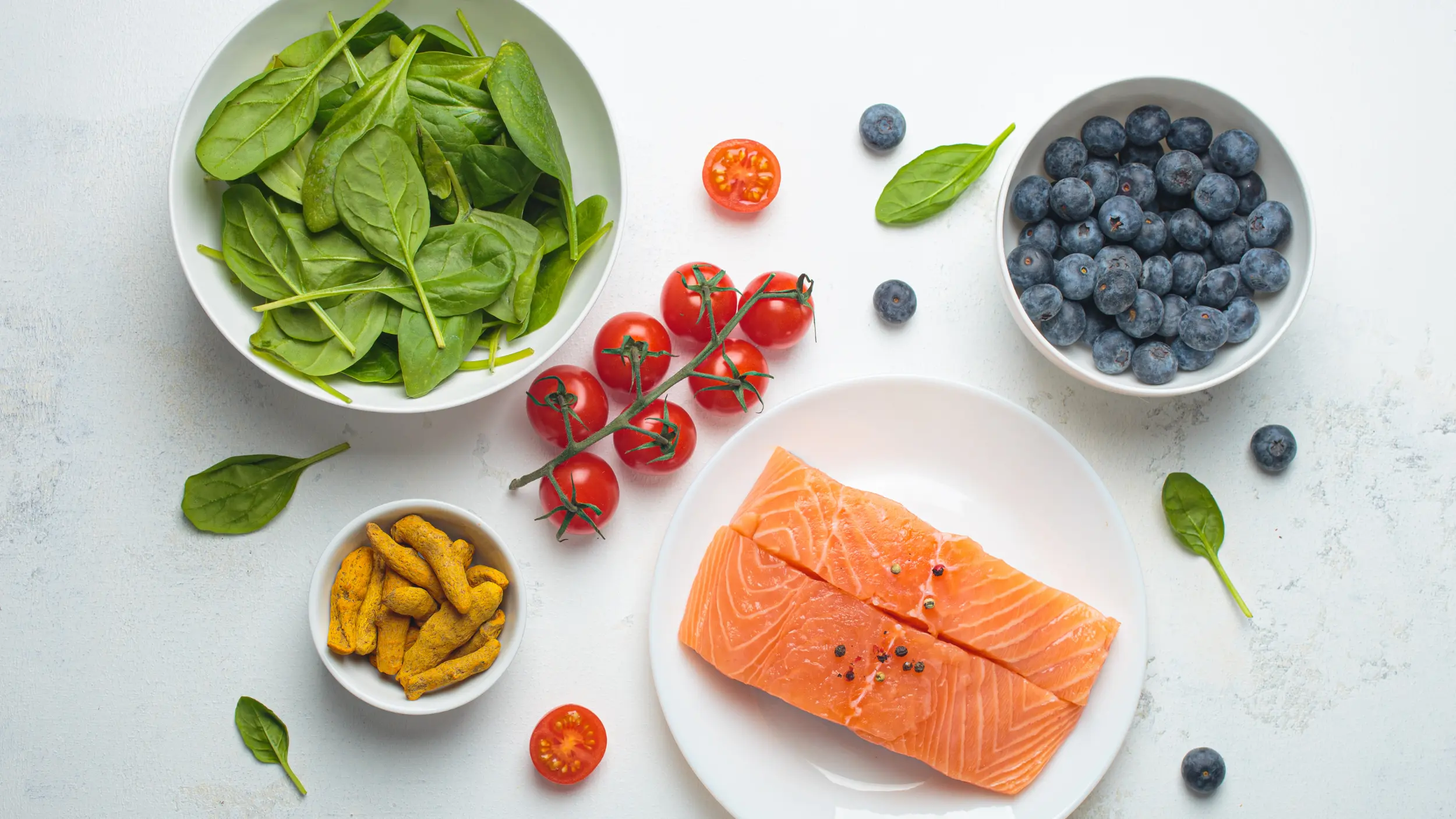
Your GERD-friendly plate should emphasize:
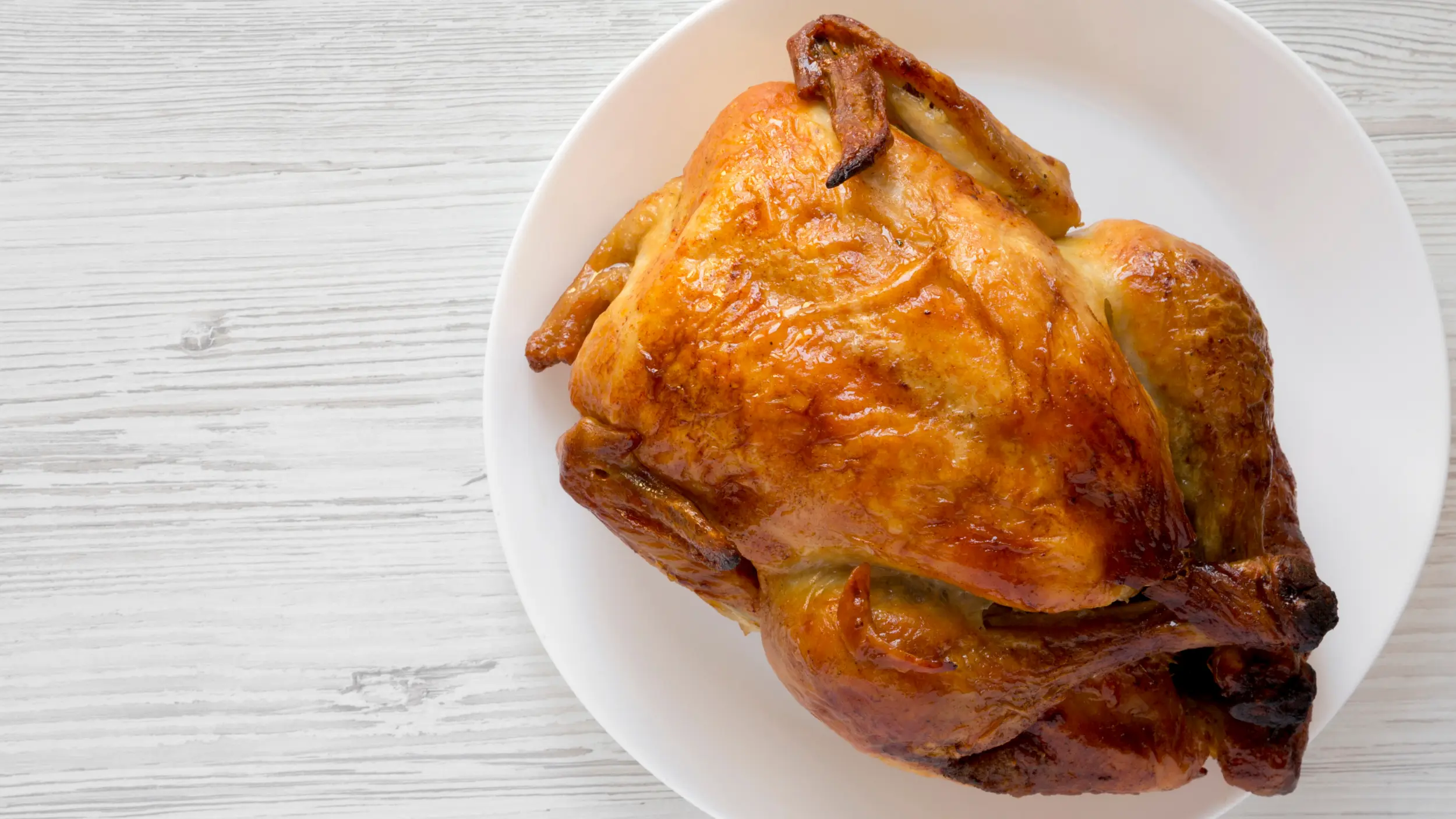
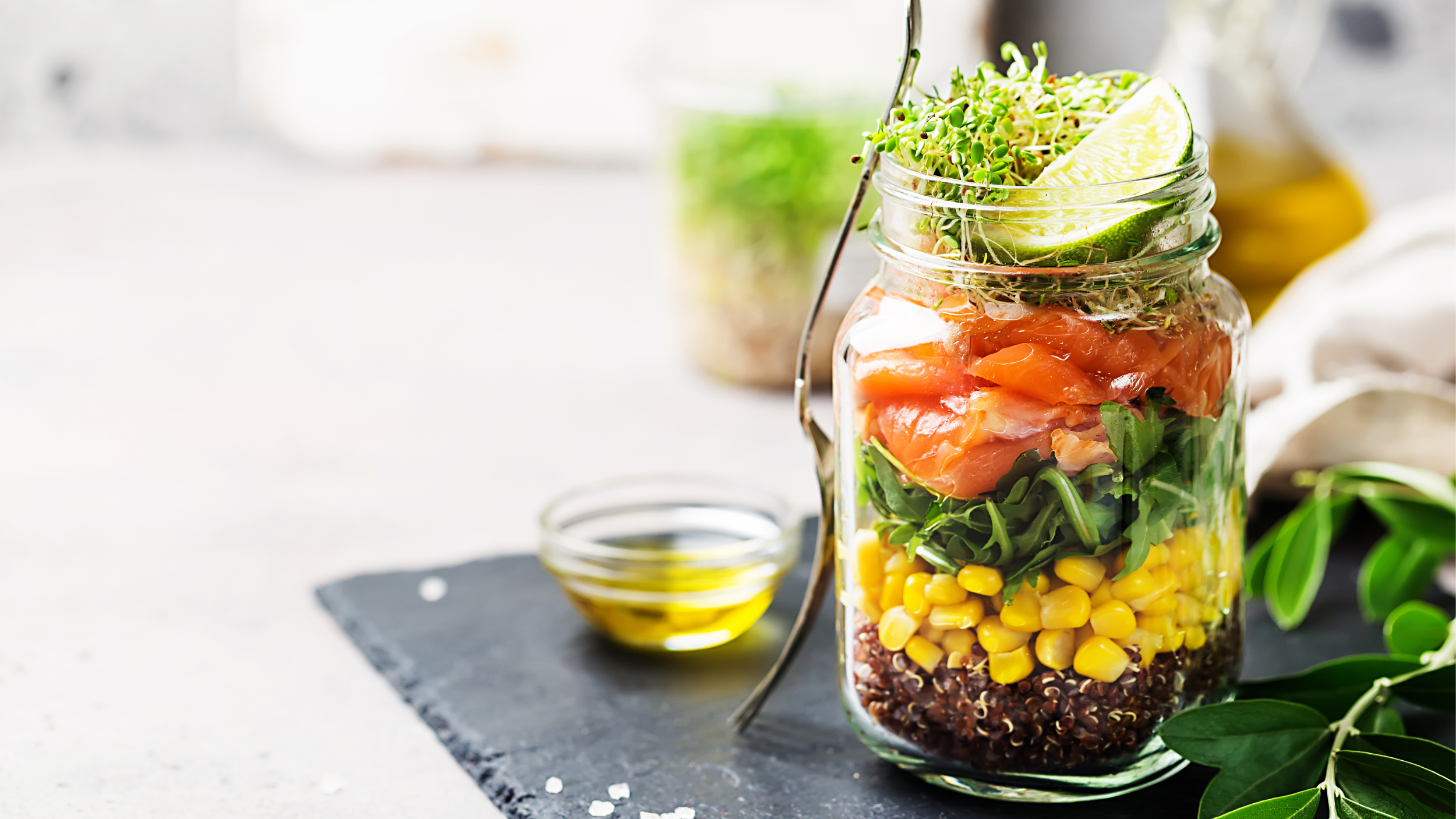
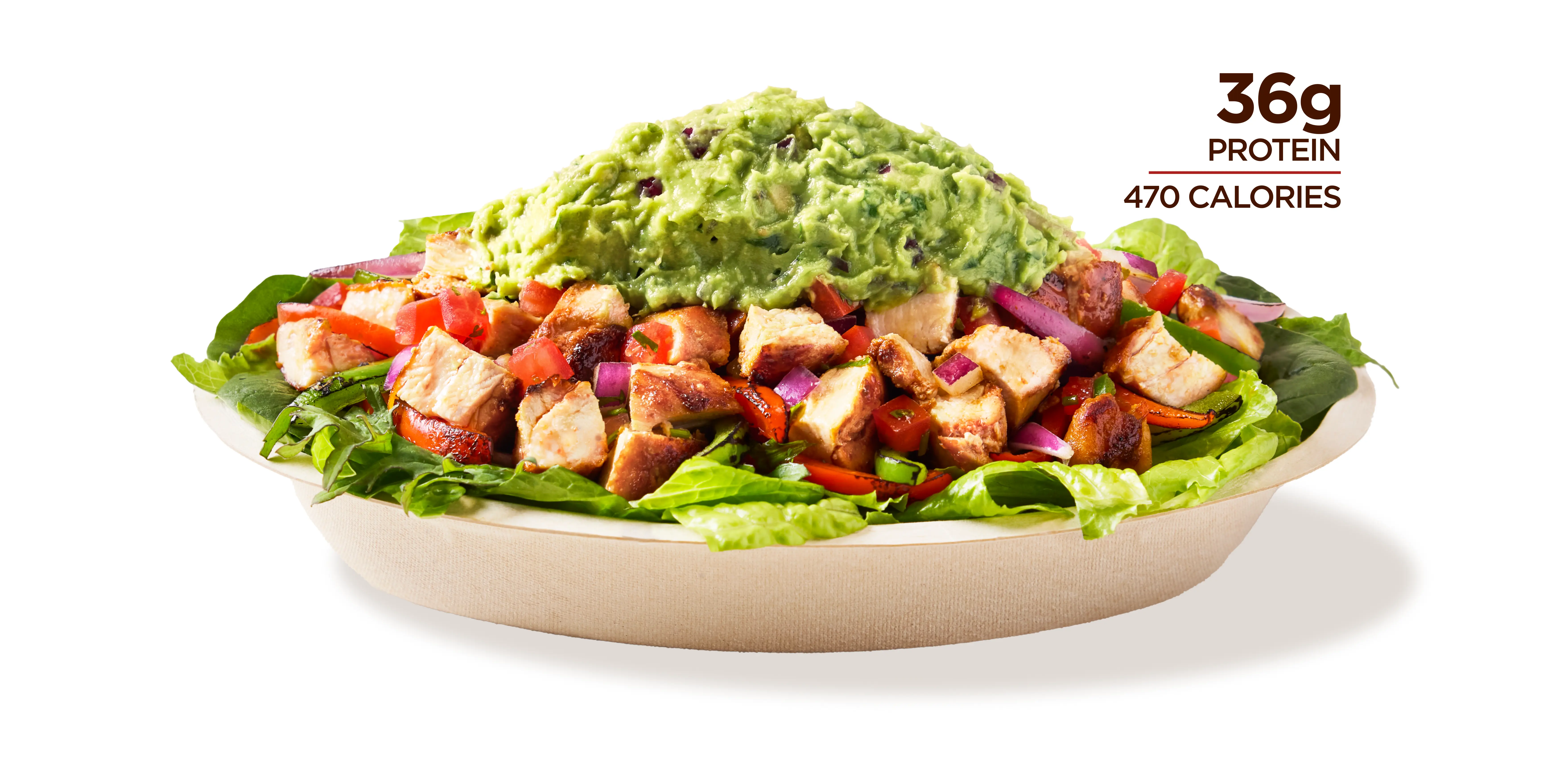
Lean proteins like skinless chicken, turkey, fish, and eggs prepared without excess oil. These digest efficiently without triggering excess acid production.
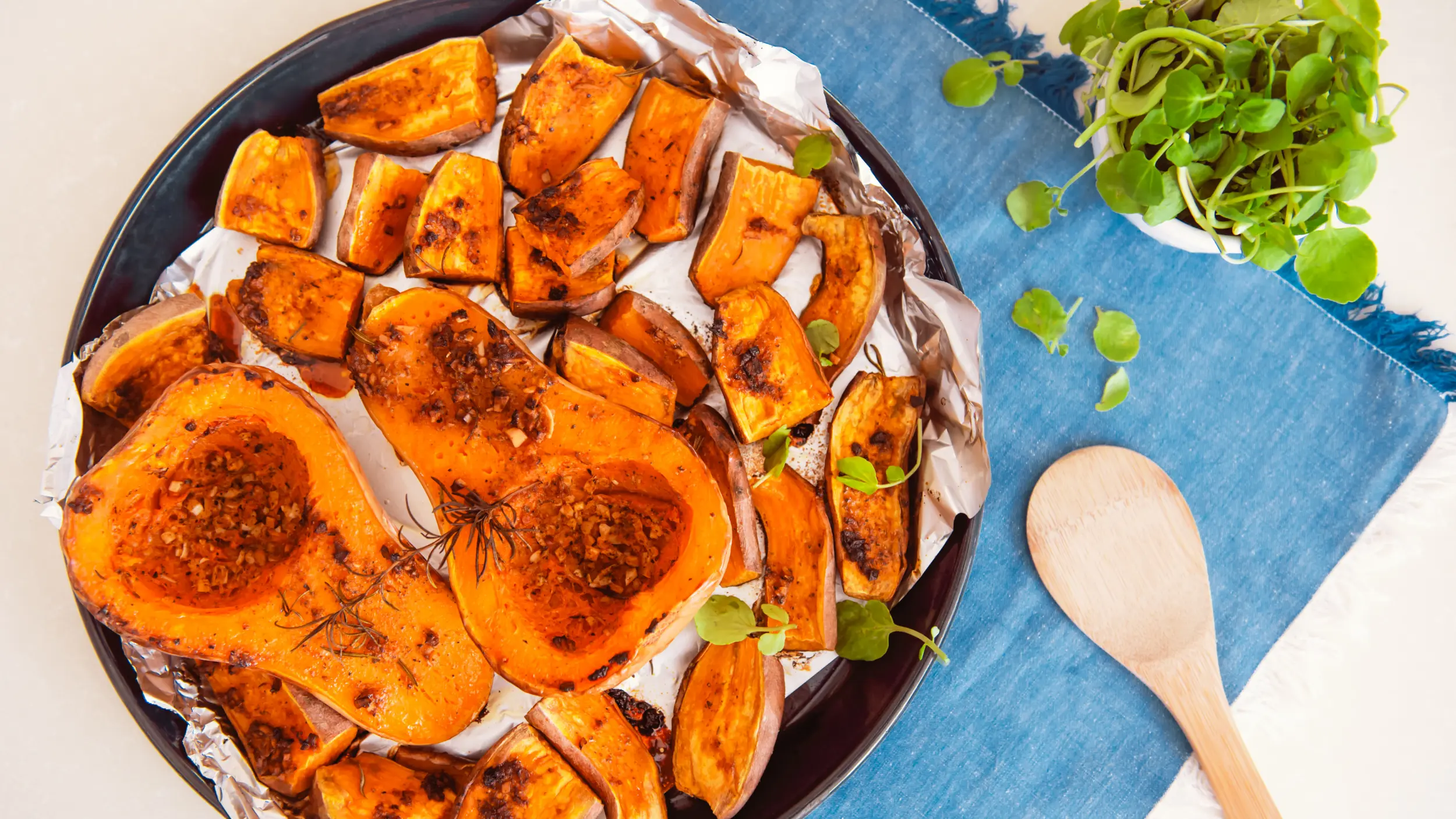
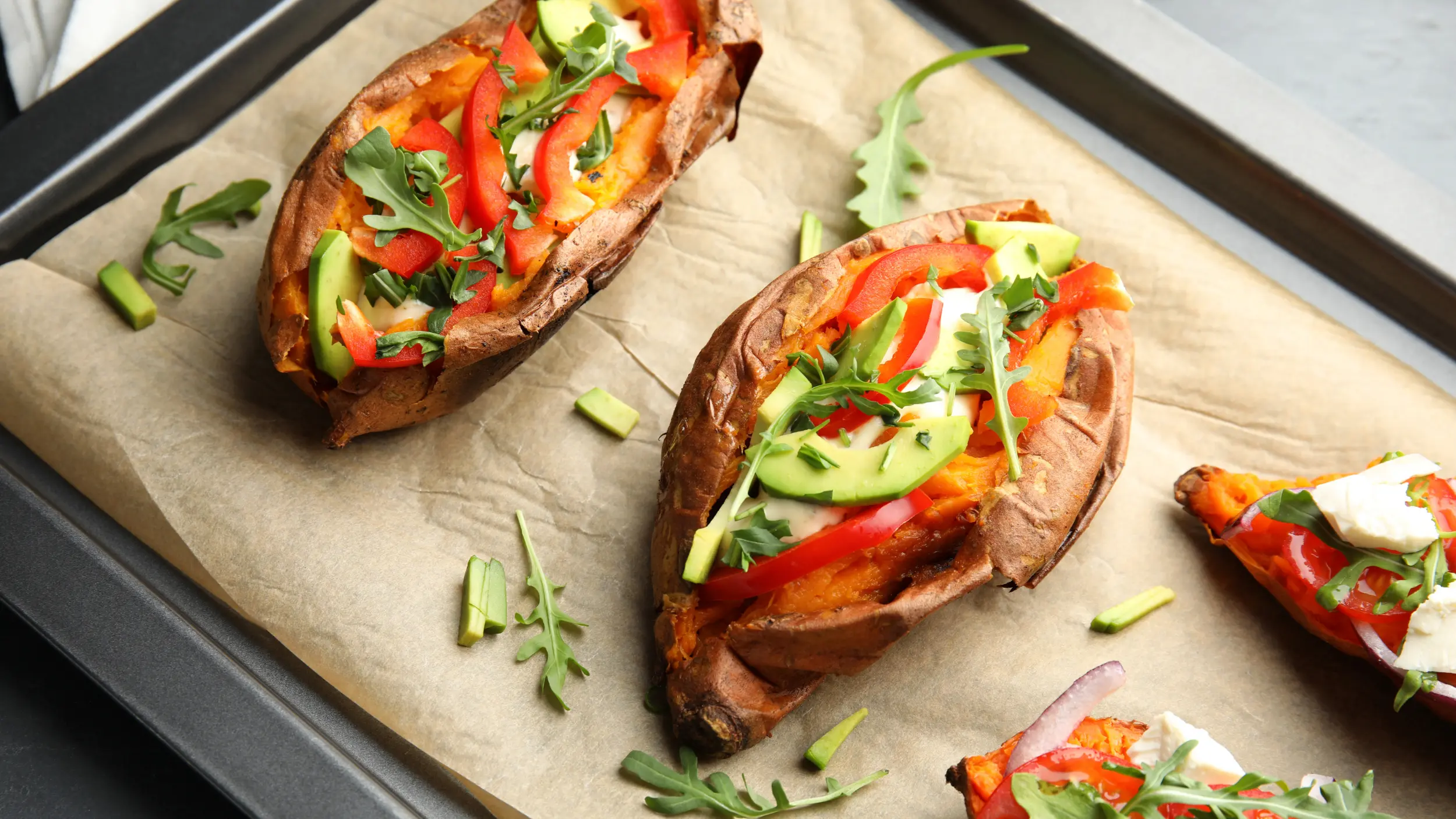
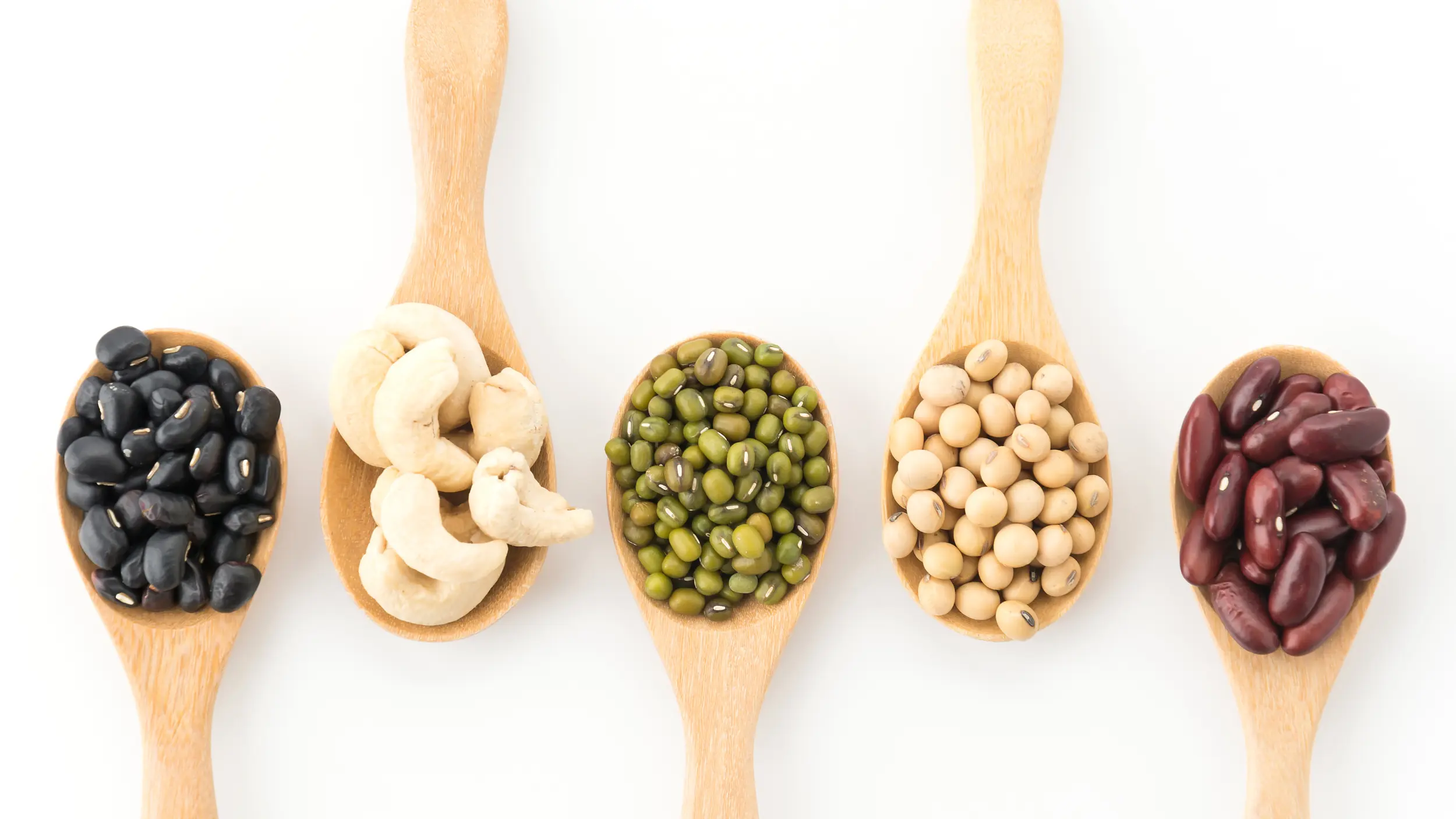
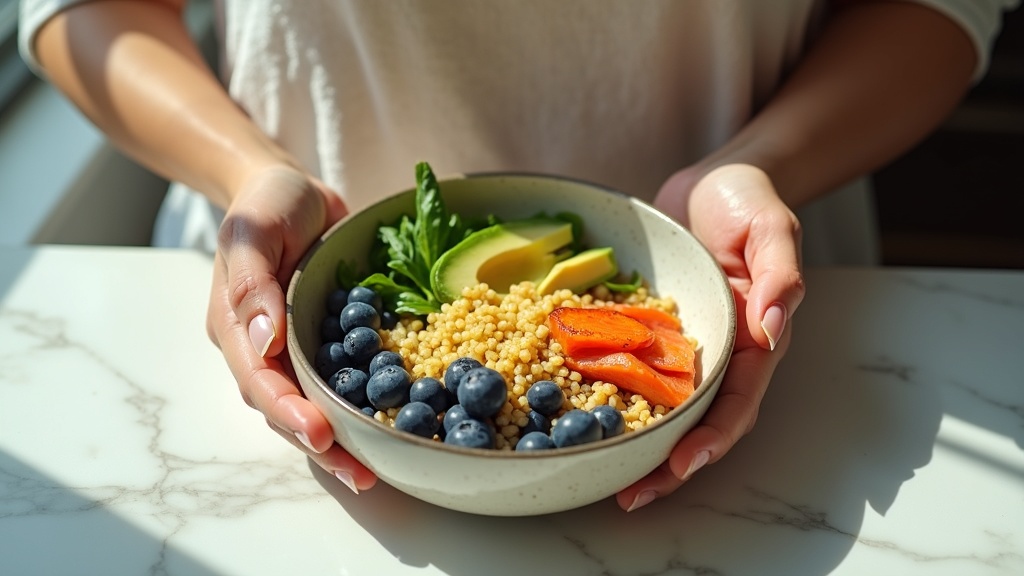
Complex carbohydrates including oatmeal, brown rice, quinoa, and sweet potatoes. These help absorb stomach acid and provide sustained energy without blood sugar crashes [11].
Non-citrus fruits such as bananas (especially helpful—they're natural antacids), melons, apples, and pears. Bananas also support your gut microbiome, which plays a role in digestive comfort.
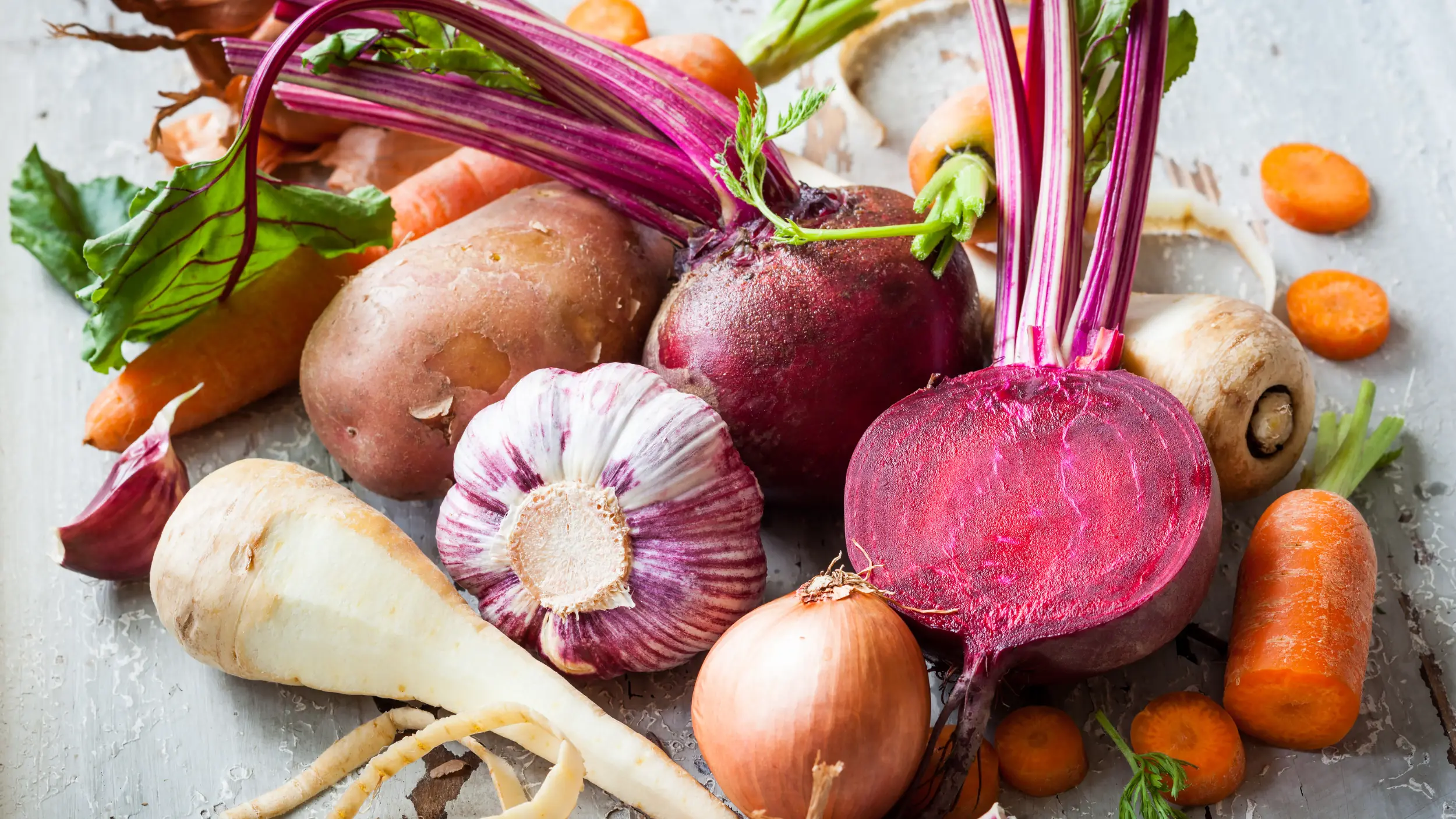
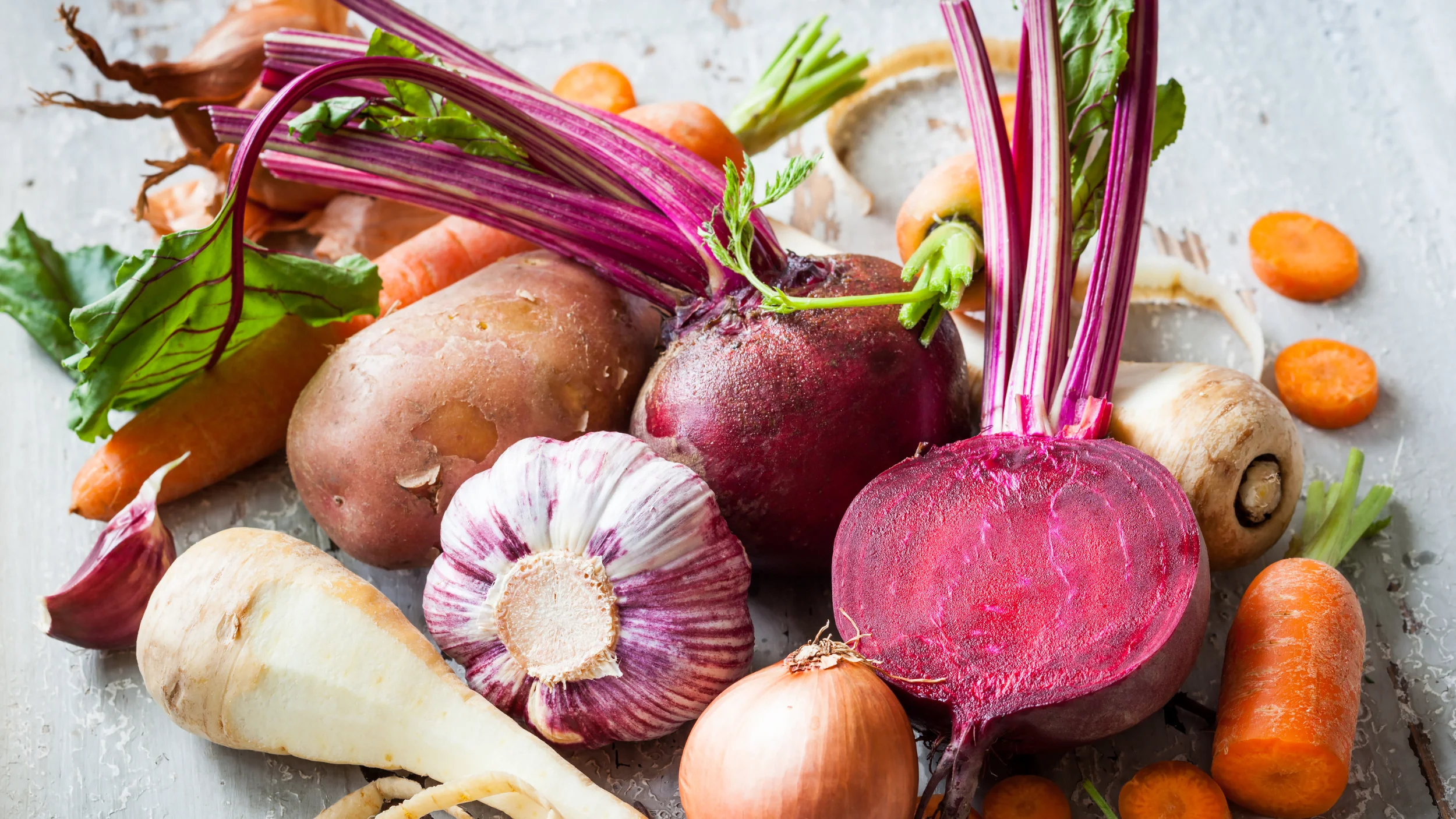
Vegetables like leafy greens, broccoli, cauliflower, cucumbers, and green beans. These are naturally low in fat and sugar while providing fiber to support healthy digestion.
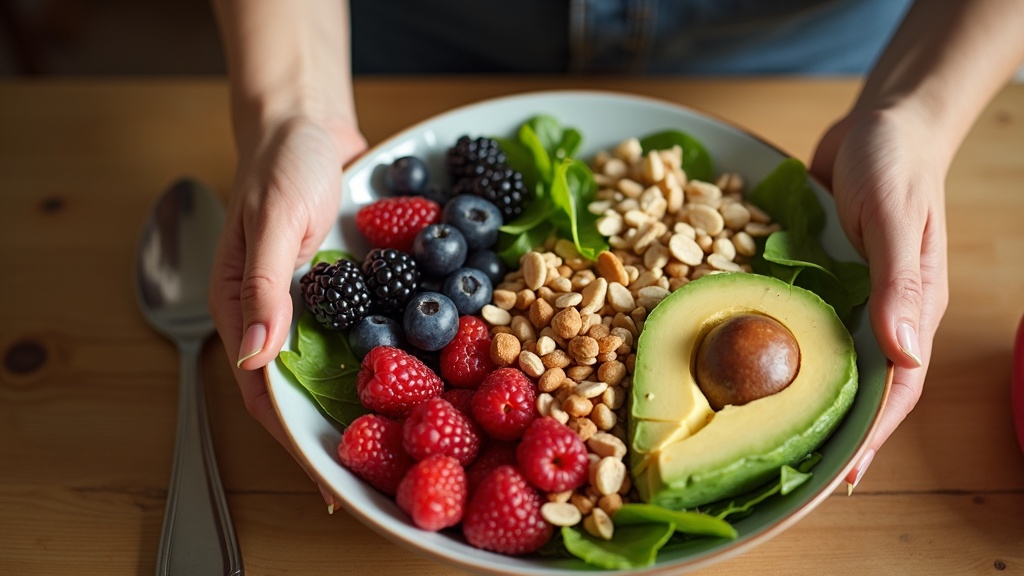
Healthy fats in moderation from avocado, olive oil, nuts, and seeds. The key word is moderation—a tablespoon of almond butter is different from a half-cup.
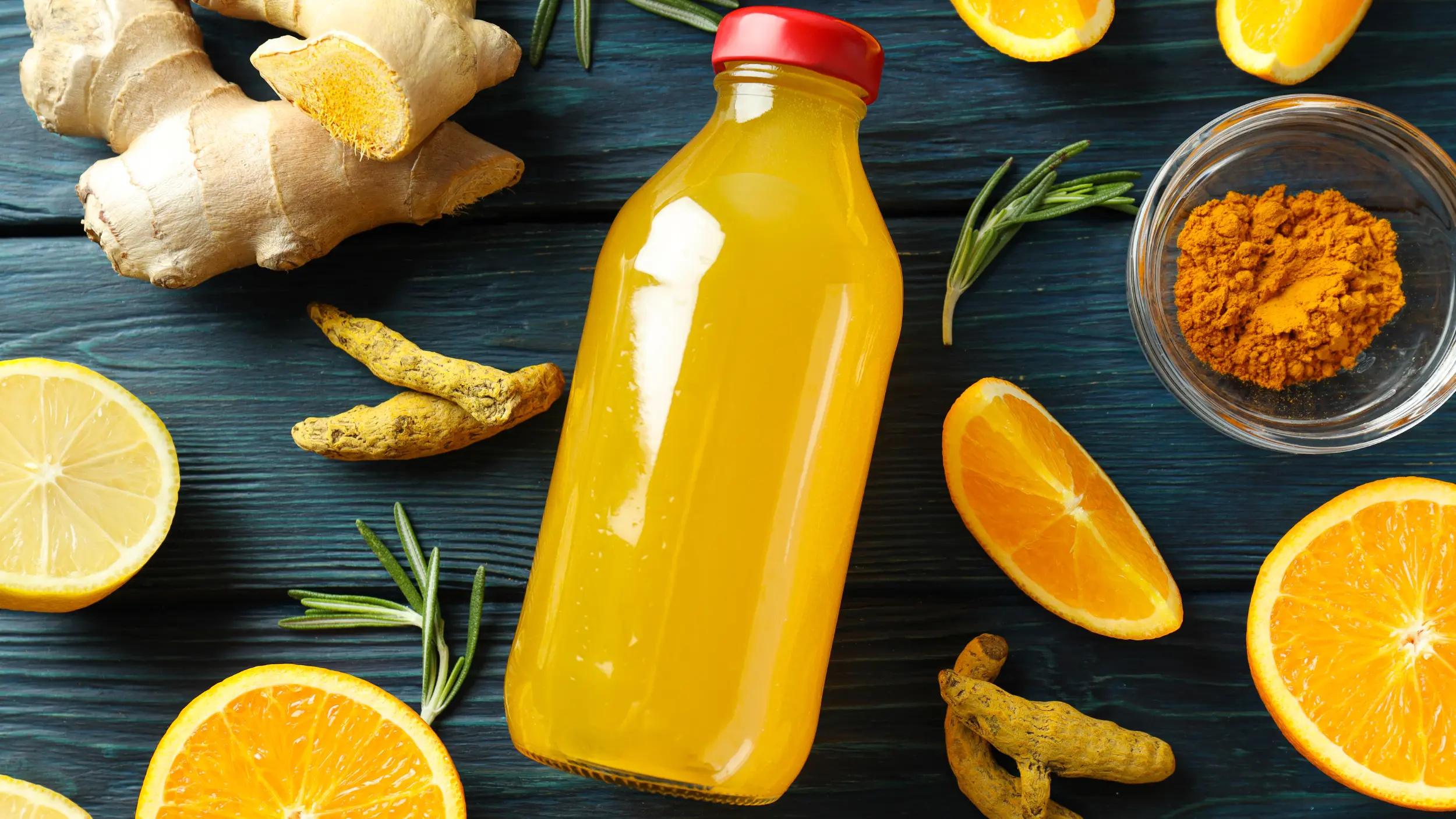
Ginger and fennel, which have natural anti-inflammatory properties and may help reduce nausea and bloating [12].
One of my favorite strategies for clients dealing with bloating alongside GERD: focus on smaller, more frequent meals rather than three large ones. Overfilling your stomach increases pressure on the LES and makes reflux more likely [13]. Aim for eating every 3-4 hours and stopping when you're about 80% full.
Finding Lasting Relief: Beyond Diet for GERD Symptoms
Food choices matter enormously, but they're only part of your GERD treatment plan. Let's talk about the lifestyle factors that can make or break your symptom management.
Timing and Positioning
When and how you eat is just as important as what you eat. Lying down with a full stomach is basically an invitation for acid reflux. The fix:
- Finish eating at least 3 hours before bed [14]
- Elevate the head of your bed by 6-8 inches using blocks or a wedge pillow (not just extra pillows, which can actually increase abdominal pressure)
- Avoid lying down immediately after meals—take a gentle walk instead
Gravity is your friend here. Staying upright after eating helps keep stomach contents moving in the right direction.
Stress and Your Digestive System
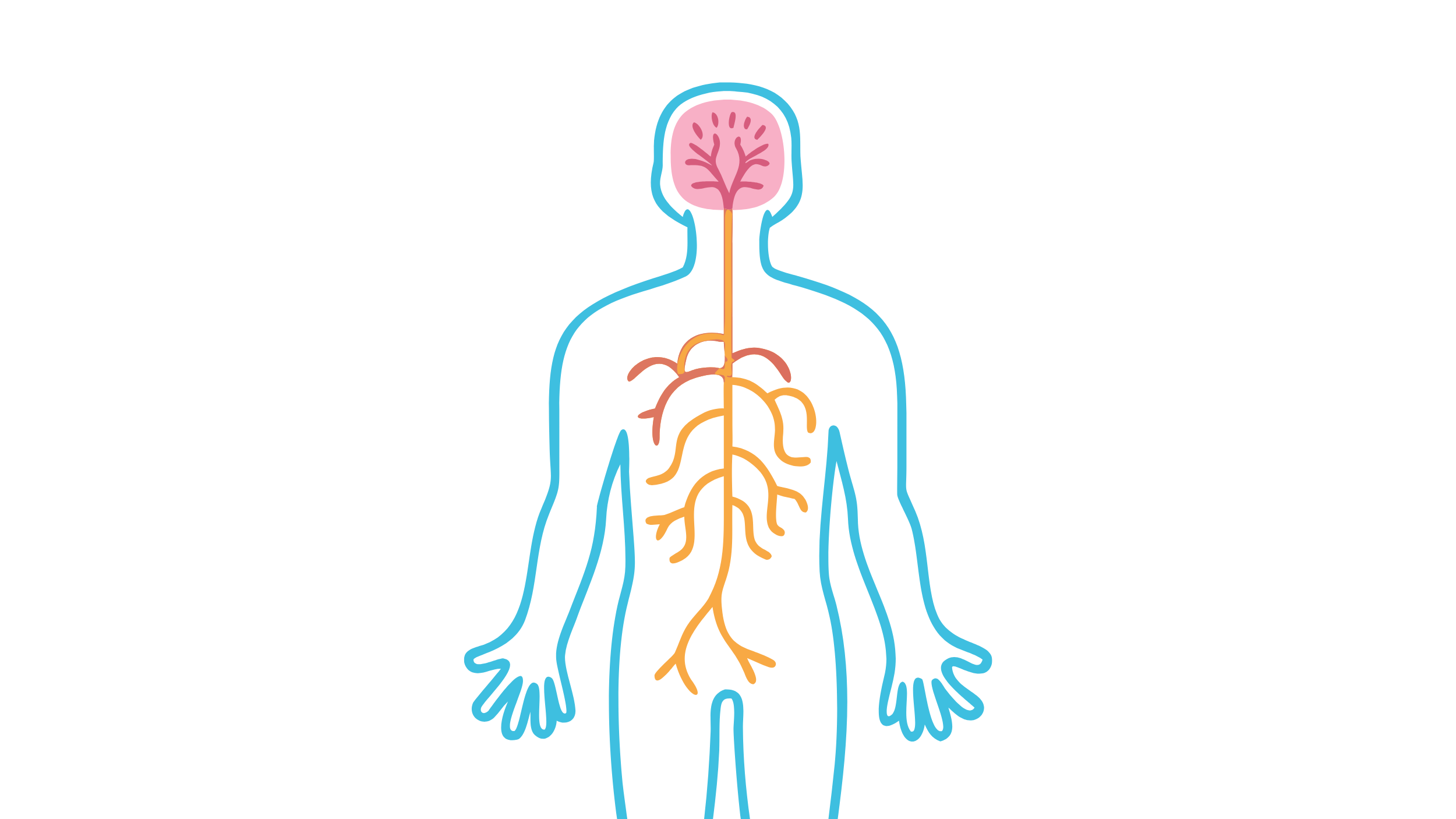
This is huge, and it's something we don't talk about enough. While stress doesn't directly cause GERD, it absolutely amplifies symptoms [15]. When you're chronically stressed, your body produces more stomach acid, delays gastric emptying, and increases your sensitivity to pain signals from your esophagus.
I see this all the time with my clients juggling demanding careers, family responsibilities, and their own health needs. Your stress management isn't separate from your digestive health—it's fundamental to it.
Practical stress reduction strategies that actually work:
- Mindful eating practices where you actually sit down, chew thoroughly, and eat without screens
- Regular movement that doesn't increase abdominal pressure (walking, swimming, yoga—but avoid intense ab work right after eating)
- Breathwork or meditation for 10 minutes daily to regulate your nervous system
- Adequate sleep, which helps regulate the hormones that control appetite and digestion [16]
Weight Management and Body Composition
I want to approach this sensitively because I know weight is a loaded topic. The clinical reality is that excess abdominal adiposity increases intra-abdominal pressure, which mechanically promotes reflux [17]. Studies show that losing just 5-10% of body weight can significantly reduce GERD symptoms in those who are overweight.
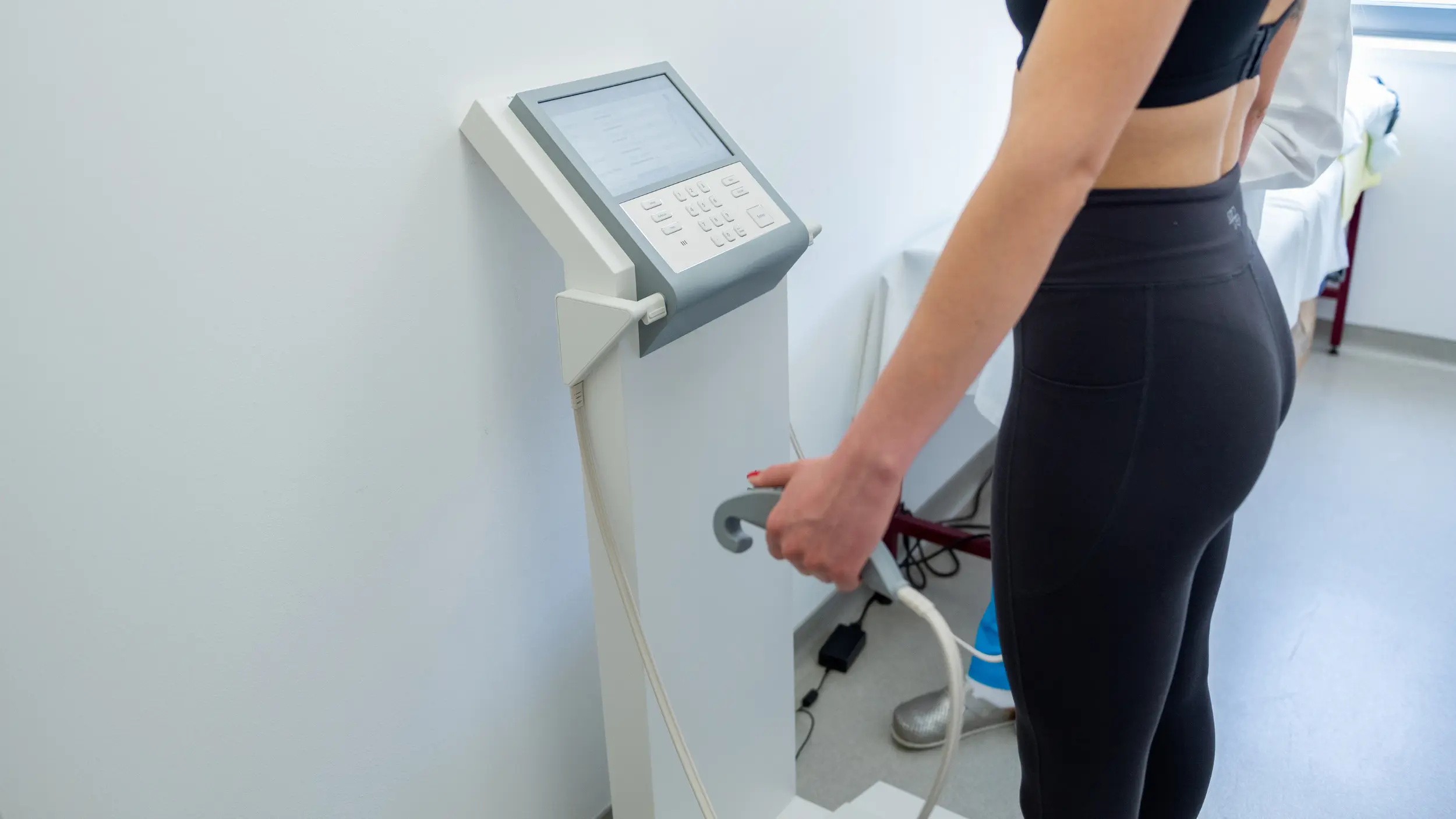
But here's what matters more than the number on the scale: improving your body composition through balanced nutrition and consistent movement supports your overall metabolic health. When we work on hormone balance through nutrition, we're simultaneously supporting healthy insulin sensitivity, reducing inflammation, and often naturally optimizing body composition.
Clothing and Physical Habits
Seemingly small things can make a real difference:
- Avoid tight waistbands, belts, or shapewear that compress your abdomen
- Don't bend over at the waist after eating (squat instead if you need to pick something up)
- Wait at least 2-3 hours after eating before exercising, especially high-intensity workouts
When to Consider Medical Intervention
Sometimes lifestyle and dietary changes aren't enough, and that's okay. If you're experiencing severe symptoms despite modifications, talk to your doctor about:
- Proton pump inhibitors (PPIs) or H2 blockers to reduce acid production [18]
- Prokinetic agents that help your stomach empty faster
- In rare cases, surgical options like fundoplication
Medications can be incredibly helpful, but they work best alongside—not instead of—dietary and lifestyle changes. I work with many clients who are on GERD treatment and we optimize their nutrition to support medication effectiveness while working toward potentially reducing reliance over time.
Frequently Asked Questions About GERD
What are the first signs of GERD I should look out for?
The earliest indicators are usually persistent heartburn (that burning sensation behind your breastbone) occurring twice weekly or more, regurgitation of food or liquid, and difficulty swallowing [19]. You might also notice chronic throat clearing, hoarseness, or a persistent cough, especially at night. Some women experience atypical symptoms like chest pain that mimics cardiac issues or unexplained nausea. If you're experiencing these regularly, it's worth getting evaluated rather than just taking over-the-counter antacids indefinitely.
Can stress really make my GERD symptoms worse?
Absolutely. Research shows that psychological stress increases gastric acid secretion, delays stomach emptying, and heightens visceral sensitivity—meaning you feel esophageal discomfort more intensely [20]. Stress also tends to worsen behaviors that trigger GERD, like eating quickly, choosing comfort foods high in fat, drinking more caffeine or alcohol, and getting less sleep. Managing your stress through nervous system regulation, adequate rest, and mindful eating practices is a non-negotiable part of effective GERD management.
How quickly can I expect to feel better after making dietary changes?
Most of my clients notice some improvement within 1-2 weeks of consistently avoiding trigger foods and implementing meal timing strategies [21]. However, complete healing of esophageal inflammation can take 6-8 weeks or longer. This is why consistency matters more than perfection. You're not looking for an overnight fix—you're building sustainable habits that support long-term digestive comfort. Keep a symptom journal to track what helps and what doesn't, because GERD triggers can be highly individual. What bothers your friend might be totally fine for you, and vice versa.
Ready to take control of your GERD and feel more comfortable? You don't have to figure this out alone. Book a consultation with me at www.usevedic.com to create a personalized plan that works for your unique body, lifestyle, and goals. Let's build a sustainable approach to eating that eliminates the guesswork and gets you back to feeling like yourself.
References
[1] El-Serag HB, Sweet S, Winchester CC, Dent J. Update on the epidemiology of gastro-oesophageal reflux disease: a systematic review. Gut, 2014.
[2] Kahrilas PJ, Shaheen NJ, Vaezi MF. American Gastroenterological Association Medical Position Statement on the management of gastroesophageal reflux disease. Gastroenterology, 2008.
[3] Mittal RK, Balaban DH. The esophagogastric junction. New England Journal of Medicine, 1997.
[4] Ness-Jensen E, Hveem K, El-Serag H, Lagergren J. Lifestyle intervention in gastroesophageal reflux disease. Clinical Gastroenterology and Hepatology, 2016.
[5] Penagini R, Bravi I. The role of delayed gastric emptying and impaired oesophageal body motility. Nature Reviews Gastroenterology & Hepatology, 2013.
[6] Vakil N, van Zanten SV, Kahrilas P, Dent J, Jones R. The Montreal definition and classification of gastroesophageal reflux disease: a global evidence-based consensus. American Journal of Gastroenterology, 2006.
[7] Shaheen NJ, Falk GW, Iyer PG, Gerson LB. ACG Clinical Guideline: Diagnosis and Management of Barrett's Esophagus. American Journal of Gastroenterology, 2016.
[8] Kaltenbach T, Crockett S, Gerson LB. Are lifestyle measures effective in patients with gastroesophageal reflux disease? An evidence-based approach. Archives of Internal Medicine, 2006.
[9] Wendl B, Pfeiffer A, Pehl C, Schmidt T, Kaess H. Effect of decaffeination of coffee or tea on gastro-oesophageal reflux. Alimentary Pharmacology & Therapeutics, 1994.
[10] Shapiro M, Green C, Bautista JM, et al. Assessment of dietary nutrients that influence perception of intra-oesophageal acid reflux events in patients with gastro-oesophageal reflux disease. Alimentary Pharmacology & Therapeutics, 2007.
[11] Morozov S, Isakov V, Konovalova M. Fiber-enriched diet helps to control symptoms and improves esophageal motility in patients with non-erosive gastroesophageal reflux disease. World Journal of Gastroenterology, 2018.
[12] Nikkhah Bodagh M, Maleki I, Hekmatdoost A. Ginger in gastrointestinal disorders: A systematic review of clinical trials. Food Science & Nutrition, 2019.
[13] Piesman M, Hwang I, Maydonovitch C, Wong RK. Nocturnal reflux episodes following the administration of a standardized meal. Does timing matter? American Journal of Gastroenterology, 2007.
[14] Ness-Jensen E, Lindam A, Lagergren J, Hveem K. Weight loss and reduction in gastroesophageal reflux. A prospective population-based cohort study: the HUNT study. American Journal of Gastroenterology, 2013.
[15] Jansson C, Nordenstedt H, Wallander MA, et al. Severe gastro-oesophageal reflux symptoms in relation to anxiety, depression and coping in a population-based study. Alimentary Pharmacology & Therapeutics, 2007.
[16] Fujiwara Y, Arakawa T, Fass R. Gastroesophageal reflux disease and sleep disturbances. Journal of Gastroenterology, 2012.
[17] Jacobson BC, Somers SC, Fuchs CS, Kelly CP, Camargo CA Jr. Body-mass index and symptoms of gastroesophageal reflux in women. New England Journal of Medicine, 2006.
[18] Katz PO, Gerson LB, Vela MF. Guidelines for the diagnosis and management of gastroesophageal reflux disease. American Journal of Gastroenterology, 2013.
[19] Richter JE, Rubenstein JH. Presentation and epidemiology of gastroesophageal reflux disease. Gastroenterology, 2018.
[20] Naliboff BD, Mayer M, Fass R, et al. The effect of life stress on symptoms of heartburn. Psychosomatic Medicine, 2004.
[21] Sethi S, Richter JE. Diet and gastroesophageal reflux disease: role in pathogenesis and management. Current Opinion in Gastroenterology, 2017.
.svg)
.svg)




.jpg)
.jpg)











.webp)




























.webp)
.webp)
.webp)
.webp)
.webp)
.webp)
.webp)
.png)
.webp)
.webp)

.webp)
.png)
.webp)
.webp)
.webp)
.webp)
.webp)
.webp)
.webp)
.webp)
.webp)


.webp)
.png)