.webp)

%2B(7).webp)
.png)
At a Glance
The Cyclospora outbreak 2026 has raised concerns about foodborne illness safety, particularly for women navigating busy lives while prioritizing health. Cyclosporiasis is a parasite infection causing prolonged digestive symptoms that can significantly impact your daily routine and nutritional status. This guide provides evidence-based strategies to recognize symptoms, prevent exposure, and support recovery if infection occurs.
Understanding Cyclosporiasis: Symptoms and How it Spreads
Have you been feeling unwell lately, perhaps with persistent digestive issues? It's important to recognize the signs. Cyclospora cayetanensis is a microscopic parasite that causes an intestinal infection with a characteristic pattern that sets it apart from your typical stomach bug.
The hallmark symptoms typically begin 7-10 days after exposure [1]. What makes cyclosporiasis particularly frustrating is its relapsing nature—you might feel better for a few days, then symptoms return without warning.
Common manifestations include:
- Watery diarrhea that can persist for weeks or even months if untreated
- Explosive bowel movements occurring 10-15 times daily during acute phases
- Significant appetite loss coupled with unintentional weight loss (often 5-10 pounds within the first two weeks)
- Profound fatigue that interferes with work and daily activities
- Abdominal cramping and bloating that worsens after eating
- Low-grade fever and body aches
- Nausea that makes it difficult to maintain adequate nutrition
Unlike viral gastroenteritis that typically resolves within 24-72 hours, cyclosporiasis symptoms can linger for 6-8 weeks without appropriate treatment [2]. This extended timeline can seriously deplete your nutrient stores, particularly B vitamins, electrolytes, and protein.
So how does this parasite infection actually spread? Cyclospora has a very specific transmission route. You cannot catch it directly from another person—the parasite requires time outside the human body to become infectious [3]. This means cyclosporiasis spreads primarily through:
- Consuming fresh produce contaminated with fecal matter containing Cyclospora oocysts
- Drinking water that hasn't been properly treated or filtered
- Eating at restaurants or facilities using contaminated water for food preparation
- Traveling to endemic regions where sanitation infrastructure may be limited
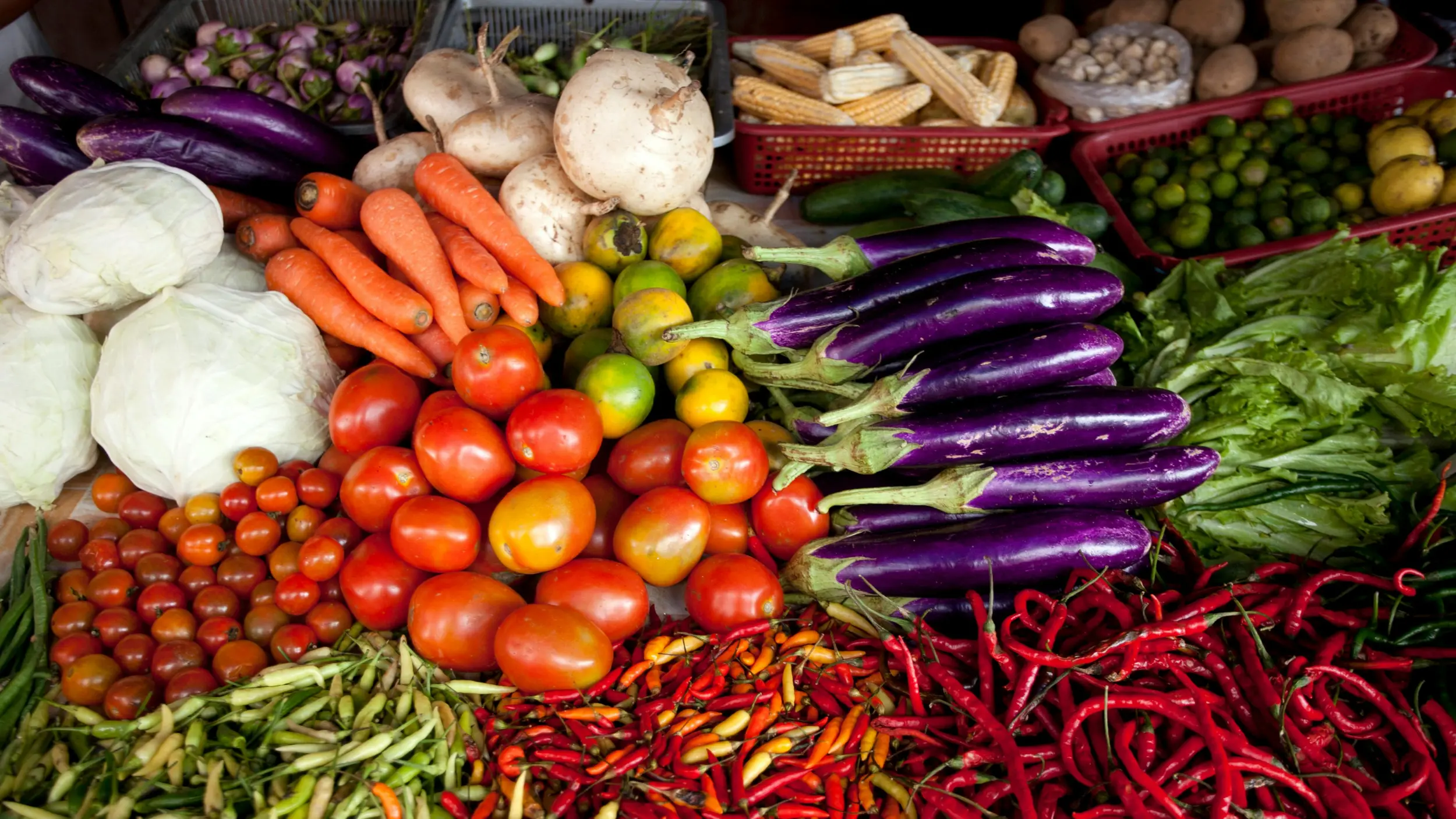
Historically, outbreaks in the U.S. have been linked to imported fresh herbs (particularly cilantro and basil), leafy greens, berries, and fresh vegetable trays [4]. The 2026 outbreak follows this pattern, with preliminary investigations pointing toward contaminated salad mixes distributed to multiple retail chains.
What's particularly challenging about preventing Cyclospora infection is that standard washing doesn't always remove the hardy oocysts. Unlike bacteria that might rinse away, these parasites can cling stubbornly to the irregular surfaces of leafy greens and herbs.
Preventing Cyclospora Infection: Practical Tips for Your Kitchen and Travels
Protecting yourself and your family from foodborne illnesses like Cyclospora requires a multi-layered approach. Let me share the strategies I use personally and recommend to my clients.
In Your Kitchen:
The reality is that you can't see, smell, or taste Cyclospora contamination—which makes prevention your strongest tool. Start by staying informed about current outbreaks through the FDA and CDC websites. When produce recalls are announced, take them seriously even if you've already consumed some of the product without apparent symptoms (remember that 7-10 day incubation period).
For high-risk produce during outbreak periods:
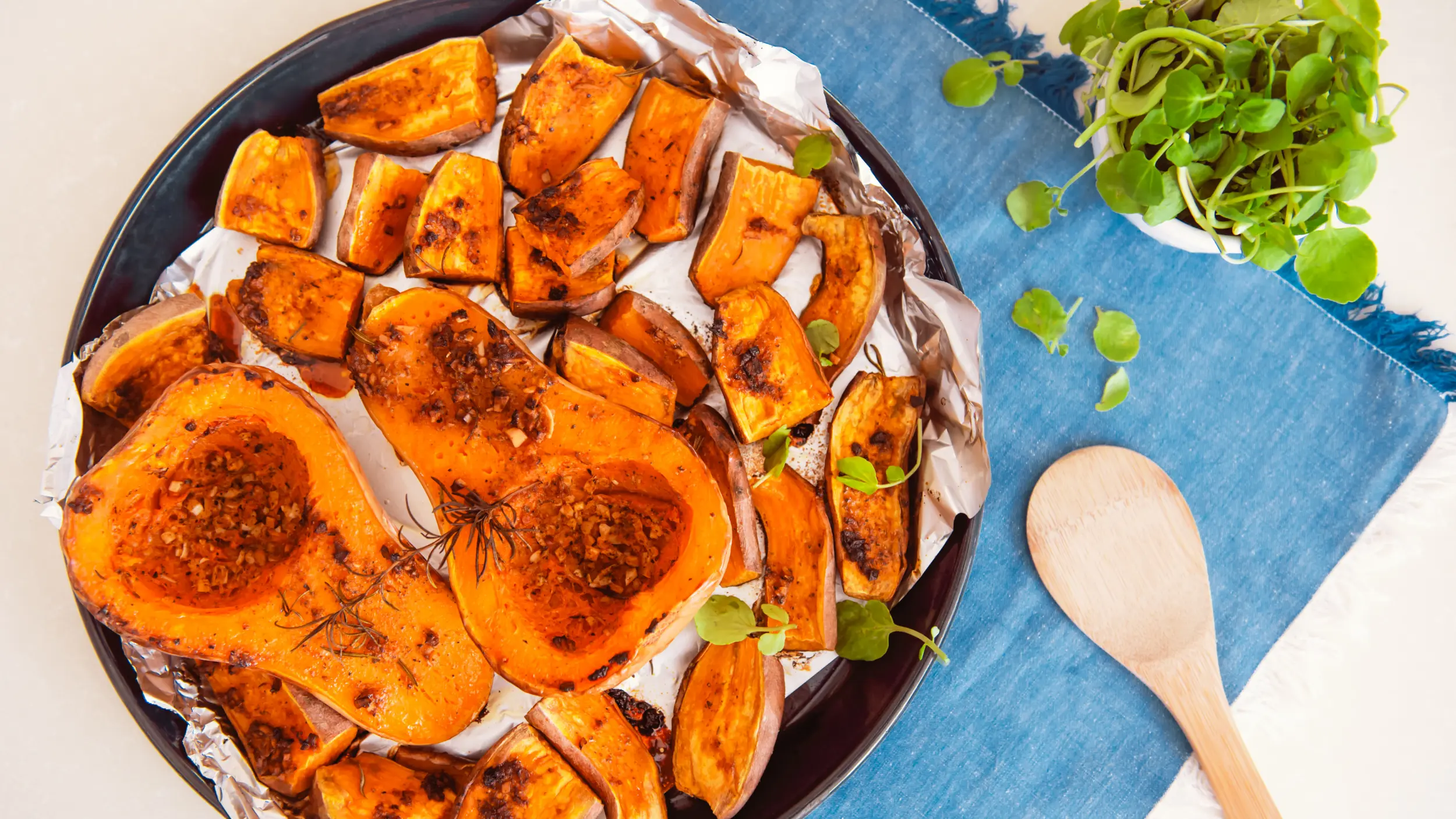
- Choose cooked vegetables over raw when possible, as heat destroys the parasite
- Peel fruits and vegetables when feasible (though this reduces beneficial fiber and phytonutrients)
- Soak leafy greens and herbs in a clean sink or large bowl for 2-3 minutes, then rinse under running water while gently rubbing the leaves
- Use a dedicated produce brush for items with textured surfaces like melons or cucumbers
- Dry produce with clean paper towels, as this friction can remove additional microorganisms
Here's what won't work: Commercial produce washes haven't been shown to be more effective than plain water for Cyclospora specifically [5]. Save your money and focus on thorough mechanical washing instead.
Pay special attention to your kitchen tools. Cutting boards, knives, and salad spinners can harbor parasites if they've contacted contaminated produce. Wash these items with hot, soapy water immediately after use, and consider running cutting boards through the dishwasher's sanitize cycle weekly.
When Traveling:
If you're planning trips to tropical or subtropical regions—particularly Central America, South Asia, or parts of the Caribbean—your risk of encountering Cyclospora increases substantially. This is essentially an upgraded version of traveler's diarrhea that requires more aggressive prevention.
My travel protocol for clients includes:
- Drinking only bottled, boiled, or filtered water (and yes, that includes ice cubes and water used for brushing teeth)
- Avoiding raw produce unless you can peel it yourself with clean hands
- Choosing fully cooked, steaming-hot foods at restaurants
- Skipping salads, fresh salsas, and garnishes at buffets or street vendors
- Carrying electrolyte packets in case symptoms develop
- Packing probiotics to support your gut health and microbiome during travel stress
I know this might sound overly cautious, but I've worked with too many women who've had international trips derailed by parasite infections that took months to fully resolve. The temporary inconvenience of being selective about food is vastly preferable to spending weeks recovering.
Building Resilience:
While you can't create immunity to Cyclospora, you can optimize your body's ability to handle potential exposures. A robust immune system and healthy gut barrier function both depend on adequate nutrition. Focus on maintaining sufficient intake of:
- Vitamin A (supports intestinal barrier integrity)
- Zinc (crucial for immune cell function) [6]
- Protein (provides amino acids for tissue repair and antibody production)
- Omega-3 fatty acids (modulate inflammatory responses)
Your hormone balance and overall wellness also influence immune competence, so addressing chronic stress and sleep deprivation isn't just about feeling better—it's genuine infection prevention.
What to Do If You Suspect Cyclospora: Seeking Treatment and Recovery
If you're experiencing symptoms that concern you, it's crucial to know the next steps. Early intervention can significantly reduce the duration and severity of cyclosporiasis.
When to Seek Medical Care:
Contact your healthcare provider if you experience:
- Watery diarrhea lasting more than 3 days
- Diarrhea accompanied by fever above 101.5°F
- Signs of dehydration (dark urine, dizziness, rapid heartbeat, dry mouth)
- Bloody stools or severe abdominal pain
- Recent travel to endemic areas followed by digestive symptoms
- Exposure to recalled produce followed by symptom onset
Your doctor will likely order a specialized stool test. Standard bacterial cultures won't detect Cyclospora—the lab needs to specifically look for parasites using microscopy or molecular testing [7]. You may need to provide multiple samples collected on different days, as parasite shedding can be intermittent.
Cyclosporiasis Treatment:
The first-line treatment for confirmed Cyclospora infection is trimethoprim-sulfamethoxazole (TMP-SMX), commonly known by the brand name Bactrim [8]. The typical protocol involves:
- One double-strength tablet twice daily for 7-10 days
- Completion of the full course even if symptoms improve earlier
- Follow-up testing to confirm parasite clearance in some cases
Most people experience significant symptom relief within 3-5 days of starting antibiotic therapy. However, if you're allergic to sulfa drugs, treatment becomes more complicated—there's no universally effective alternative, though some providers try ciprofloxacin or nitazoxanide with variable results.
Important note for my pregnant clients: TMP-SMX carries some concerns during the first trimester and near delivery, so your OB will need to weigh the risks and benefits carefully. Don't delay seeking care due to pregnancy—untreated cyclosporiasis poses its own risks to you and your baby.
Supporting Your Recovery:
The antibiotic addresses the infection, but you still need to support your body through recovery. Weeks of diarrhea and poor intake take a real toll on your nutritional status and gut function.
Here's my post-infection protocol:
- Rehydration is non-negotiable. Aim for at least 80-100 ounces of fluid daily, incorporating electrolyte solutions (not just water) to replace lost sodium, potassium, and chloride. Bone broth provides both fluids and easily absorbed minerals.
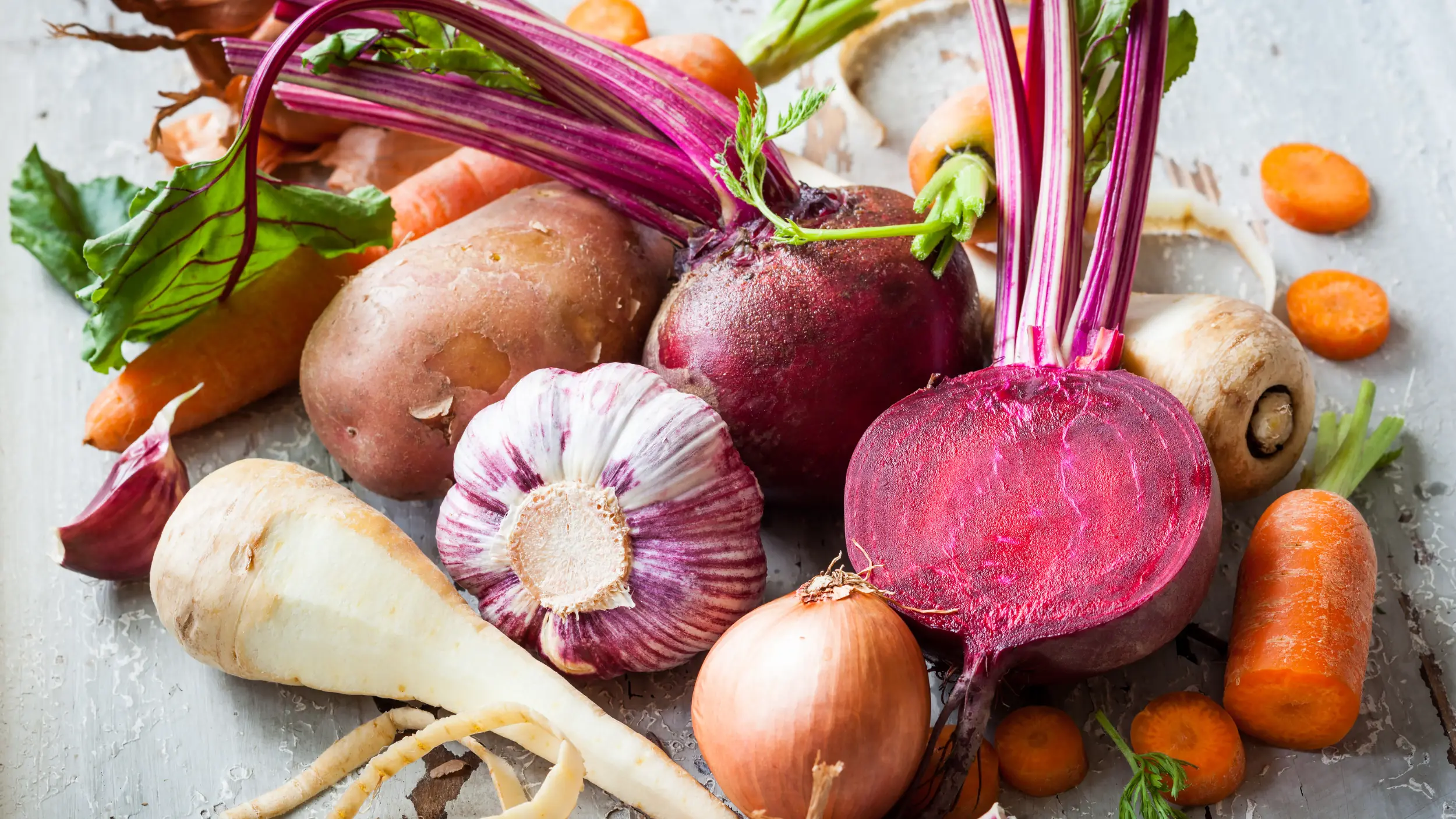
- Rebuild gradually. Start with bland, low-fiber foods as symptoms improve—think white rice, bananas, applesauce, plain chicken, and well-cooked carrots. This isn't forever, but your intestinal lining needs time to heal before handling raw vegetables and high-fiber whole grains again.
- Prioritize protein. You've likely lost muscle mass during the acute infection. Aim for 0.8-1.0 grams of protein per pound of body weight daily, divided across meals. Greek yogurt, eggs, fish, and poultry are generally well-tolerated.
- Consider targeted supplementation. I typically recommend a high-quality probiotic containing multiple Lactobacillus and Bifidobacterium strains to help restore microbial balance [9]. Zinc (15-25 mg daily for 2 weeks) can accelerate intestinal healing. B-complex vitamins replace what was lost through malabsorption and diarrhea.
- Address lingering symptoms. Some people develop temporary lactose intolerance or general food sensitivities after parasitic infections due to intestinal brush border damage. If dairy suddenly bothers you, this usually resolves within 4-6 weeks as your gut lining regenerates.
Full recovery typically takes 2-4 weeks after treatment initiation, though some fatigue and digestive sensitivity may linger longer. If symptoms persist beyond 6 weeks post-treatment or recur after initial improvement, contact your provider—you may need repeat testing to ensure the infection has cleared.
Managing the functional nutrition aspects of stress and energy becomes particularly important during recovery, as your body is working overtime to heal while you're likely dealing with the stress of having been ill.
Frequently Asked Questions
Q1: What are the most common foods linked to Cyclospora outbreaks?
The usual suspects in U.S. outbreaks include imported fresh herbs (especially cilantro, basil, and parsley), mesclun lettuce and mixed salad greens, raspberries, blackberries, snow peas, and pre-cut vegetable trays [10]. The 2013, 2018, and 2020 outbreaks all involved salad mixes or fresh herbs traced back to specific growing regions in Mexico and Central America. What these foods have in common: they're typically eaten raw, have complex surfaces where parasites can hide, and are often irrigated with water that may be contaminated. Interestingly, Cyclospora outbreaks peak during summer months in the U.S., coinciding with increased fresh produce consumption and imports from endemic regions.
Q2: How long does Cyclosporiasis typically last?
Without treatment, cyclosporiasis symptoms can persist for 6-8 weeks or even longer, often following a relapsing pattern where you feel better for several days before symptoms return [2]. With appropriate antibiotic treatment (trimethoprim-sulfamethoxazole), most people experience significant improvement within 3-5 days and complete resolution within 2-4 weeks. However, people with compromised immune systems may experience prolonged infections lasting several months even with treatment. The fatigue and digestive sensitivity can sometimes linger for an additional few weeks after the active infection clears as your body rebuilds nutrient stores and repairs intestinal damage.
Q3: Can I get Cyclospora from person-to-person contact?
No, direct person-to-person transmission is extremely unlikely. Here's why: when Cyclospora oocysts are first passed in stool, they're not immediately infectious. They require days to weeks in the environment to sporulate (mature) before they can cause infection if ingested [3]. This means you can't catch cyclosporiasis from caring for an infected family member, sharing bathrooms, or casual contact. The infection spreads through the fecal-oral route, but only after contaminated feces have had time in the environment—typically through contaminated water used for irrigation or food preparation. That said, standard hygiene practices (thorough handwashing after bathroom use, not preparing food for others while symptomatic) are always appropriate during any gastrointestinal illness.
Ready to take control of your health and navigate concerns like Cyclospora with confidence? Whether you're recovering from a foodborne illness, optimizing your nutrition to support immune resilience, or simply want personalized guidance for your unique health goals, I'm here to help. Book a personalized consultation with me today to discuss your specific needs and create a plan for optimal well-being.
References
[1] Centers for Disease Control and Prevention. Cyclosporiasis FAQs for Health Professionals. CDC, 2024.
[2] Ortega YR, Sanchez R. Update on Cyclospora cayetanensis, a Food-Borne and Waterborne Parasite. Clinical Microbiology Reviews, 2010.
[3] Almeria S, Cinar HN, Dubey JP. Cyclospora cayetanensis and Cyclosporiasis: An Update. Microorganisms, 2019.
[4] Barratt JLN, Park S, Nascimento FS, et al. Genotyping Genetically Heterogeneous Cyclospora cayetanensis Infections to Complement Epidemiological Case Linkage. Emerging Infectious Diseases, 2019.
[5] Food and Drug Administration. Selecting and Serving Produce Safely. FDA, 2023.
[6] Maggini S, Pierre A, Calder PC. Immune Function and Micronutrient Requirements Change over the Life Course. Nutrients, 2018.
[7] Madison-Antenucci S, Relich RF, Doyle L, et al. Multicenter Evaluation of BD Max Enteric Parasite Real-Time PCR Assay for Detection of Giardia duodenalis, Cryptosporidium hominis, Cryptosporidium parvum, and Entamoeba histolytica. Journal of Clinical Microbiology, 2016.
[8] Hanevik K, Mørch K, Eide GE, et al. Effects of Cyclospora cayetanensis Infection on Nutritional Status. Clinical Infectious Diseases, 2011.
[9] Wilkins T, Sequoia J. Probiotics for Gastrointestinal Conditions: A Summary of the Evidence. American Family Physician, 2017.
[10] Abanyie F, Harvey RR, Harris JR, et al. 2013 Multistate Outbreaks of Cyclospora cayetanensis Infections Associated with Fresh Produce: Focus on the Texas Investigations. Epidemiology and Infection, 2015.
.svg)
.svg)





.jpg)
.jpg)













.webp)































.webp)
.webp)
.webp)
.webp)
.webp)
.webp)
.webp)
.png)
.webp)
.webp)

.webp)
.png)
.webp)
.webp)
.webp)
.webp)
.webp)
.webp)
.webp)
.webp)
.webp)


.webp)
.png)