.webp)
%2B(7).webp)
.png)
At a Glance
Discover how an anti-inflammatory diet can be your powerful ally in preventing chronic diseases. Learn practical, dietitian-approved strategies to reduce inflammation, boost your well-being, and take control of your long-term health.
The Hook: What's Really Behind Your Symptoms?
Feeling tired, achy, or just not your best? You're not alone. Many women my age struggle with nagging symptoms that can impact daily life, and often, the root cause is hidden inflammation. As your dietitian, I'm here to show you how simple dietary shifts can make a profound difference.
Here's what most people don't realize: that afternoon energy crash, those stiff joints in the morning, the bloating after meals—these aren't just "getting older." They're often signs your body is fighting a silent battle with chronic inflammation [1]. And the good news? Your fork is one of the most powerful tools you have to fight back.
If you've been dealing with digestive issues alongside these symptoms, understanding your gut health is crucial. The connection between gut inflammation and whole-body inflammation is significant, which is why I always recommend checking out comprehensive resources on optimizing your gut health and microbiome as part of your anti-inflammatory strategy.
The Problem: Understanding Inflammation
Let's get real about what's happening in your body. Inflammation isn't inherently bad—it's actually your immune system's natural response to injury or infection [2]. When you cut your finger or catch a cold, acute inflammation swoops in to heal and protect. That's the good kind.
But chronic inflammation? That's a different story entirely.
What Chronic Inflammation Actually Looks Like
Chronic inflammation is a low-grade, long-term inflammatory response that quietly damages tissues and organs over months and years [3]. Unlike the obvious redness and swelling of acute inflammation, chronic inflammation operates under the radar, creating a constant state of stress in your body.
The symptoms many of my clients experience include:
- Persistent fatigue that doesnt improve with rest
- Joint pain and stiffness, especially in the morning
- Digestive issues like bloating, gas, or irregular bowel movements
- Skin flare-ups including acne, eczema, or psoriasis
- Brain fog and difficulty concentrating
- Unexplained weight gain or difficulty losing weight
- Frequent infections or slow healing
The Science That Should Concern You
Here's where it gets serious: chronic inflammation is now recognized as a key driver of virtually every major chronic disease we face today [4]. Research consistently links prolonged inflammation to
- Heart disease: Inflammation damages blood vessel walls and promotes plaque buildup
- Type 2 diabetes: Inflammatory markers interfere with insulin signaling
- Autoimmune disorders: Your immune system mistakenly attacks healthy tissue
- Cancer: Chronic inflammation can damage DNA and promote tumor growth
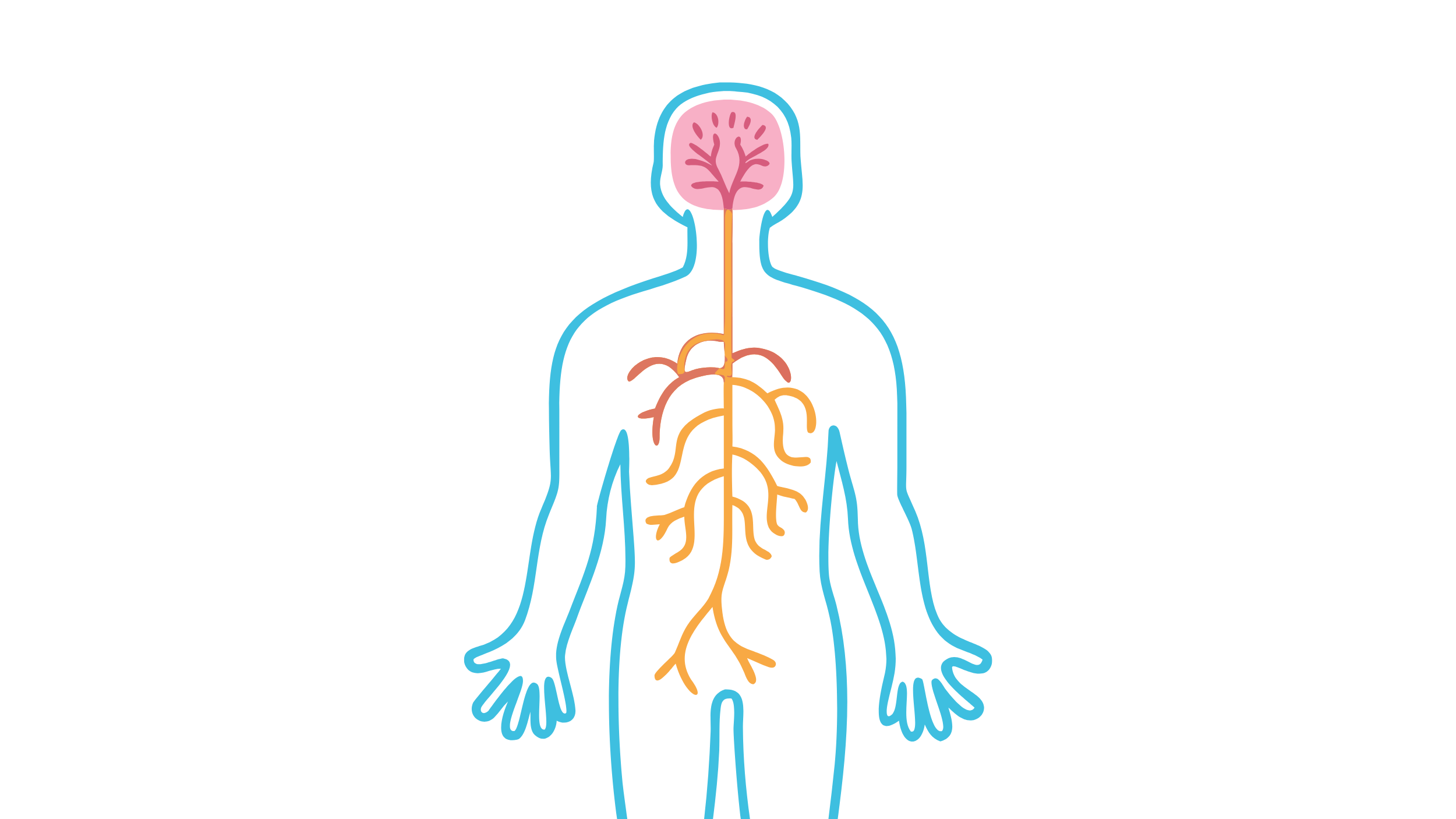
- Alzheimer's disease: Brain inflammation contributes to cognitive decline
A landmark 2024 study published in Nature Medicine found that women with elevated inflammatory markers in their 30s and 40s had a 62% higher risk of developing chronic disease by age 60 compared to those with normal levels [10]. That's not meant to scare you—it's meant to empower you. Because unlike your genetics, inflammation is something you can actively manage.
What Triggers Chronic Inflammation?
Several factors contribute to keeping your body in this inflammatory state
- Diet high in processed foods, refined sugars, and unhealthy fats
- Chronic stress and inadequate sleep
- Sedentary lifestyle
- Environmental toxins and pollutants
- Gut dysbiosis (imbalanced gut bacteria)
- Excess body fat, particularly visceral fat around organs
The good news? Many of these triggers are within your control, starting with what you eat.
The Protocol: Your Anti-Inflammatory Action Plan
Okay, so now you understand the problem. Let's talk solutions. This isn't about a restrictive diet or eliminating entire food groups. It's about strategically choosing foods that work with your body, not against it.
The Foundations: Non-Negotiables for Success
Before we dive into specific foods, let's establish the baseline habits that make everything else work:
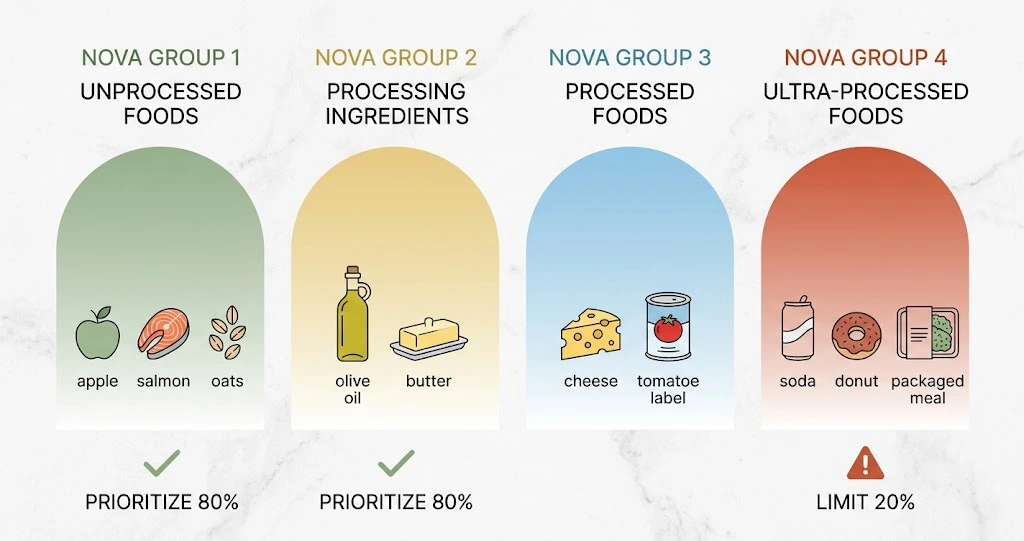
1. Prioritize whole, unprocessed foods
Your great-grandmother should recognize what's on your plate. Whole foods come with their natural fiber, vitamins, minerals, and phytonutrients intact—all of which help combat inflammation [17]. Processed foods, on the other hand, often contain inflammatory additives, excessive sodium, and damaged fats.
2. Stay well-hydrated throughout the day
Aim for at least 8-10 glasses of water daily. Proper hydration supports your body's natural detoxification processes and helps flush out inflammatory compounds [18]. I tell my clients to keep a water bottle visible at all times—out of sight, out of mind.
3. Manage stress through mindful practices
Chronic stress directly triggers inflammatory pathways through cortisol and other stress hormones [19]. Whether it's meditation, yoga, journaling, or simply taking three deep breaths before meals, find what works for you. This isn't "woo-woo"—it's biochemistry.
The Core Action Steps: Your Anti-Inflammatory Eating Strategy
Now for the practical stuff you can implement starting today:
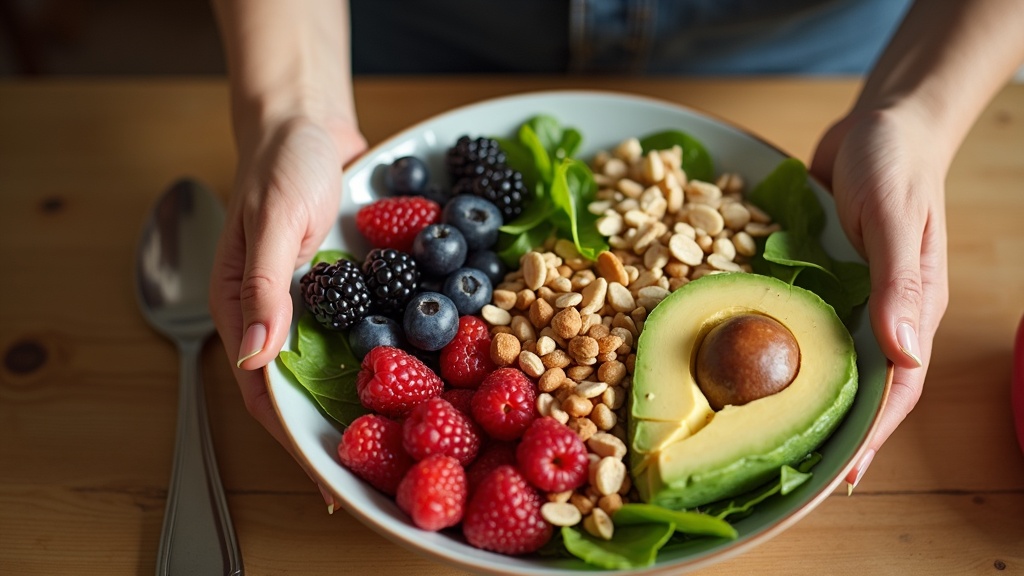
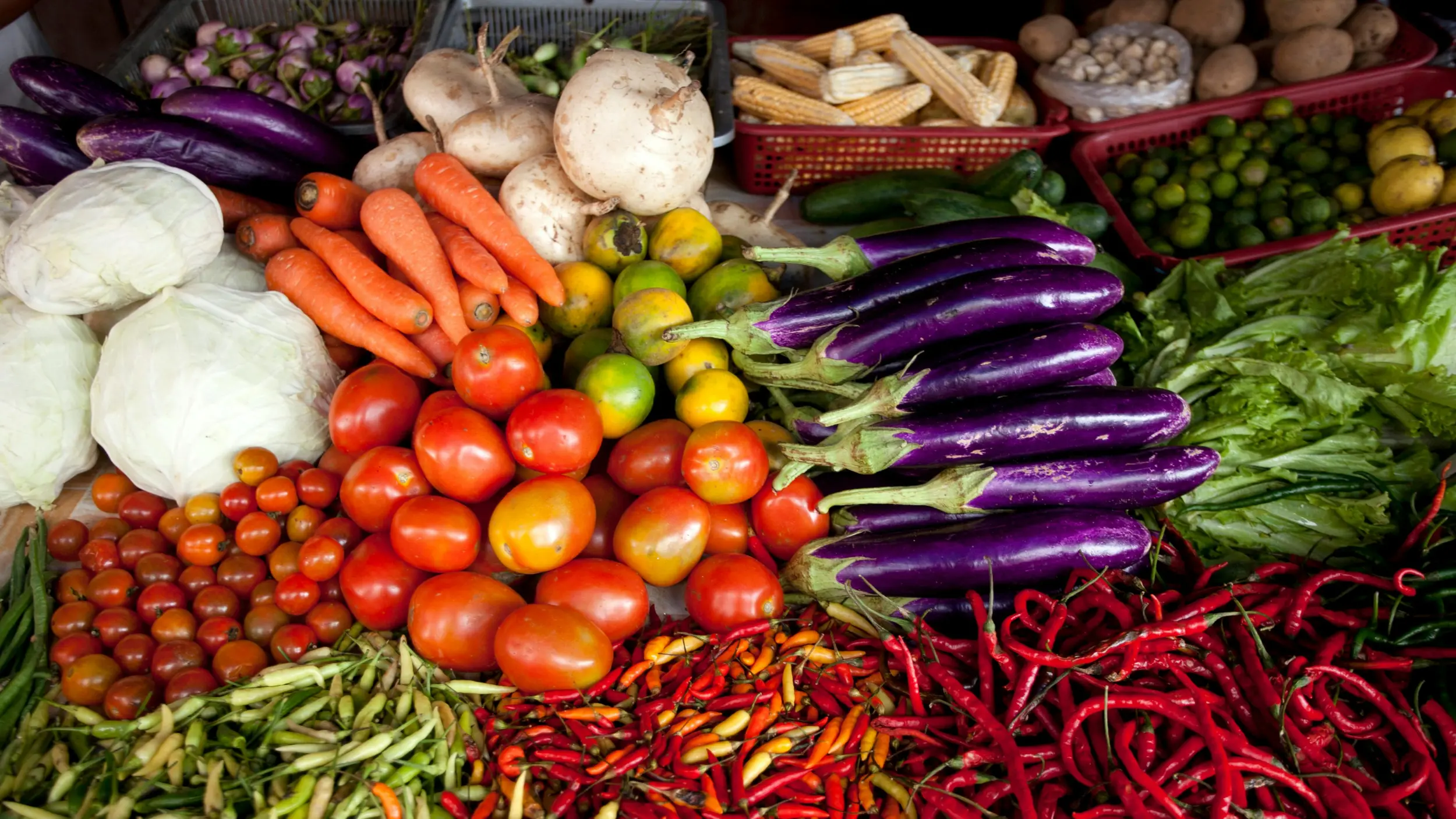
Action Step 1: Aim for 5-7 servings of colorful fruits and vegetables daily
This is your anti-inflammatory MVP. Fruits and vegetables are loaded with antioxidants—compounds that neutralize the free radicals driving inflammation [20].
Focus on variety and color:
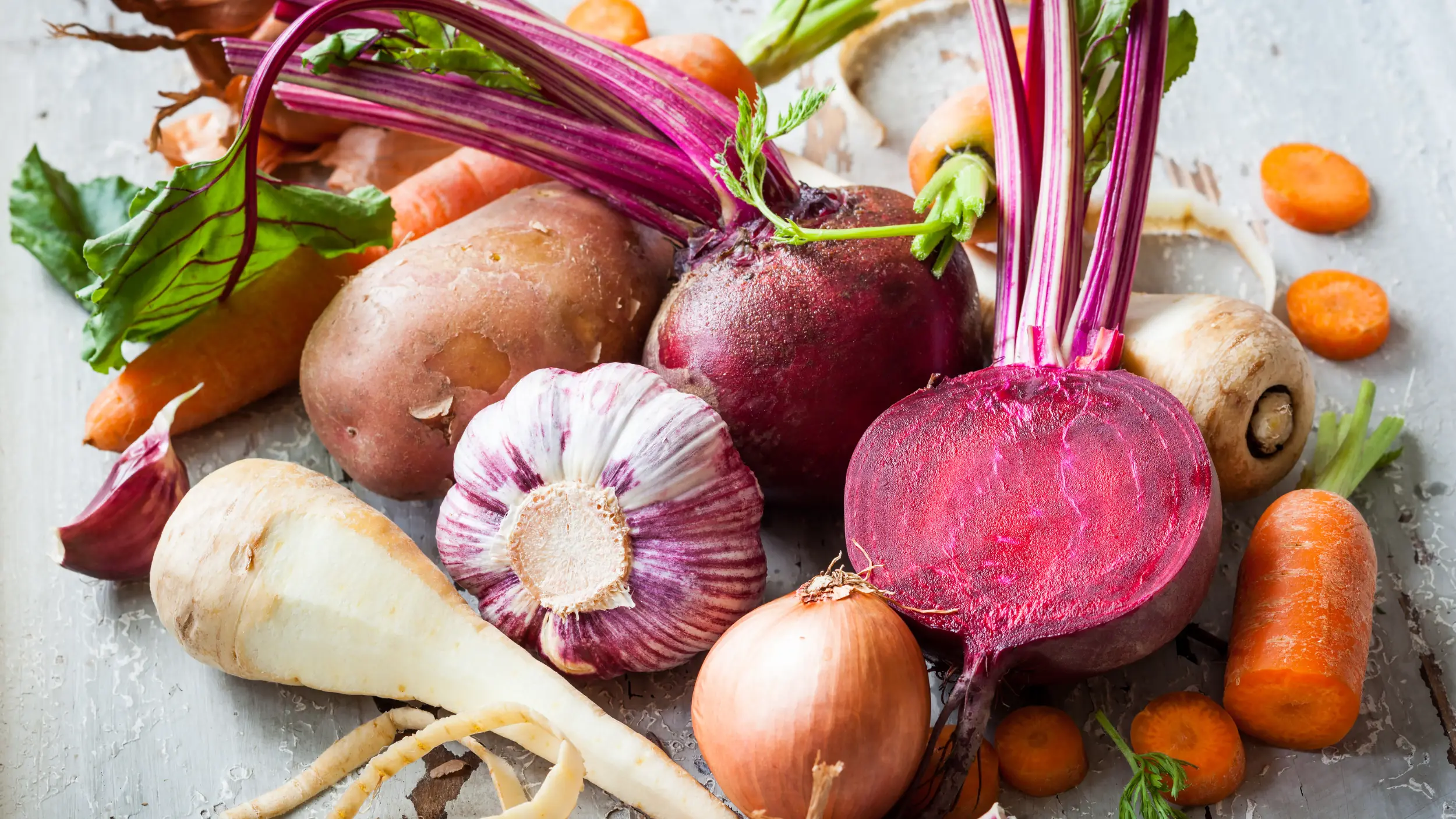
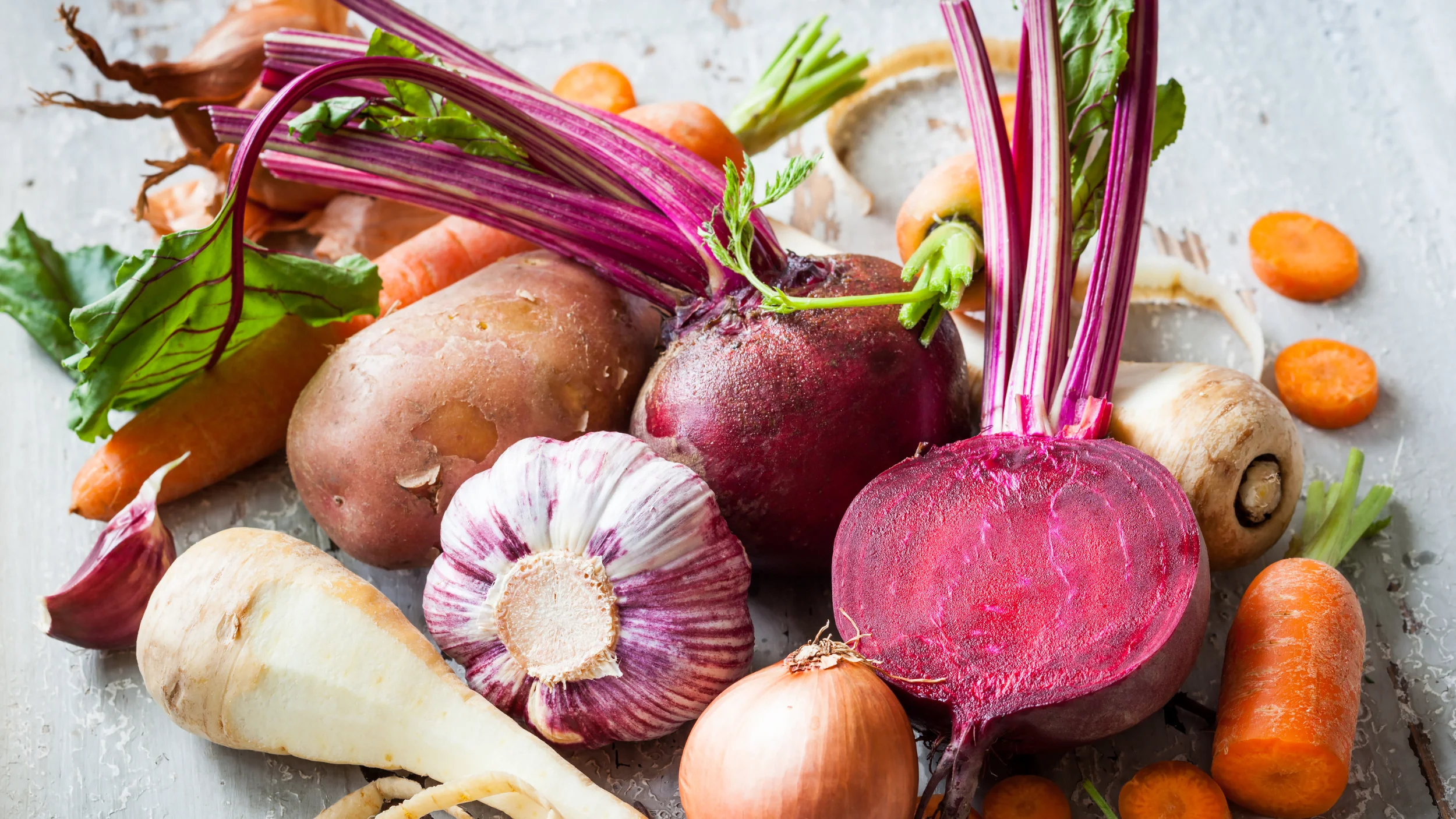
- Red/purple: Berries, cherries, red cabbage, beets (anthocyanins)
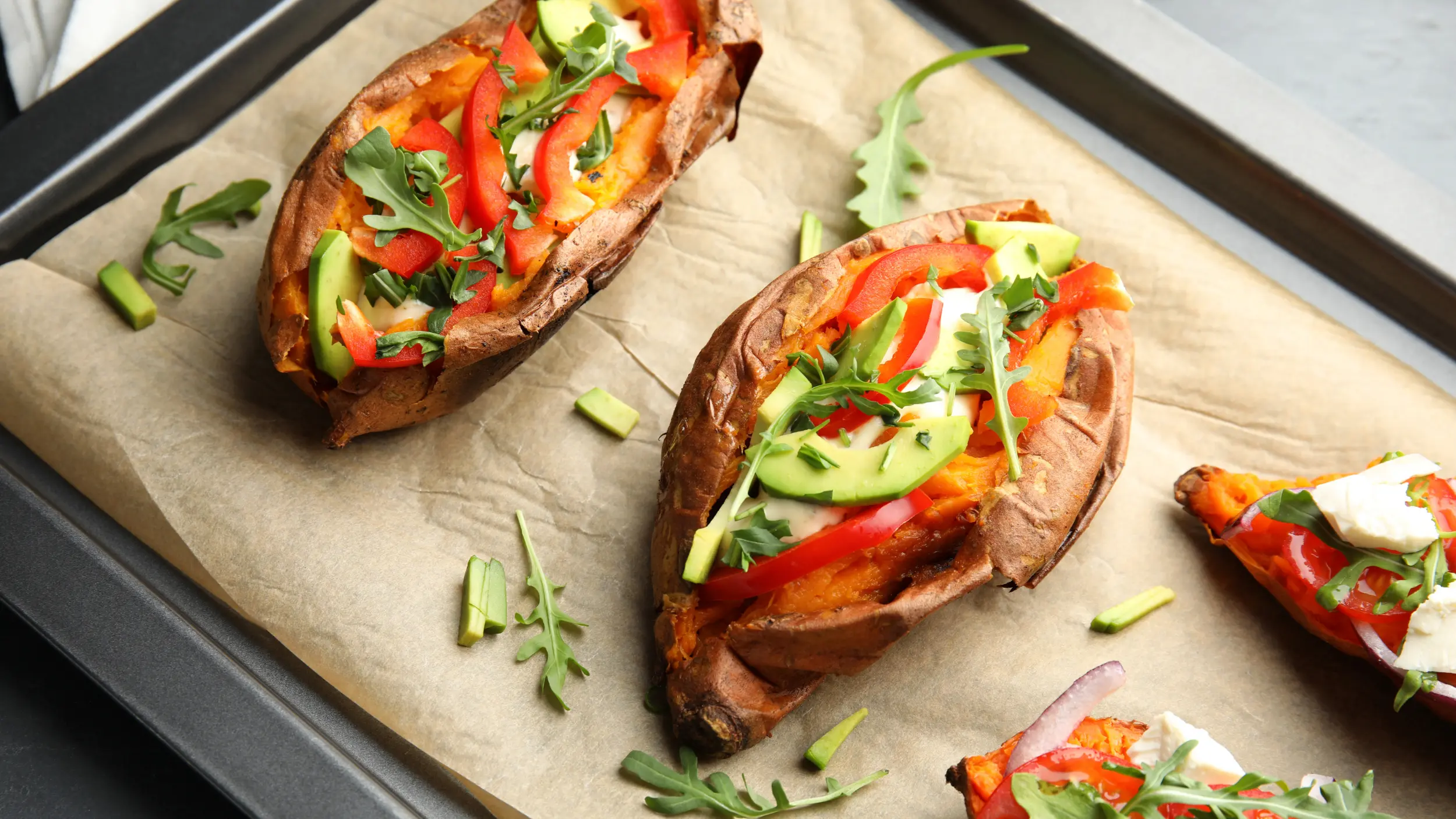
- Orange/yellow: Sweet potatoes, carrots, citrus, turmeric (carotenoids)
- Green: Leafy greens, broccoli, Brussels sprouts (sulforaphane, chlorophyll)
- White/tan: Garlic, onions, mushrooms (allicin, selenium)
A 2025 meta-analysis found that people consuming 7+ servings of fruits and vegetables daily had 31% lower levels of C-reactive protein (a key inflammation marker) compared to those eating fewer than 3 servings [21].
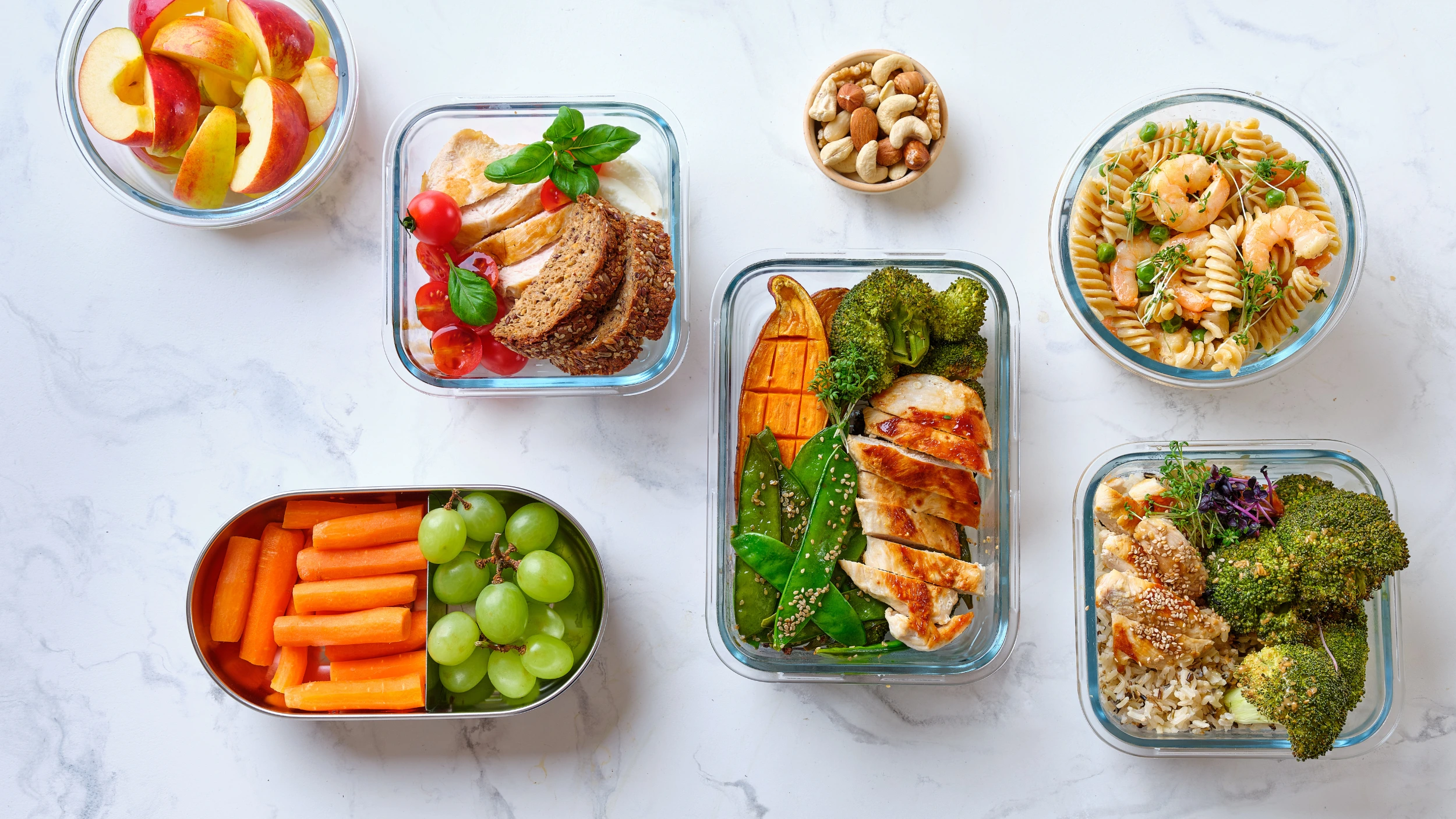
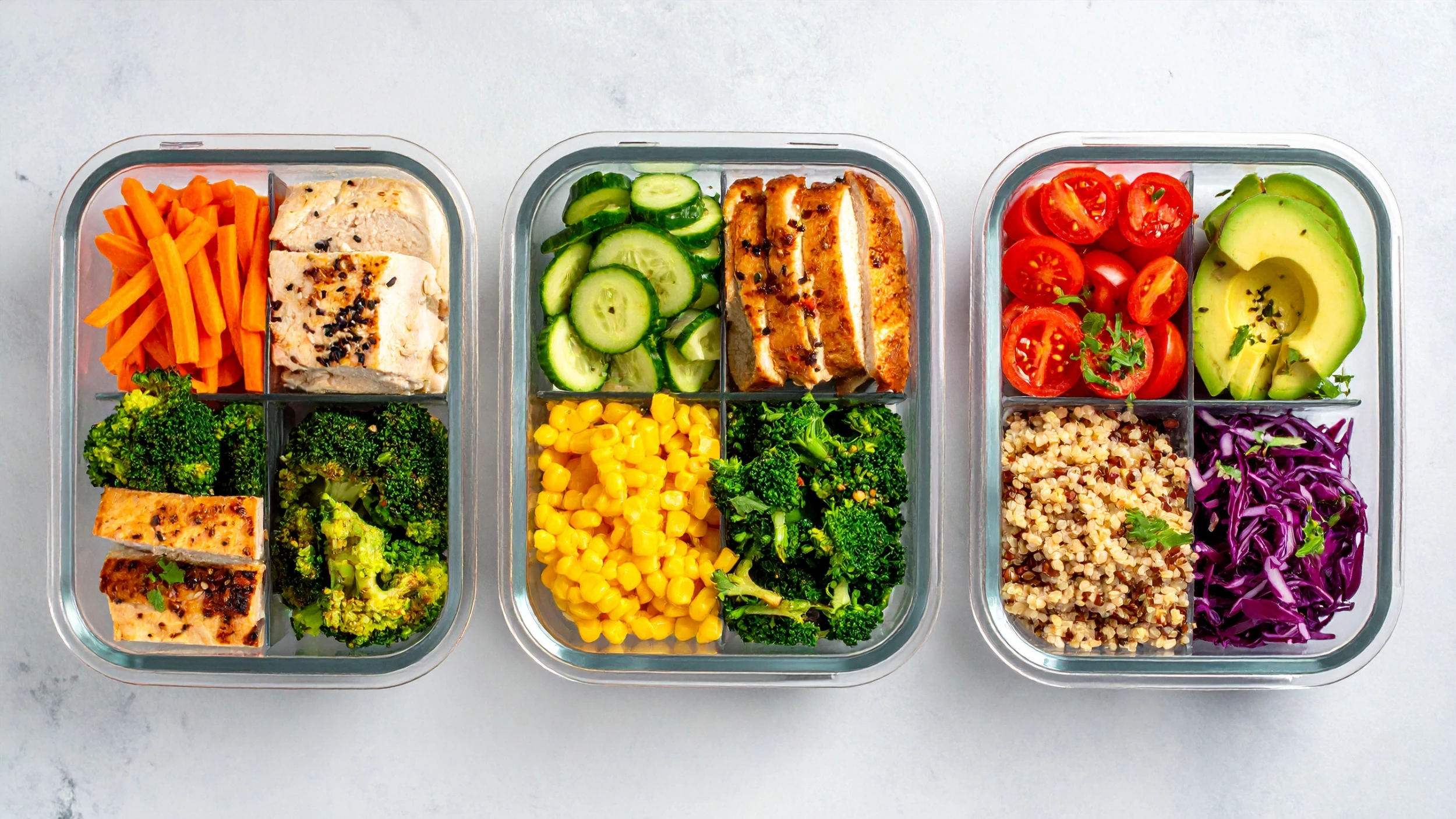
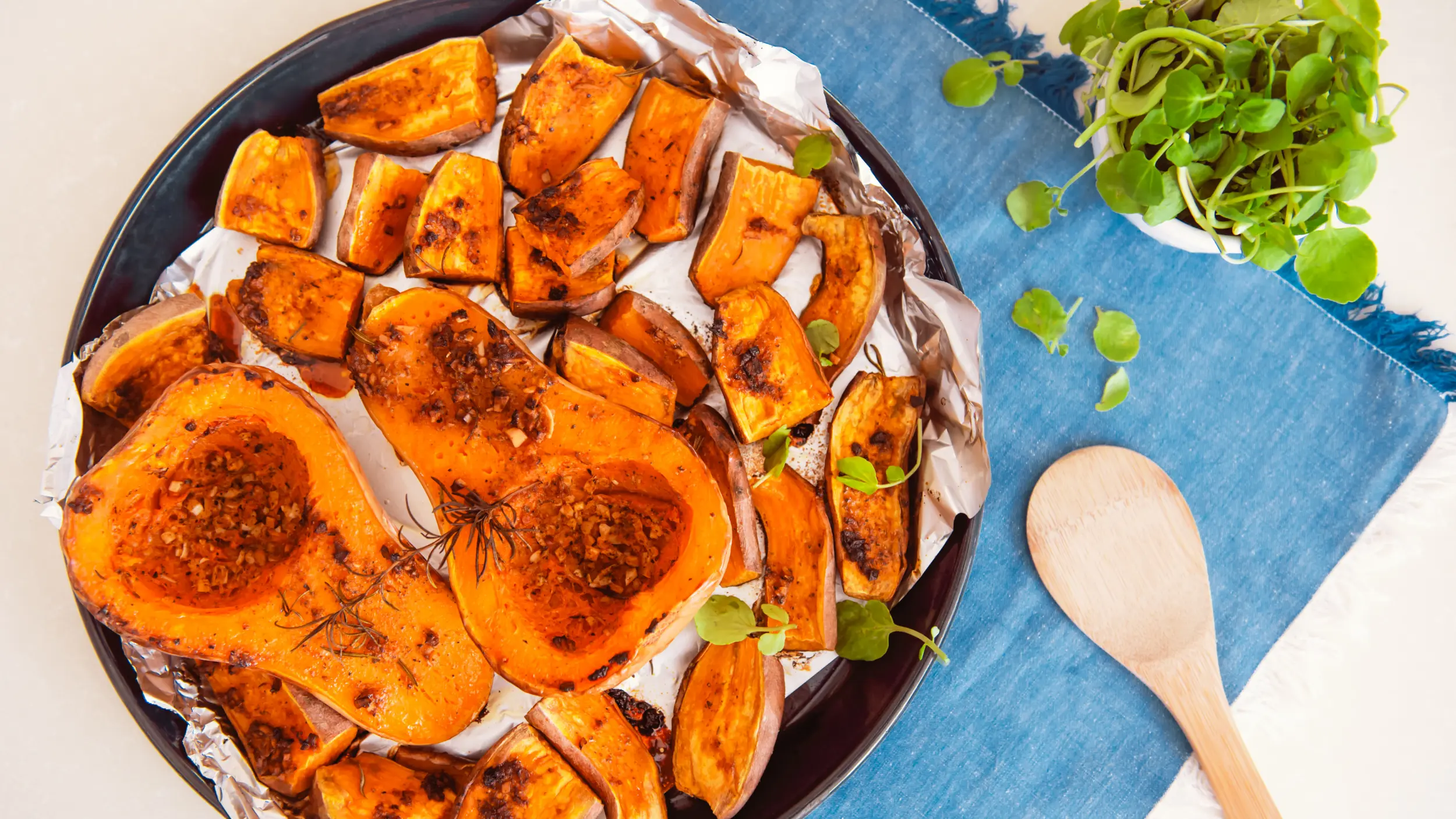
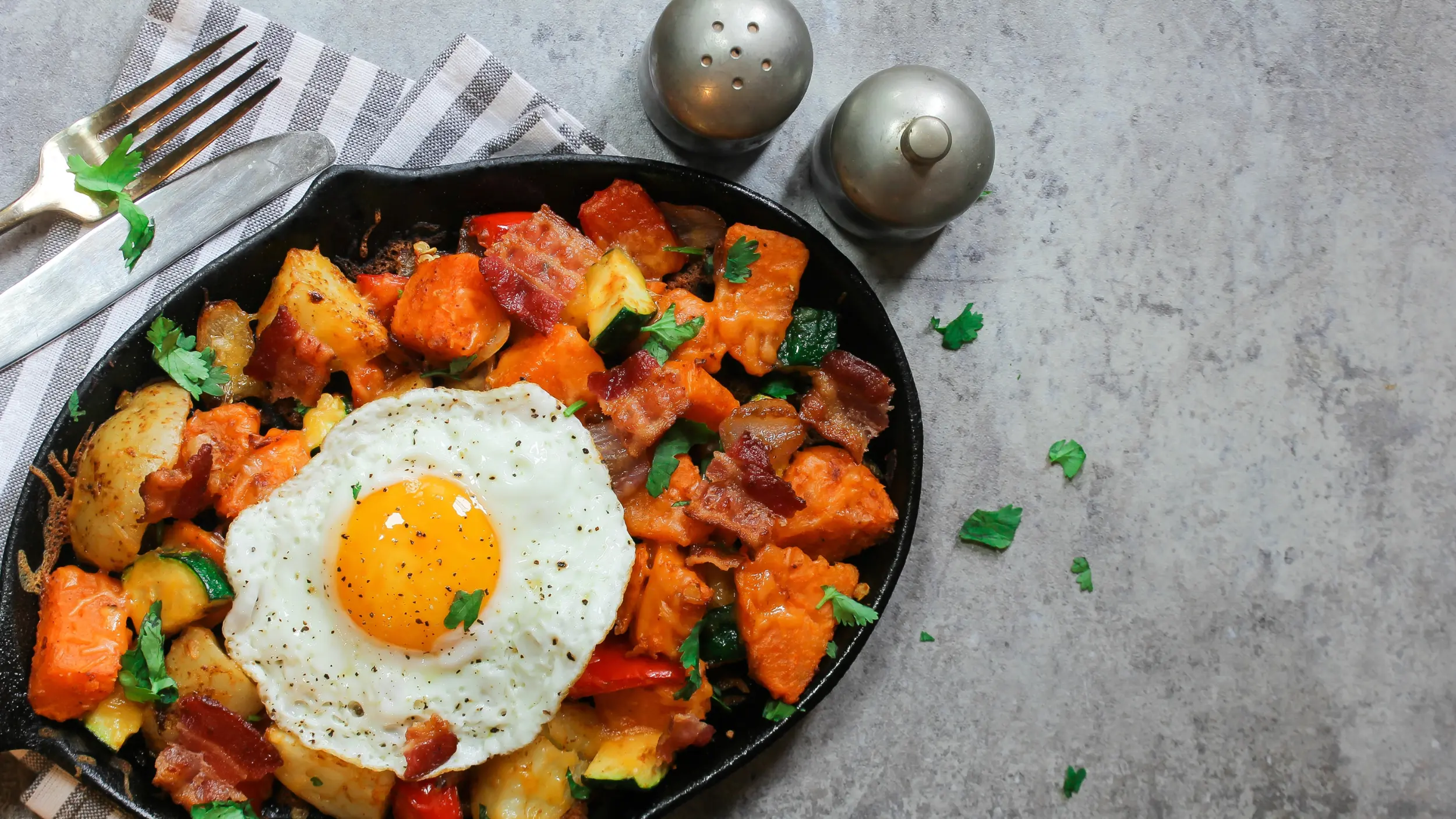
Practical tip: Prep a big batch of roasted vegetables on Sunday. Add them to eggs, salads, grain bowls, or eat them as snacks throughout the week.
Action Step 2: Incorporate 2-3 servings of fatty fish per week
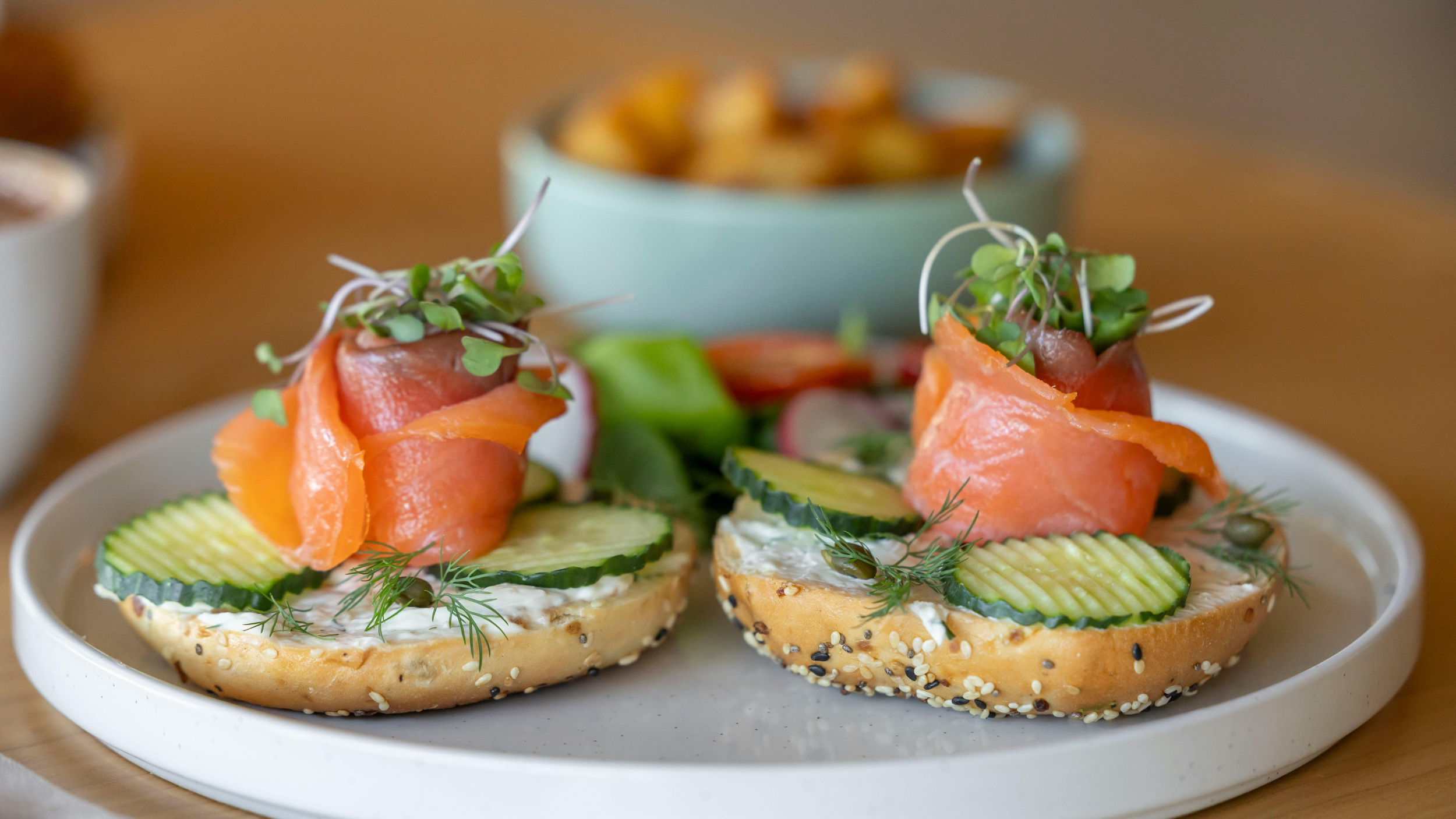
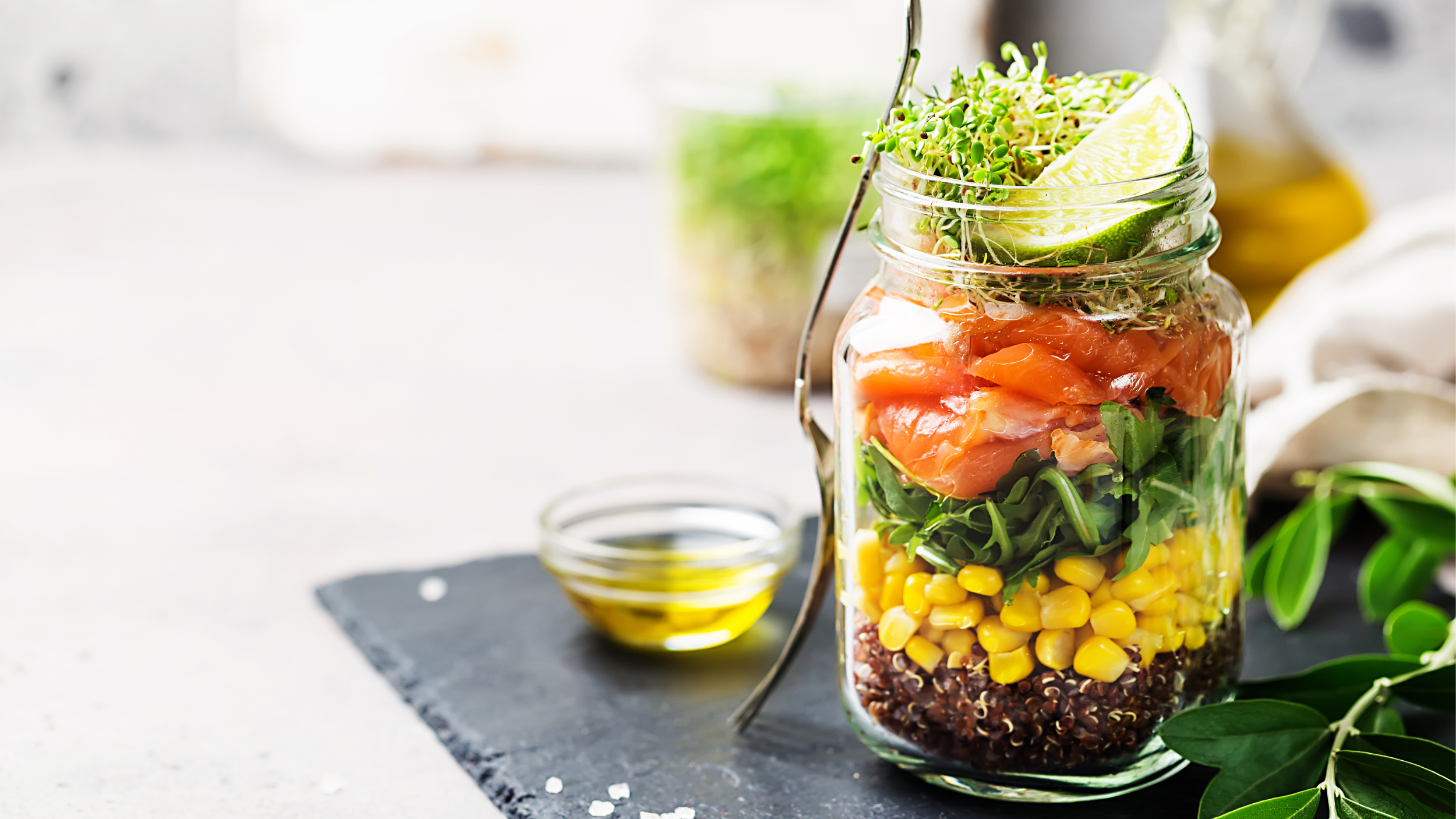
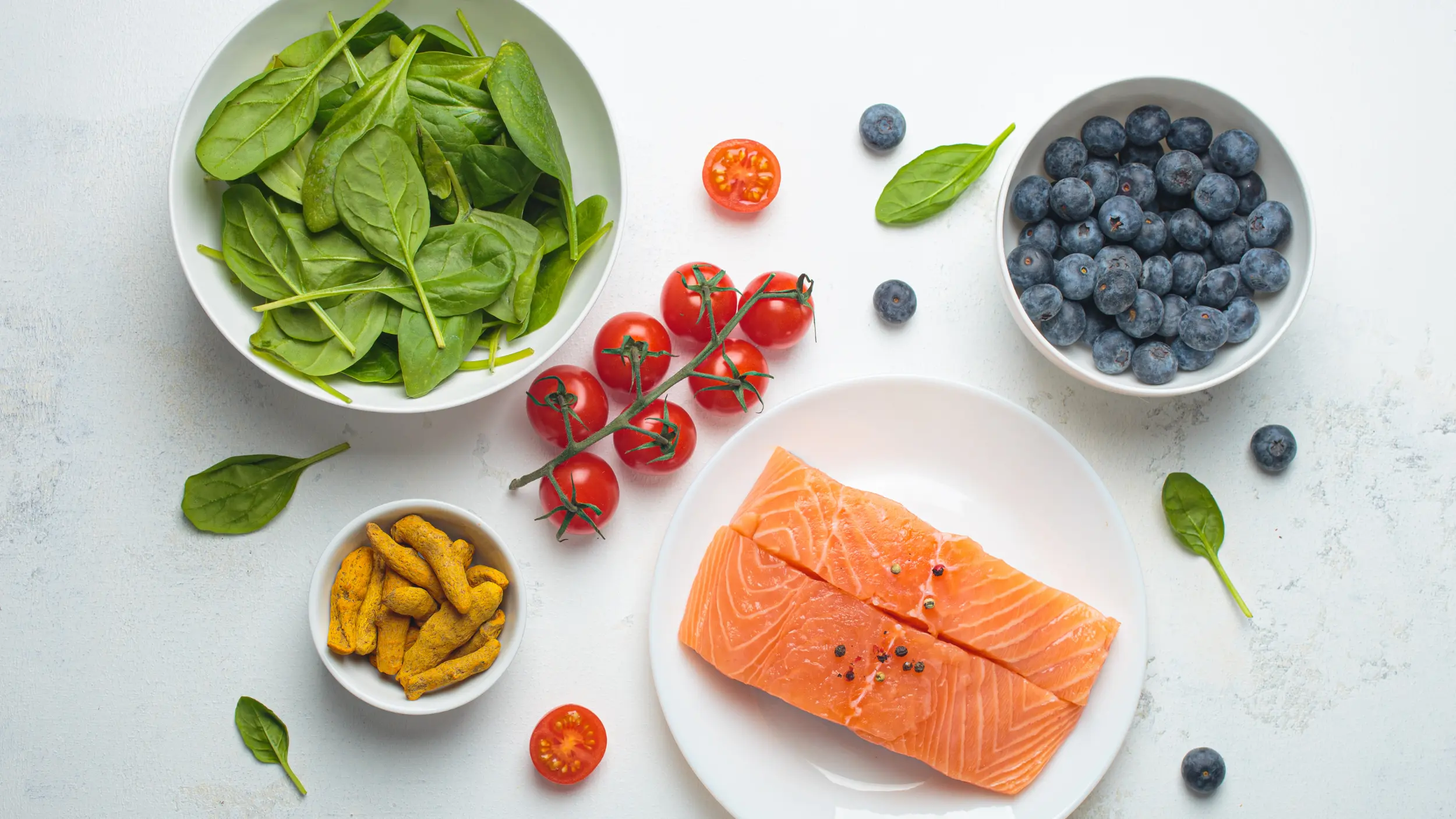
Fatty fish like salmon, mackerel, sardines, and anchovies are rich in omega-3 fatty acids—specifically EPA and DHA—which are among the most potent anti-inflammatory compounds available through diet [22].
Omega-3s work by
- Reducing the production of inflammatory molecules called cytokines
- Producing specialized compounds called resolvins that actively resolve inflammation
- Improving cell membrane function throughout your body
If you're plant-based, focus on algae-based omega-3 supplements, which provide EPA and DHA directly (unlike flaxseeds, which require conversion that many bodies don't do efficiently).
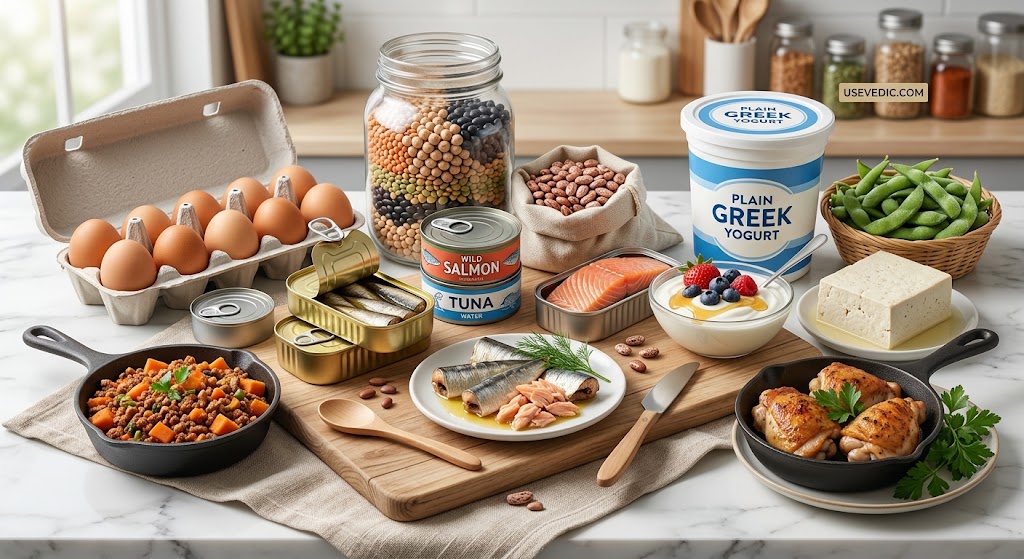
Practical tip: Keep canned wild salmon or sardines in your pantry for easy lunches. Mix with avocado, lemon, and herbs for a quick anti-inflammatory meal.
Action Step 3: Choose healthy fats from avocados, nuts, seeds, and olive oil
Not all fats are created equal. While trans fats and excessive omega-6 fatty acids promote inflammation, certain fats actively fight it [24].
Your anti-inflammatory fat sources:
- Extra virgin olive oil: Rich in oleocanthal, which works similarly to ibuprofen
- Avocados: Packed with monounsaturated fats and vitamin E
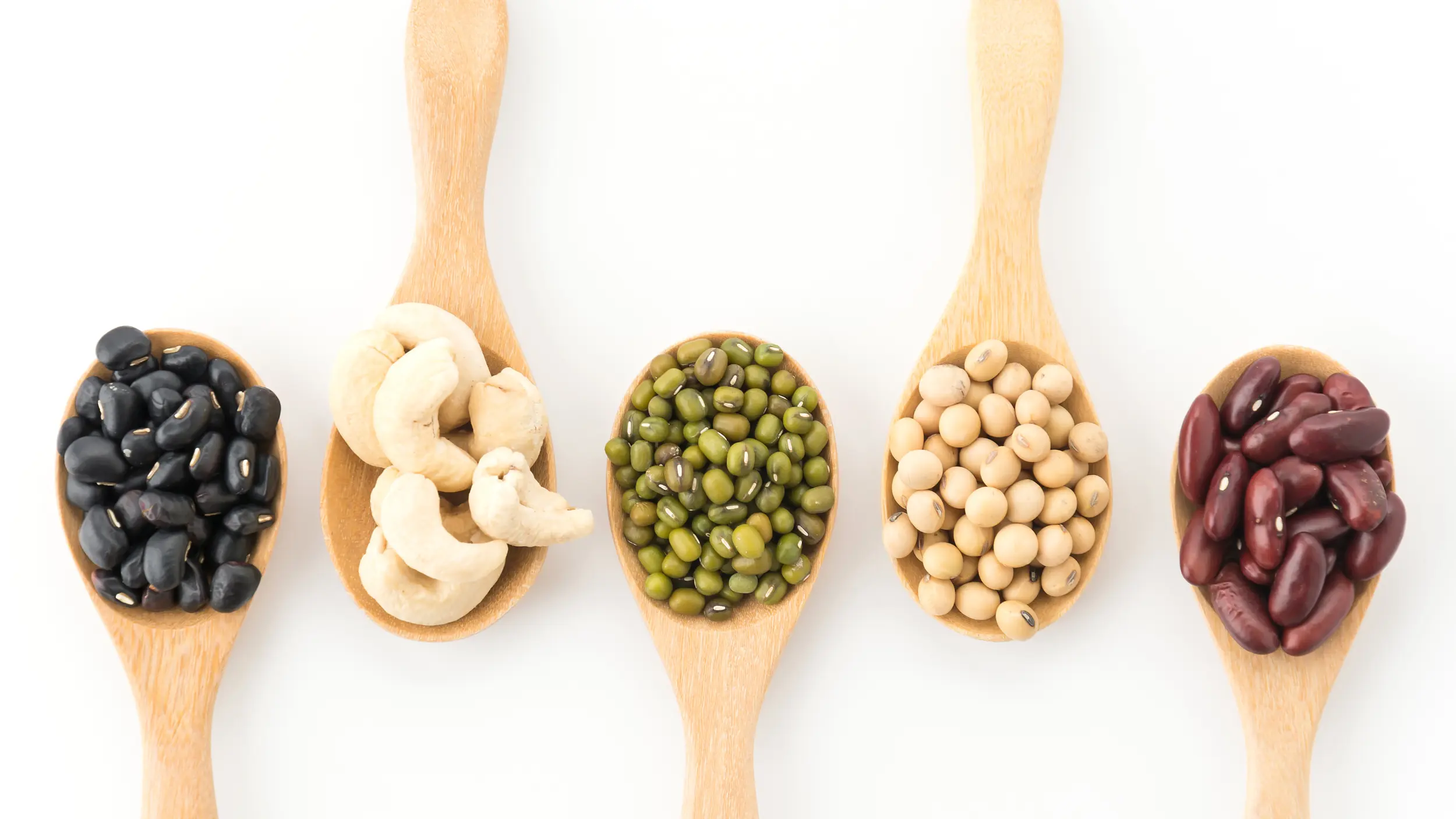
- Walnuts: Excellent source of plant-based omega-3s (ALA)
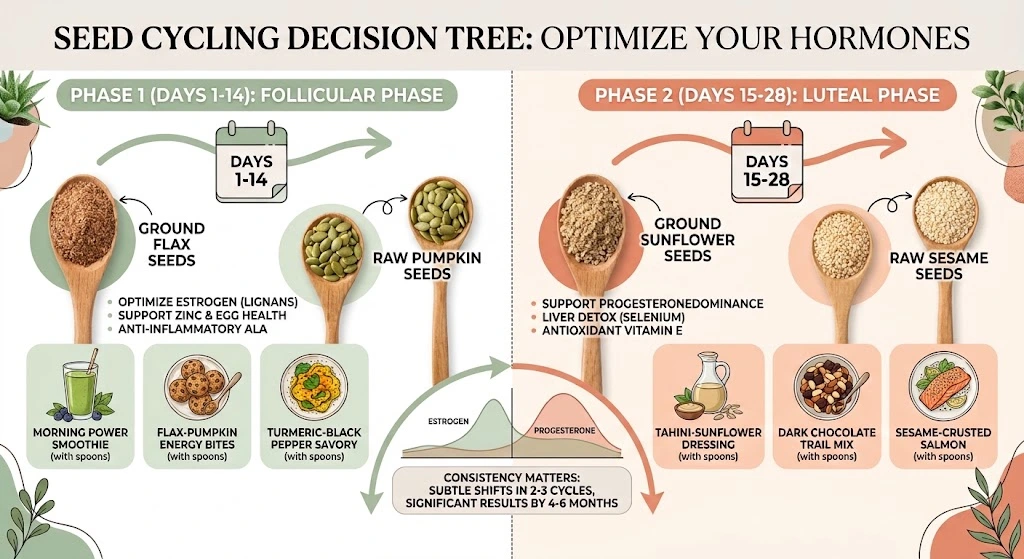
- Chia and flax seeds: High in fiber and omega-3s
- Almonds and pistachios: Contain vitamin E and beneficial polyphenols
Aim for 2-3 tablespoons of extra virgin olive oil daily, and a palm-sized portion of nuts or seeds.
Practical tip: Drizzle EVOO on foods after cooking to preserve its beneficial compounds. Heat damages them.
Action Step 4: Limit refined sugars and processed foods
This is where most people see the biggest impact. Refined sugars and highly processed foods trigger rapid spikes in blood sugar and insulin, which directly activate inflammatory pathways [26].
Foods that fuel inflammation:
- Sugary drinks and fruit juices
- White bread, pastries, and most baked goods
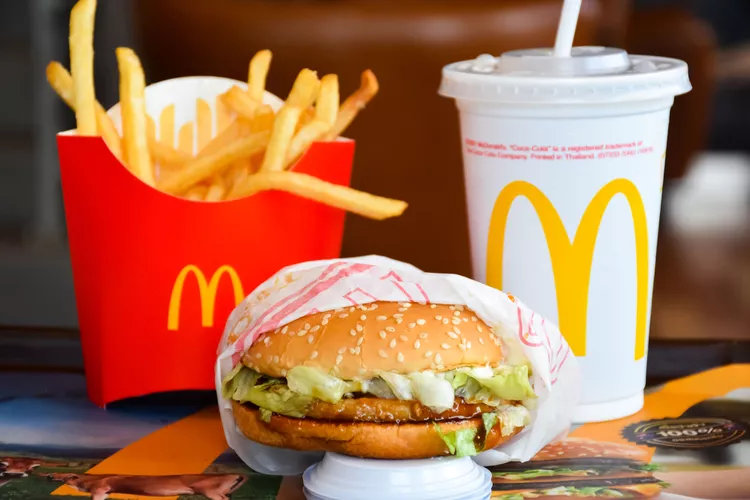
- Fried foods and fast food
- Processed meats (hot dogs, deli meat, bacon)
- Many packaged snacks and convenience foods
A 2024 study in JAMA Internal Medicine found that women who consumed more than 20% of their daily calories from ultra-processed foods had inflammatory markers 47% higher than those who kept it under 10% [27].
Practical tip: Don't aim for perfection. Start by replacing one processed item per week with a whole food alternative. Swap soda for sparkling water with fruit, or chips for roasted chickpeas.
Action Step 5: Consider incorporating anti-inflammatory spices
Spices aren't just flavor—they're concentrated sources of anti-inflammatory compounds.
Turmeric: Contains curcumin, one of the most researched anti-inflammatory compounds [28]. Always pair with black pepper (piperine increases absorption by 2000%) and fat.
Ginger: Reduces inflammatory markers and has been shown to decrease muscle pain and soreness [29].
Cinnamon: Helps regulate blood sugar and reduces inflammatory responses [30].
Garlic: Contains sulfur compounds that modulate inflammatory pathways [31].
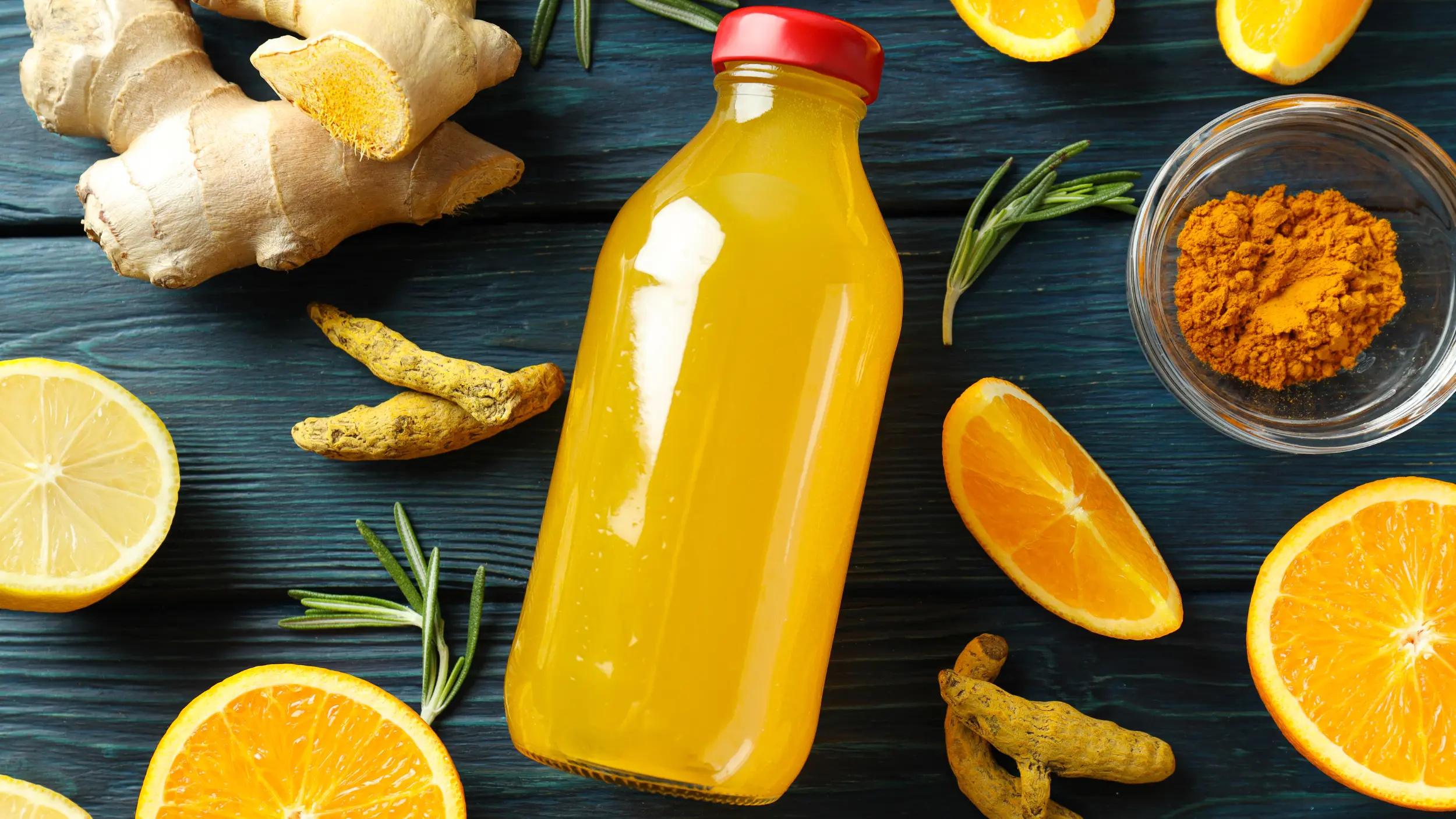
Practical tip: Make a daily anti-inflammatory tea with fresh grated ginger, turmeric, lemon, and a pinch of black pepper. Or create a big batch of golden milk to sip throughout the week.
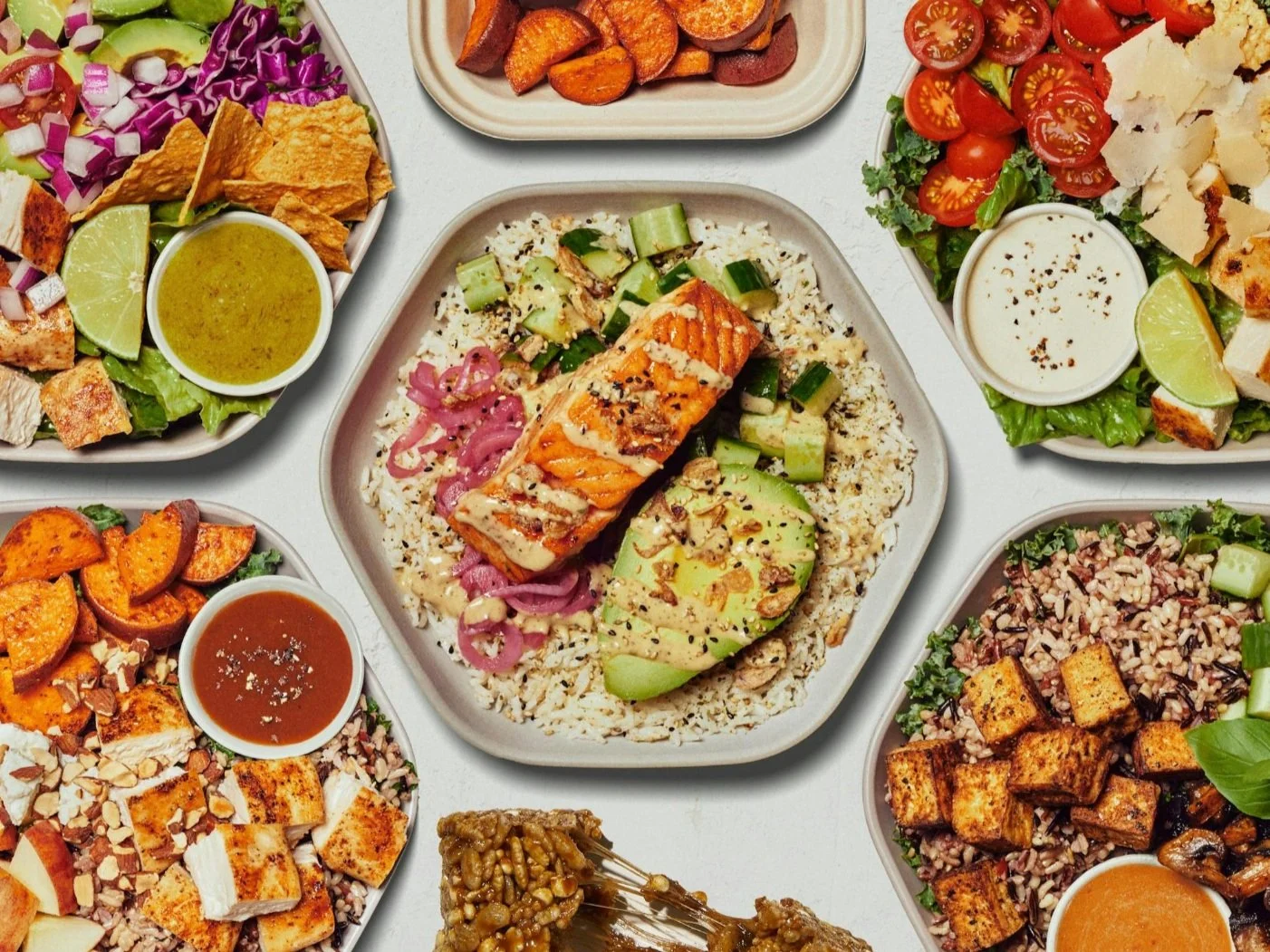
Sample Day of Anti-Inflammatory Eating
Let me show you what this looks like in real life:
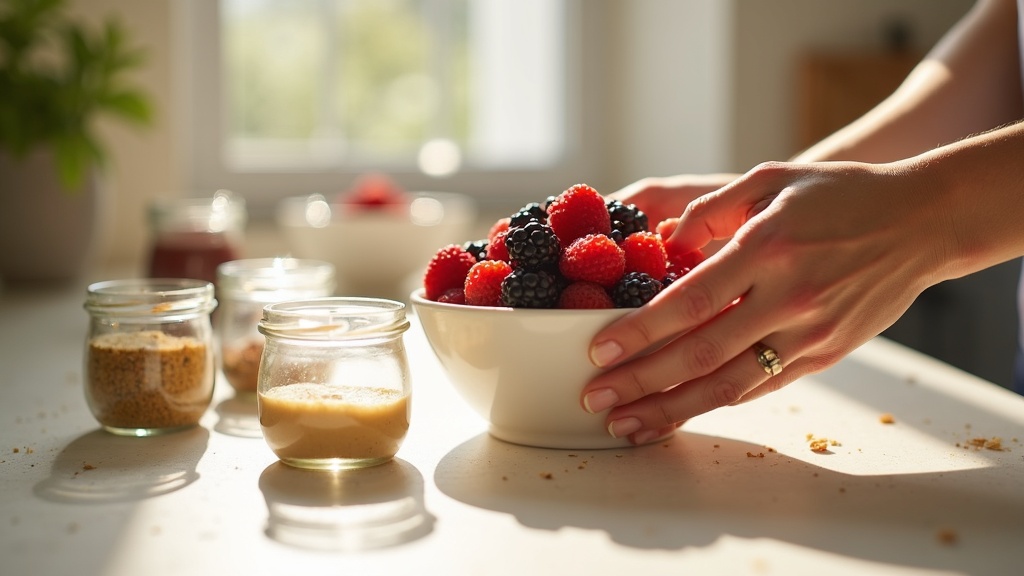
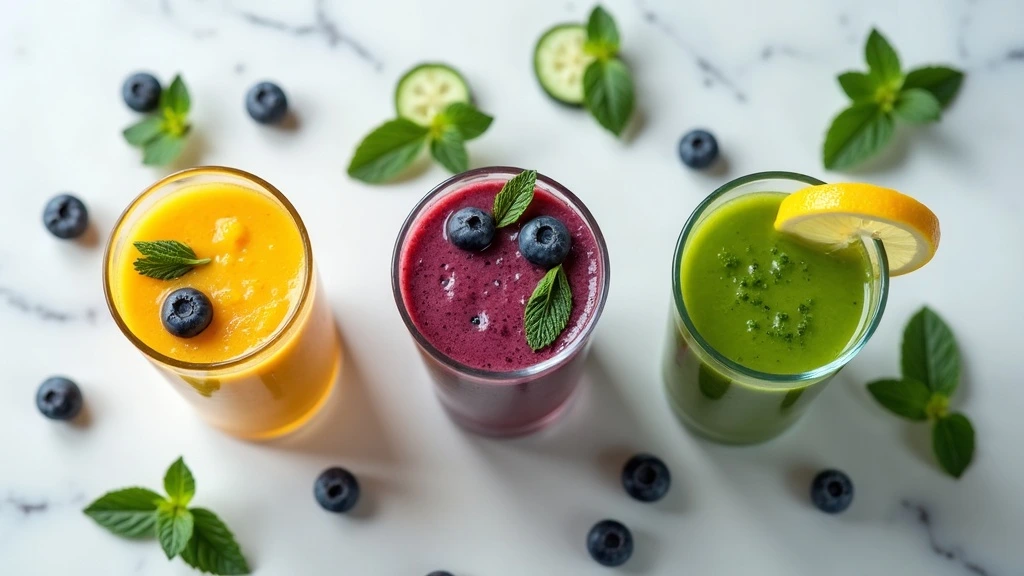
Breakfast: Smoothie with spinach, frozen berries, ground flaxseed, ginger, and unsweetened almond milk
Snack: Apple slices with almond butter and a sprinkle of cinnamon
Lunch: Large salad with mixed greens, cherry tomatoes, cucumber, chickpeas, avocado, walnuts, and olive oil-lemon dressing
Snack: Carrot sticks with hummus
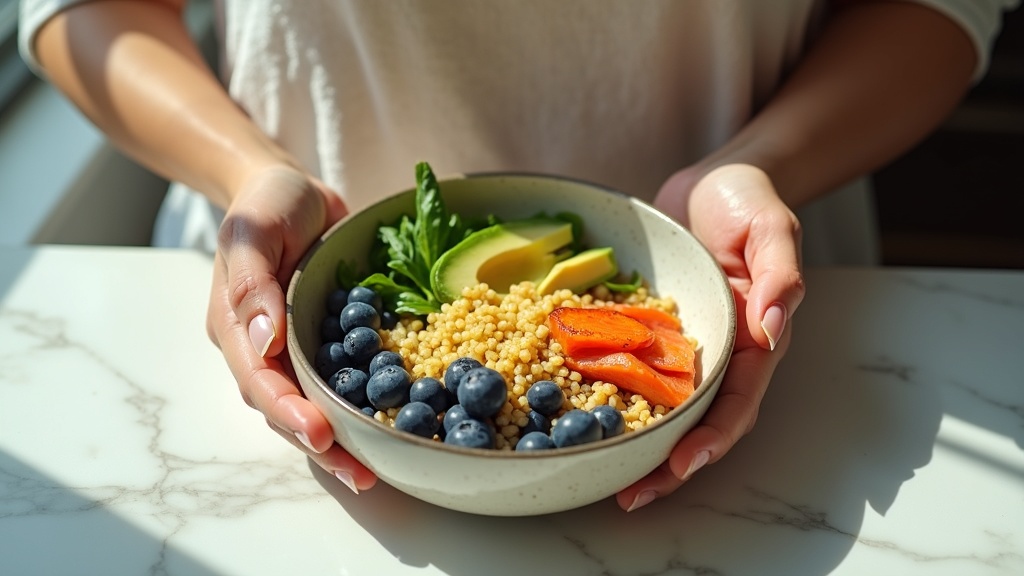
Dinner: Baked salmon with turmeric-roasted cauliflower and quinoa, side of sautéed garlic spinach
Evening: Ginger-turmeric tea
Notice: lots of color, healthy fats at every meal, omega-3s, and anti-inflammatory spices throughout.
Embracing an anti-inflammatory lifestyle isn't about perfection or deprivation—it's about making consistent, informed choices that support your body's natural healing processes. The women I work with who see the most dramatic results are those who approach this as a sustainable lifestyle shift, not a temporary diet.
Start with one or two action steps this week. Maybe it's adding an extra serving of vegetables to dinner, or swapping your afternoon cookie for a handful of walnuts and berries. Small changes compound over time.
Ready to personalize your plan and see real results? This general framework is powerful, but your body is unique. Your stress levels, sleep patterns, gut health, food sensitivities, and health history all influence your specific needs. Book a consultation with me today to create a roadmap tailored to your unique situation. Together, we'll identify your specific inflammatory triggers and build a sustainable plan that fits your real life.
Frequently Asked Questions
How quickly can I expect to see results?
Many people report feeling better within 2-4 weeks of implementing anti-inflammatory eating—more energy, less bloating, improved sleep, and reduced joint pain are often the first changes noticed. However, the deep cellular benefits and long-term disease prevention effects accumulate over months and years. Think of this as both immediate symptom relief and long-term health insurance.
Are there specific foods I MUST avoid?
While I prefer to focus on adding beneficial foods rather than creating a restrictive "never eat" list, significantly reducing these items makes a measurable difference: ultra-processed foods, added sugars, refined carbohydrates, trans fats, and excessive alcohol. That said, if you have specific sensitivities (like gluten with celiac disease, or dairy with lactose intolerance), those should be avoided as they trigger inflammation specifically in your body.
Can I still enjoy my favorite foods?
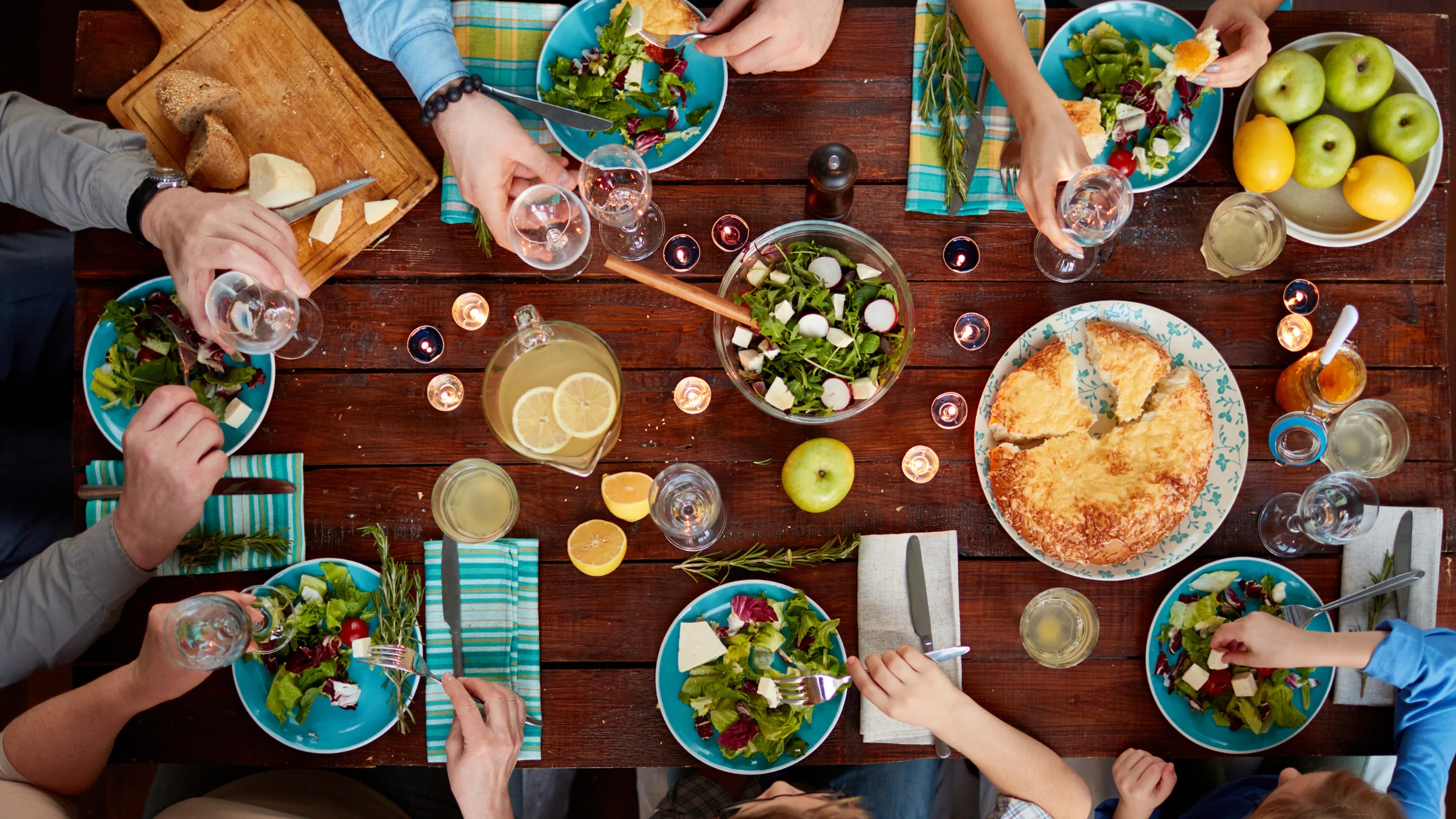
Absolutely, yes. Balance is key. The goal is to make anti-inflammatory foods your primary choice—about 80-90% of what you eat—not complete restriction. Having pizza with friends on Friday night isn't going to undo all your progress. It's the daily patterns that matter most. I want you to have a healthy relationship with food, not live in fear of it.
Do I need to take supplements?
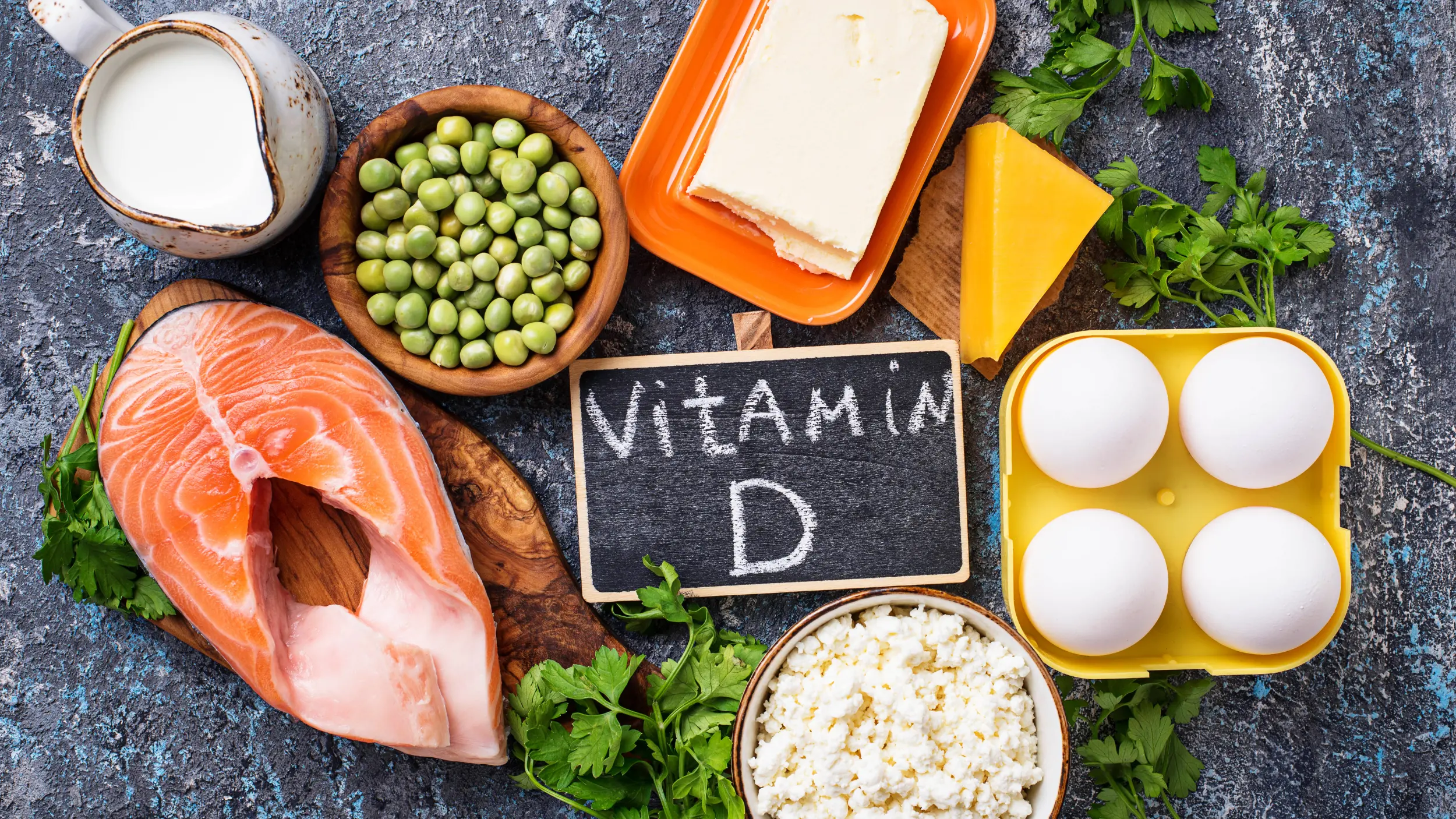
Food first, always. However, certain supplements can support an anti-inflammatory lifestyle, especially if you have dietary restrictions or specific deficiencies. Omega-3s (if you don't eat fish), vitamin D (if you have low sun exposure), and curcumin (turmeric extract) are the ones with the strongest evidence. Always consult with your healthcare provider before starting supplements, as they can interact with medications.
What if I have an existing autoimmune condition?
Anti-inflammatory eating is especially important for autoimmune conditions, but you may need a more personalized approach. Many of my clients with autoimmune issues benefit from additional modifications like identifying and eliminating specific trigger foods through an elimination protocol. This is definitely an area where working with a specialized dietitian makes a huge difference in your outcomes.
Is the anti-inflammatory diet the same as Mediterranean diet?
They overlap significantly! The Mediterranean diet is inherently anti-inflammatory, emphasizing olive oil, fish, vegetables, fruits, nuts, legumes, and whole grains. It's one of the most well-researched eating patterns for reducing inflammation and preventing chronic disease [37]. If "anti-inflammatory eating" feels overwhelming, starting with a Mediterranean approach is an excellent, evidence-based strategy.
References
[1] - https://www.nature.com/articles/s41577-019-0090-y
[2] - https://www.ncbi.nlm.nih.gov/pmc/articles/PMC6266123/
[3] - https://www.health.harvard.edu/staying-healthy/understanding-inflammation
[4] - https://www.cell.com/cell/fulltext/S0092-8674(19)30015-5
[5] - https://www.ahajournals.org/doi/10.1161/CIRCRESAHA.121.319305
[6] - https://www.nature.com/articles/s41574-021-00465-6
[7] - https://www.ncbi.nlm.nih.gov/pmc/articles/PMC6340449/
[8] - https://www.nature.com/articles/s41568-021-00384-1
[9] - https://www.alzheimers.org.uk/about-dementia/risk-factors-and-prevention/inflammation
[10] - https://www.nature.com/nm/
[11] - https://www.ncbi.nlm.nih.gov/pmc/articles/PMC7146107/
[12] - https://www.sciencedirect.com/science/article/abs/pii/S0889159119307639
[13] - https://www.ncbi.nlm.nih.gov/pmc/articles/PMC5346124/
[14] - https://www.niehs.nih.gov/health/topics/conditions/inflammation
[15] - https://www.usevedic.com/article/optimize-gut-health-microbiome-guide
[16] - https://www.ncbi.nlm.nih.gov/pmc/articles/PMC6926798/
[17] - https://www.mdpi.com/2072-6643/13/2/562
[18] - https://www.ncbi.nlm.nih.gov/pmc/articles/PMC6356561/
[19] - https://www.ncbi.nlm.nih.gov/pmc/articles/PMC5476783/
[20] - https://www.ncbi.nlm.nih.gov/pmc/articles/PMC5927356/
[21] - https://academic.oup.com/ajcn/
[22] - https://www.ncbi.nlm.nih.gov/pmc/articles/PMC7037798/
[23] - https://www.nature.com/articles/nature13479
[24] - https://www.ncbi.nlm.nih.gov/pmc/articles/PMC6834330/
[25] - https://www.nature.com/articles/437045a
[26] - https://www.ncbi.nlm.nih.gov/pmc/articles/PMC6124841/
[27] - https://jamanetwork.com/journals/jamainternalmedicine
[28] - https://www.ncbi.nlm.nih.gov/pmc/articles/PMC5664031/
[29] - https://www.ncbi.nlm.nih.gov/pmc/articles/PMC3665023/
[30] - https://www.ncbi.nlm.nih.gov/pmc/articles/PMC4003790/
[31] - https://www.ncbi.nlm.nih.gov/pmc/articles/PMC6343764/
[32] - https://www.ncbi.nlm.nih.gov/pmc/articles/PMC6689741/
[33] - https://www.ncbi.nlm.nih.gov/pmc/articles/PMC5610908/
[34] - https://www.ncbi.nlm.nih.gov/pmc/articles/PMC6027107/
[35] - https://www.ncbi.nlm.nih.gov/pmc/articles/PMC4590619/
[36] - https://www.ncbi.nlm.nih.gov/pmc/articles/PMC4046764/
[37] - https://www.ncbi.nlm.nih.gov/pmc/articles/PMC6523053/
.svg)
.svg)


.jpg)
.jpg)







.webp)


























.webp)
.webp)
.webp)
.webp)
.webp)
.webp)
.webp)
.png)
.webp)
.webp)
.webp)
.png)
.webp)
.webp)
.webp)
.webp)
.webp)
.webp)
.webp)
.webp)
.webp)


.webp)
.png)