.webp)
.webp)
%2B(7).webp)
.png)
At a Glance
Chronic inflammation doesn't have to rule your life—your food choices hold incredible healing power. This guide walks you through evidence-based anti-inflammatory eating strategies, from inflammation-fighting superfoods to the sneaky culprits you'll want to minimize. You'll leave with a practical inflammation diet plan that fits your real life and helps you feel genuinely better.
Introduction
Hey there! If you're waking up stiff, battling brain fog, or noticing your energy tank is perpetually empty, chronic inflammation might be the uninvited guest wreaking havoc in your body. I see this all the time in my practice with women in their prime years, and honestly? It's frustrating because it affects everything from your mood to your metabolism.
But here's the empowering truth: your plate is one of the most powerful tools you have to manage inflammation. I'm not talking about restrictive eating or bland meals—I'm talking about delicious, nourishing foods that actively help your body heal. As your dietitian bestie, I'm walking you through exactly how to build a chronic inflammation diet that actually works for your busy, beautiful life in 2026.
Let's do this together.
Understanding Inflammation and Your Plate
Okay, so what exactly is chronic inflammation, and why should you care about it? Think of acute inflammation as your body's helpful first responder—it rushes to the scene when you cut your finger or catch a cold, does its healing work, then leaves. Chronic inflammation, though? That's when your immune system stays activated for months or even years, releasing inflammatory molecules called cytokines that damage healthy tissues [1].
This persistent inflammatory state has been linked to conditions you definitely want to avoid: cardiovascular disease, type 2 diabetes, autoimmune disorders, and even certain cancers [2]. For women in particular, chronic inflammation can mess with your hormonal balance, contribute to PCOS symptoms, and accelerate aging at the cellular level [3].
Here's where your diet comes in: certain foods contain compounds that either promote or suppress inflammatory pathways in your body. Research shows that dietary patterns rich in processed foods, refined carbohydrates, and unhealthy fats significantly increase inflammatory markers like C-reactive protein (CRP) and interleukin-6 (IL-6) [4]. Meanwhile, anti-inflammatory diet foods packed with polyphenols, omega-3 fatty acids, and fiber can dramatically reduce these same markers [5].
Your body is constantly rebuilding itself using the raw materials you give it. Feed it inflammation-fighting nutrients, and you're literally constructing a healthier, more resilient you from the cellular level up. If you're also dealing with hormone concerns, you might want to explore how hormone balance and diet work together for optimal wellness.
Foods That Fight for You: Building Your Anti-Inflammatory Plate
Let's get to the good stuff—the foods that fight inflammation and make you feel incredible. I want you to think of these as your body's personal defense team, each bringing unique anti-inflammatory superpowers to the table.
Fatty Fish: Your Omega-3 Powerhouses
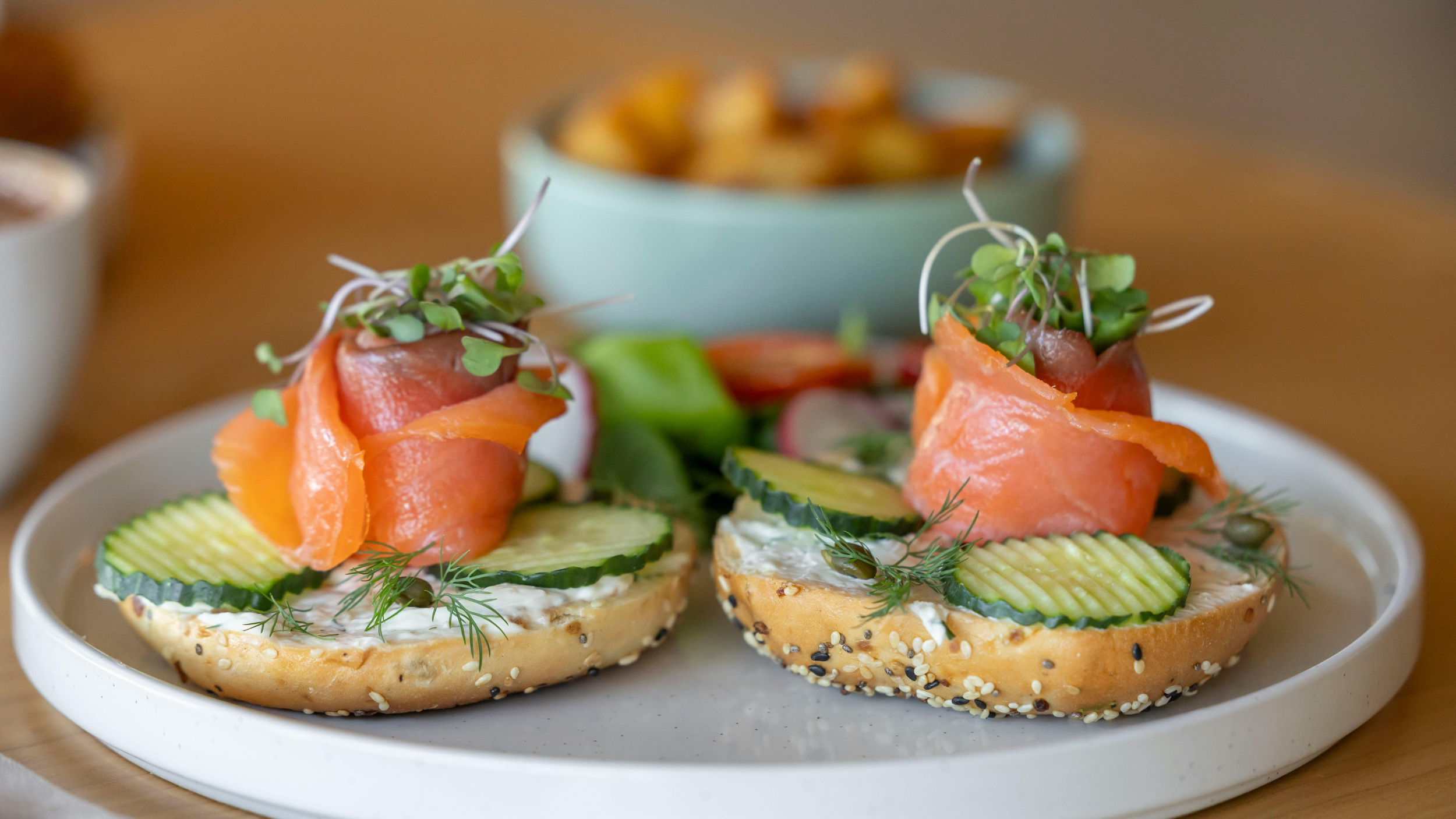
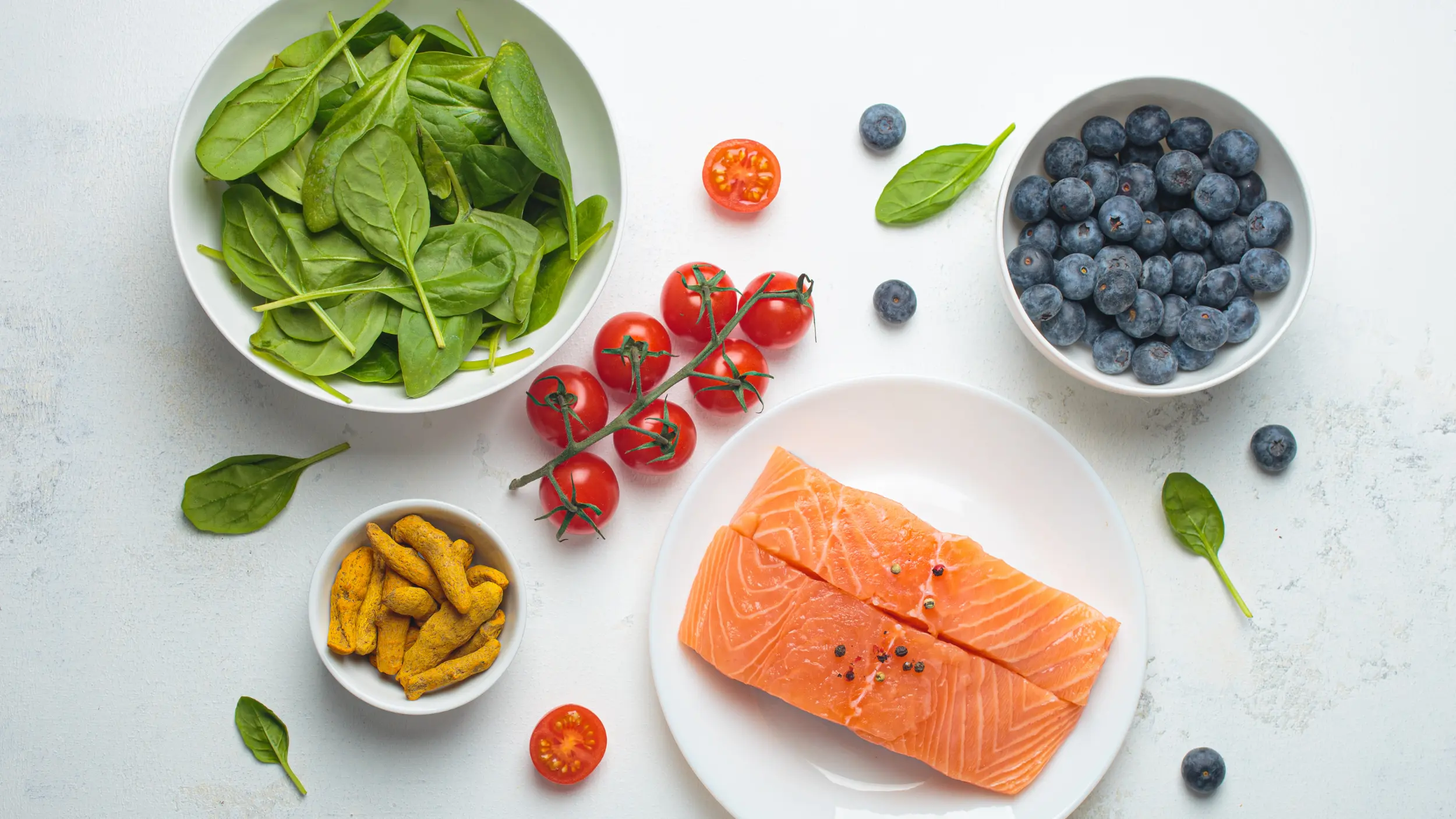
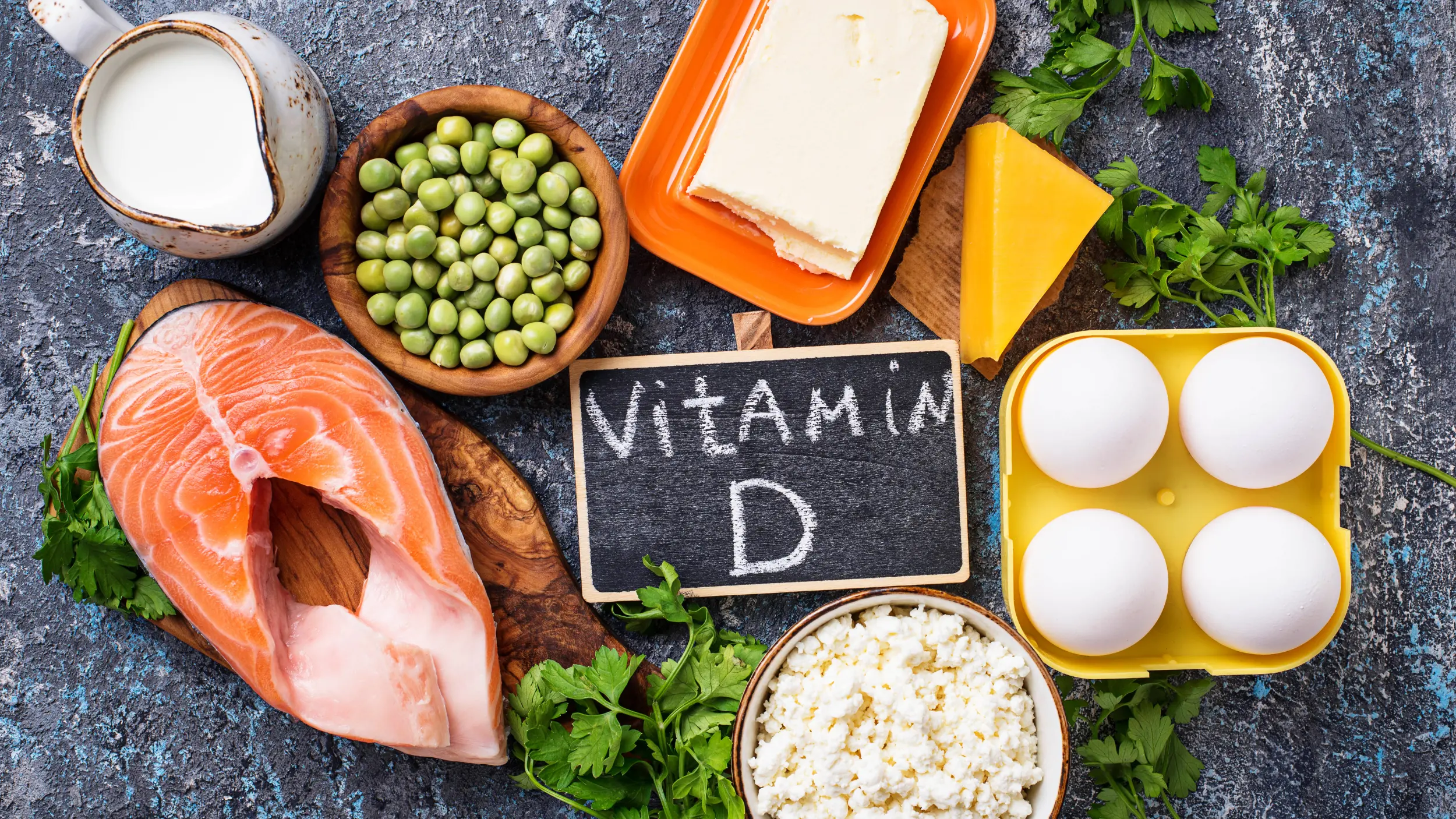
Salmon, sardines, mackerel, and anchovies are absolutely loaded with EPA and DHA—omega-3 fatty acids that reduce the production of inflammatory molecules [6]. Studies show that consuming fatty fish 2-3 times weekly can lower CRP levels by up to 29% [7]. Pro tip: wild-caught varieties typically contain higher omega-3 concentrations and fewer contaminants.
Colorful Produce: Nature's Anti-Inflammatory Pharmacy
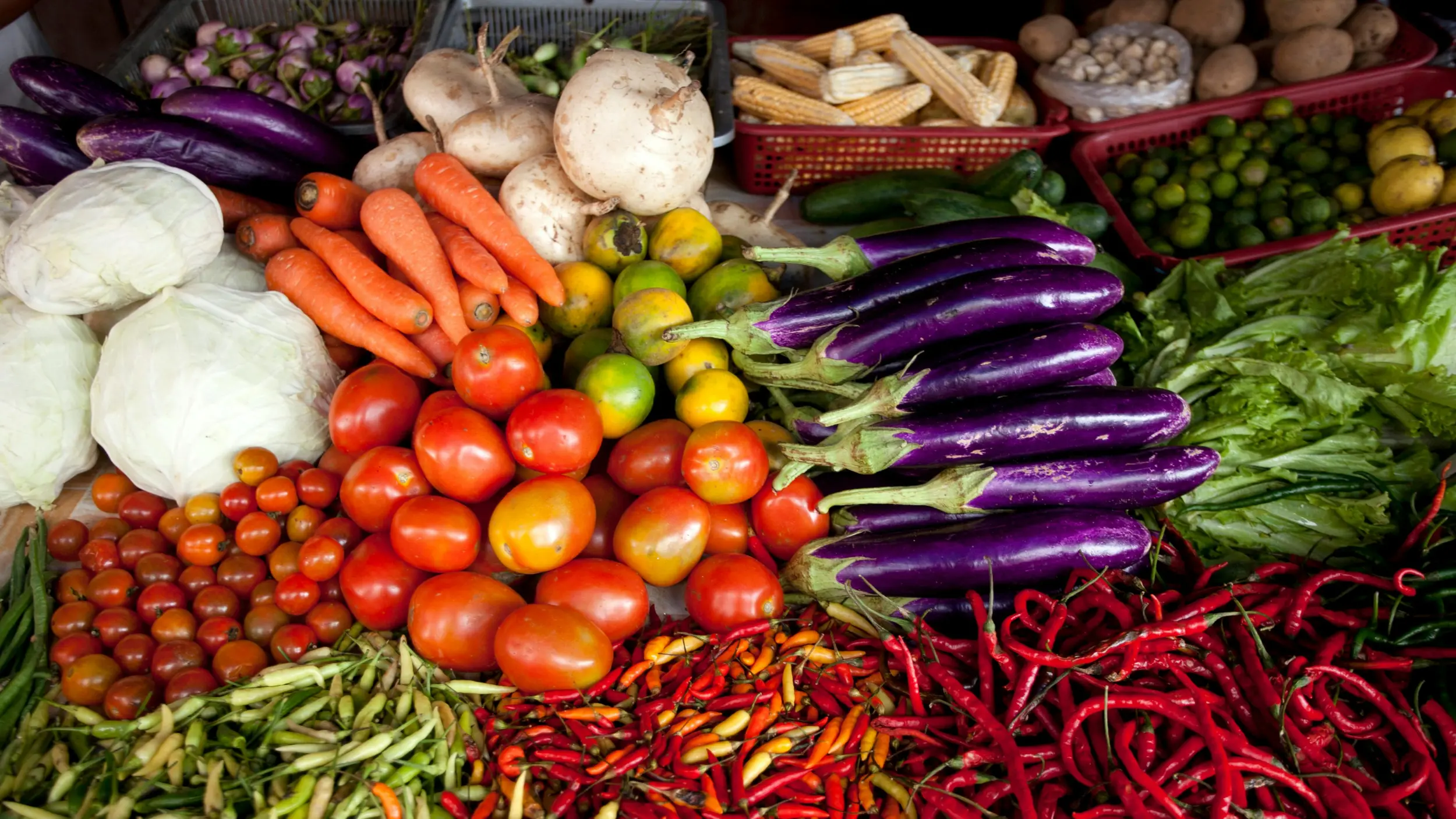
The more vibrant your plate, the better. Here's why these foods that cause inflammation to decrease are essential:
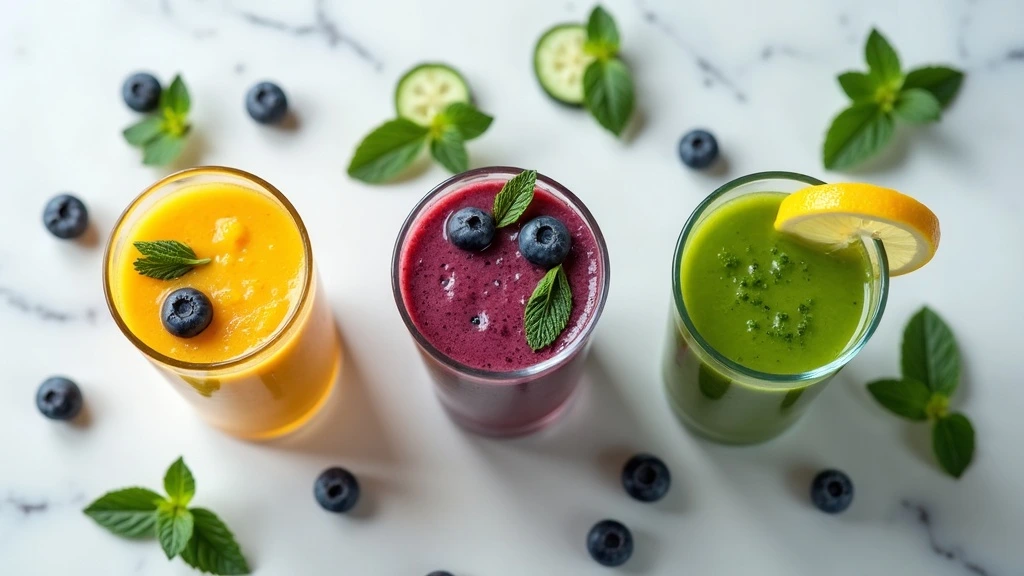
- Berries contain anthocyanins that suppress inflammatory gene expression [8]
- Leafy greens like spinach and kale provide vitamin K, which regulates inflammatory responses [9]
- Cruciferous vegetables (broccoli, Brussels sprouts) contain sulforaphane, a compound that blocks inflammatory pathways [10]
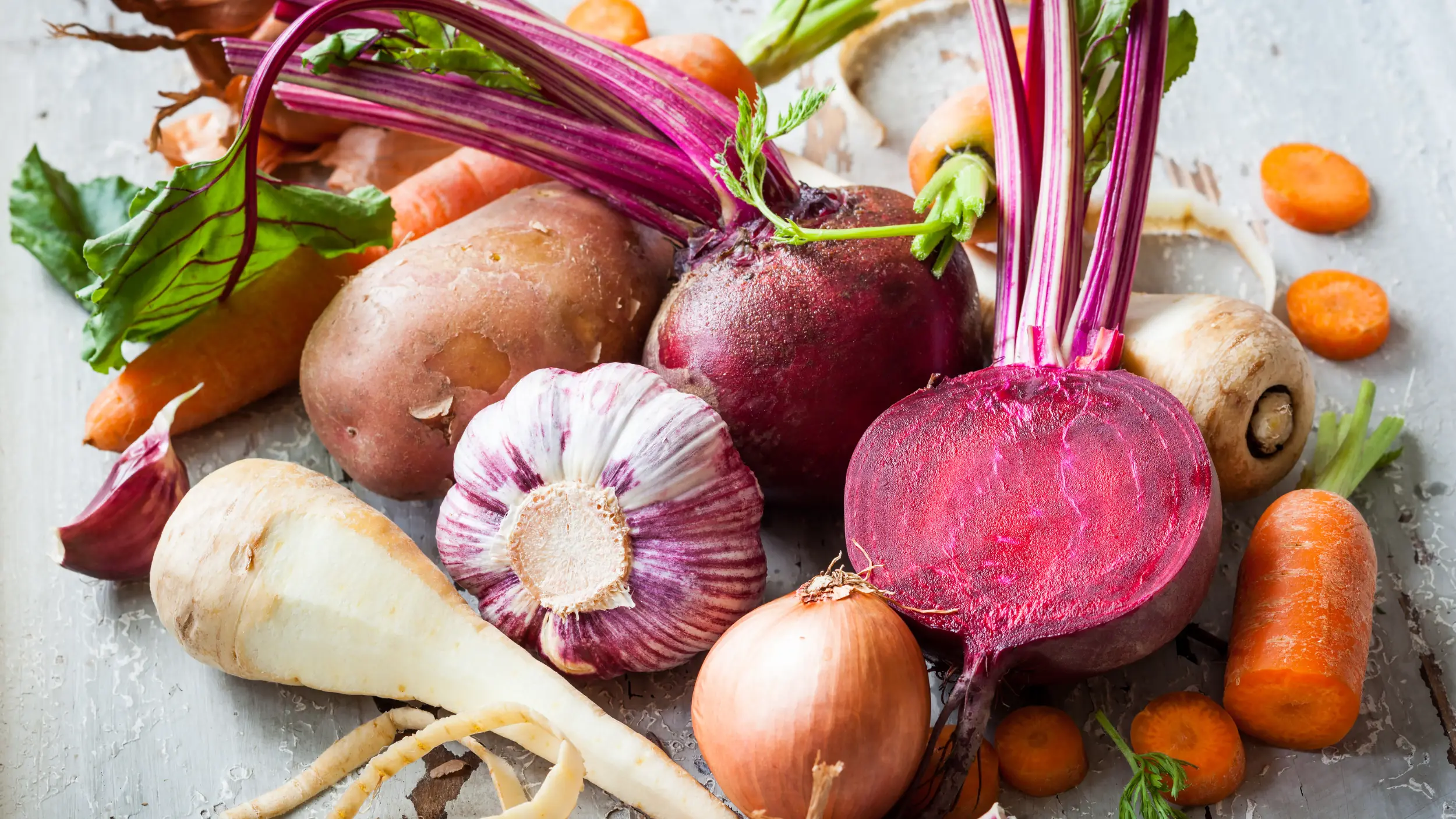
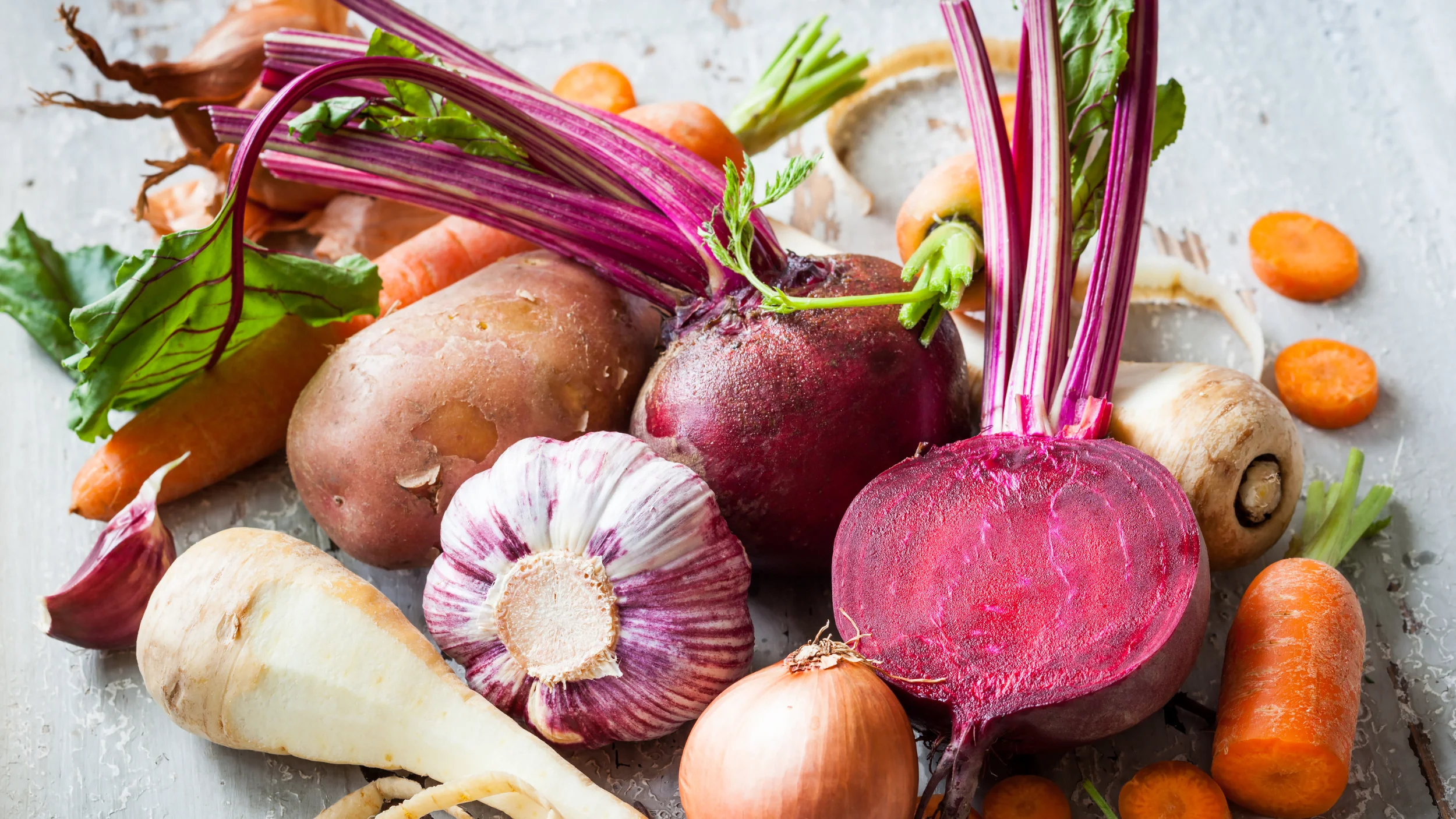
- Beets offer betalains that significantly reduce inflammatory markers [11]
Aim for at least 5-7 servings daily, mixing colors and types to maximize your phytonutrient intake.
Whole Grains: The Fiber Connection
Refined grains spike blood sugar and trigger inflammation, but whole grains do the opposite. Oats, quinoa, brown rice, and farro contain fiber that feeds beneficial gut bacteria, which produce short-chain fatty acids that actively reduce inflammation [12]. Your gut health and inflammation status are intimately connected—learn more about optimizing your microbiome for comprehensive wellness.
Healthy Fats That Heal
- Extra virgin olive oil contains oleocanthal, which works similarly to ibuprofen in blocking inflammatory enzymes [13]
- Avocados provide monounsaturated fats and carotenoids that reduce inflammatory markers [14]
- Nuts and seeds (especially walnuts, flaxseeds, and chia seeds) offer both omega-3s and magnesium, both critical for inflammation control [15]
Spices and Herbs
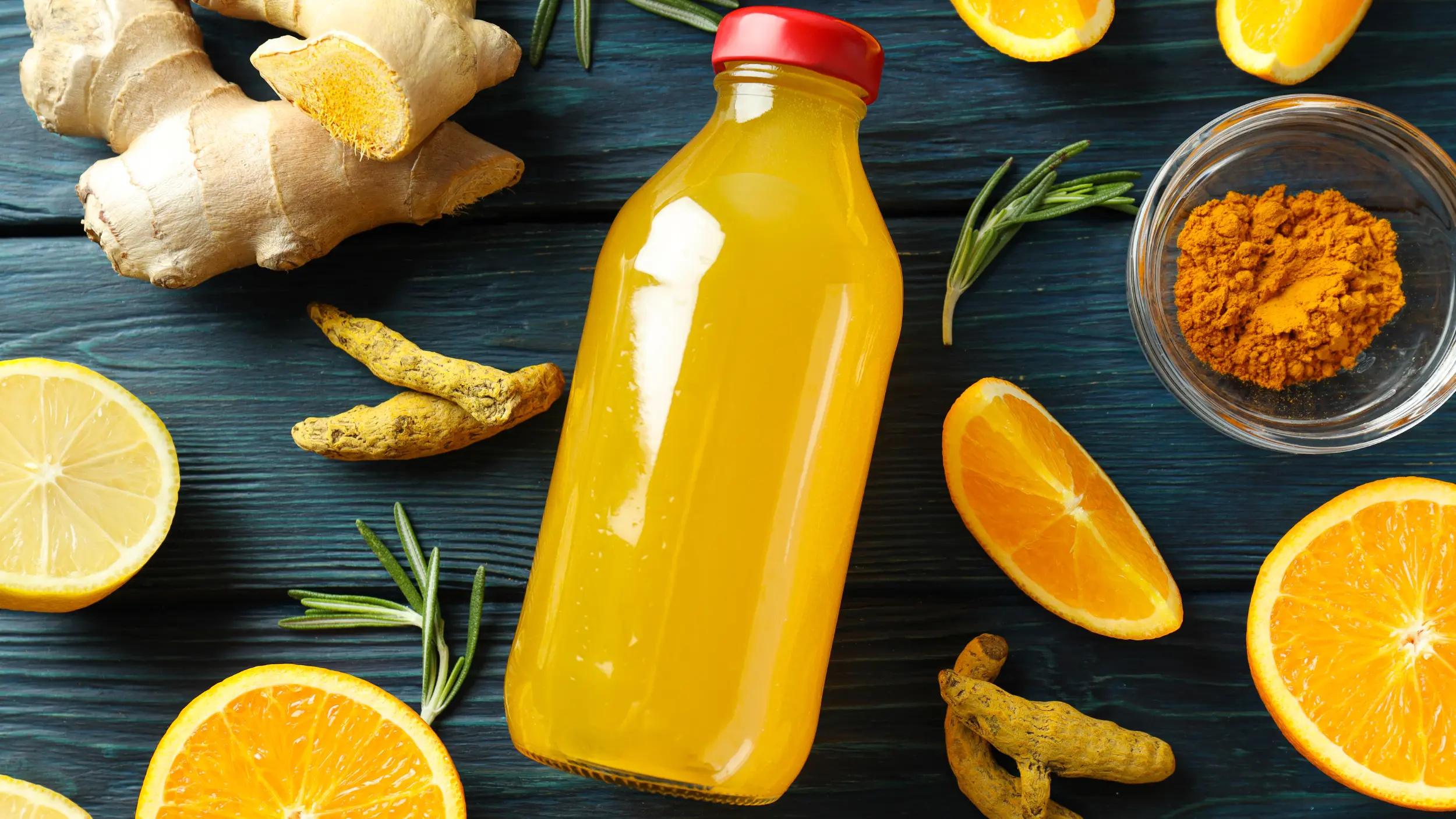
Turmeric's curcumin has been shown in over 120 clinical trials to reduce inflammation across multiple pathways [16]. Ginger contains gingerols that inhibit inflammatory compounds [17]. Garlic, rosemary, and cinnamon all pack serious anti-inflammatory potential into tiny packages.
Fermented Foods
Kimchi, sauerkraut, kefir, and yogurt with live cultures support gut barrier integrity and modulate immune responses, reducing systemic inflammation [18]. Including these inflammation fighting foods daily can create meaningful shifts in your inflammatory status.
Navigating Foods to Avoid for a Calmer Body
Alright, bestie—this is where we talk about the foods to avoid for inflammation. I know this part can feel restrictive, but I promise we're approaching it from a place of addition, not deprivation. We're crowding out the inflammatory stuff with so much delicious, nourishing food that you won't feel like you're missing out.
Refined Carbohydrates and Added Sugars
White bread, pastries, sugary drinks, and candy cause rapid blood sugar spikes that trigger inflammatory responses [19]. High sugar intake increases the production of advanced glycation end products (AGEs), which directly promote inflammation [20]. This doesn't mean you can never have dessert—it means being mindful about frequency and choosing naturally sweet options when possible.
Processed and Ultra-Processed Foods
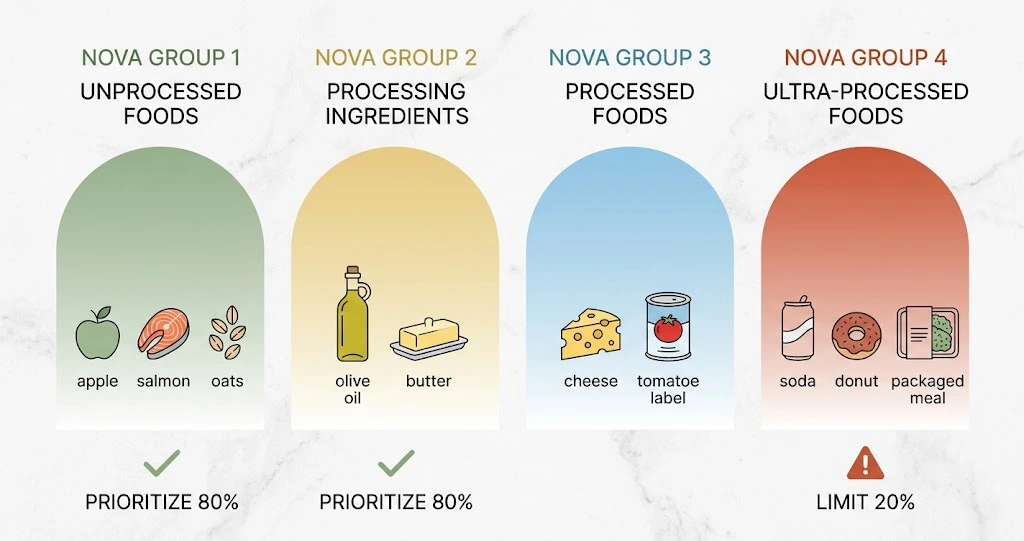
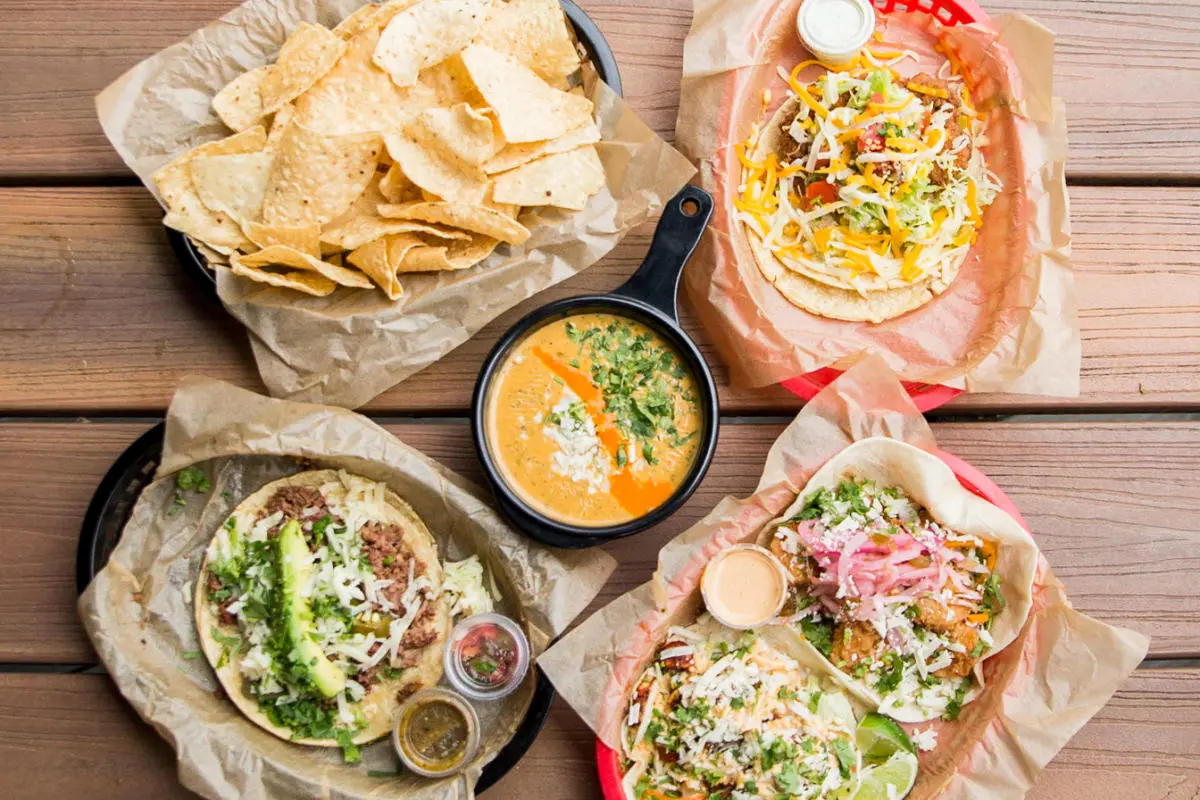
Packaged snacks, frozen meals, and fast food often contain inflammatory cocktails: refined oils, preservatives, emulsifiers, and artificial additives. Research links ultra-processed food consumption to elevated inflammatory markers independent of calorie intake [21]. Check ingredient lists—if you see more than 5 ingredients or can't pronounce most of them, that's your cue.
Certain Cooking Oils
Here's something that surprises people: not all plant oils are created equal. Corn, soybean, and sunflower oils contain high amounts of omega-6 fatty acids, which promote inflammation when consumed in excess relative to omega-3s [22]. The modern Western diet has an omega-6 to omega-3 ratio of about 15:1, when optimal is closer to 4:1 or less [23].
Swap these for olive oil, avocado oil, or coconut oil for cooking.
Excessive Alcohol
Moderate drinking might be fine for some people, but regular alcohol consumption increases intestinal permeability ("leaky gut"), allowing inflammatory compounds to enter your bloodstream [24]. If you're actively working on a reduce inflammation diet, consider limiting intake to 2-3 drinks per week maximum.
Trans Fats
Thankfully less common in 2026 due to regulations, but still hiding in some commercially baked goods and margarines. Trans fats increase inflammatory markers more powerfully than any other dietary fat type [25]. Always check labels for "partially hydrogenated oil."
Red and Processed Meats
While quality matters here, frequent consumption of red meat (especially processed varieties like bacon, sausage, and deli meats) correlates with higher inflammatory markers [26]. This is likely due to compounds formed during high-heat cooking and preservatives like nitrates. I'm not saying never eat a burger—I'm saying make it a sometimes food rather than a daily staple.
Your Individual Triggers
Here's something important: some people have specific inflammatory responses to foods like gluten, dairy, or nightshades. These aren't universally problematic, but if you suspect a particular food makes you feel worse, working with a dietitian to do an elimination protocol can provide clarity.
Putting It All Together: Your Inflammation Diet Plan
Okay, gorgeous—let's make this practical. You understand the science, you know which foods are your allies and which aren't doing you favors. Now let's build a best diet for inflammation that actually fits into your real, busy, beautifully imperfect life.
Start With the 80/20 Principle
Perfection is not the goal here. Aim for 80% of your meals to be built around anti-inflammatory eating principles, leaving 20% for flexibility, social occasions, and foods that feed your soul. This approach is sustainable, reduces stress (which is inflammatory on its own!), and still delivers significant results [27].
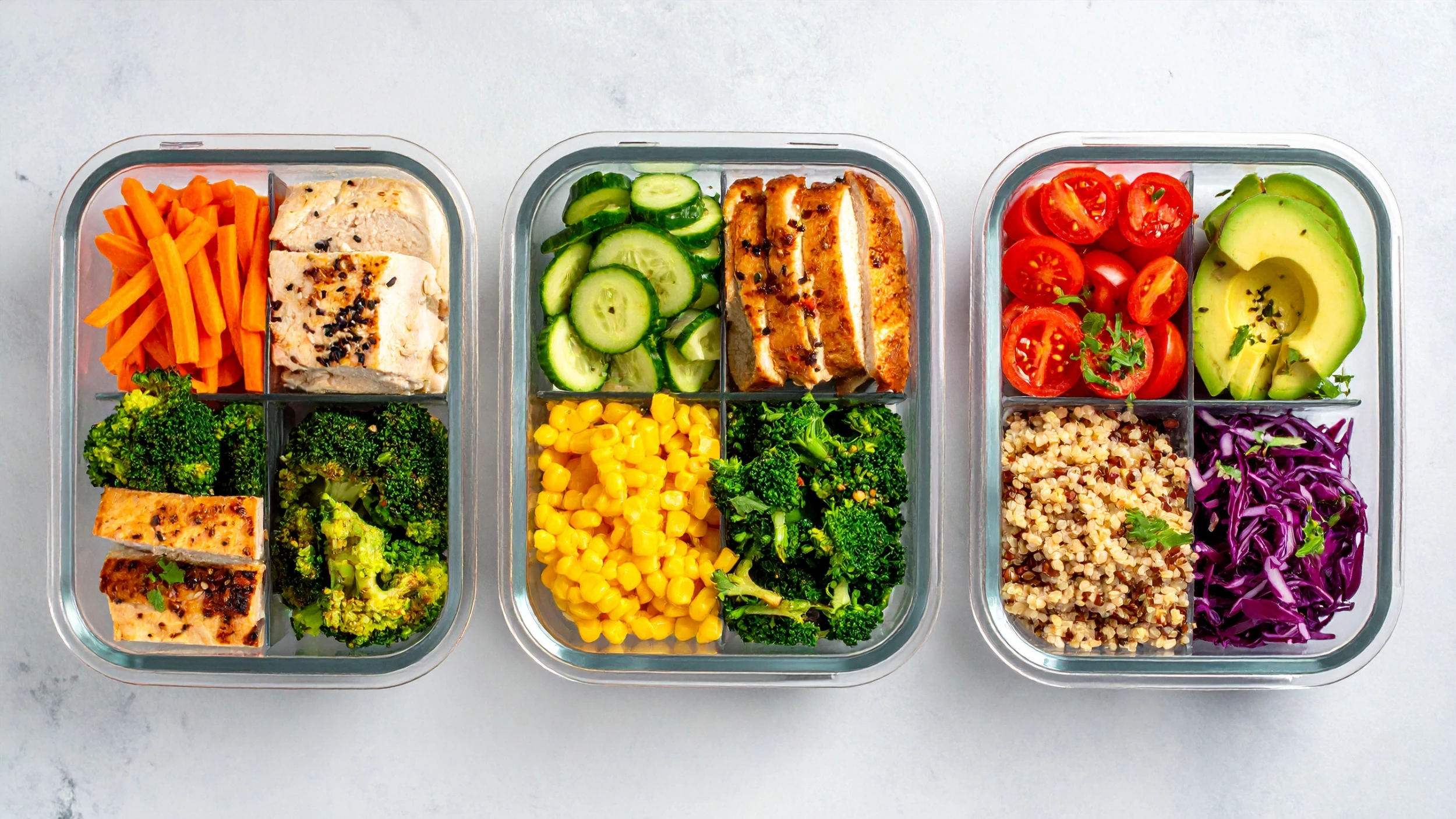
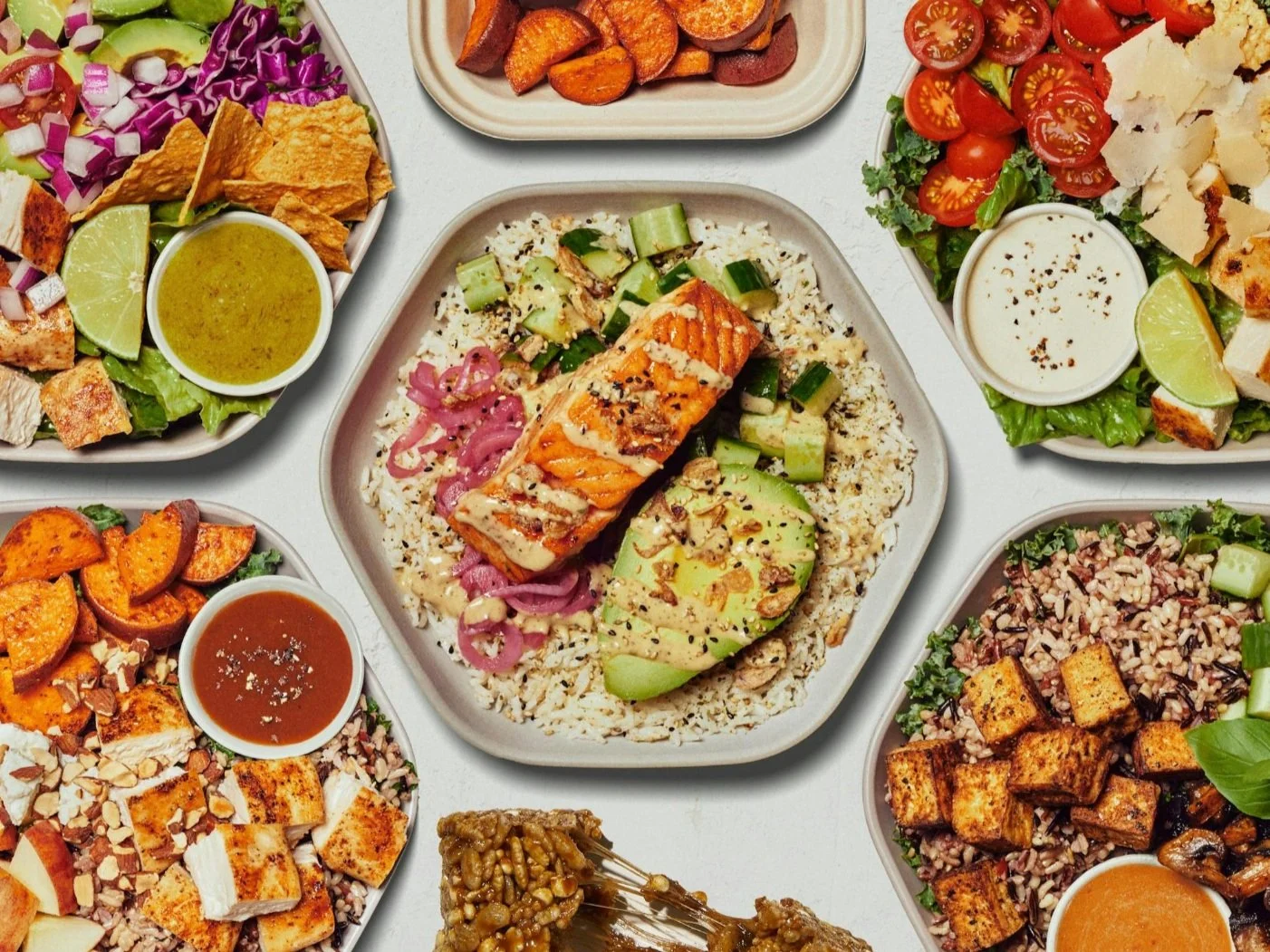
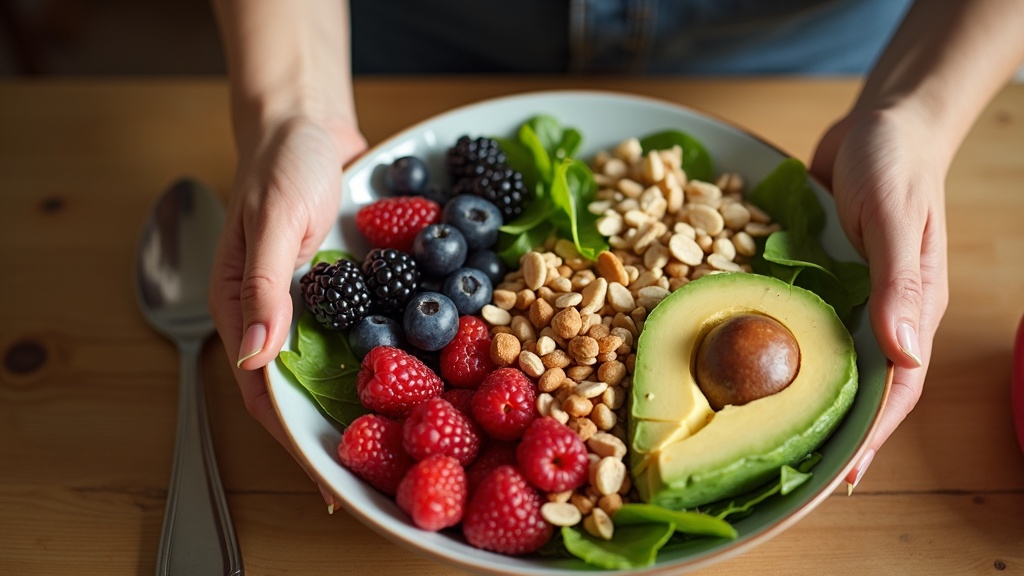
Build Your Plate Using This Framework
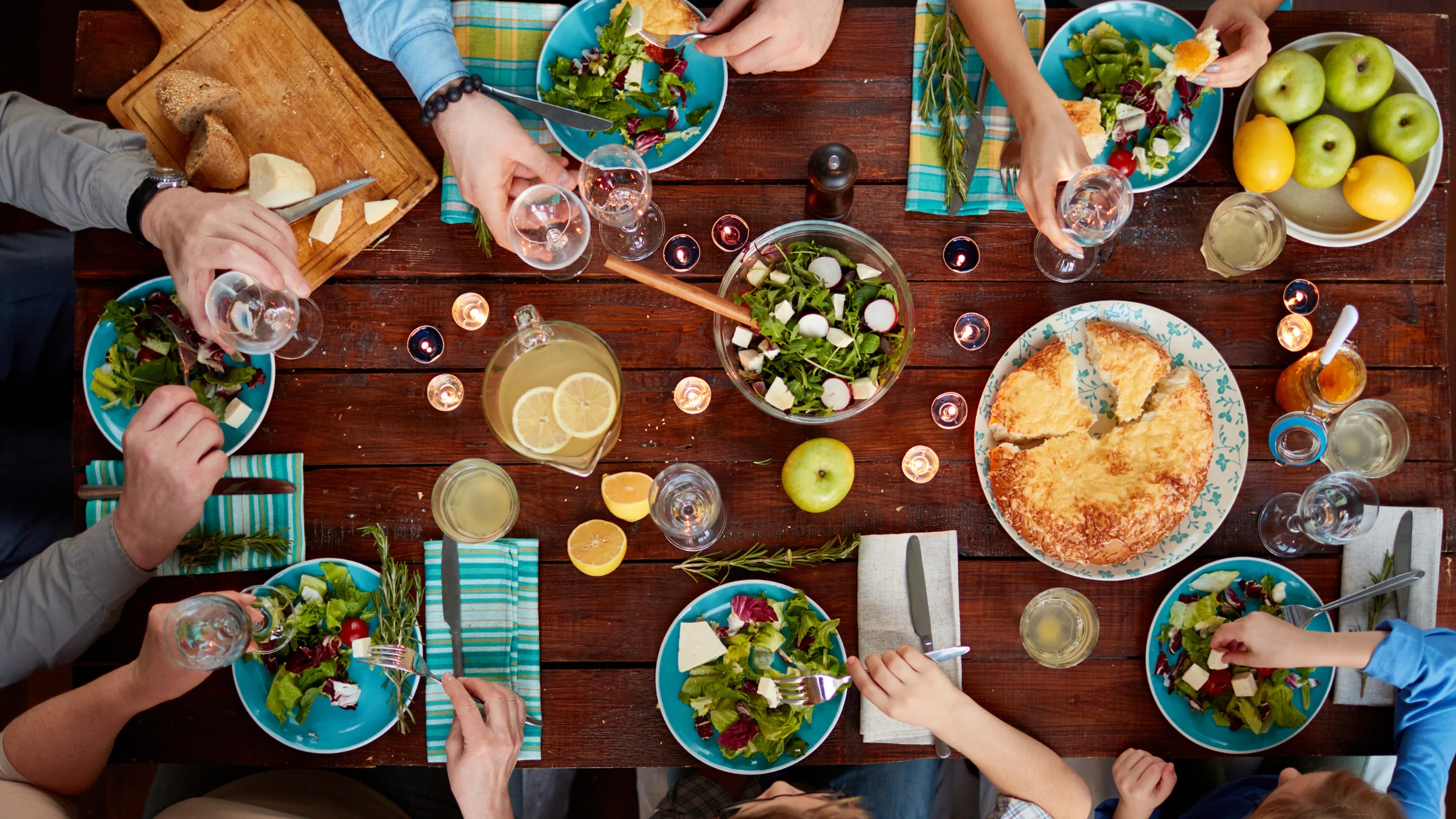
For each main meal, visualize this structure:
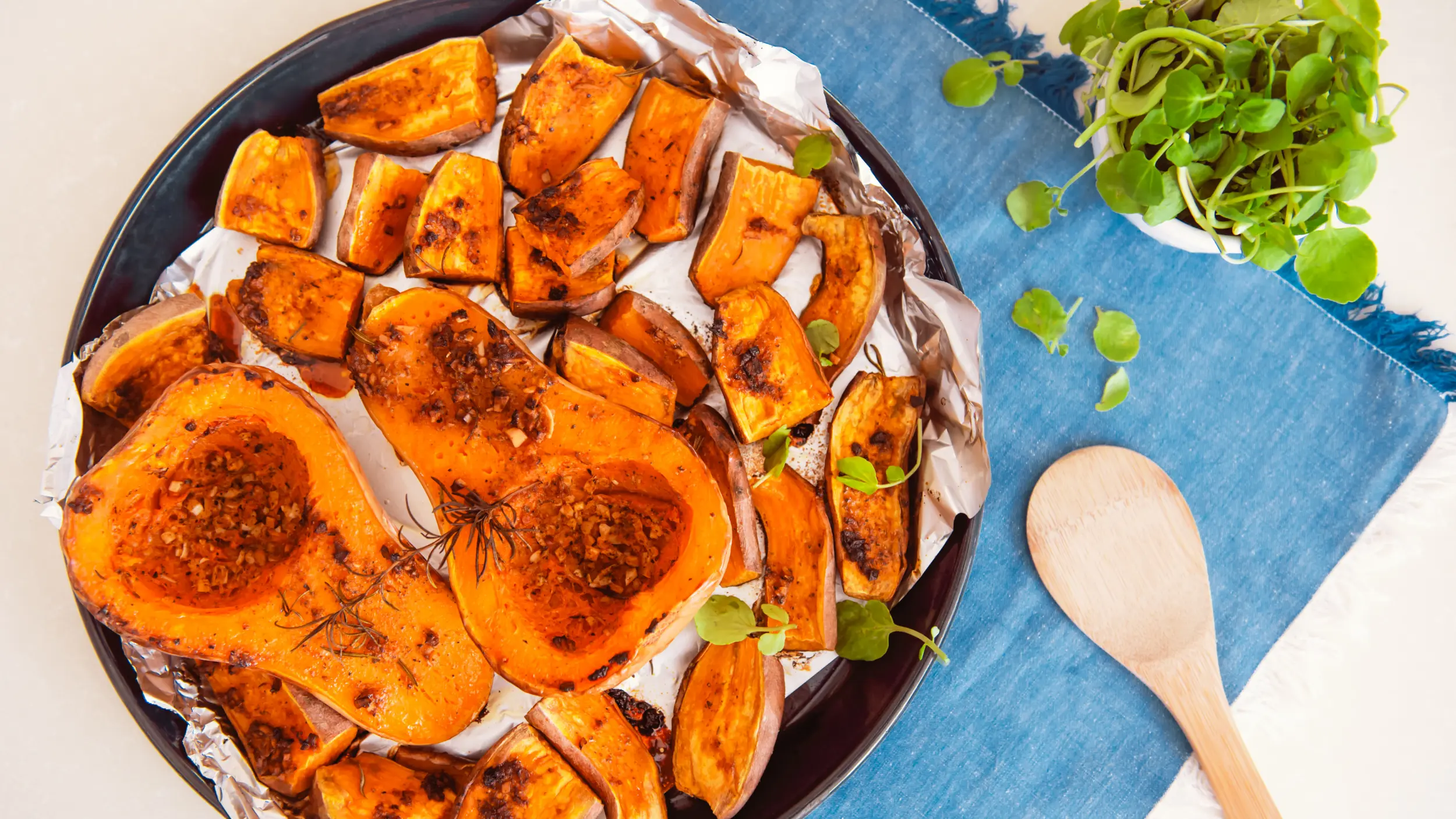
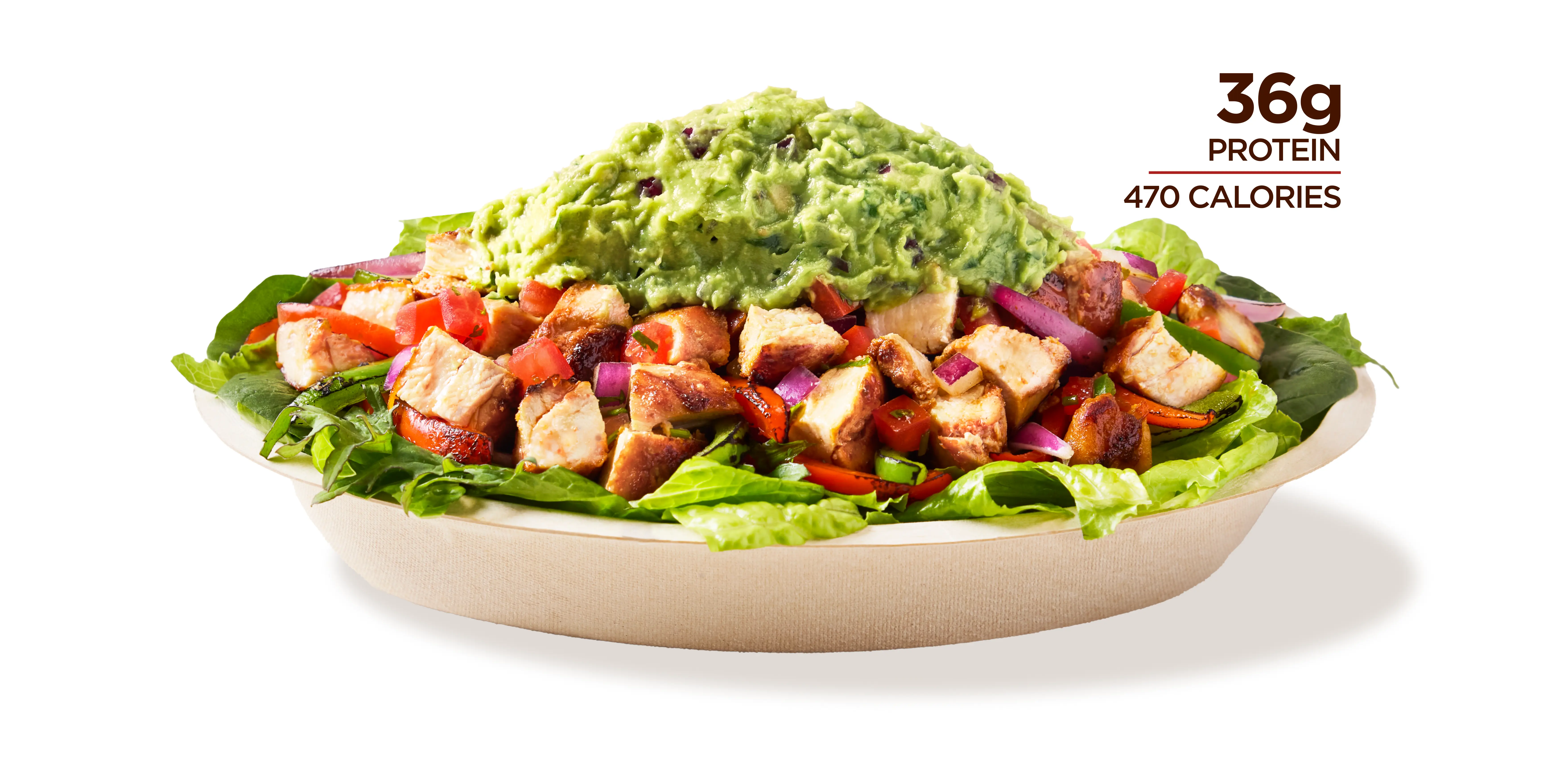
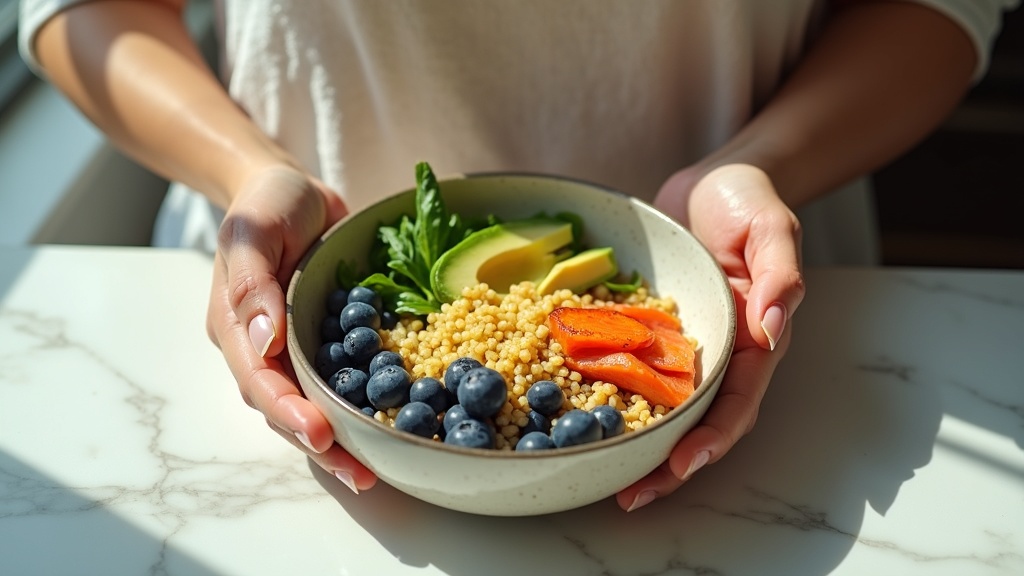
- Half your plate: colorful vegetables (raw, roasted, steamed—variety is key)
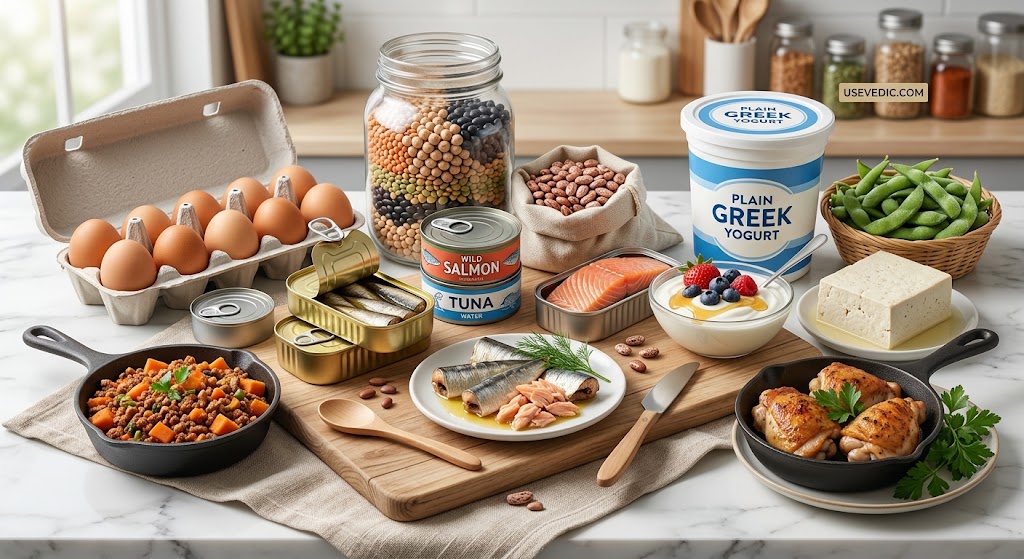
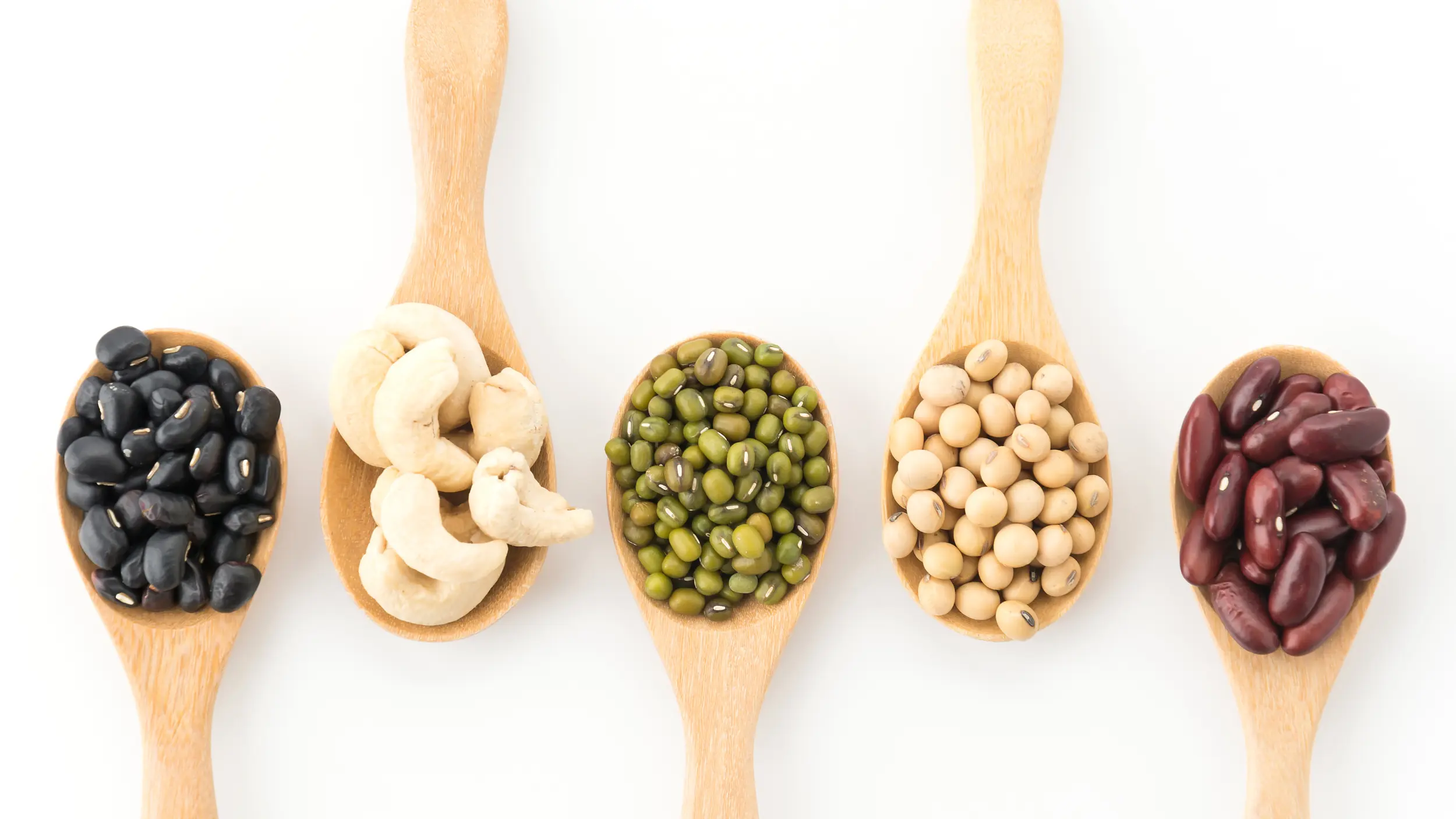
- Quarter of your plate: quality protein (fatty fish, organic poultry, legumes, tempeh)
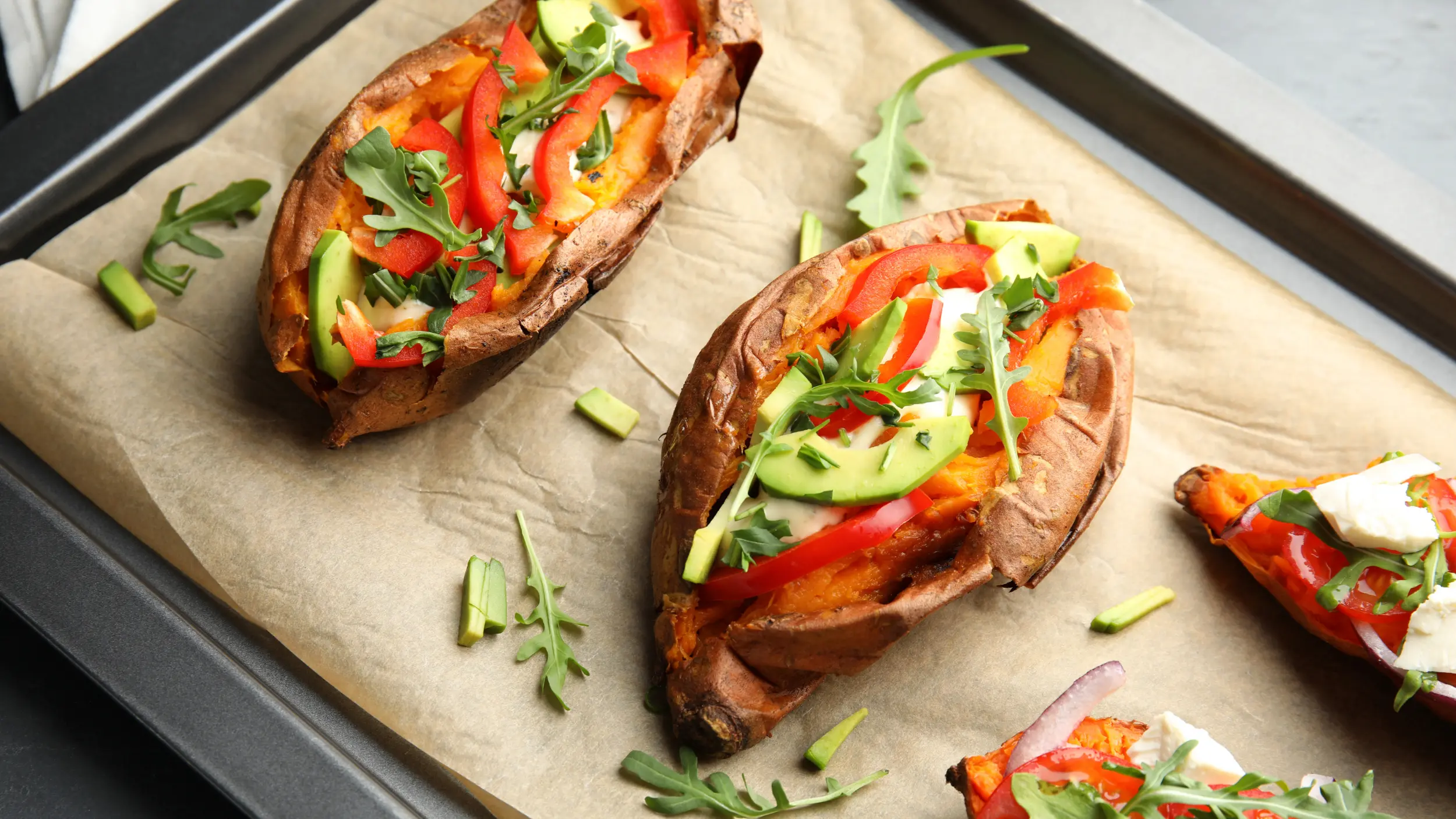
- Quarter of your plate: fiber-rich carbohydrates (quinoa, sweet potato, lentils)
- Healthy fat addition: olive oil drizzle, avocado slices, or a handful of nuts
This isn't rigid—it's a flexible template that naturally incorporates inflammation diet plan principles while keeping meals satisfying.
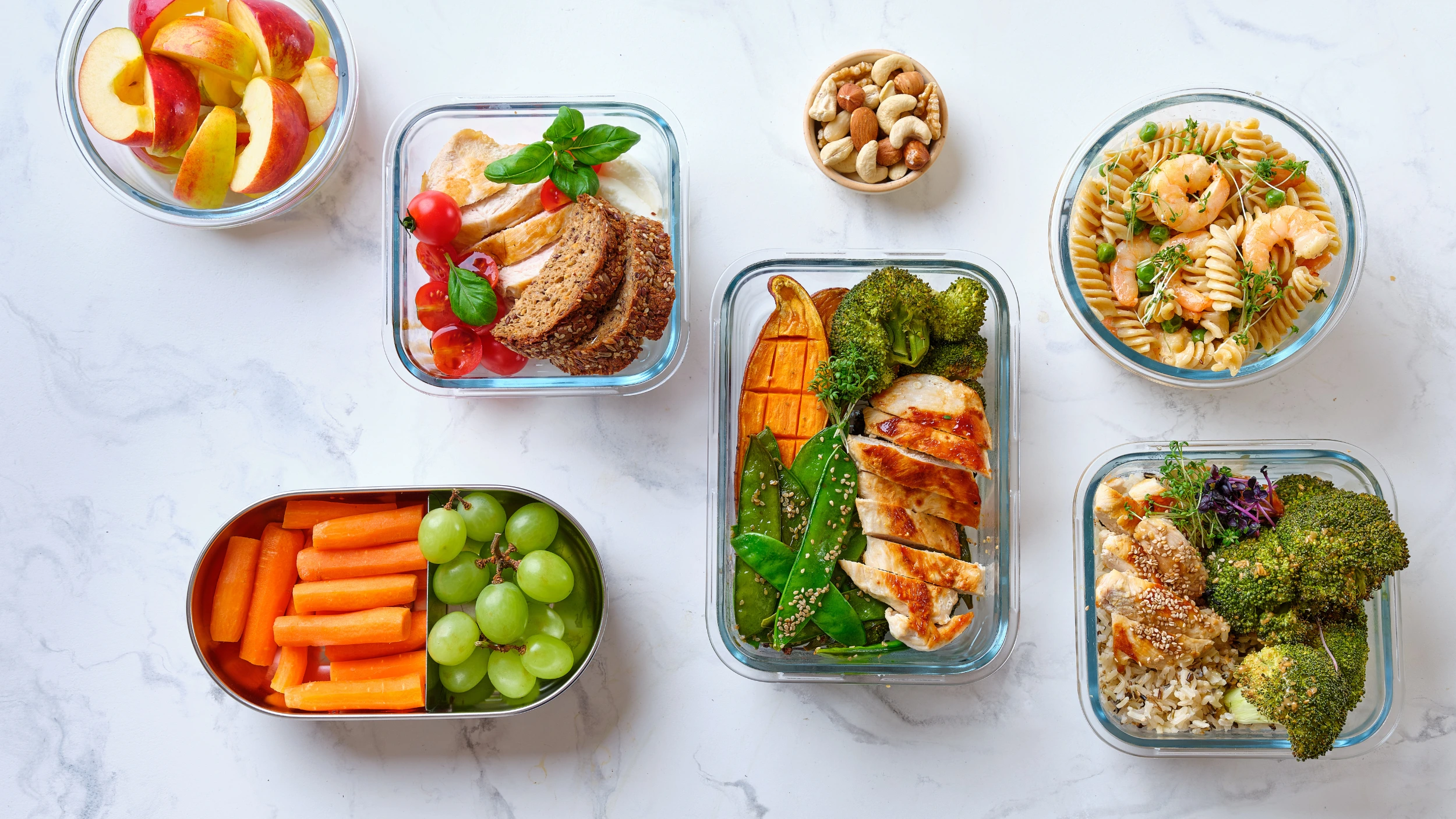
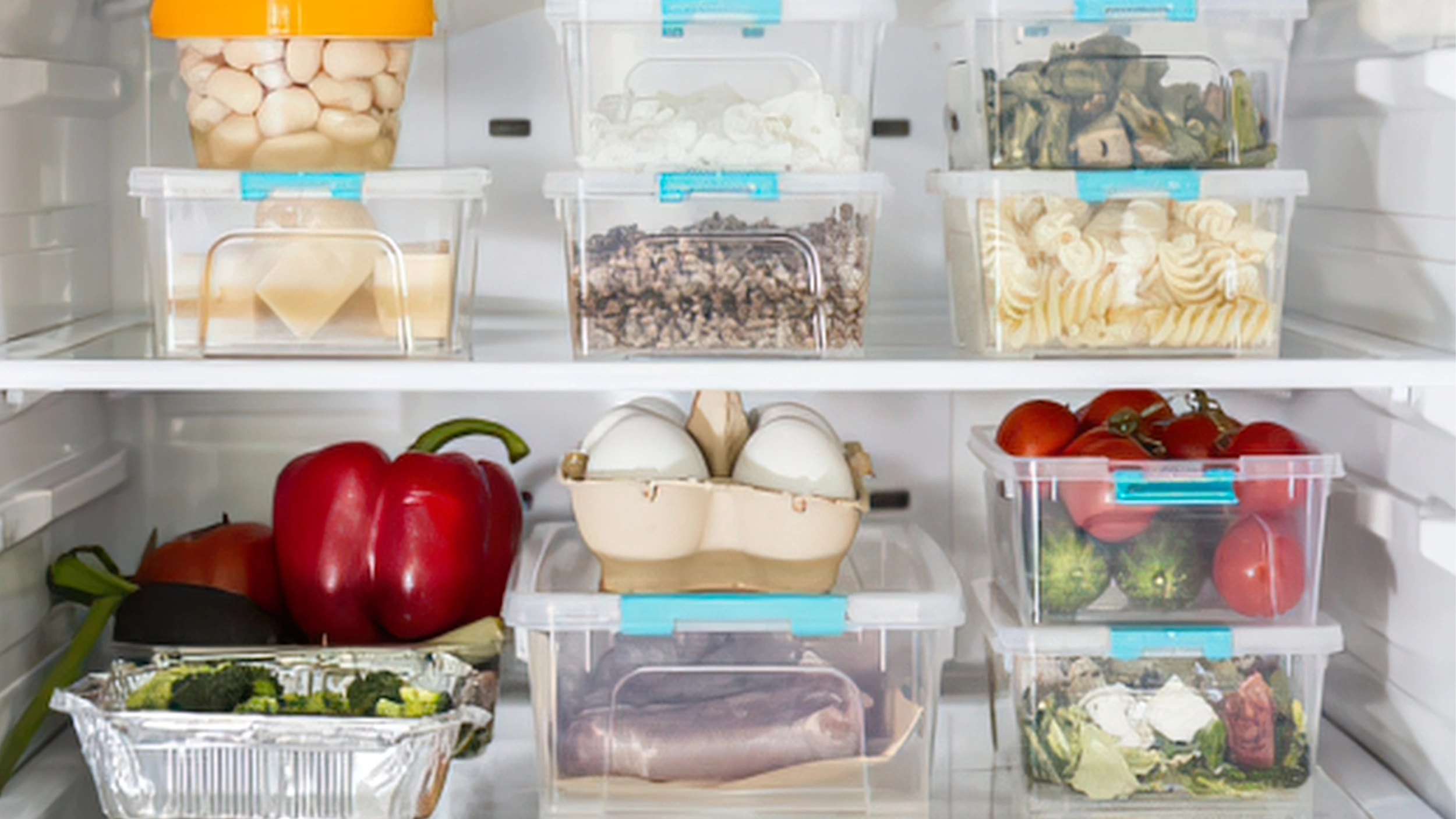
Meal Prep Strategies That Actually Work
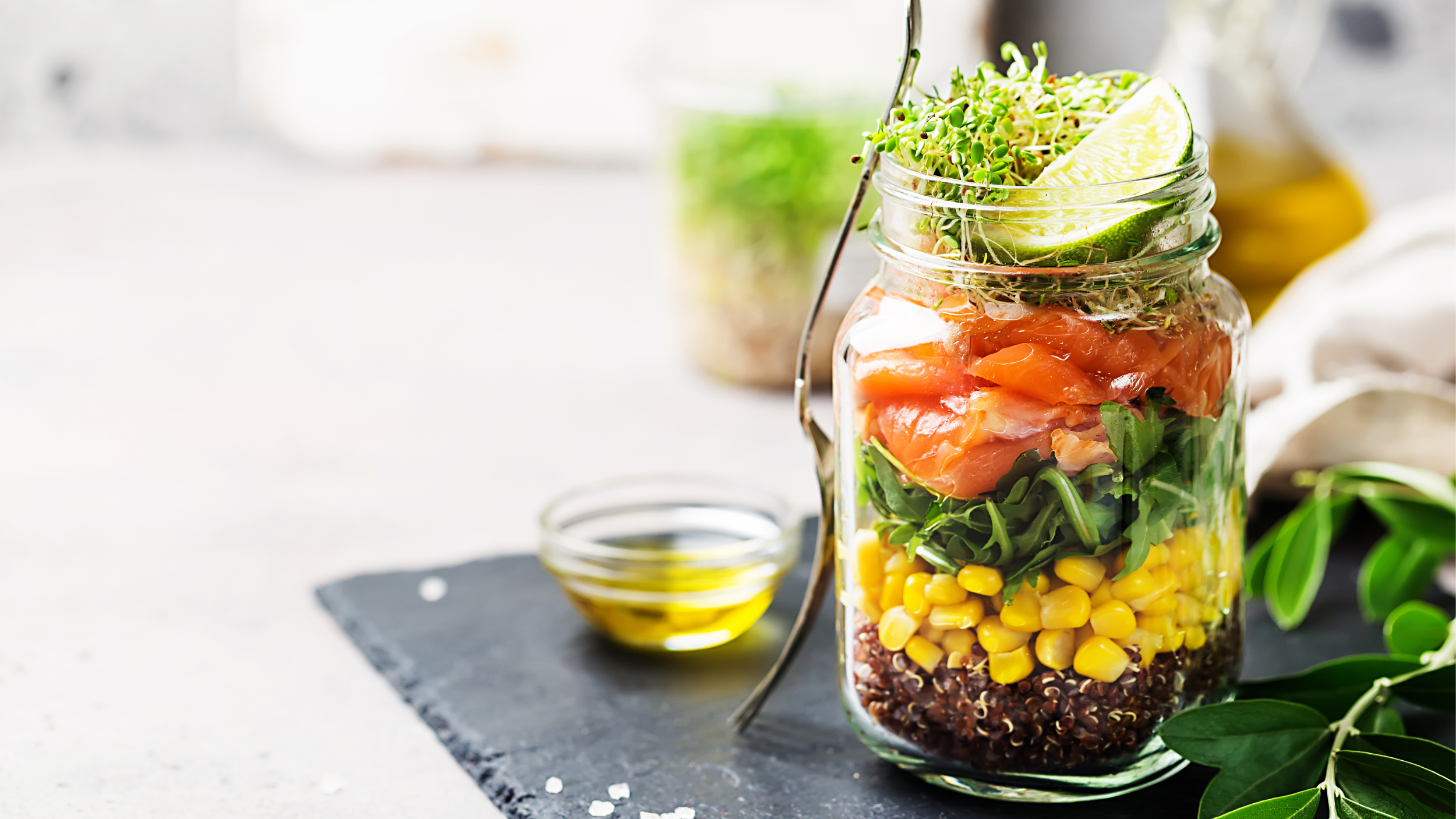
- Batch cook 2-3 inflammation-fighting proteins at the start of your week (roasted salmon, slow-cooker chicken, seasoned chickpeas)
- Prep a large container of mixed greens and pre-chop vegetables so assembly is quick
- Keep frozen berries, pre-cooked quinoa, and canned wild salmon on hand for emergency meals
- Make a big batch of turmeric-ginger dressing or pesto to add instant flavor
Smart Swaps, Not Sacrifice
Instead of thinking about what you're removing, focus on these upgrades:
- Morning bagel → Overnight oats with berries, walnuts, and cinnamon
- Afternoon chips → Hummus with colorful bell pepper strips
- Takeout pizza → Homemade flatbread with pesto, arugula, and grilled vegetables
- Sugary latte → Golden milk with turmeric, ginger, and a touch of honey
Hydration and Timing Matter Too
Adequate water intake supports the elimination of inflammatory metabolites [28]. Green tea provides polyphenols that reduce inflammation [29]. And here's something fascinating: eating within a consistent 10-12 hour window (time-restricted eating) may reduce inflammatory markers independent of what you eat [30].
Address the Stress Component
Your diet for inflammation won't work optimally if chronic stress is keeping your cortisol elevated. The relationship between functional nutrition, stress, and energy is profound—they're all connected. Consider incorporating stress-management practices alongside your dietary changes for maximum benefit.
Track Your Biomarkers
Work with your healthcare provider to monitor inflammatory markers like CRP, ESR (erythrocyte sedimentation rate), and fasting insulin every 3-6 months. Seeing objective improvements is incredibly motivating and helps you fine-tune your approach.
Give It Time and Grace
Most of my clients start noticing improvements in energy and joint pain within 2-4 weeks, but significant biomarker changes typically take 8-12 weeks of consistent anti-inflammatory eating [31]. Your body is healing at a deep cellular level—that takes time. Be patient and compassionate with yourself through this process.
Frequently Asked Questions
What are the top 3 foods I should start eating today to fight inflammation?
If you're making just three additions right now, go for wild-caught salmon (or sardines if budget is tight), a big handful of mixed berries daily, and leafy greens like spinach or kale. These three provide omega-3s, powerful antioxidants, and anti-inflammatory compounds that work synergistically. Bonus points if you sauté those greens in olive oil—the fat helps you absorb their nutrients better.
Are there any specific foods I should completely eliminate if I have chronic inflammation?
I rarely recommend complete elimination unless you have a diagnosed allergy or sensitivity, because that approach often backfires psychologically. That said, if I had to choose the biggest offenders to minimize dramatically, it would be sugary beverages, ultra-processed snacks, and foods made with partially hydrogenated oils. These consistently show the strongest correlations with inflammatory markers across research studies. Start by reducing frequency rather than attempting perfection—it's more sustainable.
How long does it typically take to see results from an anti-inflammatory diet?
Most women I work with report feeling noticeably better—less joint stiffness, improved energy, clearer thinking—within 2-4 weeks of consistent changes. However, measurable biomarker improvements (like reduced CRP levels) usually take 8-12 weeks to become significant [31]. Everyone's timeline is different based on their starting inflammation level, how consistently they follow the plan, and other lifestyle factors like sleep and stress management. Think of this as a gradual healing process, not a quick fix.
Ready to Feel Your Best?
Listen, I know this is a lot of information, and maybe you're feeling a bit overwhelmed. That's completely normal and valid. Changing how you eat to manage chronic inflammation is a significant undertaking, but you absolutely don't have to do it alone.
Working with a registered dietitian who specializes in anti-inflammatory nutrition can help you create a personalized inflammation diet plan that accounts for your unique health history, food preferences, budget, and lifestyle. We can identify your specific triggers, address nutrient deficiencies that might be fueling inflammation, and troubleshoot obstacles as they come up.
You deserve to feel vibrant, energized, and comfortable in your body. Let's create a plan that makes that happen. Book your dietitian consultation today at www.usevedic.com and start your path toward feeling genuinely better from the inside out.
References
[1] Furman D, et al. Chronic inflammation in the etiology of disease across the life span. Nat Med. 2019;25(12):1822-1832.
[2] Pahwa R, et al. Chronic Inflammation. StatPearls. 2023.
[3] Ellulu MS, et al. Obesity and inflammation: the linking mechanism and the complications. Arch Med Sci. 2017;13(4):851-863.
[4] Buyken AE, et al. Dietary glycemic index, glycemic load, and chronic disease risk. Adv Nutr. 2014;5(3):344S-355S.
[5] Galland L. Diet and inflammation. Nutr Clin Pract. 2010;25(6):634-640.
[6] Calder PC. Omega-3 fatty acids and inflammatory processes. Nutrients. 2010;2(3):355-374.
[7] Kiecolt-Glaser JK, et al. Omega-3 supplementation lowers inflammation in healthy middle-aged and older adults. Brain Behav Immun. 2012;26(6):988-995.
[8] Tőzsér D, et al. Anthocyanins: Anti-inflammatory effects and their relationship with gut microbiota. Front Immunol. 2022;13:983686.
[9] Shea MK, et al. Vitamin K and vitamin D status: associations with inflammatory markers. Am J Epidemiol. 2008;167(3):313-320.
[10] Heiss E, et al. Nuclear factor kappa B is a molecular target of sulforaphane. J Biol Chem. 2001;276(34):32008-32015.
[11] Clifford T, et al. The potential benefits of red beetroot supplementation in health and disease. Nutrients. 2015;7(4):2801-2822.
[12] Slavin J. Fiber and prebiotics: mechanisms and health benefits. Nutrients. 2013;5(4):1417-1435.
[13] Beauchamp GK, et al. Phytochemistry: ibuprofen-like activity in extra-virgin olive oil. Nature. 2005;437(7055):45-46.
[14] Li Z, et al. Hass avocado modulates postprandial vascular reactivity and inflammation. Food Funct. 2013;4(3):384-391.
[15] Rajaram S, et al. Walnuts and fatty acids reduce inflammation. J Nutr. 2004;134(5):1181-1185.
[16] Gupta SC, et al. Therapeutic roles of curcumin: lessons learned from clinical trials. AAPS J. 2013;15(1):195-218.
[17] Grzanna R, et al. Ginger—an herbal medicinal product with broad anti-inflammatory actions. J Med Food. 2005;8(2):125-132.
[18] Marco ML, et al. Health benefits of fermented foods. Curr Opin Biotechnol. 2017;44:94-102.
[19] Ma X, et al. Added sugars and markers of inflammation. Nutrients. 2016;8(11):704.
[20] Uribarri J, et al. Advanced glycation end products in foods. J Am Diet Assoc. 2010;110(6):911-916.
[21] Srour B, et al. Ultra-processed food intake and risk of cardiovascular disease. BMJ. 2019;365:l1451.
[22] Simopoulos AP. The importance of the omega-6/omega-3 fatty acid ratio. Biomed Pharmacother. 2002;56(8):365-379.
[23] Simopoulos AP. An increase in the omega-6/omega-3 ratio increases the risk for obesity. Nutrients. 2016;8(3):128.
[24] Bishehsari F, et al. Alcohol and gut-derived inflammation. Alcohol Res. 2017;38(2):163-171.
[25] Mozaffarian D, et al. Trans fatty acids and cardiovascular disease. N Engl J Med. 2006;354(15):1601-1613.
[26] Chai W, et al. Dietary red and processed meat intake and markers of adiposity and inflammation. J Am Coll Nutr. 2017;36(5):378-385.
[27] Shisslak CM, et al. The spectrum of eating disturbances. Int J Eat Disord. 1995;18(3):209-219.
[28] Popkin BM, et al. Water, hydration, and health. Nutr Rev. 2010;68(8):439-458.
[29] Chacko SM, et al. Beneficial effects of green tea. Chin Med. 2010;5:13.
[30] Sutton EF, et al. Early time-restricted feeding improves insulin sensitivity. Cell Metab. 2018;27(6):1212-1221.
[31] Casas R, et al. The effects of the Mediterranean diet on biomarkers of inflammation. Nutrients. 2014;6(8):3305-3319.
.svg)
.svg)


.jpg)
.jpg)





.webp)























.webp)
.webp)
.webp)
.webp)
.webp)
.webp)
.webp)
.png)
.webp)
.webp)
.webp)
.png)
.webp)
.webp)
.webp)
.webp)
.webp)
.webp)
.webp)
.webp)


.webp)
.png)