.webp)
%2B(7).webp)
.png)
At a Glance
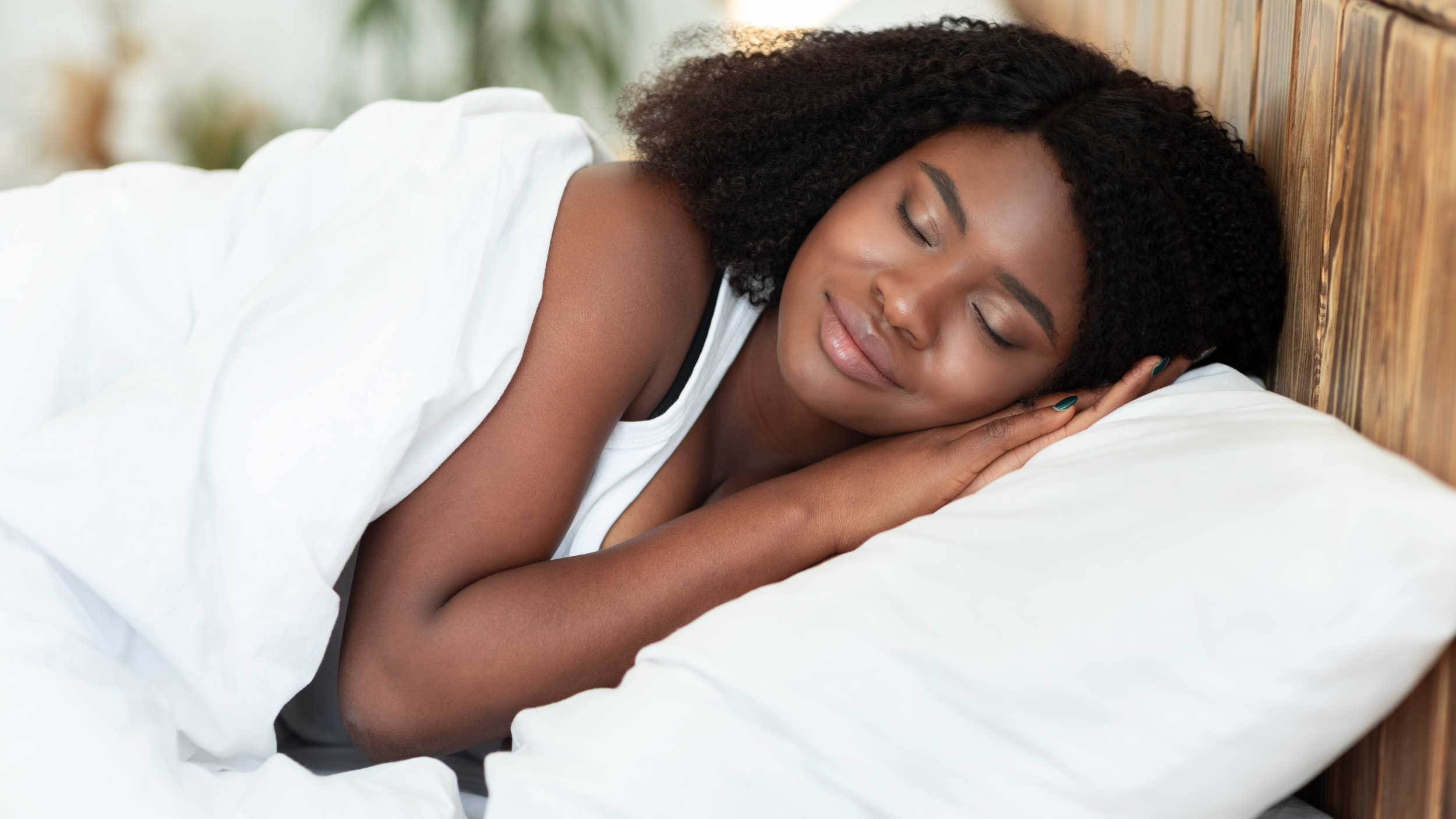
Your circadian rhythm is your body's built-in 24-hour clock that controls when you feel alert and when you're ready for sleep. When this internal timing system falls out of sync—whether from late-night scrolling, irregular meal times, or shift work—it can trigger poor sleep quality, stubborn weight gain, and daytime exhaustion. This guide breaks down the science behind circadian rhythm sleep and gives you evidence-based tools to reset your body clock for better rest and metabolic health.
What Exactly is Your Circadian Rhythm and Why Does It Matter for Sleep?
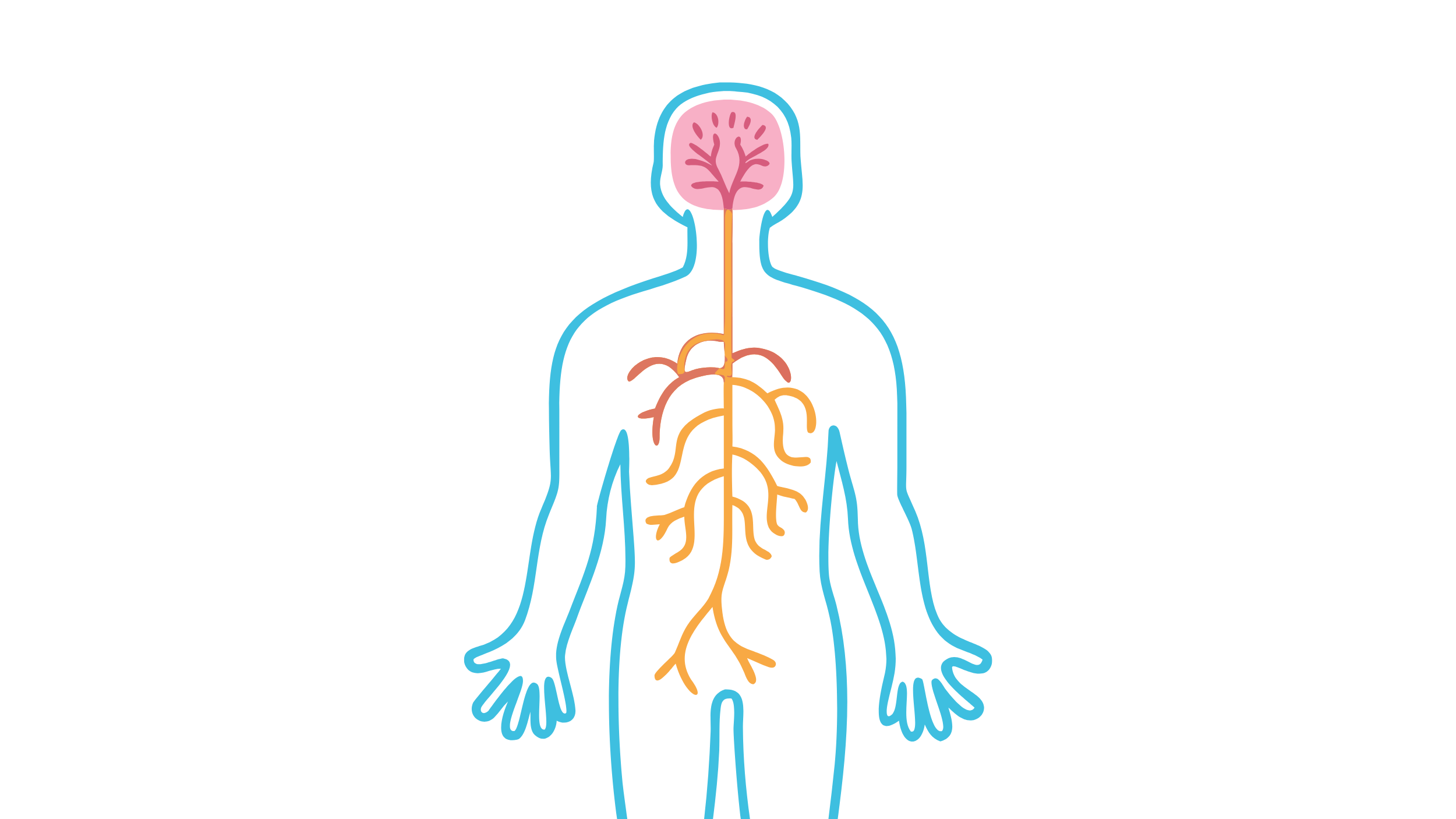
Your circadian rhythm is a sophisticated biological timing system governed by the suprachiasmatic nucleus (SCN) in your hypothalamus [1]. This tiny cluster of about 20,000 neurons acts as your master clock, coordinating sleep-wake cycles, hormone secretion, body temperature fluctuations, and even digestive enzyme release across every 24-hour period.
Here's what makes your circadian clock so powerful:
- Light-sensitive cells in your retina send signals directly to the SCN, which then orchestrates melatonin production in your pineal gland
- When functioning optimally, cortisol peaks around 8-9 AM to wake you up, while melatonin rises after sunset to prepare you for sleep
- Your core body temperature drops by about 1-2 degrees Fahrenheit during sleep, reaching its lowest point around 4-5 AM—a process entirely regulated by circadian timing
But here's where it gets real for us: circadian rhythm dysfunction doesn't just make you tired. Research shows that chronic circadian disruption is linked to increased risk of metabolic syndrome, insulin resistance, and weight gain—particularly around your midsection [5]. Your circadian clock literally controls when your body is most efficient at processing glucose and storing or burning fat.
When your circadian biology is aligned with your daily routine, you experience what I call the "rhythm advantage": you fall asleep faster, stay asleep longer, wake feeling genuinely refreshed, and your hormone balance naturally optimizes throughout the day. The opposite? That's when things start to unravel.
Signs Your Circadian Timing Might Be Off (And How It Affects You)
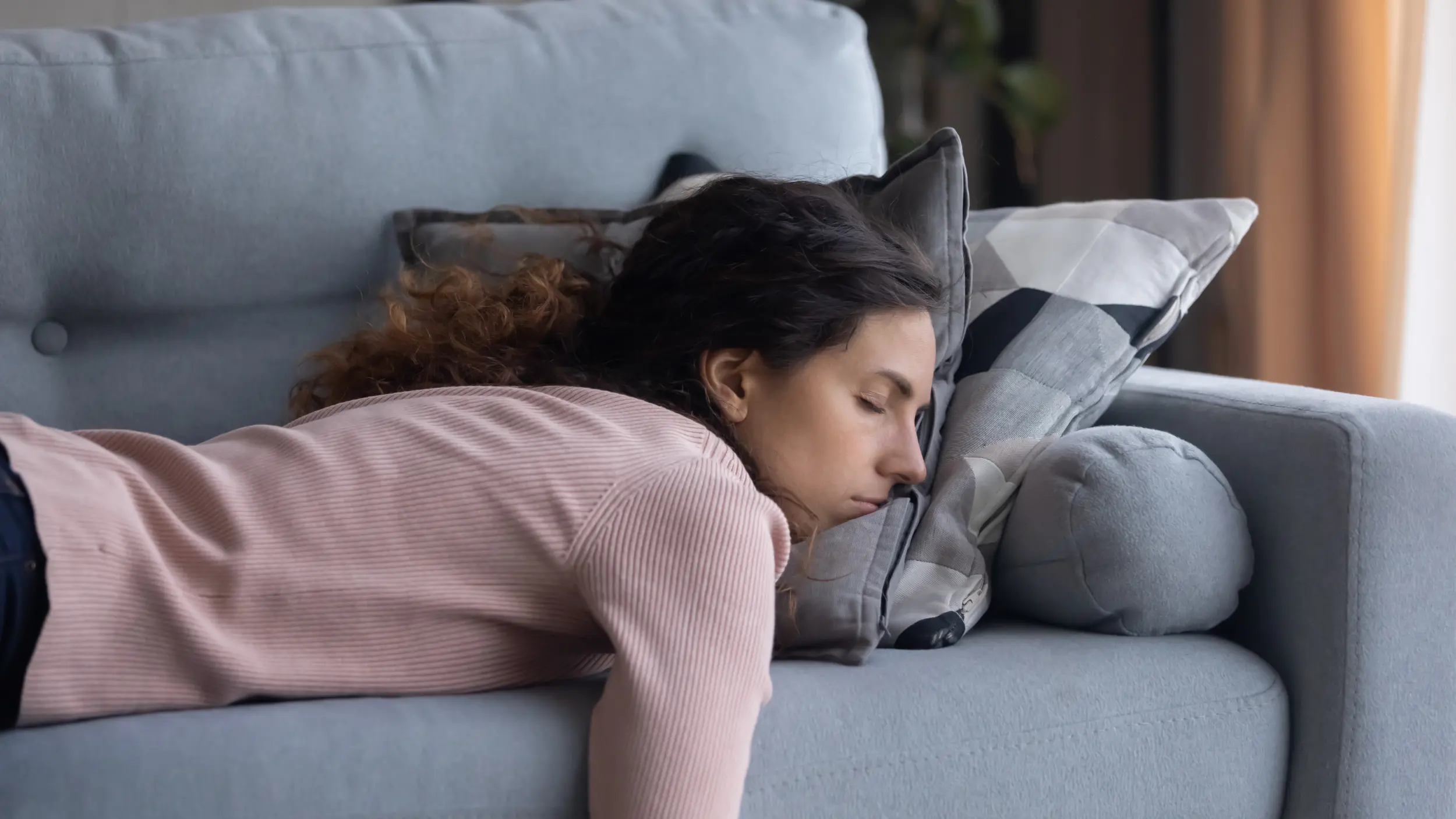
Let me be honest with you—circadian rhythm sleep disorder isn't always obvious. You might not realize your internal clock is misfiring until you notice a pattern of symptoms that conventional sleep advice can't fix.
Watch for these evidence-based red flags:
The 3 PM crash that no amount of coffee fixes. If you're experiencing severe afternoon energy dips despite adequate nighttime sleep, your cortisol rhythm may be flattened or reversed [6]. This often indicates your circadian clock is no longer syncing properly with natural light-dark cycles.
You're wired at bedtime but exhausted at wake-up. This is classic delayed sleep phase disorder, one of the most common circadian rhythm disorders in women ages 24-45 [7]. Your internal clock is essentially running 2-3 hours behind where it should be.
- Difficulty falling asleep before 1-2 AM despite being in bed earlier
- Extreme difficulty waking before 9-10 AM
- Peak alertness and productivity happening late evening (10 PM-1 AM)
Inconsistent hunger cues are another major tell. Your circadian clock regulates ghrelin (hunger hormone) and leptin (satiety hormone) on a predictable schedule [8]. When circadian timing is disrupted, you might feel ravenous at midnight or have zero appetite in the morning—both signs your metabolic rhythm is off.
Circadian rhythm disruption also shows up in ways you might not connect to sleep:
- Persistent brain fog and difficulty concentrating, especially in the morning
- Increased cravings for high-sugar, high-carb foods in the evening
- Mood swings, irritability, or symptoms of anxiety and depression
- Digestive issues like bloating, constipation, or irregular bowel movements
- Stubborn weight that won't budge despite dietary changes
Here's what really matters: circadian rhythm sleep loss compounds over time. Even a single night of circadian misalignment can impair glucose metabolism the next day [11]. Chronic disruption? That's associated with increased inflammation, compromised immune function, and accelerated aging at the cellular level [12].
If you're also dealing with ongoing stress or gut health issues, know that these systems are deeply interconnected through circadian pathways. Your gut microbiome actually has its own circadian rhythm that influences both sleep quality and metabolic health [13].
Practical Tips to Reset Your Circadian Clock for Healthier Sleep
Now for the good part—the actionable protocol that actually works. I've used these circadian neuroscience-backed strategies with hundreds of clients, and they're game-changing when implemented consistently.
Morning light exposure is non-negotiable.
Get outside within 30-60 minutes of waking and expose your eyes to natural daylight for at least 10-15 minutes [14]. No sunglasses during this window. This bright light exposure sends the strongest signal to your SCN that it's daytime, which:
- Suppresses residual melatonin production
- Triggers your cortisol awakening response
- Sets a biological timer for melatonin release approximately 14-16 hours later
Cloudy day? You still get enough light intensity outdoors (even overcast skies provide 1,000+ lux compared to typical indoor lighting at 100-300 lux) [15]. This single habit can shift your circadian phase earlier by 1-2 hours within just one week.
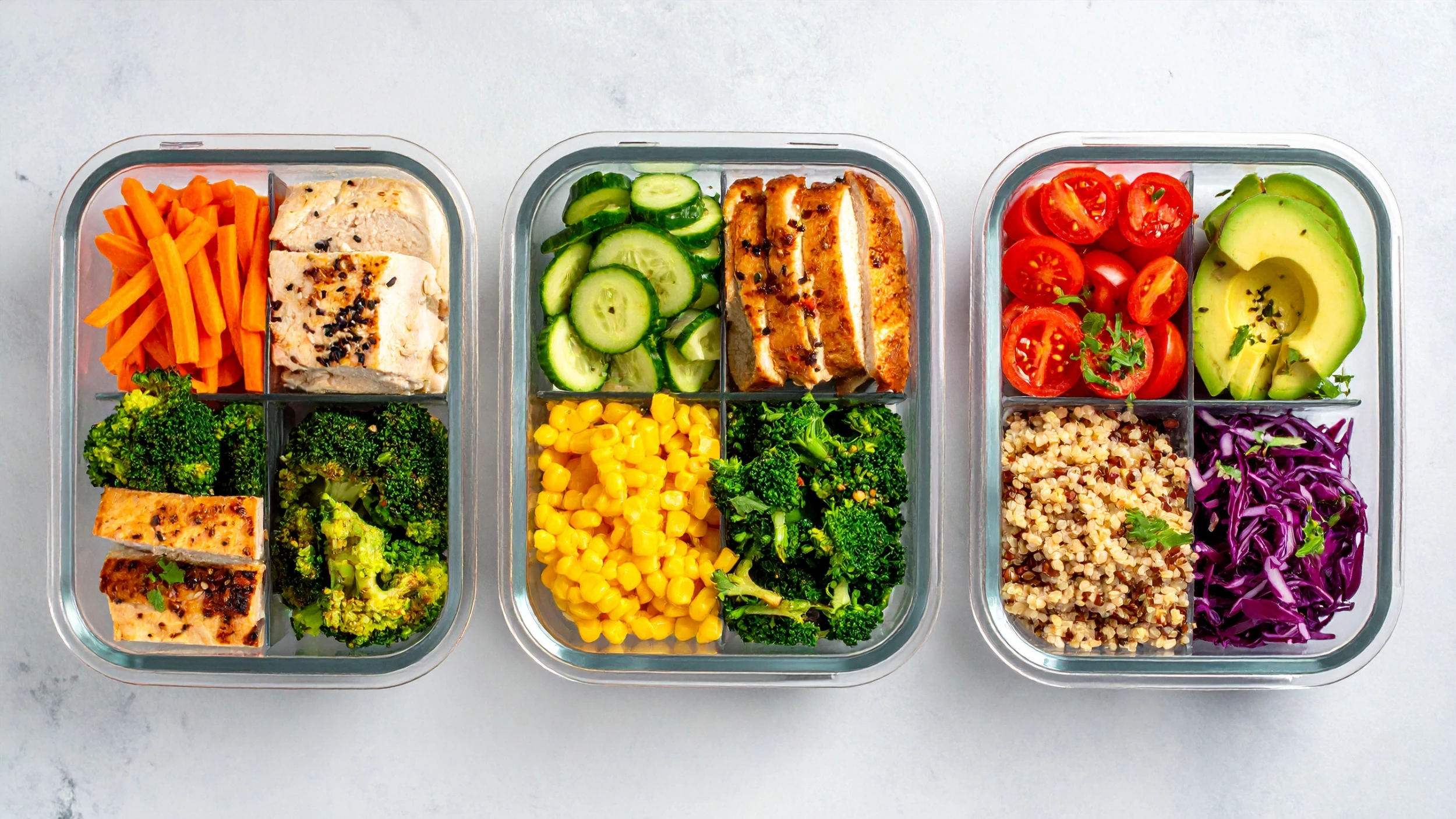
Time your meals to reinforce circadian rhythm.
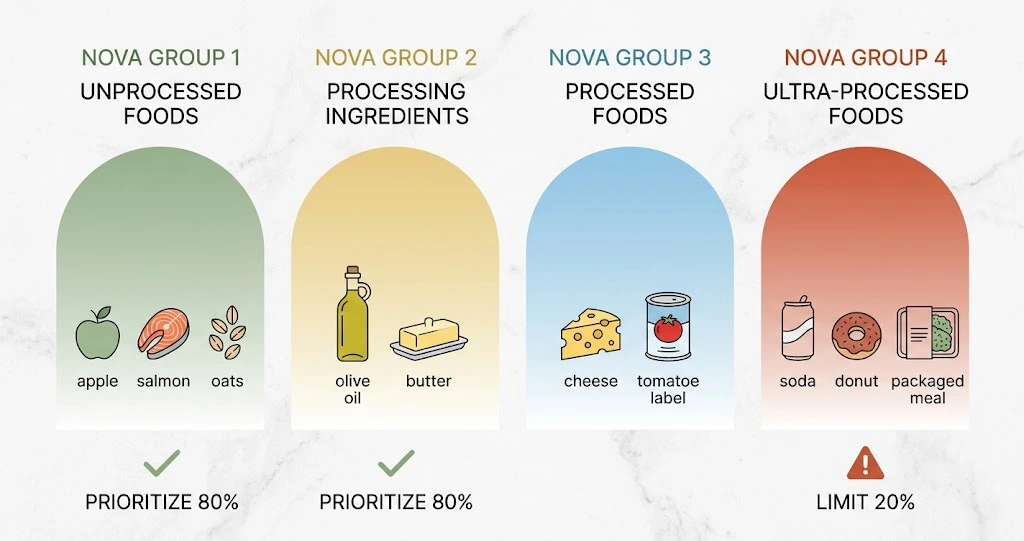
Your circadian clock isn't just in your brain—every cell in your body contains circadian machinery, and your digestive system is exquisitely sensitive to meal timing [16]. Here's how to use food as a circadian tool:
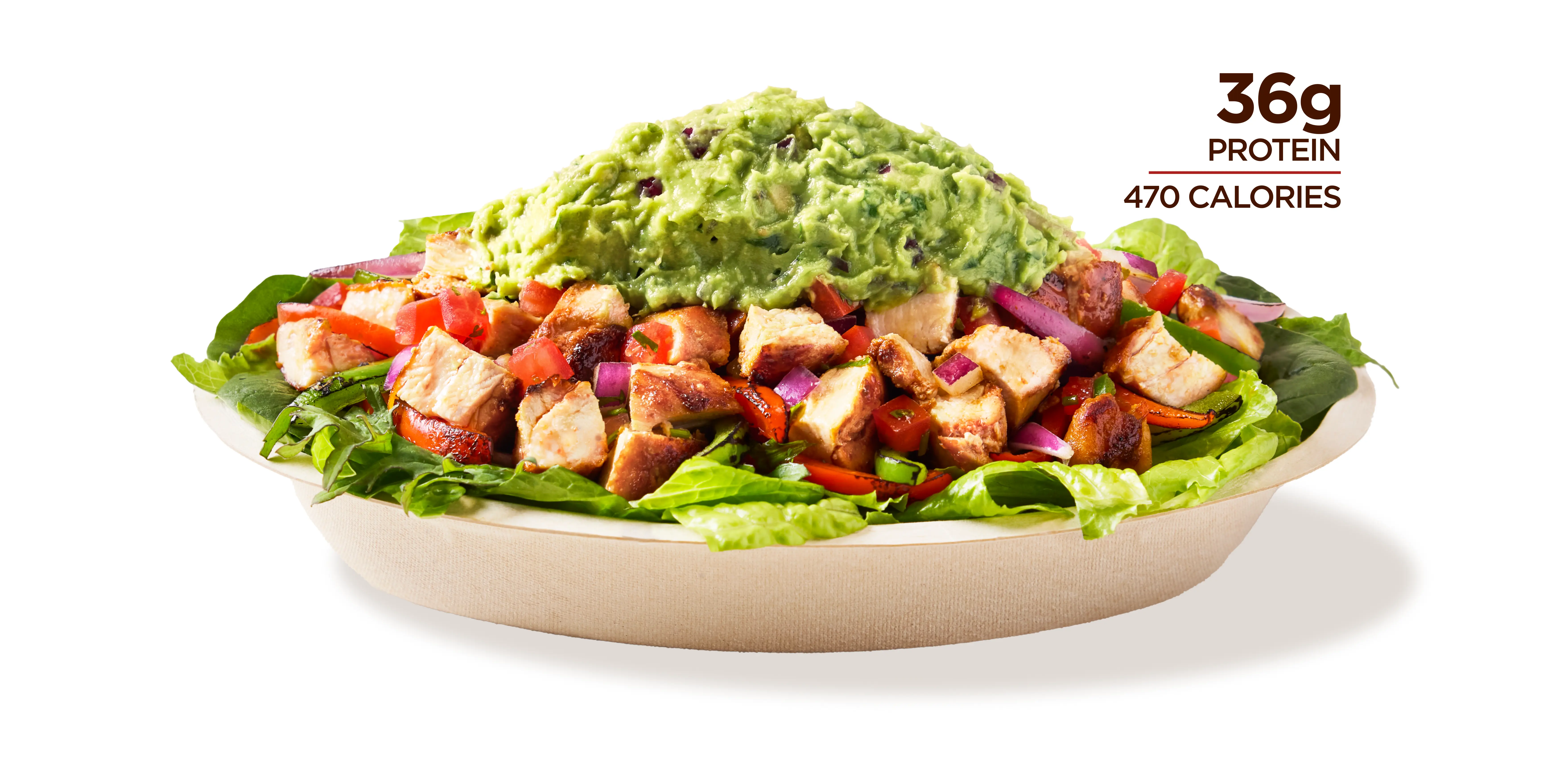
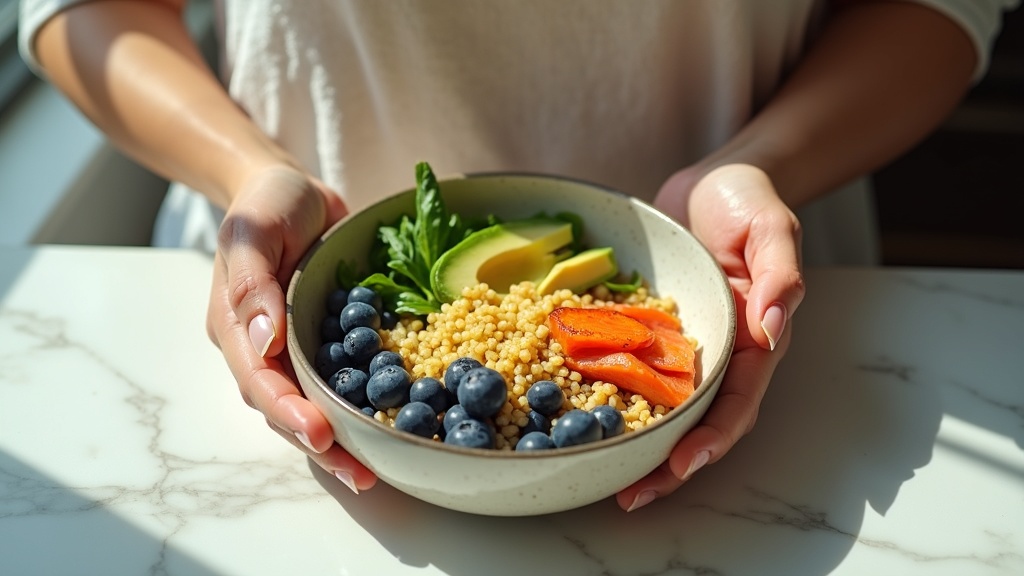
- Eat breakfast within 1-2 hours of waking, ideally containing 25-30g protein to support cortisol and dopamine production
- Front-load your calories earlier in the day when insulin sensitivity is naturally higher
- Finish your last meal at least 2-3 hours before bedtime to allow core body temperature to drop appropriately
- Consider a 12-14 hour overnight fast to give your circadian clock a clear feeding/fasting signal
Consistency trumps perfection. Going to bed and waking at the same time seven days a week—yes, including weekends—is one of the most powerful circadian interventions available [19]. Even a 60-90 minute variance on weekends can create "social jet lag" that disrupts your rhythm all week long.
Evening wind-down routine with strategic light management:
Dim your lights 2-3 hours before target bedtime. Install amber or red-toned bulbs in frequently used evening spaces. Blue light from screens suppresses melatonin by up to 50% [20], so either use blue-blocking glasses after sunset or enable night mode on all devices.
Temperature matters more than you think. Drop your bedroom to 65-68°F and consider a warm shower or bath 60-90 minutes before bed [21]. The rapid cooldown after you get out mimics the natural circadian temperature drop that facilitates sleep onset.
Strategic supplement support (when appropriate):
Melatonin supplementation can help reset circadian timing, but dosing and timing are critical. Research supports 0.5-3mg taken 5-7 hours before your desired bedtime for phase-advancing effects [22]. This is very different from the "take it right before bed" approach most people use.
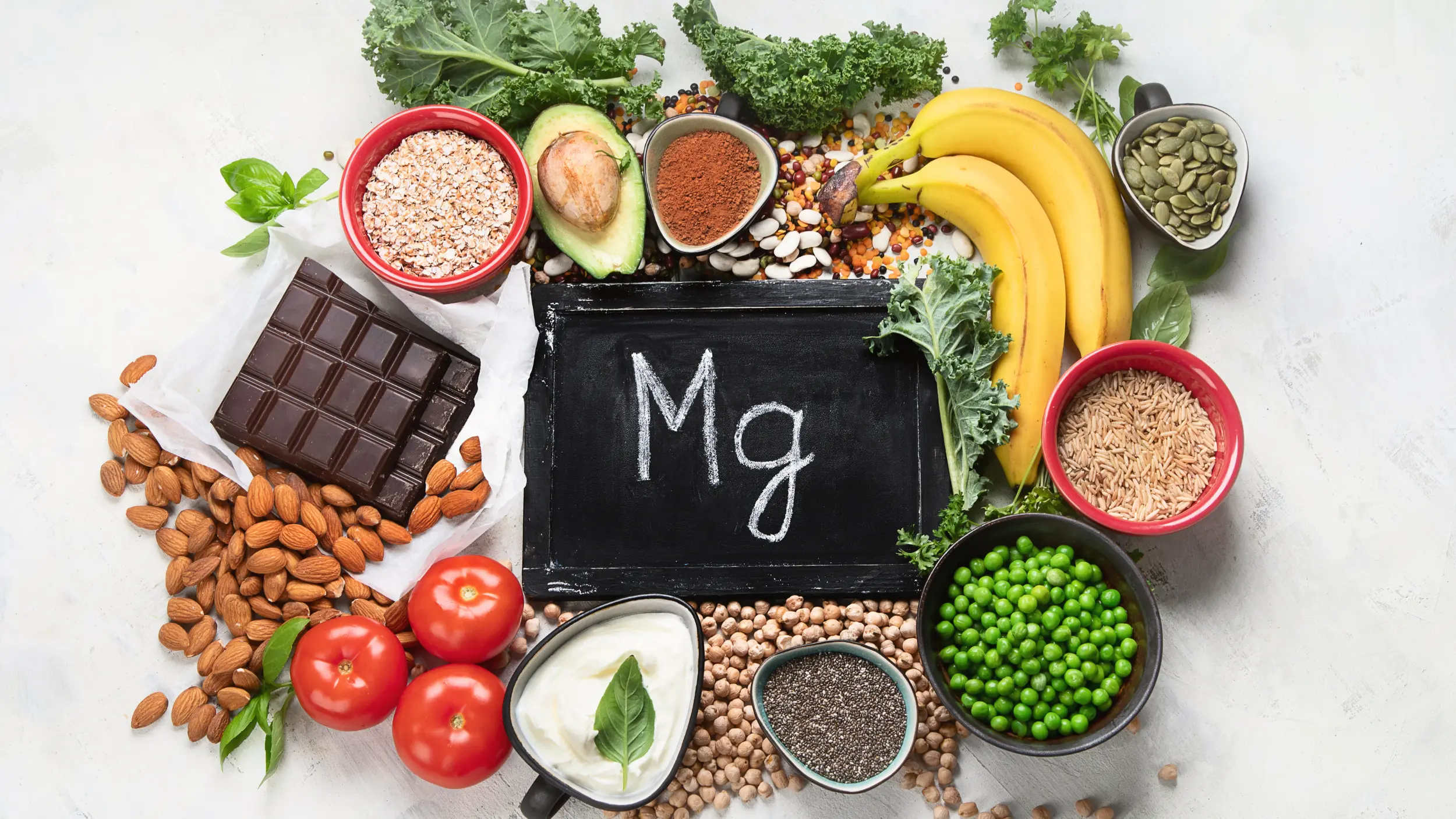
Magnesium glycinate (300-400mg with dinner) supports the GABA system and can improve sleep quality without directly affecting circadian phase [23].
If you're managing chronic stress and low energy, remember that your HPA axis and circadian system are deeply interwoven. Addressing cortisol dysregulation through targeted nutrition and lifestyle changes will simultaneously support healthier circadian rhythm function.
Frequently Asked Questions
Q1: Can I fix my circadian rhythm sleep issues on my own?
For mild to moderate circadian rhythm disruption, absolutely—the strategies outlined above can create significant improvement within 2-4 weeks of consistent implementation. However, if you're experiencing severe insomnia lasting longer than three months, or if you suspect a clinical circadian rhythm disorder like advanced or delayed sleep phase disorder, working with a healthcare provider or sleep specialist is important. Some circadian disorders require timed light therapy protocols or, in rare cases, chronobiotic medications that need professional oversight [24].
Q2: What are the long-term effects of circadian rhythm disruption?
The research here is sobering but important to understand. Chronic circadian misalignment is associated with increased risk of type 2 diabetes, cardiovascular disease, certain cancers (particularly breast cancer in shift workers), mood disorders, and accelerated cognitive decline [25]. At the cellular level, disrupted circadian rhythms affect DNA repair processes, mitochondrial function, and telomere length—all markers of biological aging [26]. The good news? Many of these effects are reversible when you restore circadian alignment, especially if you catch it relatively early.
Q3: How does my diet impact my circadian clock?
Your diet influences circadian biology through multiple pathways. First, meal timing acts as a powerful zeitgeber (time cue) for peripheral clocks in your liver, pancreas, and gut [27]. Eating late at night can actually shift these organ clocks out of sync with your central brain clock, creating internal desynchronization. Second, specific nutrients affect circadian gene expression—omega-3 fatty acids, for example, have been shown to strengthen circadian amplitude [28]. High-sugar, processed foods can dampen circadian rhythms, while a diet rich in polyphenols, fiber, and adequate protein supports robust circadian function. Blood sugar stability throughout the day also prevents the cortisol spikes that can interfere with natural circadian cortisol patterns.
Ready to take control of your sleep and well-being? Your circadian rhythm is the foundation of metabolic health, hormone balance, and sustained energy. If you're struggling with persistent sleep issues, unexplained fatigue, or stubborn weight concerns, a personalized nutrition and lifestyle protocol can help reset your internal clock and transform how you feel every single day.
Book a consultation at www.usevedic.com to create a science-backed plan optimized for your unique circadian biology and health goals.
References
[1] Hastings MH, Maywood ES, Brancaccio M. Generation of circadian rhythms in the suprachiasmatic nucleus. Nature Reviews Neuroscience, 2018.
[2] Berson DM, Dunn FA, Takao M. Phototransduction by retinal ganglion cells that set the circadian clock. Science, 2002.
[3] Clow A, Hucklebridge F, Stalder T, et al. The cortisol awakening response: more than a measure of HPA axis function. Neuroscience & Biobehavioral Reviews, 2010.
[4] Kräuchi K. The thermophysiological cascade leading to sleep initiation in relation to phase of entrainment. Sleep Medicine Reviews, 2007.
[5] Mason IC, Qian J, Adler GK, Scheer FAJL. Impact of circadian disruption on glucose metabolism: implications for type 2 diabetes. Diabetologia, 2020.
[6] Kalsbeek A, van der Spek R, Lei J, et al. Circadian rhythms in the hypothalamo-pituitary-adrenal (HPA) axis. Molecular and Cellular Endocrinology, 2012.
[7] Micic G, Lovato N, Gradisar M, et al. The etiology of delayed sleep phase disorder. Sleep Medicine Reviews, 2016.
[8] Scheer FAJL, Chan JL, Fargnoli J, et al. Day/night variations of high-molecular-weight adiponectin and lipocalin-2 in healthy men studied under fed and fasted conditions. Diabetologia, 2010.
[9] Qian J, Scheer FAJL. Circadian system and glucose metabolism: implications for physiology and disease. Trends in Endocrinology & Metabolism, 2016.
[10] Walker WH, Walton JC, DeVries AC, Nelson RJ. Circadian rhythm disruption and mental health. Translational Psychiatry, 2020.
[11] Leproult R, Holmbäck U, Van Cauter E. Circadian misalignment augments markers of insulin resistance and inflammation. Proceedings of the National Academy of Sciences, 2014.
[12] Orozco-Solis R, Sassone-Corsi P. Circadian clock: linking epigenetics to aging. Current Opinion in Genetics & Development, 2014.
[13] Thaiss CA, Zeevi D, Levy M, et al. Transkingdom control of microbiota diurnal oscillations promotes metabolic homeostasis. Cell, 2014.
[14] Roenneberg T, Merrow M. The circadian clock and human health. Current Biology, 2016.
[15] Wright KP, McHill AW, Birks BR, et al. Entrainment of the human circadian clock to the natural light-dark cycle. Current Biology, 2013.
[16] Manoogian ENC, Panda S. Circadian rhythms, time-restricted feeding, and healthy aging. Ageing Research Reviews, 2017.
[17] Jakubowicz D, Barnea M, Wainstein J, Froy O. High caloric intake at breakfast vs. dinner differentially influences weight loss of overweight and obese women. Obesity, 2013.
[18] Chaix A, Manoogian ENC, Melkani GC, Panda S. Time-restricted eating to prevent and manage chronic metabolic diseases. Annual Review of Nutrition, 2019.
[19] Wittmann M, Dinich J, Merrow M, Roenneberg T. Social jetlag: misalignment of biological and social time. Chronobiology International, 2006.
[20] Chang AM, Aeschbach D, Duffy JF, Czeisler CA. Evening use of light-emitting eReaders negatively affects sleep, circadian timing, and next-morning alertness. Proceedings of the National Academy of Sciences, 2015.
[21] Harding EC, Franks NP, Wisden W. The temperature dependence of sleep. Frontiers in Neuroscience, 2019.
[22] Burgess HJ, Revell VL, Eastman CI. A three pulse phase response curve to three milligrams of melatonin in humans. Journal of Physiology, 2008.
[23] Abbasi B, Kimiagar M, Sadeghniiat K, et al. The effect of magnesium supplementation on primary insomnia in elderly: A double-blind placebo-controlled clinical trial. Journal of Research in Medical Sciences, 2012.
[24] Auger RR, Burgess HJ, Emens JS, et al. Clinical practice guideline for the treatment of intrinsic circadian rhythm sleep-wake disorders. Journal of Clinical Sleep Medicine, 2015.
[25] Erren TC, Reiter RJ. Defining chronodisruption. Journal of Pineal Research, 2009.
[26] Bishehsari F, Voigt RM, Keshavarzian A. Circadian rhythms and the gut microbiota: from the metabolic syndrome to cancer. Nature Reviews Endocrinology, 2020.
[27] Damiola F, Le Minh N, Preitner N, et al. Restricted feeding uncouples circadian oscillators in peripheral tissues from the central pacemaker in the suprachiasmatic nucleus. Genes & Development, 2000.
[28] Hoare S, Chong LY, Aponte R, et al. Omega-3 fatty acids improve circadian rhythm and increase amplitude. Journal of Sleep Research, 2016.
.svg)
.svg)




.jpg)
.jpg)
















.webp)

























.webp)
.webp)
.webp)
.webp)
.webp)
.webp)
.webp)
.png)
.webp)
.webp)

.webp)
.png)
.webp)
.webp)
.webp)
.webp)
.webp)
.webp)
.webp)
.webp)
.webp)


.webp)
.png)