.webp)
%2B(7).webp)
.png)
At a Glance
Creatine is one of the most researched supplements available, offering benefits far beyond muscle building—including enhanced cognitive function, increased energy production, and improved exercise performance. Women can safely use creatine monohydrate at 3-5 grams daily without a loading phase, and contrary to myths, it won't cause bloating or unwanted bulk when used appropriately. This evidence-based guide covers everything you need to know about creatine dosage, timing, results, and how to choose the best product for your wellness goals.
Introduction: Let's Talk Creatine!
Hey there! You've probably heard the buzz about creatine, maybe in the gym or from a friend who swears by it. Here's the thing: creatine has been stuck in the "bro supplement" category for way too long, and I'm here to set the record straight as your dietitian.
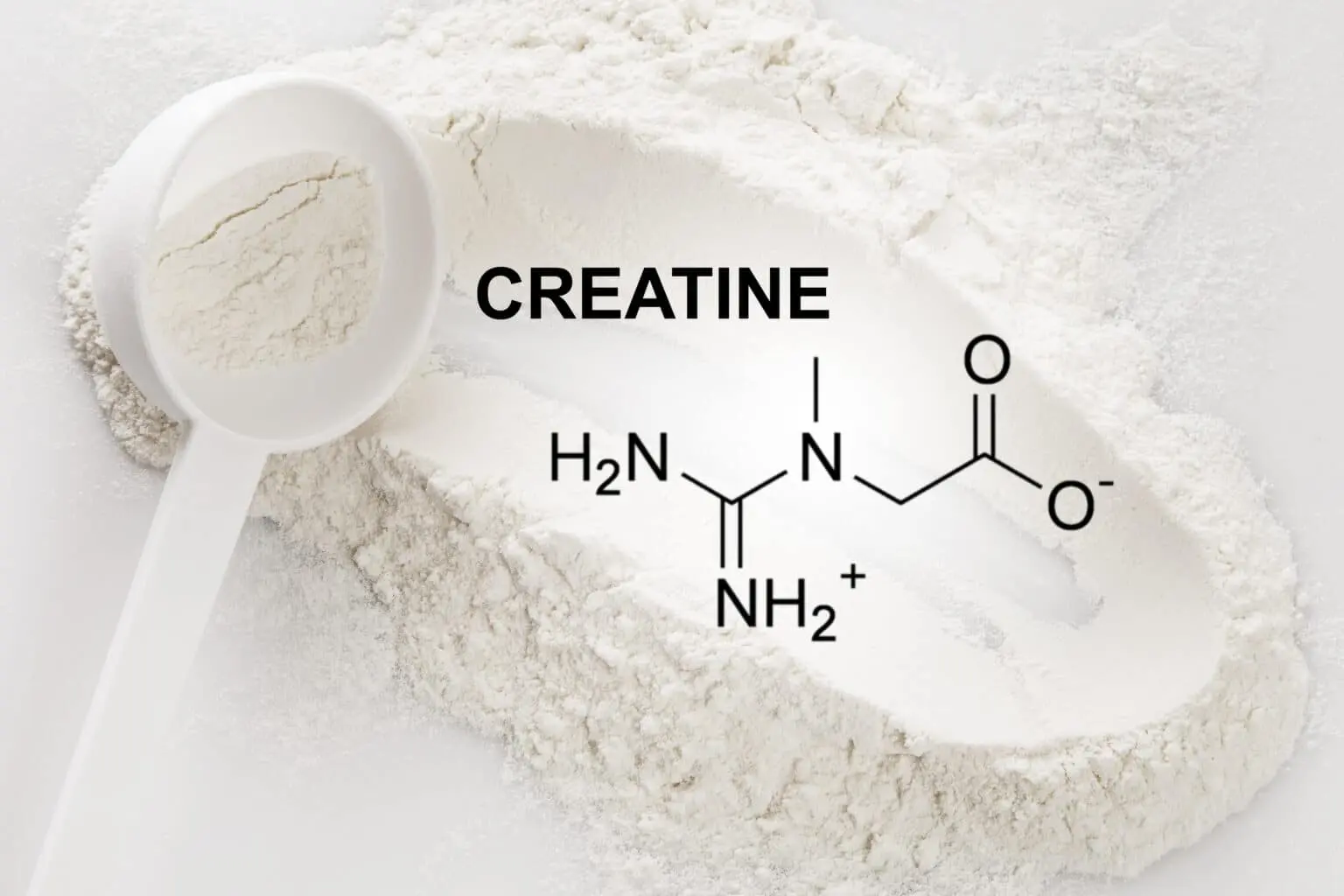
Creatine is actually a compound your body produces naturally in your liver, kidneys, and pancreas [1]. It's stored primarily in your skeletal muscle and plays a critical role in energy production during high-intensity activities. You also get small amounts from foods like red meat and fish, but supplementation offers a concentrated, consistent dose that's hard to match through diet alone.
The research on creatine is extensive—we're talking about one of the most studied supplements in sports nutrition and clinical medicine. What's exciting for women specifically is that the benefits extend way beyond the weight room. We're seeing compelling data on cognitive performance, mood regulation, bone health, and even hormonal balance support during different life stages [2].
So whether you're lifting weights, training for a race, managing a demanding career, or simply wanting to optimize your energy and mental clarity, creatine deserves a spot in your supplement conversation. Let's break down exactly what this powerhouse can do for you.
Unpacking the Benefits: More Than Just Muscle
When most people think about creatine benefits, they immediately picture bodybuilders and strength athletes. While it's true that creatine is phenomenal for muscle performance, that's honestly just scratching the surface—especially for women.
Strength and Exercise Performance
Let's start with the classic benefit. Creatine supplementation increases your muscle's phosphocreatine stores, which helps regenerate ATP (adenosine triphosphate)—the primary energy currency of your cells [3]. What does this mean in real life?
- You can perform more reps during resistance training
- Your sprint capacity and high-intensity interval performance improve
- Recovery between sets becomes noticeably faster
- Overall training volume increases, leading to better strength and lean muscle gains over time
One meta-analysis found that creatine supplementation combined with resistance training significantly increased upper and lower body strength compared to training alone [4]. For women, this translates to faster progress toward fitness goals, whether that's your first pull-up or a new deadlift personal record.
Cognitive Function and Mental Clarity
Here's where things get really interesting. Your brain is an energy-hungry organ, and creatine plays a significant role in brain bioenergetics [5]. Research shows that creatine supplementation can:
- Enhance working memory and processing speed, particularly during periods of sleep deprivation or cognitive stress
- Improve mental fatigue resistance during complex tasks
- Support neuroprotection and potentially reduce age-related cognitive decline
For women juggling careers, families, and personal wellness goals, this cognitive edge is genuinely valuable. One study specifically examined women and found that creatine supplementation improved performance on tasks requiring short-term memory and intelligence [6].
Bone Health and Body Composition
Emerging research suggests creatine may support bone mineral density when combined with resistance training—a major consideration for women as we age [7]. Additionally, creatine helps preserve lean muscle mass, which is metabolically active tissue that supports healthy body composition and insulin sensitivity.
The connection between muscle mass and metabolic health is profound, and if you're working on hormone balance through nutrition, maintaining lean tissue becomes even more important.
Mood and Hormonal Support
Some fascinating preliminary research indicates creatine may have mood-regulating properties, potentially due to its role in brain energy metabolism [8]. While we need more research specifically in women, the existing data is promising enough that I discuss it with clients managing stress, fatigue, or mood fluctuations—particularly those also focused on managing stress and optimizing energy.
Vegetarian and Vegan Considerations
If you follow a plant-based diet, you're likely starting with lower creatine stores since dietary creatine comes primarily from animal products [9]. Supplementation can be particularly beneficial for vegetarians and vegans, often resulting in more noticeable improvements in exercise performance and cognitive function.
Creatine Safely: Dosage, Timing, and What to Expect
Now that you're excited about the potential benefits, let's talk practical application. Understanding the right creatine dosage and how to use it properly will help you maximize results while minimizing any unnecessary concerns.
The Standard Dosage Protocol
The most straightforward approach is simple: 3-5 grams of creatine monohydrate daily [10]. That's it. No complicated timing windows, no cycling on and off, just consistent daily supplementation.
For most women, 3 grams daily is sufficient, though active individuals or those with higher muscle mass may benefit from the upper end of that range. Your muscles can only store so much creatine, so more isn't necessarily better—once your stores are saturated, excess creatine is simply excreted.
Do You Need a Loading Phase?
You've probably heard about the creatine loading phase—taking 20-25 grams daily (split into 4-5 doses) for 5-7 days to rapidly saturate muscle stores [11]. Here's my honest take: it works, but it's not necessary.
Loading will get you to full saturation about 2-3 weeks faster than the standard dose, but both approaches achieve the same endpoint. The downsides of loading include:
- Higher chance of digestive discomfort (bloating, loose stools)
- Increased temporary water retention
- Higher upfront cost
- More complicated dosing schedule
For most of my clients, I recommend skipping the loading phase and going straight to 3-5 grams daily. You'll reach full saturation within 3-4 weeks, and the process is much gentler on your system.
Creatine Before or After Workout: Does Timing Matter?
This is one of the most common questions I get. The research on timing is mixed, with some studies suggesting a slight advantage to post-workout supplementation [12]. However, the difference is minimal compared to simply taking it consistently every day.
My practical recommendation: take creatine whenever it fits best into your routine. Many people find it easiest to mix creatine powder into their morning smoothie, post-workout shake, or afternoon snack. Consistency matters far more than precise timing.
One small consideration: taking creatine with carbohydrates may slightly enhance uptake due to insulin's effects on muscle creatine transport, though this isn't essential [13].
What Results Can You Expect and When?
Let's set realistic expectations. Creatine results vary based on your starting point, training program, diet, and genetics, but here's a general timeline:
Week 1-2: If you're loading, you may notice slight water retention (1-2 pounds) as your muscles draw in water along with creatine. This is intracellular fluid—not the puffy, bloated kind. Without loading, changes are minimal at this stage.
Week 3-4: Muscle stores reach saturation. You'll likely notice improved performance during high-intensity exercise—extra reps, better sprint capacity, or reduced fatigue between sets.
Week 6-12: With consistent training, you'll see improvements in strength, power output, and potentially lean muscle mass. Cognitive benefits become more apparent, especially during demanding mental tasks.
Long-term: Continued use supports sustained performance improvements and may contribute to better body composition, bone health, and cognitive function over time.
Understanding Creatine Side Effects
Let's address the elephant in the room: creatine side effects. Despite decades of research, creatine monohydrate is consistently shown to be safe for healthy individuals when used appropriately [14].
The most common side effects are mild and usually related to dosing:
- Digestive discomfort: Bloating, gas, or loose stools, typically only during loading phases or with very high doses. Solution: stick to 3-5 grams daily and take it with food.
- Water retention: A slight increase in intramuscular water content, which is actually part of how creatine works. This isn't "bloat" in the traditional sense.
- Weight gain: Usually 1-3 pounds from increased muscle water content and, over time, lean muscle growth. This is a feature, not a bug.
Myths I need to bust:
- "Creatine damages your kidneys": Extensive research shows no adverse effects on kidney function in healthy individuals [15]. If you have pre-existing kidney disease, consult your healthcare provider.
- "Creatine causes dehydration or cramping": No credible evidence supports this claim [16].
- "Women will get bulky from creatine": Creatine supports muscle performance, but you won't accidentally build excessive muscle without a specific training and nutrition program designed for that goal.
Who Should Exercise Caution?
While creatine is safe for most people, certain groups should consult a healthcare provider first:
- Individuals with kidney disease or significantly impaired kidney function
- Those taking medications that affect kidney function
- Pregnant or breastfeeding women (not due to known risks, but due to limited research in this population)
If you're working on optimizing your gut health, start with a lower dose to assess tolerance, as some people with sensitive digestive systems may need a gradual introduction.
Choosing the Right Creatine and Integrating It into Your Lifestyle
Walking into a supplement store or browsing online can feel overwhelming with all the creatine options available. Let me simplify this for you: creatine monohydrate is the gold standard, and unless you have a specific reason to choose something else, it's what I recommend.
Why Creatine Monohydrate Is the Best Creatine
Creatine monohydrate is the most researched form of creatine, with hundreds of studies supporting its efficacy and safety [17]. It's also typically the most affordable option, which is perfect because you'll be taking it daily.
Other forms you might see include:
- Creatine hydrochloride (HCl): Marketed as having better solubility and absorption, but research doesn't show clear advantages over monohydrate
- Buffered creatine: Claims to reduce side effects, but studies don't support superior benefits [18]
- Creatine ethyl ester: Actually shows inferior results compared to monohydrate [19]
Bottom line: stick with creatine monohydrate. It works, it's affordable, and it's backed by decades of research.
Quality Markers to Look For
When shopping for the best creatine supplement, consider these factors:
- Third-party testing: Look for products certified by NSF Certified for Sport, Informed-Choice, or USP, which verify purity and ensure the product is free from banned substances.
- Creapure® certification: This is a German-manufactured form of creatine monohydrate known for high purity standards. It's a quality indicator, though not absolutely necessary.
- Minimal additives: Plain creatine powder without unnecessary fillers, artificial sweeteners, or proprietary blends is ideal.
- Micronized formulation: This simply means smaller particles that dissolve better in liquid, making it easier to mix.
Creatine Powder: How to Take It
Creatine powder is the most cost-effective and versatile option. Here are easy ways to incorporate it:
- Mix it into your morning smoothie with fruits, greens, and protein
- Stir it into your post-workout shake
- Add it to yogurt or oatmeal
- Simply mix it with water or juice
Creatine is tasteless (or slightly gritty at worst), so it blends easily into most foods and beverages. You don't need to fully dissolve it—your stomach acid will break it down regardless.
Building Your Routine
Consistency is everything with creatine. Here's how to build a sustainable habit:
Pick an anchor: Tie creatine to an existing daily habit. Many of my clients keep their creatine next to their coffee maker and add it to their morning routine.
Set a phone reminder: Until it becomes automatic, a daily reminder ensures you don't forget.
Track your intake: Use a simple habit tracker or notes app for the first month to build the routine.
Stay hydrated: While creatine doesn't cause dehydration, maintaining good hydration supports overall performance and helps your body utilize the supplement effectively.
What About Cycling?
You might have heard you need to cycle creatine (take breaks from it periodically). Good news: you don't need to cycle creatine [20]. Your body doesn't develop a tolerance, and there's no need to give your system a break. Continuous use is safe and maintains your elevated muscle creatine stores.
The only reason to stop taking creatine would be personal preference, cost considerations, or if you're taking an extended break from training.
Frequently Asked Questions
Can women really benefit from creatine, or is it just for men?
Absolutely, women can benefit from creatine! The supplement works the same way in female and male bodies—it enhances ATP production, supports exercise performance, and provides cognitive benefits. The outdated idea that creatine is only for men stems from old marketing, not science. In fact, some research suggests women may experience unique benefits related to hormonal fluctuations, bone health, and mood regulation [21]. The key is understanding that creatine for women isn't about getting "bulky"—it's about optimizing energy production, supporting your training goals, enhancing mental performance, and promoting overall wellness.
What are the most common creatine side effects for women, and how can I avoid them?
The most common side effects are minimal and easily manageable. Some women experience mild digestive discomfort (bloating or gas) when first starting, especially with higher doses. To avoid this, skip the loading phase and start with 3-5 grams daily taken with food. A small amount of water retention (1-2 pounds) is normal as creatine draws water into muscle cells—this is intracellular fluid, not subcutaneous bloating. Stay well-hydrated and give your body 2-3 weeks to adjust. If you have a sensitive stomach, consider splitting your dose throughout the day or choosing a micronized creatine powder that dissolves more easily. The research consistently shows that creatine monohydrate is safe for healthy women when used at recommended doses [22].
How much creatine should I take daily to see results?
For most women, 3-5 grams of creatine monohydrate daily is the optimal creatine dosage. You don't need to load, cycle, or take massive doses. Simply take your daily dose consistently—timing is flexible, so choose whenever works best for your routine (morning, post-workout, or with a meal). You'll reach full muscle saturation within 3-4 weeks and begin noticing performance improvements around that time. If you're smaller or less active, 3 grams may be sufficient; if you're highly active with more muscle mass, you might benefit from 5 grams. More isn't better—once your muscles are saturated, excess creatine is simply excreted. Consistency over time is what drives results, not high doses [23].
Ready to Optimize Your Nutrition and Wellness?
Creatine is a powerful, evidence-based tool that can support your strength, cognitive function, and overall wellness goals. But here's what I know after years of working with women: supplements are just one piece of your health puzzle.
If you're ready to take a comprehensive approach to your nutrition—whether that's optimizing your training nutrition, balancing hormones, managing stress and energy, or simply feeling your absolute best—I'd love to work with you.
Ready to explore if creatine is the right step for your wellness goals? Let's chat!
Book a personalized consultation with our dietitian today to discuss your creatine needs and create a plan tailored just for you.
References
[1] Brosnan JT, Brosnan ME. Creatine: endogenous metabolite, dietary, and therapeutic supplement. Annual Review of Nutrition, 2007.
[2] Smith-Ryan AE, Cabre HE, Eckerson JM, Candow DG. Creatine Supplementation in Women's Health: A Lifespan Perspective. Nutrients, 2021.
[3] Kreider RB, Kalman DS, Antonio J, et al. International Society of Sports Nutrition position stand: safety and efficacy of creatine supplementation in exercise, sport, and medicine. Journal of the International Society of Sports Nutrition, 2017.
[4] Devries MC, Phillips SM. Creatine supplementation during resistance training in older adults—a meta-analysis. Medicine & Science in Sports & Exercise, 2014.
[5] Avgerinos KI, Spyrou N, Bougioukas KI, Kapogiannis D. Effects of creatine supplementation on cognitive function of healthy individuals: A systematic review of randomized controlled trials. Experimental Gerontology, 2018.
[6] Rae C, Digney AL, McEwan SR, Bates TC. Oral creatine monohydrate supplementation improves brain performance: a double-blind, placebo-controlled, cross-over trial. Proceedings of the Royal Society B: Biological Sciences, 2003.
[7] Candow DG, Chilibeck PD, Forbes SC. Creatine supplementation and aging musculoskeletal health. Endocrine, 2014.
[8] Kious BM, Kondo DG, Renshaw PF. Creatine for the Treatment of Depression. Biomolecules, 2019.
[9] Burke DG, Chilibeck PD, Parise G, et al. Effect of creatine supplementation and resistance-exercise training on muscle insulin-like growth factor in young adults. International Journal of Sport Nutrition and Exercise Metabolism, 2003.
[10] Antonio J, Candow DG, Forbes SC, et al. Common questions and misconceptions about creatine supplementation: what does the scientific evidence really show?. Journal of the International Society of Sports Nutrition, 2021.
[11] Hultman E, Söderlund K, Timmons JA, et al. Muscle creatine loading in men. Journal of Applied Physiology, 1996.
[12] Antonio J, Ciccone V. The effects of pre versus post workout supplementation of creatine monohydrate on body composition and strength. Journal of the International Society of Sports Nutrition, 2013.
[13] Steenge GR, Simpson EJ, Greenhaff PL. Protein- and carbohydrate-induced augmentation of whole body creatine retention in humans. Journal of Applied Physiology, 2000.
[14] Poortmans JR, Francaux M. Adverse effects of creatine supplementation: fact or fiction?. Sports Medicine, 2000.
[15] Kim HJ, Kim CK, Carpentier A, Poortmans JR. Studies on the safety of creatine supplementation. Amino Acids, 2011.
[16] Lopez RM, Casa DJ, McDermott BP, et al. Does creatine supplementation hinder exercise heat tolerance or hydration status? A systematic review with meta-analyses. Journal of Athletic Training, 2009.
[17] Buford TW, Kreider RB, Stout JR, et al. International Society of Sports Nutrition position stand: creatine supplementation and exercise. Journal of the International Society of Sports Nutrition, 2007.
[18] Jagim AR, Oliver JM, Sanchez A, et al. A buffered form of creatine does not promote greater changes in muscle creatine content, body composition, or training adaptations than creatine monohydrate. Journal of the International Society of Sports Nutrition, 2012.
[19] Spillane M, Schoch R, Cooke M, et al. The effects of creatine ethyl ester supplementation combined with heavy resistance training on body composition, muscle performance, and serum and muscle creatine levels. Journal of the International Society of Sports Nutrition, 2009.
[20] Volek JS, Rawson ES. Scientific basis and practical aspects of creatine supplementation for athletes. Nutrition, 2004.
[21] Forbes SC, Candow DG, Smith-Ryan AE, et al. Supplements and Nutritional Interventions to Augment High-Intensity Interval Training Physiological and Performance Adaptations—A Narrative Review. Nutrients, 2021.
[22] Kreider RB, Stout JR. Creatine in Health and Disease. Nutrients, 2021.
[23] Candow DG, Forbes SC, Chilibeck PD, et al. Effectiveness of Creatine Supplementation on Aging Muscle and Bone: Focus on Falls Prevention and Inflammation. Journal of Clinical Medicine, 2019.
.svg)
.svg)






.jpg)
.jpg)






















.webp)

































.webp)
.webp)
.webp)
.webp)
.webp)
.webp)
.webp)
.png)
.webp)
.webp)

.webp)
.png)
.webp)
.webp)
.webp)
.webp)
.webp)
.webp)
.webp)
.webp)
.webp)



.webp)
.png)