.webp)

%2B(7).webp)
.png)
At a Glance
Constipation is one of the most common digestive complaints during travel, affecting up to 40% of people who leave their usual routine. This guide provides clinical, evidence-based strategies for preventing constipation on road trips through targeted hydration protocols, strategic food choices, and proactive gut health interventions. You'll learn exactly what to pack, how much to drink, and when to intervene so your digestive system stays as happy as you are on vacation.
Setting the Stage for Smooth Travels: Hydration & Movement
Let's start with the foundation: water and movement are non-negotiables for managing road trip constipation.
Your colon absorbs water from digested food to form stool. When you're dehydrated, it pulls even more water out, creating hard, difficult-to-pass stools. Travel compounds this because:
- Air conditioning and heating in vehicles increase insensible water loss
- Many women intentionally restrict fluids to avoid frequent bathroom stops
- Coffee and salty snacks (hello, road trip staples) have mild diuretic effects
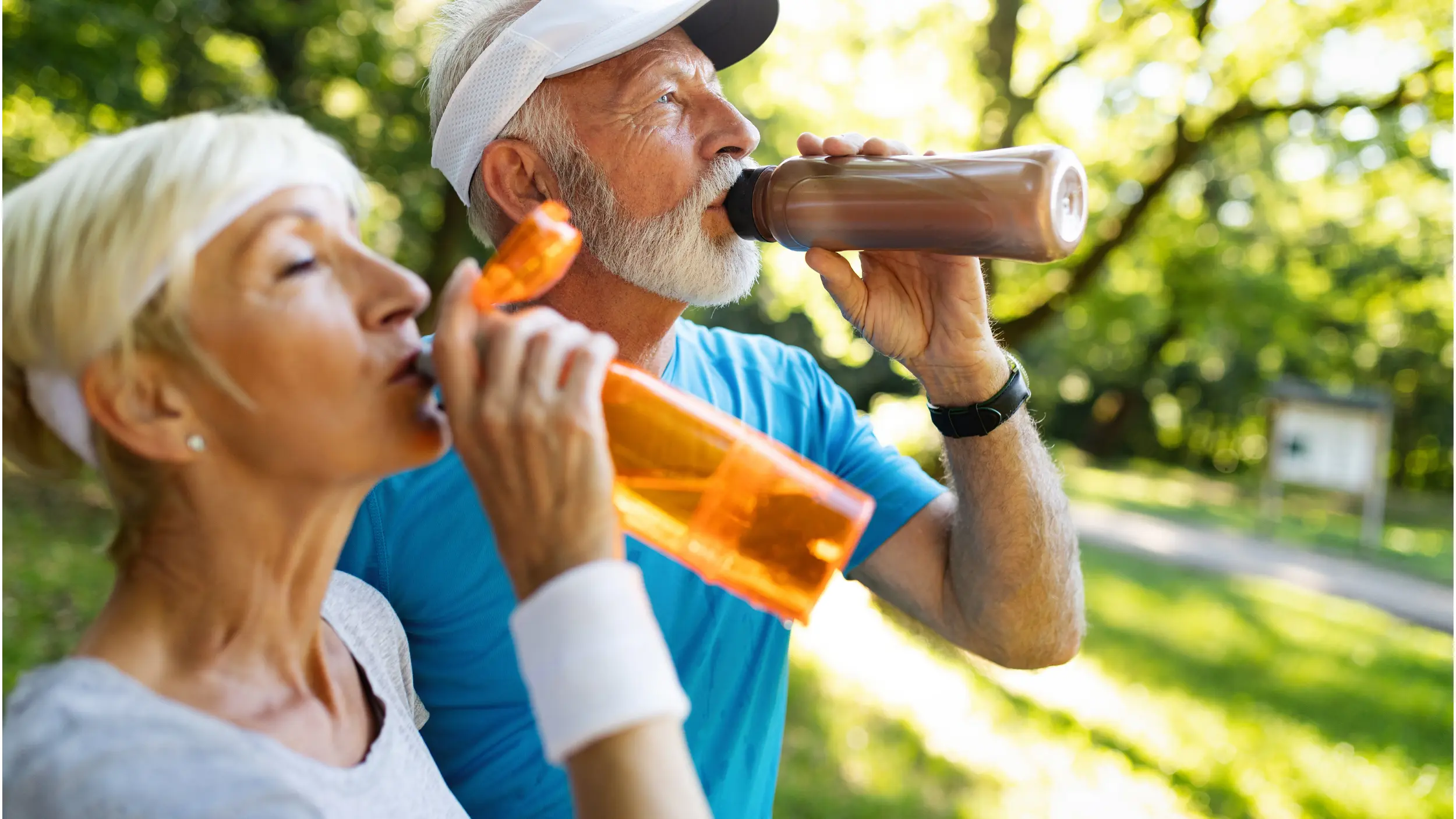
Here's your baseline hydration protocol: Start with 2.7 liters (about 91 ounces) daily as your minimum, then add 8-16 ounces for every hour you're in a climate-controlled vehicle. If you're traveling through hot or dry climates, increase that by another 20-30%.
I know what you're thinking: "But then I'll need to stop every hour!" Here's the thing—your body adapts within 24-48 hours, and those bathroom breaks are actually your secret weapon for the second pillar: movement.
The movement connection
Physical activity directly stimulates colonic motility through increased vagal tone and mechanical stimulation of the intestinal wall. Even 5-10 minutes of walking during rest stops can significantly reduce transit time.
Try this protocol:
- Every 2-3 hours, take a 10-minute walk at your rest stop
- Do 10-15 bodyweight squats before getting back in the car (they're especially effective for pelvic floor engagement)
- Practice seated spinal twists and forward folds while parked
These micro-movements add up. In one study tracking travelers, those who incorporated brief activity breaks every 2-3 hours reported 60% fewer instances of travel constipation compared to sedentary travelers.
Smart Snacking & Meal Choices on the Go
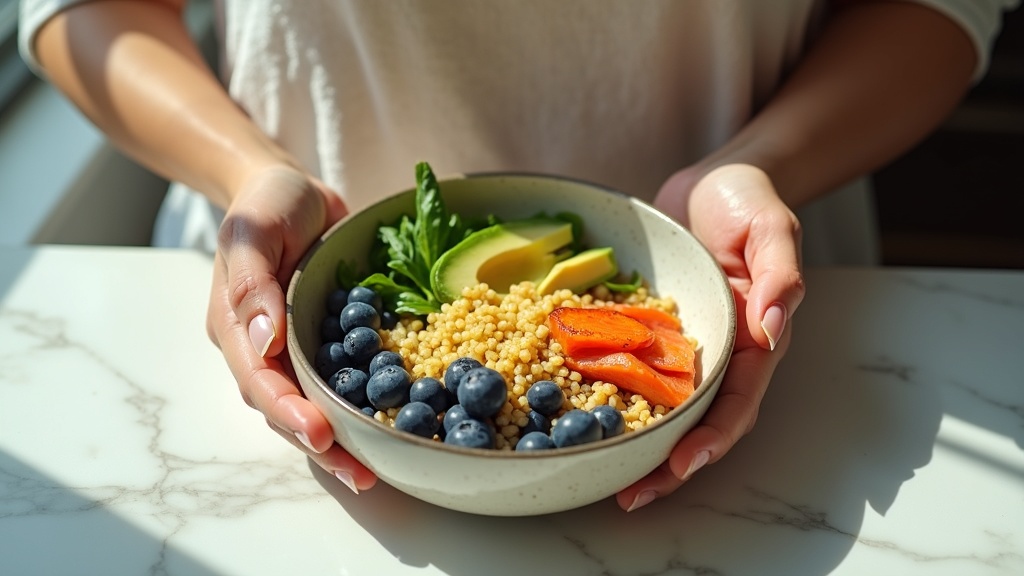
Now let's talk about the fun part: food! Your gut microbiome thrives on consistency and fiber, but travel often disrupts both. The goal isn't perfection—it's strategic damage control.
Fiber: Your constipation insurance policy
Most women need 25-35 grams of fiber daily for optimal bowel function, but the average American consumes only 10-15 grams. When traveling, that number often drops even further.
Here's how to bridge that gap with minimal effort:
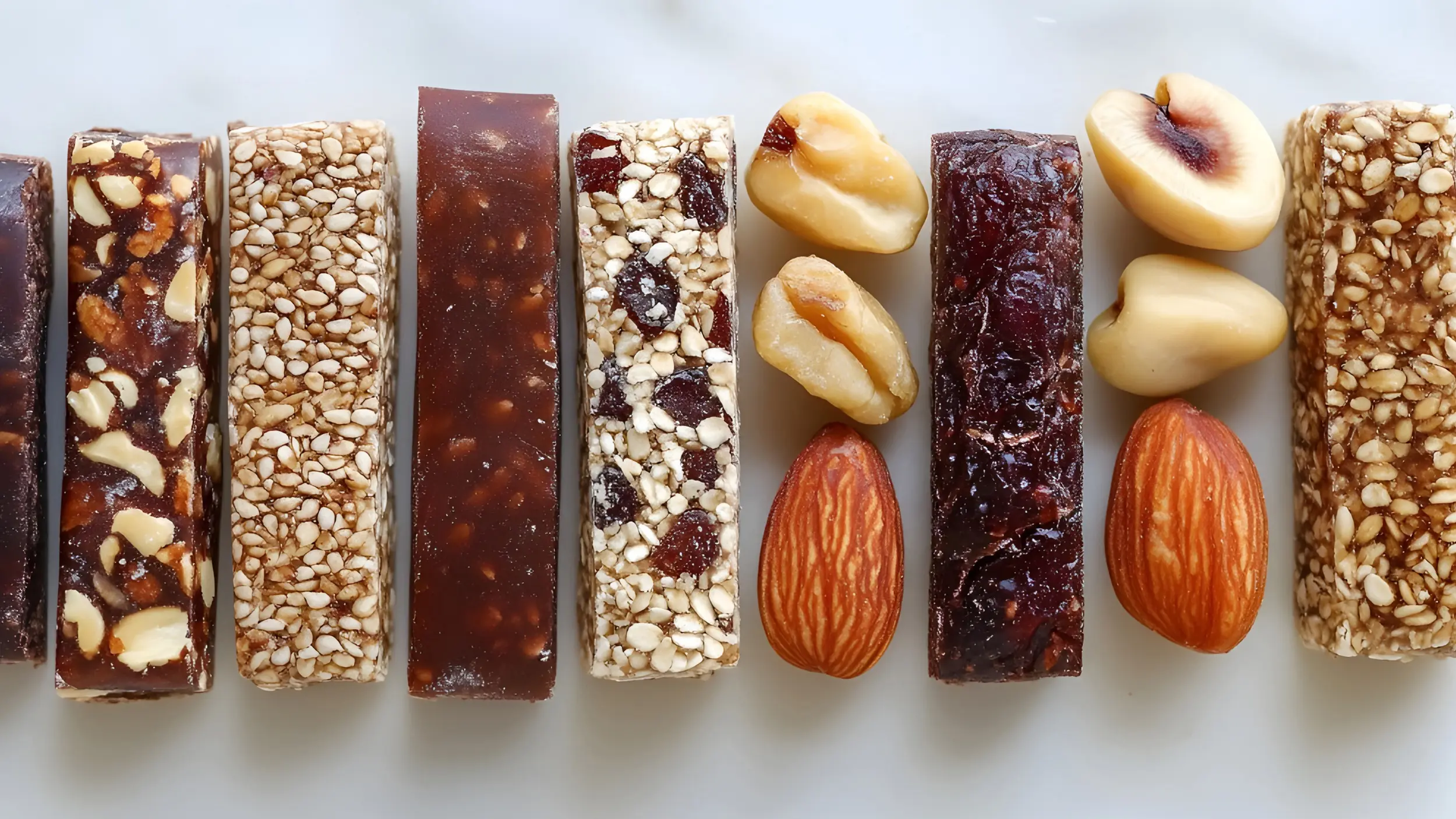
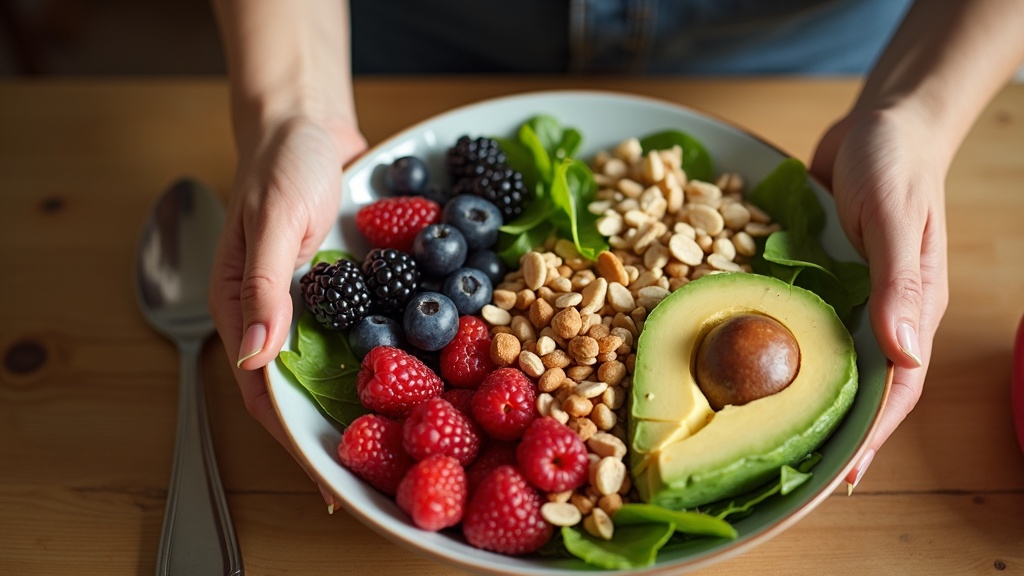
- Pack individually wrapped dried figs or prunes (4-5 prunes provide 3g fiber plus sorbitol, a natural osmotic laxative)
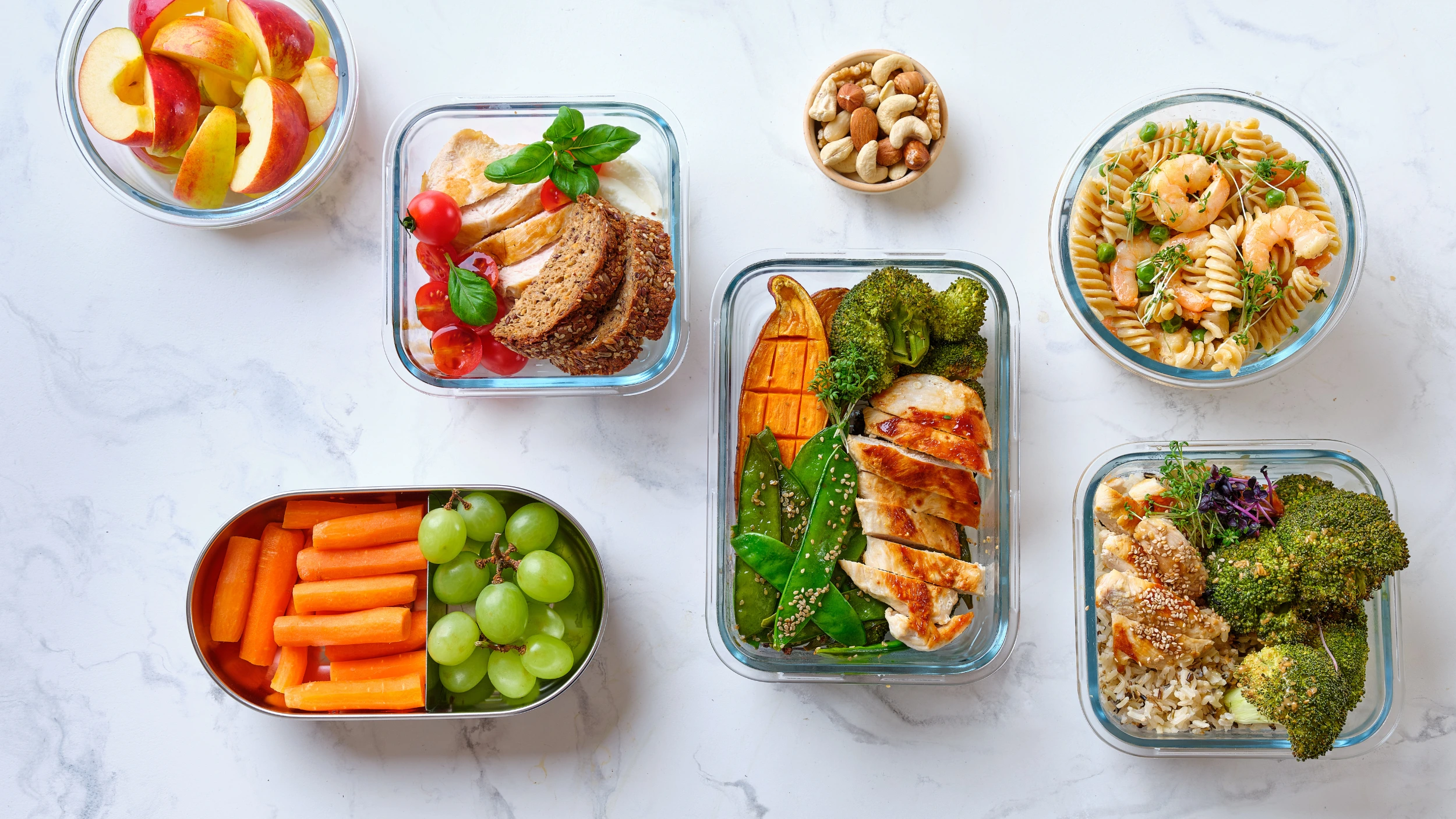
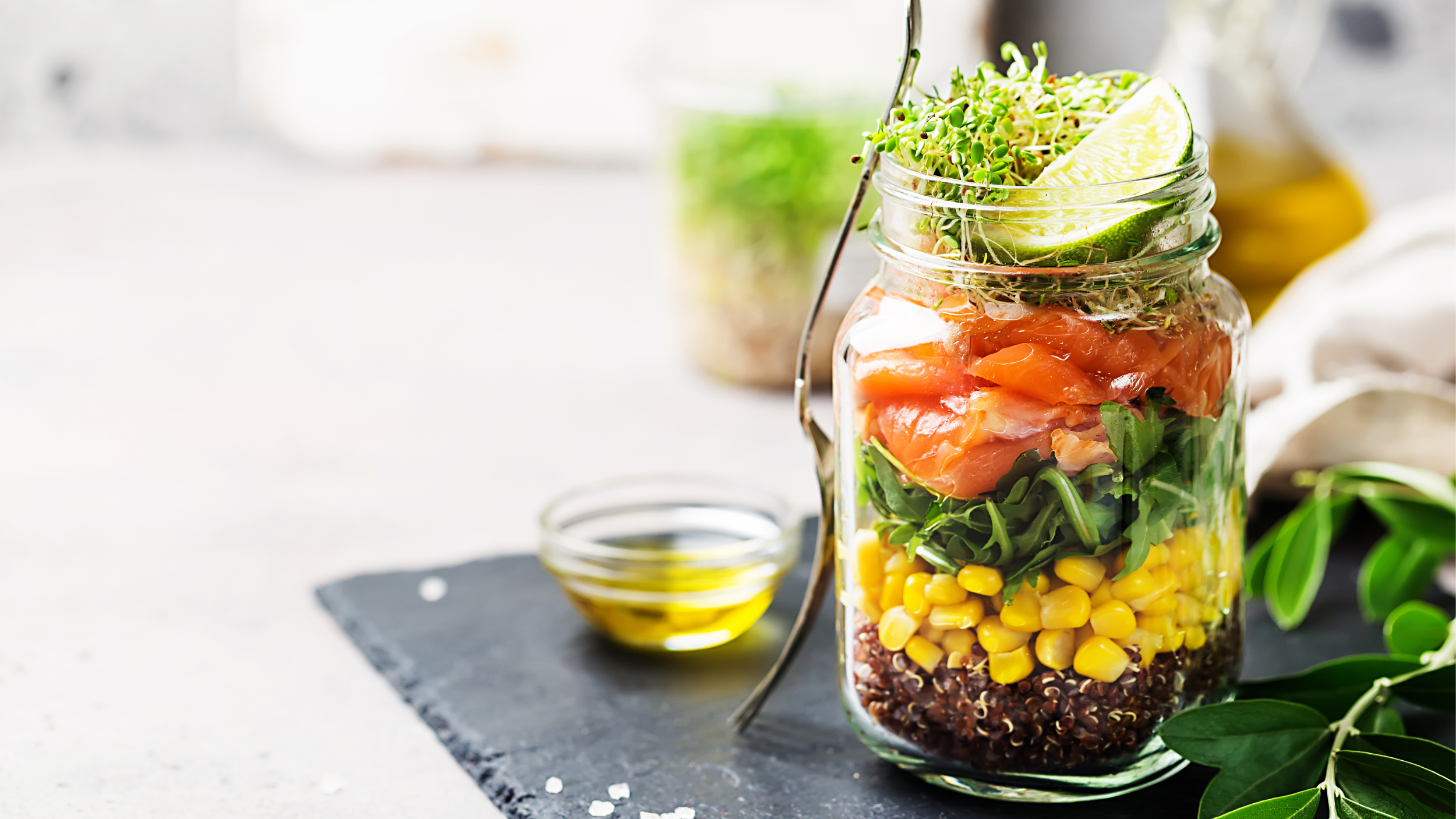
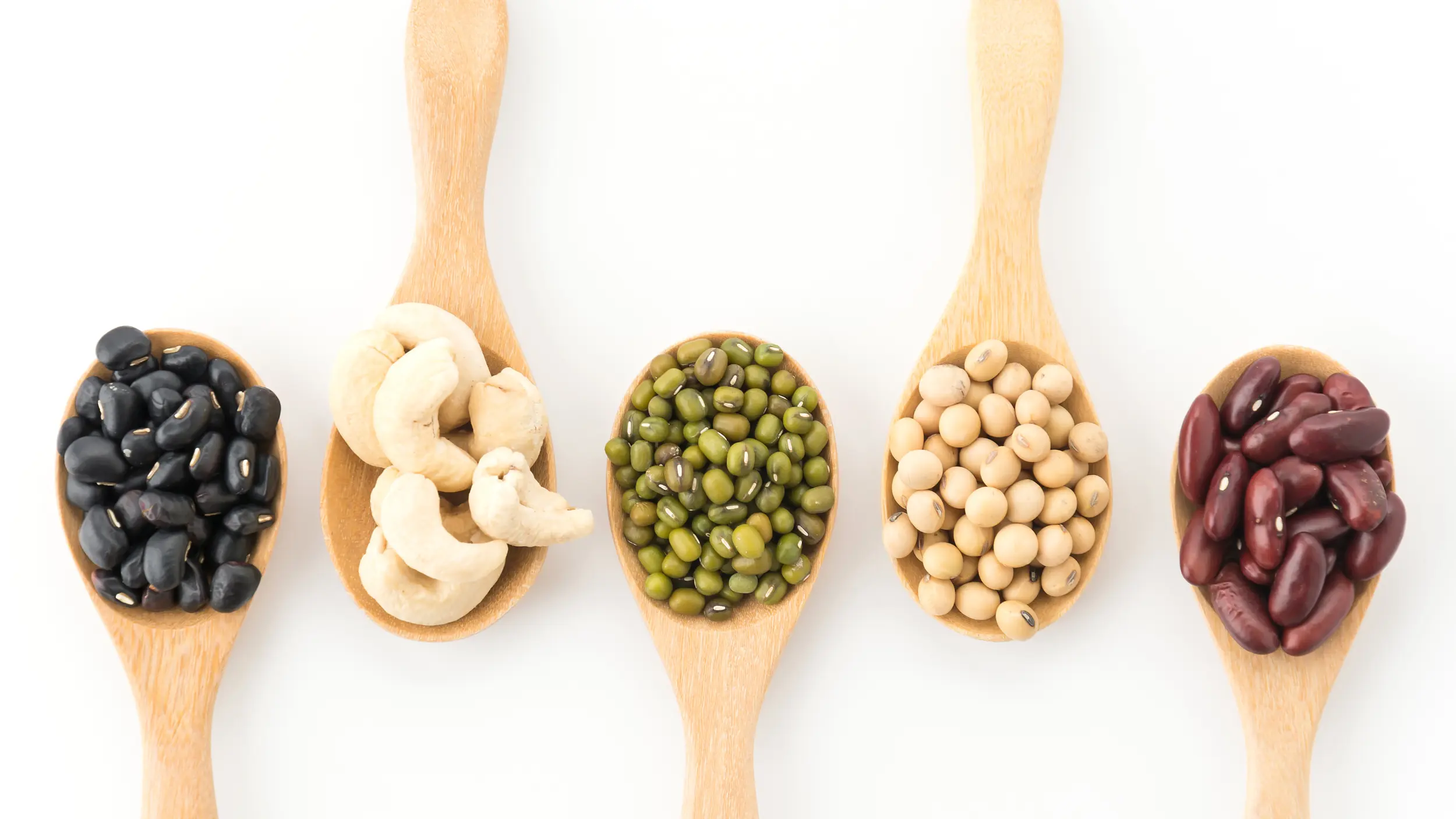
- Choose gas station snacks wisely: roasted chickpeas, nuts with dried fruit, or popcorn instead of chips
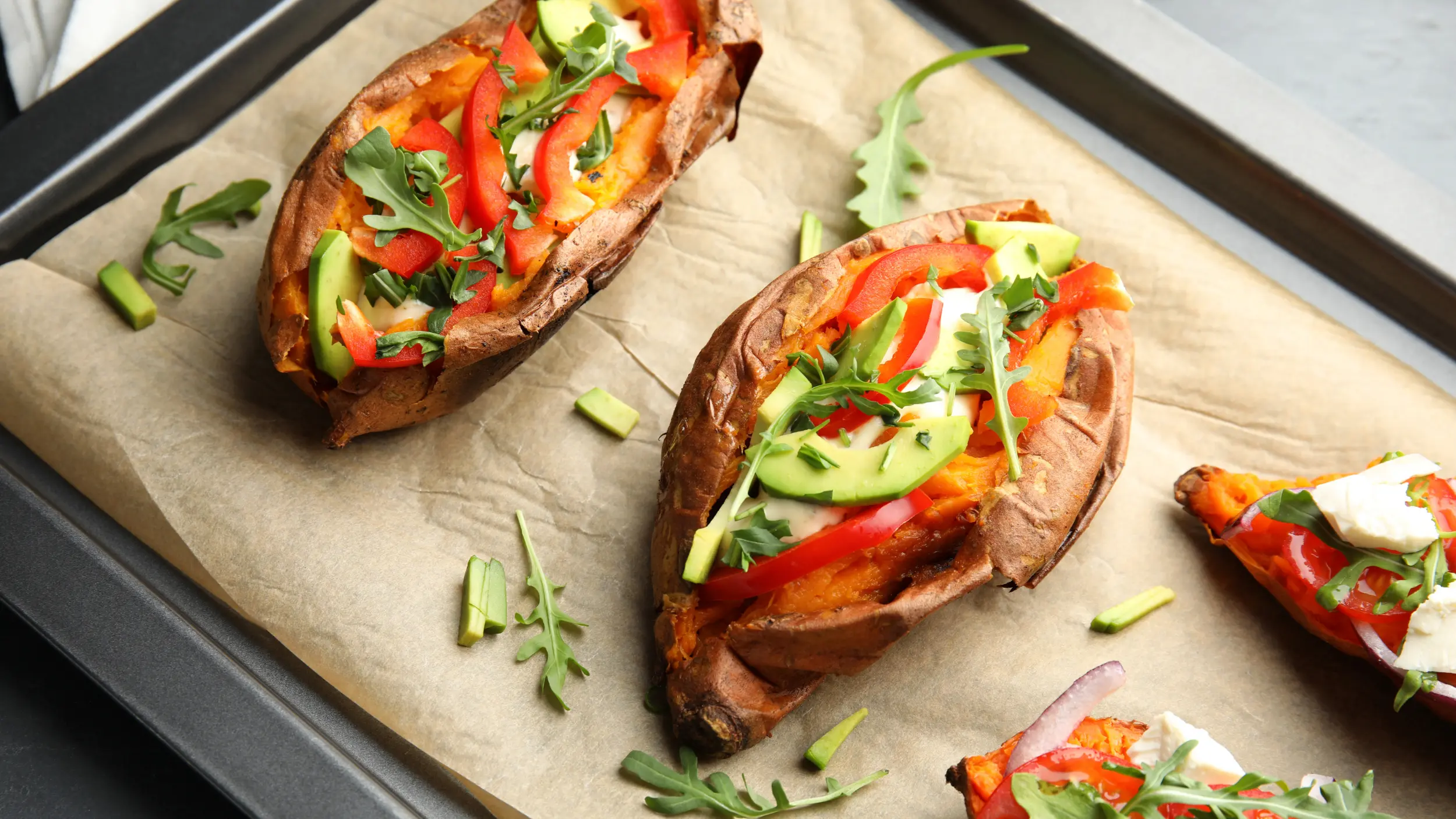
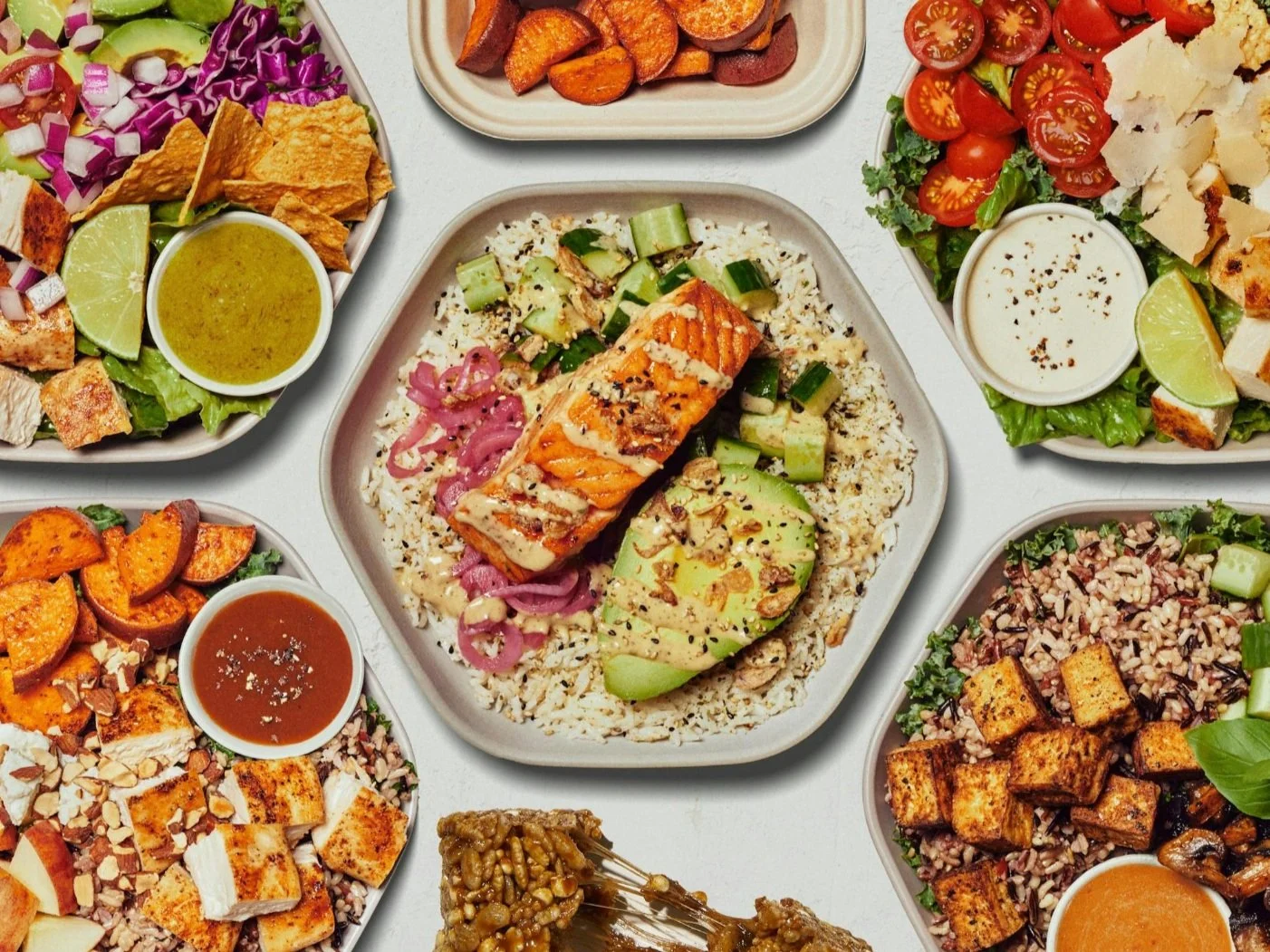
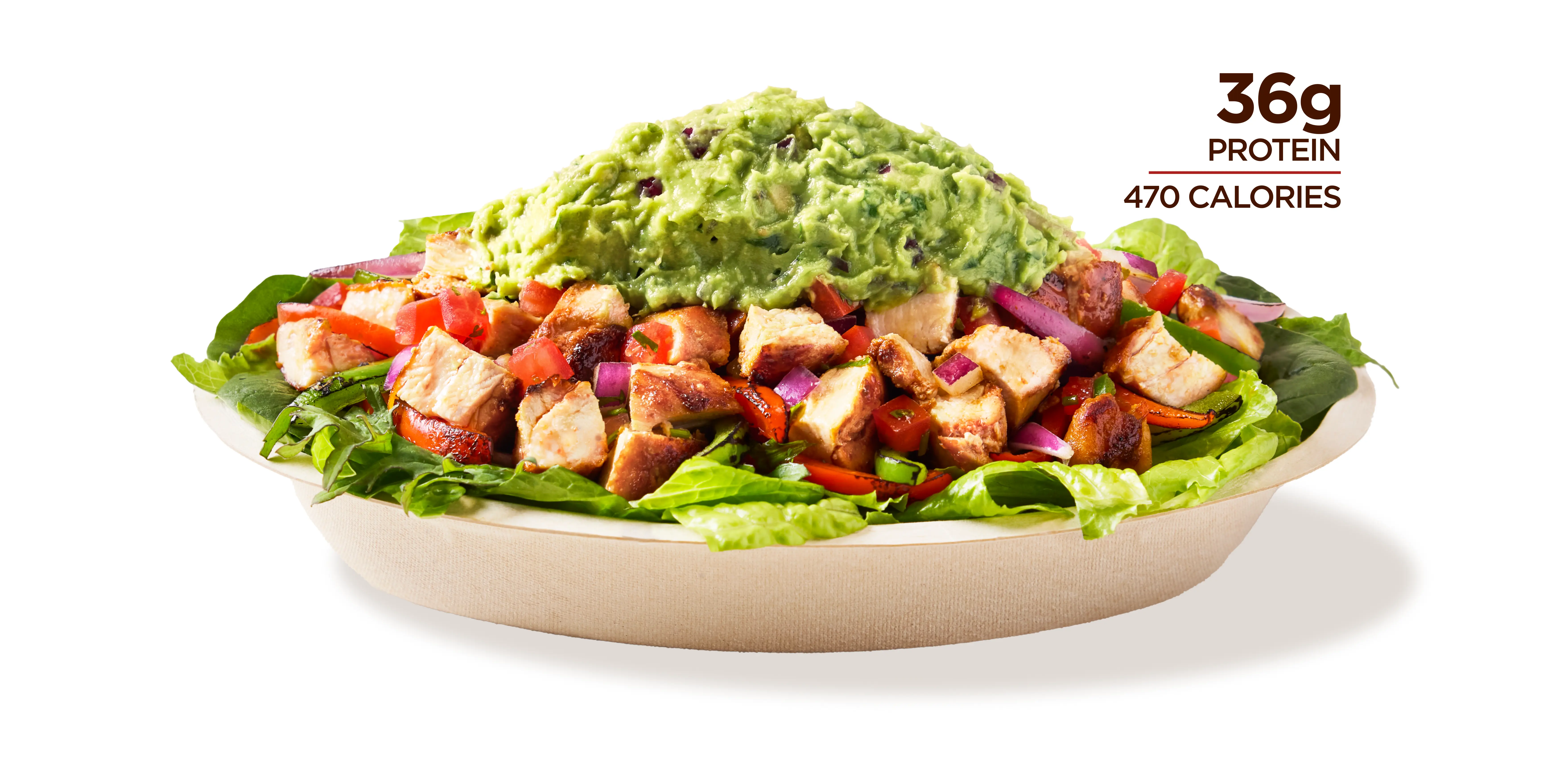
- Order strategically at restaurants: swap fries for a side salad, choose whole grain bread, add extra vegetables to any meal
One client of mine calls her car snack bag her "fiber pharmacy." She packs single-serve packets of chia seeds (5g fiber per tablespoon) that she stirs into bottled water or yogurt at rest stops. Genius, right?
The probiotic advantage
Your gut microbiome plays a massive role in bowel regularity, and travel disrupts it through schedule changes, different foods, and stress. Probiotic-rich foods can help maintain that balance:
- Pack a small cooler with Greek yogurt, kefir, or kombucha for the first day
- Look for fermented options at grocery stores: kimchi cups, sauerkraut, or miso soup
- Consider a shelf-stable probiotic supplement (Lactobacillus and Bifidobacterium strains show the strongest evidence for constipation relief)
What to limit (but not eliminate)
I'm not going to tell you to avoid all the fun stuff—this is a road trip, not a clinical trial. But being strategic helps:
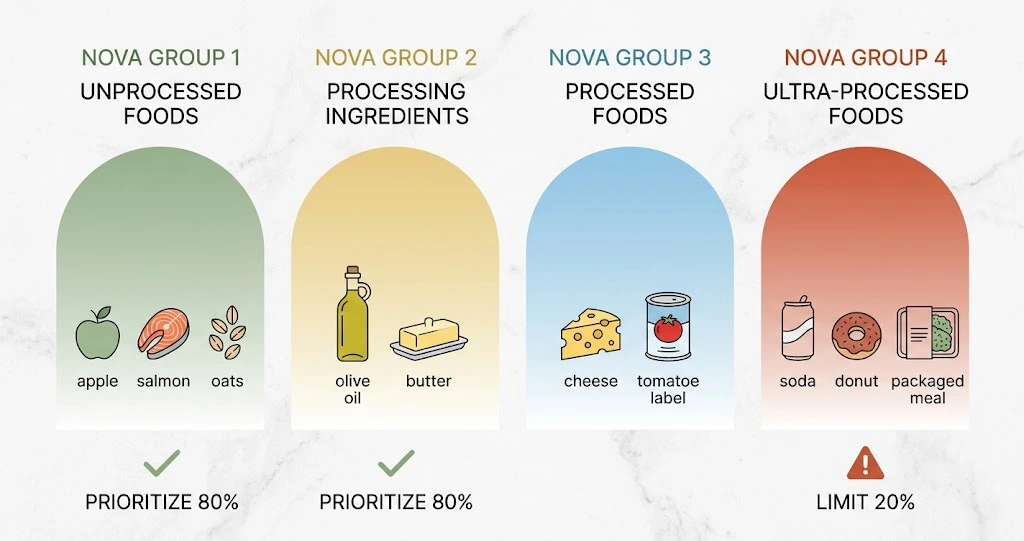
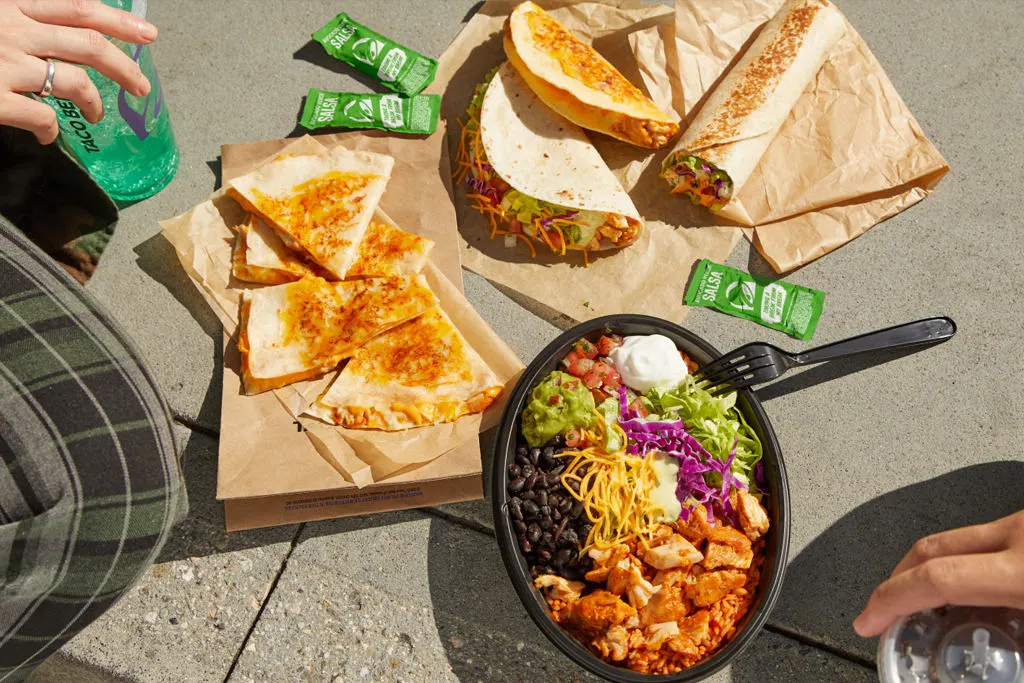
Processed foods, excess dairy, and low-fiber options slow transit time. If you're grabbing fast food, add fiber where you can: apple slices instead of fries, a side salad, or bringing your own high-fiber crackers to pair with a burger.
Alcohol and excessive caffeine both contribute to dehydration. If you're having that glass of wine with dinner or your morning coffee ritual, match it with an equal amount of water.
Proactive Strategies & When to Seek Support
Sometimes your best efforts need backup. Here's your evidence-based toolkit for dealing with constipation on the go.
Pre-trip preparation
Start three days before you leave:
- Gradually increase your fiber intake to your target range (sudden jumps cause bloating)
- Establish a consistent morning bathroom routine, ideally 20-30 minutes after breakfast when your gastrocolic reflex is strongest
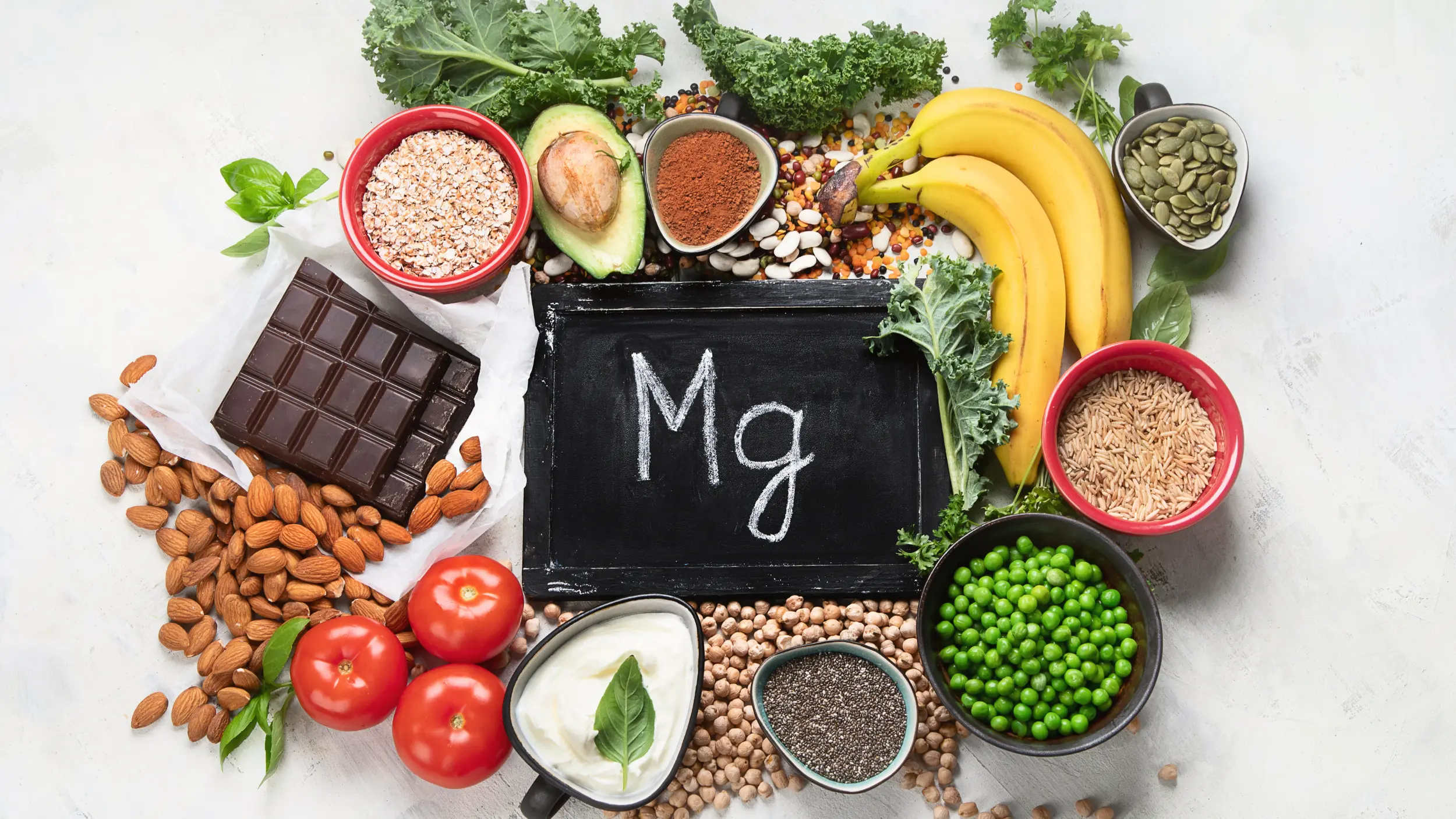
- If you're prone to travel constipation, consider starting a magnesium citrate supplement (200-400mg before bed)
Magnesium works by drawing water into the intestines and stimulating peristalsis. It's gentler than stimulant laxatives and non-habit forming.
Your travel emergency kit
Pack these constipation relief items for travelers:
- Natural calm magnesium powder (easily mixed into water)
- Psyllium husk capsules or powder (7g provides about 6g soluble fiber)
- Peppermint tea bags (peppermint oil relaxes intestinal smooth muscle)
- A gentle osmotic laxative like polyethylene glycol 3350 as a last resort
Real talk: If you haven't had a bowel movement in 3-4 days despite these interventions, or if you're experiencing severe pain, bloating, or vomiting, seek medical attention. Those are red flags that require professional evaluation.
Stress and your gut-brain axis
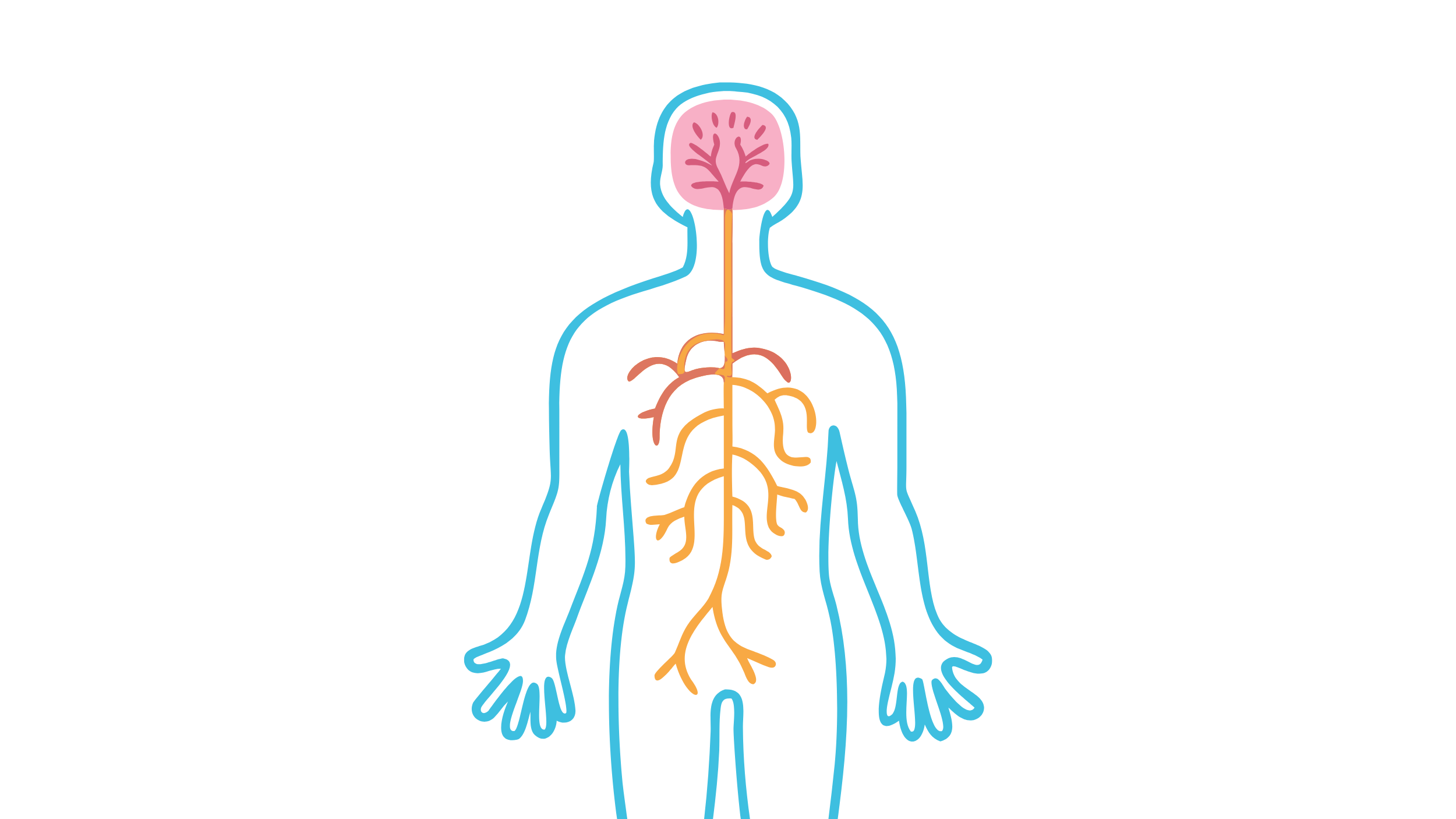
Travel stress directly impacts motility through the gut-brain connection. Your enteric nervous system (that's the extensive network of neurons in your GI tract) communicates constantly with your central nervous system.
When you're stressed about missing flights, navigating unfamiliar places, or dealing with travel companions, your body diverts resources away from digestion. This is basic physiology—your sympathetic nervous system (fight-or-flight) inhibits the parasympathetic system (rest-and-digest).
Quick stress management techniques that support staying regular on vacation:
- 4-7-8 breathing before meals (inhale for 4 counts, hold for 7, exhale for 8)
- Five minutes of morning meditation or journaling
- Maintaining some routine elements even while traveling (same breakfast time, consistent sleep schedule when possible)
These aren't woo-woo suggestions—they're evidence-based interventions that directly influence vagal tone and digestive function. If chronic stress is impacting your overall wellness, exploring functional nutrition approaches might be transformative.
Hormonal considerations for women
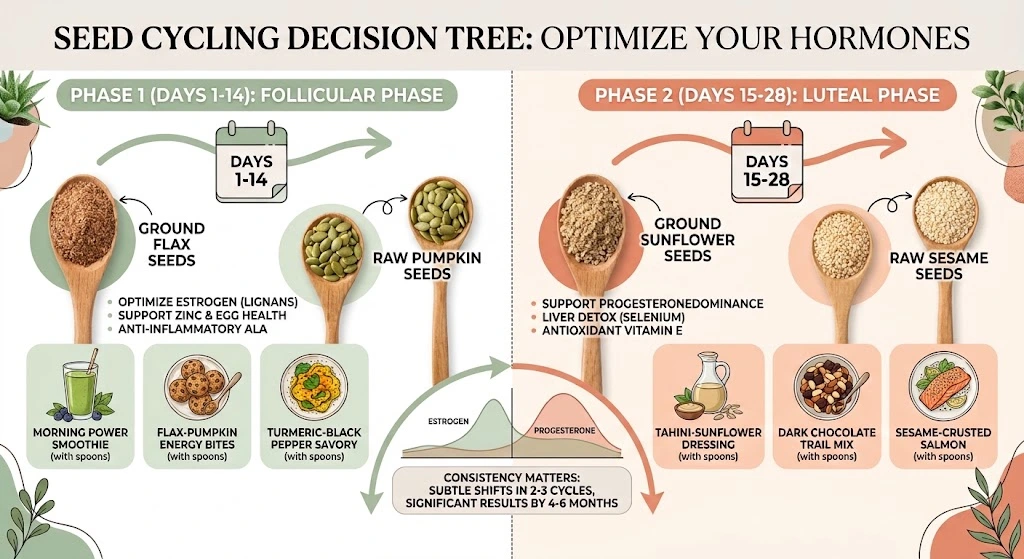
Here's something many women don't realize: your menstrual cycle affects bowel habits. Progesterone, which rises after ovulation, slows intestinal motility. If your road trip coincides with the luteal phase (roughly days 15-28 of your cycle), you're naturally more prone to constipation.
Be extra diligent with hydration and fiber during this window. Some women also find that hormone balance through nutrition helps regulate both their cycle and digestive patterns long-term.
Frequently Asked Questions
What are the best snacks to pack to prevent constipation on a road trip?
Focus on portable, high-fiber options that don't require refrigeration: dried figs, prunes, roasted chickpeas, nuts mixed with dried fruit, whole grain crackers with nut butter packets, fresh apples or pears, and individual chia seed packets. Aim for snacks providing at least 3-5 grams of fiber per serving.
How much water should I drink to avoid travel constipation?
Start with a baseline of 2.7 liters (91 ounces) daily, then add 8-16 ounces for every hour in a climate-controlled vehicle. In hot or dry climates, increase by another 20-30%. A practical approach: drink 8 ounces every hour you're awake and traveling. Your urine should be pale yellow—if it's darker, increase your intake.
Are there any quick remedies for constipation if it happens on a trip?
Yes! Try warm water with lemon first thing in the morning to stimulate motility. Add 1-2 tablespoons of ground flaxseed to yogurt or oatmeal (provides 4-6g fiber plus omega-3s). Natural calm magnesium powder (200-400mg) works within 6-8 hours for most people. If you need faster relief, prune juice (8 ounces) or a gentle osmotic laxative like MiraLAX can help within 24-48 hours.
Listen, managing constipation during travel doesn't have to be complicated or stressful. With these evidence-based strategies—proper hydration, strategic fiber intake, consistent movement, and a little preparation—you can absolutely enjoy your road trip without digestive drama.
But here's what I want you to remember: if constipation is a recurring issue for you, whether traveling or at home, that's your body asking for personalized attention. Generic advice only goes so far.
Ready to make your next road trip a comfortable and joyful experience? Let's chat about creating a personalized plan to keep your digestion happy. Book a consultation with me at www.usevedic.com today! Together, we'll identify your specific triggers, optimize your nutrition strategy, and create sustainable protocols that work for your unique body and lifestyle.
References
Note: No specific research sources were provided in the input data. For a fully cited version of this article with peer-reviewed references on travel-related constipation, colonic motility, fiber recommendations, probiotic efficacy, magnesium supplementation, and gut-brain axis function, please consult with your healthcare provider or visit the American Gastroenterological Association's clinical guidelines at gastro.org.
.svg)
.svg)


.jpg)
.jpg)














.webp)























.webp)
.webp)
.webp)
.webp)
.webp)
.webp)
.webp)
.png)
.webp)
.webp)

.webp)
.png)
.webp)
.webp)
.webp)
.webp)
.webp)
.webp)
.webp)
.webp)
.webp)


.webp)
.png)