.webp)
%2B(7).webp)
.png)
At a Glance
Getting healthy family dinners on the table doesn't require more time—it requires smarter strategies. These four dietitian-backed methods help you create nutritious family meals using simple formulas, deconstructed serving styles, meal-prep hacks, and flavor-boosting shortcuts that transform weeknight cooking from stressful to sustainable.
Introduction
Juggling work, picky eaters, and the pressure to cook a healthy meal every night can feel like an impossible task. But what if the solution wasn't about finding more time, but using smarter strategies? As a dietitian working with busy moms, I've seen firsthand how the right approach can streamline your evenings without sacrificing nutrition. Forget complicated recipes with ingredient lists a mile long. These are the four foundational secrets to getting a nutritious, family-approved dinner on the table, even on the most chaotic weeknights.
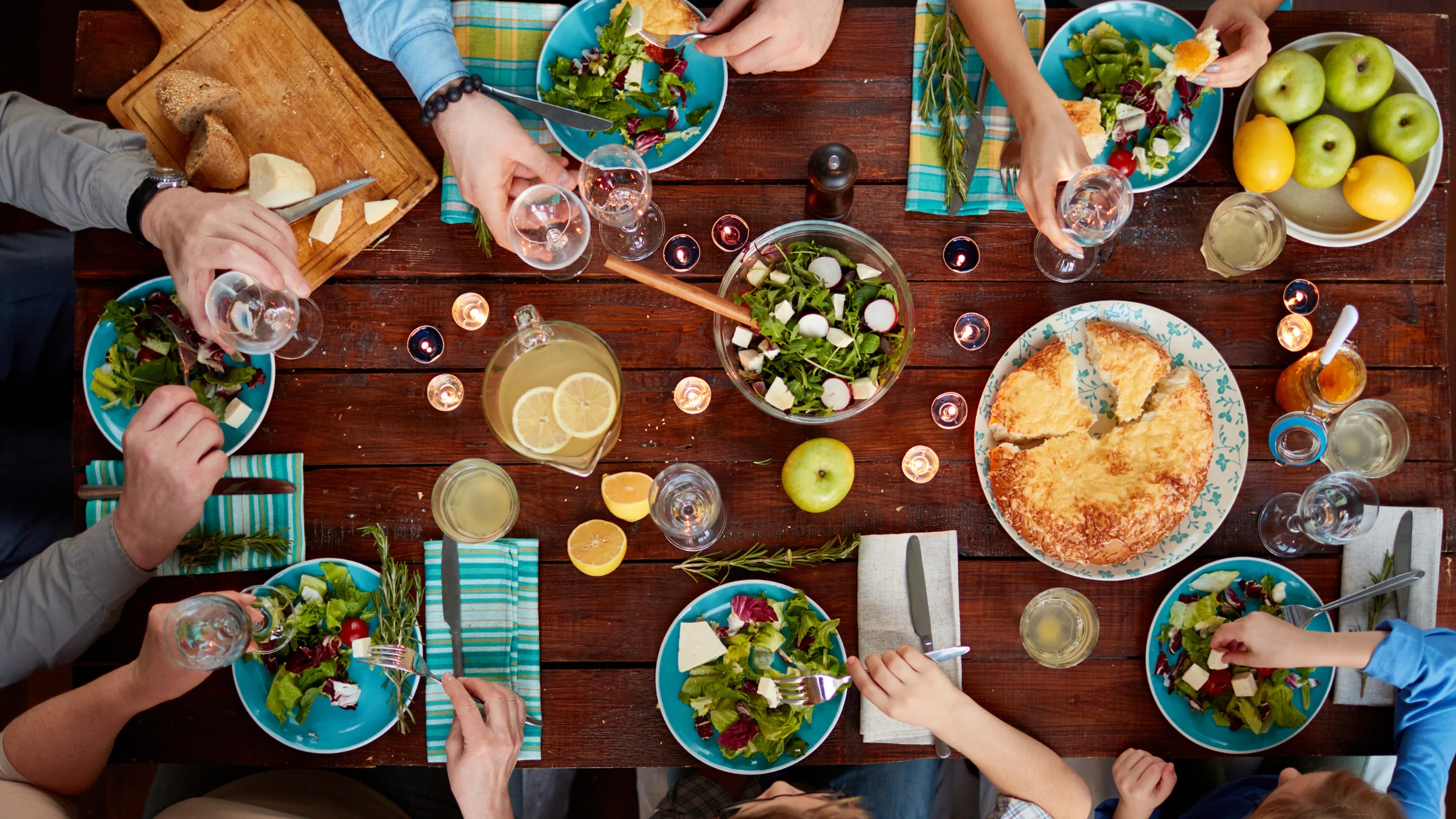
The truth is, healthy family meals don't have to be elaborate. Research shows that families who eat together regularly report better nutritional intake and stronger family bonds [1]. The challenge isn't understanding why family dinners matter—it's figuring out how to make them happen consistently. Let's break down the exact strategies that make easy healthy dinners a realistic part of your weekly routine.
1. Master the 'One-Pan Wonder' Formula
Your weeknight savior isn't a specific recipe—it's a repeatable formula. The one-pan method is backed by both efficiency research and nutritional science, proving that simplified cooking methods don't compromise nutrient retention [2]. Here's how to build it every single time.
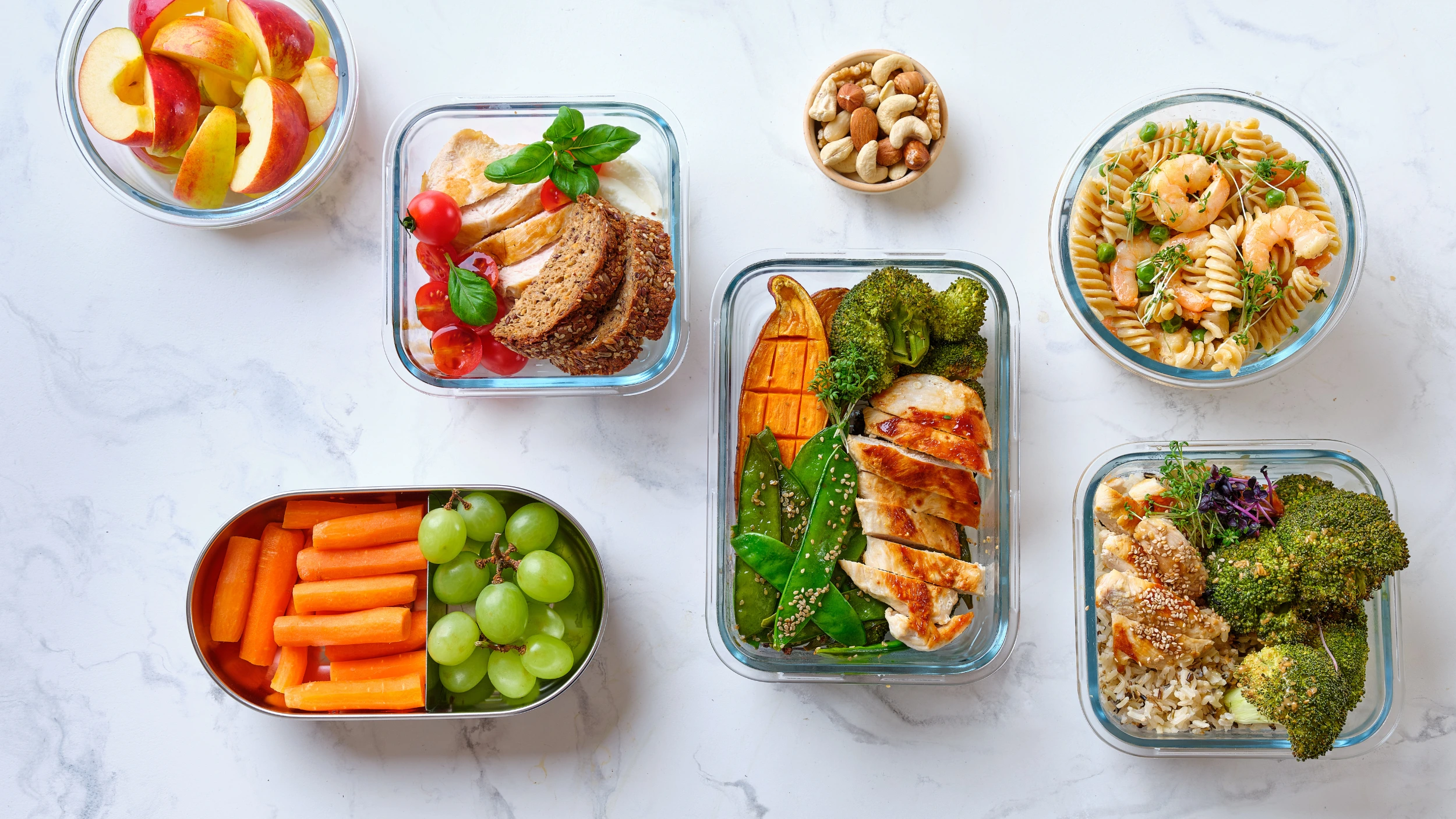
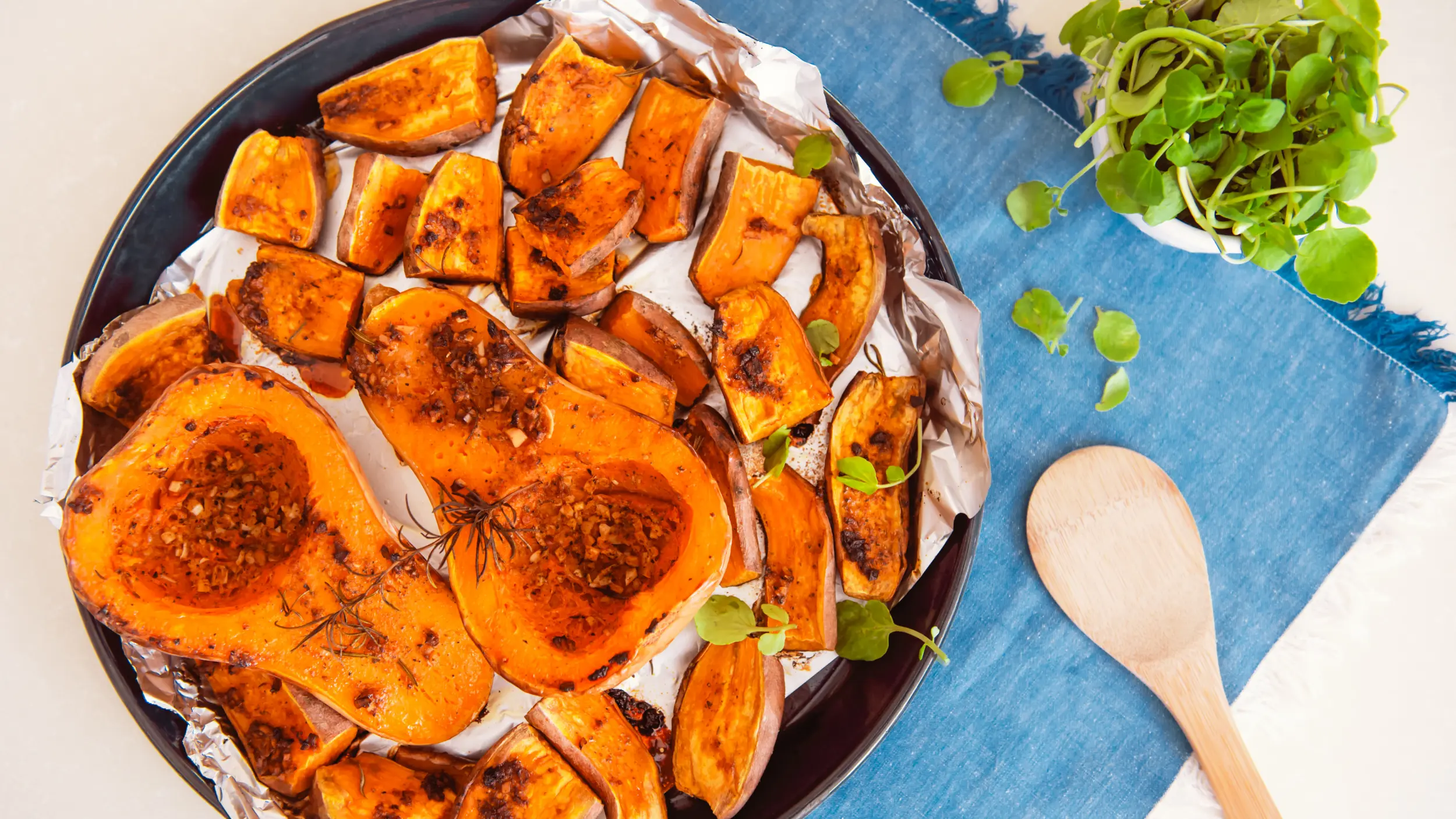
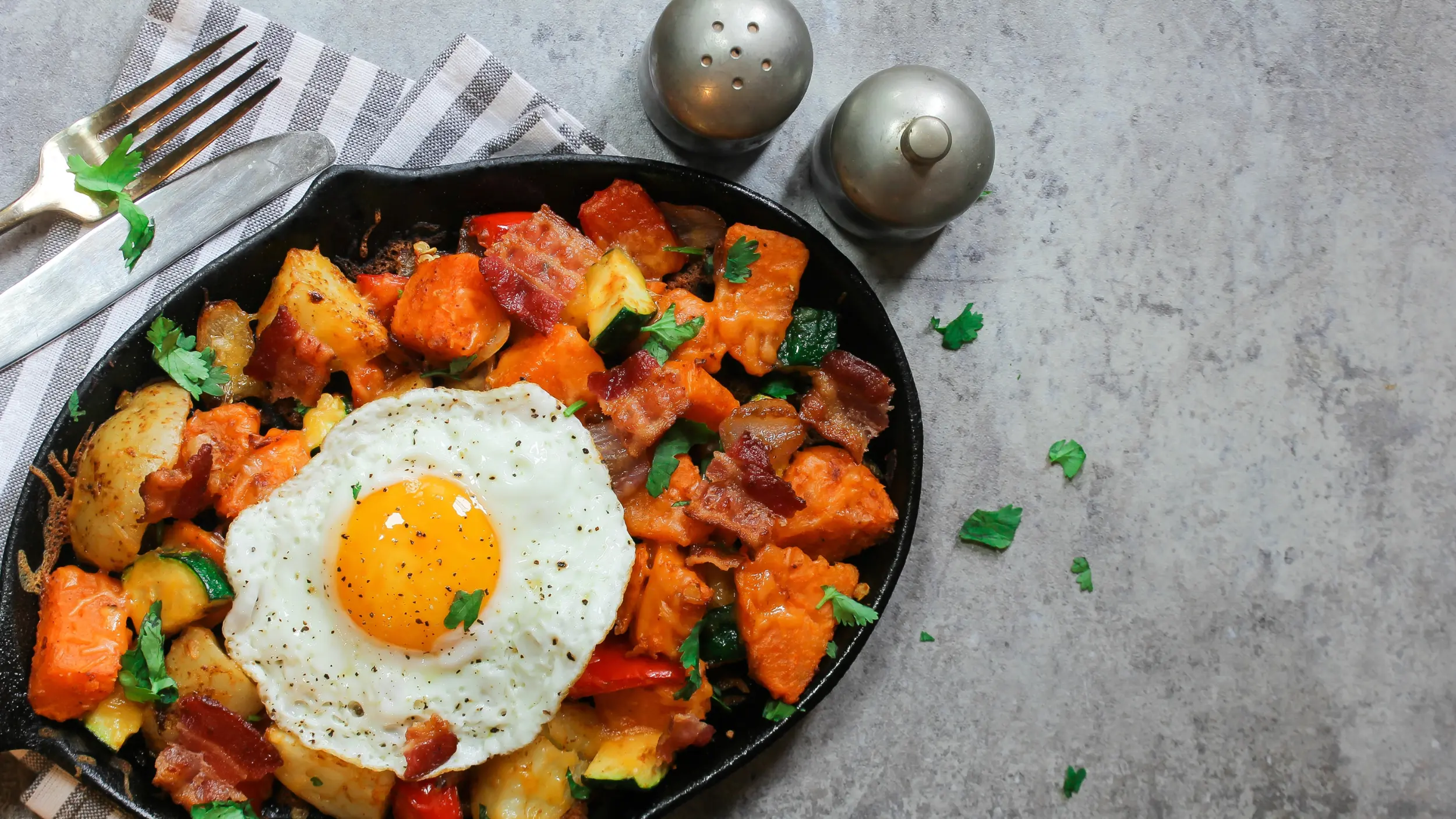
The foundation is simple: protein + non-starchy vegetables + smart carbohydrate, all roasted together on a single sheet pan. This approach delivers on the promise of quick healthy family meals while minimizing the cleanup that often makes weeknight cooking feel overwhelming.
How to Build Your One-Pan Formula:
- Choose your protein: Boneless chicken thighs, salmon fillets, lean ground turkey formed into meatballs, or chickpeas for a plant-based option
- Add colorful vegetables: Broccoli florets, bell pepper strips, zucchini rounds, cherry tomatoes, or Brussels sprouts halves
- Include a smart carb: Sweet potato wedges, baby potatoes, or cauliflower for a lower-carb option
- Season strategically: Olive oil, garlic powder, dried herbs (Italian seasoning, cumin, or paprika), salt, and pepper
Preheat your oven to 425°F, arrange everything on a lined sheet pan with proper spacing (overcrowding creates steaming instead of roasting), and cook for 25-30 minutes. The result? A complete, balanced meal that requires maybe 10 minutes of actual hands-on time.
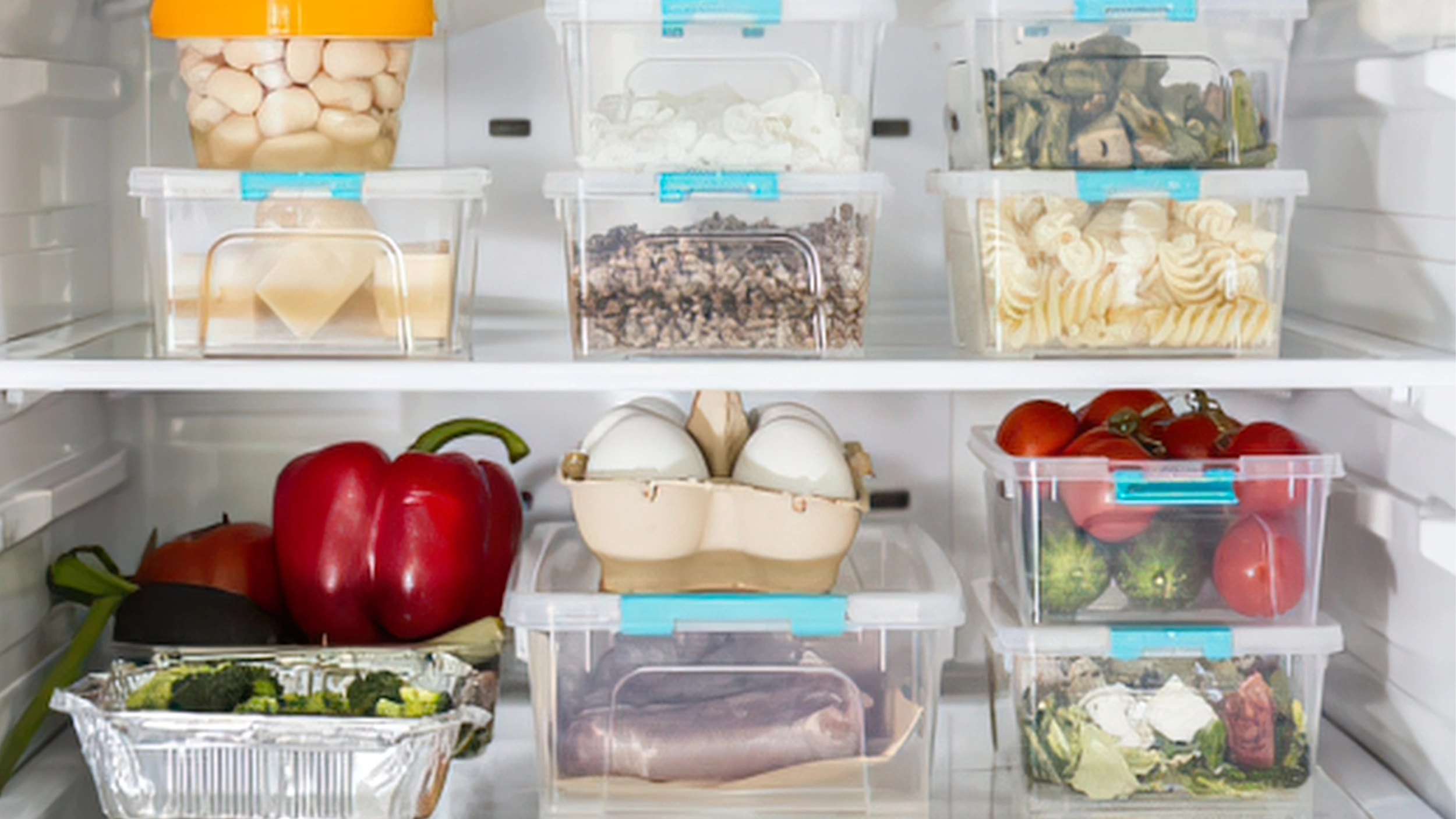
This method works brilliantly for meal planning strategies because you can batch-prep multiple pans on Sunday and simply pop them in the oven throughout the week. It's genuinely one of the most reliable healthy dinner recipes for families who need efficiency without sacrificing nutrition.
2. Win Over Picky Eaters with 'Deconstructed' Meals
Stop being a short-order cook. The deconstructed meal approach is grounded in research showing that children demonstrate increased vegetable acceptance when they have autonomy over their food choices [3]. Instead of one plated meal that half your family won't touch, serve dinner components separately and let everyone build their own bowl or plate.
Taco nights are the gold standard for this approach: offer seasoned ground turkey or black beans, brown rice or whole-wheat tortillas, shredded lettuce, diced tomatoes, avocado slices, shredded cheese, and salsa. Everyone gets exactly what they want, and you're not making three different dinners.
Best Deconstructed Meal Templates:
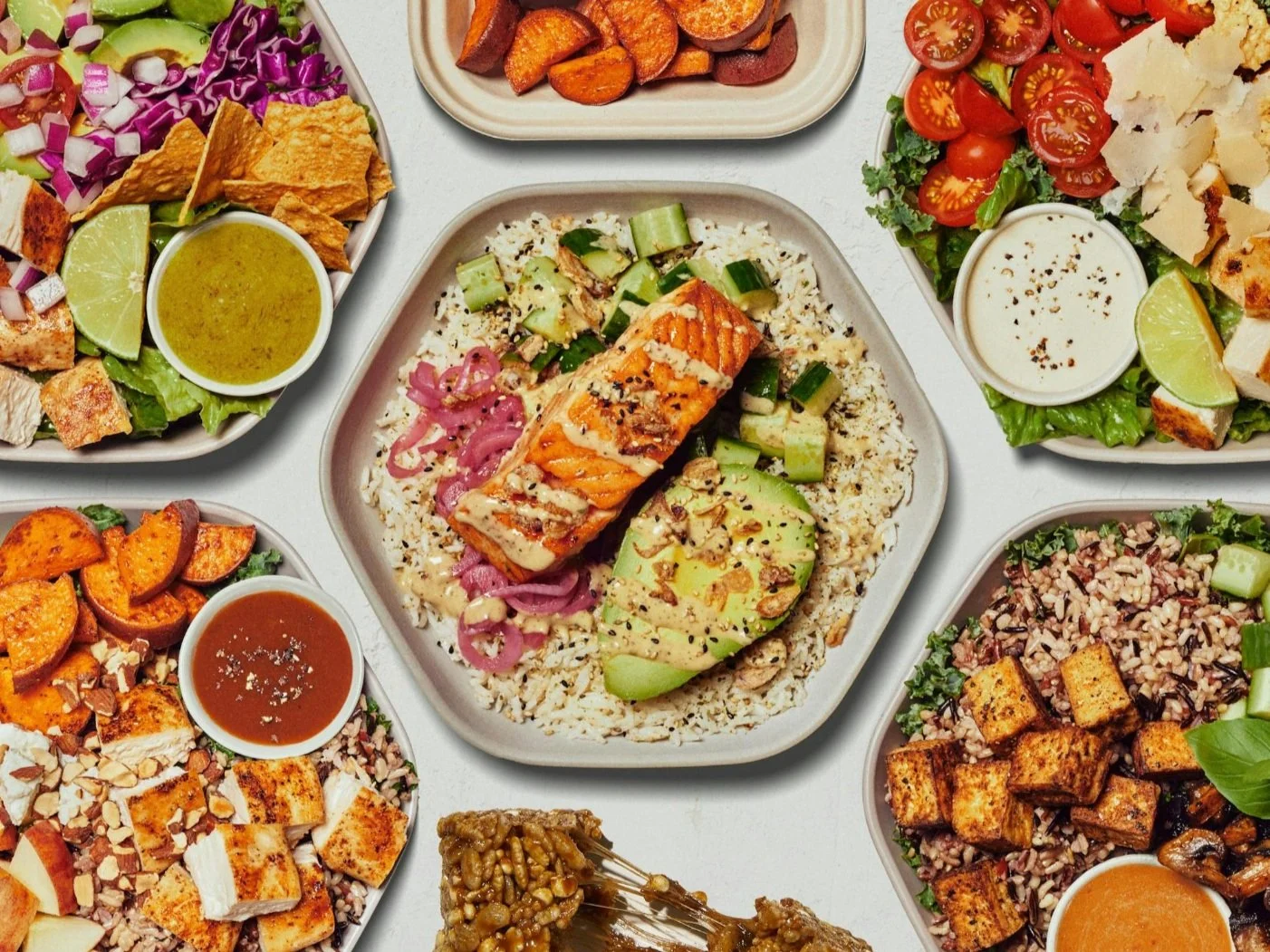
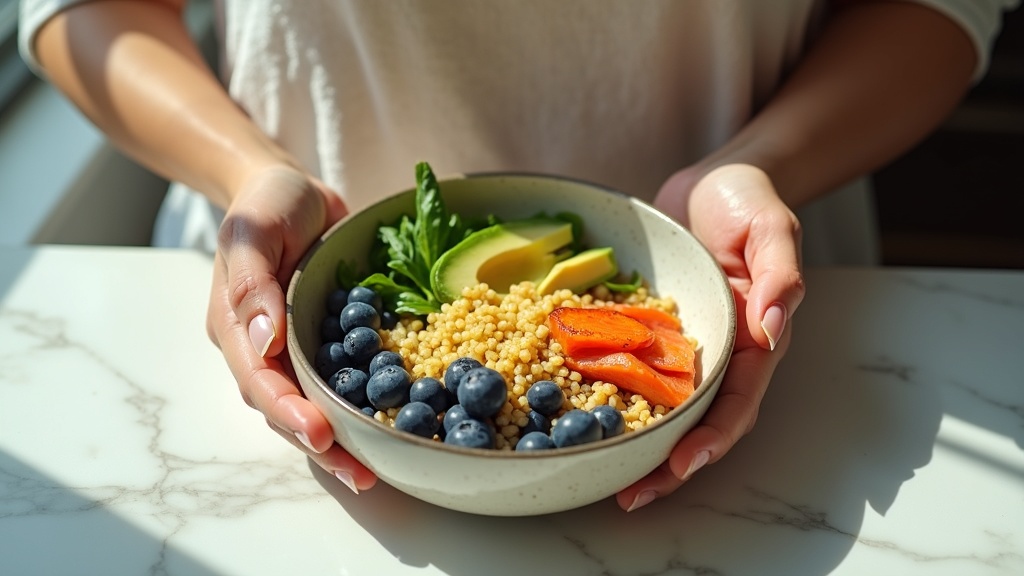
- Build-your-own grain bowls: Quinoa or brown rice base with grilled chicken strips, roasted vegetables, hummus, and tahini dressing
- DIY pizza night: Whole-wheat pita or naan, marinara sauce, part-skim mozzarella, and various vegetable toppings
- Breakfast-for-dinner bar: Scrambled eggs, whole-grain toast, turkey sausage, berries, and yogurt
- Pasta station: Whole-wheat pasta with marinara, pesto, grilled vegetables, and optional protein additions
This strategy transforms kid friendly healthy dinners from a constant negotiation into an empowering experience. Your toddler who "hates" mixed foods might happily eat the same ingredients when they're separated. Your teen can load up on protein after practice while your younger child focuses on the carbs they prefer.
The psychological benefit here is real: when kids have agency over their plates, mealtime stress decreases for everyone. Plus, this approach naturally accommodates different dietary needs within the same family, making it one of the most practical strategies for creating nutritious family meals that actually get eaten.
3. Implement the 'Cook Once, Use All Week' Hack
This isn't about spending all of Sunday in the kitchen. It's about making one ingredient work harder for you across multiple healthy weeknight meals. The concept is simple: when you're already cooking something, double the batch and repurpose it throughout the week in completely different dishes.
Research on meal preparation consistently shows that households who engage in batch cooking report lower food costs and improved diet quality [4]. This makes it both a time-saver and a legitimate strategy for budget friendly family meals.
Strategic Batch-Cooking Examples:
- Quinoa or brown rice: Make a large pot on Sunday. Use it as a side dish Monday, mix it into a stir-fry Wednesday, and fold it into veggie burger patties Friday
- Rotisserie or baked chicken: Serve it whole for dinner one night, shred the leftovers for chicken tacos, then use the remaining meat in a soup or salad
- Roasted vegetables: Roast three sheet pans of mixed vegetables. Serve them as sides, blend some into pasta sauce, and add them to grain bowls throughout the week
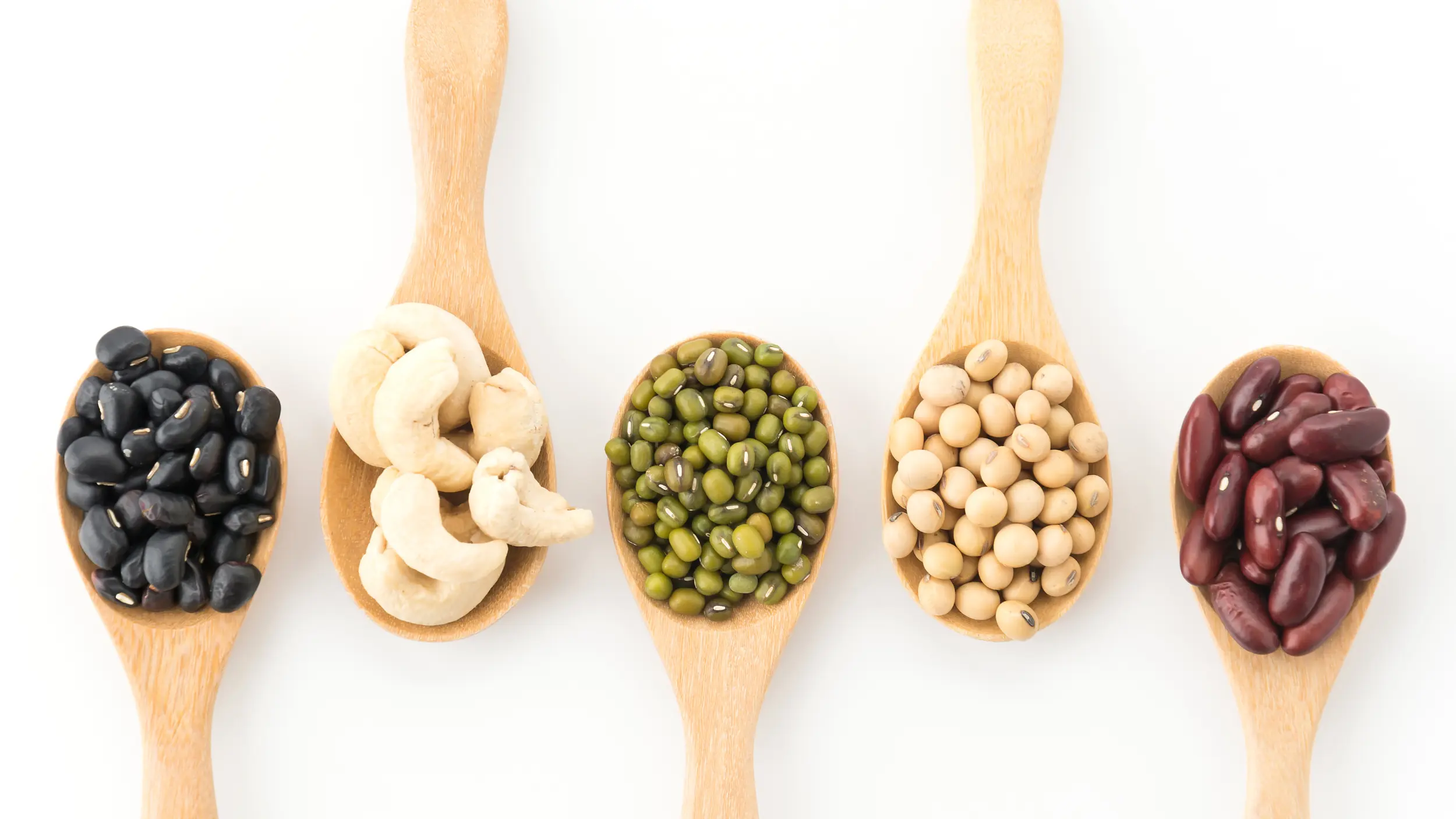
- Dried beans (cooked in bulk): Use black beans in tacos, white beans in Italian soup, and chickpeas mashed into a quick sandwich spread
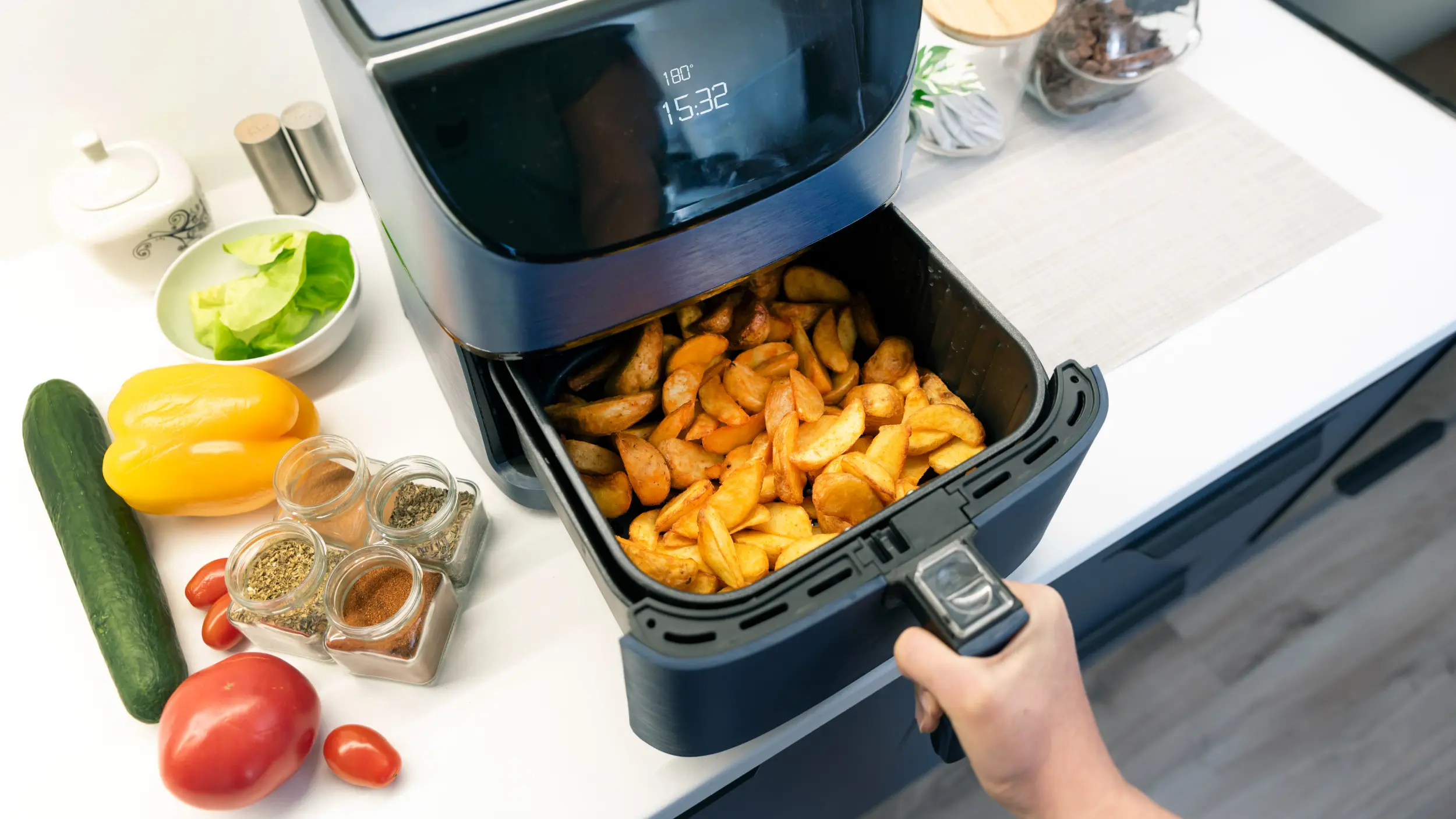
The magic isn't in cooking for hours—it's in recognizing opportunities to extend your effort. If your oven is already at 400°F for one pan, throw in another. If you're chopping onions for tonight's meal, dice extra and refrigerate them for later in the week.
This approach also directly supports mindful eating practices because when you're not scrambling to figure out dinner at 6 PM, you can actually sit down and enjoy the meal with your family. You'll find that simple healthy dinners become significantly more achievable when half the work is already done.
4. Elevate Everything with 5-Minute 'Flavor Boosters'
The difference between a bland meal your family tolerates and a crave-worthy one they actually request often comes down to one thing: the sauce or dressing. Commercial dressings and sauces are frequently loaded with added sugars and sodium, but homemade versions take literally five minutes and transform your healthy dinner recipes from boring to exceptional.
Let's be honest—plain grilled chicken and steamed broccoli might be nutritious, but it's not exciting. A vibrant, herb-packed sauce changes everything without adding significant calories or prep time.
Essential 5-Minute Flavor Boosters to Master:
- Lemon-tahini dressing: Whisk together 3 tablespoons tahini, juice of 1 lemon, 1 minced garlic clove, water to thin, salt and pepper. Perfect for grain bowls, roasted vegetables, and chicken
- Greek yogurt ranch: Combine plain Greek yogurt with dried dill, garlic powder, onion powder, and a splash of milk. Kid-approved for dipping vegetables
- Cilantro-lime crema: Blend Greek yogurt or sour cream with fresh cilantro, lime juice, and a pinch of cumin. Ideal for taco nights and burrito bowls
- Ginger-soy glaze: Mix low-sodium soy sauce, rice vinegar, grated ginger, minced garlic, and a teaspoon of honey. Use for stir-fries and salmon
Make one of these at the start of the week and store it in a jar in your refrigerator. Suddenly, your basic sheet-pan dinner becomes something your family looks forward to. The same roasted vegetables taste completely different with a tahini drizzle versus a yogurt ranch, giving you built-in variety without additional cooking.
These sauces also help with the common challenge of getting kids to eat more vegetables. Research confirms that palatability is a primary driver of vegetable consumption in children [5]. A simple dipping sauce can be the difference between untouched broccoli and a clean plate.
By incorporating these simple healthy eating habits into your routine, you'll find that family dinner ideas feel less like a daily crisis and more like a manageable, even enjoyable, part of your evening.
FAQ: Your Quick Questions Answered
What is the healthiest dinner for a family?
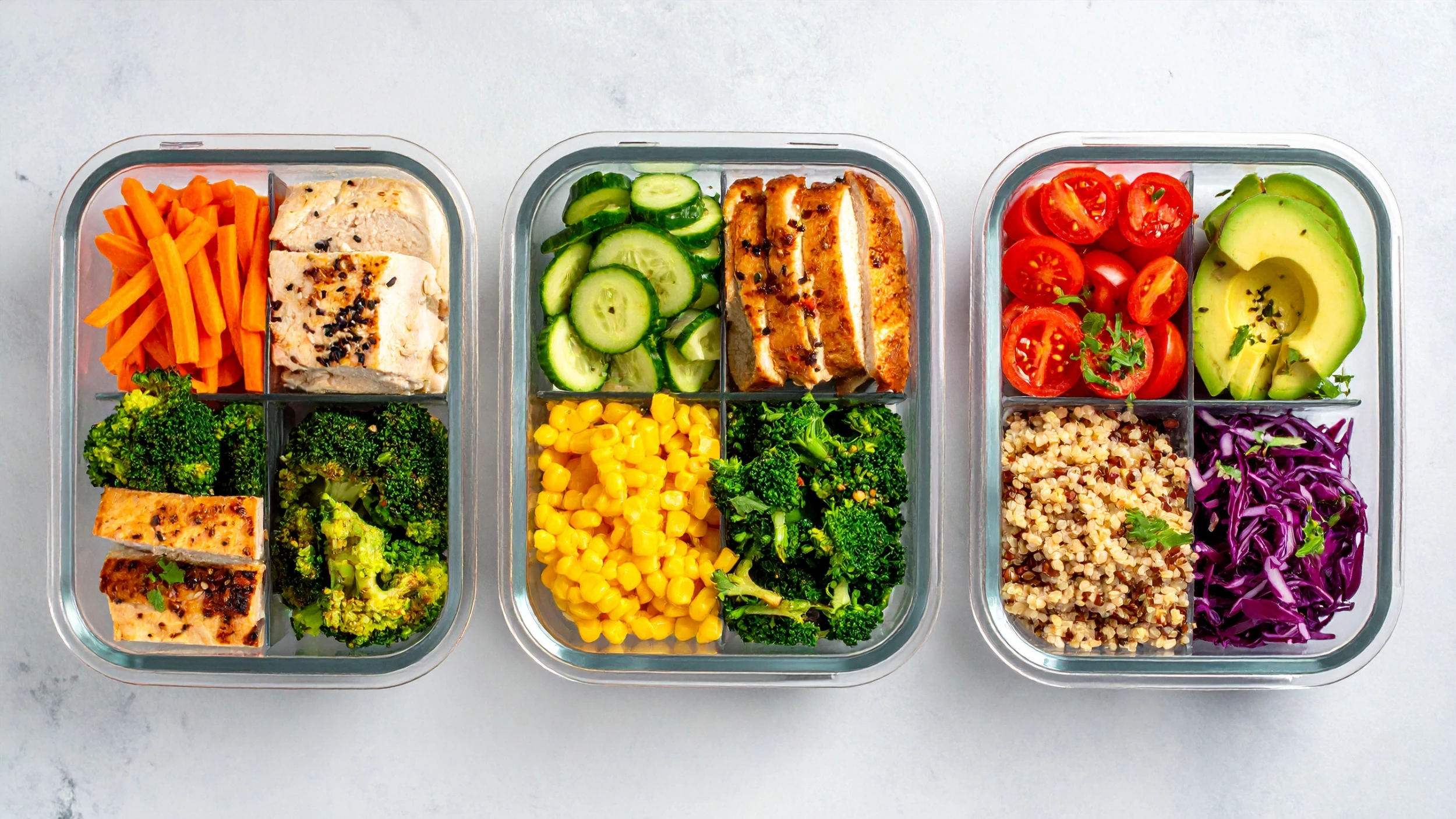
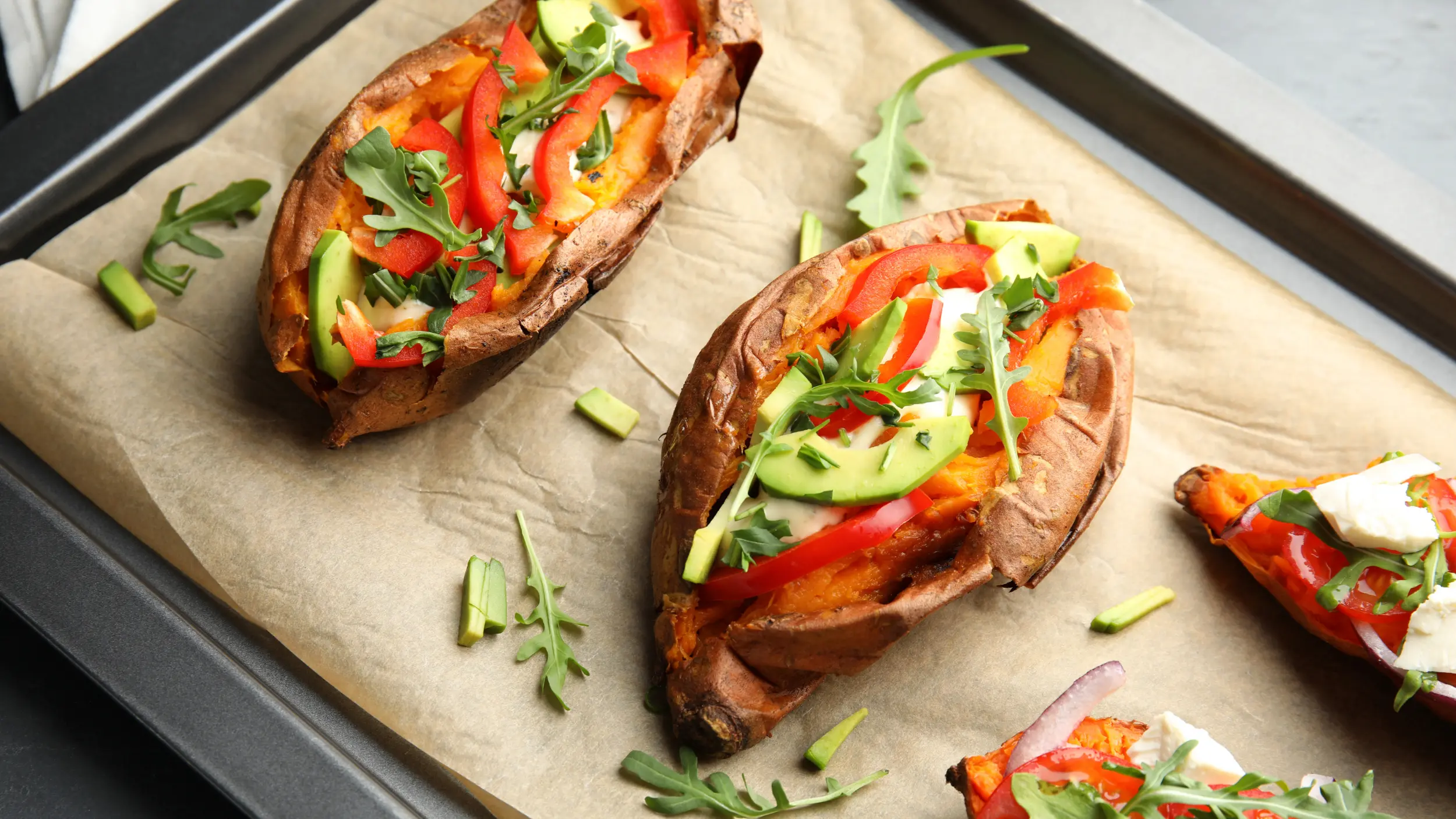
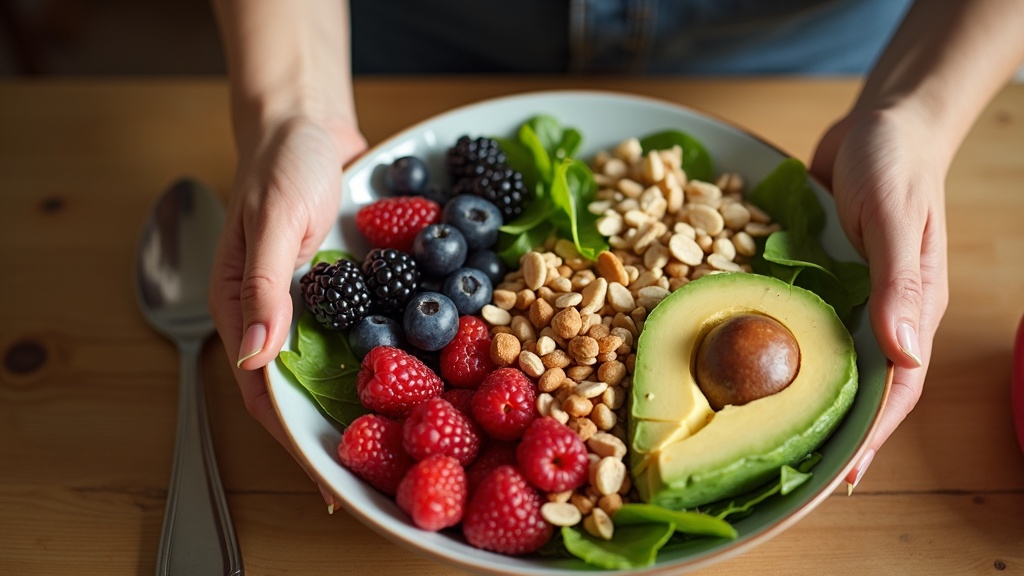
A truly healthy dinner is balanced, not restrictive. Aim to fill half your plate with non-starchy vegetables (like broccoli, peppers, leafy greens, or cauliflower), a quarter with lean protein (chicken, fish, tofu, beans, or eggs), and a quarter with a high-fiber carbohydrate (quinoa, sweet potato, brown rice, or whole-wheat pasta). This plate method ensures you're getting adequate fiber, protein, and micronutrients without overthinking portions.
How can I make my family dinner more interesting?
Introduce new herbs and spices gradually, try one new recipe per week (but keep the rest familiar), or get the family involved in choosing the menu. Theme nights like "Meatless Monday" or "Taco Tuesday" add structure and anticipation. Rotating through different cuisines—Mediterranean one week, Asian-inspired the next—also breaks monotony without requiring entirely new cooking skills.
What are some healthy meals for picky eaters?
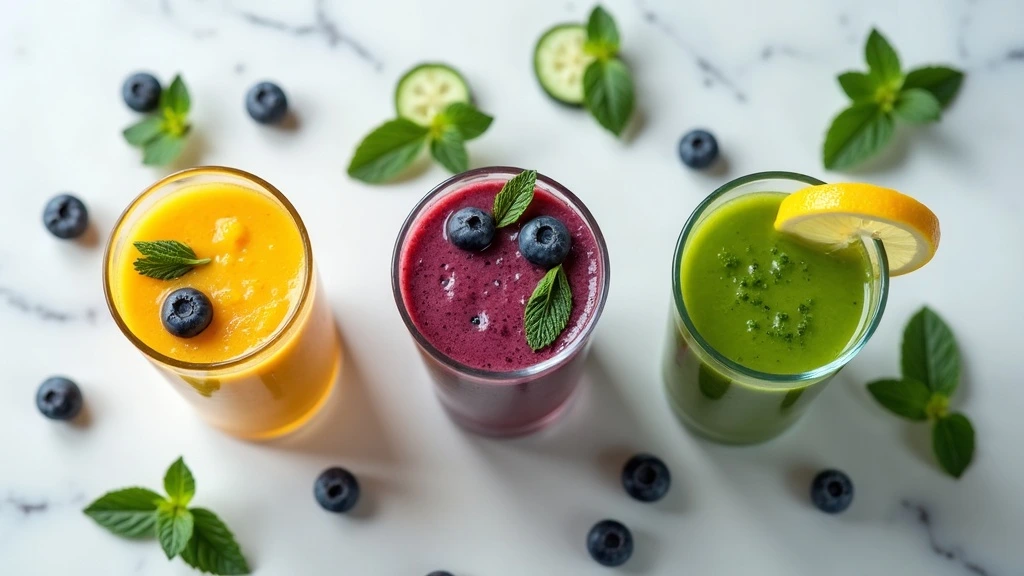
Focus on deconstructed meals where they can build their own plate. Smoothies with hidden spinach, whole-wheat pasta with a simple marinara sauce, homemade chicken tenders baked (not fried) with whole-grain breadcrumb coating, and breakfast-for-dinner options like veggie-packed omelets are often successful. The goal is offering familiar formats with gradual nutritional upgrades rather than completely foreign dishes.
Ready to End Dinner-Time Stress for Good?
Feeling inspired but want a plan tailored specifically to your family's needs, schedules, and health goals? Let's work together to create a sustainable system that actually fits your real life—not some idealized version of it. Book a 1:1 consultation with our dietitian today and get personalized strategies that make healthy family dinners your new normal, not your nightly stress.
References
[1] Fulkerson JA, et al. Family Dinner Meal Frequency and Adolescent Development: Relationships with Developmental Assets and High-Risk Behaviors. Journal of Adolescent Health, 2014.
[2] Miglio C, et al. Effects of Different Cooking Methods on Nutritional and Physiochemical Characteristics of Selected Vegetables. Journal of Agricultural and Food Chemistry, 2008.
[3] Holley CE, et al. Encouraging Children to Eat More Vegetables: Examining the Role of Variety and Autonomy. Appetite, 2015.
[4] Ducrot P, et al. Meal Planning is Associated with Food Variety, Diet Quality and Body Weight Status in a Large Sample of French Adults. International Journal of Behavioral Nutrition and Physical Activity, 2017.
[5] Nekitsing C, et al. Systematic Review and Meta-Analysis of Strategies to Increase Vegetable Consumption in Preschool Children Aged 2-5 Years. Appetite, 2018.
.svg)
.svg)


.jpg)
.jpg)








.webp)
























.webp)
.webp)
.webp)
.webp)
.webp)
.webp)
.webp)
.png)
.webp)
.webp)
.webp)
.png)
.webp)
.webp)
.webp)
.webp)
.webp)
.webp)
.webp)
.webp)
.webp)


.webp)
.png)